Manam Comfort Filipino
Manam Comfort Filipino brings the Philippines' most recognisable home-cooking canon to a polished, accessible setting at SM Mall of Asia in Pasay City. The menu anchors itself in regional classics, from sinigang to kare-kare, reformatted for sharing tables rather than solo dining. It occupies a middle tier between fast-casual Filipino chains and the more considered tasting formats emerging across Metro Manila.
Pearl is the En Primeur Club membership app — saves, bookings, and concierge access live there. Same editors, same standards.
- Address
- Main Mall, SM Mall of Asia, J.W. Diokno Blvd, Pasay City, 1300 Metro Manila, Philippines
- Phone
- +63 2 7915 4030
- Website
- manam.momentfood.com
- Directions
- Get directions
 Saves & bookings on Pearl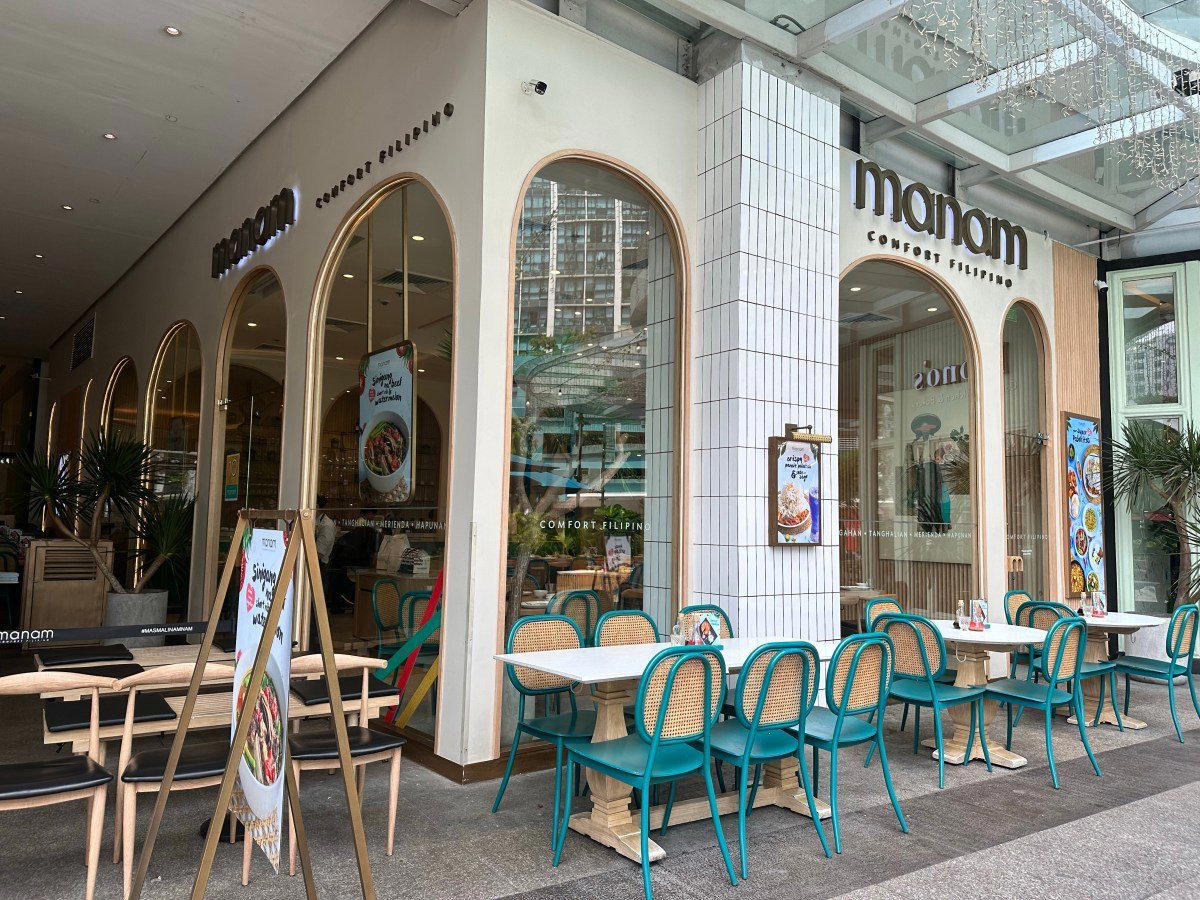
Filipino Comfort Food in a Mall Context That Takes Its Sourcing Seriously
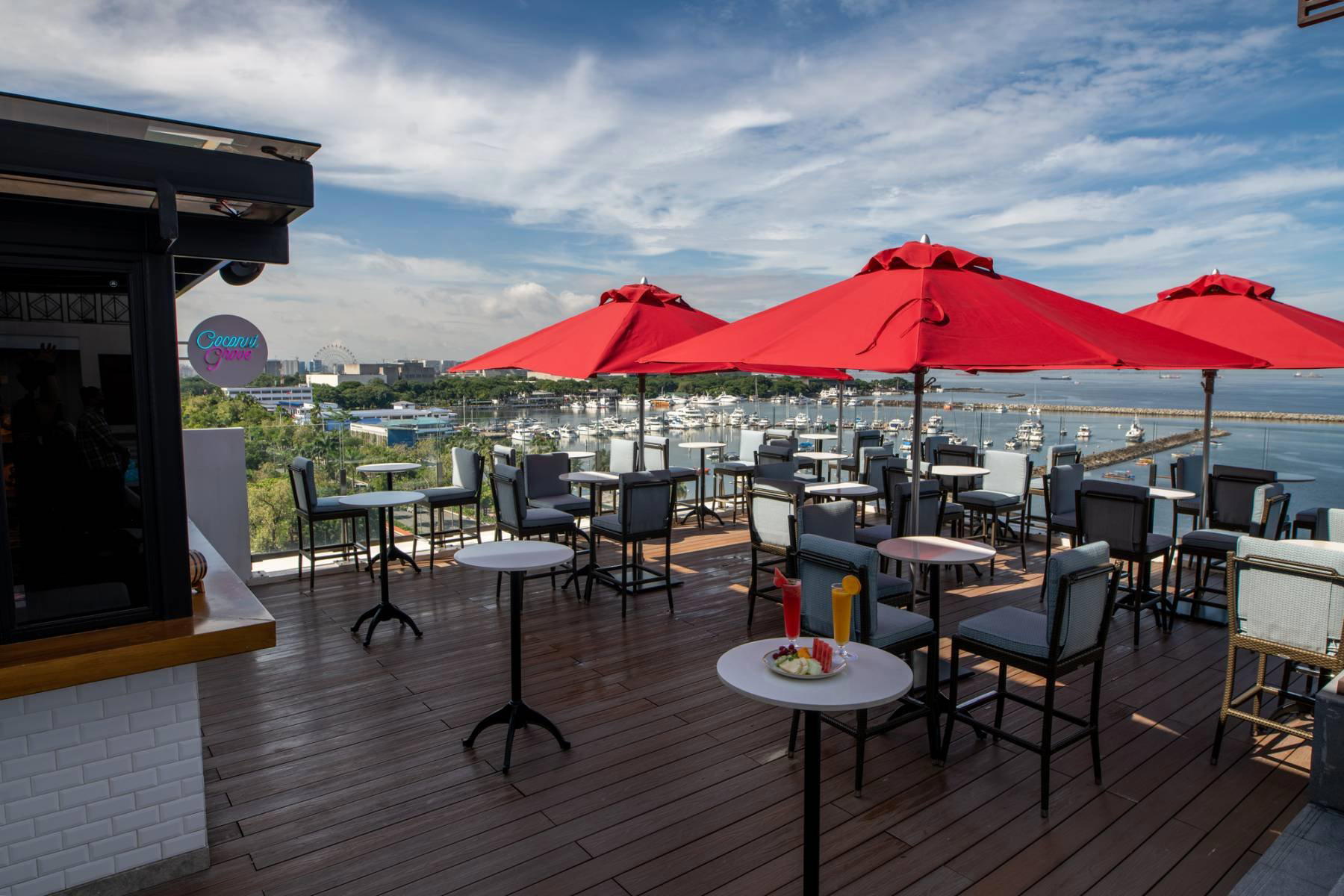
SM Mall of Asia sits on reclaimed land along Manila Bay, its scale more city district than shopping centre, and the dining strip inside follows the same logic: dozens of options competing for attention in a high-footfall environment where noise, queues, and lighting all run at full tilt. Within that setting, Manam Comfort Filipino positions itself as the responsible middle ground between fast-casual Filipino chains and the quieter, more considered restaurant formats spreading through Bonifacio Global City and Makati. The room reads casual, designed for groups rather than solo diners, and the menu follows suit: shared plates, familiar names, and a sourcing philosophy that takes Filipino produce seriously for the price point.
What Comfort Filipino Actually Means at This Tier
The term "comfort Filipino" carries a specific meaning in Metro Manila's dining conversation. It signals home-cooking register, meaning sinigang, adobo, kare-kare, and sisig rather than the tasting-menu reinterpretations appearing at venues like Hapag in Makati or the more technique-led Filipino formats at Gallery By Chele in Manila. Manam occupies the register below those rooms: no omakase progression, no fermentation laboratory, no single-origin narrative delivered tableside. What it does instead is apply a degree of sourcing discipline that separates it from the lowest-cost Filipino chains, using regional ingredients and preparing dishes to a consistent standard across a large, busy dining room.
That distinction matters when you map the Metro Manila Filipino dining spectrum. At one end sit the tasting-format restaurants building a case for Philippine cuisine as fine-dining material. At the other sit the mass-market chains standardising adobo across hundreds of locations. Manam sits closer to the fine-dining end of the casual tier, which in practice means ingredients that arrive fresher, preparations that stay closer to provincial originals, and a menu that rotates selectively rather than expanding indefinitely.
Sourcing as the Organising Principle
Filipino cuisine is intensely regional. Sinigang in Batangas reads differently from sinigang in Pampanga. Kare-kare depends on the quality of the bagoong fermented shrimp paste served alongside it as much as on the peanut-based broth itself. Lechon derives much of its character from the breed of pig, its diet, and where it was raised. These are not marginal variables: they are the entire point of the dish. A kitchen that treats them as interchangeable produces technically recognisable food that tastes of nothing in particular.
Manam's sourcing approach, visible in the menu's emphasis on named regional preparations rather than generic category labels, reflects this. The decision to anchor the menu in specific dish identities rather than vague "Filipino-inspired" categories positions the kitchen alongside restaurants in the broader Metro Manila scene that take ingredient provenance seriously, even if the format stays casual. That places it in a different competitive set from outlets like Gerry's Grill across its mall locations, which operate at volume and standardisation rather than regional specificity.
For comparison, seafood-focused casual dining in Metro Manila, represented by venues like Dampa in Quezon City, organises its sourcing around market-day availability from Navotas and nearby fish markets. Manam's sourcing logic runs along regional cuisine lines rather than seafood-market lines, which is a different organising principle but the same underlying commitment: knowing where the ingredient comes from before deciding what to cook with it.
Taguig Context and the Wider Metro Manila Filipino Scene
The SM Mall of Asia address places Manam in Pasay City technically, though Metro Manila geography compresses these boundaries in practice and the venue pulls from a Taguig, Makati, and Pasay dining audience simultaneously. Taguig's restaurant scene has expanded sharply over the past decade as BGC consolidated its position as Metro Manila's primary dining destination for both international formats and Filipino restaurants operating at higher price points. Venues in the immediate BGC orbit, including Bolero, Brick Corner, Canton Road, COCHI, and Em Ha Noi, reflect a dining culture that has moved decisively toward specific, edited concepts rather than broad menus. Manam operates at lower price pressure than most of those venues, occupying a sensible position for diners who want quality Filipino cooking without the tasting-menu commitment.
The rise of fine-dining Filipino formats nationally, from Linamnam in Paranaque to Asador Alfonso in Cavite, has created a more educated dining public for Filipino cuisine generally. That education filters down into casual-tier expectations: diners who have eaten at the tasting-format end of the spectrum return to casual venues with a sharper sense of what a good kare-kare or sinigang should taste like. Manam operates in that environment, where the casual-Filipino customer base has become, on average, more ingredient-aware than it was a decade ago.
Philippine dining at the international level has gained significant critical traction. Restaurants like Le Bernardin in New York City or Atomix in New York City demonstrate what happens when a cuisine's leading practitioners reach global recognition, and Filipino cuisine is undergoing a version of that international reappraisal now. Manam operates at the domestic casual end of that same broader movement.
Planning a Visit
SM Mall of Asia operates on standard Philippine mall hours, which run into the late evening most days of the week, making Manam accessible for late-lunch or dinner visits without needing advance planning around kitchen closing times. The mall is accessible by LRT-1 (EDSA station with connecting transport) and by car via J.W. Diokno Boulevard, with large mall parking available. Reservations are recommended on weekend evenings, when SM Mall of Asia foot traffic peaks and dining queues form across most casual restaurant categories. The venue suits groups and families; the shared-plate format means ordering for the table rather than individually.
At-a-Glance Comparison
Comparable venues nearby, for context on price, style, and recognition.
| Venue | Cuisine | Price | Awards | Notes |
|---|---|---|---|---|
| Manam Comfort FilipinoThis venue — the venue you are viewing | Comfort Filipino | $$ | Not listed | Not listed |
| Manam Uptown | Modern Filipino Comfort Food | $$ | Not listed | Bonifacio Global City |
| Mamacita | Authentic Mexican | $$ | Michelin Plate | Bonifacio Global City |
| Locavore (Taguig) | Modern Filipino Fusion | $$$ | Michelin Plate | Bonifacio Global City |
| Lore | Modern Regional Filipino | $$ | Michelin Plate | Bonifacio Global City |
| Italianni's Restaurant - Venice Grand Canal Mall | American-Italian Pasta & Pizza | $$ | Not listed | McKinley Hill |
At a Glance
- Modern
- Cozy
- Trendy
- Family
- Group Dining
- Casual Hangout
- Celebration
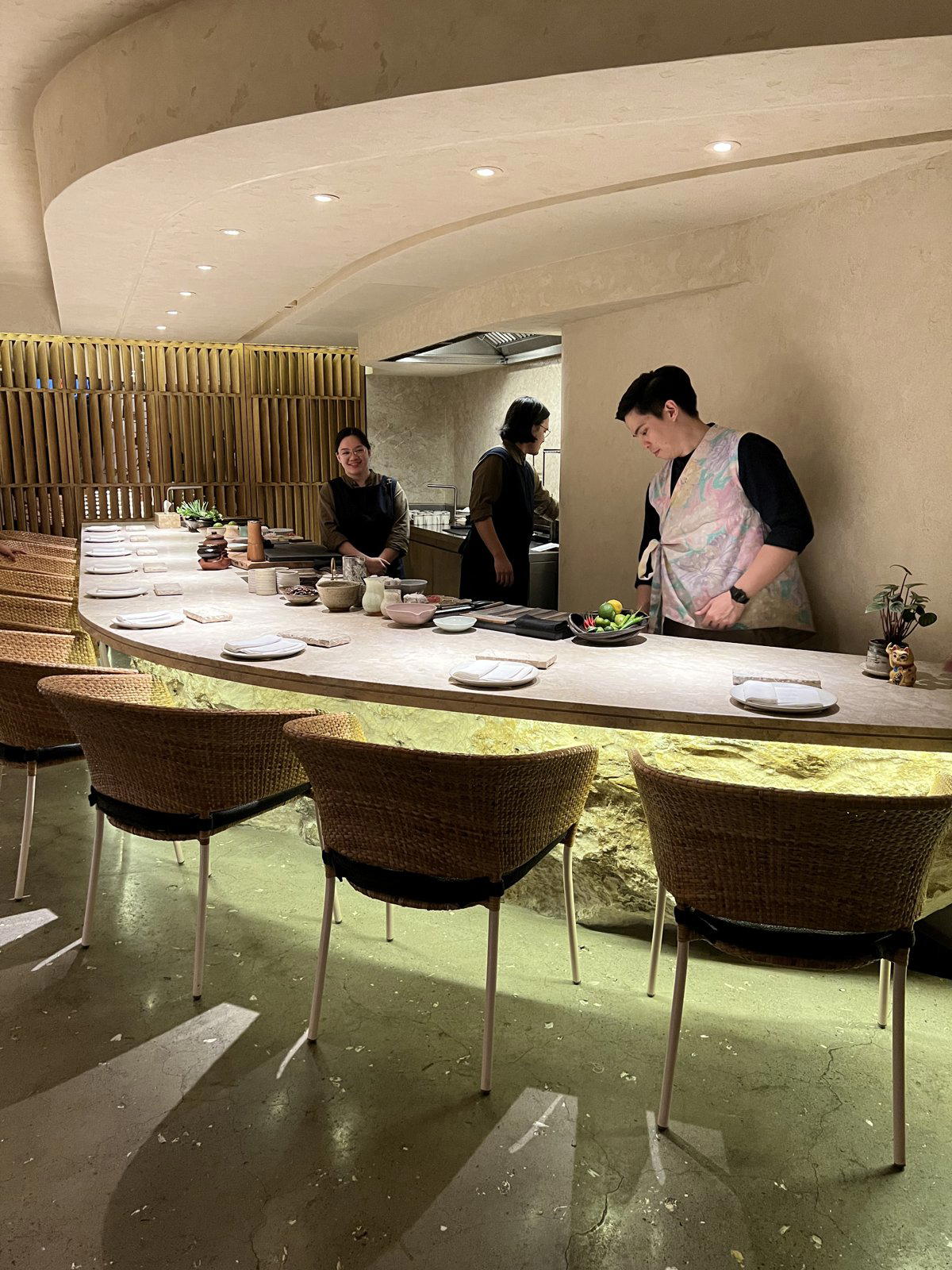
- Open Kitchen
Current opening hours
- Monday
- 10 AM–10 PM
- Tuesday
- 10 AM–10 PM
- Wednesday
- 10 AM–10 PM
- Thursday
- 10 AM–10 PM
- Friday
- 10 AM–10 PM
- Saturday
- 10 AM–10 PM
- Sunday
- 10 AM–10 PM
Hours can change for holidays and private events. Last verified .
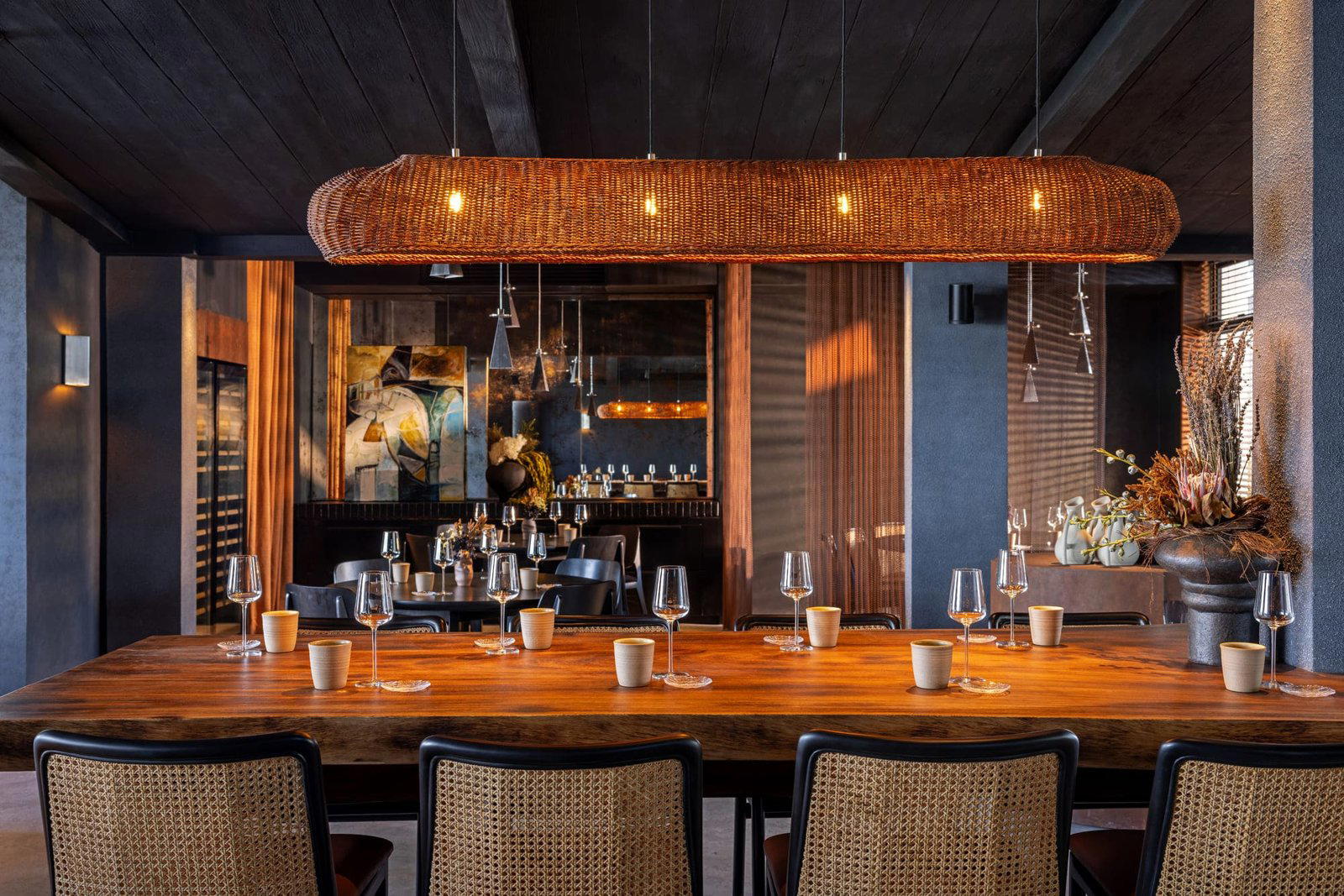
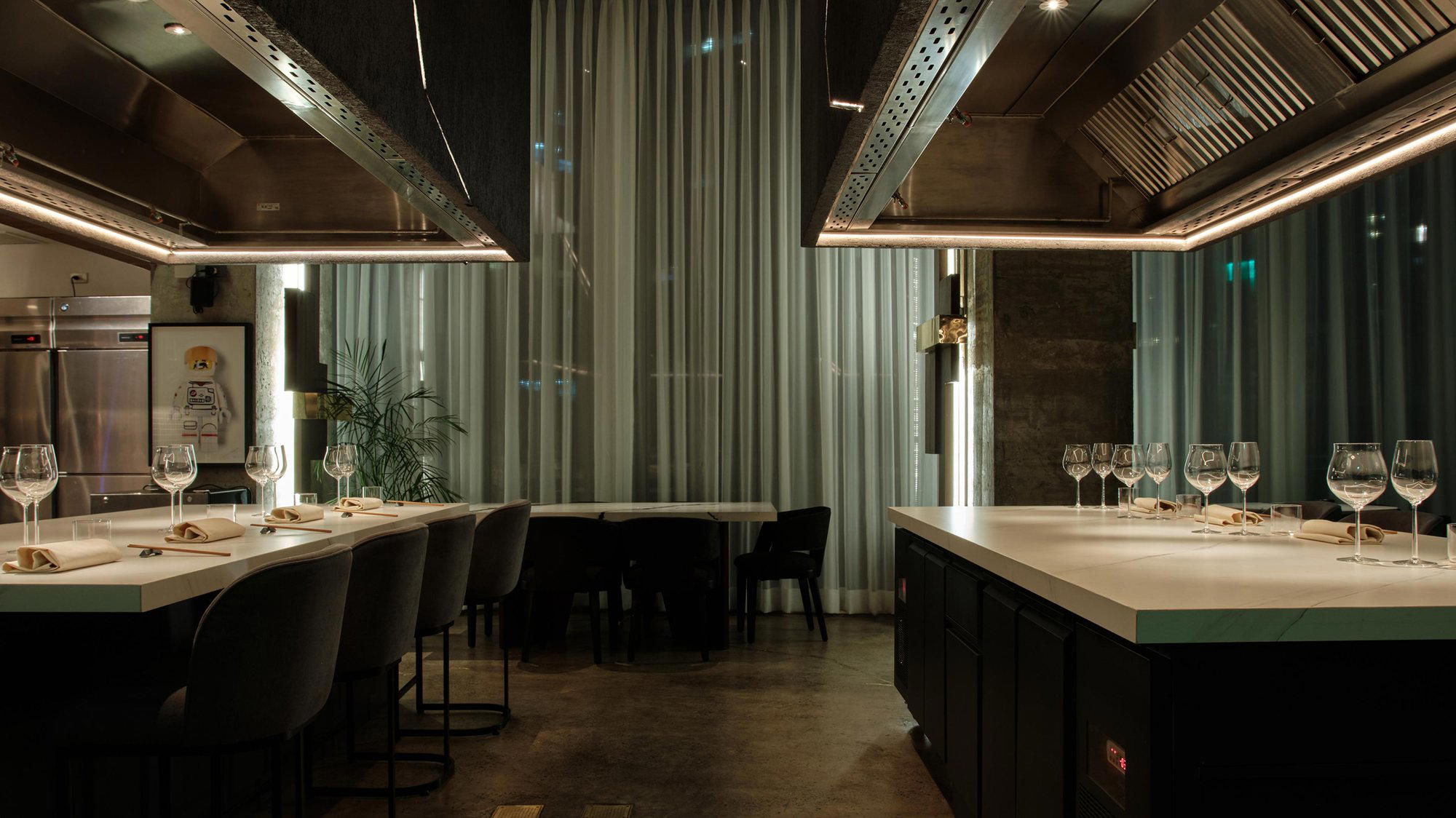
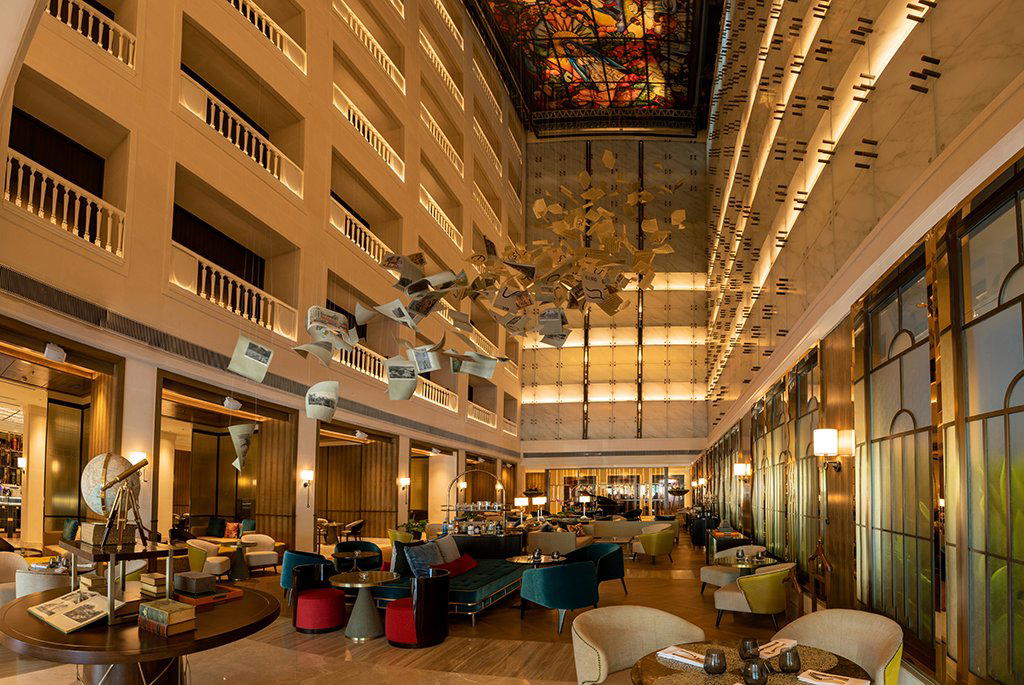
Warm and welcoming with a normal restaurant decor that feels like home, featuring friendly service amid a consistently busy atmosphere.