Locavore (Taguig)

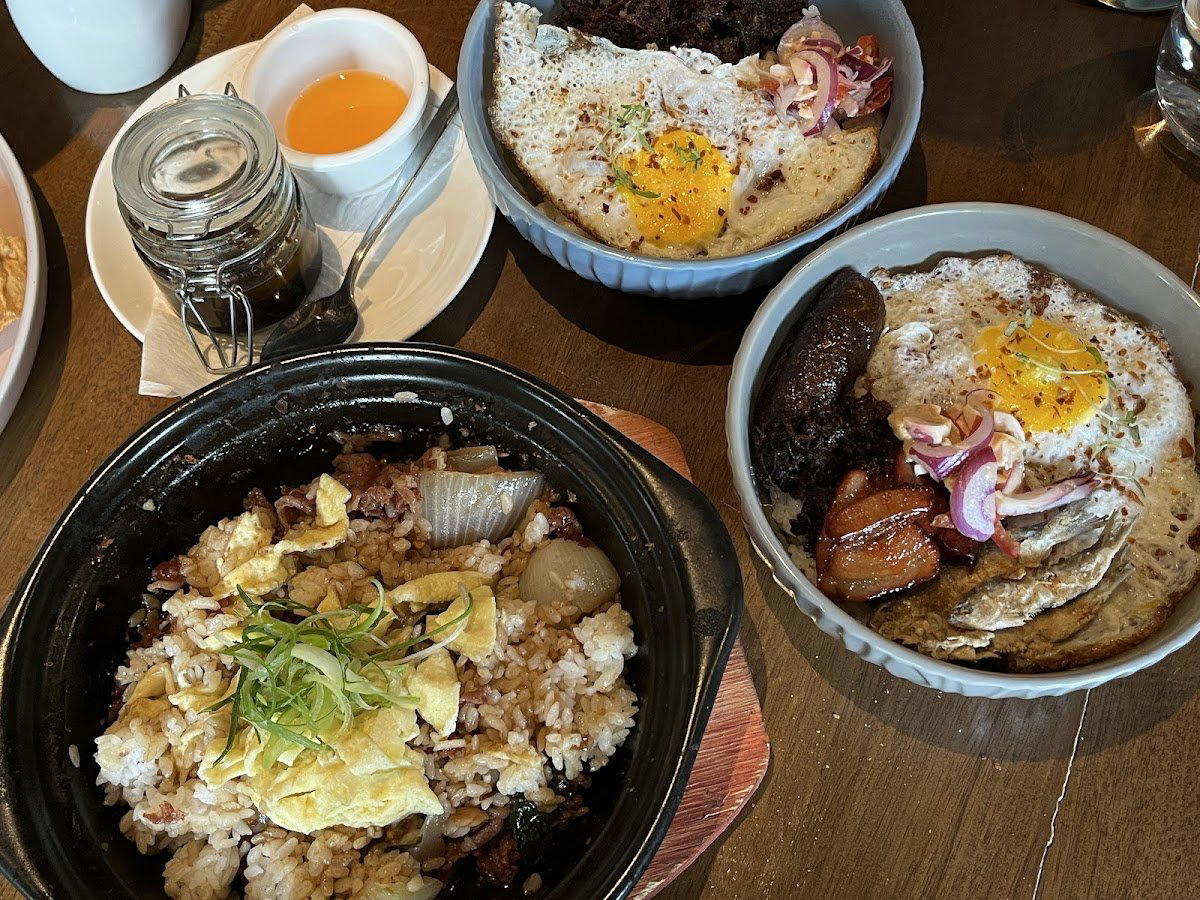
At Burgos Circle in Bonifacio Global City, Locavore takes Filipino home cooking and street food staples, sinigang, sisig, turon, and refocuses them through the lens of Paris-trained chefs. The result is a lively, DJ-backed space where local ingredients and French technique intersect without ceremony. For casual dining rooted in Philippine tradition, it occupies a distinct position in the BGC restaurant scene.
Pearl is the En Primeur Club membership app — saves, bookings, and concierge access live there. Same editors, same standards.
- Address
- Forbes Town Center, Burgos Circle, Bonifacio Global City
- Phone
- +63 917 574 2017
- Website
- locavoreph.com
- Directions
- Get directions
 Saves & bookings on Pearl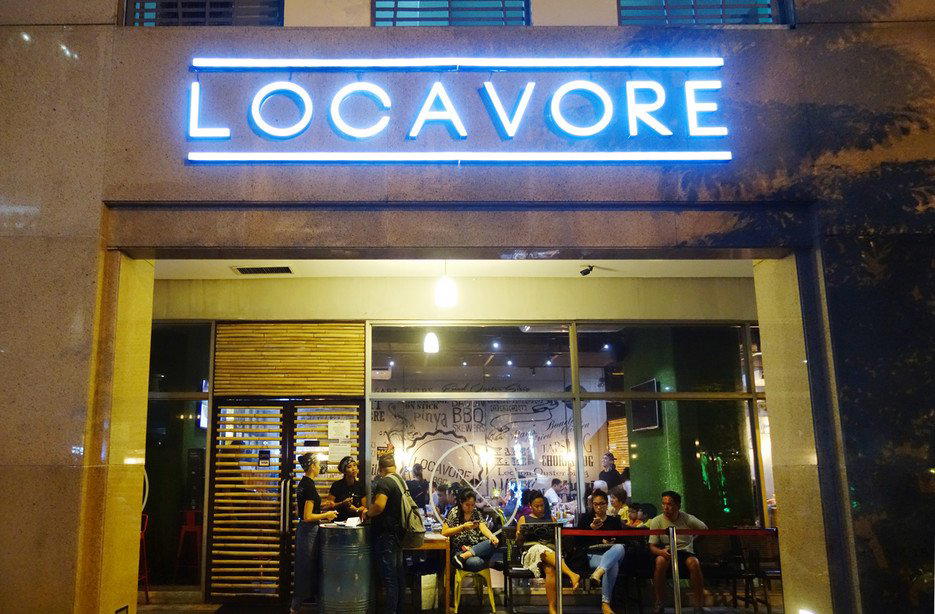
Filipino Ingredients, French Discipline, BGC Energy
Bonifacio Global City has spent the better part of a decade sorting itself into tiers: the omakase counter you book weeks out, the fast-casual chain filling vertical retail, and the mid-register restaurants that attempt something more considered without demanding a special occasion. Locavore at Forbes Town Center sits in that third category, but with a clearer editorial point of view than most. The premise here is not fusion in the vague, trend-chasing sense. It is a deliberate conversation between Filipino pantry staples, sinigang broth, sisig fat, banana, pandesal, and classical French techniques applied with restraint and discipline.
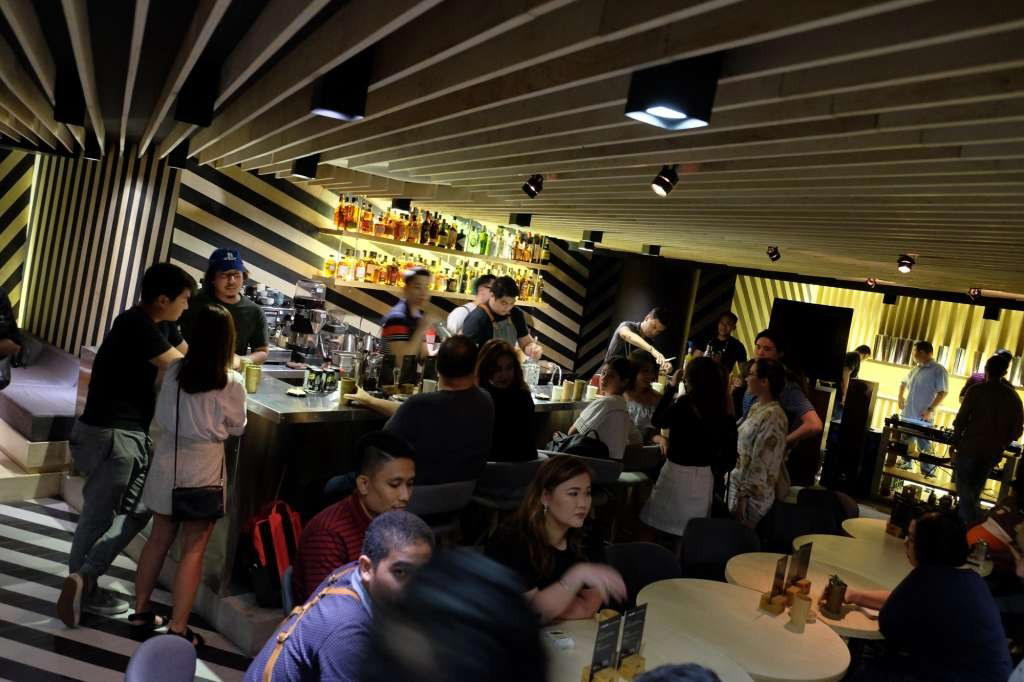
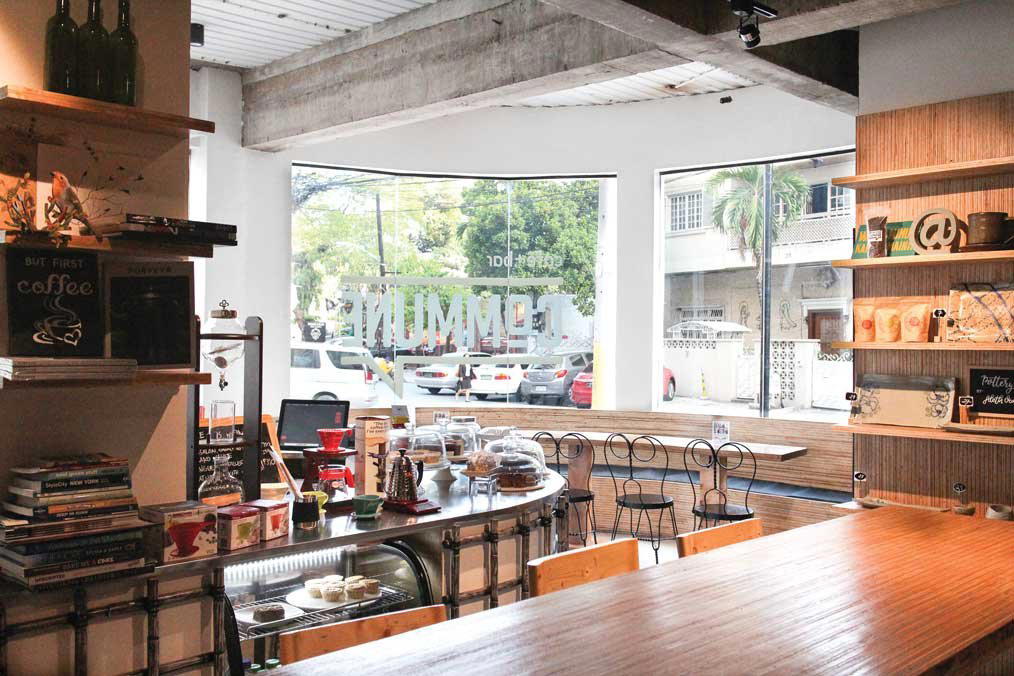
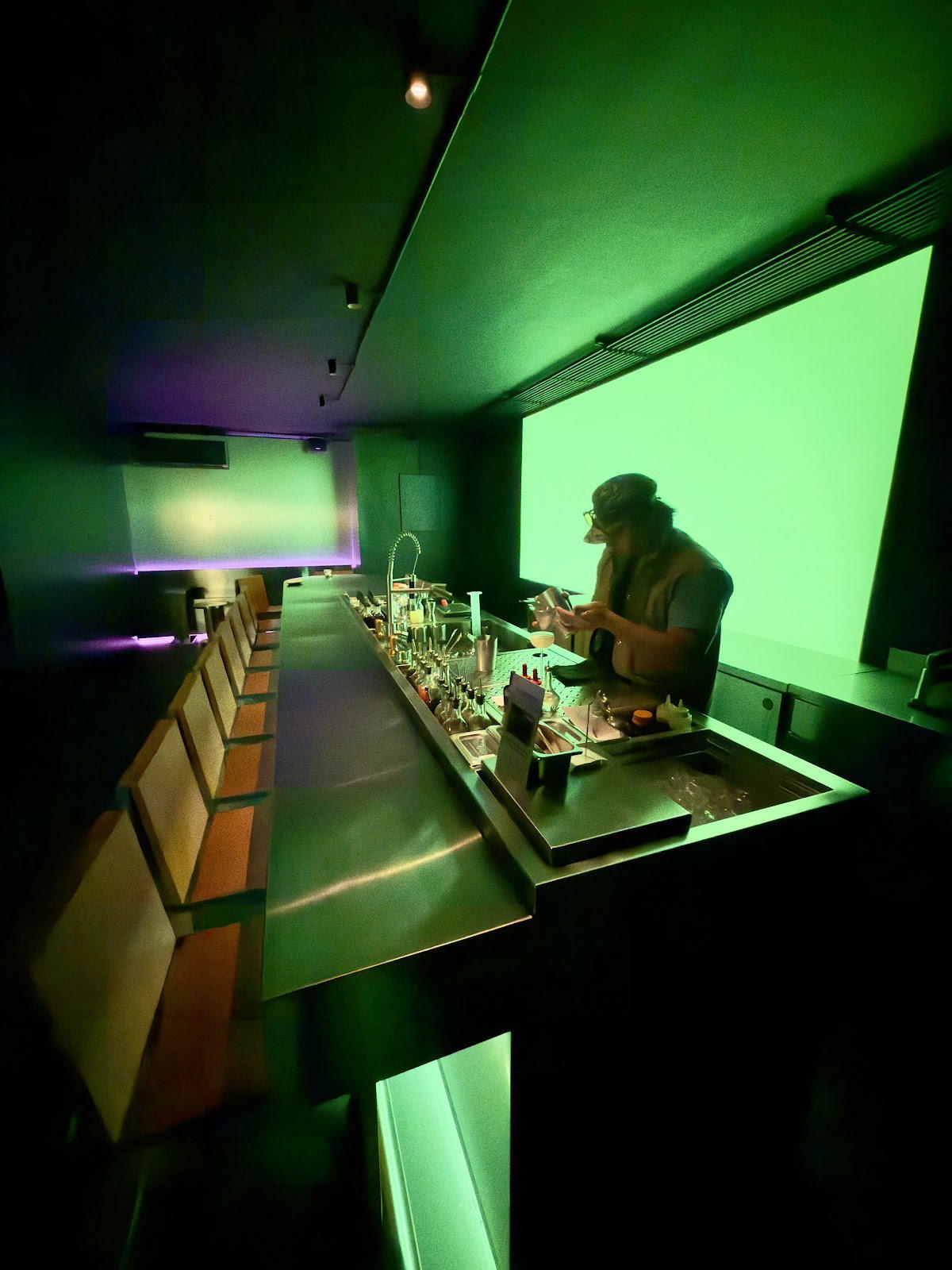
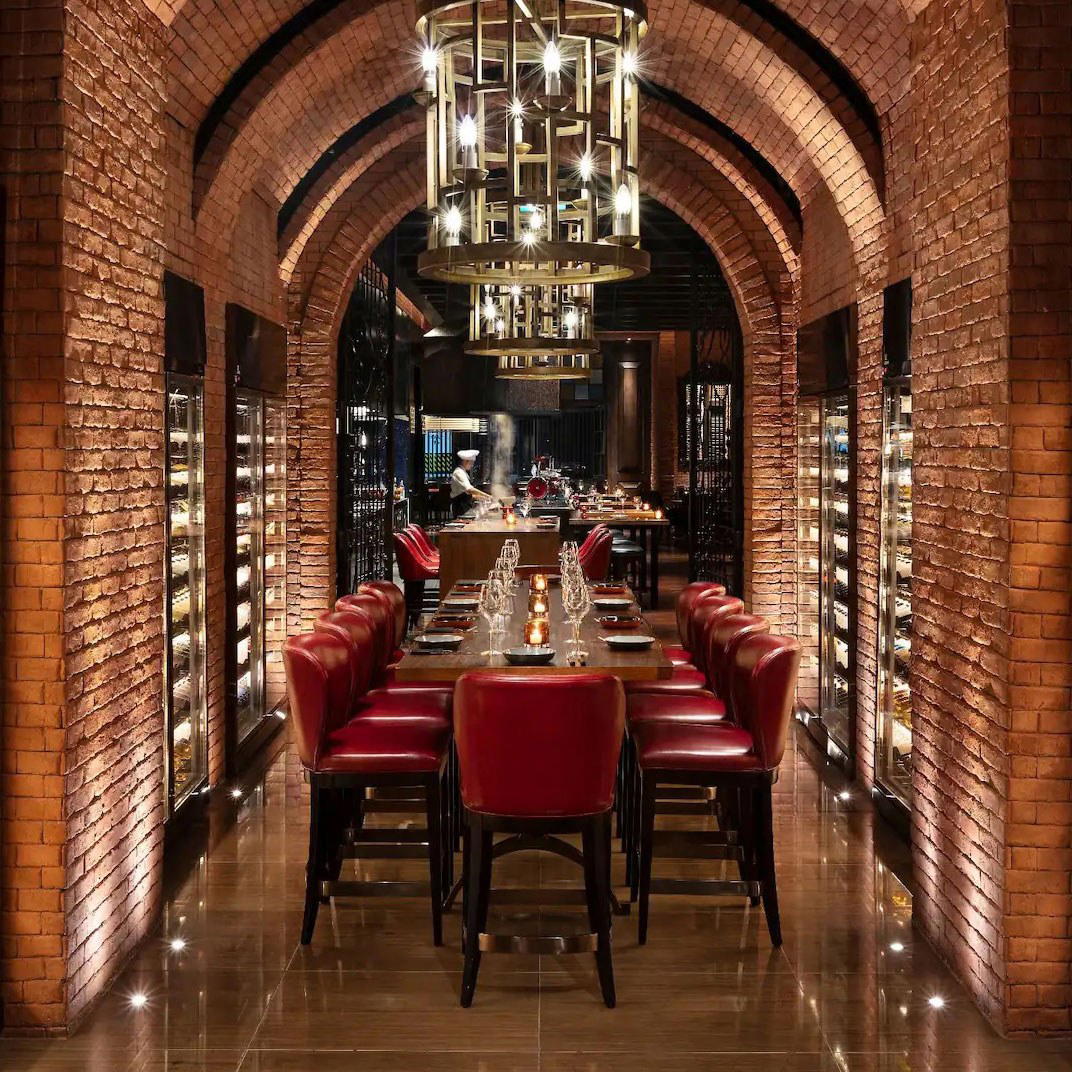
The room announces itself before the menu does. A DJ booth occupies its own corner of a space divided into several distinct areas, meaning the sound level and social temperature shift as you move through the restaurant. This is a deliberate design choice, not an afterthought: the kitchen is playing in one register while the floor operates in another, and the result is something closer to a Manila neighbourhood haunt than to the white-tablecloth formality you might associate with French-influenced cooking. For a city where restaurants frequently over-index on imported aesthetics, that grounding in local atmosphere carries weight.
Why Local Sourcing Shapes This Menu
The locavore philosophy, cooking from the immediate geography rather than the global supply chain, has become shorthand in many international cities for a certain positioning. In the Philippine context, it carries a different charge. Filipino cuisine has historically been underrepresented in its own fine-dining conversation, with imported ingredients and European frameworks frequently standing in for local produce. What Locavore in Taguig does, structurally, is invert that hierarchy. The Filipino ingredient is the subject; the French technique is the instrument applied to it.
Sinigang is the clearest evidence. The dish is Filipino comfort at its most elemental: a sour tamarind broth built around whatever protein and vegetables the household has available. Presenting it as a long-time favourite in a restaurant that also holds Paris-trained kitchen credentials signals that the chefs are not treating it as a novelty or a winking reference to local culture. They are cooking it because the ingredient logic is sound. Tamarind's acidity functions on the same principles as a French gastrique or a Vietnamese canh chua, the sourcing geography differs, but the culinary structure is transferable. Locavore makes the same argument in a casual register, which changes the accessibility calculation considerably.
Oyster sisig follows the same logic. Sisig, chopped, sizzled, often served on a cast-iron plate, is street food and pulutan (drinking food) at its origin. Introducing oyster into that format is not an act of elevation so much as an expansion of the ingredient set using the same disciplined sourcing instinct. The sisig stays sisig; the oyster adds brine and richness that a Paris-trained palate would recognize as a legitimate textural and flavour move, not a gimmick.
Desserts as Cultural Argument
The dessert section at Locavore makes a case that is worth paying attention to. Pandesal pudding takes the ubiquitous Filipino breakfast roll, a soft, slightly sweet bun sold from every corner bakery in the country, and repositions it as a bread pudding format. The cultural translation here is precise: bread pudding is a European technique for using day-old bread, and pandesal is the Filipino equivalent of that base ingredient. The dish does not pretend to be something it isn't; it recognises that the technique and the local material are already speaking the same language.
Banana turon, the deep-fried banana-and-jackfruit roll that appears in street stalls across Manila, receives similar treatment. The refinement is not about distancing the dessert from its origins but about executing the original with the precision that a trained kitchen can apply. Locavore makes it in a format accessible to a wider weeknight crowd.
Where Locavore Sits in the BGC Restaurant Scene
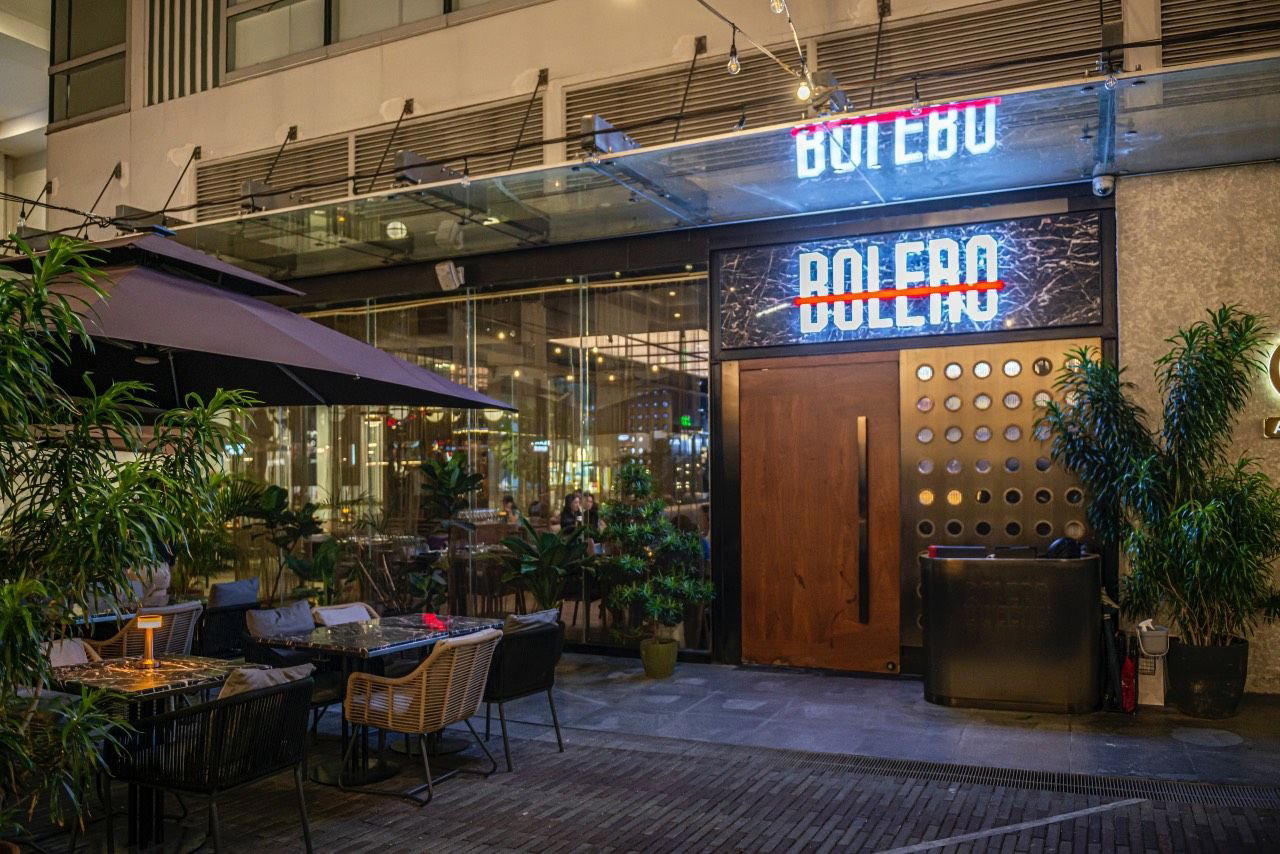
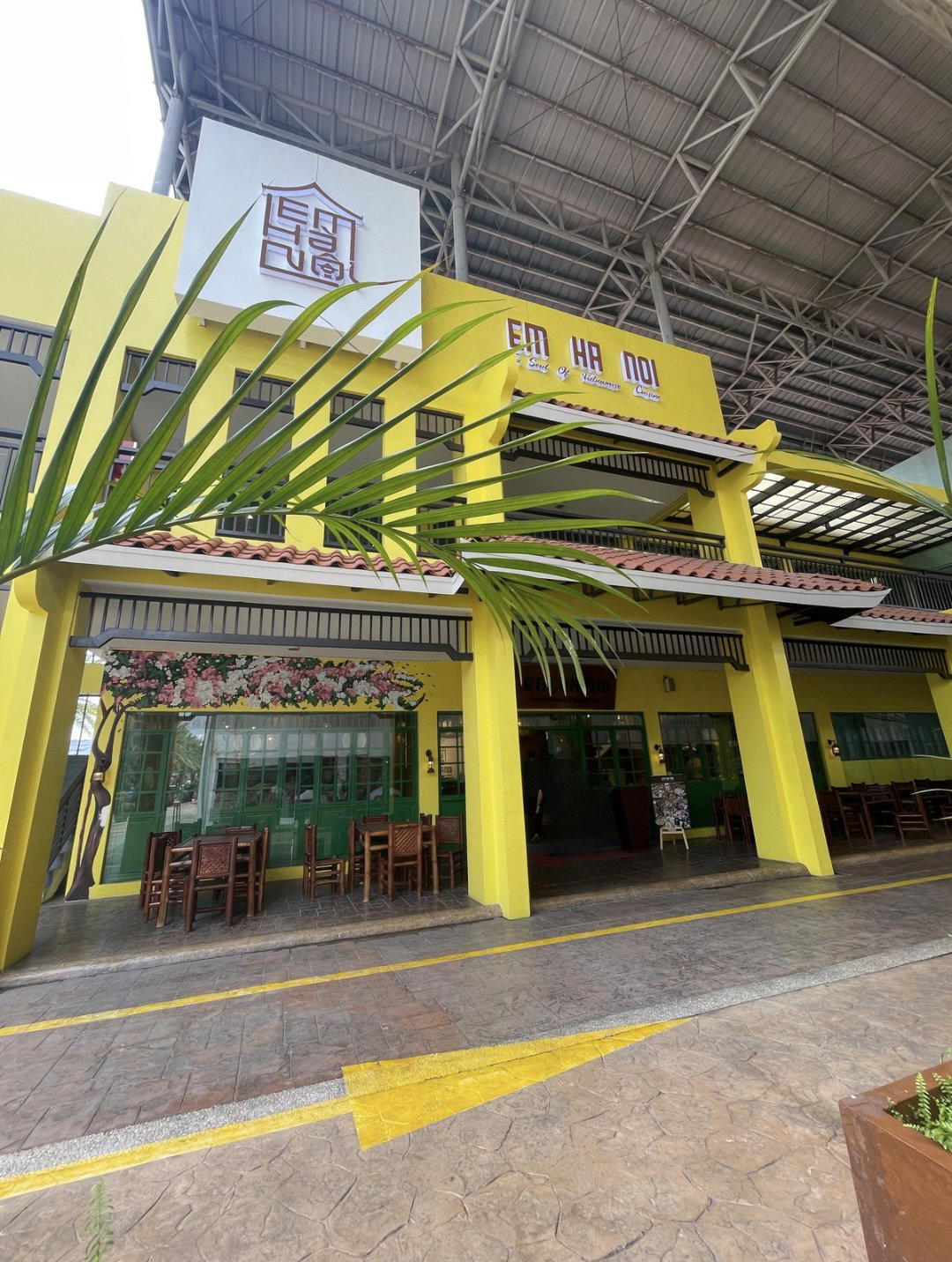
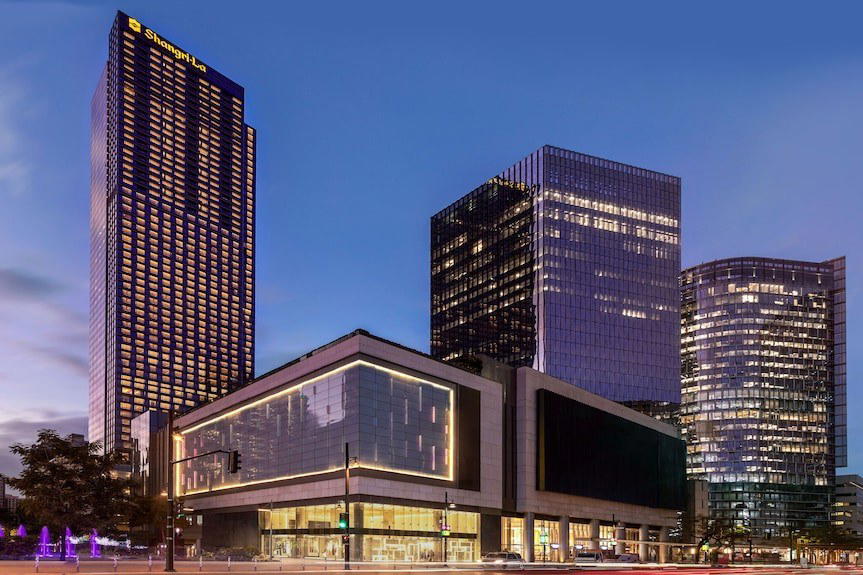
Forbes Town Center at Burgos Circle is one of BGC's denser restaurant clusters, and Locavore shares a neighbourhood with properties covering a wide range of culinary registers. Canton Road, COCHI, and Em Hà Nội represent the area's range of Asian-focused dining, while Bolero and Brick Corner occupy different casual formats nearby. Within that peer group, Locavore's combination of French technical credentials and genuinely local sourcing gives it a distinct angle. It is not trying to replicate an international concept; it is working from the Philippine pantry outward.
Planning Your Visit
Locavore is located at Forbes Town Center, Burgos Circle, Bonifacio Global City, the commercial retail strip that anchors the southern edge of BGC's main dining corridor. The multi-area layout and DJ booth make this a venue that suits groups and evening dining more naturally than a solo lunch, though the casual register means there is no significant dress expectation.
How It Stacks Up
Comparable venues nearby, for context on price, style, and recognition.
| Venue | Cuisine | Price | Awards | Notes |
|---|---|---|---|---|
| Locavore (Taguig)This venue — the venue you are viewing | Modern Filipino Fusion | $$$ | Michelin Plate | Not listed |
| Manam Uptown | Modern Filipino Comfort Food | $$ | Not listed | Bonifacio Global City |
| Uma Nota | Japanese-Brazilian Fusion | $$$ | Michelin Plate | BGC |
| Bolero | Modern Spanish with Mediterranean influences | $$$ | Bib Gourmand | BGC |
| Mamacita | Authentic Mexican | $$ | Michelin Plate | Bonifacio Global City |
| Lore | Modern Regional Filipino | $$ | Michelin Plate | Bonifacio Global City |
Recognition history
Dated appearances from independent guides and award organizations, with the underlying list record or original source where available.
Michelin Plate
Michelin · 2026 Michelin Plate


At a Glance
- Modern
- Lively
- Trendy
- Group Dining
- Family
- Business Dinner
- Casual Hangout
- Open Kitchen
Current opening hours
- Monday
- 10 AM–11 PM
- Tuesday
- 10 AM–11 PM
- Wednesday
- 10 AM–11 PM
- Thursday
- 10 AM–11 PM
- Friday
- 10 AM–1 AM
- Saturday
- 10 AM–1 AM
- Sunday
- 9 AM–10 PM
Hours can change for holidays and private events. Last verified .
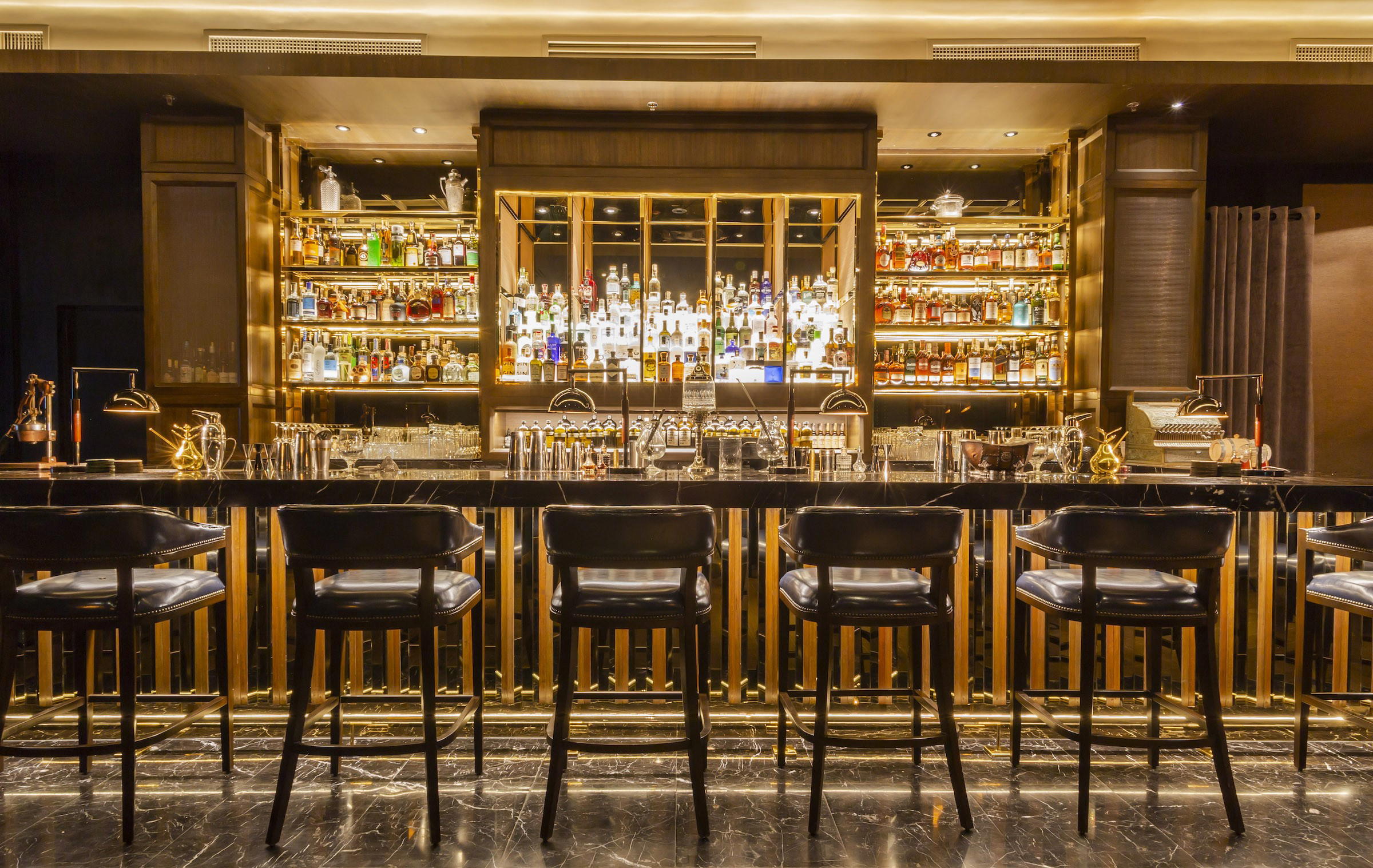
Dark interiors with upbeat atmosphere, DJ booth, and welcoming vibe that transitions from restaurant by day to bar at night.