Kei

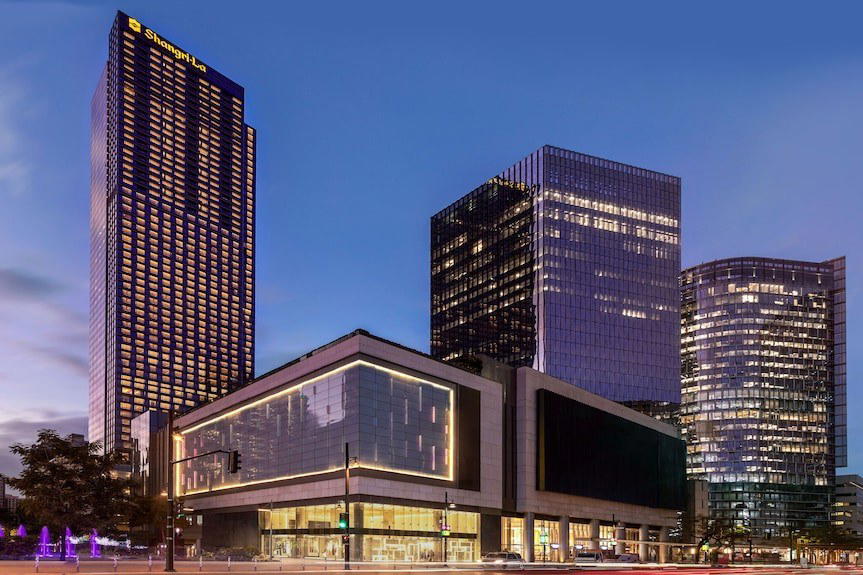
Kei holds a Michelin Plate recognition (2026) and operates from the ground floor of Verve Tower 1 in Bonifacio Global City, Taguig. It occupies a tier of the BGC dining scene where international recognition intersects with a dense, competitive neighbourhood of serious restaurants. Practical details on booking and format remain limited, making an advance inquiry advisable before visiting.
Pearl is the En Primeur Club membership app — saves, bookings, and concierge access live there. Same editors, same standards.
- Address
- G/F Verve Tower 1, 26th St, corner 7th Ave, Taguig, 1635 Metro Manila, Philippines
- Phone
- +63 917 158 3614
- Website
- wildflour.com.ph
- Directions
- Get directions
 Saves & bookings on Pearl
Where BGC's Restaurant Density Meets Michelin Recognition
Bonifacio Global City has spent the better part of a decade becoming one of Southeast Asia's most concentrated zones of serious dining. The grid of numbered streets around 26th and 7th Avenue, where Verve Tower 1 anchors a stretch of ground-floor restaurant space, now holds enough recognised addresses to fill an evening's worth of deliberation. Kei sits within that grid, in a neighbourhood where foot traffic from the financial and residential towers above keeps dining rooms in motion most nights of the week. Its Michelin Plate recognition in 2026 places it in a specific tier: restaurants that Michelin inspectors consider worth a visit, a step below Bib Gourmand and starred entries but a meaningful signal in a guide that only recently turned its attention to the Philippines.
The Physical Setting: Ground Floor, Glass, and the BGC Hum
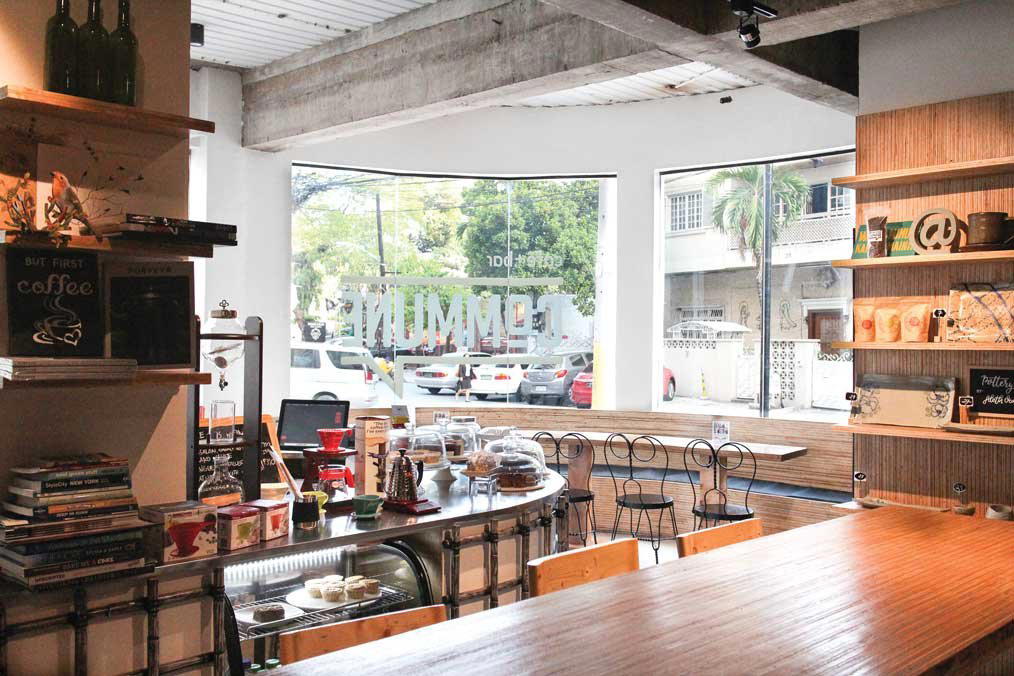
Ground-floor restaurants in BGC's tower blocks tend to operate with a particular ambient logic. The street-level position means foot traffic, natural light during lunch service, and a sense of the city pressing close against the windows. At Verve Tower 1, the corner position at 26th Street and 7th Avenue brings cross-directional movement from two of the grid's busier corridors. The atmosphere at addresses like this one is shaped less by deliberate design theatrics and more by the energy of a neighbourhood that eats seriously and often. BGC diners generally know what they are doing: they move between addresses with the ease of people who have options and exercise them regularly. A Michelin-flagged address draws a more considered crowd, one arriving with some expectation already in place.
For the full picture of what the neighbourhood offers around Kei, the EP Club Taguig restaurants guide maps the wider dining concentration in BGC, while the Taguig bars guide and experiences guide cover what surrounds a meal here.
The Michelin Plate in the Philippine Context
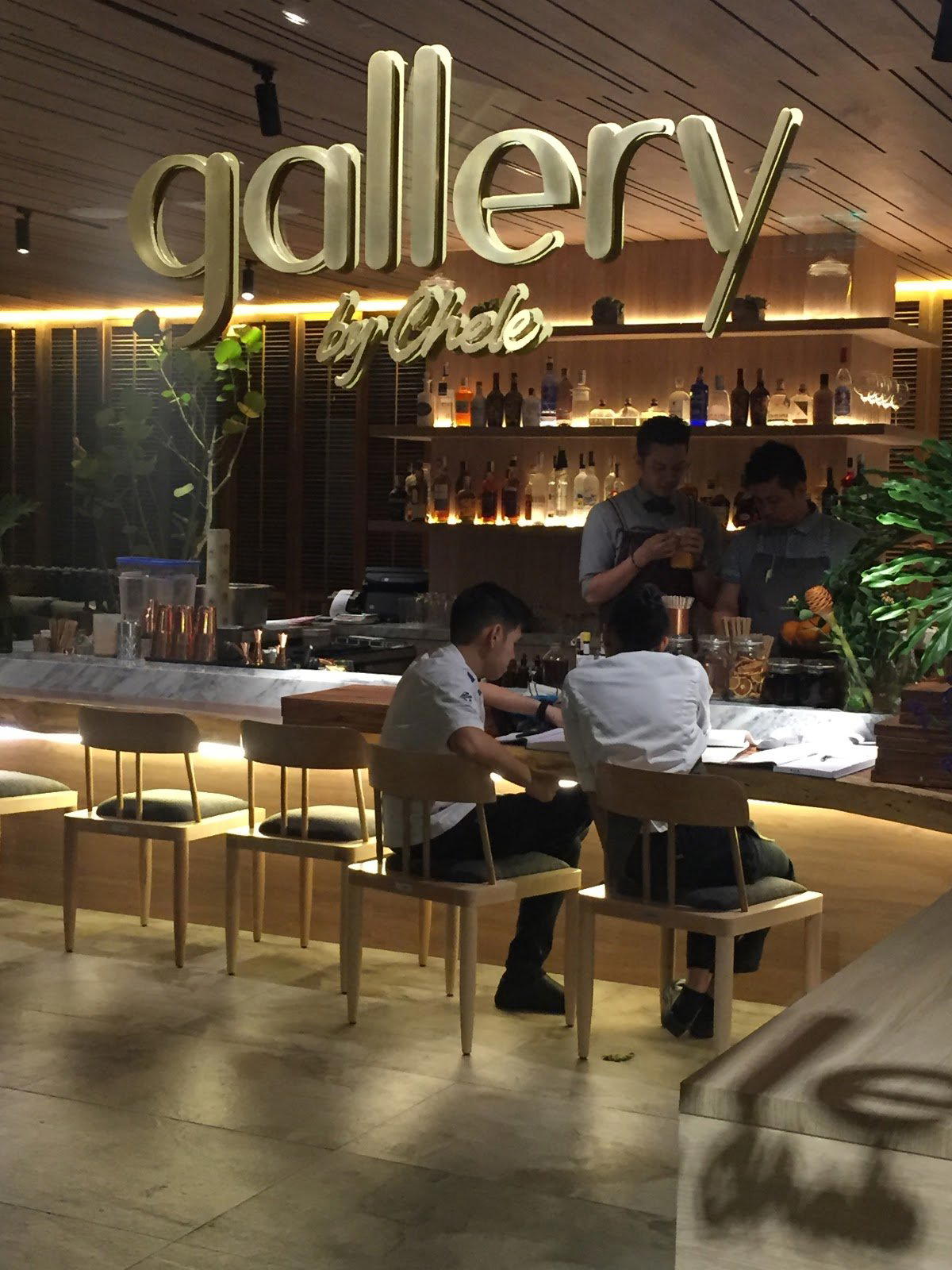
The Michelin Guide's arrival in the Philippines brought immediate recalibration to how the local restaurant industry positions itself. A Plate designation, which Michelin defines as representing good cooking, carries more weight in a nascent guide market than it might in Paris or Tokyo, where the distinction is submerged beneath a larger volume of recognition. In Manila, and specifically in BGC, a Plate signals that a restaurant has cleared an international threshold. Kei's 2026 Plate puts it alongside a cohort of Philippine addresses that span fine dining formats, regional Filipino cooking, and international cuisine. Comparable recognised addresses in the wider Metro Manila area include Gallery By Chele in Manila, Celera in Makati, and Blackbird Makati, each occupying different positions in the recognition hierarchy but sharing the same externally validated quality signal.
The comparison is also useful geographically. Metro Manila's dining scene distributes its serious restaurants across several districts: BGC in Taguig, Poblacion and the CBD in Makati, and outer areas like Parañaque, where Linamnam has built a reputation for Filipino cooking rooted in regional produce. Even further afield, addresses like Asador Alfonso in Cavite demonstrate that the Philippine restaurant scene's strongest nodes are not confined to the capital's core. Against that spread, Kei's BGC position places it at the geographic and financial centre of the Philippine dining market.
BGC's Competitive comparable set
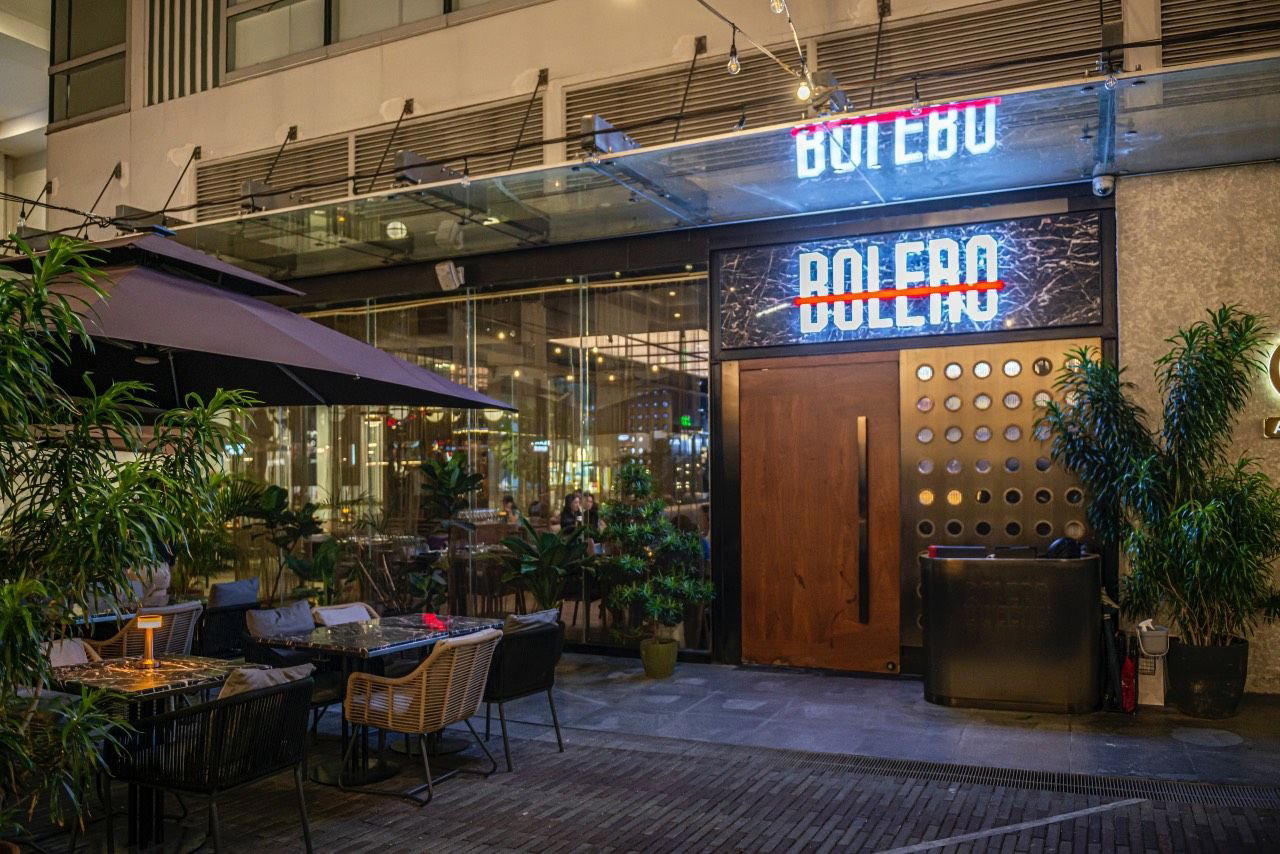
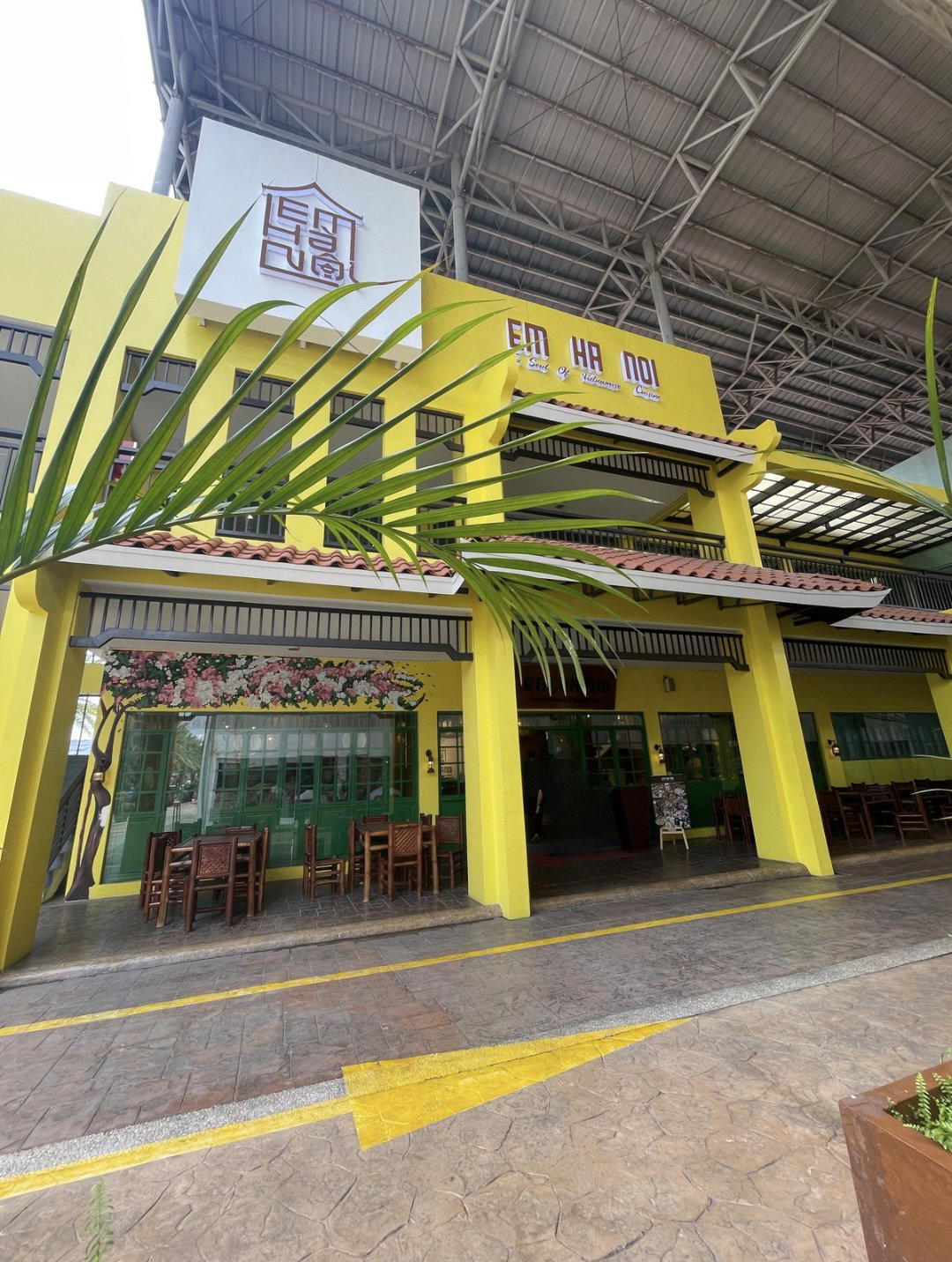
Restaurants immediately surrounding Kei in BGC represent a range of formats and cuisines, which reflects how the neighbourhood has developed: less as a single-cuisine destination and more as a high-density mixed dining district. Canton Road covers the Cantonese end of the spectrum. COCHI and Bolero operate in distinct registers, and the Vietnamese address Em Hà Nội represents the Southeast Asian dining diversity that BGC has absorbed over the past several years. Brick Corner adds another data point to the neighbourhood's range. Within this set, a Michelin Plate operates as a differentiating credential: it signals a level of kitchen discipline that external inspectors have verified, regardless of cuisine type or price point.
For accommodation options near the BGC dining corridor, the EP Club Taguig hotels guide covers the main choices within the district, and the Taguig wineries guide is available for those extending their interest to wine retail and cellar options in the area.
Kei is located at G/F Verve Tower 1, 26th Street corner 7th Avenue, Taguig, 1635 Metro Manila. For dining addresses with Michelin recognition in BGC, booking ahead is advisable regardless of the day: the neighbourhood draws consistent traffic from the surrounding office and residential towers, and recognised restaurants absorb that demand quickly on weekday evenings and weekend lunch service. Reservations are recommended, and the restaurant is closed on Mondays. The corner location at Verve Tower 1 is findable on foot from most points in the 26th Street corridor within a short walk, and the building itself sits at one of BGC's more trafficked intersections.
For those building a wider itinerary around serious Philippine dining, the reference points extend well beyond the metro. Abaseria Deli and Cafe in Cebu represents the provincial scene's growing credibility, and for international comparison, the structural discipline that Michelin-recognised tasting formats represent in markets like New York, where Le Bernardin and Atomix operate at the summit of the recognition hierarchy, provides a frame for understanding what the Philippine guide is working toward as it matures.
City Peers
Comparable venues nearby, for context on price, style, and recognition.
| Venue | Cuisine | Price | Notes |
|---|---|---|---|
| KeiThis venue — the venue you are viewing | Japanese Hand Rolls & Maki | $$ | Not listed |
| Uma Nota | Japanese-Brazilian Fusion | $$$ | BGC |
| Mamacita | Authentic Mexican | $$ | Bonifacio Global City |
| COCHI | Modern Filipino | $$ | Bonifacio Global City |
| Locavore (Taguig) | Modern Filipino Fusion | $$$ | Bonifacio Global City |
| Em Hà Nội | Northern Vietnamese | $$ | Bonifacio Global City |
Recognition history
Dated appearances from independent guides and award organizations, with the underlying list record or original source where available.
Michelin Plate
Michelin

At a Glance
- Cozy
- Modern
- Intimate
- Solo
- Casual Hangout
- Open Kitchen
- Chefs Counter
- Sake Program
Current opening hours
- Monday
- Closed
- Tuesday
- 11 AM–3 PM, 5–10 PM
- Wednesday
- 11 AM–3 PM, 5–10 PM
- Thursday
- 11 AM–3 PM, 5–10 PM
- Friday
- 11 AM–3 PM, 5–10 PM
- Saturday
- 11 AM–3 PM, 5–10 PM
- Sunday
- 11 AM–3 PM, 4–9 PM
Hours can change for holidays and private events. Last verified .
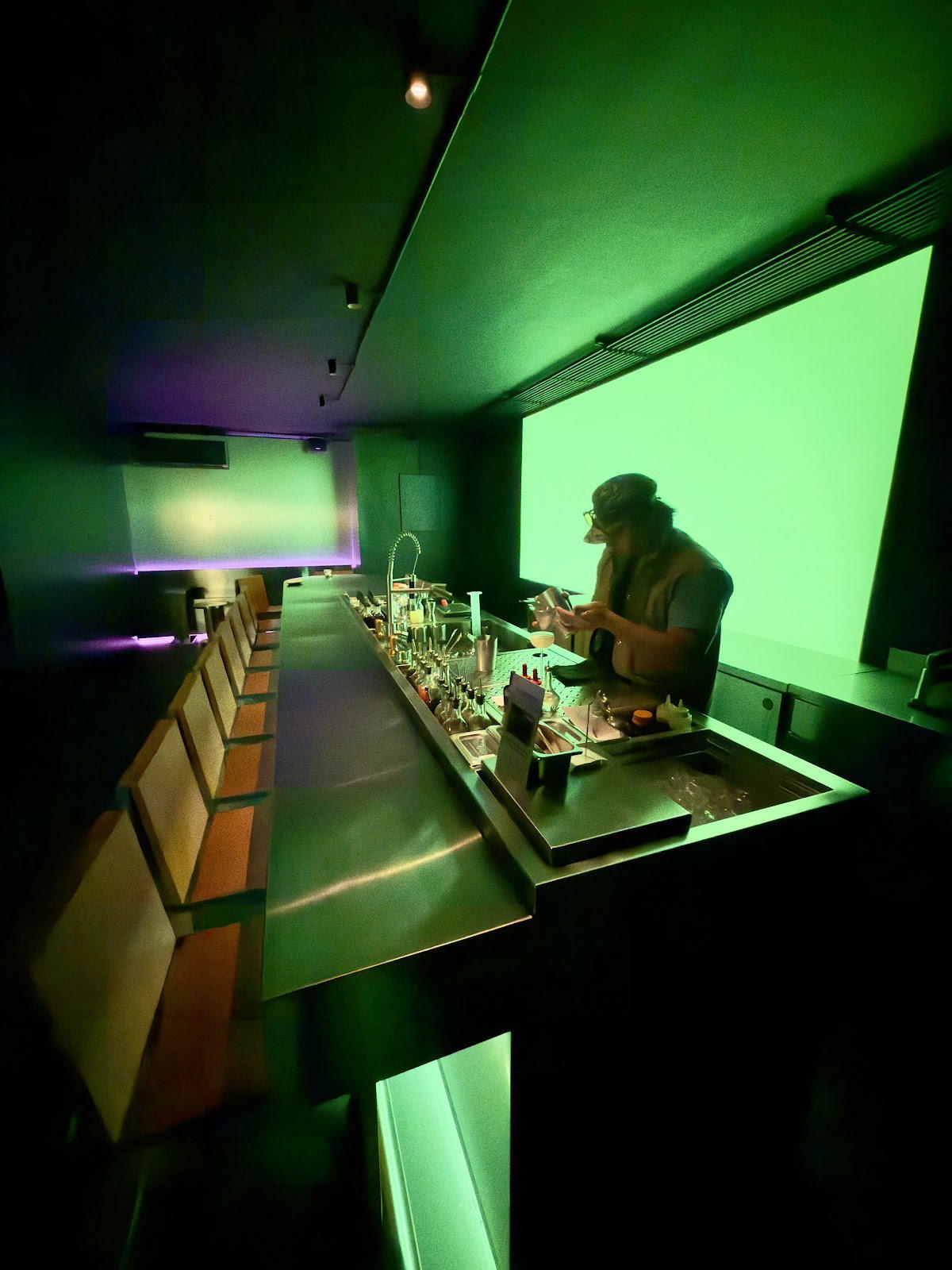
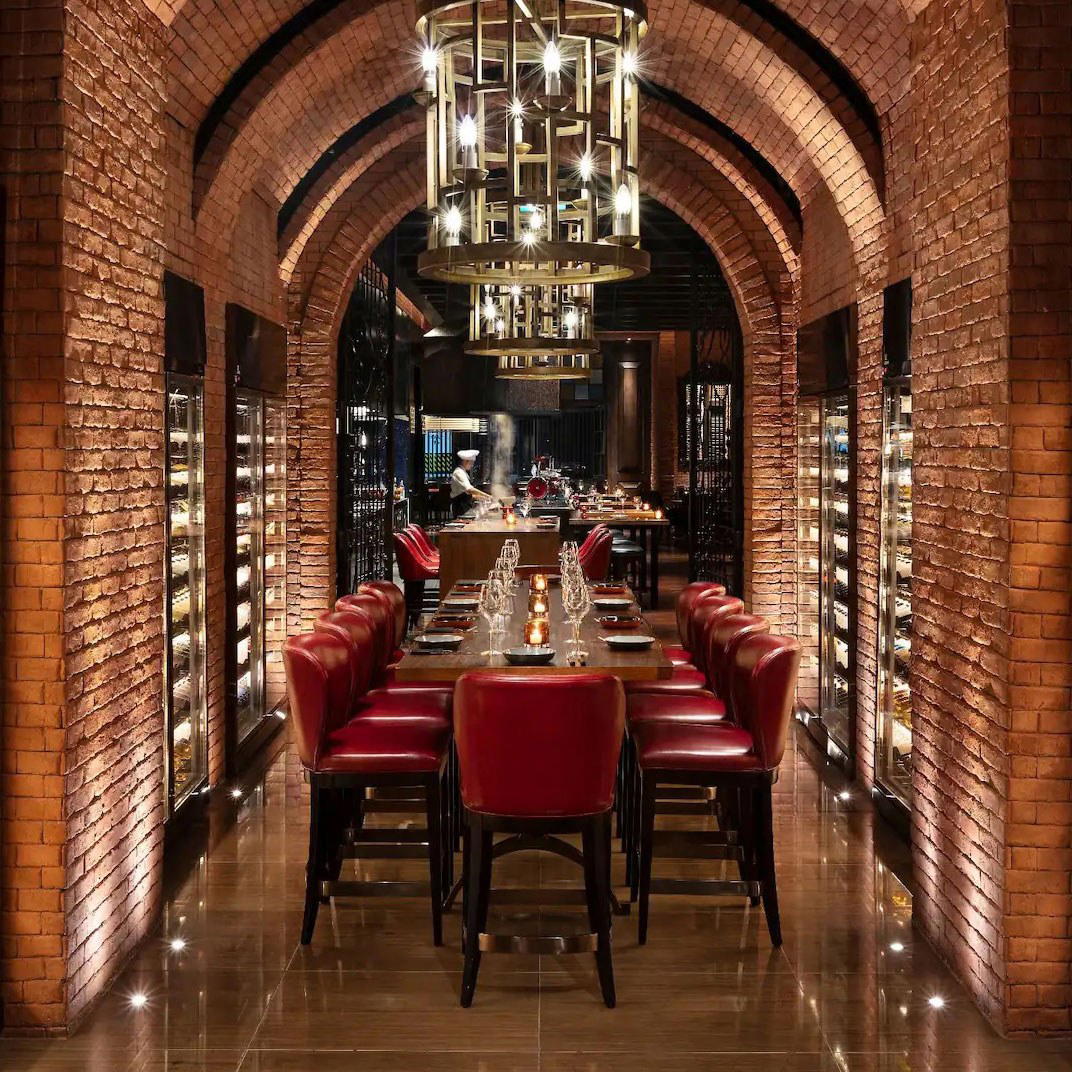
Cozy and inviting atmosphere ideal for casual dining with an interactive sushi bar experience.