Mamamia occupies a address at 5 bis Rue Vernet in Paris's 8th arrondissement, placing it within one of the city's most concentrated corridors of high-end dining. The 8th has long anchored French fine dining's formal tradition, with Michelin-starred neighbours setting the neighbourhood benchmark. Mamamia sits inside that context, drawing visitors already oriented toward the Arc de Triomphe end of the city.
Pearl is the En Primeur Club membership app — saves, bookings, and concierge access live there. Same editors, same standards.
- Address
- 5 bis Rue Vernet, 75008 Paris, France
- Phone
- +33142891793
- Website
- mamamia-paris.com
- Directions
- Get directions
 Saves & bookings on Pearl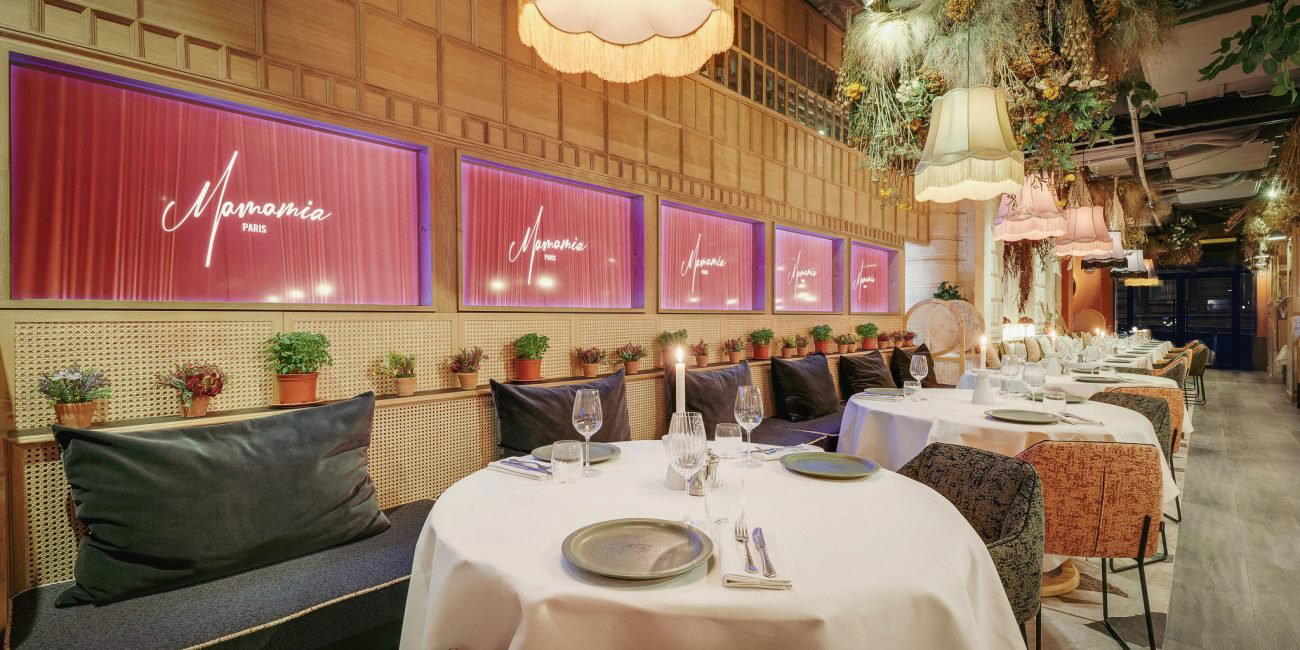
The 8th Arrondissement and What It Asks of a Restaurant
The stretch of Paris between the Arc de Triomphe and the Champs-Élysées has functioned as a proving ground for French fine dining for well over a century. Rue Vernet, where Mamamia holds its address at number 5 bis, sits one block from Avenue George V and two from the Champs-Élysées itself. That geography is not incidental. In the 8th arrondissement, a restaurant's neighbours set the implicit standard against which it is measured before a single plate arrives. Le Cinq at the Four Seasons Hôtel George V operates a few hundred metres away, offering a reference point for what three-Michelin-star French cooking looks like in this postcode. Alléno Paris au Pavillon Ledoyen, carrying three stars and a creative French identity, anchors the neighbourhood's reputation for technical ambition. Arriving at Mamamia, a diner carries that context whether they intend to or not.
The 8th is one of the few arrondissements where the concentration of Michelin-starred addresses is dense enough that proximity becomes a meaningful signal. Restaurants in this district compete not only on food and service but on what their location implies about their positioning. That dynamic shapes how any address on or near Rue Vernet is read by a Paris-literate visitor.
Italian Dining in a Classically French Quarter
Name Mamamia places the restaurant outside the dominant French fine-dining tradition of its neighbourhood, which is itself an editorial statement. Italian restaurants in Paris occupy a varied tier structure, from casual trattoria formats in the Marais and Bastille to more ambitious contemporary Italian addresses scattered across the higher-rent arrondissements. The 8th has historically skewed toward formal French cuisine, which means an Italian-inflected name at this address reads as a deliberate choice rather than a function of neighbourhood convention.
Paris's relationship with Italian cooking has matured considerably over the past decade. Where the city once treated Italian cuisine as inherently casual, a younger generation of Parisian diners has absorbed the lessons of regional Italian cooking through travel and through the broader European conversation about ingredients-first cuisine. That shift has created space for Italian or Italian-adjacent restaurants to operate in premium Paris postcodes without the identity mismatch that would have seemed sharper in an earlier era. For context, Kei, which holds Michelin recognition in the 1st arrondissement, demonstrates how a non-French culinary identity can anchor itself convincingly in Paris's formal dining tier when execution and address align.
The Rue Vernet Corridor: Access, Footfall, and Visitor Profile
Rue Vernet runs parallel to the Champs-Élysées and feeds into Avenue Kléber, making it accessible from both the George V and Charles de Gaulle-Étoile metro stations. For visitors staying in the 8th's hotel corridor, which includes several of Paris's most prominent luxury properties, the address represents a short walk rather than a cross-city commitment. That convenience matters in this part of Paris, where visitors often carry dense itineraries and value proximity over exploration.
The visitor profile for the Rue Vernet area skews toward international travellers and business diners rather than the flaneur-style Parisian who might seek out a less obvious address in the 11th or 18th. Restaurants in this zone tend to calibrate their offer accordingly: format clarity, reliable execution, and a room that can absorb the varied expectations of a globally mobile clientele. Those operating at the higher end of the 8th's dining tier compete directly with the dining programs at nearby luxury hotels, which set a consistent baseline for service and presentation.
Placing Mamamia in the Wider Paris Conversation
Paris's restaurant scene in 2024 and into 2025 has seen continued pressure on the mid-to-upper segment from two directions: the consolidation of Michelin-starred addresses at the leading, and the rise of natural wine bars and neo-bistros pulling younger diners toward a less formal register. Addresses that occupy the space between those poles, offering premium positioning without three-star ceremony, have had to work harder to define their identity clearly.
The most instructive comparisons in Paris for this positioning question come from places that have navigated the formal/informal divide deliberately. Arpège in the 7th represents one answer: a three-star address built on a vegetable-forward philosophy that defied category expectations for decades. L'Ambroisie on the Place des Vosges represents another: classic French rigour in a historic setting, indifferent to trend cycles. Both have defined their identity through specificity rather than flexibility. For a restaurant operating in the 8th under a name that signals informality or warmth, the question of where it sits in Paris's tier structure is one that the address itself raises without fully answering.
France's broader fine-dining geography provides useful context for understanding what Paris's upper tier looks like from the outside. Destinations like Mirazur in Menton, Flocons de Sel in Megève, and Bras in Laguiole draw international visitors willing to travel specifically for the meal, whereas Paris restaurants benefit from a constant inbound flow that reduces the dependency on destination-dining logic. The 8th arrondissement captures a disproportionate share of that inbound traffic, which both sustains premium addresses and raises the baseline expectation for any restaurant in the district.
Internationally, the Paris fine-dining conversation connects to addresses like Le Bernardin in New York and Atomix in New York City in terms of the broader question of what premium urban dining means in 2025: technical rigour, sourcing transparency, and format discipline are the shared expectations across the tier, regardless of national cuisine identity.
Elsewhere in France, the legacy of multi-generational addresses like Auberge de l'Ill in Illhaeusern, Troisgros in Ouches, and Paul Bocuse in Collonges-au-Mont-d'Or reminds us that French dining authority is often built over decades. Newer addresses, whether in Paris or in regional cities like Marseille, Reims, or Strasbourg, are building their own track records in a more compressed timeline, shaped by social media visibility and international review platforms rather than purely by the Michelin cycle. Auberge du Vieux Puits in Fontjoncouse offers a further reminder that three-star recognition can anchor itself far outside the Paris gravitational pull when the cooking is specific enough.
Know Before You Go
- Address: 5 bis Rue Vernet, 75008 Paris, France
- Arrondissement: 8th (Golden Triangle / Champs-Élysées zone)
- Nearest Metro: George V (Line 1) or Charles de Gaulle-Étoile (Lines 1, 2, 6)
- Hours: Not confirmed — check current hours before visiting
- Phone / Website: Not currently listed, contact via the venue address or third-party reservation platforms
How Mamamia Paris compares with similar nearby venues.
| Venue | Cuisine | Price |
|---|---|---|
| Pierre Gagnaire | French, Creative | €€€€ |
Continue exploring
More in Paris
Restaurants in Paris
Browse all →

Bars in Paris
Browse all →
Hotels in Paris
Browse all →



At a Glance
- Lively
- Elegant
- Trendy
- Sophisticated
- Date Night
- Business Dinner
- Group Dining
- Celebration
- Special Occasion
- Open Kitchen
- Live Music
- Extensive Wine List
Current opening hours
- Monday
- Closed
- Tuesday
- 7 PM–2 AM
- Wednesday
- 7 PM–2 AM
- Thursday
- 7 PM–2 AM
- Friday
- 7 PM–2 AM
- Saturday
- 7 PM–2 AM
- Sunday
- 7 PM–2 AM
Hours can change for holidays and private events. Last verified .
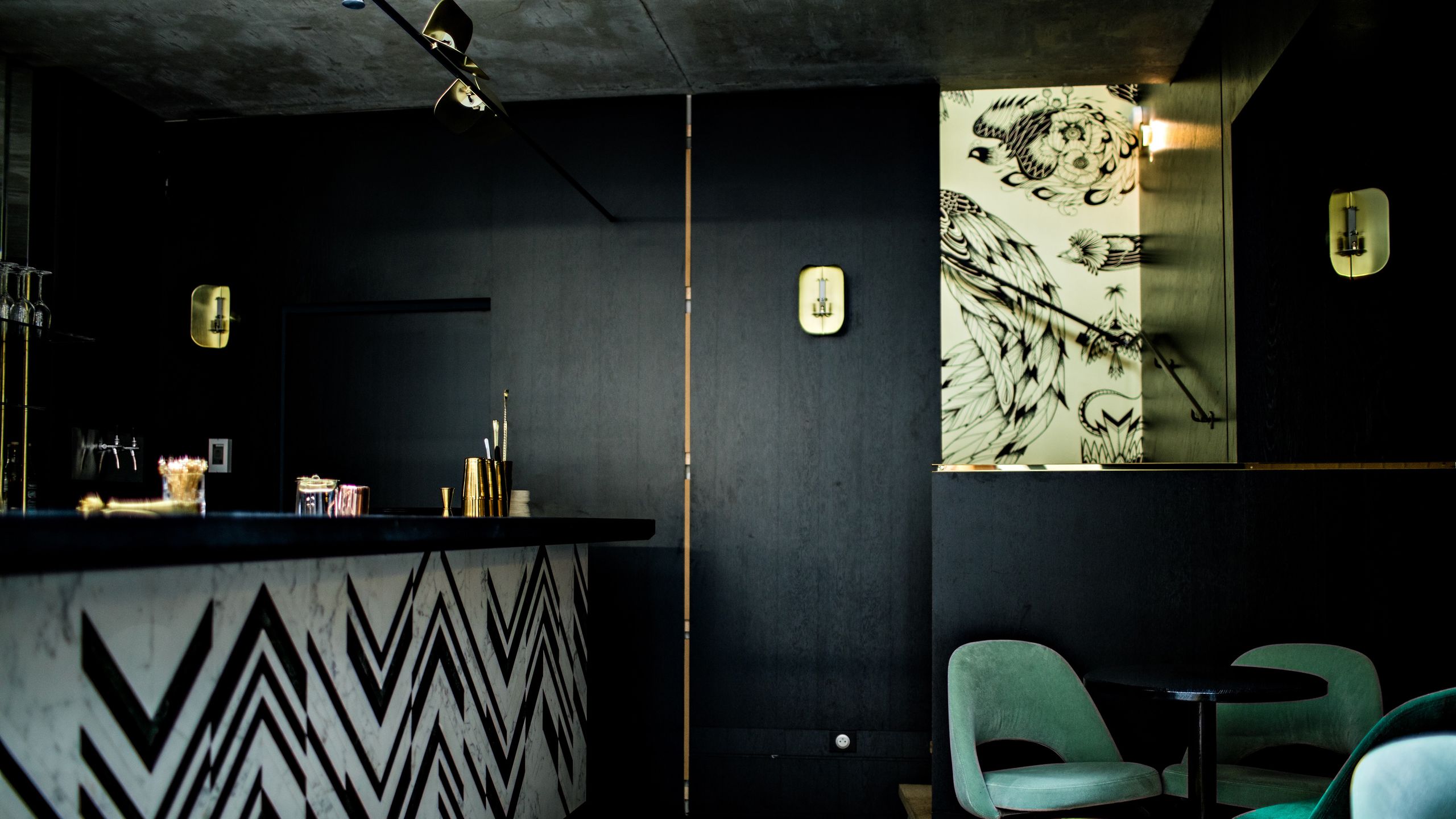
Chic and celebratory with contemporary 70s Italian design, antique furniture, hanging garden of dried flowers, and sophisticated festive atmosphere enhanced by live music.
Know Before You Go
- Getting there
- 5 bis Rue Vernet, 75008 Paris, France