Mama Lee

Our verdict
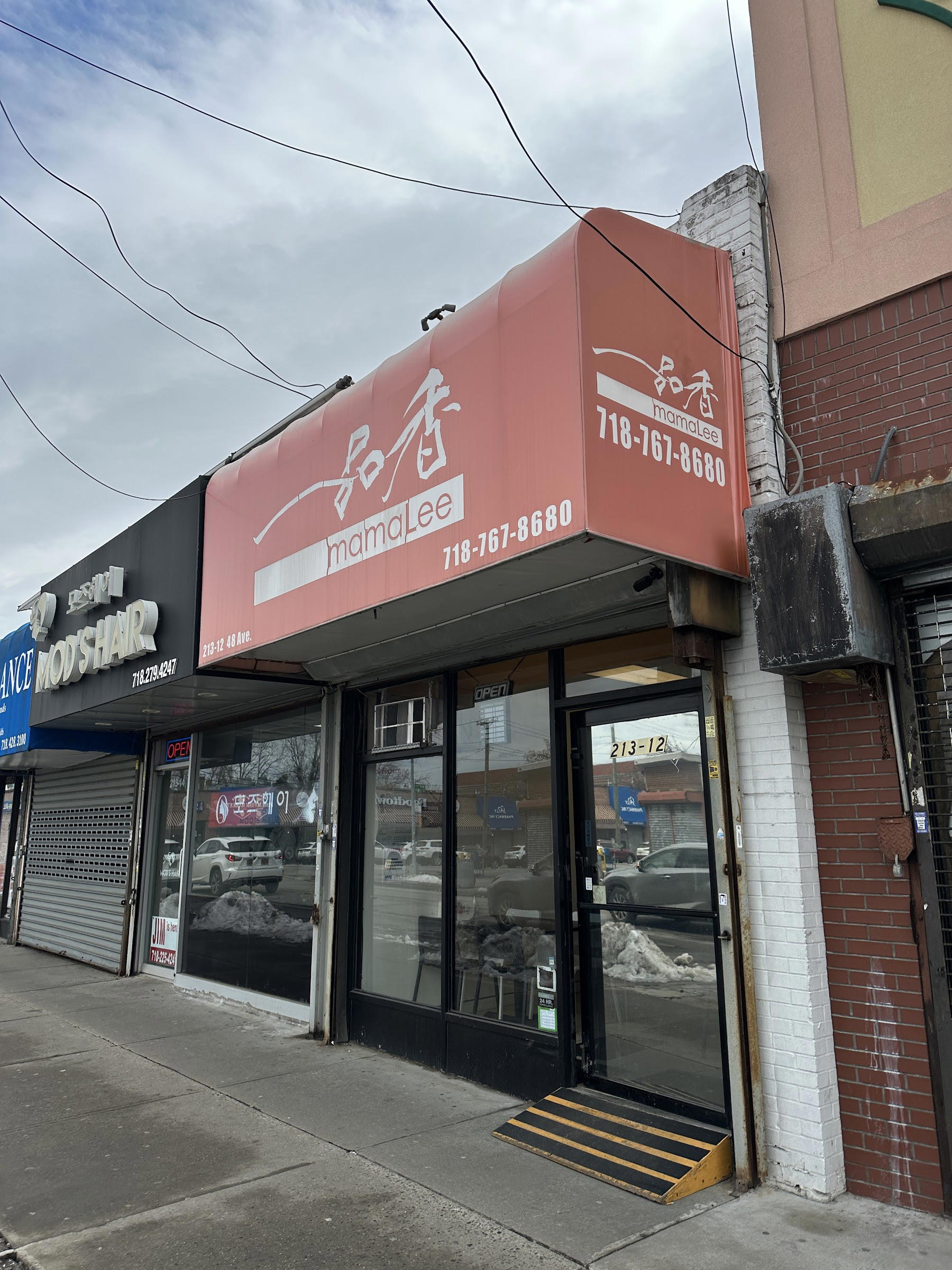
Mama Lee is a low-price Taiwanese storefront in eastern Queens, set beyond convenient subway reach and built around the kind of hand-made comfort cooking that New York often hides in plain sight. The draw is not room design or scene-making; it is cloud-soft lion’s head meatballs, beef noodle soup filled to the rim, and the discipline of a chef-owner working alone.

Pearl is the En Primeur Club membership app, where members save venues, book tables and use the concierge.
The menu
What to order
- Taiwanese pork chop
- Beef noodle soup
- Braised pork over rice
- Three cup chicken
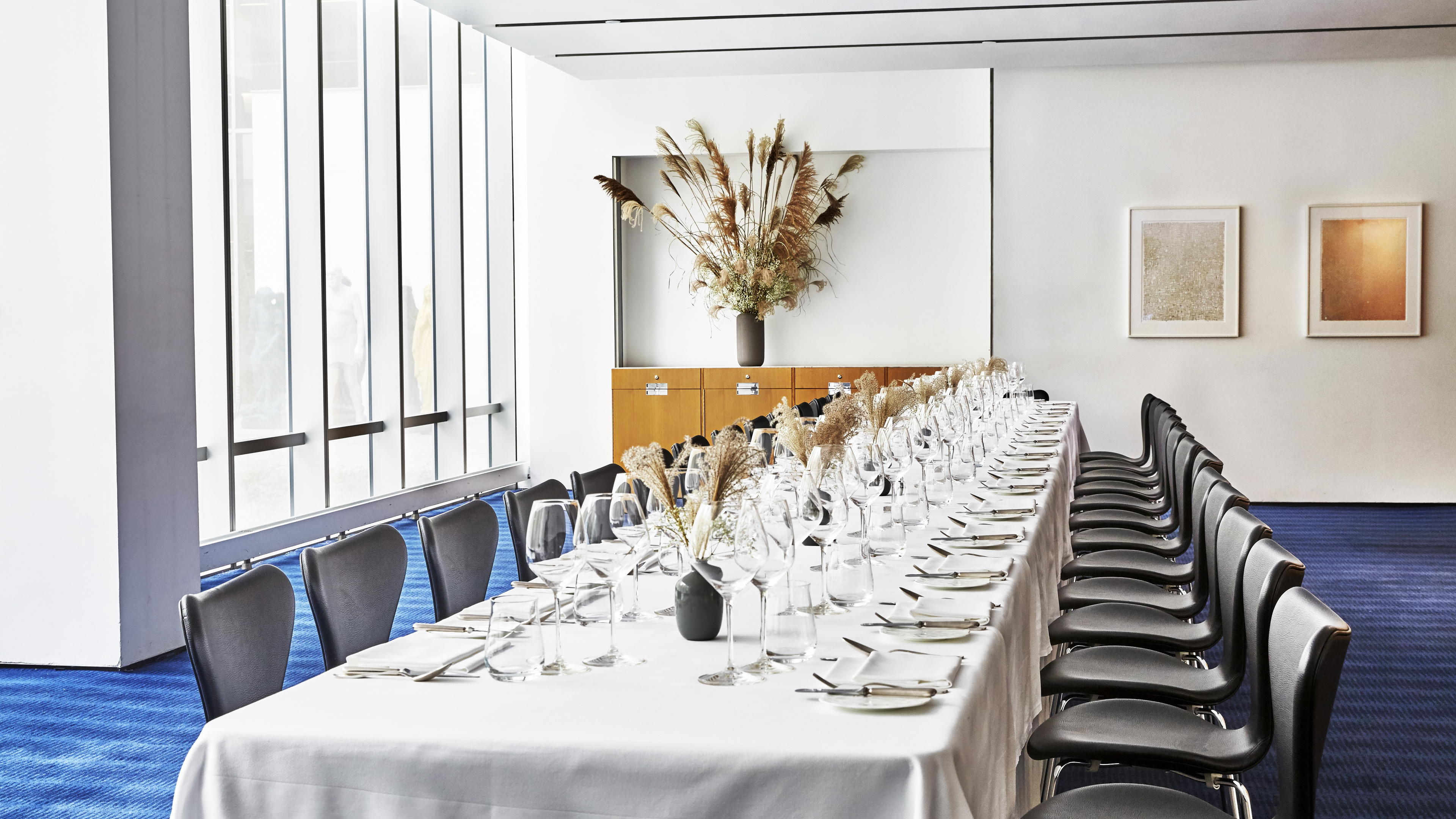
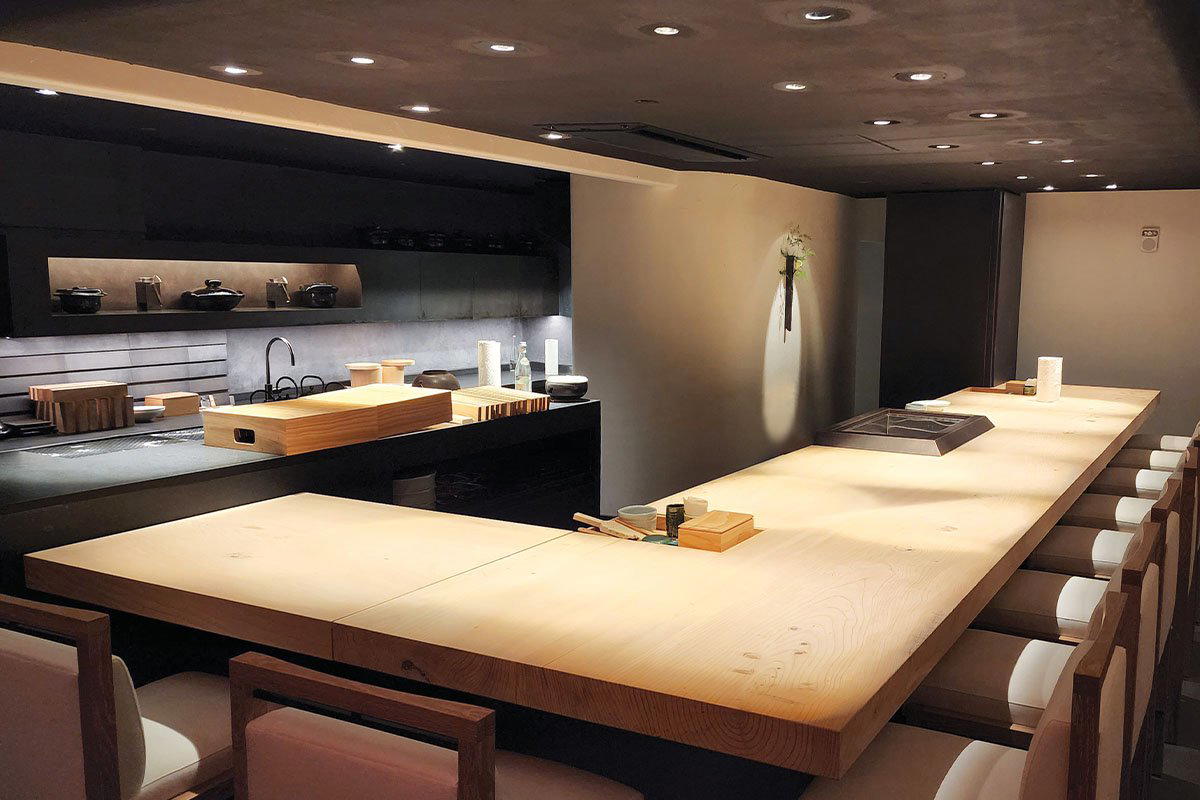
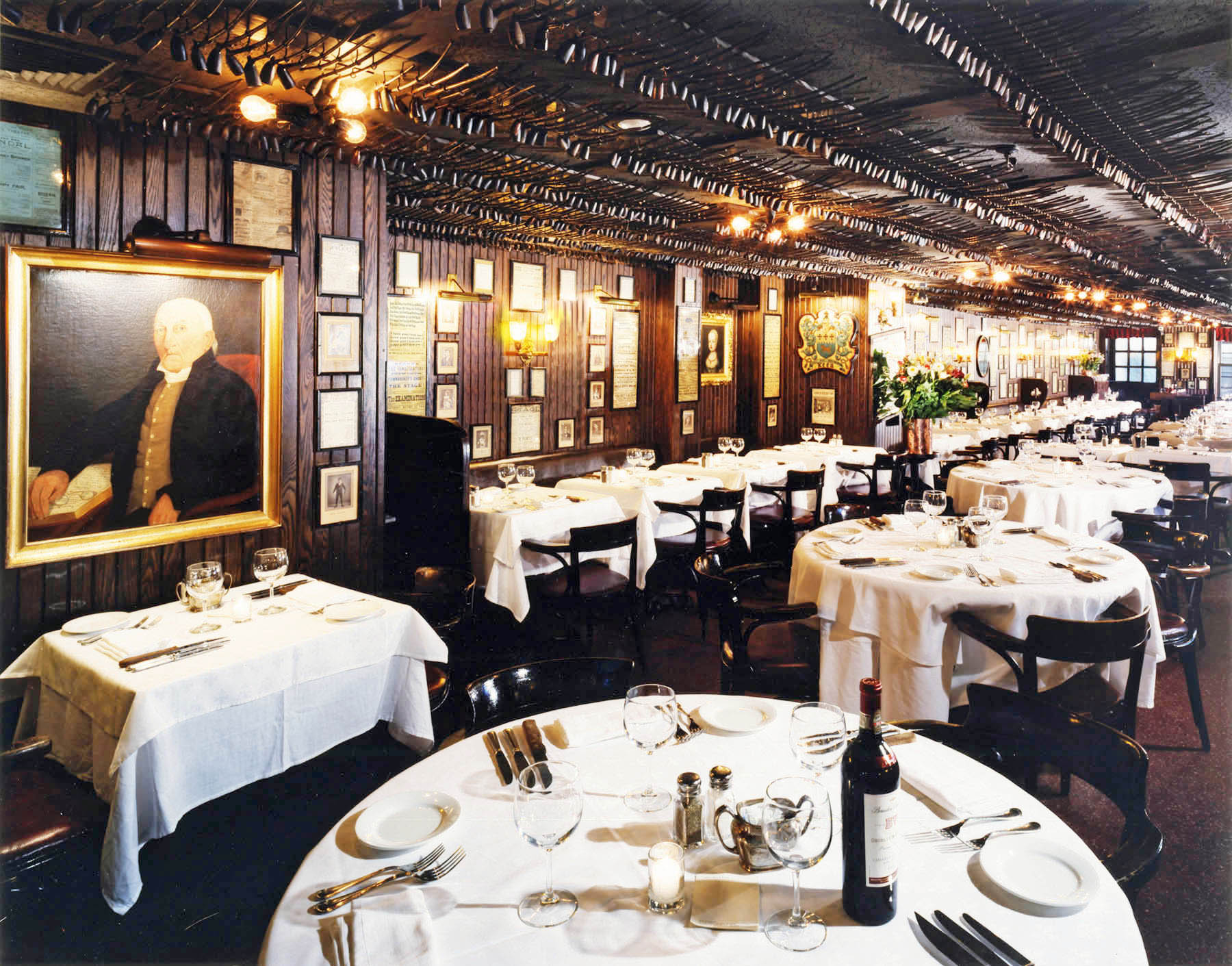
The room gives itself away quickly: bright, clean, plain, uninterested in staging. New York City has many restaurants where décor yields to repetition, handwork, and family-scale cooking; Mama Lee belongs to that lineage. Its place in New York dining matters less as a scene than as a reason to pay attention. Here, that is part of the point. Anyone who comes has made a purposeful visit for Taiwanese cooking, not a design-led night out.
Taiwanese food in New York has never moved in one tidy line. Across the city, it can appear through youth-culture shorthand, casual counter formats, late-night energy, and more home-style registers. Other New York City dining rooms show how broad the city’s Taiwanese register has become. Mama Lee sits at the stripped-down end: comfort, repetition, and patience when a restaurant asks diners to pay attention to the cooking rather than the room.
New York City Taiwanese cooking, stripped back to craft, comfort, and patience
The useful frame is craft, not restaurant glamour. Steamed, braised, simmered, and hand-formed foods offer one way to understand the discipline: repeated motions, small texture variations, and service built around food that cannot be rushed. Mama Lee is not a room built around spectacle, choreography, or high-design performance. The connection is craft logic. Taiwanese cooking rewards repetition, moisture control, and timing. Pleasure comes from texture, warmth, and comfort food treated as exacting work.
The appeal is rooted in that kind of directness. Rather than making a case through décor or elaborate service, Mama Lee asks diners to notice the fundamentals: heat, seasoning, tenderness, and the feeling of food made at close range. Those details matter because Taiwanese cooking carries histories of home cooking, shop cooking, and everyday meals that can be deceptively complex. In New York, where many cuisines are compressed into quick shorthand, a serious modest restaurant can anchor attention to patience rather than speed alone.
That is why the room’s austerity works editorially. New York is fluent in designed casualness: photogenic counters, taste-signaling typography, interiors that make modest food newly expensive. Mama Lee moves the other way. Its $ price bracket and minimal room push attention back onto cooking. The value is not just monetary; it reminds us that the city’s restaurant culture still depends on operator stamina, immigrant foodways, and customers willing to accept a slower tempo.
The modest format changes the meal
One practical detail shapes the experience more than any menu category: Mama Lee reads as a direct, low-key operation. Patience is not romance here, but part of the dining contract. In a city trained by reservation platforms and timed turns, this restaurant asks for an older exchange between diner and kitchen: arrive without expecting choreography, wait when the cooking requires it, and let the meal proceed at human scale.
That model sharpens the point. When cooking, service, and public interaction feel close together, the economics and personality of the place become difficult to separate. That does not make the restaurant a character study; it makes it a case study in how fragile focused food businesses can be when polish is not the main promise and every exchange matters. New York has many expensive rooms that advertise intimacy. This is intimacy without luxury theater.
For a broader itinerary, the lesson is useful. A traveler could spend a week eating through New York and see several versions of Asian-American dining, from Taiwanese cooking to more polished rooms, casual counters, and narrow-format specialists. These restaurants are not interchangeable; the point is that North American dining now contains many focused rooms where attention, not scale, carries craft. In that context, Mama Lee stands out because price, cuisine, and identity enter the plate without luxury signals.
How to place it within a New York food trip
Mama Lee makes the strongest case for diners who understand that New York’s restaurant culture is not contained by its most obvious dining districts. New York City rewards effort differently from the most heavily trafficked restaurant corridors: some meals are less synchronized to nightlife, less curated for visitors, and closer to community demand than visitor expectation. That makes Mama Lee sharper for a Taiwanese-focused day than for a catch-all evening plan.
Use it as a counterweight to flashier Taiwanese dining and as a reminder that the cuisine’s quiet power often lives in comfort, repetition, and restraint. Anyone building a wider Taiwanese itinerary can also look beyond any single restaurant to the broader way the cuisine appears across New York City. Within the city, place Mama Lee alongside the broader map in Our full New York City restaurants guide, then build the rest of the trip through Our full New York City hotels guide, Our full New York City bars guide, Our full New York City wineries guide, and Our full New York City experiences guide. If the itinerary needs tonal contrast, other New York City dining rooms can supply a different kind of narrow-format eating.
The critical read is simple: this is a low-price Taiwanese restaurant whose importance comes from food, not polish. Its recognition from the 2026 New York Times Best Restaurants in New York City list, where it is ranked No. 10, confirms that the draw is more than local affection. The room will not do the work for the diner. The cooking does.
Frequently asked questions
What awards or recognition does Mama Lee have?
Mama Lee is ranked No. 10 on the 2026 New York Times Best Restaurants in New York City list.
What kind of cuisine does Mama Lee serve?
Mama Lee serves Taiwanese cuisine.
What's the price range at Mama Lee?
Pricing at Mama Lee is listed as $.
Where is Mama Lee in New York City?
Mama Lee is located in New York City.
Is Mama Lee reservation-only?
The available details do not establish Mama Lee as reservation-only. Expect a low-key New York City restaurant where patience may be part of the experience.
What's the standout thing about Mama Lee?
The defining feature is its stripped-down, low-price Taiwanese cooking in New York City, with recognition from the New York Times adding to its profile.
How It Compares
Comparable venues nearby, for context on price, style, and recognition.
| Venue | Cuisine | Price | Notes |
|---|---|---|---|
| Mama LeeThis venue (the venue you are viewing) | Taiwanese comfort food | $20–30 | Not listed |
| YAYOS LATIN CUISINE | Latin American | $20–30 | Park Slope |
| Italianissimo Ristorante | Classic Italian Trattoria | $30–50 | Upper East Side-Yorkville |
| Morgenstern's BANANAS | Artisanal Soft Serve & Non-Dairy Ice Cream | $10–20 | Lower East Side |
| Rosie's | Modern Mexican | $30–50 | East Village |
| Trattoria Trecolori | Traditional Italian Trattoria | $30–50 | Midtown-Times Square |
Recognition history
Dated appearances from independent guides and award organizations, with the underlying list record or original source where available.
New York Times Best Restaurants in New York City #10
New York Times
Continue exploring
More in New York City
Restaurants in New York City
All restaurants in New York City →
Bars in New York City
All bars in New York City →





Details
- Cozy
- Modern
- Intimate
- Casual Hangout
- Family
- Group Dining
- Solo
- After Work
- Standalone
- Byob
- A La Carte
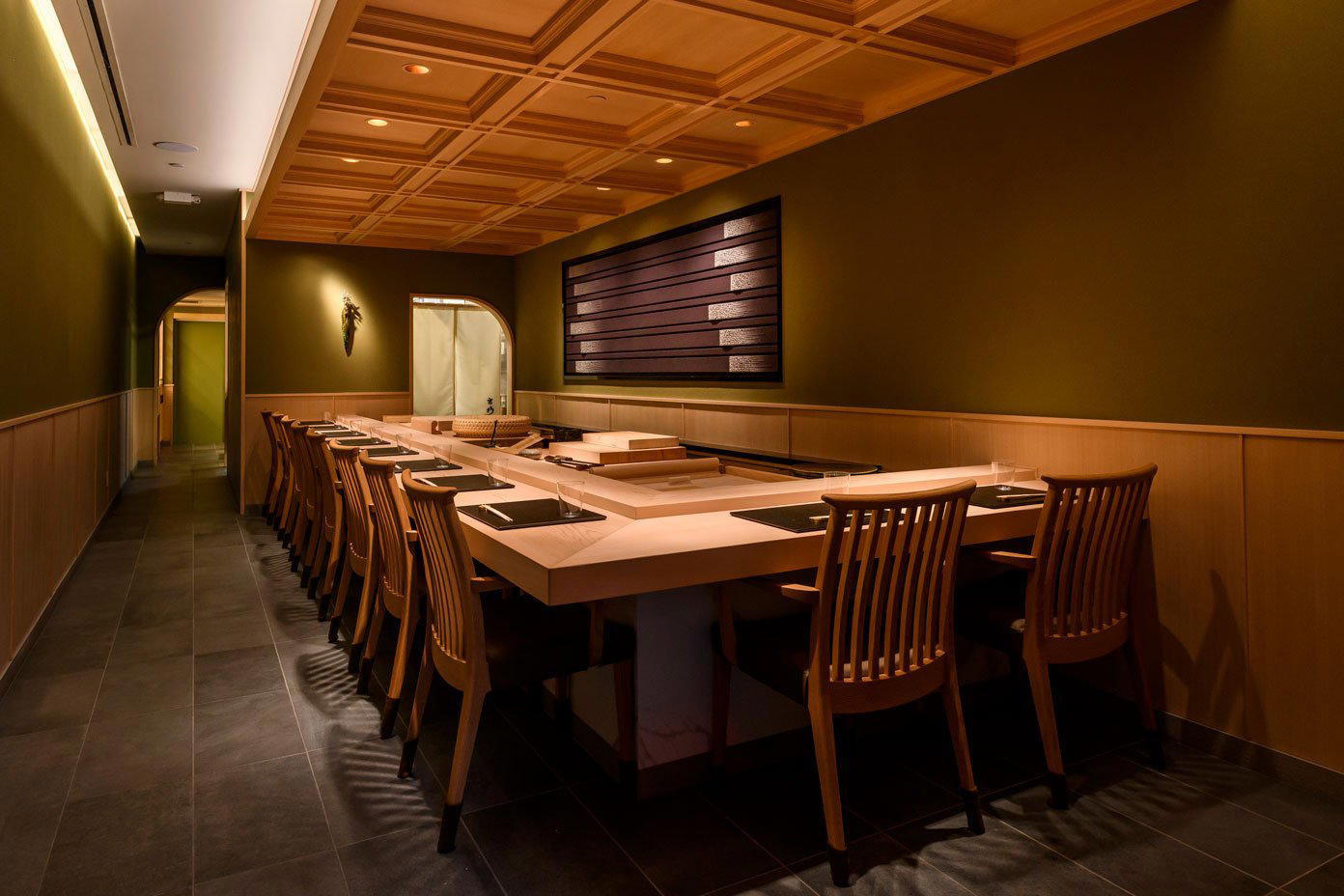
Simple and clean design with a bright, minimalist interior that keeps the focus on unfussy Taiwanese comfort dishes, creating a relaxed, no‑frills neighborhood feel.