
Michelin Plate
Our verdict
The culinary arm of Foster, an ethical artisan ecosystem outside Brussels, Màloma is chef Georges Athanassopoulos's vegetable-forward restaurant in Rosières. Produce arrives from within the Foster network of farmers and growers, and the kitchen treats each ingredient as the subject rather than the backdrop. Expect seasonal compositions where a pumpkin flower or a grilled tomato carries the full weight of the plate.

Pearl is the En Primeur Club membership app, where members save venues, book tables and use the concierge.
Where the Farm Network Becomes the Menu
Belgian fine dining has long oscillated between French classicism and Flemish produce-led modernism, but a quieter current has been building in the countryside outside Brussels: restaurants that don't merely claim farm relationships but are structurally embedded in them. Màloma, at Chemin des Deux Fermes 5 in Rosières, belongs to this second category in a literal sense. It operates as the restaurant arm of Foster, an ecosystem of artisans, farmers, and entrepreneurs whose shared commitment to sustainable practice governs what arrives at the kitchen door. The menu is not shaped by a sourcing philosophy layered onto an existing concept; it is the sourcing philosophy made edible.
The address itself signals what to expect. Rosières sits in the Brabant Wallon, a region of rolling agricultural land south-east of Brussels where the density of quality producers gives chefs the kind of supply chain that urban restaurants spend years trying to construct. Coming in from the road, the setting reads as working countryside before it reads as destination restaurant, and that inversion of the usual luxury-dining hierarchy feels deliberate rather than incidental.
The Foster Ecosystem and Why It Changes Everything
Most restaurants that describe themselves as farm-to-table maintain transactional supplier relationships: orders placed, invoices settled, provenance listed on a menu card. Foster operates differently. The network is structured as a collective of producers, artisans, and entrepreneurs who share values around environmental responsibility, and Màloma exists within that structure rather than alongside it. Chef Georges Athanassopoulos has direct access to what the network grows and makes, which means his menu reflects seasonal availability at a granularity that a standard procurement model rarely delivers.
This matters because it changes the cook's relationship to the ingredient. When the vegetable or the fruit arrives from a grower whose methods you know because you are part of the same organisation, the pressure to let that ingredient speak without obstruction is both ethical and practical. Across Belgium's leading tables, from Hof van Cleve - Floris Van Der Veken in Kruishoutem to Boury in Roeselare, chefs have built reputations on transforming premium Flemish and Walloon produce into technically demanding compositions. Athanassopoulos works in that tradition but with a supply chain that is constitutionally integrated rather than commercially assembled.
Vegetables as the Main Event
The Belgian fine dining circuit remains largely protein-anchored. At Zilte in Antwerp or Bartholomeus in Heist, fish and meat anchor the key courses, with vegetables playing a supporting structural role. Màloma inverts this hierarchy: vegetables and fruit are the primary subjects, with fish or meat appearing occasionally as accompaniment or counterpoint rather than centrepiece.
The kitchen's approach is not ascetic. Athanassopoulos's technique can be complex, and the compositions layer flavour and texture rather than reducing to simplicity for its own sake. A pumpkin flower, for instance, arrives stuffed with a subtle poultry filling, fried in tempura batter for a crisp outer layer, then set against grilled tomato for acidity and creamy feta for a final sharp note. The construction has the structural logic of classical French technique applied to what the garden produced that week. This is how the Foster network's seasonal depth translates onto the plate: not as a single featured vegetable but as a set of complementary ingredients drawn from the same productive moment.
Restaurants like Castor in Beveren or De Jonkman in Sint-Kruis work in the modern European idiom with strong local sourcing, but neither operates within an integrated producer collective the way Màloma does. Internationally, the model has closer parallels with farms-with-restaurants in Scandinavia or the Loire Valley than with most Belgian fine dining counterparts. Even compared to ingredient-forward addresses like L'Eau Vive in Arbre or d'Eugénie à Emilie in Baudour, the structural integration here is a distinguishing factor.
The Room and the Register
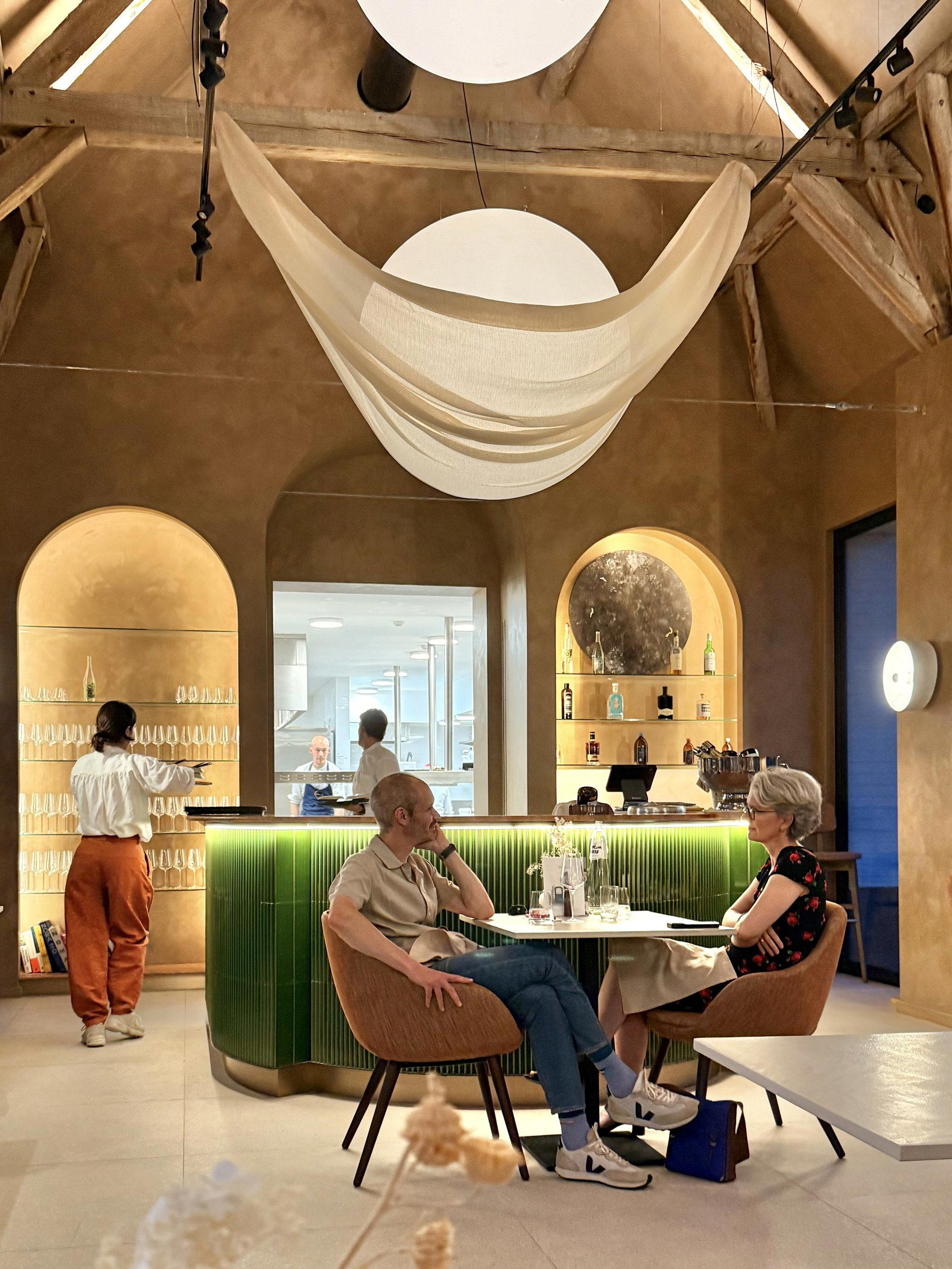
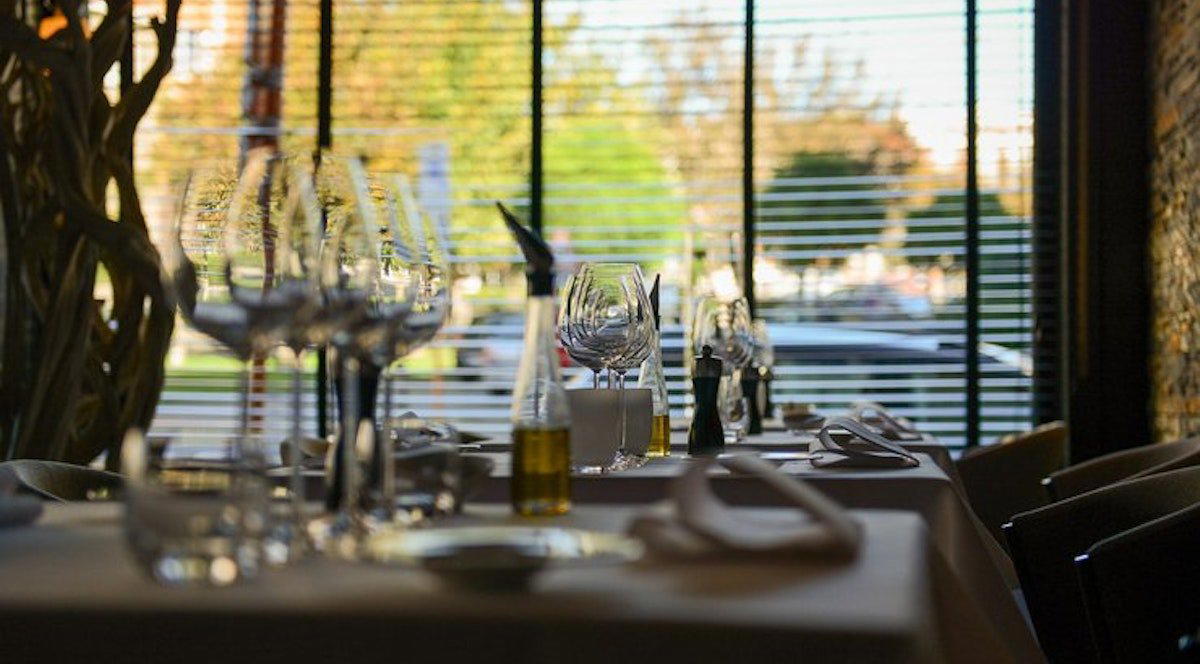
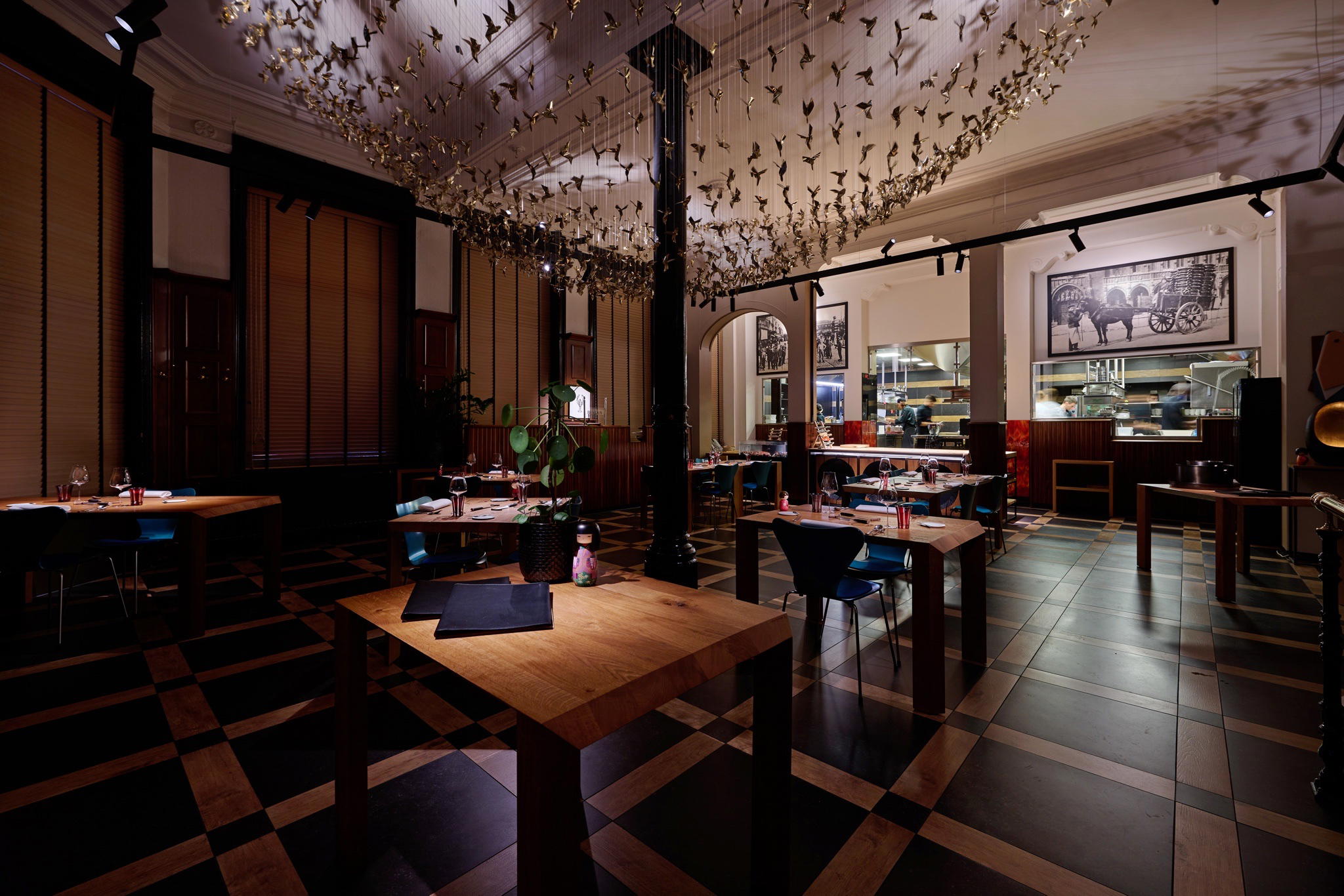
The dining room is described as bright and elegantly appointed, which in the context of a rural Belgium property tied to an artisan collective suggests considered restraint rather than the kind of formal décor that signals tasting-menu gravity in the city. The atmosphere that emerges from this combination of setting, sourcing model, and seasonal menu is one that feels substantive without being ceremonial. This is not the white-tablecloth severity of Brussels's classical addresses like Bozar Restaurant; it is something less formal and arguably more of a piece with what it serves.
Belgium has a tradition of destination restaurants that justify a drive from the capital, and Rosières sits within range of Brussels for an evening or a longer weekend that also takes in the Brabant Wallon's broader food and wine scene. For planning, our full Rosières restaurants guide covers the surrounding options, and the Rosières hotels guide lists places to stay if the meal becomes the centrepiece of a short trip rather than a single evening outing. The Rosières bars guide, wineries guide, and experiences guide round out the area's offer for those building a longer itinerary around it.
Given the Foster ecosystem's emphasis on ethical production and seasonal availability, timing matters more than at restaurants with static menus. The kitchen's stated orientation around vegetables and fruit means the menu's character shifts significantly across the year, and the peak growing months in this part of Belgium, from late spring through early autumn, are likely when the sourcing advantage is most visible on the plate.
Where Màloma Sits in the Belgian Restaurant Picture
Belgium punches above its size in restaurant density at the serious end of the market. The country has a higher per-capita Michelin star count than most of its neighbours, and the competition for attention among countryside and small-city destinations is real. What positions Màloma distinctly is not the technical level of the kitchen alone but the structural fact of the Foster network behind it. The ingredient-first argument is one many restaurants make; here, it is architecturally supported by the way the restaurant actually operates.
For readers who follow the broader trajectory of ethical, producer-embedded dining, the international frame of reference might extend to addresses like Le Bernardin in New York City or Emeril's in New Orleans, where the sourcing story is woven into the restaurant's identity. The scale and style differ enormously, but the underlying argument, that where food comes from shapes what it tastes like, holds across all of them. At Màloma, that argument is made with seasonal Walloon produce and a kitchen that knows exactly who grew it.
Additional recommended options in the region are covered across our Cuchara in Lommel and Willem Hiele in Oudenburg features for those building a wider Belgian restaurant itinerary.
Frequently asked questions
Is Màloma child-friendly?
Rosières is a rural address rather than a city centre destination, and Màloma sits within the Foster collective, a working countryside property shared by farmers and artisans. That setting tends toward a relaxed, unhurried pace rather than the formal codes of an urban fine dining room. Families with curious, produce-interested children will likely find the environment accommodating, though the kitchen's focus on intricate seasonal preparations sets the tone for the meal.
What's the vibe at Màloma?
The dining room is bright and elegantly appointed, housed within the Foster ecosystem, a collective of farmers, artisans and entrepreneurs in the Belgian countryside outside Rosières. The register is unhurried and ingredient-focused rather than theatrical, closer to a serious rural auberge than a city tasting-menu destination. Chef Georges Athanassopoulos keeps the spotlight on the produce, so the atmosphere follows suit: attentive but unshowy.
Is Màloma award-winning?
Màloma has received recognition including: Màloma is the culinary offshoot of Foster, an ethical and sustainable ecosystem of artisans, farmers and entrepreneurs, all of whom have the deepest respect for the environment. Georges Athanassopoulos’ bright, elegantly appointed restauran….
What's the must-try dish at Màloma?
The pumpkin flower preparation is the clearest expression of what Athanassopoulos does at Màloma: a seasonal vegetable stuffed with a subtle poultry filling, fried in crispy tempura batter, then grounded by grilled tomato and creamy feta. It is a dish that treats a single ingredient as the subject rather than a garnish, which is precisely the kitchen's declared philosophy. Dishes shift with the seasons, so the specific preparation changes, but the structural approach remains consistent.
In Context: Similar Options
Comparable venues nearby, for context on price, style, and recognition.
| Venue | Cuisine | Price | Awards | Notes |
|---|---|---|---|---|
| MàlomaThis venue (the venue you are viewing) | Seasonal Farm-to-Table Fine Dining | $50–100 | Michelin Plate | Not listed |
| Bloesem | Modern Seasonal Tasting Menu | $100–150 | 1 Michelin Star | Borgerhout |
| Les Brigittines Aux marches de la Chapelle | Traditional Belgian Brasserie | $50–100 | Michelin Plate · Star Wine List | Grand' Place |
| U Eat & Sleep Antwerp | Modern Brasserie | Not listed | Michelin Plate | Eilandje |
| Au Vieux Saint Martin | Traditional Belgian Brasserie | $30–50 | Michelin Plate | Pl. de Brouckere |
| Bachten De Leie | Belgian Meats and Grills | Not listed | Michelin Plate | Zulte |
Recognition history
Dated appearances from independent guides and award organizations, with the underlying list record or original source where available.
Michelin Plate
Michelin
Continue exploring
More in Rosières
Restaurants in Rosières
All restaurants in Rosières →
Bars in Rosières
Browse all →
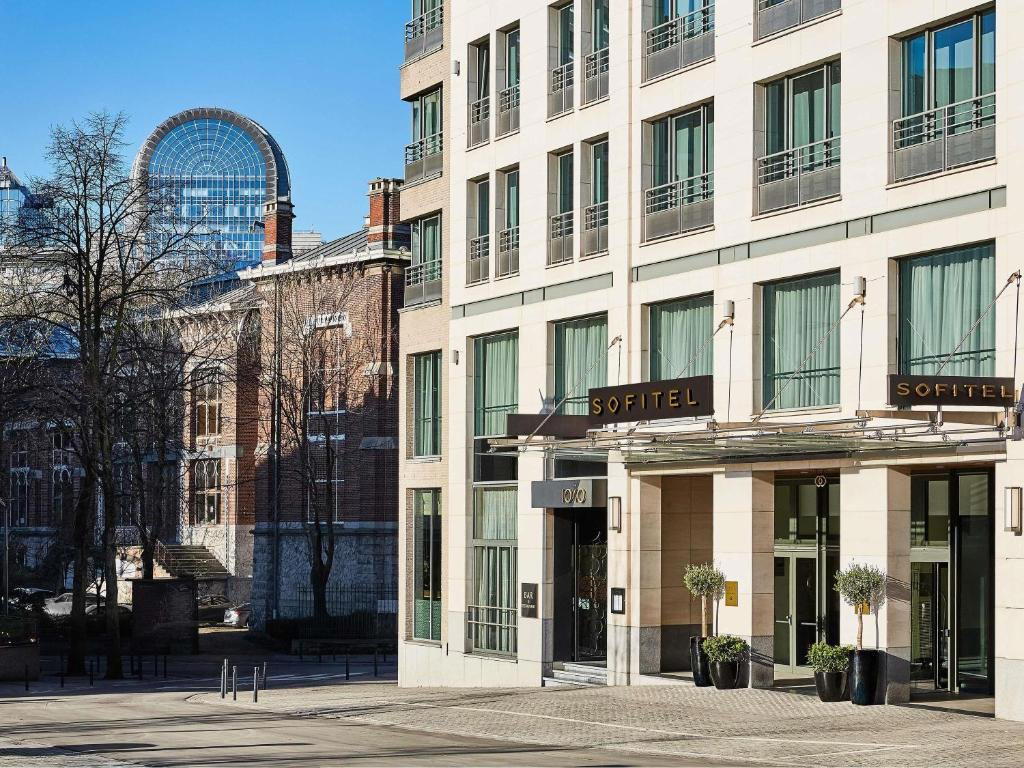
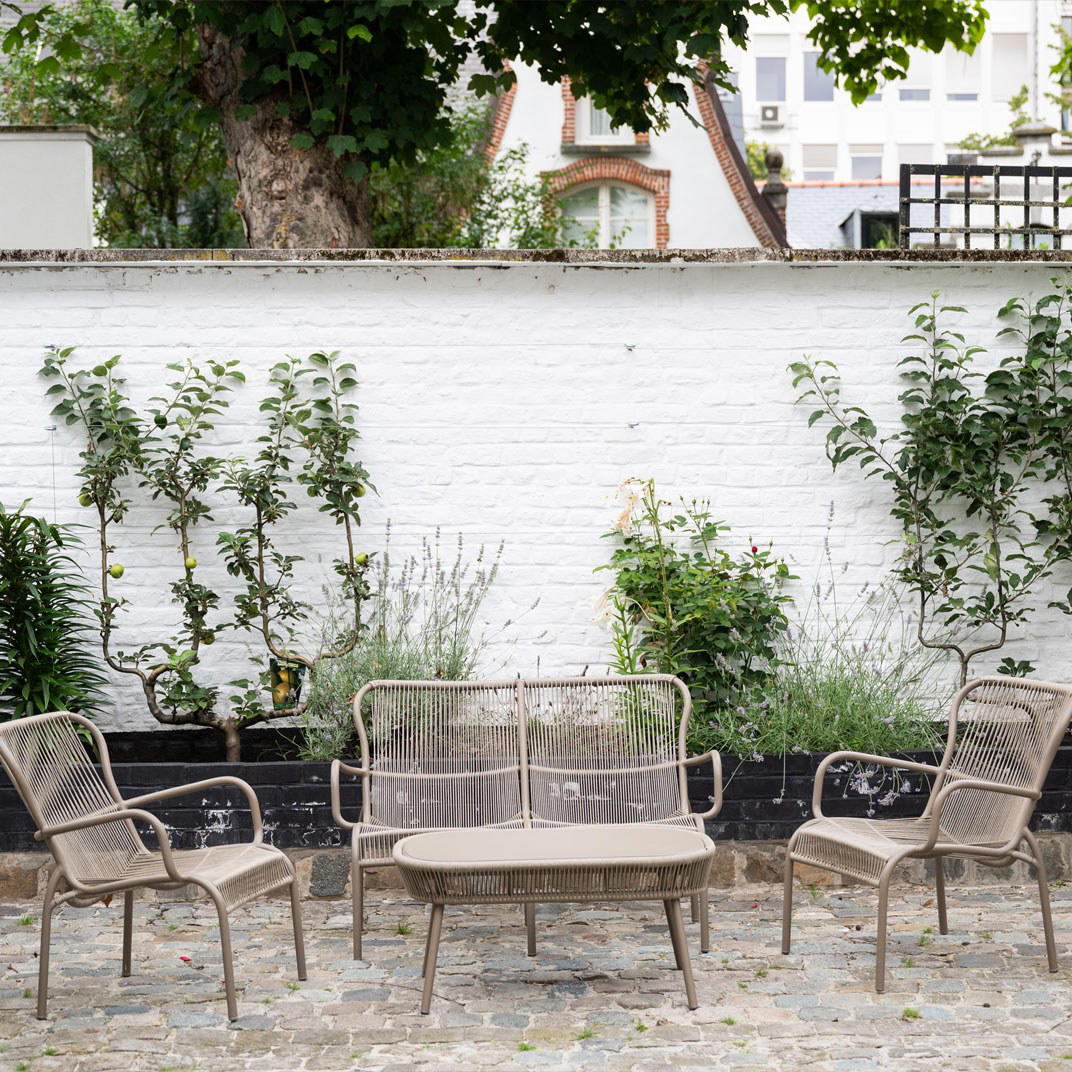
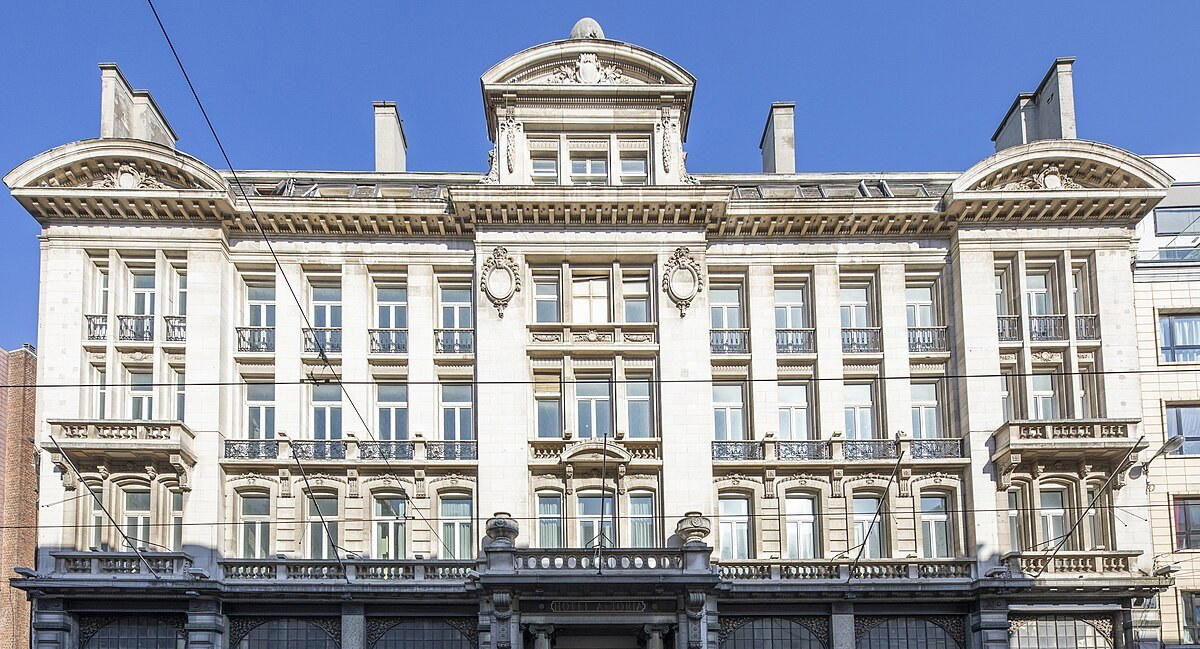
Hotels in Rosières
Browse all →
Wineries in Rosières
Browse all →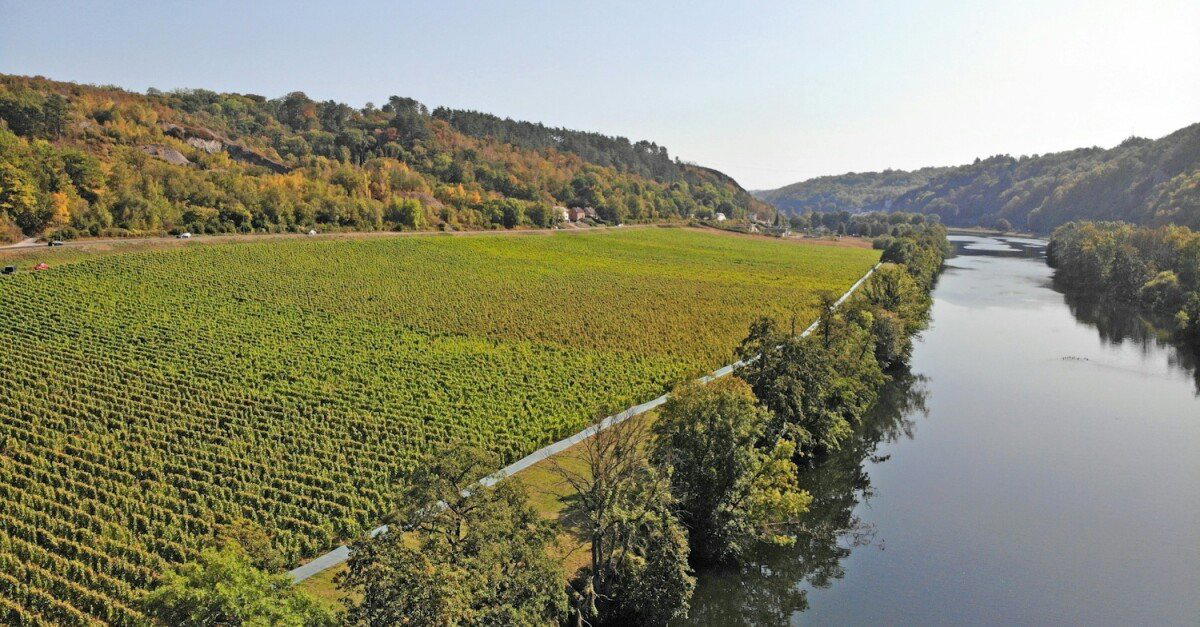
Details
- Elegant
- Cozy
- Modern
- Intimate
- Special Occasion
- Date Night
- Business Dinner
- Open Kitchen
- Sommelier Led
- Farm To Table
- Organic
- Local Sourcing
- Zero Waste
- Garden
- Tasting Menu
- Vegetarian Friendly
Current opening hours
- Monday
- Closed
- Tuesday
- Closed
- Wednesday
- 7–9:30 PM
- Thursday
- 12–1:45 PM, 7–9:30 PM
- Friday
- 12–1:45 PM, 7–9:30 PM
- Saturday
- 7–9:30 PM
- Sunday
- Closed
Hours can change for holidays and private events. Hours as of .
Bright and elegantly appointed with floor-to-ceiling windows, original timber frame, globe lighting, and Mortex tables creating a cozy, characterful atmosphere.