


Michelin Plate · Macarfi 7.1 Food Rating · We're Smart World 1 Radish
Our verdict
Mala Hierba is a neighbourhood restaurant in El Pla del Real that has built a loyal local following around one principle: let the ingredient carry the dish. Seasonal vegetables, well-sourced meats, and an absence of unnecessary technique define a meal here. It is the kind of place that reminds you why simplicity, done with conviction, is its own discipline.

Pearl is the En Primeur Club membership app — saves, bookings, and concierge access live there. Same editors, same standards.
- Address
- Carrer de Vicent Sancho Tello, 11, El Pla del Real, 46021 València, Valencia, Spain
- Phone
- +34 963 23 79 89
- Hours
- Mon ClosedTue–Thu 1:30–4 PM, 8–10:30 PMFri–Sat 1:30–11 PMSun 1:30–4 PM, 8–10:30 PM
- Website
- restaurantemalahierba.com
- Directions
- Get directions
The menu
What to order
- Grilled_octopus
- Mushroom_croquettes
- Pork_chops
The Rhythm of a Neighbourhood Table
There is a particular kind of restaurant that Valencia does quietly well: no tasting-menu theatrics, no tableside foam, no printed narrative about the chef's grandmother. El Pla del Real, the residential district north of the old city where Mala Hierba occupies a spot on Carrer de Vicent Sancho Tello, is exactly the right neighbourhood for this kind of place. The streets here are calmer than the tourist-dense centre, the buildings are solid and unhurried, and the people eating lunch on a Tuesday afternoon are mostly from within walking distance. That context matters because it shapes the meal before you sit down. You are not arriving for a performance. You are arriving for lunch.
The dining ritual at a restaurant like this follows a logic that Valencia's neighbourhood eating culture has refined over generations. The pacing is unhurried. Plates arrive when they are ready, not when a sequence demands it. The instinct to order heavily and share is natural here, partly because the cooking rewards it: a dish of seasonal tomatoes and a plate of grilled meat occupy different registers, and the meal is better for moving between them.
What the Cooking Is Actually Doing
Spanish cooking at this level, in this register, is sometimes misread as simple. It is not simple. It is restrained. The distinction matters. A tomato served well requires knowing which tomato, when to serve it, and how much heat or acid or salt it can take before it stops being the point. The same logic applies to wild mushrooms, aubergines, young artichokes, asparagus: the seasonal produce that Mala Hierba has become locally known for treating with the kind of discipline that more technically elaborate kitchens sometimes abandon in favour of showing their work.
Meats hold an equally respected position on the menu. In Valencia's neighbourhood restaurant tradition, the grill and the plancha are not afterthoughts; they are the architecture around which the rest of the meal is organised. At Mala Hierba, the meat offer is what draws regulars back consistently, which is the clearest signal that execution here is reliable rather than occasional.
The value of this approach becomes clearest when you set it against the broader Valencia restaurant spectrum. At the high end, kitchens like Ricard Camarena (Modern Spanish, Creative) and El Poblet (Modern Spanish, Creative) operate with the kind of structural ambition that demands extended menus and significant advance planning. Fierro (Modern Cuisine) and Fraula (Contemporary) occupy a creative middle tier. Kaido Sushi Bar (Japanese) represents a different discipline entirely. Mala Hierba does not compete with any of them. It answers a different question: what does an honest, seasonal, locally frequented table look like when the ambition is quality of ingredient rather than complexity of plate?
How to Eat Here
The dining ritual here rewards certain habits. Ordering vegetables alongside, rather than after, the meat courses gives the meal a different weight and balance than treating produce as a preliminary act. Seasonal availability drives what is worth prioritising: artichokes in spring, wild mushrooms as autumn moves in, tomatoes through the height of summer. The menu responds to what the market offers, which means the leading approach is to ask what has arrived rather than to arrive with a fixed agenda.
This is not the register of Spain's most architecturally ambitious restaurants. There is no through-line connecting Mala Hierba to the broader conversation about Spanish fine dining, whether at El Celler de Can Roca in Girona, Arzak in San Sebastián, Azurmendi in Larrabetzu, DiverXO in Madrid, or Aponiente in El Puerto de Santa María. It is not competing in that space, and the meal makes more sense when you arrive without expecting it to. The comparison is closer to what a good neighbourhood trattoria is in Italy, or what a well-run bistrot means in France: a specific, localised form of excellence that has its own standards, its own regular clientele, and its own logic.
Planning the Visit
Mala Hierba sits in El Pla del Real, a district that does not generate the same foot traffic as the Barrio del Carmen or the waterfront, which means it functions primarily as a destination for those who already know it or have sought it out. The restaurant draws a largely local crowd, the kind of regulars who build their week around a particular table rather than treating every meal as an occasion for discovery. That pattern is itself a form of recommendation: a neighbourhood that eats here repeatedly is a more reliable signal than any external certification.
For visitors, the restaurant fits naturally into a day that includes the Jardines del Real nearby, or the quieter residential streets of the district. It does not require a formal booking occasion or a special event to justify; the meal scales comfortably from a quick weekday lunch to a longer midday sitting. Given that the local clientele is the primary audience, arriving at or near the Spanish lunch hour, from around 2pm, places you within the natural rhythm of the service rather than working against it.
For those building a broader picture of eating and drinking in Valencia, the full context is available across our full València restaurants guide, our full València bars guide, our full València hotels guide, our full València wineries guide, and our full València experiences guide.
Frequently asked questions
Is Mala Hierba award-winning?
Mala Hierba has received recognition including: This local neighbourhood restaurant is a real hit, mostly frequented by locals. Well-known for its meats, but vegetables are certainly not forgotten. Always served simply and purely, seasonal delights like tomatoes, wild mushrooms, aubergin….
Where is Mala Hierba in València?
Mala Hierba is located at Carrer de Vicent Sancho Tello, 11, El Pla del Real, 46021 València, Valencia, Spain, València.
What's the best thing to order at Mala Hierba?
The vegetables are the strongest argument for ordering carefully here. Seasonal produce — tomatoes, wild mushrooms, aubergines, asparagus, and young artichokes — arrives with minimal intervention, which means quality of sourcing is visible on the plate. The meats are what the restaurant is most widely recognised for locally, but dismissing the vegetable dishes would mean missing what sets Mala Hierba apart from a standard grill.
What's the best way to book Mala Hierba?
Phone and online booking details are not publicly listed for Mala Hierba. The restaurant is in El Pla del Real at Carrer de Vicent Sancho Tello, 11 — a residential district with a largely local customer base, which suggests walk-in visits during off-peak hours may be viable, though arriving early or at lunch is the more reliable approach for a table at a neighbourhood spot of this standing.
What's the standout thing about Mala Hierba?
The commitment to letting ingredients speak without creative scaffolding around them. In a city where both tourist-facing restaurants and high-end tasting menus compete for attention, Mala Hierba operates in a different register entirely: seasonal produce, restrained preparation, and a regular clientele that returns for consistency rather than spectacle. That position — local favourite, ingredient-focused, no performance — is exactly what makes it worth the detour from Valencia's busier dining districts.
Cuisine and Recognition
Comparable venues nearby, for context on price, style, and recognition.
| Venue | Cuisine | Price | Awards | Notes |
|---|---|---|---|---|
| Mala HierbaThis venue — the venue you are viewing | Modern Spanish Mediterranean | $30–50 | Michelin Plate · Macarfi 7.1 Food Rating | Not listed |
| Anyora | Traditional Spanish Tapas Bodega | $20–30 | Star Wine List · Macarfi 7 Food Rating | Cabanyal-Canyamelar |
| Central Bar by Ricard Camerena | Modern Spanish Tapas | $20–30 | Macarfi 7 Food Rating | El Mercat |
| Ca' Pepico | Traditional Valencian Paella & Mediterranean | $50–100 | Star Wine List | Roca, Meliana |
| La Pepica | Traditional Valencian Paella | $20–30 | Macarfi 7.2 Food Rating | Cabanyal-Canyamelar |
| Barraca Toni Montoliu | Traditional Valencian Paella | $30–50 | Macarfi 7 Food Rating · We're Smart World 3 Radishes | Meliana |
Recognition history
Dated appearances from independent guides and award organizations, with the underlying list record or original source where available.
Michelin Plate
Michelin · 2026 Michelin Plate
Macarfi 7.1 Food Rating
Macarfi
We're Smart World 1 Radish
We're Smart World
Continue exploring
More in València
Restaurants in València
Browse all →
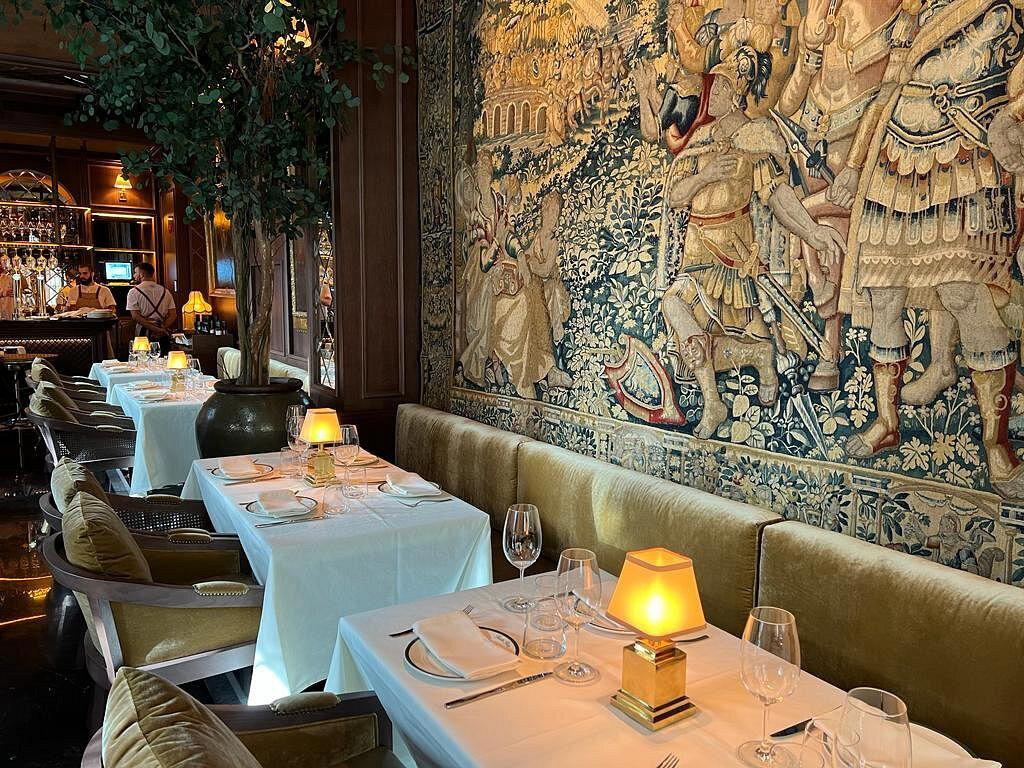
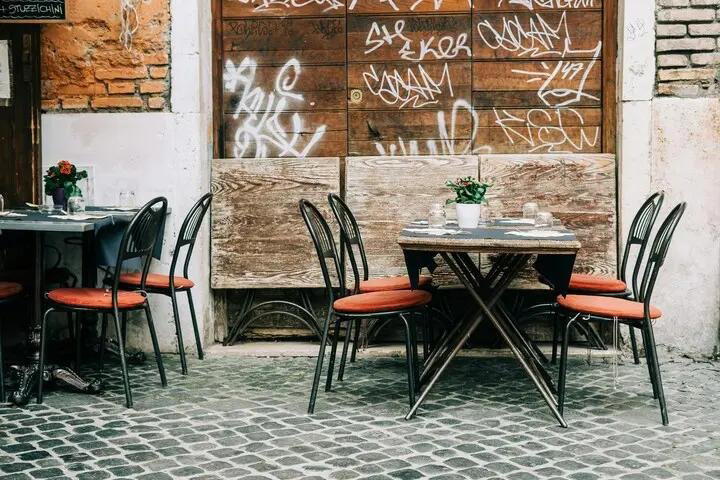
Bars in València
Browse all →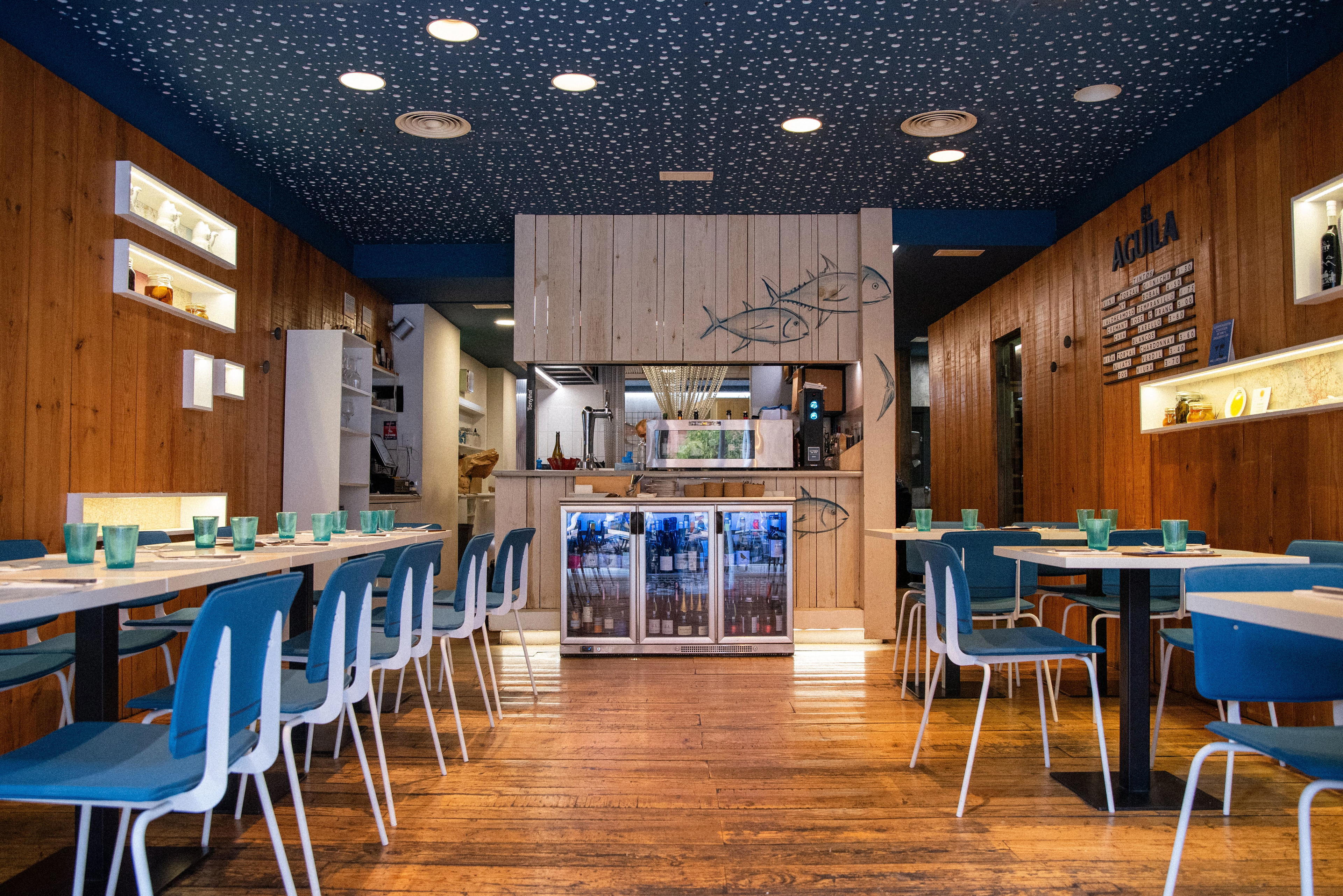
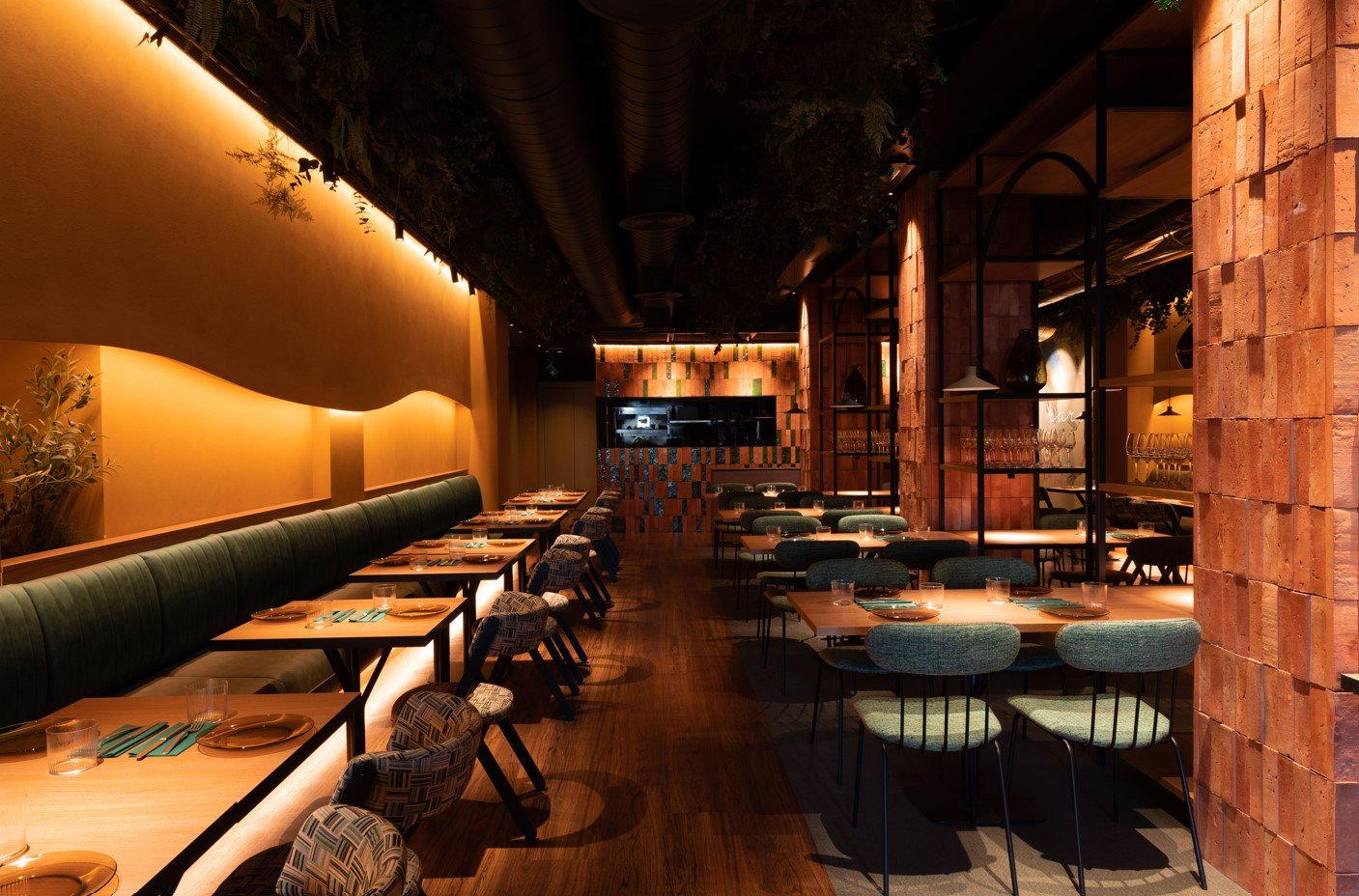
Hotels in València
Browse all →
Wineries in València
Browse all →
Details
- Modern
- Cozy
- Casual Hangout
- Group Dining
- Date Night
- Open Kitchen
- Terrace
- Extensive Wine List
- Local Sourcing
- A La Carte
- Small Plates
- Vegetarian Friendly
- Vegan Options
Current opening hours
- Monday
- Closed
- Tuesday
- 1:30–4 PM, 8–10:30 PM
- Wednesday
- 1:30–4 PM, 8–10:30 PM
- Thursday
- 1:30–4 PM, 8–10:30 PM
- Friday
- 1:30–11 PM
- Saturday
- 1:30–11 PM
- Sunday
- 1:30–4 PM, 8–10:30 PM
Hours can change for holidays and private events. Last verified .
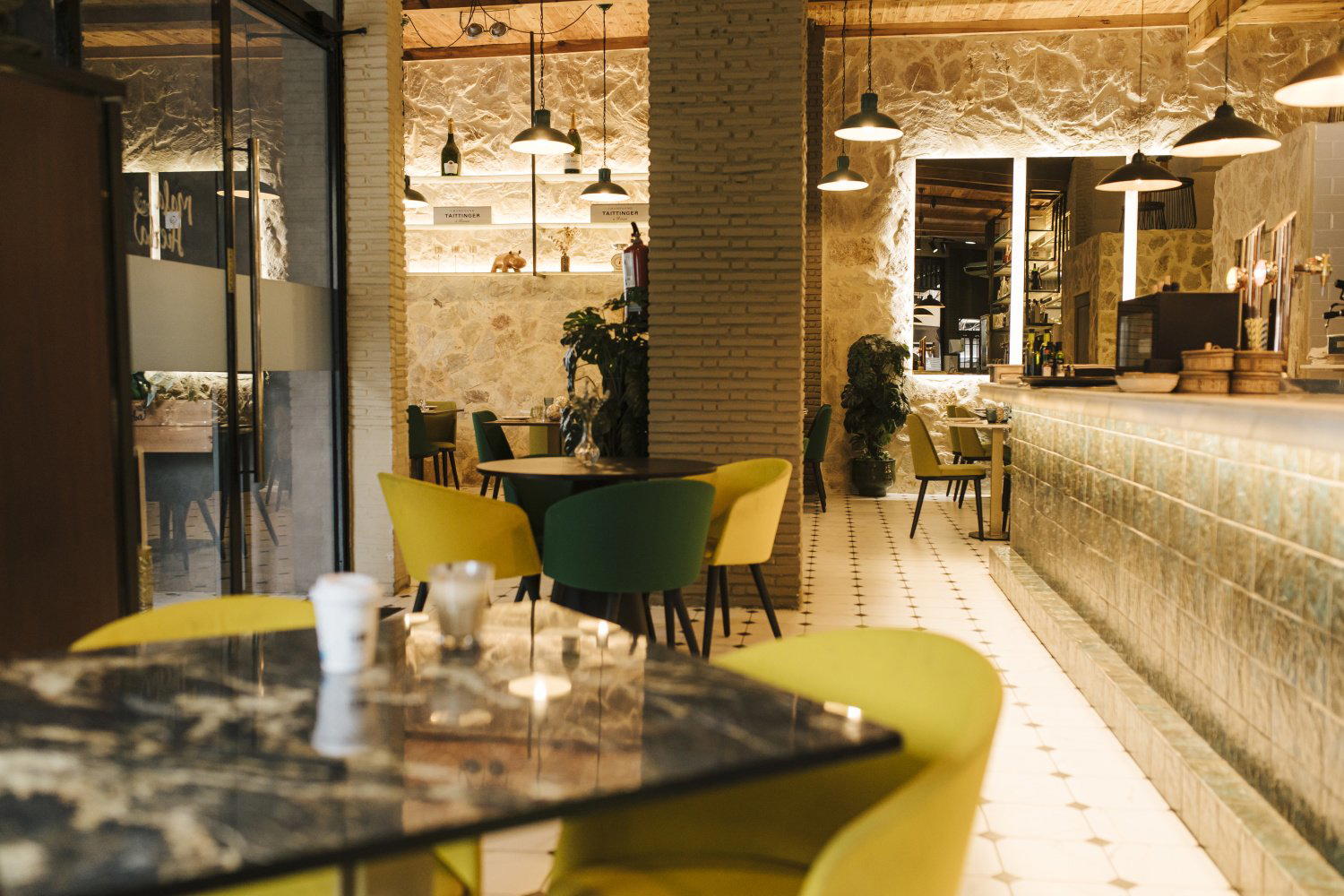
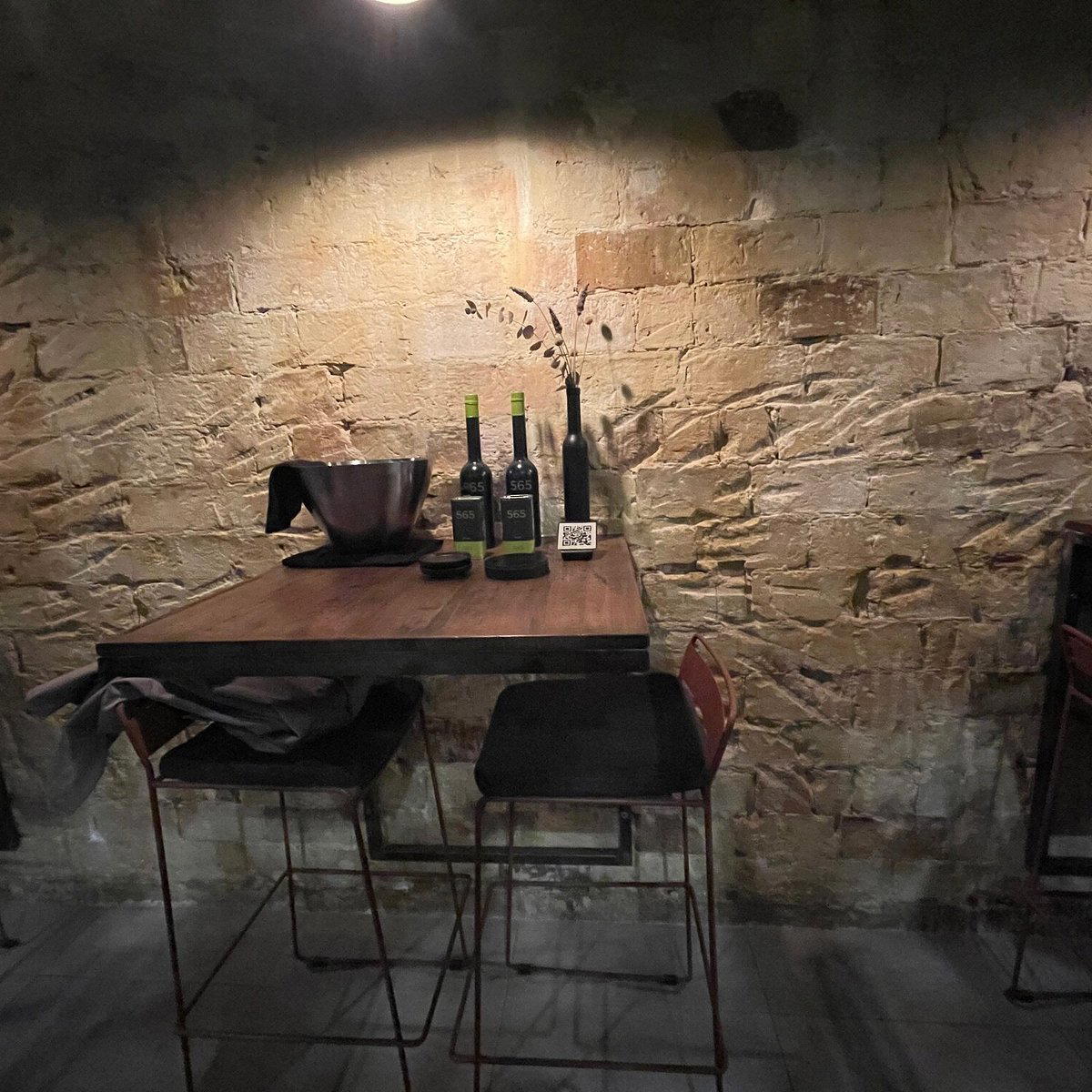
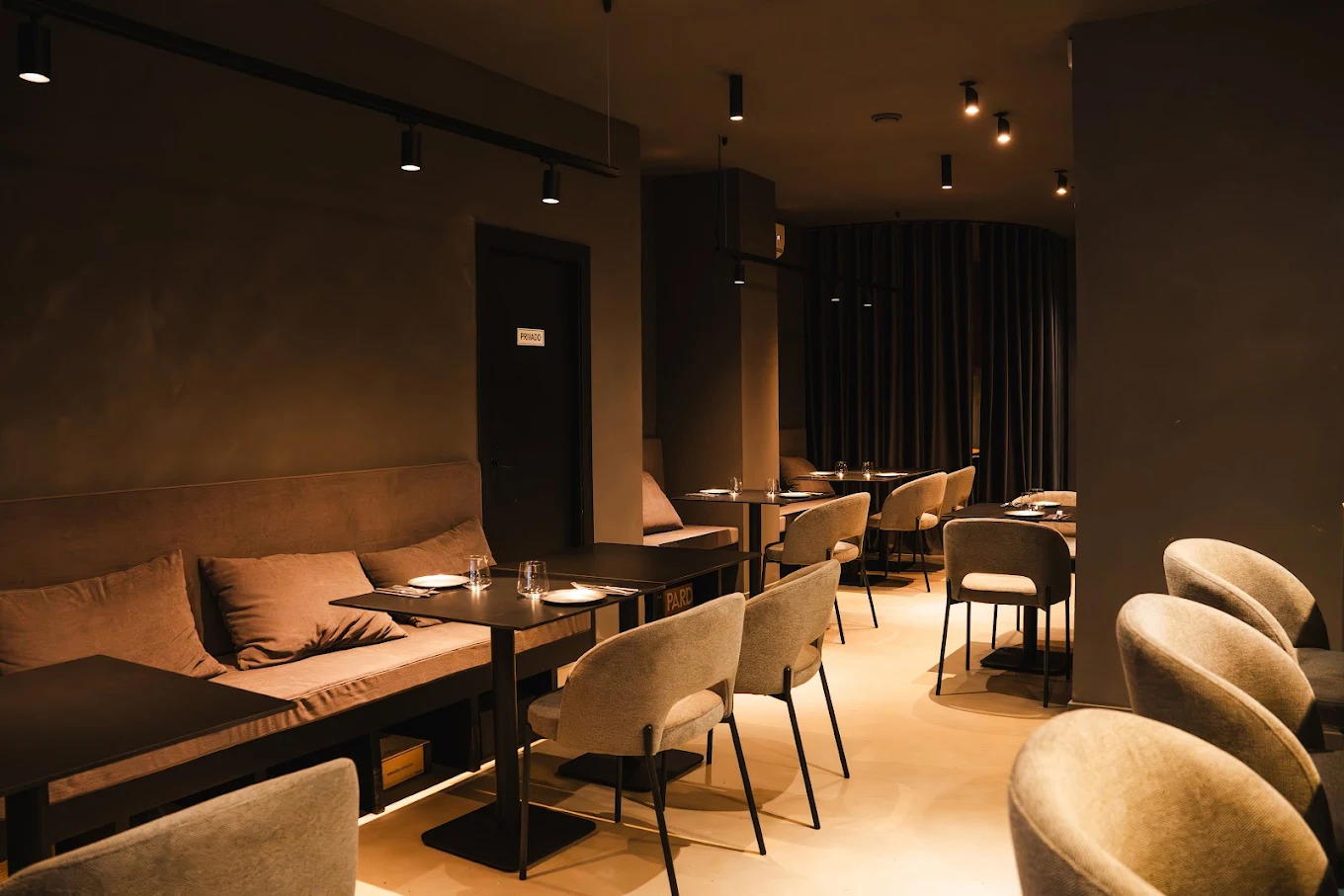
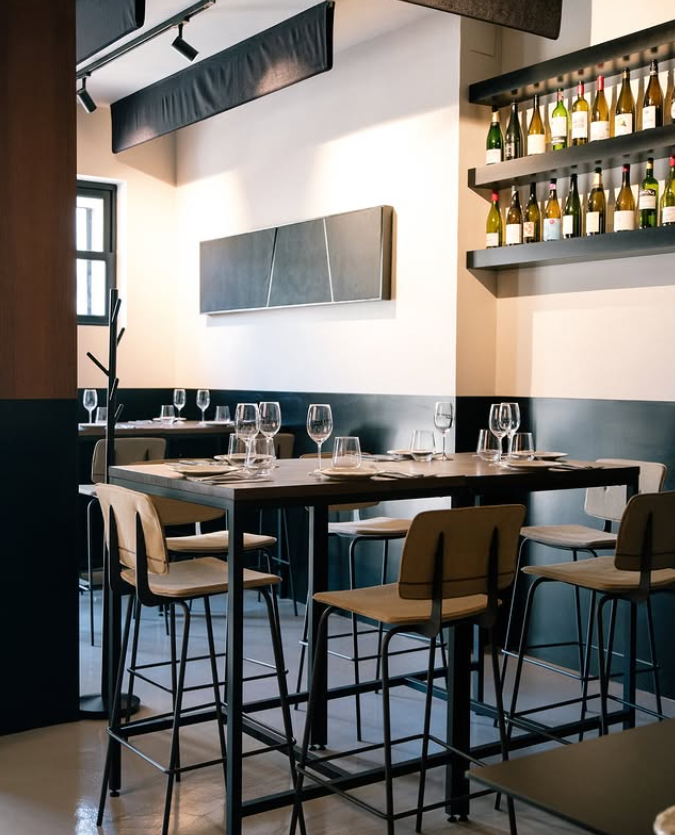
Modern and pleasant atmosphere with open kitchen, charming decor, and nice terrace seating.