


A ten-seat omakase counter in València's El Pla del Real district, Kaido Sushi Bar holds a Michelin star (2024) and operates on a strict collective-arrival format built around Edomae tradition. Chef Yoshikazu Yanome applies Edo-period technique to Valencian coastal produce, with local red prawn and nigiri at the centre of the experience. Open Tuesday through Saturday evenings only, with Friday and Saturday lunch sittings.
Pearl is the En Primeur Club membership app — saves, bookings, and concierge access live there. Same editors, same standards.
- Address
- Carrer de Xile, 3, El Pla del Real, 46021 València, Valencia, Spain
- Phone
- +34 687 00 06 96
- Website
- kaidosushi.es
- Directions
- Get directions
 Saves & bookings on Pearl
Ten Seats, One Sitting, One Counter
Valencia's dining scene has spent the last decade consolidating a reputation that reaches well beyond paella and the Mercat Central. The city now carries multiple Michelin stars across a range of formats, from Ricard Camarena's two-star modern Spanish kitchen to the refined creative work at El Poblet and Fierro. Within that company, Kaido Sushi Bar is a ten-seat omakase counter where everyone arrives simultaneously, sits around a shared bar, and moves through the same sequence together. The format is borrowed directly from Tokyo's most disciplined counter culture, transplanted to a residential stretch of Carrer de Xile in the El Pla del Real district, well away from the tourist circuits around the old town.
Walking into a room this small, the architecture of the experience becomes immediately apparent. There is no ambient noise to hide behind, no separate tables to retreat to. The counter is the room, and the room holds ten people. This compression is a structural choice, not a limitation: it allows chef Yoshikazu Yanome and the team around him to operate as a coordinated unit, delivering explanations, timing courses, and managing the mood of the room with the kind of precision that larger formats cannot sustain.
Edomae in a Mediterranean Port
Japan's omakase counter tradition has migrated across Europe in several waves, with varying degrees of fidelity. Committed practitioners anchor their work in Edomae technique, the style that developed around Edo-period Tokyo Bay fishing from 1603 to 1868, when proximity to fresh catch and the absence of refrigeration produced a highly specific approach to curing, aging, marinating, and hand-pressing fish. That methodology is what Yanome brings to Kaido, and it meets one of Spain's most productive coastlines. The Mediterranean waters off Valencia supply red prawn (gamba roja) that ranks among the more prized shellfish in the country, alongside a broader seasonal rotation of local fish that maps naturally onto the Edomae principle of cooking what the surrounding water produces.
The result is a menu that sits inside an identifiable Japanese tradition while drawing its primary ingredient logic from Mediterranean geography. Nigiris form the structural spine of the counter, which is consistent with serious Edomae practice where the hand-pressed rice and its topping are treated as an integrated unit rather than a delivery mechanism for fish. The red prawn receives particular attention here, positioned as the signature product of the local waters rather than an imported reference point. Across Spain, a handful of restaurants have pursued serious Japanese technique with local ingredients, Aponiente in El Puerto de Santa María applies its own rigorous framework to Andalusian sea produce, but Kaido's counter format keeps the dialogue between technique and ingredient unusually direct and visible.
The Counter as Collaboration
The editorial angle that makes small omakase counters worth studying is not the chef in isolation, it is the team dynamic that the format demands and exposes. At a ten-seat bar where every guest arrives at the same moment, the front-of-house rhythm, the pacing of explanations, and the hand-offs between preparation and service are not incidental to the experience; they constitute it. Kaido's format requires the team to function as an ensemble, with the chef's movements at the counter providing a visual and narrative throughline that the service team frames and contextualises for guests.
This is where the collective-arrival rule matters most. When a room fills at one time and progresses through a shared sequence, the team can calibrate to a single pace rather than managing multiple tables at different stages simultaneously. The explanations Yanome delivers at the counter, about the origin of Edomae tradition, the provenance of individual fish, the rationale for particular preparations, land more coherently when the whole room is at the same point in the meal. The team dynamic at this kind of counter is closer to chamber music than restaurant service: parts are interdependent, and a missed cue is audible to everyone.
For comparative context, the omakase counter scene in Tokyo operates in a similar register at its tighter end, where venues like Myojaku and Azabu Kadowaki treat the counter as a performance space rather than a service station. Kaido imports that logic to Valencia and applies it to a room where the Mediterranean light and the Valencian coastline's particular produce create a hybrid context that neither Tokyo nor a standard Spanish fine dining room would produce alone.
Where Kaido Sits in Valencia's Japanese Scene
Valencia carries more depth in Japanese dining than its profile outside Spain typically suggests. Nozomi Sushi Bar and Shinkai Tastem operate in the same broad Japanese-dining category in the city, each with its own format and approach. Kaido distinguishes itself within this comparable set primarily through format rigidity and Michelin recognition: the single-seating, fixed-arrival structure and the 2024 Michelin star place it in a narrower tier than multi-table Japanese restaurants.
Within Valencia's broader Michelin-starred set, Kaido belongs to a different culinary tradition than the city's leading Spanish-cuisine kitchens. The comparison with Ricard Camarena or the modern Spanish work at Fierro is less a competitive one than a complementary observation: Valencia now has a starred Japanese counter that can be placed alongside starred Spanish kitchens for a multi-evening itinerary. Nationally, Spain's Michelin map at the starred level includes kitchens as far-ranging as Arzak in San Sebastián, Azurmendi in Larrabetzu, Cocina Hermanos Torres in Barcelona, and DiverXO in Madrid. Kaido is the entry point for Japanese tradition within that national picture, and a singular one at the format level.
Planning Your Visit
Kaido operates Tuesday through Thursday evenings from 8:30 PM to midnight, Friday and Saturday with both a lunch sitting from 2 PM to 4 PM and an evening sitting from 8:30 PM to 11 PM, and remains closed Sunday and Monday. The ten-seat collective-arrival format means that booking requires coordinating your arrival time precisely with any guests you bring; late arrivals do not slot in quietly at a counter this size. The price range sits at €€€€, consistent with the Michelin-starred tier in Valencia and comparable to the city's other high-end tasting menus. The address, Carrer de Xile, 3, places the restaurant in El Pla del Real, a residential neighbourhood north of the old town and within reasonable distance of the main hotel corridors along Passeig de l'Albereda. Advance booking is advisable given the ten-seat ceiling; this is not a counter where walk-ins are a realistic option.
Price and Recognition
Comparable venues nearby, for context on price, style, and recognition.
| Venue | Cuisine | Price | Awards | Notes |
|---|---|---|---|---|
| Kaido Sushi BarThis venue — the venue you are viewing | Japanese | $$$$ | Michelin 1 Star | Not listed |
| Fierro | Russafa, Modern Mediterranean Tasting | $$$$ | Michelin 1 Star | Not listed |
| Apicius | Mestalla, Modern Mediterranean Seasonal | $$$$ | Michelin Plate | Not listed |
| Lienzo | Not listed | $$$$ | Michelin 1 Star | La Xerea, Modern Mediterranean Fine Dining |
| Nozomi Sushi Bar | Russafa, Modern Japanese Sushi Bar | $$$ | Michelin Plate | Not listed |
| Saiti | La Gran Via, Modern Mediterranean | $$$ | Michelin Plate | Not listed |
Recognition history
Dated appearances from independent guides and award organizations, with the underlying list record or original source where available.
Guía Repsol 1 Sol
Guía Repsol
Macarfi 8.6 Food Rating
Macarfi
Michelin 1 Star
Michelin
Michelin 1 Star
Michelin
Michelin 1 Star
Michelin

At a Glance
- Intimate
- Elegant
- Minimalist
- Sophisticated
- Date Night
- Special Occasion
- Celebration
- Chefs Counter
- Open Kitchen
- Sake Program
- Extensive Wine List
- Sustainable Seafood
- Local Sourcing
Current opening hours
- Monday
- Closed
- Tuesday
- 8:30 PM–12 AM
- Wednesday
- 8:30 PM–12 AM
- Thursday
- 8:30 PM–12 AM
- Friday
- 2–4 PM, 8:30–11 PM
- Saturday
- 2–4 PM, 8:30–11 PM
- Sunday
- Closed
Hours can change for holidays and private events. Last verified .
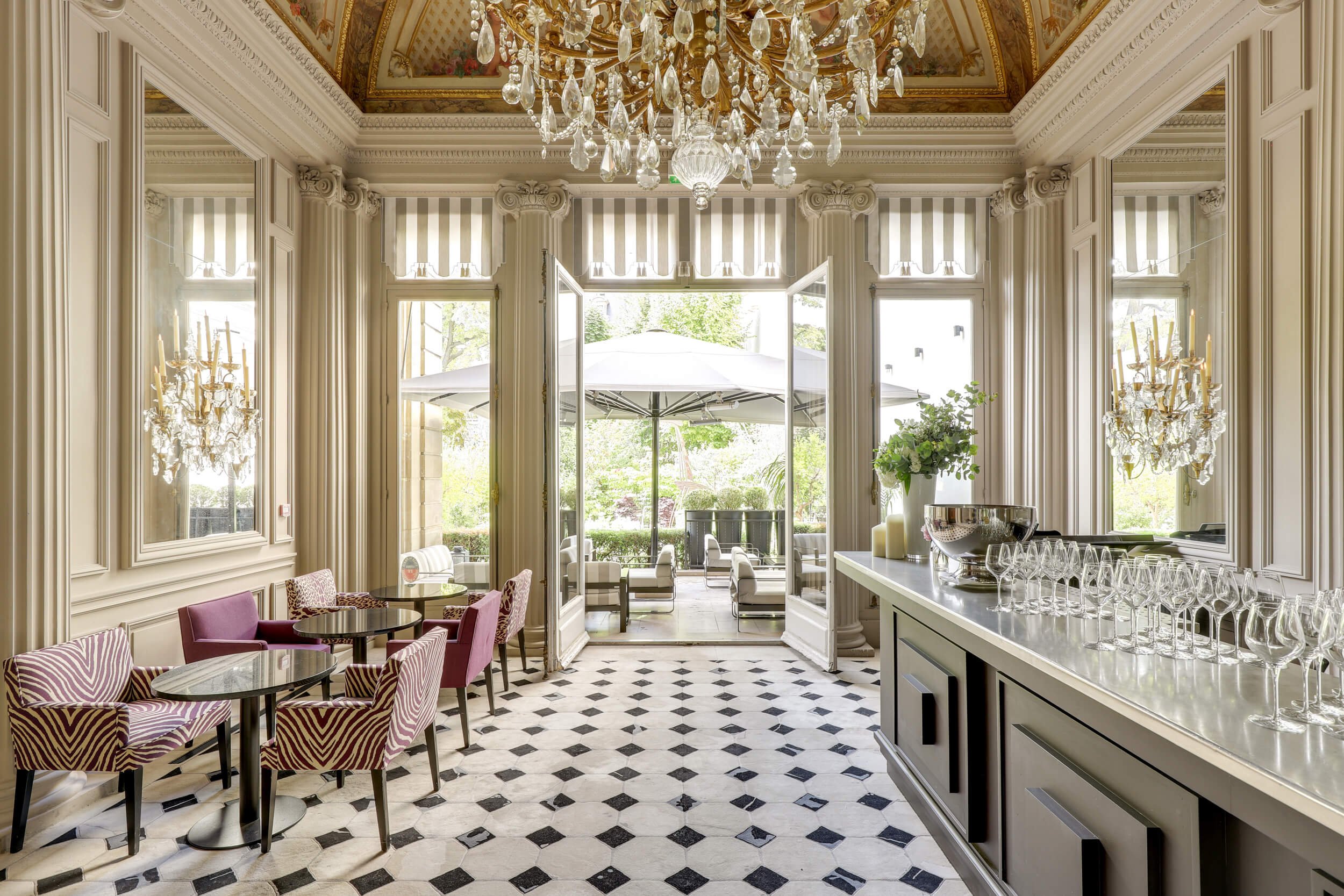
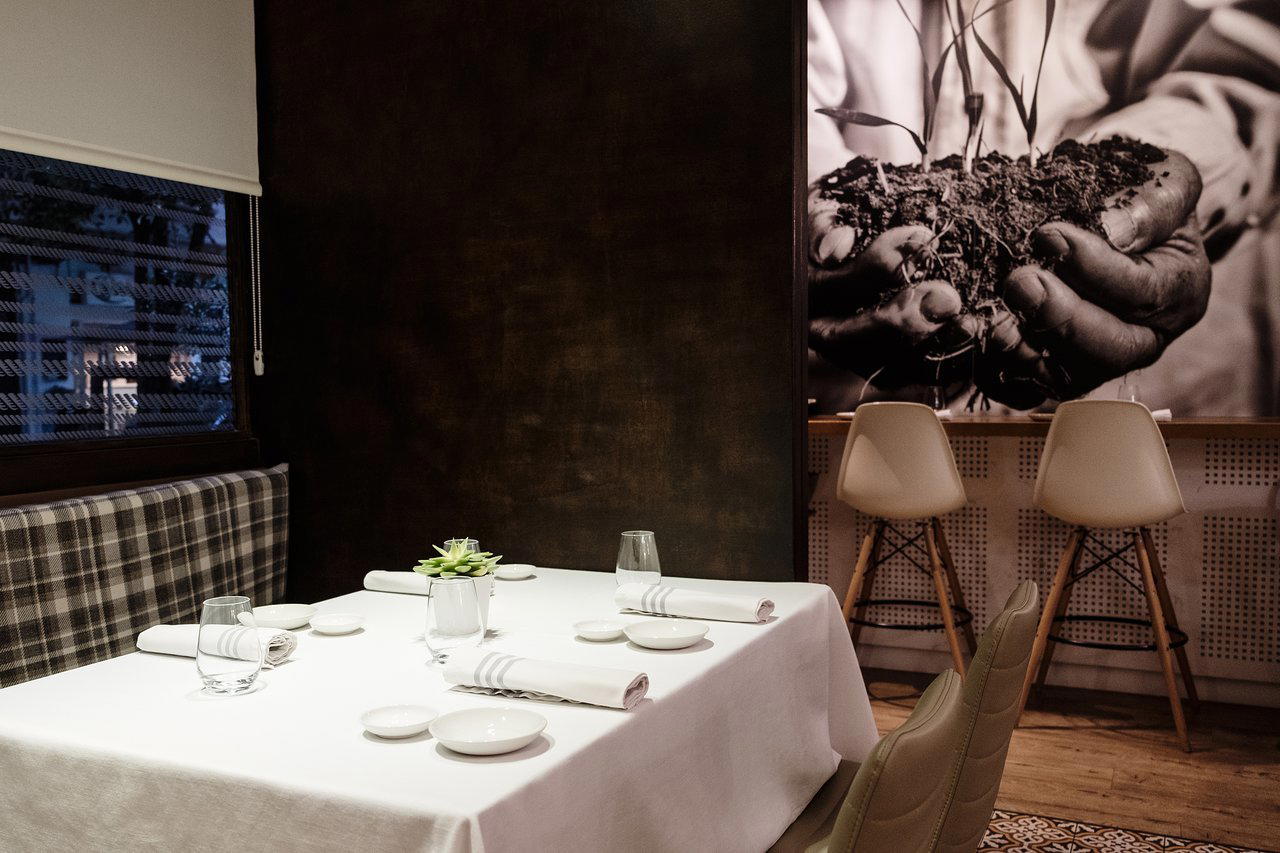
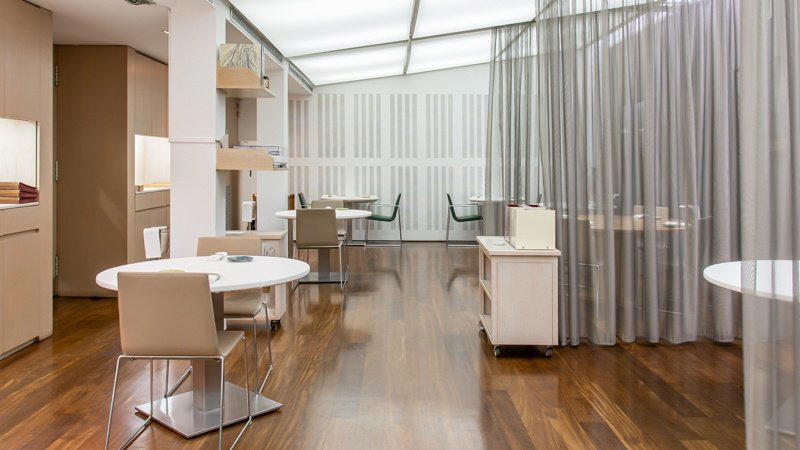
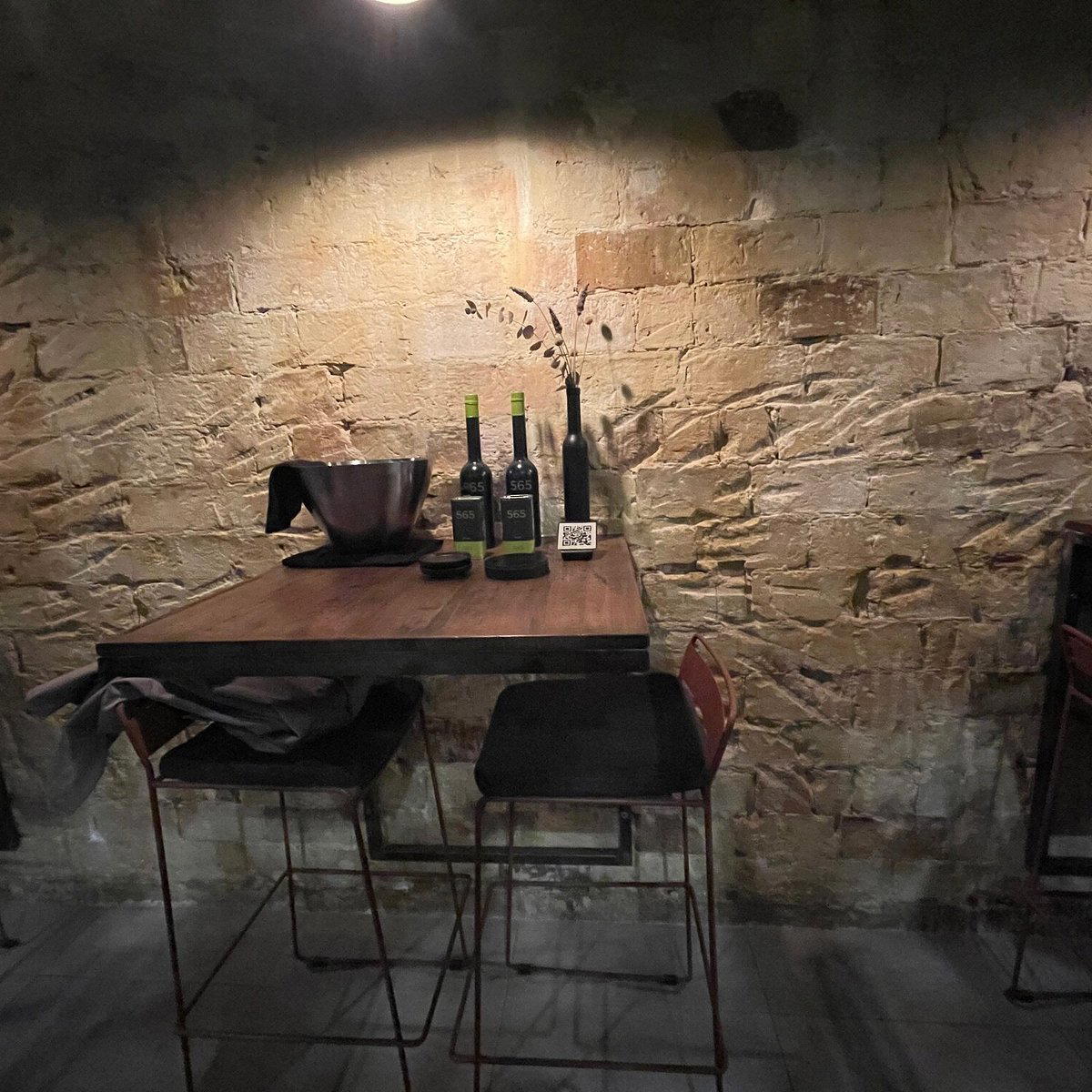
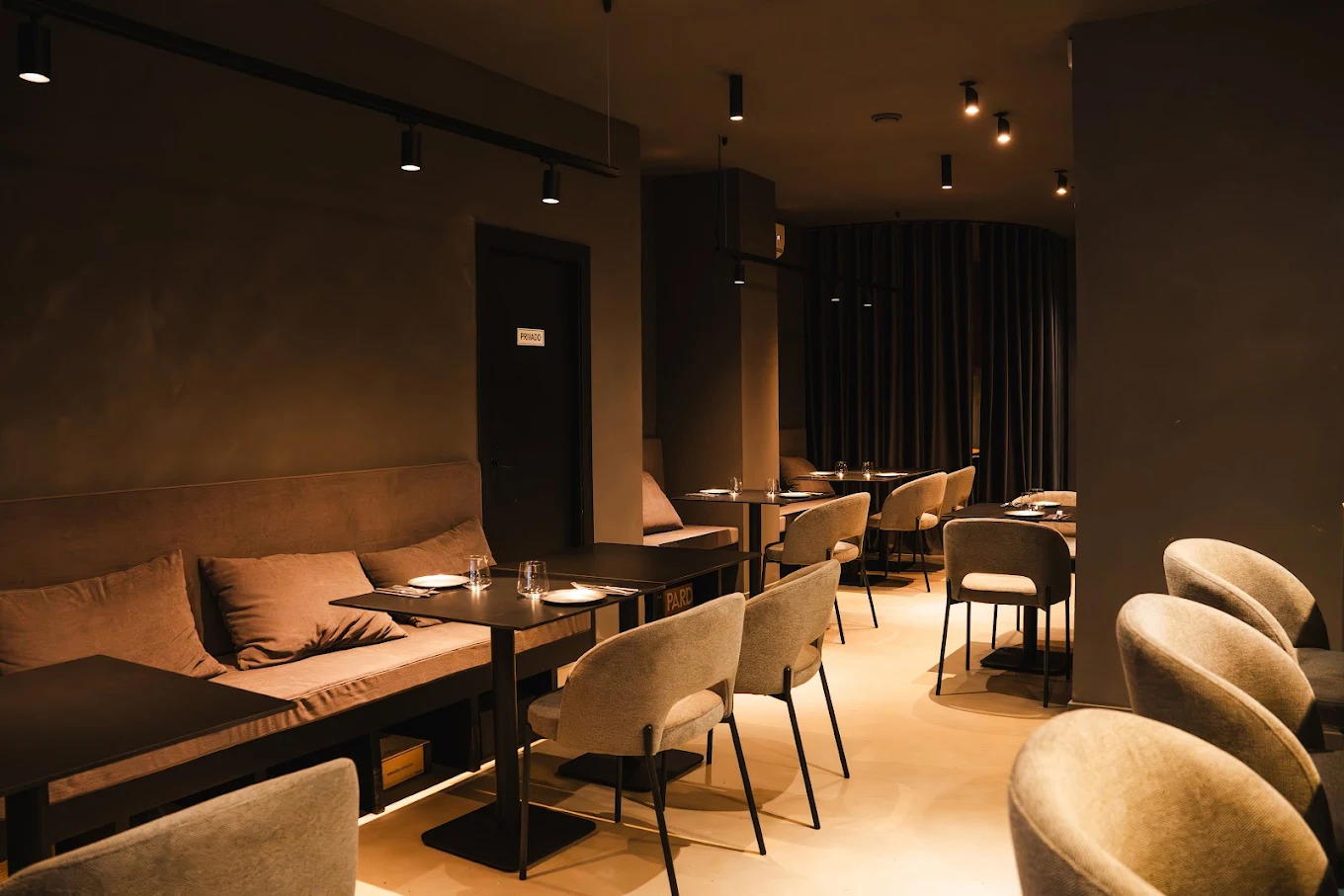
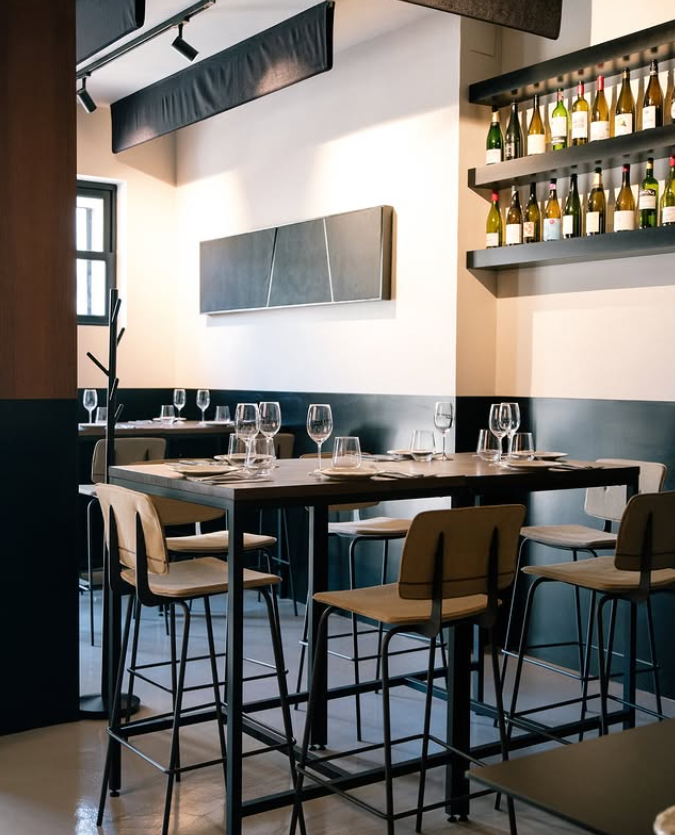
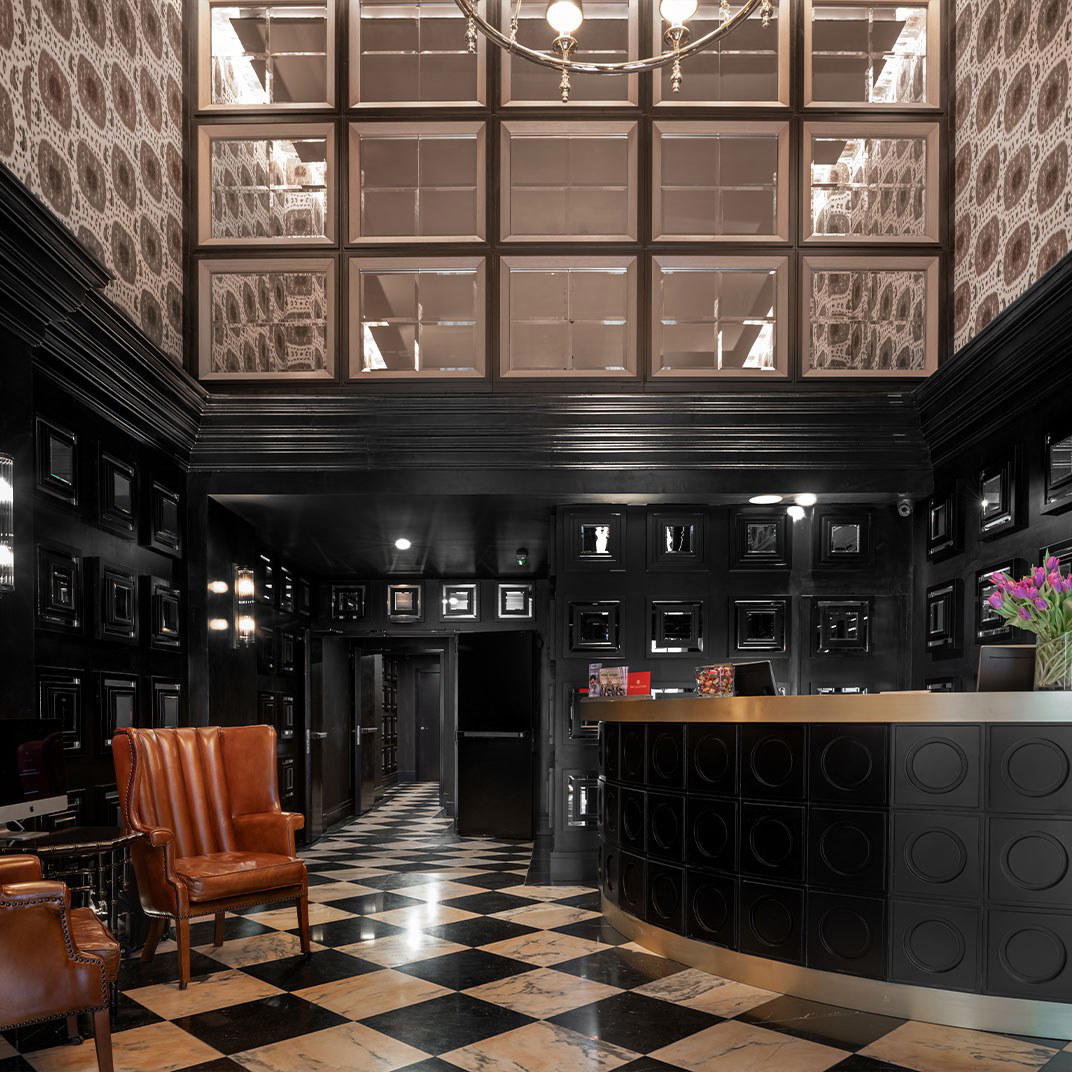
Darkened minimalist interiors with spotlight on the sushi bar, creating an intimate, elite club-like atmosphere.