


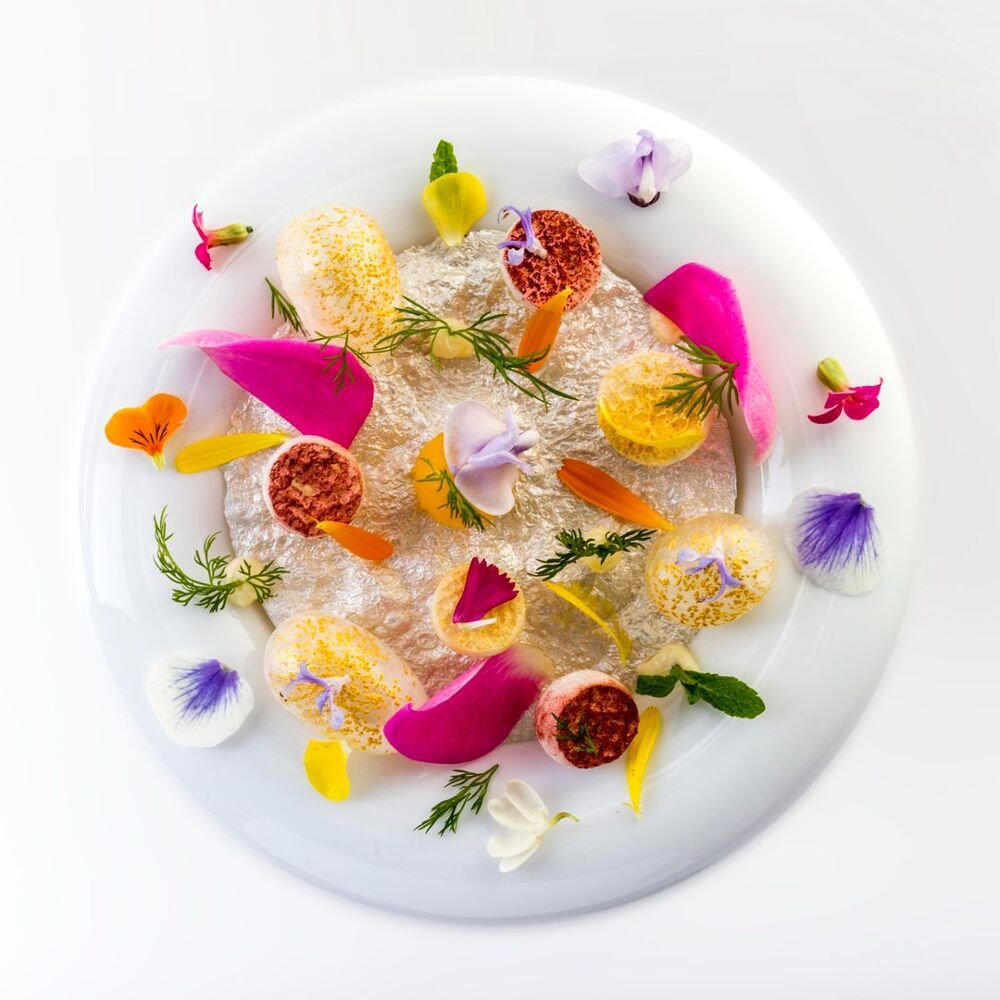
Steps from the well-known Mercado de Colón, Fraula distills Valencian seasonality into a polished, contemporary experience where restraint meets sensuality. Chefs Roseta Félix and Daniel Malavía choreograph an intimate dialogue with diners, alternating between kitchen and dining room to present three refined menus, Cebera at lunch, and the tasting-led Alfàbega and Fraula, each devoted to the textures and flavors of the region’s market gardens. Expect polished minimalism, luminous plating, and a narrative arc that moves from precise appetisers, think a delicate escabeche mussel tartlet with crisped potatoes, to audacious finales such as huitlacoche with popcorn and black garlic. This is a place where local terroir is treated with reverence and imagination, and hospitality feels personal yet impeccably discreet.
Pearl is the En Primeur Club membership app — saves, bookings, and concierge access live there. Same editors, same standards.
- Address
- C/ de Ciril Amorós, 84, L'Eixample, 46004 València, Valencia, Spain
- Phone
- +34 961 01 82 88
- Website
- fraula.es
- Directions
- Get directions
 Saves & bookings on Pearl
A Quiet Street, a Modernist Landmark, and a Case for Seasonal Restraint
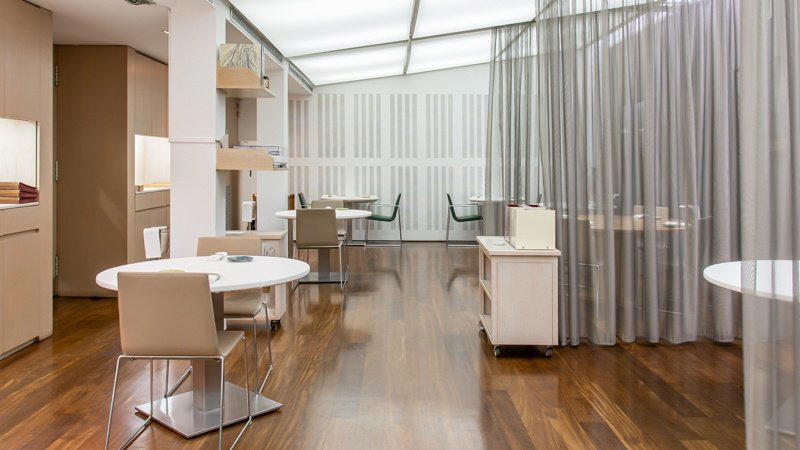
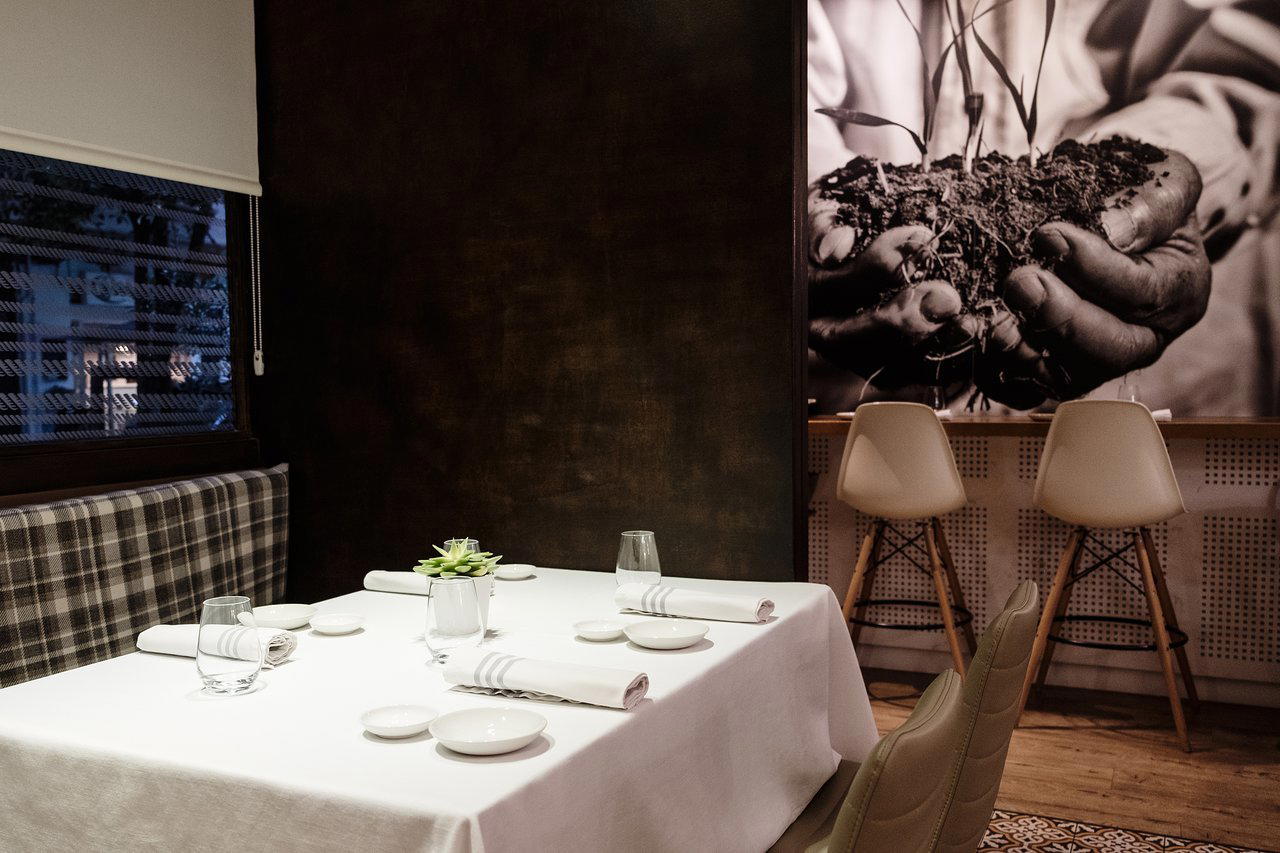
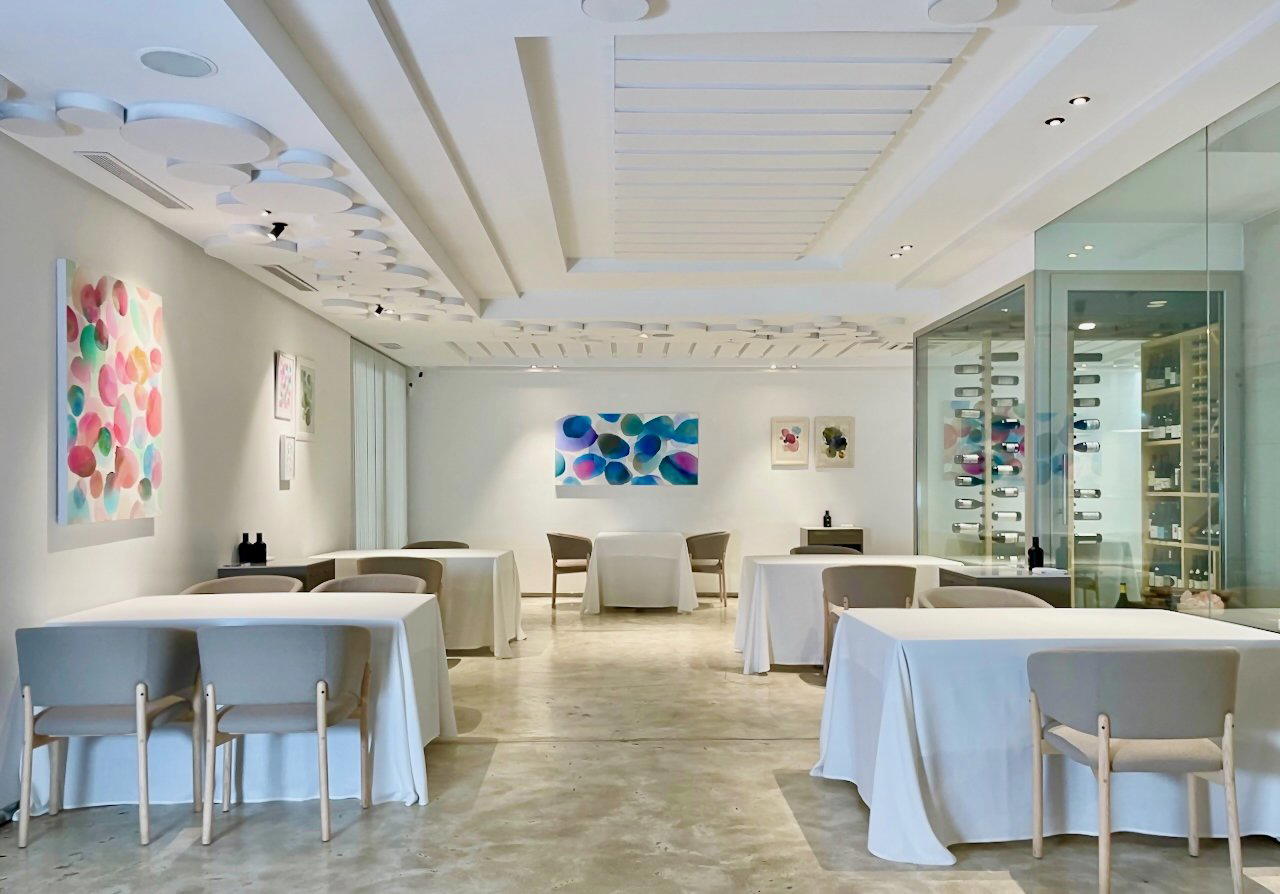
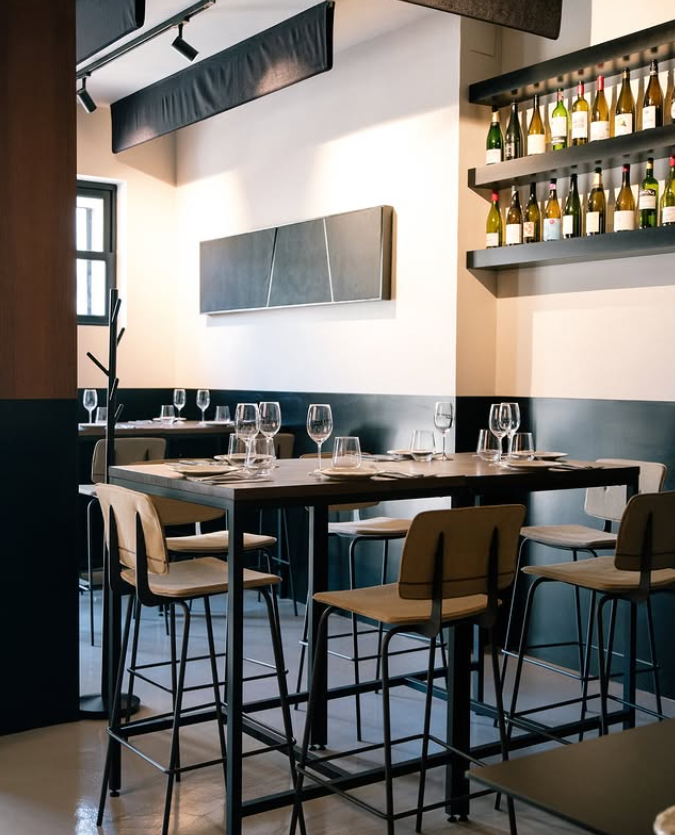
Fraula is a Michelin-starred restaurant in València’s L'Eixample, serving modern Valencian market cuisine at about €90 per person. The walk to Fraula along Carrer de Ciril Amorós in L'Eixample is, in itself, a calibration exercise. This is one of València's more composed residential and commercial corridors, and within a few metres of the restaurant sits the Mercado de Colón, a listed national monument and one of the finer pieces of Valencian Modernist architecture from the early twentieth century. The market's ornate ironwork and glazed ceramic detailing set a particular tone for the neighbourhood. Fraula, by contrast, works in minimalist-contemporary register, restrained surfaces, a considered dining room that reads as welcoming rather than austere. The contrast is deliberate and productive: a building that celebrates historical ornament, and a kitchen that strips everything back to the seasonal ingredient.
Where Local Technique Meets the Horta Valenciana
Contemporary Spanish cooking at the one-Michelin-star tier has spent the last decade negotiating a specific tension: how far can global culinary technique travel before it loses contact with its source ingredients? In Valencia, that question arrives with particular weight. The city's market gardens, the Horta Valenciana, produce vegetables and produce of a kind that reward restraint as much as intervention. The three menus at Fraula (the weekday lunch format, Cebera; and the two longer tasting formats, Alfàbega and Fraula) are structured around seasonal sourcing from those local gardens, which means the menu changes as the Horta does, not as a fashion cycle does.
This is the editorial angle that separates a number of València's contemporary one-star kitchens from their counterparts elsewhere in Spain. Where Ricard Camarena works at two-star intensity with a similarly produce-led philosophy, and La Salita has built its reputation on a related local-seasonal framework, Fraula operates with a slightly more intimate register, fewer seats, a more compressed tasting format, the two chefs moving between kitchen and dining room. The result is a meal that reads less like a demonstration and more like a conversation.
The Thai shrimp, cited in the Michelin documentation for the restaurant, is a useful reference point for how Fraula approaches global technique. The ingredient is local, shrimp from Valencia's coastal waters, but the seasoning vocabulary arrives from somewhere further east. This is not fusion in the blunt sense. It is closer to what kitchens at Fierro and Kaido Sushi Bar have also explored: the use of borrowed technique as a lens for examining familiar ingredients, rather than as an end in itself. The free-range pigeon preparation, roasted breast, a stew version, and two ravioli filled with the same bird alongside cappelletti pasta and blackberries, illustrates the same instinct from the other direction. Here the technique is European, the execution shows comfort with pasta as a vehicle for flavour, and the result is a dish that maps a single product across multiple registers at once.
Two Chefs, One Dining Room
Contemporary Spanish kitchens at this tier frequently foreground the chef as singular authority. The model at Fraula is different. Roseta Félix and Daniel Malavía share both the cooking and the front-of-house interaction, each alternates appearances in the dining room, which produces a rhythm of service that is less hierarchical and more conversational in character. In the broader context of Spanish fine dining, this kind of dual-presence format remains relatively uncommon. Kitchens at El Poblet operate under a clearer single-chef structure, as do most of the recognised names across Arzak in San Sebastián, Azurmendi in Larrabetzu, and El Celler de Can Roca in Girona. Fraula's shared structure changes the texture of the experience: the guest is not receiving a fixed point of view but something more openly collaborative.
The restaurant's name, Valencian for strawberry, sits inside that same aesthetic logic. It references something small, seasonal, and local rather than a chef's surname or an abstract concept. The naming choice tells you something about where the kitchen's priorities lie.
Fraula in the Context of València's Contemporary Scene
València's fine dining tier has expanded and differentiated over the past ten years, and the city now supports a credible spread of one-star kitchens operating across different registers. Fraula received its Michelin star in the 2024 guide, which places it among a cohort that includes establishments across price tiers from €€€ (where Fraula sits alongside restaurants like Saiti and Llisa Negra) through to €€€€ operations. The €€€ bracket in Valencia's Michelin-recognised set tends to offer better value per course than equivalent tiers in Madrid or Barcelona, which matters when you are comparing tasting menu formats across Spanish cities.
Internationally, the combination of local-ingredient fidelity and borrowed global technique that Fraula practices has become a recognisable grammar in contemporary restaurants. The same logic runs through kitchens as different in scale and geography as Aponiente in El Puerto de Santa María (with its hyper-local marine focus), Cocina Hermanos Torres in Barcelona, and, further afield, Jungsik in Seoul and DiverXO in Madrid. The difference is one of scale and intent: Fraula is not building a genre-defining statement but a precise, repeatable format calibrated to two chefs, one dining room, and a market garden thirty minutes outside the city.
Planning a Visit
Fraula operates Tuesday through Saturday, closing on Mondays and Sundays. Lunch service runs from 1:30 PM to 3:00 PM; dinner from 8:30 PM to 10:00 PM on Tuesday through Thursday, and from 8:00 PM to 10:00 PM on Fridays and Saturdays. The lunchtime Cebera menu is available Tuesday through Friday only, which makes a weekday lunch a particularly accessible entry point into the format. The two tasting menus, Alfàbega and Fraula, run at both lunch and dinner and represent the fuller expression of the kitchen's seasonal sourcing. Booking is essential. The address, C/ de Ciril Amorós, 84, places the restaurant within easy reach of central L'Eixample and a short walk from the Mercado de Colón.
Budget and Context
Comparable venues nearby, for context on price, style, and recognition.
| Venue | Cuisine | Price | Awards | Notes |
|---|---|---|---|---|
| FraulaThis venue — the venue you are viewing | Contemporary | $$$ | Michelin 1 Star | Not listed |
| Kaido Sushi Bar | Not listed | $$$$ | Michelin 1 Star | Mestalla, Michelin-Starred Edomae Sushi with Mediterranean Fusion |
| Vuelve Carolina | Not listed | $$$ | Michelin Plate | Sant Francesc, Modern Spanish Fusion Tapas |
| Forastera | El Pilar, Modern Valencian Tasting Menus | $$ | Bib Gourmand | Not listed |
| Saiti | La Gran Via, Modern Mediterranean | $$$ | Michelin Plate | Not listed |
| Flores Raras | Not listed | $$$$ | Michelin 2 Star | Sant Francesc, Creative Valencian Fine Dining |
Recognition history
Dated appearances from independent guides and award organizations, with the underlying list record or original source where available.
Guía Repsol 1 Sol
Guía Repsol
Macarfi 7.7 Food Rating
Macarfi
Michelin 1 Star
Michelin
Michelin 1 Star
Michelin
Michelin 1 Star
Michelin
At a Glance
- Minimalist
- Elegant
- Modern
- Intimate
- Sophisticated
- Special Occasion
- Date Night
- Open Kitchen
- Extensive Wine List
- Local Sourcing
Current opening hours
- Monday
- Closed
- Tuesday
- 1:30–3 PM, 8:30–10 PM
- Wednesday
- 1:30–3 PM, 8:30–10 PM
- Thursday
- 1:30–3 PM, 8:30–10 PM
- Friday
- 1:30–3 PM, 8–10 PM
- Saturday
- 1:30–3 PM, 8–10 PM
- Sunday
- Closed
Hours can change for holidays and private events. Last verified .
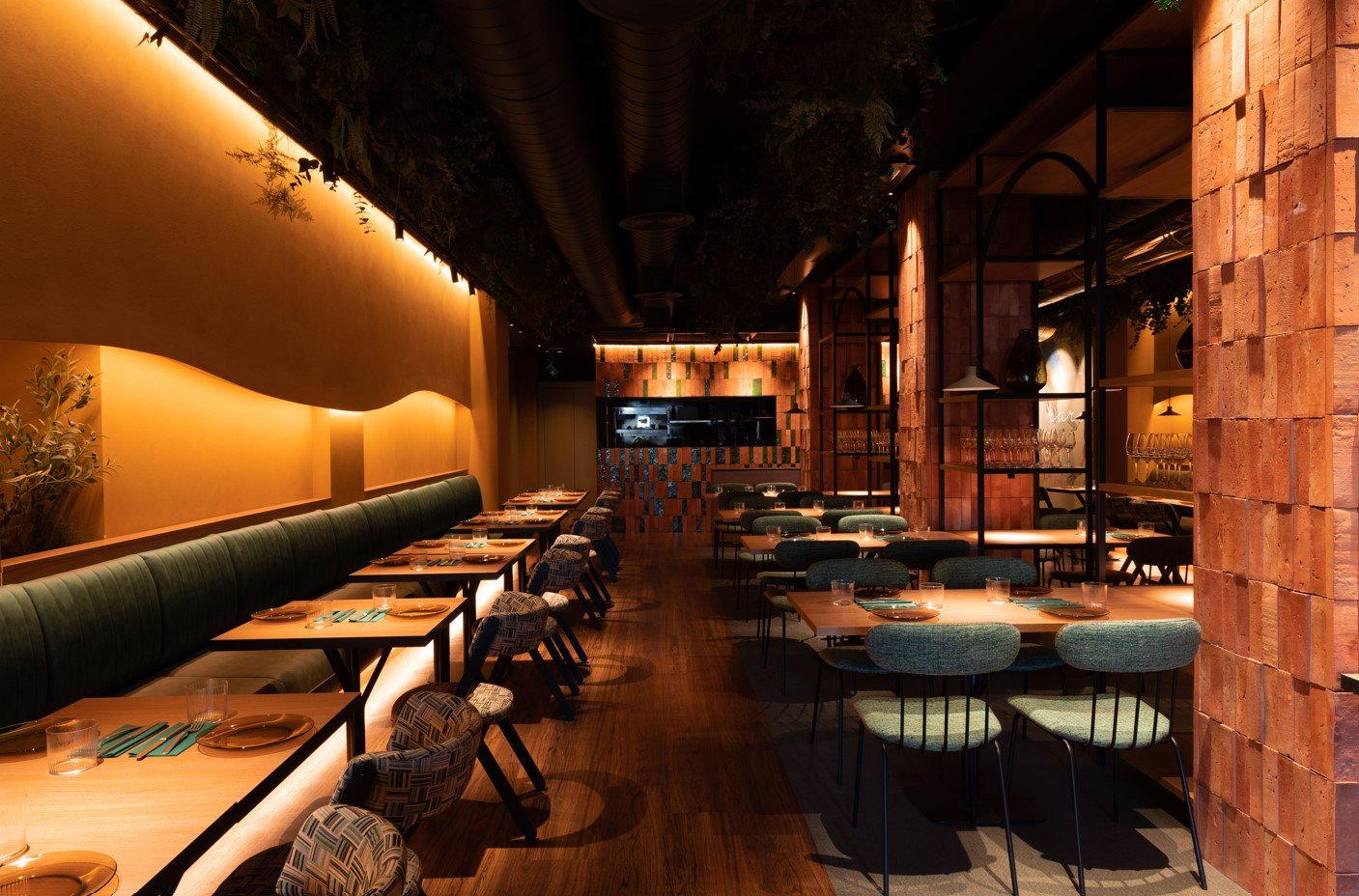
Minimalist-contemporary decor that resembles an art gallery, creating a quiet, welcoming, and visually impressive atmosphere.