Makizushico
Makizushico brings a focused maki-forward approach to Littleton's South Platte Canyon corridor, occupying a specific niche in a suburban dining scene that tends toward American comfort formats. The address places it among a strip of accessible neighborhood options, making it a practical and considered stop for those seeking Japanese roll-based dining on the southwest side of the metro.
Pearl is the En Primeur Club membership app — saves, bookings, and concierge access live there. Same editors, same standards.
- Address
- 5950 S Platte Canyon Rd D23, Littleton, CO 80123
- Phone
- +17207397777
- Website
- makizushico.com
- Directions
- Get directions
 Saves & bookings on Pearl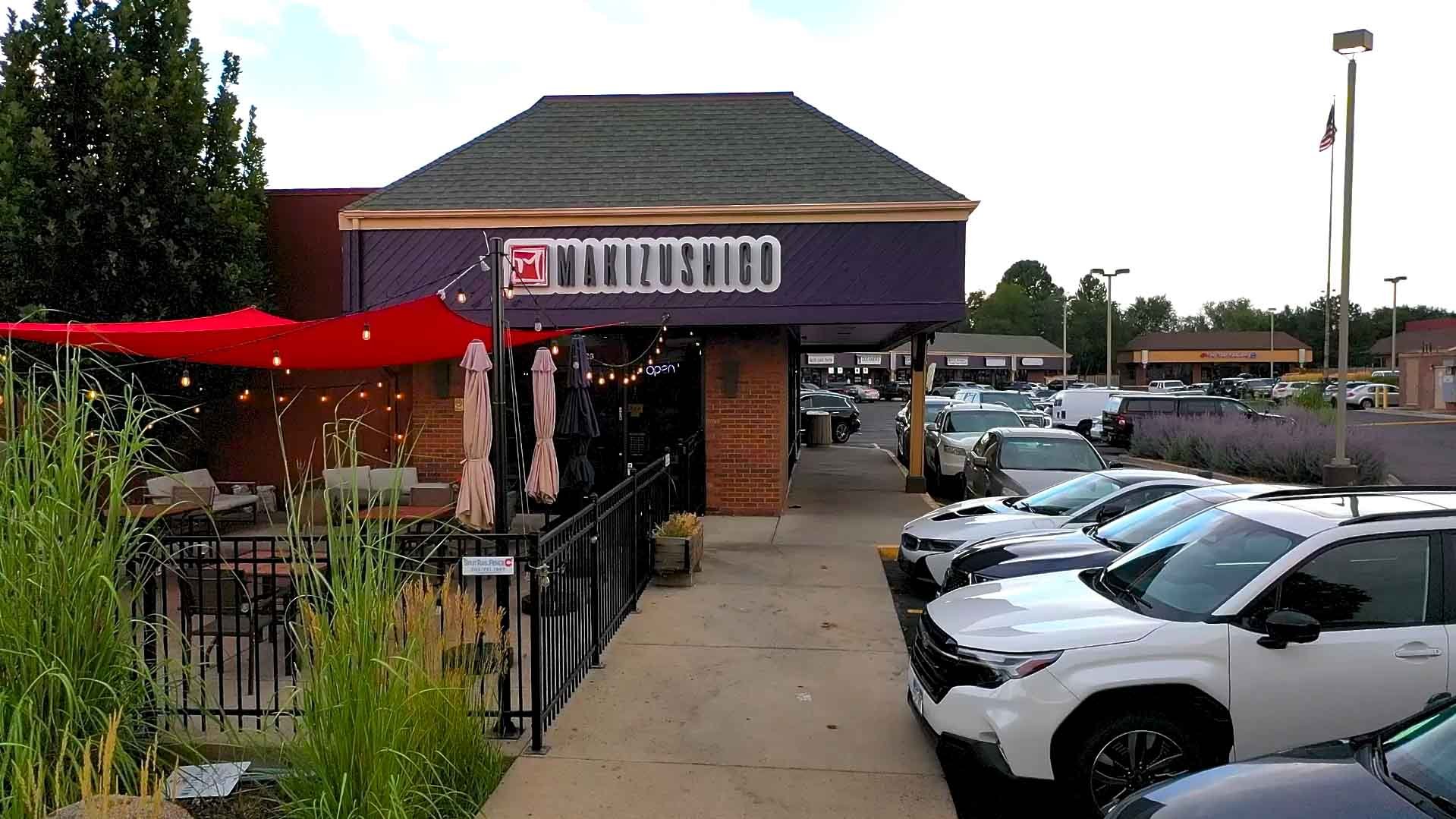
Strip-Mall Sushi and the Suburban Ritual
Across American suburbs, the strip-mall Japanese restaurant has become its own dining institution, distinct from the downtown omakase counter or the izakaya tucked into a dense urban block. The format comes with its own set of expectations: a compact room, a laminated menu that runs longer than any kitchen could plausibly execute with precision, and the particular rhythm of ordering by number. What separates the credible operators from the forgettable ones is usually discipline, that narrowing of focus that resists the temptation to be everything at once.
Makizushico is a restaurant in Littleton, Colorado, serving modern Japanese sushi and omakase at about $50 per person. Makizushico, on South Platte Canyon Road in Littleton, operates at that intersection. The address, a suite in a shopping center at 5950 S Platte Canyon Rd, positions it squarely in the residential southwest corridor of the Denver metro, an area where the dining options skew toward comfort and convenience rather than ambition. That context makes the maki-forward format a sensible and readable editorial choice: not trying to compete with Denver's more destination-driven Japanese counters, but occupying a local role with a degree of specificity.
The Ritual of the Maki Meal
Maki dining has its own pacing, different from the progression of a kaiseki sequence or the timed courses at places like Alinea in Chicago or Lazy Bear in San Francisco. There is no prescribed order, no kitchen-led narrative. The meal is built by the table, roll by roll, and the etiquette that governs it is informal but not arbitrary. You eat what you ordered, in the sequence it arrives, and the pacing is determined largely by the kitchen's output rather than a front-of-house conductor.
That informality is part of the appeal for a suburban clientele. The ritual here is familial and habitual rather than ceremonial. Regulars develop preferences, return to the same rolls, and treat the meal as a weekly or monthly rhythm rather than an occasion. It is a different kind of dining relationship than the one cultivated at The French Laundry in Napa or Single Thread Farm in Healdsburg, but no less genuine for that difference.
At Makizushico, the name itself signals the emphasis. "Makizushi" refers specifically to rolled sushi, the cylinder-cut format wrapped in nori or soy paper, as distinct from nigiri, sashimi, or the broader omakase tradition. A venue that foregrounds this in its name is making a commitment, narrowing the menu proposition to what it does rather than attempting to represent Japanese dining in full.
Littleton's Dining Context
Littleton's restaurant scene spans a range of formats that reflect the demographics of a mid-size suburban city on the southwest edge of the Denver metro. The dominant register is American comfort: diners, taverns, and casual social formats. Gunther Toody's Diner anchors the retro-American end of the spectrum. Bacon Social House and Black+Haus Tavern represent the gastropub and social dining formats that have grown across the suburb in the past decade. Cafe Terracotta and Fast as Pho bring Mediterranean and Vietnamese options into the mix.
Japanese dining in this context is not the dominant genre, which gives a focused maki operation a degree of local distinctiveness that would not exist in a more saturated urban environment. The competition for the specific roll-focused format is thinner here than it would be in, say, Lower Downtown Denver or the Capitol Hill corridor. That positioning matters when assessing how Makizushico fits into its neighborhood rather than into some abstract national ranking.
Placing the Format in the Wider American Sushi Conversation
American maki culture has evolved considerably since its popularization in the 1980s and 1990s. The California roll, which replaced raw fish with imitation crab and avocado to meet a market that was not yet comfortable with sushi in its traditional form, became the wedge that opened suburban and middle-American markets to Japanese-inspired dining. From there, the format expanded into fusion rolls, specialty ingredients, and increasingly elaborate presentations.
The venues that have pushed Japanese dining in America toward its most ambitious expression, places like Atomix in New York City with its tasting-menu precision, or the seafood rigor at Le Bernardin, operate in a different register entirely. Even the Korean-Japanese hybrid formats at high-end urban counters have little in common with the suburban maki tradition. That distance is not a criticism of either end. They are serving different purposes in different contexts.
A venue like Makizushico sits closer to the neighborhood-service end of that spectrum, the place that handles a Tuesday dinner or a family outing rather than a special-occasion reservation requiring months of lead time. The comparison points are other suburban maki houses rather than destination counters with prix-fixe formats and formal service.
What the Dining Visit Looks Like in Practice
Approaching the South Platte Canyon Road address, the setting is a shopping center environment: parking lot frontage, co-tenants in adjacent suites, signage visible from the road. The physical approach is entirely functional rather than atmospheric, consistent with the suburban strip-mall Japanese format across most American metro areas.
Inside, the expectation is a compact dining room, table service, and a menu structured around rolls with some broader Japanese-American menu items as accompaniments. Orders are typically placed in full or in rounds, with rolls arriving as the kitchen completes them. The pacing is relaxed. There is no rush of courses or guided tasting structure. The meal ends when the table is finished rather than when the kitchen decides.
Planning a visit means reserving ahead, since reservations are recommended. The South Platte Canyon Road location is accessible by car from most of the southwestern Denver metro, with the shopping center providing its own parking. Hours are Monday closed; Tuesday through Thursday 12 to 9 PM; Friday and Saturday 12 to 10 PM; Sunday 12 to 9 PM.
Providence in Los Angeles and Addison in San Diego to Blue Hill at Stone Barns in Tarrytown, The Inn at Little Washington, Emeril's in New Orleans, and internationally at 8 1/2 Otto e Mezzo Bombana in Hong Kong. Makizushico occupies a fundamentally different tier and purpose in that ecosystem, serving a neighborhood rather than a destination audience.
Cuisine and Awards Snapshot
Comparable venues nearby, for context on price, style, and recognition.
| Venue | Cuisine | Price | Notes |
|---|---|---|---|
| MakizushicoThis venue — the venue you are viewing | Modern Japanese Sushi and Omakase | $$$ | Not listed |
| Smokin Fins - Littleton | Seafood & Sushi Grill | $$ | historic Downtown Littleton |
| Cellar 36 Eatery & Wine Bar | Italian-Inspired Eatery & Wine Bar | $$ | Not listed |
| Black+Haus Tavern - Littleton | Modern American Gastropub | $$ | Downtown Littleton |
| Sam’s Dumpling Kitchen | Chinese Dumplings | $$ | Littleton |
| Cafe Terracotta | Modern Mediterranean | $$$ | Downtown Littleton |
Continue exploring
More in Littleton
Restaurants in Littleton
Browse all →
Bars in Littleton
Browse all →
Hotels in Littleton
Browse all →
Wineries in Littleton
Browse all →
At a Glance
- Modern
- Intimate
- Elegant
- Date Night
- Special Occasion
- Chefs Counter
- Sake Program
Current opening hours
- Monday
- Closed
- Tuesday
- 12–9 PM
- Wednesday
- 12–9 PM
- Thursday
- 12–9 PM
- Friday
- 12–10 PM
- Saturday
- 12–10 PM
- Sunday
- 12–9 PM
Hours can change for holidays and private events. Last verified .
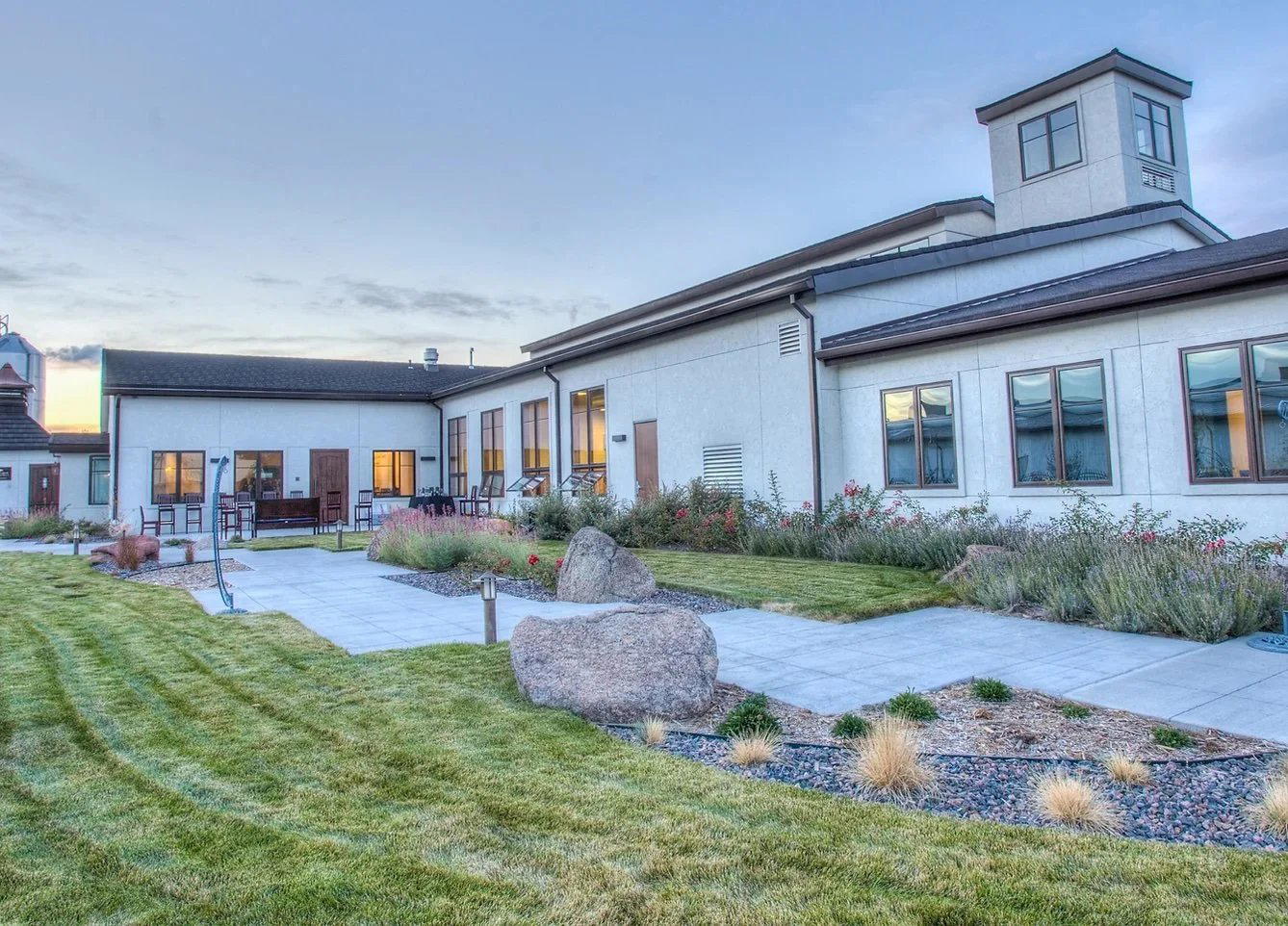
Inviting and warm with a modern, elegant atmosphere that makes diners feel welcomed and special.