Maiz

Michelin Plate
Our verdict
Set within the historic Diriyah district at Al Bujairi Terrace, Maiz draws on all 13 of Saudi Arabia's provinces to construct a tasting-led argument for the country's culinary range. Lamb mantu, mandi shoulder, and freshly baked breads with local honey anchor a menu that moves deliberately between regions. Two tasting menus, at six and eight courses, offer the most structured way to read that breadth.

Pearl is the En Primeur Club membership app, where members save venues, book tables and use the concierge.
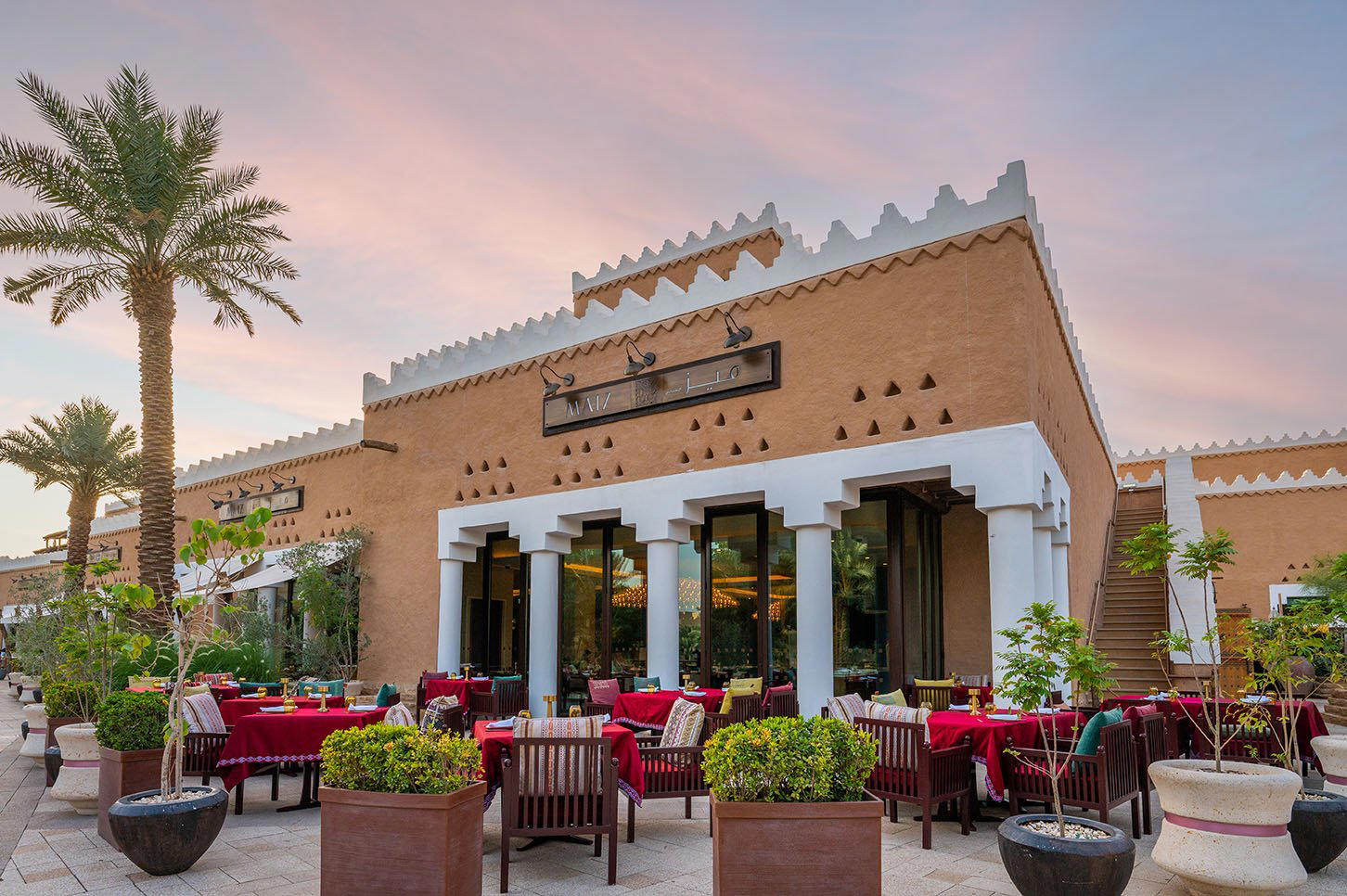
A Setting That Carries Its Own Weight
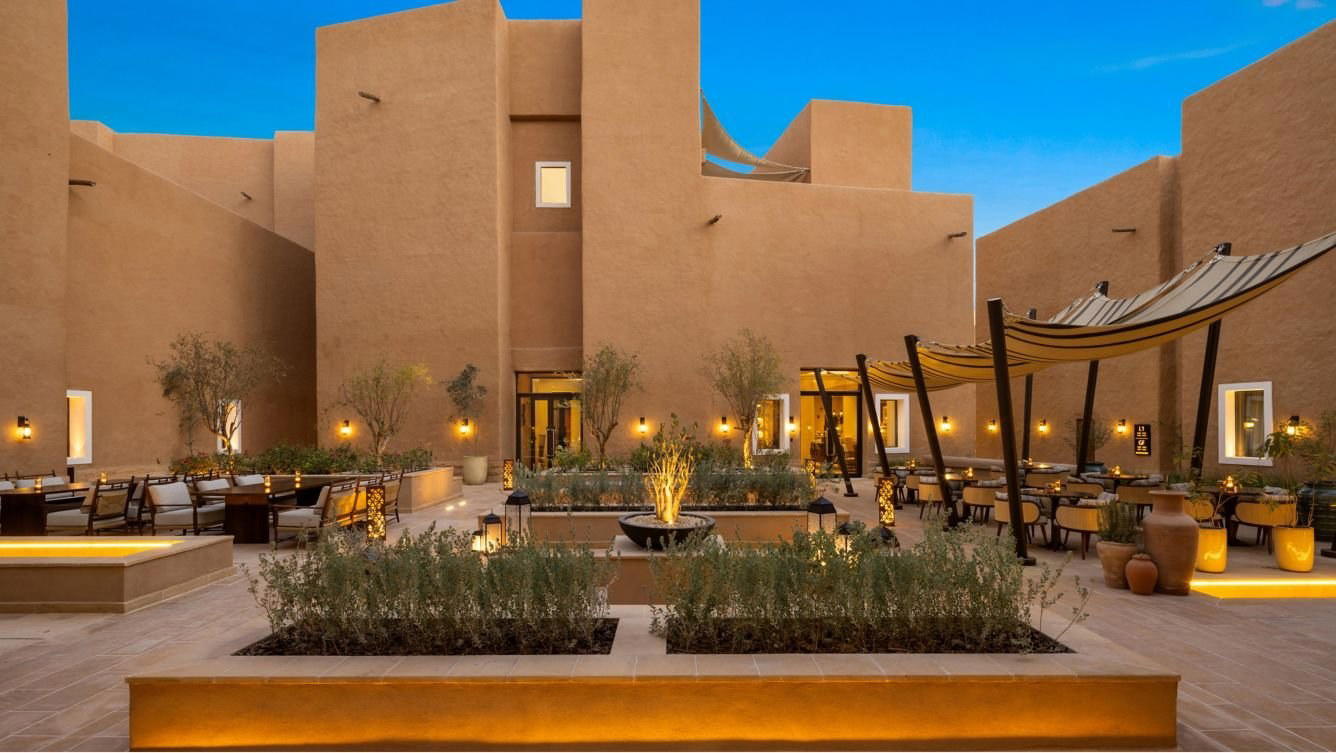
Al Bujairi Terrace sits at the edge of Diriyah, the mudbrick settlement northwest of Riyadh's centre that predates the modern Saudi state and is recognised as the founding site of the First Saudi State in the 18th century. Arriving here in the cooler months, roughly October through March when Riyadh's evenings become genuinely comfortable, the setting operates as a kind of preamble. The restored Najdi architecture, the low light, the proximity to the At-Turaif UNESCO World Heritage Site: all of it frames whatever follows at the table before a dish has been placed. For a restaurant whose stated purpose is to map Saudi regional food, the location is not incidental. It functions as the first course.
That framing matters because the Saudi dining scene in Riyadh has expanded considerably in the years since Vision 2030 began reshaping the city's hospitality offering. Against that backdrop, a focused Saudi regional project occupies a distinct position. Maiz sits in that space, alongside Aseeb as one of the addresses in Riyadh making a structured case for indigenous Saudi cooking rather than defaulting to the international formats that dominate the city's newer developments.
Thirteen Provinces, One Menu Architecture
Saudi Arabia's regional food traditions are more varied than most international visitors expect. The coastal Hejaz region around Jeddah carries trade-route flavours: spicing influenced by centuries of pilgrimage traffic from South Asia, East Africa, and the Levant. The Najd, the central plateau where Riyadh sits, has its own spare, meat-and-grain tradition built around mandi and kabsa. Asir, in the southwest, uses fenugreek and sorghum in ways that read as closer to Yemeni cooking than to anything from the Gulf. Maiz takes the position that all of this belongs on one menu, structured as a tasting progression rather than an à la carte survey.
The tasting format is the correct way to engage with that argument. A six-course menu and an eight-course menu are both available, and the difference is not simply portion count. The longer format allows the kitchen to move through more regional registers, building a sequence that works as a kind of geographic arc. Dishes like lamb mantu, the steamed dumplings that trace clear lineage to Central Asian cooking brought along trade and pilgrimage routes, appear alongside mandi lamb shoulder, which belongs firmly to the Najdi and southern Arabian tradition of slow-cooking meat over fragrant rice. Freshly baked breads, served with dips and local honey, occupy the kind of transitional position in the meal that bread courses do at the more composed tasting-menu addresses elsewhere, at places like Lazy Bear in San Francisco or Alinea in Chicago, where a bread moment signals a shift in register.
The sequencing logic matters here more than the individual dishes. Regional Saudi cooking has rarely been presented in a tasting-menu format that asks diners to read it as a progression, to notice the transitions between coastal and inland, between spiced and austere, between grain-forward and meat-forward. That framing is what separates Maiz from a standard Saudi restaurant and places it in a conversation with structured tasting programs globally. For comparison, Harrat in AlUla takes a similar approach to Saudi regional ingredients within a heritage setting, and Kuuru in Jeddah works the Hejazi coastal tradition from a different angle. Maiz in Diriyah occupies the Najdi centre of that triangle.
How the Meal Reads
Bread and honey course deserves specific attention because it operates as the meal's interpretive key. Local honey in Saudi Arabia carries significant regional differentiation: Sidr honey from the southwest commands prices that reflect its scarcity and flavour intensity, and the decision to centre it in a bread course signals that the kitchen treats condiment and accompaniment with the same seriousness as protein. This is the kind of detail that separates a menu conceived around regional specificity from one that assembles familiar dishes under a regional banner.
Lamb mantu, the dumplings, position the menu at the intersection of the Silk Road and the Arabian Peninsula, acknowledging the routes through which Central Asian techniques entered the Saudi kitchen. Mandi lamb shoulder, slow-cooked and served over rice, is the dish most associated with celebratory Saudi eating, the kind of preparation that appears at family gatherings and feast days. Presenting it in a tasting context asks diners to experience it outside its usual social frame, which is either a loss or a clarification depending on your perspective. The kitchen's confidence with these dishes, described as delivered with obvious pride, suggests the intent is the latter.
For visitors building a broader Riyadh dining itinerary, Maiz reads as the Saudi regional anchor in a city where the international options are growing fast. Marble, Myazu, and Benoit cover European and Japanese formats from the same upmarket tier. The Lunch Room in Dubai offers a useful point of comparison for how a regional concept can be packaged for an international audience. What Maiz does in Diriyah is more specifically rooted: the location inside a heritage district actively reinforces the menu's claim to continuity and provenance.
Planning Your Visit
Diriyah sits northwest of central Riyadh, and Al Bujairi Terrace is accessible by car; rideshare services operate reliably to the area. The cooler months between October and March are the practical window for making the most of the terrace setting, since summer temperatures in Riyadh make outdoor dining uncomfortable regardless of the venue. Both tasting menus are available, and the eight-course option is worth choosing on a first visit for the full regional range. Booking in advance is advisable given the Diriyah district's growing profile as a dining destination within the city. For a broader sense of what Riyadh's restaurant scene covers, the full Riyadh restaurants guide maps the city's current range. The Riyadh hotels guide, bars guide, wineries guide, and experiences guide complete the picture for a longer stay.
Frequently asked questions
Is Maiz child-friendly?
Saudi family dining culture broadly accommodates children, and Maiz's setting at Al Bujairi Terrace is consistent with that norm. The tasting menu format, with its structured courses including bread, dips, and honey, tends to engage younger diners more readily than abstract tasting menus elsewhere. Families visiting Diriyah as a heritage site will find Maiz a logical pairing for the outing.
What is the atmosphere like at Maiz?
Maiz sits within Al Bujairi Terrace in Diriyah, the mudbrick settlement northwest of central Riyadh that predates the modern Saudi state. That heritage context sets it apart from restaurants operating in Riyadh's commercial districts. The dishes are presented with evident regional pride, which shapes the tone of service across both tasting menu formats.
Is Maiz award-winning?
Maiz has received recognition including: Nestled in historic Diriyah, known as the birthplace of Saudi Arabia, this Saudi restaurant boasts dishes originating from the country’s 13 provinces. Dishes like the lamb mantu (steamed dumplings), mandi lamb shoulder and freshly baked bre….
What should I eat at Maiz?
Order the eight-course tasting menu to follow Maiz's full regional arc across Saudi Arabia's 13 provinces. The lamb mantu (steamed dumplings) and mandi lamb shoulder are the structural anchors of the meal, and the bread course served with dips and local honey functions as an interpretive introduction to Saudi food traditions rather than a simple starter.
Comparable Spots
Comparable venues nearby, for context on price, style, and recognition.
| Venue | Cuisine | Price | Awards | Notes |
|---|---|---|---|---|
| MaizThis venue (the venue you are viewing) | Modern Saudi Fine Dining | Not listed | Michelin Plate | Not listed |
| Taleed by Michael Mina | Contemporary Hijazi-Mediterranean Fine Dining | $150–200 | Michelin Plate | Al Rooqiyah |
| Lusin | Armenian Fine Dining | $50–100 | Michelin Plate | Al Olaya |
| Villa Mamas | Modern Middle Eastern Khaleeji | $50–100 | Michelin Plate | Al Diriyah |
| MLLE | Modern Lebanese | Not listed | Michelin Plate | Umm Al Hamam Al Gharbi |
| تكية - TAKYA | Modern Saudi Fusion | $50–100 | La Liste Top Restaurants | Al Diriyah |
Recognition history
Dated appearances from independent guides and award organizations, with the underlying list record or original source where available.
Michelin Plate
Michelin
Continue exploring
More in Riyadh
Restaurants in Riyadh
All restaurants in Riyadh →
Bars in Riyadh
All bars in Riyadh →

Details
- Modern
- Elegant
- Sophisticated
- Special Occasion
- Family
- Business Dinner
- Open Kitchen
- Terrace
- Historic Building
- Local Sourcing
- A La Carte
- Tasting Menu
- Halal
Current opening hours
- Monday
- 1 PM–12 AM
- Tuesday
- 1 PM–12 AM
- Wednesday
- 1 PM–12 AM
- Thursday
- 1 PM–12 AM
- Friday
- 1 PM–12 AM
- Saturday
- 1 PM–12 AM
- Sunday
- 1 PM–12 AM
Hours can change for holidays and private events. Hours as of .
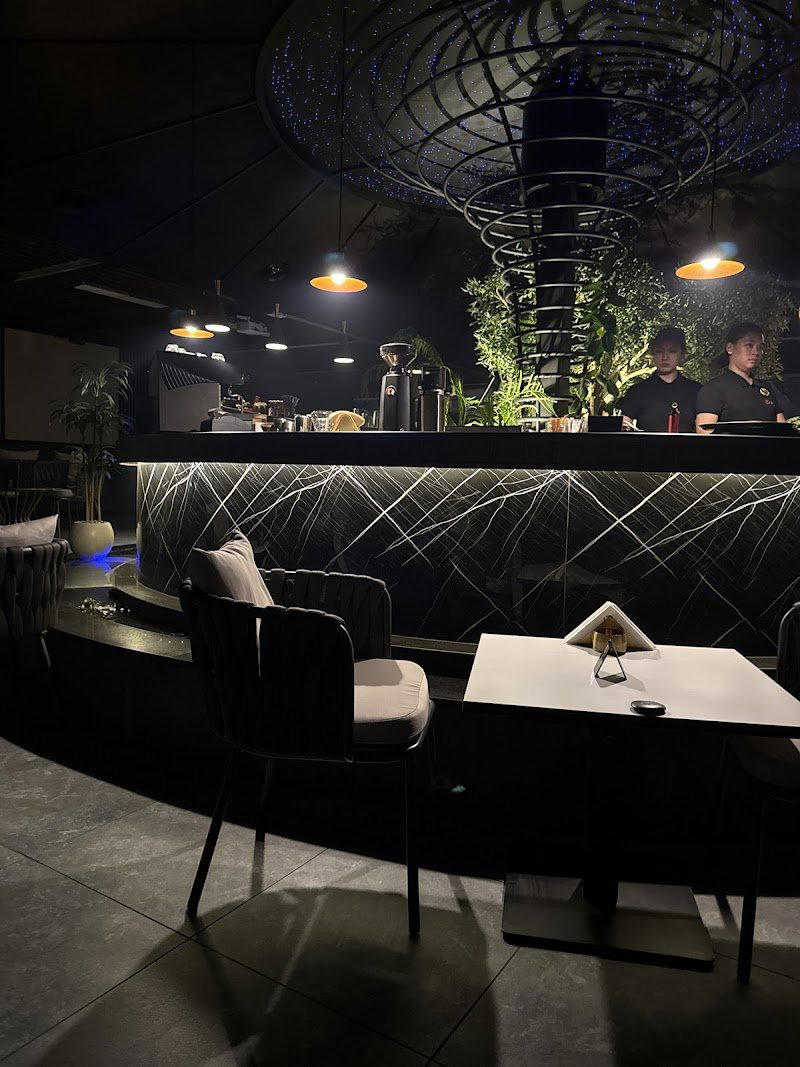
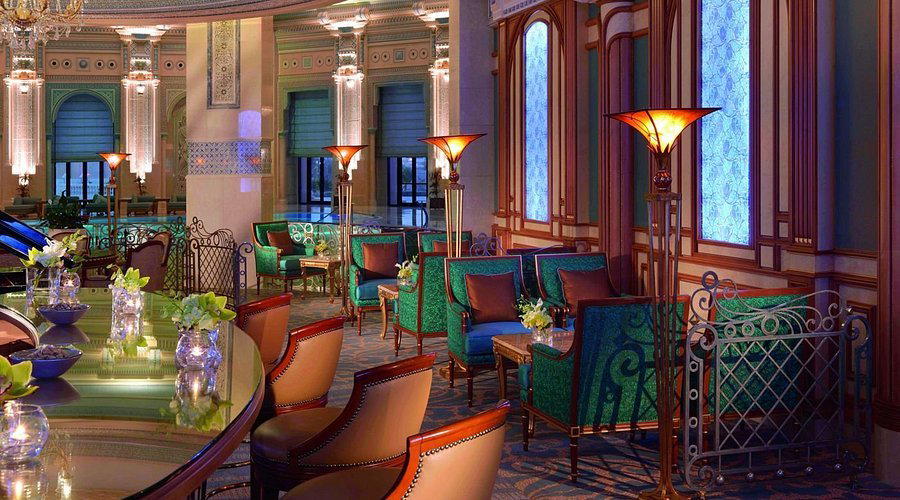
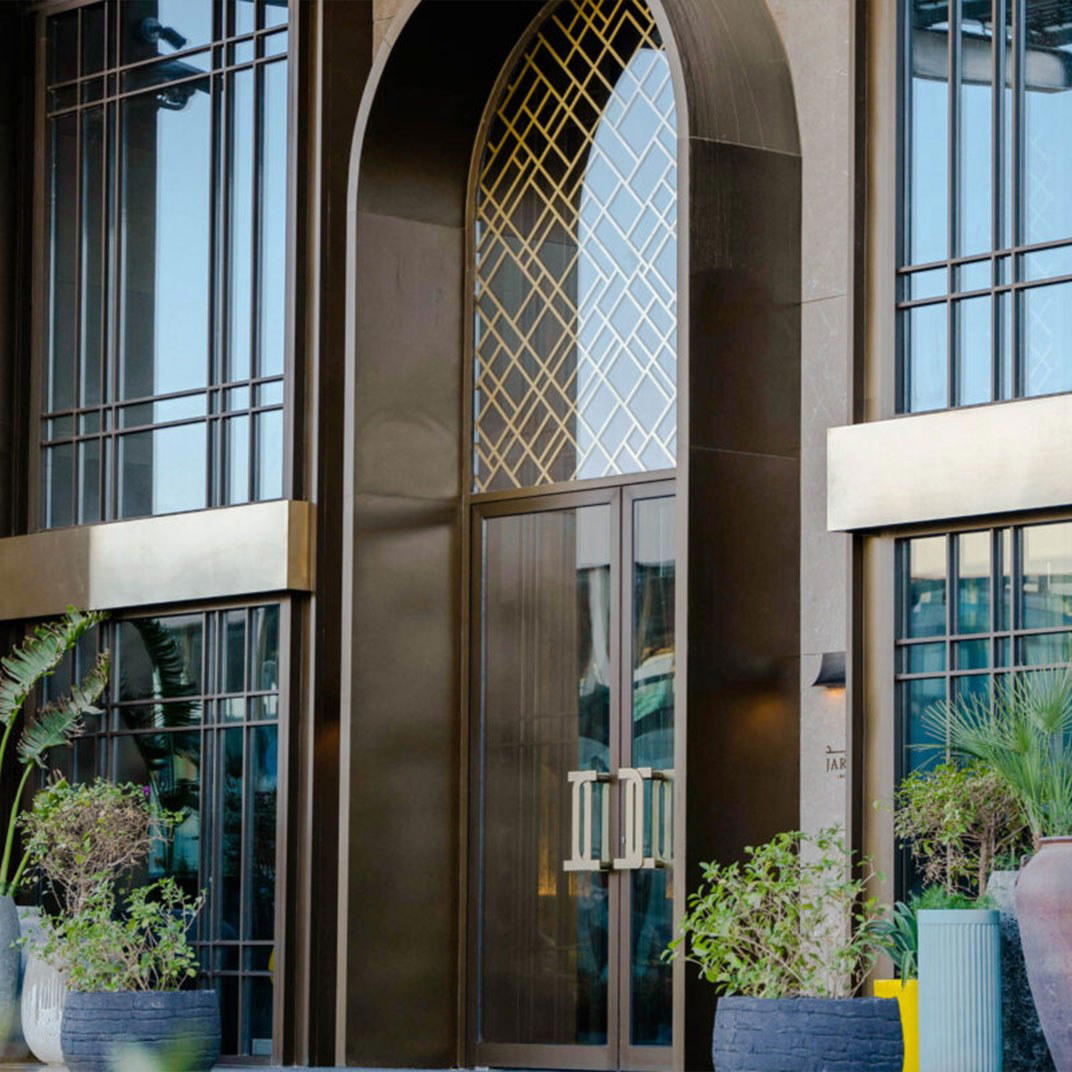
Modern Saudi aesthetic with Arabic architecture, dramatic chandeliers, patterned cushions, and terrace overlooking historic At-Turaif district.