HABRA
Our verdict
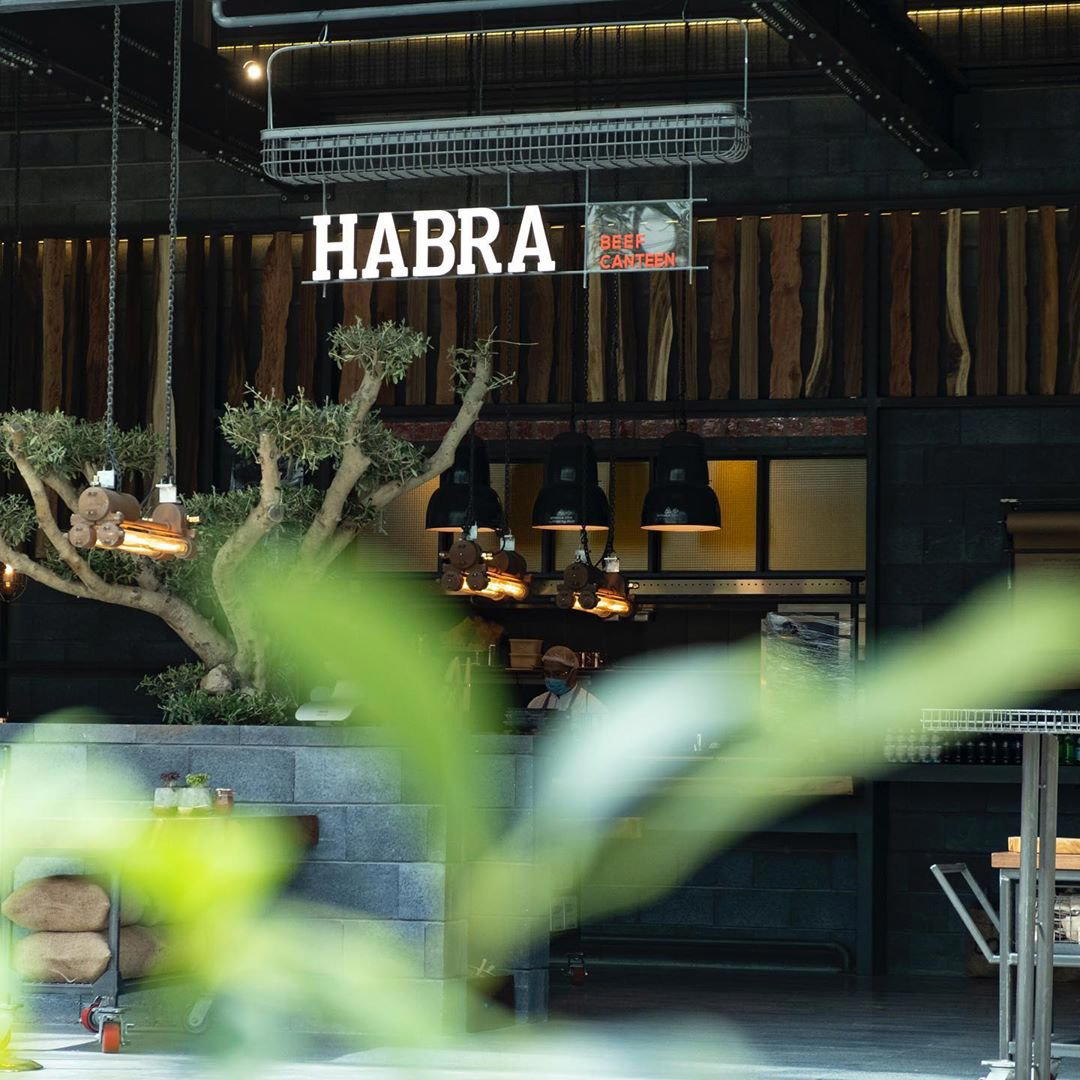
HABRA in Riyadh pairs a Modern Beef Canteen Steakhouse format with an open kitchen, conversational noise level, and service suited to lunch, dinner, or late night.

Pearl is the En Primeur Club membership app — saves, bookings, and concierge access live there. Same editors, same standards.
- Address
- Northern Ring Br Rd, located in MEFIC center, Riyadh 12385, Saudi Arabia
- Phone
- +966920009587
- Hours
- Daily 1 PM–2 AM
- Website
- habra.sa
- Directions
- Get directions
- Booking
- Book on SevenRooms
Riyadh's Northern Ring and the Question of Saudi Ingredient Identity
Along the Northern Ring Branch Road, in the MEFIC center district, the dining conversation has shifted noticeably over the past few years. Where international formats once dominated, a growing number of concepts now center the question of provenance — where ingredients come from, how they travel, and what that means for a plate arriving in a city that imports heavily but has always eaten locally at its edges. HABRA occupies this territory. The address situates it within a commercial corridor that serves northern Riyadh's professional and residential communities, and the restaurant has built a following in that context.
Saudi dining in Riyadh has historically organized itself around two poles: the imported luxury format, which mirrors what you might find in Dubai or Abu Dhabi, and the traditional local house, where the sourcing question is answered by habit rather than philosophy. What is more interesting editorially is the space between those poles, where newer restaurants position themselves through deliberate sourcing choices that connect the plate to a specific geography. This is the conversation HABRA enters, and it is a worthwhile one to trace across the Saudi dining scene more broadly.
What Ingredient Sourcing Means in the Saudi Context
Saudi Arabia's food production geography is more varied than the international imagination allows. Date cultivation in Al-Ahsa and Madinah, lamb from the Najd plateau, fresh fish from the Red Sea and Arabian Gulf coasts, and an increasingly active small-farm movement around Jizan and Abha all feed into what a sourcing-conscious restaurant in Riyadh can draw on. The distance from those production zones to a capital restaurant's kitchen is not trivial — Jizan, for instance, sits roughly 900 kilometers south, but the supply chains exist, and restaurants that use them gain both a product story and, often, a genuinely different raw material profile than peers working from standard import channels.
The regional sourcing conversation in Saudi Arabia is not new, but it has accelerated. Vision 2030's investment in domestic agriculture and food processing has created new supplier relationships that simply did not exist at scale five years ago. Restaurants like Aseeb have built a clear identity around Saudi ingredients and traditional preparation methods, while others, like Marble, work across a more international ingredient vocabulary. HABRA's MEFIC center location places it in a neighborhood that has been absorbing this broader diversification.
Commercial-center dining in Riyadh operates differently from hotel dining or destination-restaurant formats. That context shapes the sourcing calculus: a restaurant in this tier needs ingredients that perform consistently across a high-rotation service rather than on the controlled-volume logic of a tasting-menu counter.
That distinction matters when reading a restaurant's ingredient decisions. High-end Saudi concepts like Myazu, which works within the Japanese dining tradition, or Benoit, which carries a French brasserie lineage, can justify sourcing premiums through cover prices that reflect the cost of imported specialty product. A neighborhood commercial-center concept has a tighter margin on that equation, which makes any commitment to domestic or regional ingredients more structurally meaningful: it costs real menu engineering to make it work.
For broader comparison across Saudi dining contexts, the contrast with Red Sea coast restaurants is instructive. Kuuru in Jeddah operates in a port city where fresh seafood sourcing is logistically far simpler than in Riyadh, and concepts in Jizan have direct access to agricultural production that inland restaurants must work harder to access. The ingredient sourcing challenge for a Riyadh restaurant is, structurally, a more demanding one.
Reading the Menu Through a Sourcing Lens
Because HABRA's specific menu, pricing, and chef details are not part of the public record available to EP Club at time of writing, the editorial approach here is to frame what the sourcing conversation at this type of venue typically reveals rather than to invent particulars. What sourcing-forward Saudi restaurants at the commercial-center tier tend to share is an emphasis on seasonal availability signals, a willingness to name producers or regions on the menu, and a dish structure that treats the base ingredient, a cut of lamb, a variety of date, a specific grain, as the organizational principle rather than a technique or a foreign cuisine category.
That structure contrasts with the import-heavy format, where the menu's organizational principle is often the cuisine origin (Italian, Japanese, American) and the ingredient is in service of that reference. When sourcing is the editorial frame, the menu reads differently: the grain is from Al-Qassim, the protein is a specific regional breed, and the preparation exists to foreground those facts rather than to translate them into a familiar foreign idiom. Whether HABRA's menu operates on that explicit logic is a question leading answered at the table, but the restaurant's position in Riyadh's evolving dining conversation places it in a scene where that logic is increasingly the standard against which serious restaurants are measured.
Planning Your Visit
HABRA is located at Northern Ring Branch Road in the MEFIC center, Riyadh 12385. Given the commercial-center location, the venue likely operates a lunch and dinner service across the week, though specific hours should be confirmed before visiting. The MEFIC center is accessible by car from northern Riyadh's main arterial roads, and parking in the center complex is standard for the area.
For readers building a broader Riyadh itinerary around Saudi ingredient-forward dining, our full Riyadh restaurants guide maps the city's dining scene across cuisine types, price tiers, and neighborhoods, including Saudi-focused concepts and international formats. Readers interested in comparing Riyadh's sourcing conversation with what is happening in other Saudi cities will find useful reference points at Banyan Tree AlUla, where the geography of the Hejaz region shapes the food offer in a quite different way, and at Yello in Ad Diriyah, which operates within a heritage site context that carries its own set of ingredient expectations. For contrast beyond Saudi Arabia, the sourcing rigor at Le Bernardin in New York City represents what sustained sourcing discipline looks like at the three-star level, and the Korean ingredient philosophy at Atomix in New York City offers a useful international parallel for how provenance can organize an entire tasting format.
Frequently asked questions
What's HABRA's location?
HABRA is located at Northern Ring Br Rd, located in MEFIC center, Riyadh 12385, Saudi Arabia, Riyadh.
Does HABRA's location in the MEFIC center affect parking and access for evening diners in Riyadh?
The MEFIC center on Northern Ring Branch Road is a commercial complex in northern Riyadh, and commercial-center venues in this part of the city typically share structured parking with office and retail tenants — access is generally less constrained than in older city-centre dining districts. That said, Thursday and Friday evenings in the Northern Ring corridor see heavier traffic. Confirming ground-floor access and parking arrangements directly with HABRA before a weekend visit is advisable.
What dish is HABRA famous for?
EP Club does not yet hold menu documentation for HABRA, so pinning a signature dish would be speculative. What the kitchen's positioning at the MEFIC center in Riyadh does suggest is a focus on Saudi-sourced ingredients — produce from Al-Ahsa dates to regional lamb — as the structural logic of the menu rather than decoration. check the venue's official channels for current menu details.
How hard is it to get a table at HABRA?
For a commercial-center address on Northern Ring Branch Road in Riyadh, walk-in availability tends to vary sharply between weekday lunches and Thursday-Friday evening service, when demand across the MEFIC dining corridor runs higher. Booking ahead is the safer approach regardless of format.
What is HABRA known for?
HABRA operates within the MEFIC center on Northern Ring Branch Road, Riyadh, in a segment of the city where the dining conversation has shifted toward Saudi ingredient identity over the past several years. The venue's positioning within that broader shift — local sourcing as a primary editorial proposition rather than a secondary detail — distinguishes it from the hotel-dining and international-chain formats that previously dominated the Northern Ring corridor.
Can HABRA adjust for dietary needs?
Saudi cuisine's structural reliance on lamb, date derivatives, and grain-based preparations means allergy and dietary conversations are worth having directly with the restaurant before arrival. Reach out through the MEFIC center contact channels for confirmation.
Is HABRA overpriced or worth every penny?
Commercial-center dining in Riyadh generally positions below hotel fine-dining price points while offering a more neighbourhood-facing experience, which tends to read as better value for money when the cooking is ingredient-led. Verify current pricing directly with HABRA at their Northern Ring Branch Road location.
How It Stacks Up
Comparable venues nearby, for context on price, style, and recognition.
| Venue | Cuisine | Price | Notes |
|---|---|---|---|
| HABRAThis venue — the venue you are viewing | Modern Beef Canteen Steakhouse | $50–100 | Not listed |
| Botanica | Globally Inspired Modern Fusion | Not listed | King Abdullah Financial District |
| PORTERHOUSE | Modern Steakhouse | $50–100 | Al Olaya |
| Roka | Modern Japanese Robatayaki | $100–150 | Al Sulaimaniyah |
| Flour & Firewood | Italian Artisan Bakery & All-Day Brunch | $20–30 | Al Sulaimaniyah |
| Bistro Lounge | Coffee Lounge | Not listed | Riyadh |

Details
- Industrial
- Modern
- Trendy
- Group Dining
- Business Dinner
- Late Night
- Open Kitchen
- A La Carte
- Vegetarian Friendly
Current opening hours
- Monday
- 1 PM–2 AM
- Tuesday
- 1 PM–2 AM
- Wednesday
- 1 PM–2 AM
- Thursday
- 1 PM–2 AM
- Friday
- 1 PM–2 AM
- Saturday
- 1 PM–2 AM
- Sunday
- 1 PM–2 AM
Hours can change for holidays and private events. Last verified .
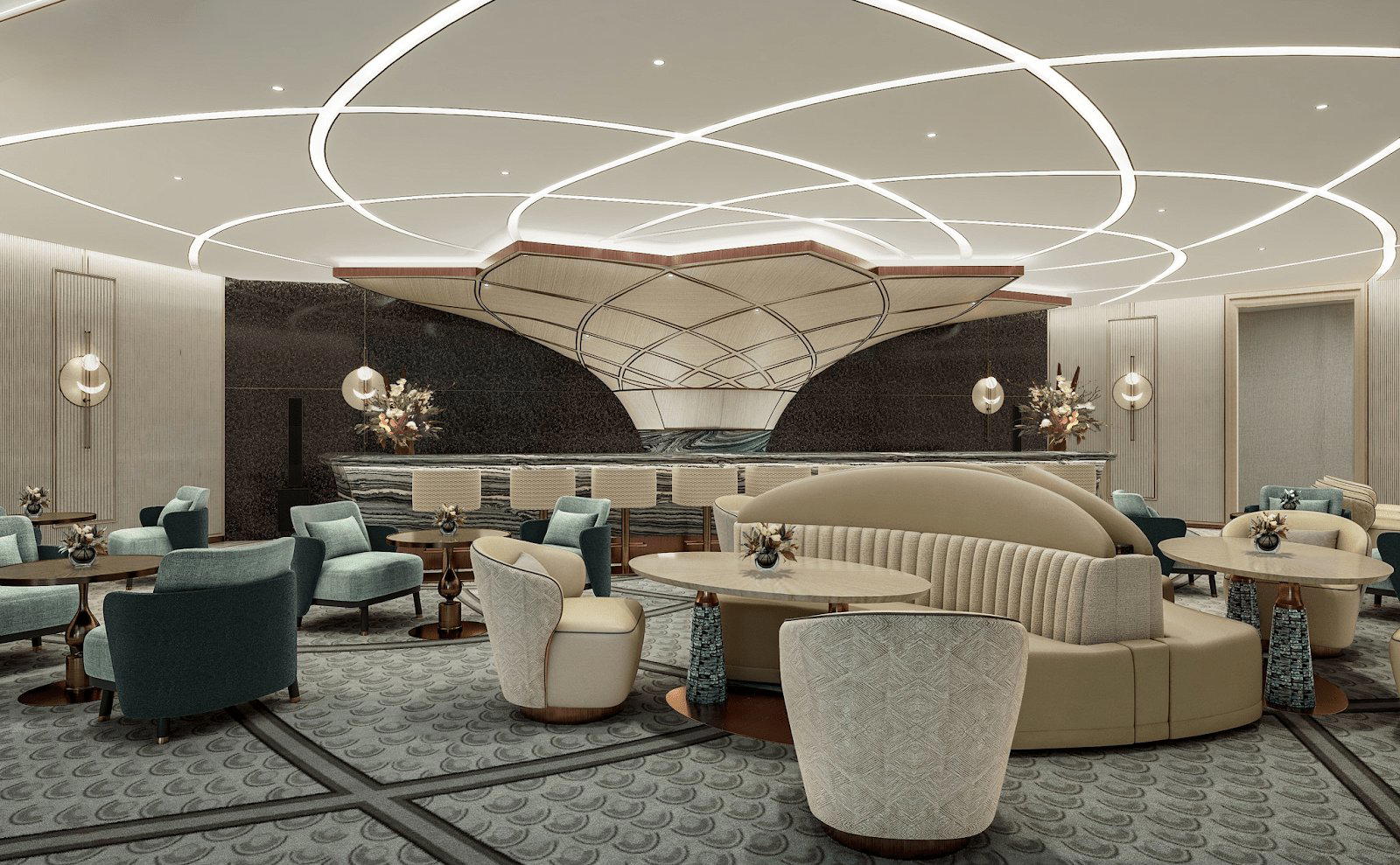
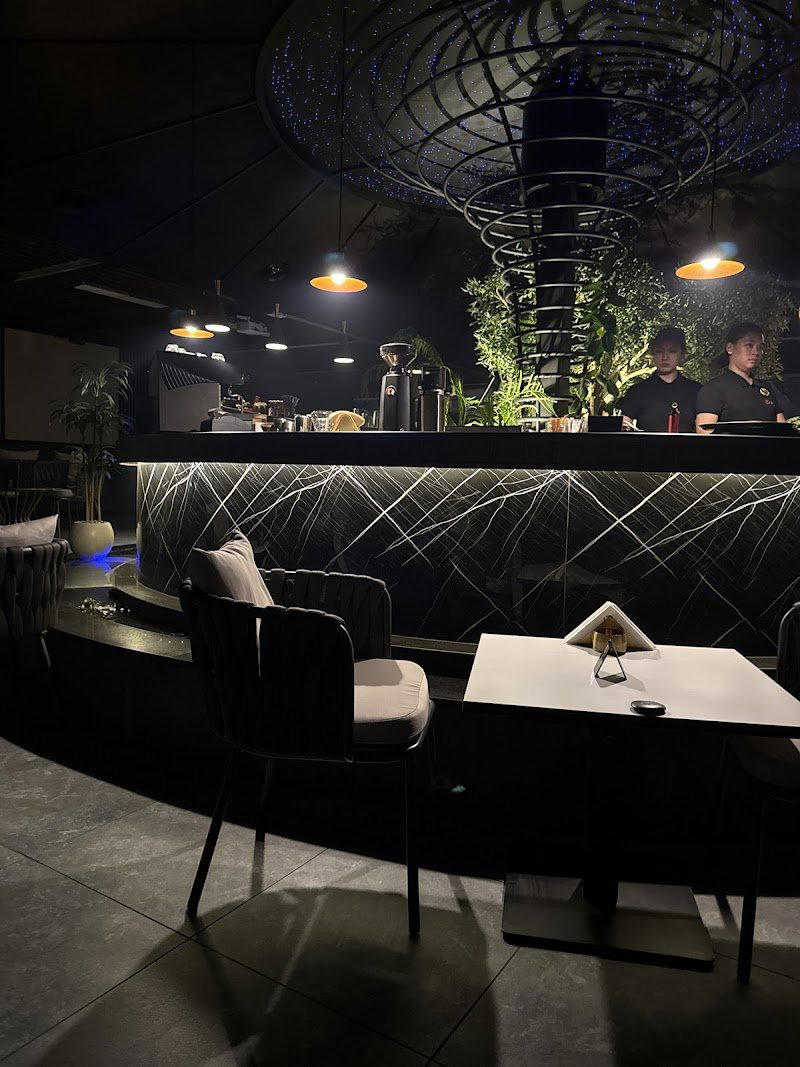
Industrial-chic two-storey dining room with stainless steel, exposed pipes, warm wood, dark wood interiors, cozy communal tables, and outdoor palm tree seating.