Fi Glbak

Michelin Bib Gourmand
Our verdict
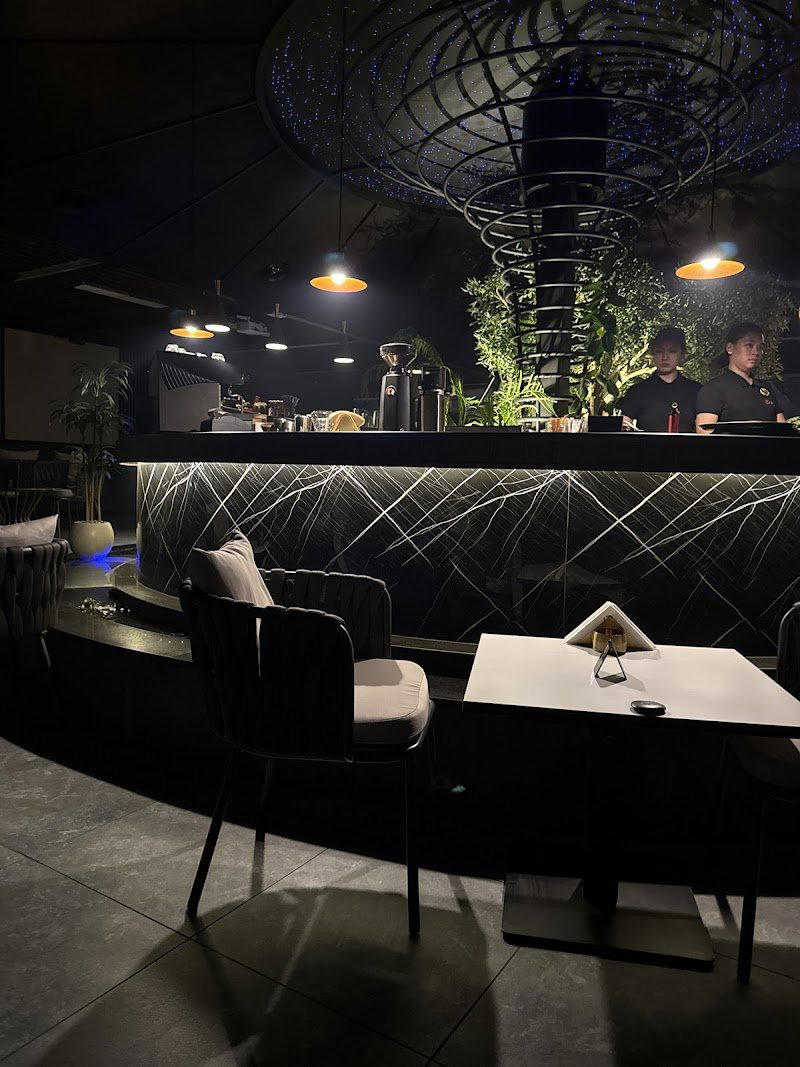
A Room with Roots: The Setting on Prince Turki Bin Abdulaziz Al Awal Road The first thing you register at Fi Glbak is the ceiling. A full tree trunk, suspended overhead in a large open room on Prince Turki Bin Abdulaziz Al Awal Road in Al...

Pearl is the En Primeur Club membership app, where members save venues, book tables and use the concierge.
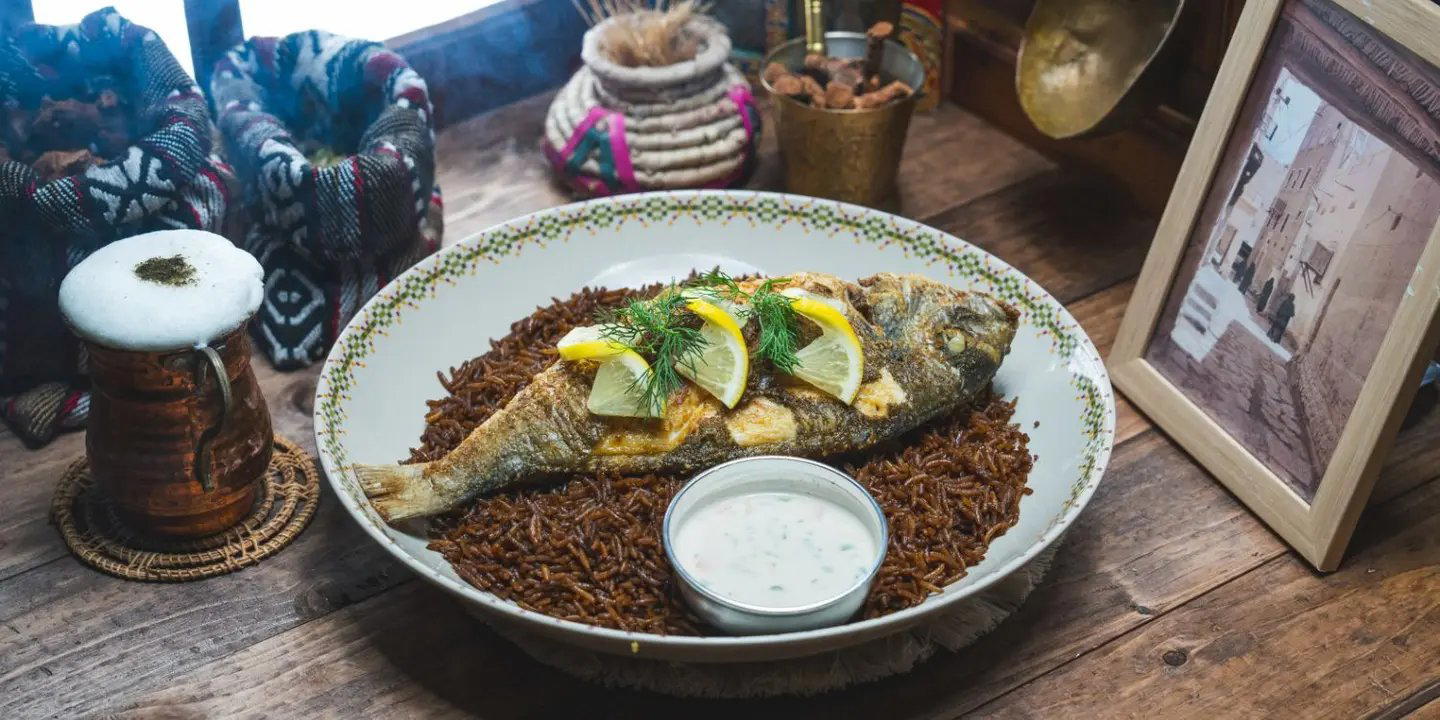
The menu
What to order
- Samosas
- Seabream in molasses stew
- Sharqawi rice
- Kunafah
- Jareesh
- Harees
- Majbous Shrgawi
A Room with Roots: The Setting on Prince Turki Bin Abdulaziz Al Awal Road
The first thing you register at Fi Glbak is the ceiling. A full tree trunk, suspended overhead in a large open room on Prince Turki Bin Abdulaziz Al Awal Road in Al Mohammadiyyah, sets the spatial tone before anything arrives at the table. It is an unusual gesture in a city where restaurant design has, over the past decade, often defaulted to either marble-and-mirror formality or casual fast-casual minimalism. Here, the architecture makes a quieter argument: that Saudi dining at its most considered draws on the land rather than on imported idiom. Al Mohammadiyyah sits in western Riyadh, a residential district that has accumulated a range of independent restaurants as the city’s dining culture has broadened. Fi Glbak, whose name translates as ‘in your heart’, belongs to that independent tier rather than to the hotel corridor or the high-footfall mall strip, and that positioning shapes everything from the room size to the way the menu is structured.
The Regional Argument on the Plate
Saudi Arabia’s culinary geography is genuinely diverse: the rice traditions of the Eastern Province differ from the coastal fish preparations of the Hejaz, which differ again from the slow-cooked meat dishes of Najd and the distinct influences arriving from the Asir highlands in the southwest. Restaurants that attempt to represent that spread in a single menu are making an editorial claim, not just a commercial one. Fi Glbak, as Chef Hisham Baeshen’s first restaurant, organises its kitchen around five Saudi regions, with additional dishes drawn from the broader Middle East. That framing places it in a specific and still-developing niche within Riyadh’s dining scene: the multi-regional Saudi house, which differs from a single-city or single-dish specialist in the way that a comprehensive anthology differs from a chapbook.
Among Riyadh’s Saudi-focused restaurants, Aseeb has drawn attention for its treatment of heritage recipes, while Marble operates in a different register entirely. Fi Glbak’s decision to work across regional lines, rather than deepening into one tradition, gives it a comparative breadth that is relatively unusual at the independent level. It also means the table functions leading as a shared exercise: the menu is designed for groups, portions scaled to encourage ordering widely rather than narrowly.
What to Order and How the Table Works
The sharqawi rice, topped with caramelised onions, is one of the dishes most closely associated with the Eastern Province style and is among the kitchen’s recommended plates. Sharqawi-style rice preparations typically involve a degree of spicing and long-grain texture that separates them from the plainer rices of the central region, and the caramelised onion finish adds a sweetness that sits against the savoury base without overwhelming it. The seabream in molasses stew draws on a coastal tradition of cooking fish in dark, sweet-sour reductions that has parallels in Yemeni and Gulf coastal cooking, though each area produces its own variation.
Dessert should end with kunafah. Across the Levant and the Gulf, the shredded-pastry, cheese-filled sweet has become something of a benchmark: the version at a given restaurant tells you something about the kitchen’s relationship with precision and sourcing. The description here as ‘queen of Arabic desserts’ is not hyperbole so much as an accurate account of the dish’s status in the regional canon. Finishing the meal with it at Fi Glbak makes sense both gastronomically and as a statement of what the restaurant is trying to do: anchor itself in the most recognised Arabic sweet tradition while building the preceding courses around less-exported regional Saudi cooking.
The group-dining structure is worth taking seriously as a logistical note. Arriving as a pair limits the range of the meal considerably; a table of four to six allows the kind of breadth across the regional menu that the format intends. For visitors coming from outside Riyadh who want a single table that covers significant culinary ground, the sharing format is an efficient way to map the menu. Internationally, restaurants organising around regional sharing traditions range widely in ambition and execution: the approach at Lazy Bear in San Francisco or Emeril’s in New Orleans operates under completely different cultural premises, but the logic of building a meal through collective ordering rather than individual plating is a structural kinship worth noting. Closer to home in the Kingdom, Kuuru in Jeddah and Harrat in AlUla each approach Saudi culinary heritage through their own regional frames.
Chef Hisham Baeshen and the First-Restaurant Calculation
Fi Glbak is Chef Hisham Baeshen’s first restaurant, a credential that matters for understanding where the venue sits in the broader Riyadh conversation. First restaurants from credentialed chefs occupy a specific position in any city’s dining culture: they carry a level of personal investment and identity-formation that later projects sometimes trade for scale or brand extension. Within Riyadh, a city that has seen considerable investment in imported and internationally affiliated restaurant concepts over the past several years, a chef-founded independent focused on Saudi regional cooking represents a different kind of proposition. The kitchen’s identity is tied to a culinary argument, not to a franchise agreement or a hotel F&B brief. That distinction is felt in how the menu is structured and in what the room is trying to say.
Riyadh Context and Where Fi Glbak Sits
Riyadh’s restaurant scene has expanded rapidly, with international names, hotel-affiliated concepts like Myazu and Benoit, and a growing independent layer that includes Saudi-focused kitchens across multiple price brackets. The city’s hospitality infrastructure has developed alongside Vision 2030 tourism initiatives, producing a more diverse dining environment than existed five years ago. Fi Glbak occupies the independent, Saudi-heritage tier of that environment, positioned against the backdrop of a broader regional movement in which chefs across the Gulf are increasingly building menus around local culinary identity rather than deferring to European or East Asian reference points. The same shift is visible, in different form, in the ambitions of Harrat in AlUla, which draws on the northwest of the Kingdom, and in how Jeddah’s independent scene is developing distinct coastal and Hejazi identities.
For visitors planning around the wider city, our full Riyadh restaurants guide covers the breadth of what the city offers across cuisines and price points. Those organising a broader trip can also consult our full Riyadh hotels guide, our full Riyadh bars guide, and our full Riyadh experiences guide.
Planning Your Visit
Fi Glbak is located at 3058 Prince Turki Bin Abdulaziz Al Awal Road in Al Mohammadiyyah, on Riyadh’s western side. The restaurant’s walk-in policy, booking arrangements, and current hours are best confirmed directly through the venue, as this information changes. Group bookings are strongly recommended given the sharing format; arriving as a large table is the structural logic the kitchen is built around. For a comparable experience of how regional Saudi cooking is being reframed at the independent level elsewhere in the Kingdom, Kuuru in Jeddah offers a useful point of comparison.
Frequently asked questions
What's the address for Fi Glbak?
Fi Glbak is located at 3058 Prince Turki Bin Abdulaziz Al Awal Rd, Al Mohammadiyyah, Riyadh.
Is Fi Glbak Michelin-listed?
Fi Glbak has received recognition including: This is Chef Hisham Baeshen’s first restaurant. The cooking is inspired by five Saudi regions and sprinkled with some dishes from various Middle Eastern countries. The eatery, whose name translates as ‘in your heart’, is set in a large open….
What should I order at Fi Glbak?
Three dishes have been specifically recommended by the kitchen: the sharqawi rice topped with caramelised onions (an Eastern Province staple), seabream in molasses stew, and samosas. Close the meal with kunafah, the semolina-and-cheese dessert that anchors Arabic pastry tradition. The format is sharing-oriented, so a larger group gives you the range to cover the menu properly.
Can I walk in to Fi Glbak?
Walk-in availability is unconfirmed. Given that Fi Glbak is positioned as a group-dining venue in Riyadh's active independent restaurant tier, booking ahead is the safer approach, particularly for tables of four or more. Contact details are not currently listed in public directories, so reaching out via the restaurant directly or through a Riyadh concierge service is advisable.
What do critics highlight about Fi Glbak?
Editorial notes concentrate on three elements: the structural ambition of representing five distinct Saudi regions, including Eastern Province rice traditions and coastal fish preparations, within a single menu, the suspended tree trunk that anchors the large open dining room, and the sharing-plate format that makes the regional breadth accessible. For Chef Hisham Baeshen, Fi Glbak is a first restaurant, which positions it as a statement of intent rather than an established institution.
The Quick Read
Comparable venues nearby, for context on price, style, and recognition.
| Venue | Cuisine | Price | Awards | Notes |
|---|---|---|---|---|
| Fi GlbakThis venue (the venue you are viewing) | Authentic Saudi Regional Cuisine | $30–50 | Michelin Bib Gourmand | Not listed |
| Najd Village | Authentic Saudi Najdi Cuisine | $20–30 | Michelin Bib Gourmand | Al Olaya, Authentic Saudi Najdi Cuisine |
| Yawmiyat By Dalal | Homestyle Lebanese | $20–30 | Michelin Plate | Al Woroud, Homestyle Lebanese |
| Thara | Modern Saudi Cuisine | Not listed | Michelin Plate | Al Narjis, Modern Saudi Cuisine |
| Sasani | Authentic Persian | $30–50 | Michelin Bib Gourmand | Hitteen, Authentic Persian |
| KAYZŌ | Contemporary Japanese Fusion | Not listed | Michelin Bib Gourmand | Al Sulaimaniyah, Contemporary Japanese Fusion |
Recognition history
Dated appearances from independent guides and award organizations, with the underlying list record or original source where available.
Michelin Bib Gourmand
Michelin
Continue exploring
More in Riyadh
Restaurants in Riyadh
All restaurants in Riyadh →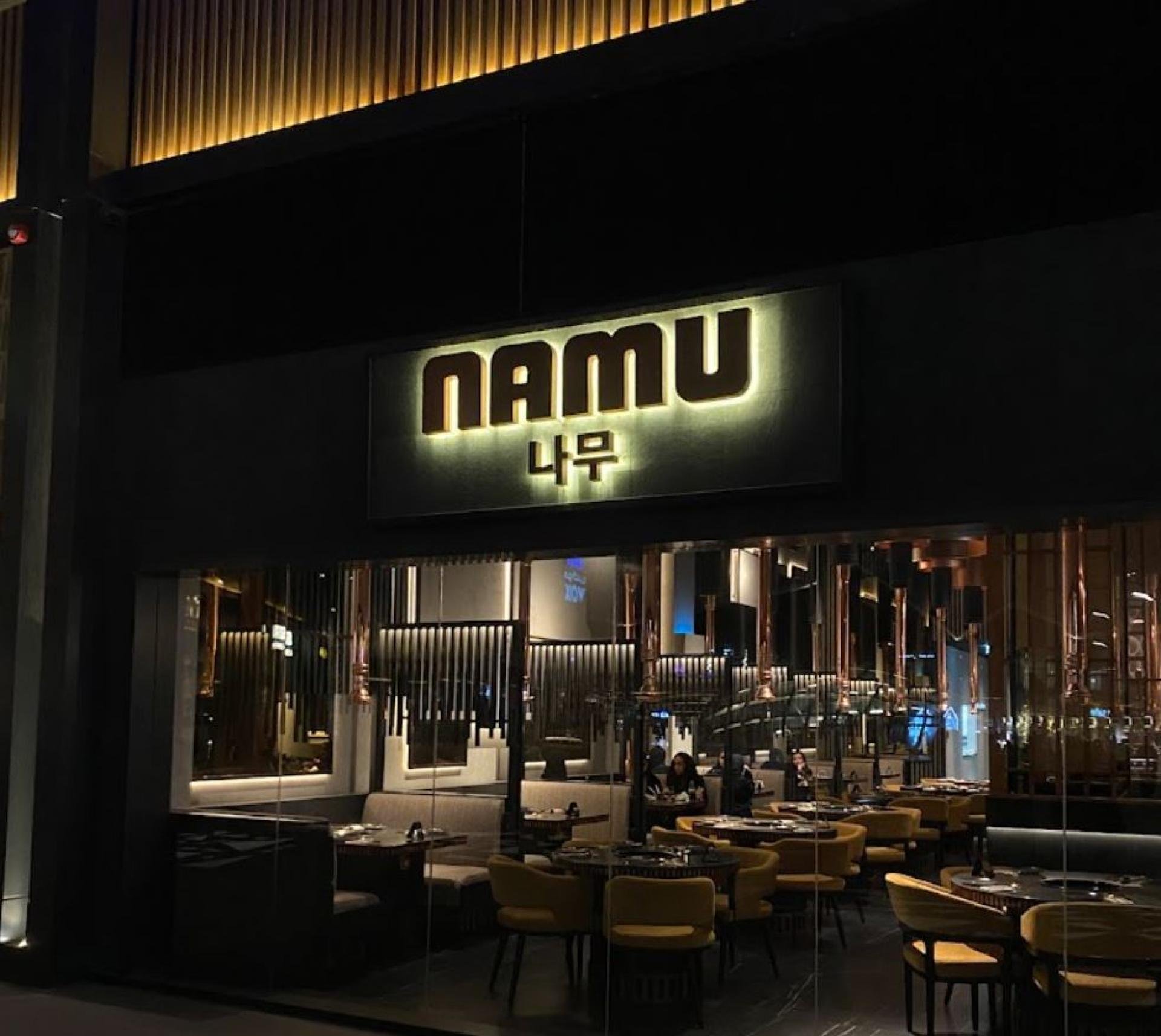
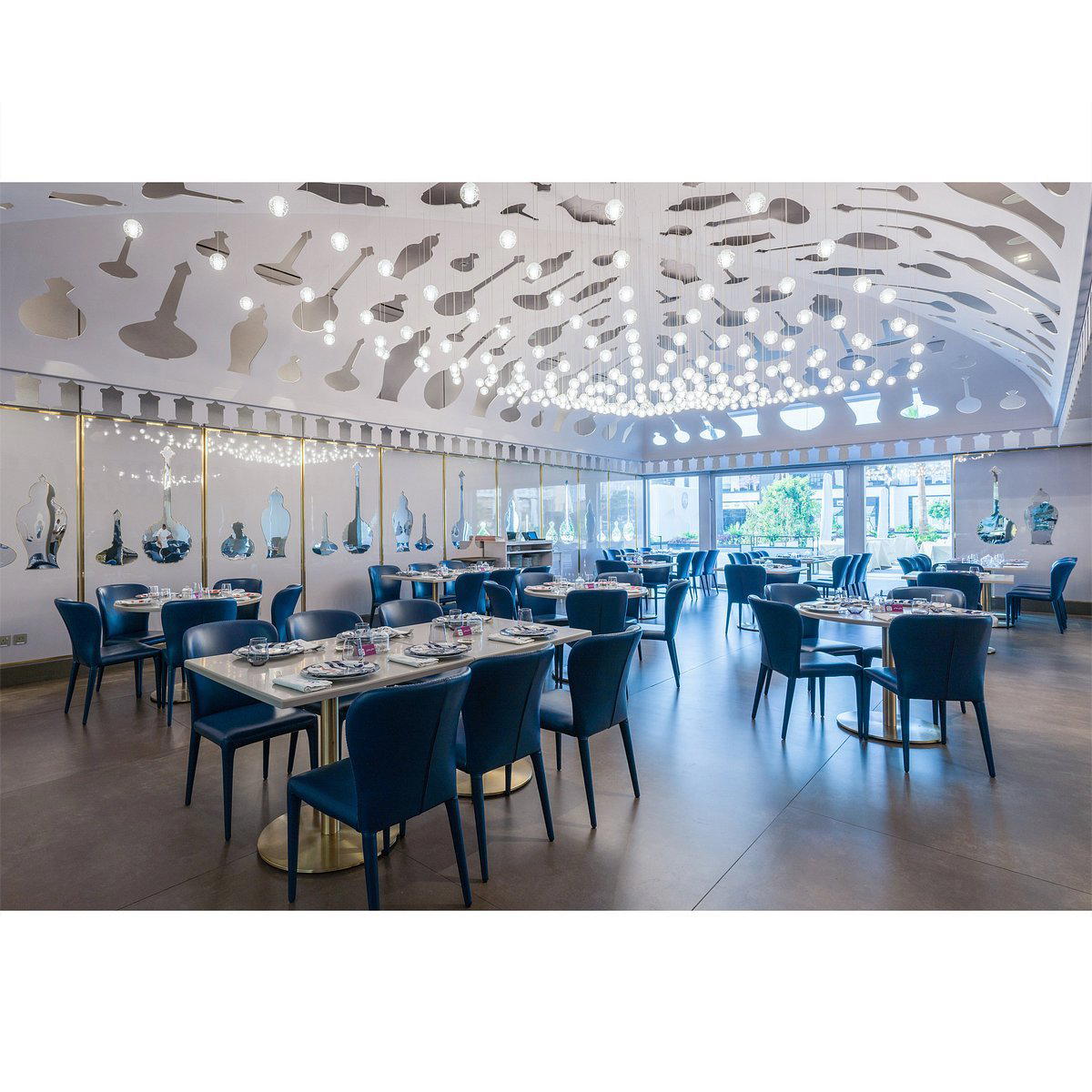
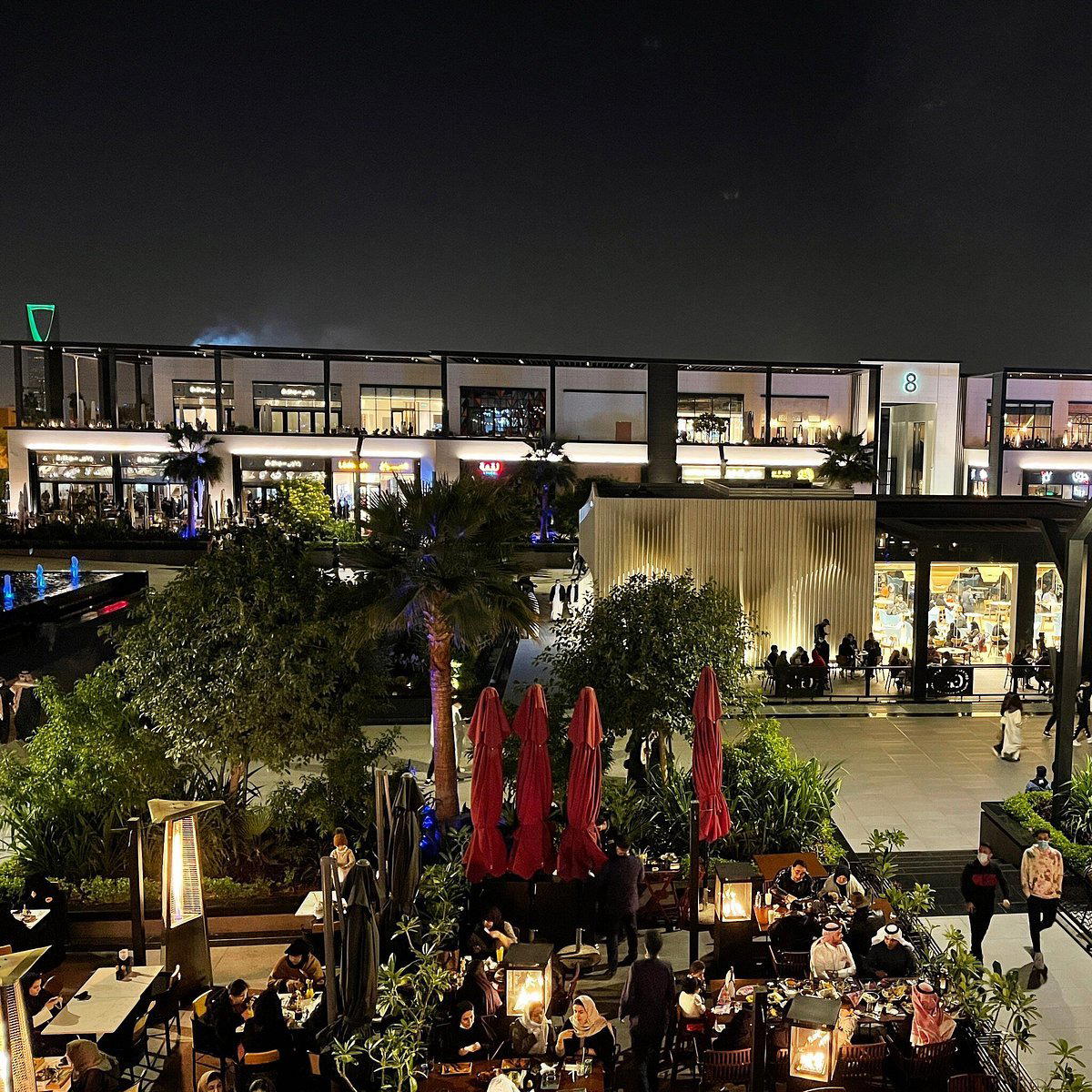

Bars in Riyadh
All bars in Riyadh →
Details
- Cozy
- Relaxed
- Group Dining
- Family
- Casual Hangout
- Open Kitchen
- Small Plates
- A La Carte
- Halal
Current opening hours
- Monday
- 12:30–11:30 PM
- Tuesday
- 12:30–11:30 PM
- Wednesday
- 12:30–11:30 PM
- Thursday
- 12:30 PM–12:30 AM
- Friday
- 12:30 PM–12:30 AM
- Saturday
- 12:30–11:30 PM
- Sunday
- 12:30–11:30 PM
Hours can change for holidays and private events. Hours as of .
Laid-back and cozy large open room with eye-catching suspended tree trunk, reflecting authentic Saudi heritage.