Maison Aribert





2 Michelin Stars · La Liste Top Restaurants · Falstaff Restaurant - 95 Falstaff Points
Our verdict
The kitchen's 'Think Vegetables! Think Fruit!

Pearl is the En Primeur Club membership app — saves, bookings, and concierge access live there. Same editors, same standards.
- Address
- 280 All. du Jeune Bayard, 38410 Saint-Martin-d'Uriage, France
- Phone
- +33 4 58 17 48 30
- Hours
- Mon–Tue ClosedWed–Thu 7:30–11 PMFri–Sat 11:30 AM–11 PMSun 11:30 AM–3 PM
- Website
- maisonaribert.com
- Directions
- Get directions
- Booking
- Book on TheFork
The menu
What to order
- Freshwater fish preparations
- Seasonal vegetable compositions
- Herb and root-forward dishes
The Logic of Local Sourcing at This Altitude
Isère département around Grenoble is not a canonical gastronomic region in the way that the Rhône Valley, Burgundy, or the Basque coast carry instant associations. That relative anonymity in food tourism terms is partly what makes the sourcing proposition here coherent rather than fashionable. The region produces mountain cheeses, river fish, small-scale vegetable cultivation at varying altitudes, and fruit from lower valley floors, all within a compact radius. The combination of lake, mountain, and farmed plain in close proximity gives a kitchen genuine material to work with across the seasons without the performance of reaching globally for prestige ingredients.
Christophe Aribert's trademarked 'Think Vegetables! Think Fruit!®' formula formalises what several French chefs have approached more loosely: a systematic reordering of the plate's hierarchy, where animal protein becomes optional rather than structural. The approach sits alongside, though is distinct from, the work at places like Mirazur in Menton, where garden cultivation and biodynamic thinking inform the menu, or Bras in Laguiole, whose gargouillou and vegetable-centred cooking established a French template for this mode of thought decades ago. Each kitchen has developed its methodology from different terrain and a different philosophical origin, but all three reflect a broader French movement away from the classical protein-and-sauce hierarchy. At this level, the assessment is less about whether the kitchen can execute classical technique and more about whether it has something coherent to say and the precision to say it consistently.
The regional frame matters here. Houses like Assiette Champenoise in Reims or Au Crocodile in Strasbourg maintain their positions against the pull of capital-city dining by offering something the Paris tier cannot: a grounded relationship with a specific regional identity. Maison Aribert's case for the Isère plateau is of the same kind. The meal is not an abstraction that could be transplanted to any city address; it is a reading of a particular place. For comparison, the creative tier in Paris, represented by addresses such as Alléno Paris au Pavillon Ledoyen, operates with access to a wider supply chain and a different audience expectation, which tends to favour technical spectacle alongside terroir storytelling.
Internationally, the plant-centred prestige format has gained ground across multiple cities. Enrico Bartolini in Milan and JAN in Munich both operate in the creative fine-dining register with strong regional sourcing commitments, each shaped by a different agricultural and cultural context. The comparison is useful for understanding how a concept travels: what distinguishes the Maison Aribert version is the specific altitude-and-valley topography that produces its raw materials, not a generic European farm-to-table positioning.
Within the Alpine French corridor, Flocons de Sel in Megève represents a parallel high-altitude prestige address in Haute-Savoie, similarly reliant on mountain terrain for its sourcing logic. The comparison illustrates a regional pattern: the arc from Isère through Savoie to Haute-Savoie has produced a cluster of serious kitchens whose creative programmes are anchored in alpine production rather than imported prestige ingredients. Maison Aribert holds its own position in that arc, distinguished by its specific Isère sourcing and its structured vegetable-and-fruit methodology.
The Dining Room and What to Expect
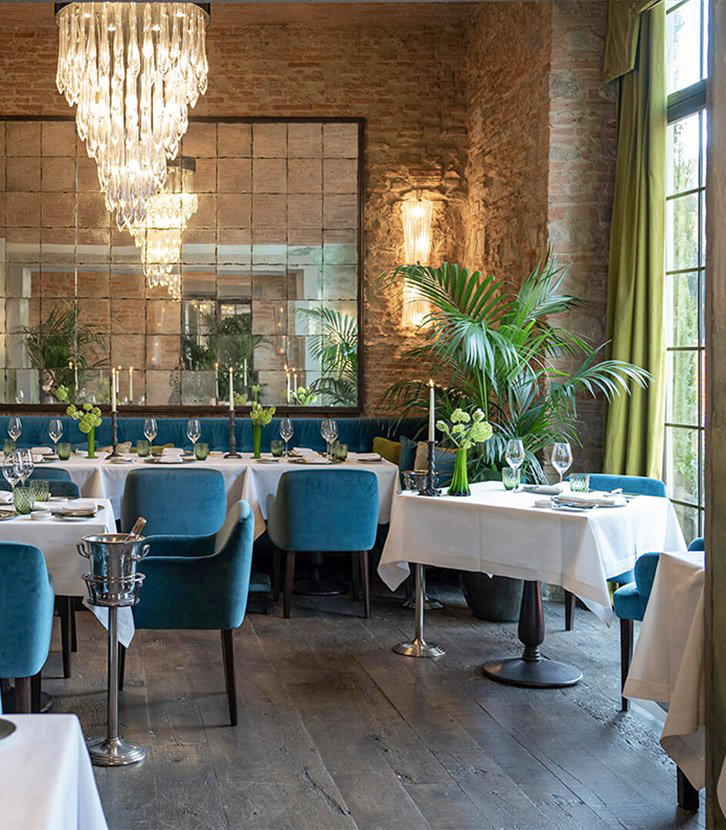
The Uriage-les-Bains setting gives Maison Aribert a physical context that most metropolitan two-star restaurants cannot replicate. The thermal spa town has its own formal architecture and a pace that slows the experience before it begins. A meal here is not a compressed urban evening; it is a stay in a place that has been accommodating slow dining since the nineteenth century.
For diners considering the broader dining scene in the town, the The La Liste prestige categorisation and sustained Michelin recognition make advance planning worthwhile.enprimeurclub.com/restaurants/troisgros-le-bois-sans-feuilles-ouches-restaurant">Troisgros in Ouches
Frequently asked questions
How much does it cost to eat at Maison Aribert?
Pricing at Maison Aribert is listed as €€€€.
A Pricing-First Comparison
| Venue | Cuisine | Price | Awards |
|---|---|---|---|
| Maison AribertThis venue — the venue you are viewing | Modern Alpine French Gastronomy | $200–300 | 2 Michelin Stars · La Liste Top Restaurants |
| Alléno Paris au Pavillon Ledoyen | Creative | Not listed | Michelin 3 Star |
| Kei | Contemporary French, Modern Cuisine | Not listed | Michelin 3 Star |
| L'Ambroisie | French, Classic Cuisine | Not listed | Michelin 3 Star |
| Le Cinq - Four Seasons Hôtel George V | French, Modern Cuisine | Not listed | Michelin 3 Star |
| Plénitude | Contemporary French | Not listed | Michelin 3 Star |
Recognition history
Dated appearances from independent guides and award organizations, with the underlying list record or original source where available.
Michelin 2 Stars
Michelin
La Liste Top Restaurants
La Liste
Falstaff Restaurant - 95 Falstaff Points
Falstaff
Gault & Millau Prestige Restaurant
Gault & Millau
We're Smart World 4 Radishes
We're Smart World
Full recognition history (8 entries)
La Liste Top Restaurants
La Liste
Michelin 2 Stars
Michelin
Michelin 2 Stars
Michelin
Continue exploring
More in Saint-Martin-d'Uriage
Restaurants in Saint-Martin-d'Uriage
Browse all →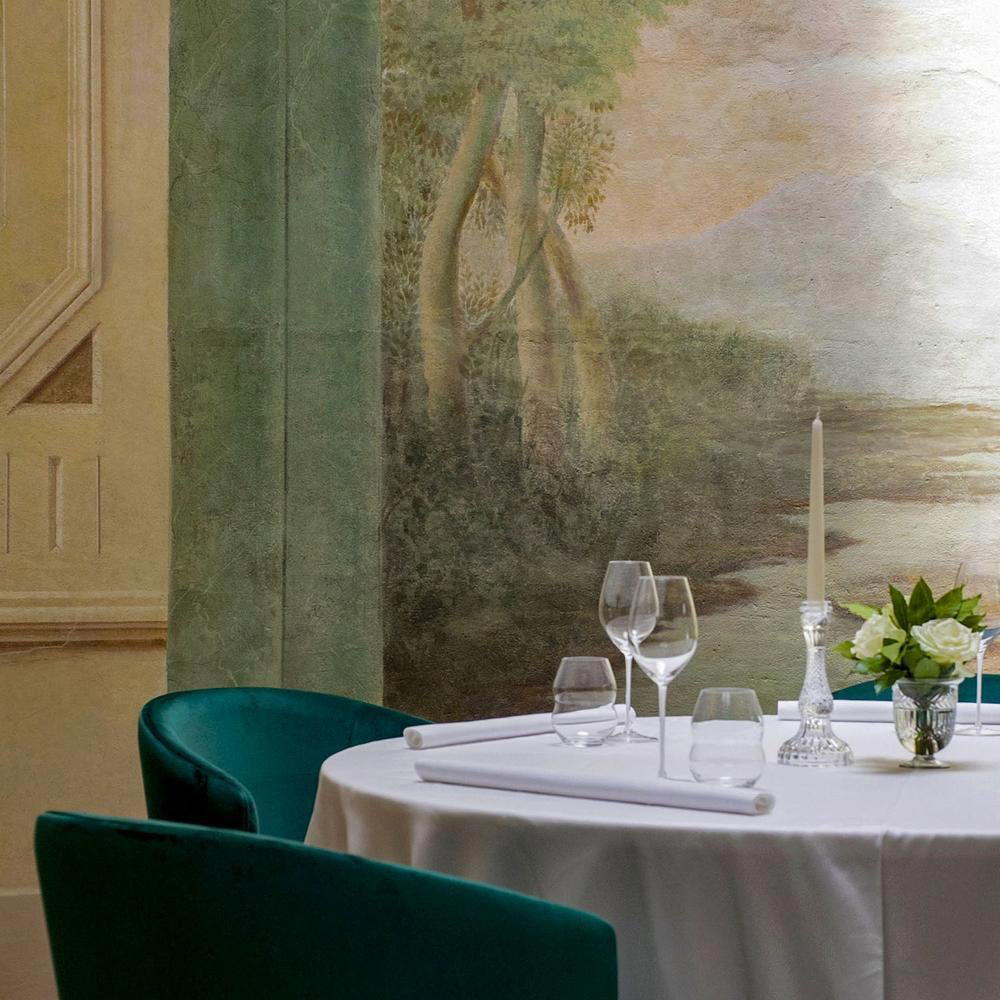
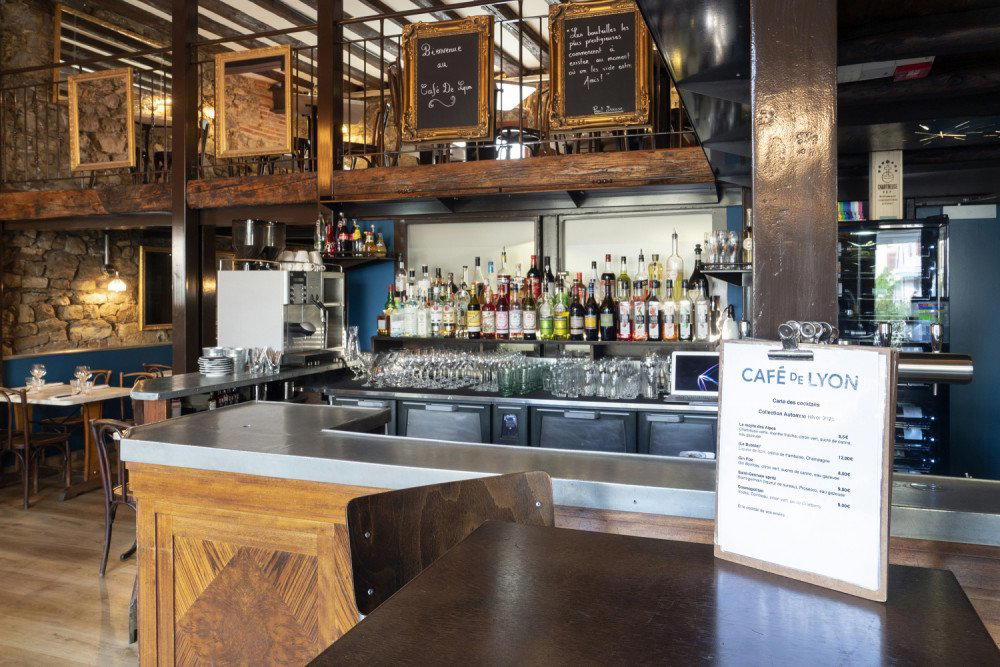
Bars in Saint-Martin-d'Uriage
Browse all →
Hotels in Saint-Martin-d'Uriage
Browse all →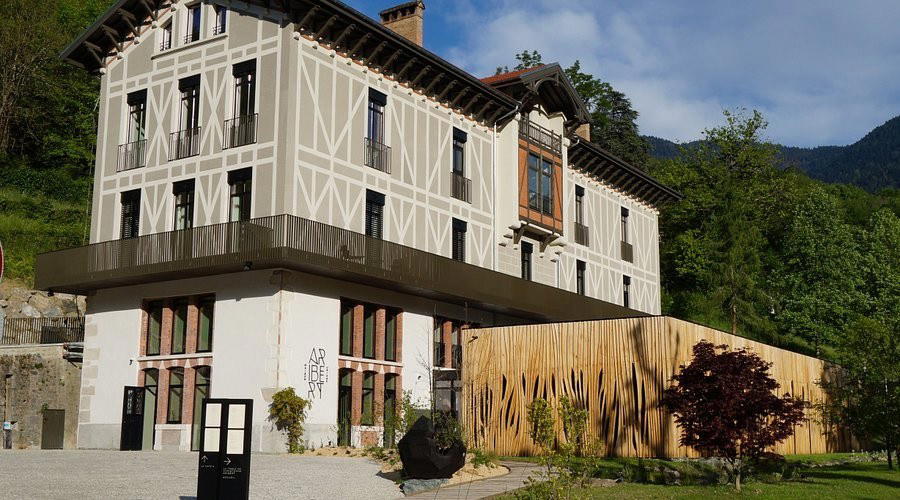
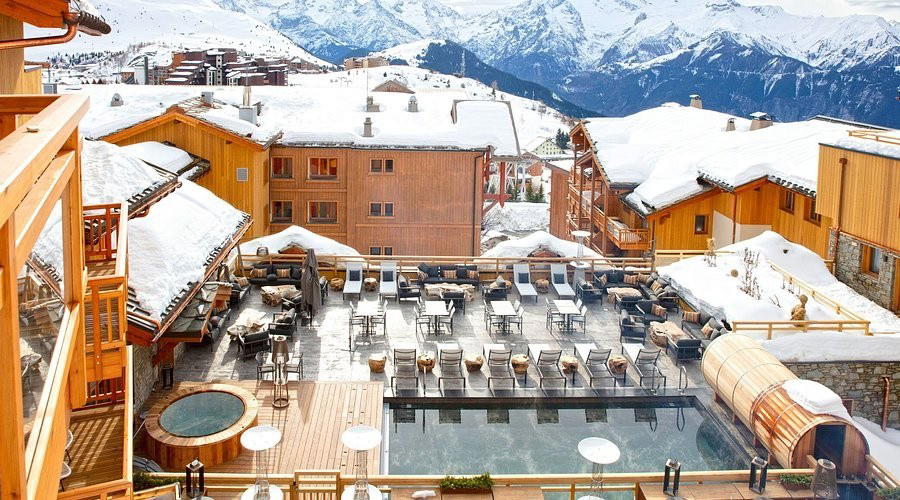
Wineries in Saint-Martin-d'Uriage
Browse all →

Details
- Romantic
- Elegant
- Sophisticated
- Scenic
- Date Night
- Celebration
- Special Occasion
- Family
- Open Kitchen
- Garden
- Private Dining
- Historic Building
- Standalone
- Sommelier Led
- Farm To Table
- Organic
- Local Sourcing
- Sustainable Seafood
- Garden
- Tasting Menu
- Set Menu
- Wine
- Vegetarian Friendly
- Gluten Free Options
- Allergy Accommodating
- Organic Focus
Current opening hours
- Monday
- Closed
- Tuesday
- Closed
- Wednesday
- 7:30–11 PM
- Thursday
- 7:30–11 PM
- Friday
- 11:30 AM–11 PM
- Saturday
- 11:30 AM–11 PM
- Sunday
- 11:30 AM–3 PM
Hours can change for holidays and private events. Last verified .
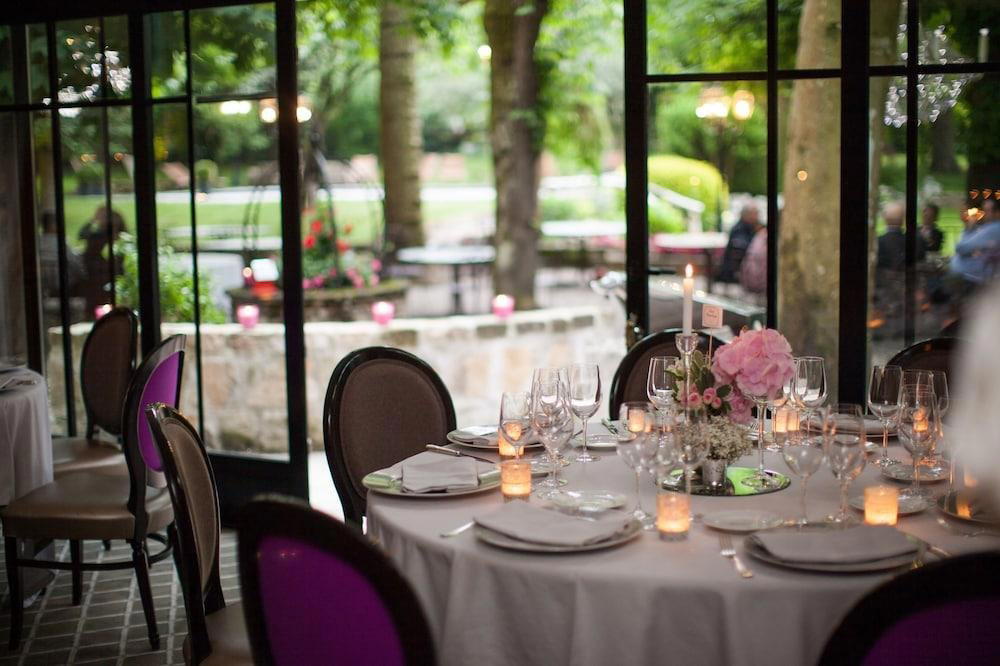
Refined and minimalist setting with nature-inspired décor emphasizing the surrounding landscape; warm, attentive service in an intimate, peaceful environment conducive to culinary contemplation.