



La Madia holds two Michelin stars in Licata, a port town on Sicily's southern coast that most two-star itineraries overlook entirely. Chef Pino Cuttaia works within a strict philosophy of Sicilian restraint: local ingredients, minimal intervention, maximum clarity. Rated 90 points by La Liste in 2026 and ranked among Europe's top restaurants by Opinionated About Dining, this is one of Italy's most geographically remote fine-dining addresses.
Pearl is the En Primeur Club membership app — saves, bookings, and concierge access live there. Same editors, same standards.
- Address
- Corso Filippo Re Capriata, 22, 92027 Licata AG, Italy
- Phone
- +39 0922 771443
- Website
- ristorantelamadia.it
- Directions
- Get directions
 Saves & bookings on Pearl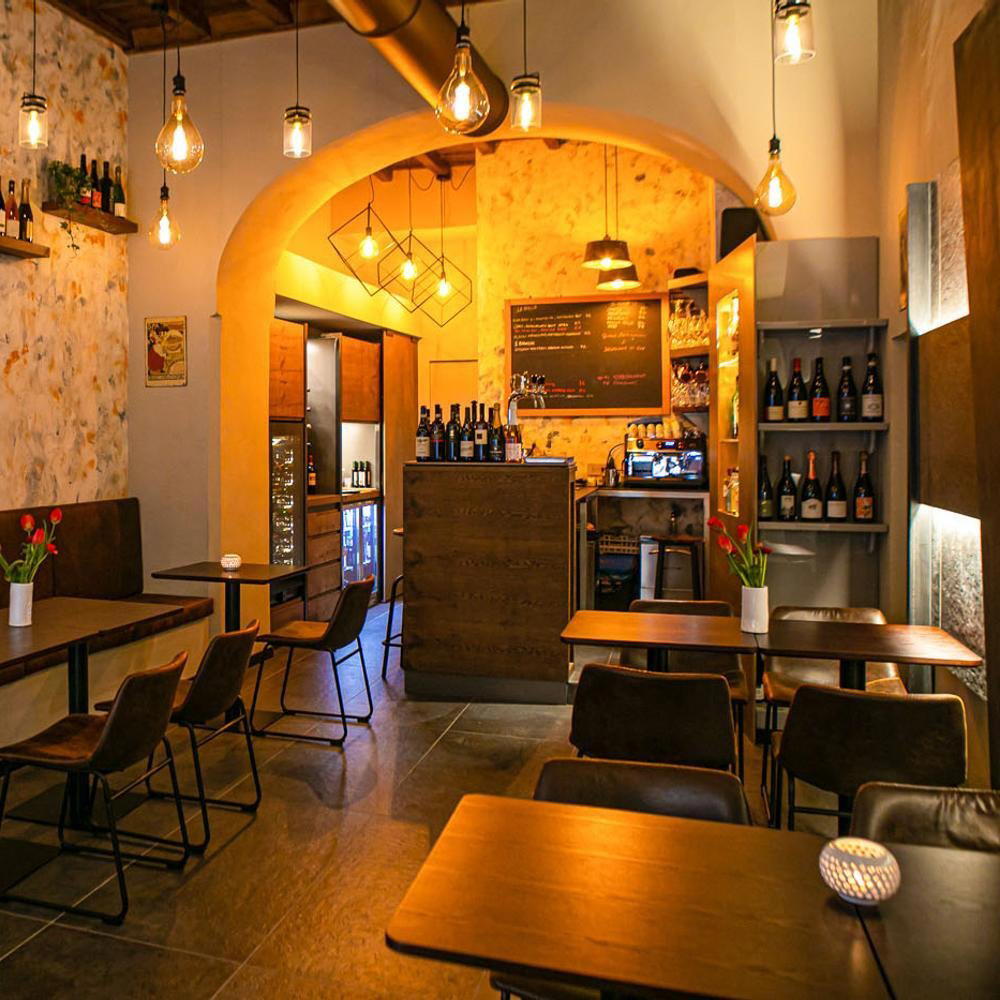
A Two-Star Address at the Edge of the Italian Fine-Dining Map
Southern Sicily's fine-dining infrastructure is thin. The island's Michelin-starred establishments cluster unevenly, and Licata, a fishing port of around 35,000 people on the Agrigento coast, is not a name that appears on most itineraries built around Italy's two- and three-star circuit. That geographic remove is precisely what makes the case for La Madia worth examining. The restaurant has held two Michelin stars in both 2024 and 2025, earned 90.5 points from La Liste in 2025 and 90 points in 2026, and appeared in Opinionated About Dining's Leading Restaurants in Europe at rank 221 in 2025, climbing from rank 340 the previous year. Those are credentials that would draw attention in Milan or Florence. In Licata, they represent something rarer: a kitchen operating at the highest technical register without the benefit of a major city's dining infrastructure around it.
The address on Corso Filippo Re Capriata sits in the town's historic centre. Approaching through Licata's streets, the scale stays domestic. This is not a restaurant that announces itself through architecture or dramatic arrival. The Sicilian tradition of cooking in spaces that feel genuinely rooted in the town they serve is older than the contemporary fine-dining template, and La Madia operates closer to that local register than to the glass-and-steel aesthetic of northern Italy's multi-star kitchens.
Simplicity as the Governing Principle
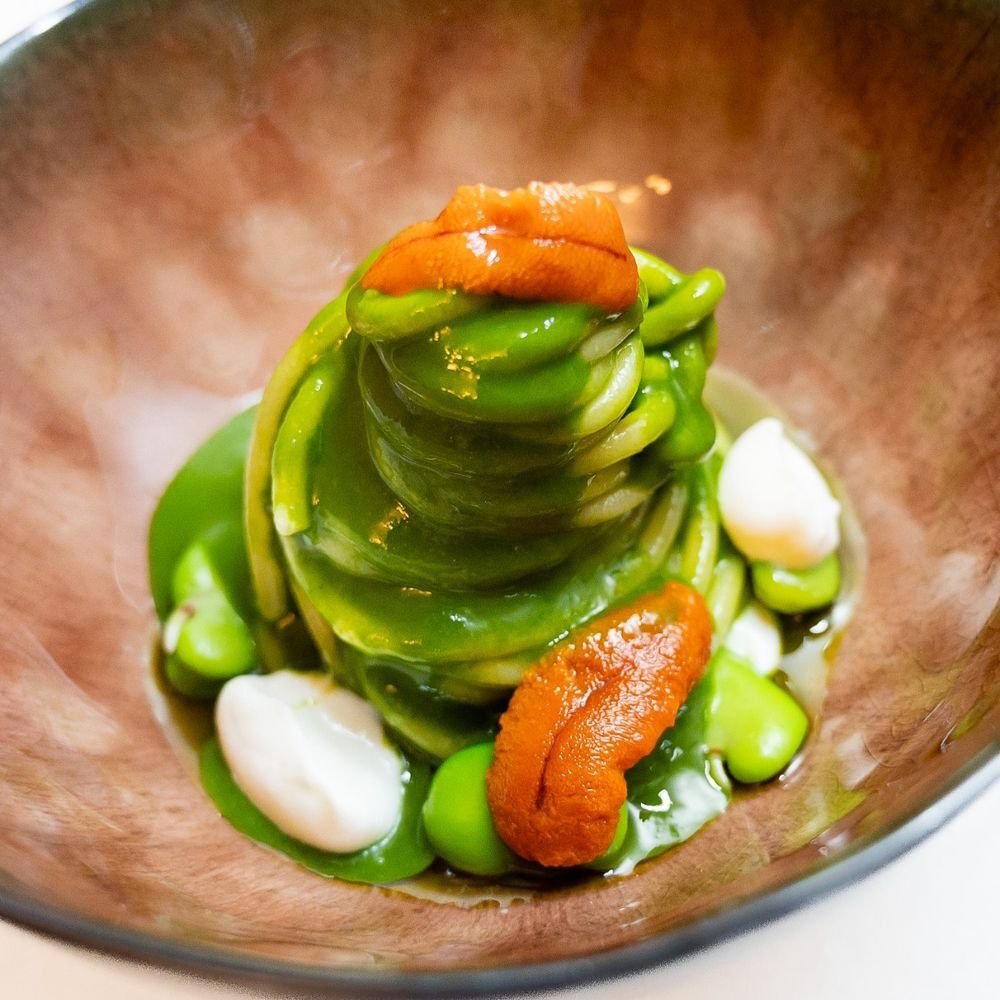
Italian cuisine's most durable argument is that restraint produces more than complexity. The principle appears in every regional tradition, from Ligurian focaccia to Roman cacio e pepe, but it is most visible in the cooking of southern Sicily, where the Mediterranean's produce is direct enough to resist elaboration. La Madia, classified under Progressive Italian and Creative cuisine, works within that argument rather than against it. Chef Pino Cuttaia's reputation rests on a reading of Sicilian ingredients that treats the island's larder as the text and technique as annotation, not the other way around.
This places the restaurant in a different conceptual category from Italy's three-star creative kitchens operating at comparable price points. Restaurants such as Le Calandre in Rubano, Osteria Francescana in Modena, and Enrico Bartolini in Milan operate with considerable technical apparatus and draw on broader European creative influences. The restaurant's frame of reference is narrower and more geographically specific: the agriculture, fishing, and culinary memory of Sicily's southern coast. That narrowness is a choice, and the awards record suggests it is working.
The awards data points to consistency as much as achievement. Two successive Michelin two-star results, a La Liste score holding above 90 across two cycles, and a rising OAD Europe rank across consecutive years suggest a kitchen that is not resting on an early citation.
What the Kitchen Reflects About Sicilian Cooking
Sicily's culinary identity is layered with historical influence: Arab, Norman, Spanish, and Greek traces are readable in the island's ingredient combinations and preserved techniques. Southern Sicilian cooking, particularly along the Agrigento coast, retains a directness that reflects proximity to North Africa and centuries of maritime trade. Preserved fish, local wheat, citrus, almonds, and wild herbs form a pantry that is Mediterranean in the broadest sense but Sicilian in its specific combinations.
A kitchen choosing to work within those parameters, rather than importing a northern Italian or pan-European framework, takes on a particular kind of editorial responsibility. Every dish becomes an argument about what Sicilian cooking is or could be at the highest technical level. That argument is more intellectually demanding, and harder to sustain year after year, than building menus from a global repertoire. The awards data at the restaurant suggests the argument is coherent enough to satisfy critics working from multiple different evaluation frameworks simultaneously.
Italy's two-star tier includes kitchens that approach regional cooking with similar seriousness. Reale in Castel di Sangro does comparable work with Abruzzese identity, and Madonnina del Pescatore in Marzocca and Materia in Cernobbio each occupy the Progressive Italian and Creative category with regionally grounded programs. What separates the restaurant's position from most of those is the degree of geographic isolation. Licata is not a hub city or a well-trafficked culinary destination. The restaurant has built its reputation without the ambient validation of a strong local dining scene around it.
Placing the Visit: Licata and the Surrounding Context
Licata is a port town with a fishing economy that continues to define its daily rhythm. Palermo is roughly two and a half hours by road to the northwest; Catania is a similar distance to the northeast. The nearest major airport with regular European connections is Catania-Fontanarossa, making Licata accessible but not trivially so.
The town supports a small but coherent dining scene alongside the restaurant. L'Oste e il Sacrestano provides a Sicilian alternative within Licata's centre. For readers building a multi-stop Italian itinerary that includes other two- and three-star kitchens, Piazza Duomo in Alba, Dal Pescatore in Runate, Enoteca Pinchiorri in Florence, and Atelier Moessmer Norbert Niederkofler in Brunico provide reference points across different Italian regions and cooking philosophies.
Planning the Meal
The restaurant operates at the €€€€ price tier, consistent with two-star Italian dining across the country. The kitchen keeps a limited service schedule: lunch runs 1 to 2 pm and dinner 8 to 10 pm most days, with Tuesday as the weekly closure. Sunday service is lunch only. Those windows are narrow by the standards of urban fine-dining, and the restaurant's remote location means that a failed booking is a significantly more costly logistical problem than it would be in a city with alternative high-level options nearby. Advance planning is advisable.
The price point and format position the restaurant in the fine-dining tier. It is the kind of restaurant that warrants building a travel day around rather than fitting into a passing itinerary.
Pricing, Compared
Comparable venues nearby, for context on price, style, and recognition.
| Venue | Cuisine | Price | Awards | Notes |
|---|---|---|---|---|
| La MadiaThis venue — the venue you are viewing | Licata, Modern Sicilian Fine Dining | $$$$ | Michelin 2 Star | Not listed |
| L'Oste e il Sacrestano | historic center, Modern Sicilian Osteria | $$$ | Michelin Plate | Not listed |
| I Tenerumi | Not listed | $$$$ | Michelin 2 Star | Vulcanello, Modern Plant-Based Fine Dining |
| Krèsios | Telese Terme, Modern Italian Fine Dining | $$$$ | Michelin 2 Star | Not listed |
| Enoteca La Torre | Not listed | $$$$ | Michelin 2 Star | Della Vittoria, Modern Italian Fine Dining |
| Il Pagliaccio | Not listed | $$$$ | Michelin 2 Star | Ponte, Modern Italian-Japanese Fusion Fine Dining |
Recognition history
Dated appearances from independent guides and award organizations, with the underlying list record or original source where available.
Falstaff Restaurant - 95 Falstaff Points
Falstaff
La Liste Top Restaurants
La Liste
Michelin 2 Stars
Michelin
Michelin Plate
Michelin
La Liste Top Restaurants
La Liste
Michelin 2 Stars
Michelin
Opinionated About Dining Top Restaurants in Europe Ranked #221
Opinionated About Dining
Michelin 2 Stars
Michelin
Opinionated About Dining Top Restaurants in Europe Ranked #340
Opinionated About Dining
Opinionated About Dining Top New Restaurants in Europe Highly Recommended
Opinionated About Dining
Continue exploring
More in Licata
Restaurants in Licata
Browse all →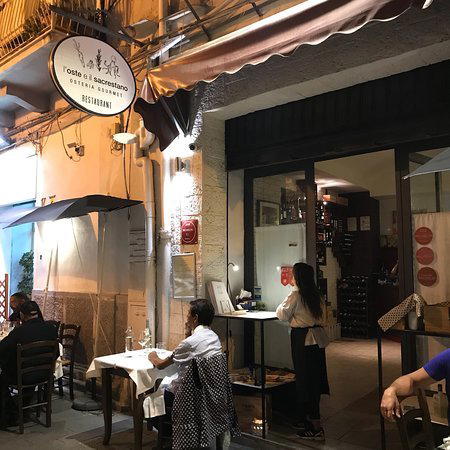
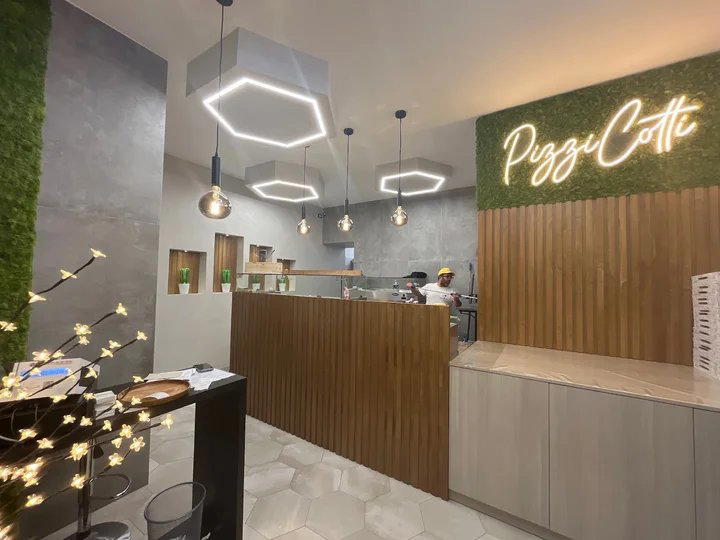
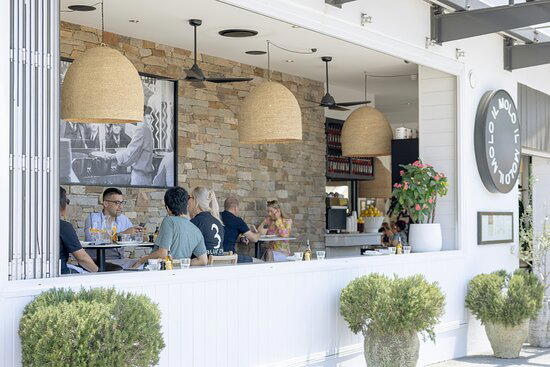
Bars in Licata
Browse all →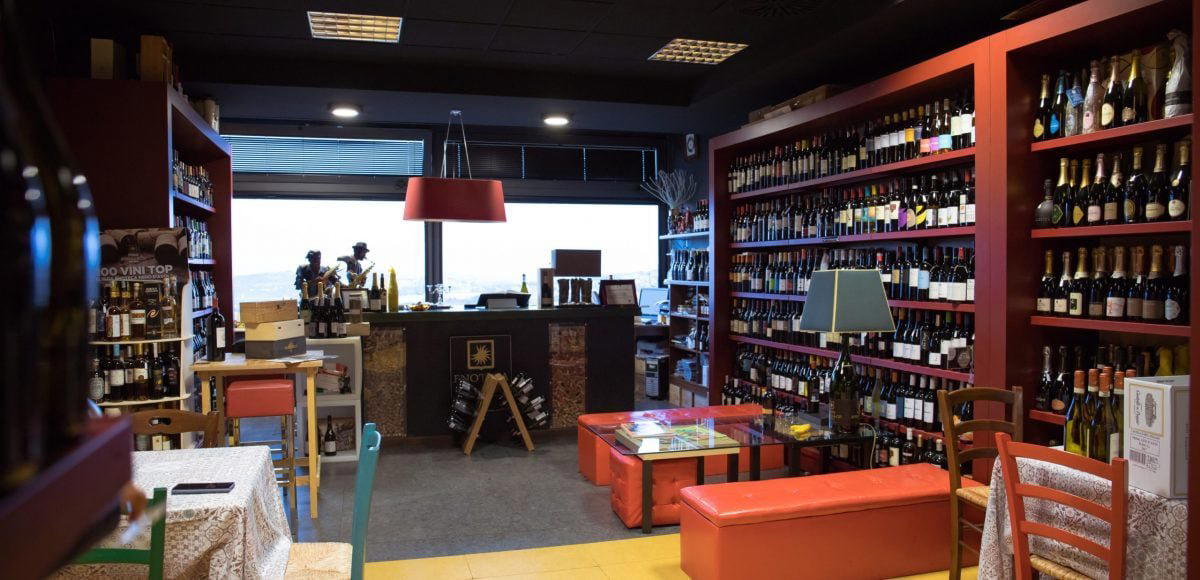
Hotels in Licata
Browse all →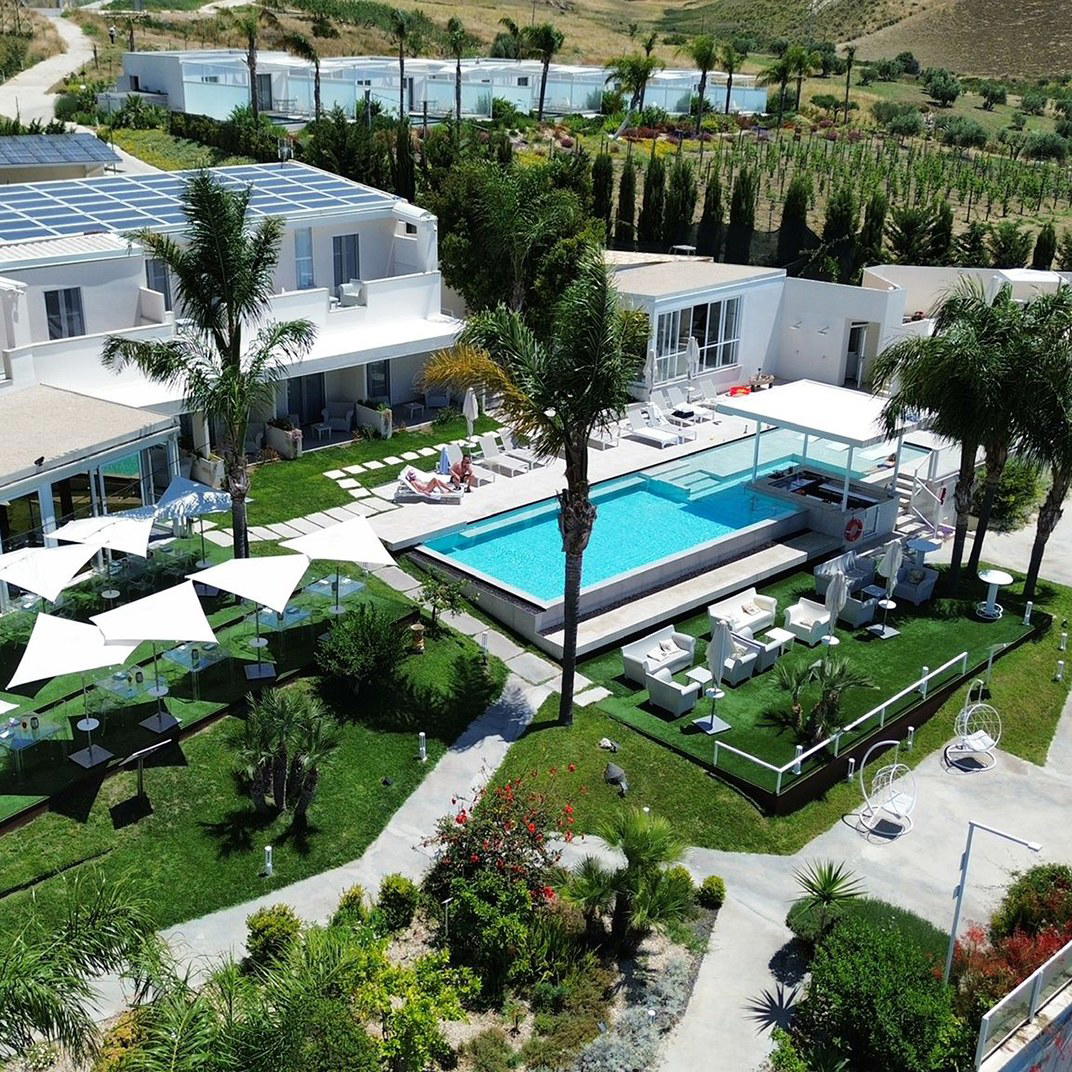

At a Glance
- Elegant
- Modern
- Intimate
- Sophisticated
- Special Occasion
- Date Night
- Celebration
- Open Kitchen
- Extensive Wine List
- Local Sourcing
Current opening hours
- Monday
- 1–2 PM, 8–10 PM
- Tuesday
- Closed
- Wednesday
- 8–10 PM
- Thursday
- 1–2 PM, 8–10 PM
- Friday
- 1–2 PM, 8–10 PM
- Saturday
- 1–2 PM, 8–10 PM
- Sunday
- 1–2 PM
Hours can change for holidays and private events. Last verified .
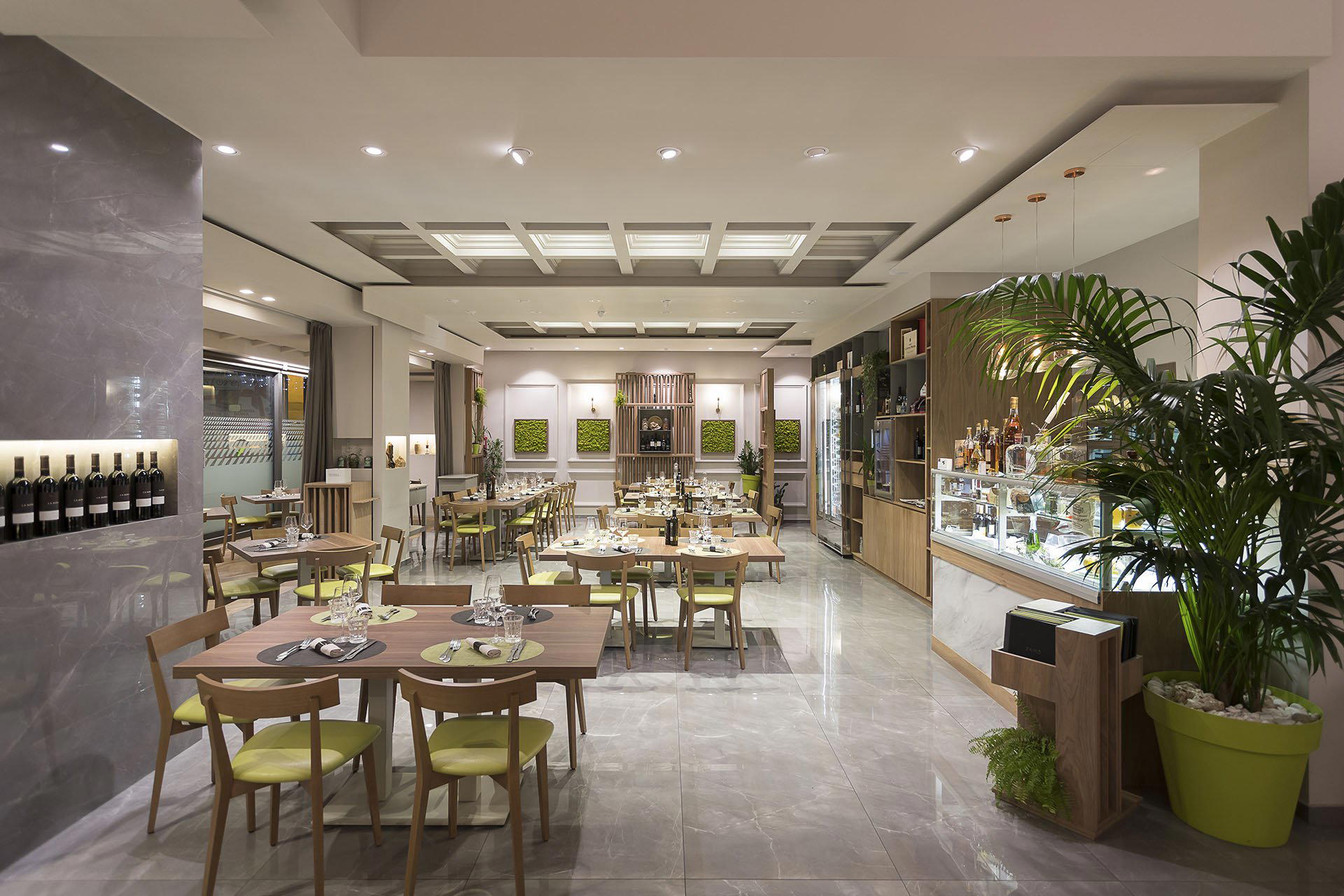
Modern minimalist dining rooms with elegant, refined service and a welcoming, sophisticated atmosphere.