Belcampo - West Hollywood
Belcampo's West Hollywood outpost on West 3rd Street sits at the intersection of farm-to-counter transparency and neighborhood dining. The operation draws its identity from vertically integrated sourcing, a model that distinguishes it from most Los Angeles butcher-restaurants. For those tracking where their meat originates, the address on the Third Street corridor makes it a practical and principled stop.
- Address
- 8053 W 3rd St, Los Angeles, CA 90048
- Phone
- +1 323 937 0170
- Directions
- Get directions
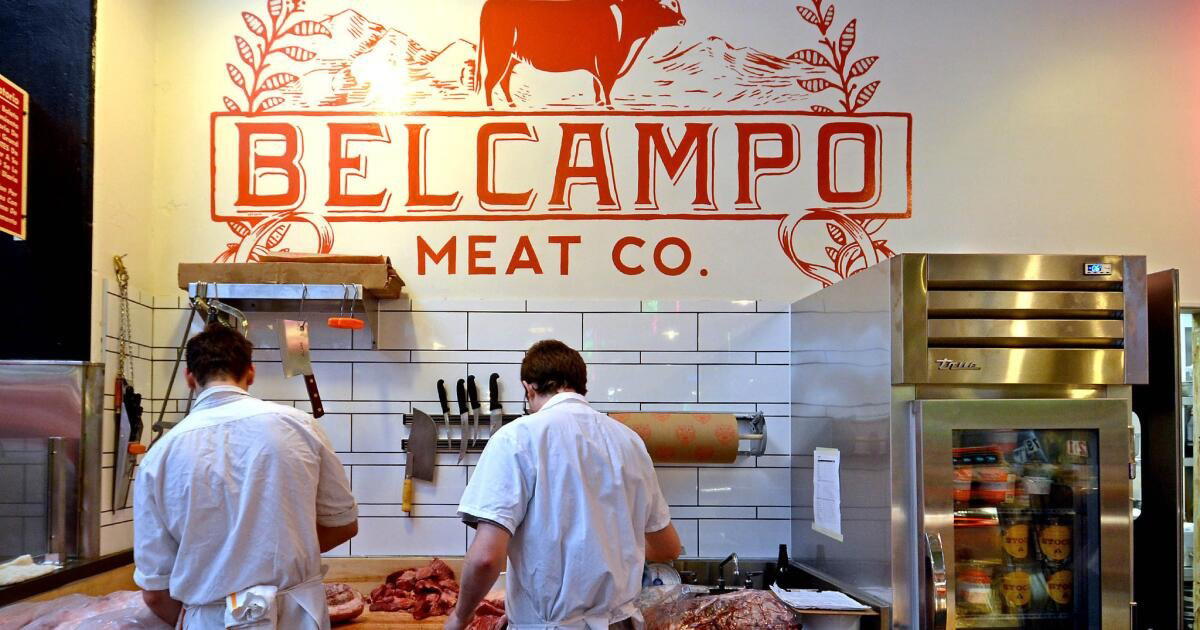
The Third Street Corridor and the Case for Knowing Your Rancher
West 3rd Street between Fairfax and La Cienega has long functioned as one of Los Angeles's more reliable dining corridors, holding a mix of neighborhood stalwarts and concept-driven openings that tend to skew local rather than tourist-facing. The West Hollywood location at 8053 W 3rd St sits within that character. The street-level presence reads more like a serious butcher shop that happens to serve lunch than a restaurant that happens to sell meat, a deliberate positioning that reflects how the Belcampo model was constructed from the supply chain outward.
That sourcing architecture is worth understanding before you arrive. The farm-to-counter model that Belcampo built is rooted in vertical integration: the company operated its own certified organic, humane-certified ranch in Northern California, processing its own animals and delivering them through its own retail and restaurant network. In a city where provenance claims range from scrupulous to aspirational, that level of supply-chain control placed Belcampo in a distinct category. Most Los Angeles restaurants source from reputable distributors; fewer own the land the animal walked on. That distinction is not decorative, it affects cut availability, aging decisions, and the consistency of what arrives on the plate or in the paper.
What Vertical Integration Actually Means at the Counter
The ingredient-sourcing model that defines Belcampo's identity has a direct and practical consequence for the dining experience: what you order reflects decisions made months earlier at the ranch level, not just the week before at a wholesale market. Whole-animal butchery programs, of the kind Belcampo developed, require the kitchen and counter to work with every part of the animal rather than cherry-picking the high-margin cuts. That approach tends to produce a menu with more variety in cuts and preparations than a conventional burger-and-steakhouse format, and it aligns with a broader shift in American meat culture toward transparency, traceability, and reduced waste.
Across the United States, a small cohort of restaurants and butcher-restaurants has pursued this model seriously. Blue Hill at Stone Barns in Tarrytown operates its own farm as the foundation of its tasting menu program. Single Thread Farm in Healdsburg integrates its own agricultural operation into a fine-dining format. What Belcampo pursued was a more accessible, counter-service expression of the same principle, bringing farm-controlled sourcing to a price point and format that West 3rd Street foot traffic could engage with daily rather than as a special-occasion destination.
Los Angeles as Context for Sourcing-First Dining
Los Angeles has developed one of the more sophisticated farm-sourcing cultures of any American city, driven partly by its proximity to year-round agricultural production in the Central Valley and along the California coast, and partly by a consumer base with a higher-than-average attention to supply-chain ethics. That context makes Belcampo's positioning legible in a way it might not be elsewhere. In cities without that background culture, a butcher-restaurant hybrid can read as a novelty; in Los Angeles, it reads as a logical market response.
The West Hollywood location specifically benefits from a neighborhood demographic that skews toward food-literate regulars who track sourcing. That differs from the tourist-weighted audiences at some of the city's more prominent dining destinations. Restaurants like Providence (contemporary seafood, pulling from traceable West Coast and Hawaiian fisheries) and Kato (New Taiwanese, with ingredient provenance woven into its tasting structure) represent the fine-dining end of LA's sourcing-conscious spectrum. Belcampo at West 3rd Street occupies a different tier, more accessible in format and price, but shares the underlying conviction that knowing the origin of an ingredient changes what it means to eat it.
Elsewhere in the Los Angeles dining map, the sourcing conversation plays out differently by category. Hayato (Japanese, $$$) draws on Japanese sourcing traditions that prioritize producer relationships over volume. Somni operates in a progressive-contemporary register where ingredient origin is embedded in narrative. Belcampo's contribution to that conversation is a more democratic one: sourcing transparency as a baseline rather than a fine-dining flourish.
The Broader American Farm-to-Counter Movement
The model Belcampo developed in Los Angeles has analogs in other American cities, all of which are working through a similar question: how much of the supply chain can a hospitality business control before the economics become unsustainable? Smyth in Chicago maintains close producer relationships that shape its tasting menu structure. Lazy Bear in San Francisco built its identity around Northern California agricultural relationships. The French Laundry in Napa has operated its own culinary garden for decades as a sourcing and quality-control mechanism.
These are all fine-dining expressions of a philosophy that Belcampo translated into a more approachable format. The comparison is instructive rather than evaluative: the goal of knowing where the animal came from, how it was raised, and what that means for flavor and consistency is shared across price points. At the counter-service end, it requires a different kind of trust from the diner, less mediated by tableside explanation, more dependent on the transparency of the operation itself.
Internationally, the farm-integration model has its own reference points. Atelier Moessmer Norbert Niederkofler in Brunico has made Alpine regional sourcing the structural premise of its entire menu. The principle travels across formats and price points; what changes is how explicitly it's narrated to the guest.
Planning a Visit to West 3rd Street
Belcampo - West Hollywood is a restaurant in Los Angeles, with a price tier of $20 per person, at 8053 W 3rd St. Street parking on West 3rd is available but competitive during peak lunch hours; the side streets off Fairfax and Crescent Heights tend to offer more reliable options. For those building a broader Los Angeles itinerary, the full Los Angeles restaurants guide maps the city's dining by neighborhood and category.
Visitors tracking the sourcing-transparency thread in American dining more broadly should note that the category has developed strong regional expressions beyond California. Addison in San Diego, Frasca Food and Wine in Boulder, Emeril's in New Orleans, and The Inn at Little Washington each represent different regional approaches to producer-led menus. Le Bernardin in New York City and Atomix in New York City show how the same underlying principle of ingredient traceability functions at a fine-dining register in a different market.
Peers You’d Cross-Shop
Comparable venues nearby, for context on price, style, and recognition.
| Venue | Cuisine | Price | Notes |
|---|---|---|---|
| Belcampo - West HollywoodThis venue — the venue you are viewing | Grass-Fed American Burgers | $$ | Not listed |
| 25 Degrees | American Burgers & Bar | $$ | Hollywood |
| All Time | Modern American Comfort | $$ | Los Feliz |
| Trencher | American Sandwich Shop | $$ | Echo Park |
| The Milky Way | New American Kosher Dairy | $$ | South Robertson |
| Nature's Brew by Bacari | American Breakfast Cafe | $$ | University Park |
Continue exploring
More in Los Angeles
Restaurants in Los Angeles
Browse all →
Bars in Los Angeles
Browse all →
Hotels in Los Angeles
Browse all →

Wineries in Los Angeles
Browse all →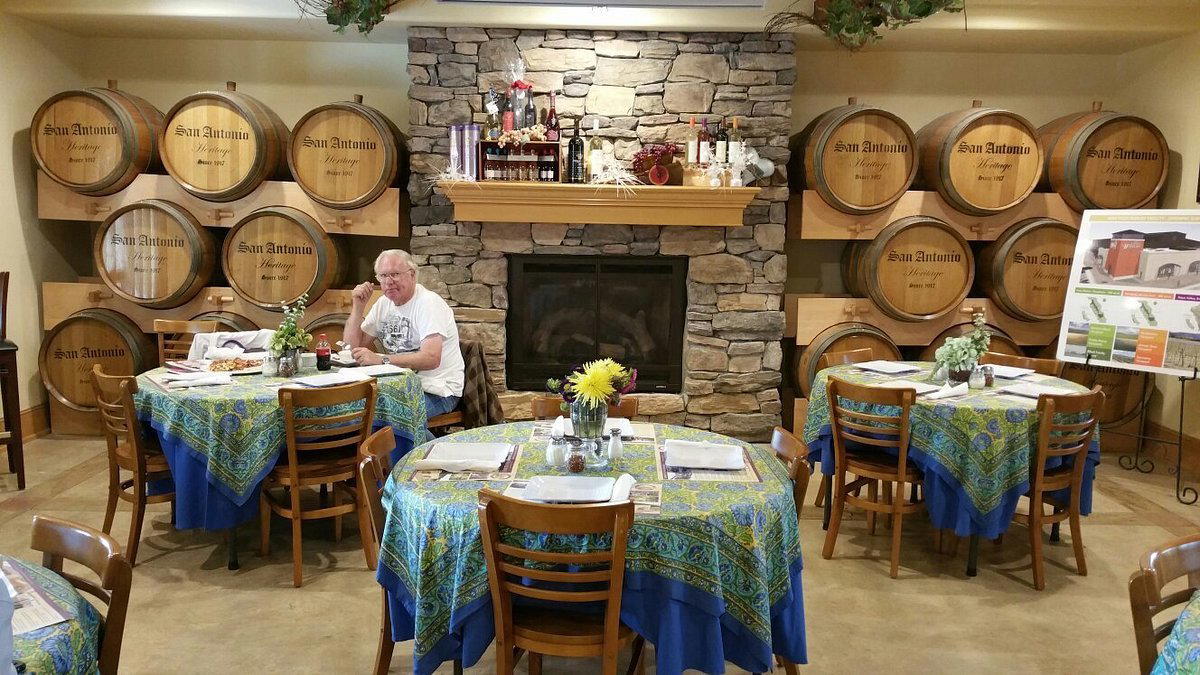
At a Glance
- Casual
- Modern
- Casual Hangout
- Family
- Open Kitchen
- Farm To Table
- Local Sourcing
Basic fast food interior with friendly service.