Made in Italy
Made in Italy on King's Road occupies a stretch of Chelsea that has long drawn Italian restaurants trading on provenance and simplicity. Sitting at 249 King's Road, it represents the neighbourhood's appetite for direct Italian cooking delivered without ceremony. For travellers exploring London's Italian dining tier, it offers a useful counterpoint to the city's more formal European rooms.
Pearl is the En Primeur Club membership app — saves, bookings, and concierge access live there. Same editors, same standards.
- Address
- 249 King's Rd, London SW3 5EL, United Kingdom
- Phone
- +44 20 7352 1880
- Website
- madeinitalygroup.co.uk
- Directions
- Get directions
 Saves & bookings on Pearl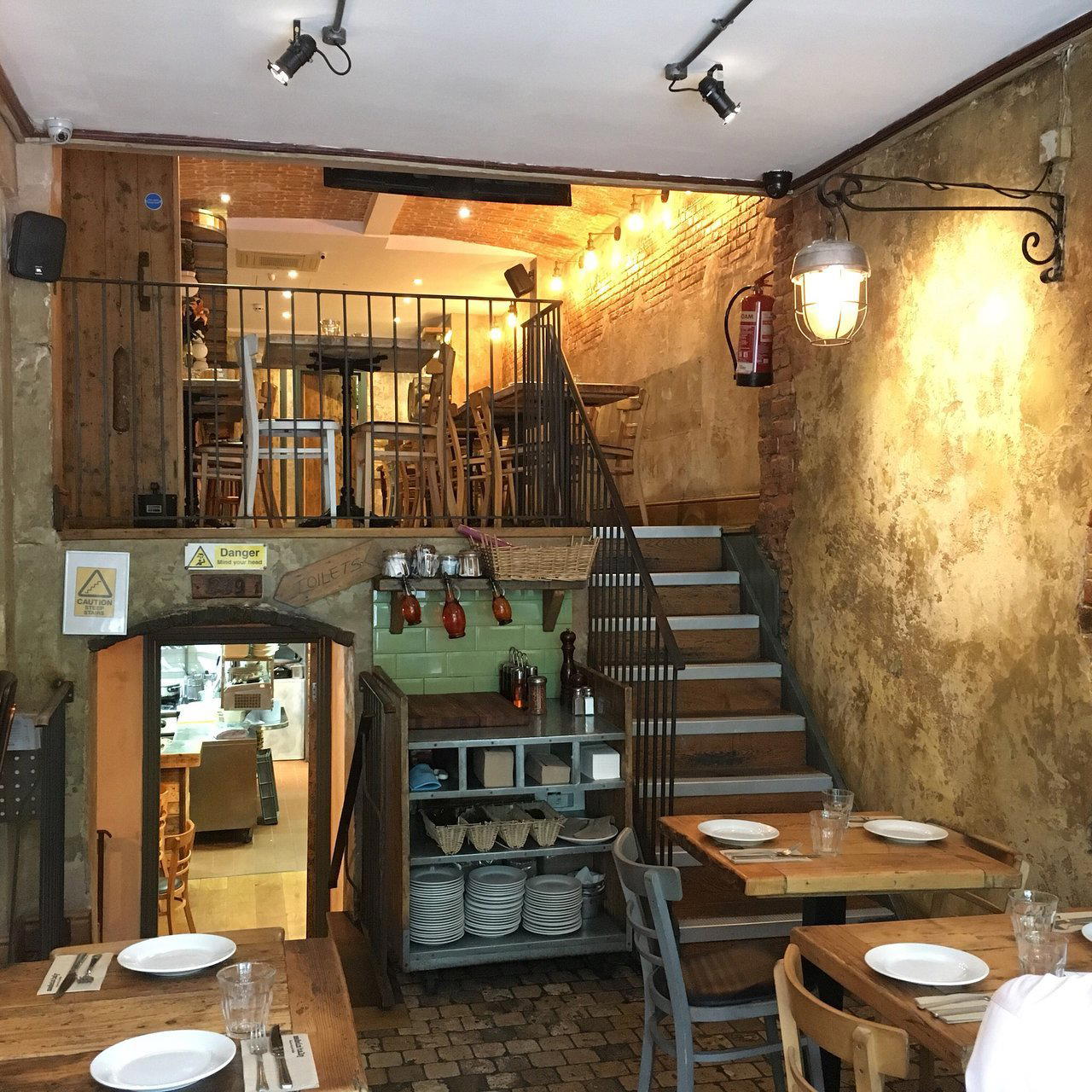
King's Road and the Italian Trattoria Tradition
Chelsea's King's Road has hosted Italian restaurants in various forms since the 1970s, when the neighbourhood's mix of creative and moneyed residents created reliable demand for casual, wine-forward dining. The trattoria format, characterised by shared plates, informal service, and a menu built around regional Italian staples rather than chef-driven innovation, found its natural home here. Made in Italy at 249 King's Road is a Neapolitan pizza restaurant in Chelsea, London, with.
London's Italian restaurant tier has always split between two approaches: the formal, tablecloth-and-Barolo rooms found in Mayfair and the City, and the looser, neighbourhood-oriented trattorias where the emphasis falls on produce and repetition rather than spectacle. King's Road sits firmly in the latter camp. In this context, Made in Italy reads as part of a broader dining tradition rather than an outlier, and its address on one of London's most traversed restaurant streets places it in direct conversation with decades of Italian-inflected hospitality in SW3.
The Sustainability Question in Italian Cooking
Italian cuisine's relationship with environmental sourcing is complicated. On one hand, the tradition runs on localism: the doctrine of chilometro zero, or zero-kilometre sourcing, has been embedded in regional Italian cooking long before sustainability became a marketing framework. On the other, the global appetite for Italian food has created enormous pressure on supply chains, with ingredients like San Marzano tomatoes, Parmigiano-Reggiano, and DOP-designated olive oils frequently travelling thousands of miles to reach the plate.
In London specifically, Italian restaurants operating in the mid-to-upper neighbourhood tier have increasingly found themselves navigating this tension. Credible operators in this space tend to work with UK-based Italian importers who maintain direct relationships with small producers, rather than relying on wholesale distributors who prioritise volume over provenance. This approach, when executed properly, also tends to reduce food-mile exposure while keeping quality consistent across seasons. Whether any specific restaurant carries this through into its kitchen practice depends on supplier relationships that are rarely disclosed publicly, but it is a useful lens through which to assess Italian dining on King's Road.
For a broader view of how London's fine dining rooms have been addressing sourcing questions, venues like CORE by Clare Smyth and The Ledbury have set a high bar in Modern British and Modern European cooking respectively, with sourcing transparency forming part of their editorial identity. The Italian trattoria format rarely operates at that level of public disclosure, but the underlying principles, seasonal menus, ingredient-led cooking, reduced waste through whole-animal and whole-vegetable thinking, are consistent with good Italian kitchen practice.
What to Order and How the Menu Reads
Italian trattoria menus in London tend to follow a recognisable structure: antipasti, primi of pasta and risotto, secondi built around meat or fish, and dolci anchored by panna cotta or tiramisu. The question that separates credible operators from routine ones is how that structure is executed, specifically whether the pasta is made in-house, whether the sourcing of key proteins reflects any deliberate provenance decisions, and whether the wine list engages seriously with Italian regional diversity or defaults to the same half-dozen commercial labels.
Specific dish recommendations cannot be offered responsibly. What can be said is that King's Road restaurants in this tier typically perform leading on the pasta and antipasti courses, where ingredient quality and technique are most directly expressed.
Made in Italy recommends reservations.
Allergy Awareness and Dietary Accommodation
Italian cooking presents specific allergy considerations that are worth addressing directly. Gluten is present in virtually every pasta format, and many Italian sauces use flour as a thickening agent. Dairy appears across antipasti, pasta, risotto, and dessert courses in significant volume. Most London Italian restaurants operating at the neighbourhood level will accommodate requests, but the depth of that accommodation depends on kitchen capacity and advance notice. For guests managing coeliac disease, nut allergies, or other clinical-level restrictions, contacting the restaurant in advance rather than relying on in-the-moment improvisation is the appropriate approach. The restaurant can accommodate dietary requests with advance notice.
Planning Your Visit: Context and Comparisons
The restaurant sits within a city whose high-end dining scene is anchored by venues like Restaurant Gordon Ramsay, Sketch, The Lecture Room and Library, and Dinner by Heston Blumenthal, all operating at the ££££ tier with Michelin recognition and tasting menu formats. The restaurant operates at a casual price tier and is closer to the neighbourhood trattoria model than to those destination dining rooms.
For travellers building a wider UK dining itinerary, EP Club covers acclaimed rooms across the country including Waterside Inn in Bray, L'Enclume in Cartmel, Moor Hall in Aughton, Gidleigh Park in Chagford, Hand and Flowers in Marlow, hide and fox in Saltwood, Midsummer House in Cambridge, Opheem in Birmingham, Ynyshir Hall in Machynlleth, and Restaurant Andrew Fairlie in Auchterarder. Internationally, Le Bernardin in New York City and Lazy Bear in San Francisco represent the kind of benchmark-setting rooms that help calibrate expectations across price tiers.
Cost Snapshot
Comparable venues nearby, for context on price, style, and recognition.
| Venue | Cuisine | Price | Notes |
|---|---|---|---|
| Made in ItalyThis venue — the venue you are viewing | Chelsea, Neapolitan Pizza | $$ | Not listed |
| Il Cucciolo | St Giles, Traditional Italian Trattoria | $$ | Not listed |
| Elephant Hackney | Not listed | $$ | Lower Clapton, Southern Italian Neapolitan Pizzeria |
| Florencio | Not listed | $$ | Marble Arch, Argentinian-Influenced Sourdough Pizza |
| Franco Manca | Not listed | $$ | Brixton, Neapolitan-style Sourdough Pizza |
| Sacro Cuore Pizza | Kensal Rise, Authentic Neapolitan Pizza | $$ | Not listed |
Continue exploring
More in London
Restaurants in London
Browse all →
Bars in London
Browse all →
Hotels in London
Browse all →

At a Glance
- Rustic
- Lively
- Cozy
- Group Dining
- Family
- Casual Hangout
- Terrace
- Street Scene
Current opening hours
- Monday
- 12–10 PM
- Tuesday
- 12–10 PM
- Wednesday
- 12–10 PM
- Thursday
- 12–10 PM
- Friday
- 12–11:30 PM
- Saturday
- 12–11:30 PM
- Sunday
- 12–10 PM
Hours can change for holidays and private events. Last verified .
Genuine Italian ambience with rustic rag-rolled walls, checked tablecloths, terracotta pots, and a lively rooftop terrace for people-watching.