Ma.Dam
Our verdict
Ma. Dam occupies a quietly considered address at 6 Rue Nestor Perret in Clermont-Ferrand, a city whose dining scene has sharpened considerably in recent years. Positioned in a local market where creative and modern cuisine restaurants cluster across multiple price tiers, it draws visitors looking for something more grounded in its surroundings than the city's higher-profile fine-dining rooms.

Pearl is the En Primeur Club membership app — saves, bookings, and concierge access live there. Same editors, same standards.
The menu
What to order
- Snails with black garlic
- Poached egg with Colonnata bacon
- Prime rib for two
Clermont-Ferrand's Sourcing-Driven Dining Scene
France's volcanic heartland does not produce its leading restaurants despite its geography — it produces them because of it. The Auvergne sits at the intersection of some of the country's most distinctive agricultural zones: lentils from Le Puy, Salers and Cantal cattle on high pastures, cheeses that predate appellation law, and market gardens fed by the mineral-rich soils of the Chaîne des Puys. Clermont-Ferrand, as the region's main city, has increasingly become the place where those raw materials get serious kitchen attention. The restaurants that have found traction here in recent years are, almost without exception, the ones that treat regional sourcing as a structural commitment rather than a menu footnote.
Ma. Dam, at 6 Rue Nestor Perret, sits within that context. The address is residential in character, the kind of street that makes first-time visitors pause before committing — a reliable signal, in French provincial dining, that the room is not funded by tourist foot traffic. What draws people here is the cooking itself, and what anchors the cooking is an evident attention to where the ingredients come from.
What the Address Tells You
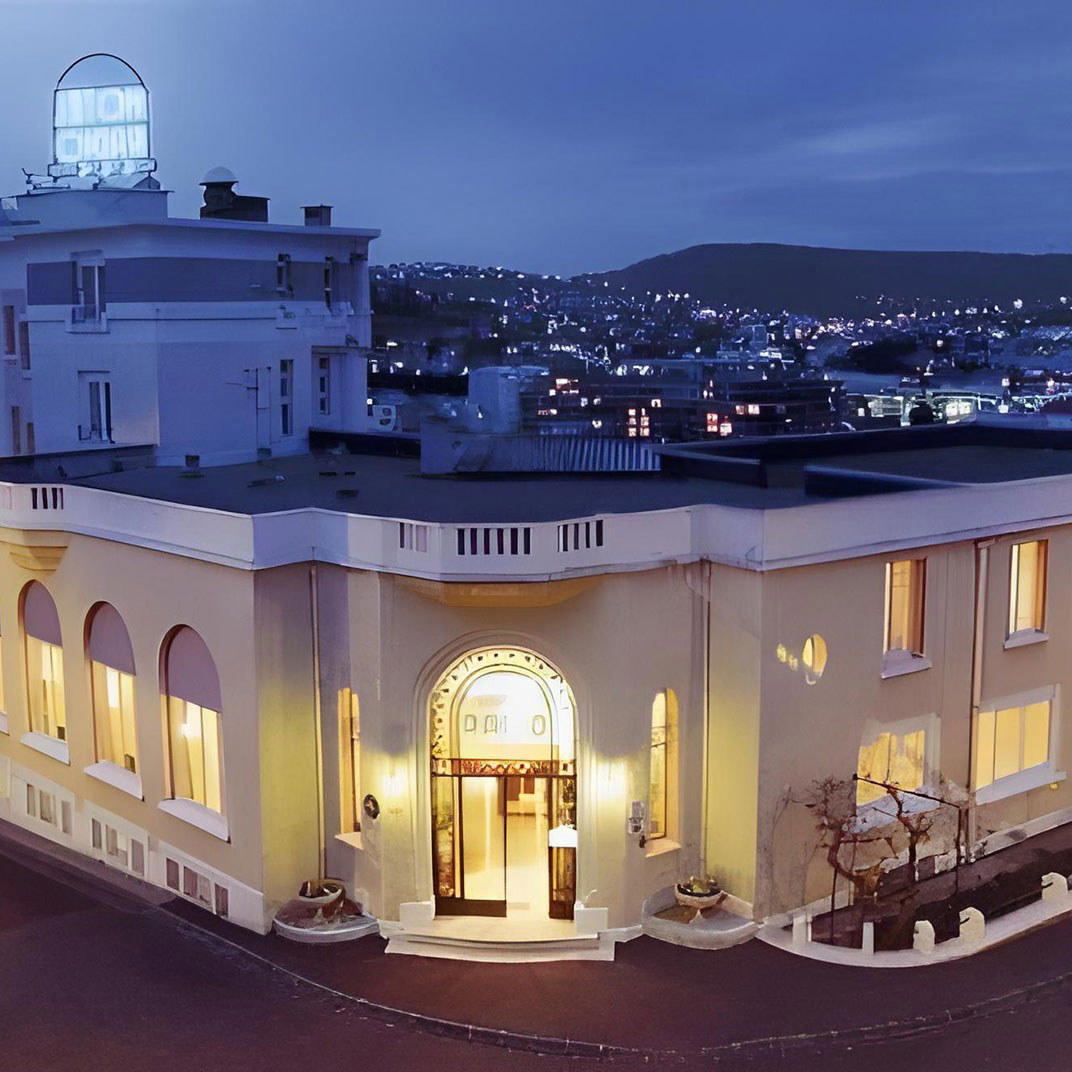
Approaching Rue Nestor Perret, the built environment is domestic and low-key. Clermont-Ferrand's darker volcanic stone, the same dark basalt that defines the city's cathedral and older quarters, gives the neighbourhood a particular texture, warm in afternoon light, cooler and more austere at dusk. Small restaurants that choose streets like this are usually making a deliberate calculation: lower rents, a clientele that seeks rather than stumbles, and the freedom to cook without the pressure of volume turnover that higher-footfall locations impose.
Within Clermont-Ferrand's broader dining structure, the city spans a genuine range. At the high end, Le Pré - Xavier Beaudiment operates at the creative, €€€€ tier, alongside Apicius and Jean-Claude Leclerc, both positioned in modern cuisine at that same price point. L'Ostal and Amphitryon Capucine round out a scene that, for a city of its size, carries more serious culinary ambition than France's capital-centric food press typically acknowledges. Ma. Dam occupies a distinct position in this structure, a room operating below the top-tier price bracket but above the casual end, where ingredient decisions carry real weight and kitchen discipline shows in the details.
Ingredient Logic in an Auvergne Context
The broader argument for Auvergne as a sourcing region is not sentimental. It is agricultural. Few parts of France offer the combination of protected-designation dairy, high-altitude grazed meat, and heirloom vegetable production that this region provides within a short supply radius of the city. The lentilles vertes du Puy hold AOC status, France's most rigorous agricultural certification. Cantal cheese, one of the oldest in the country, is produced within the department. Salers beef, grazed on volcanic grassland at altitude, carries its own designation.
This is the tradition that France's most committed regional tables have worked within for decades. Michel Bras's kitchen at Bras in Laguiole, a short distance south, built an international reputation largely on the argument that a specific landscape could generate cooking of genuine distinction. Flocons de Sel in Megève makes a comparable case for Alpine sourcing. The principle is the same whether applied to the Massif Central or the Mediterranean fringe, as Mirazur in Menton demonstrates. Ma. Dam operates within that same logic at a more immediate, neighbourhood scale.
Placing Ma. Dam in French Dining Perspective
France's restaurant hierarchy at the very leading, tables like Alléno Paris au Pavillon Ledoyen, Troisgros in Ouches, or Paul Bocuse's Auberge du Pont de Collonges, defines the national benchmark. Institutional tables like Auberge de l'Ill in Illhaeusern, Assiette Champenoise in Reims, and Au Crocodile in Strasbourg sustain the regional fine-dining tradition in cities where dining culture is deeply embedded. Clermont-Ferrand has historically operated outside this circuit, its serious tables underreported relative to quality. That is beginning to shift. When restaurants in a city are being measured against international peers, as the output of kitchens like AM par Alexandre Mazzia in Marseille invites, the city gains critical visibility. Ma. Dam occupies a position in Clermont-Ferrand's scene where that broader visibility stands to benefit it as the city's dining profile grows.
For international visitors with reference points closer to, say, Le Bernardin in New York City or the Korean-inflected tasting menus at Atomix, Ma. Dam is not a destination in the same tier. It is, instead, the kind of address that defines what a city's dining culture actually looks like on a Tuesday evening, specific, considered, and grounded in its own place.
Planning a Visit
Clermont-Ferrand is reachable by TGV from Paris Gare de Lyon in approximately three hours, making it a viable short-break destination for those combining it with the Auvergne volcanic parks or a circuit of the region's other serious tables. The city's dining scene is compact enough that a two-night stay covers its key addresses without pressure. For Ma. Dam specifically, given the limited capacity that small rooms on residential streets typically operate at, planning two to three weeks ahead is a practical baseline, more during regional event periods or summer months when visitor numbers in the Auvergne increase. As specific hours and booking channels are best confirmed directly with the venue, checking current contact information via local directories or reservation platforms before travelling is advisable. See the full Clermont-Ferrand restaurants guide for a broader view of the city's dining options across all price tiers.
Frequently asked questions
Is Ma. Dam suitable for children?
Ma. Dam sits on Rue Nestor Perret in a low-key residential corner of Clermont-Ferrand, suggesting an intimate dining format rather than a casual family room. The sourcing-driven approach and considered setting point toward adult-oriented meals where the kitchen's ingredient logic is part of the experience. Families with older, food-curious children may find it worthwhile, but it is not positioned as a child-friendly venue.
What kind of setting is Ma. Dam?
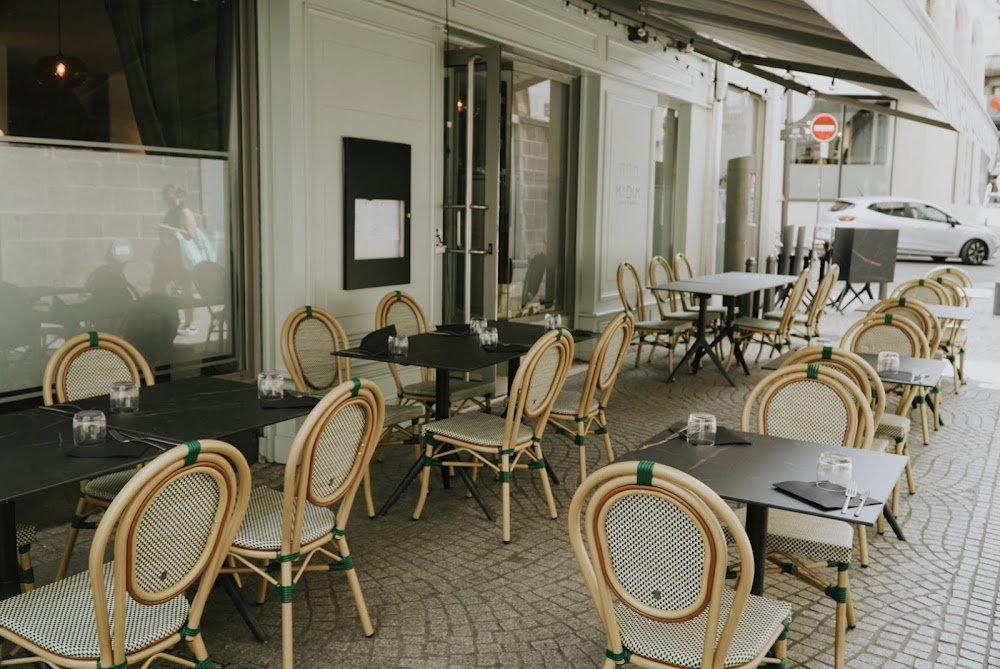
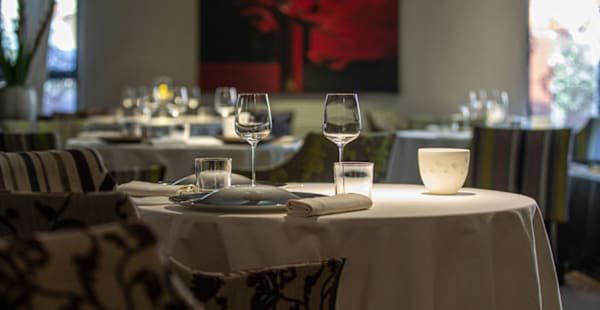
The address on Rue Nestor Perret places Ma. Dam in a domestic, low-key stretch of Clermont-Ferrand built from the city's characteristic dark basalt stone. Expect a room that reflects the understated register of the neighbourhood rather than the theatrical interiors of larger French cities. The setting reinforces the venue's sourcing-led identity: the environment is contextual, not decorative.
Why do serious French food travelers make a detour to Clermont-Ferrand for Ma. Dam?
Clermont-Ferrand sits at the centre of the Auvergne, one of France's most agriculturally distinctive regions, where volcanic soils, high-altitude pastures, and a tight network of small producers create a sourcing pool that urban restaurants cannot replicate. Ma. Dam at 6 Rue Nestor Perret draws directly on that supply chain, offering a style of cuisine that is place-specific in a way that Paris or Lyon tables rarely achieve. For travelers already oriented toward ingredient-led French cooking, the TGV connection from Paris makes the trip logistically straightforward.
What should I eat at Ma. Dam?
Ma. Dam's cooking is grounded in the agricultural logic of the Auvergne, a region that offers protected-designation ingredients from volcanic pastures and highland farms few other parts of France can match. The kitchen works from that supply chain outward, meaning the menu follows season and source rather than a fixed signature dish. Arriving with a preference for ingredient-led, regionally anchored French cooking is the right orientation.
What part of town is Ma. Dam in?
Ma. Dam is located at 6 Rue Nestor Perret, 63000 Clermont-Ferrand, France, Clermont-Ferrand.
How far ahead should I plan for Ma. Dam?
Clermont-Ferrand is approximately three hours from Paris Gare de Lyon by TGV, making it accessible as a short-break destination. For a sourcing-driven restaurant of this profile in a city without a deep bench of comparable tables, booking in advance is advisable — particularly for weekend service. Contacting the venue directly for current reservation windows is the most reliable approach, as no public booking data is available.
At-a-Glance Comparison
Comparable venues nearby, for context on price, style, and recognition.
| Venue | Cuisine | Price | Awards | Notes |
|---|---|---|---|---|
| Ma. DamThis venue — the venue you are viewing | Modern French Bistronomy | $50–100 | Not listed | Not listed |
| La Rivière des Parfums | Authentic Vietnamese | $10–20 | Not listed | Centre-ville |
| La Régalade | Traditional French Bistro | $30–50 | Star Wine List | Place de Jaude |
| Le Chardonnay | Modern French Bistronomy | $30–50 | Michelin Bib Gourmand | centre historique |
| En/Vie | Bistronomic French with Local Seasonal Produce | $30–50 | Not listed | old center |
| Le Grand Écart | Traditional French Brasserie | Not listed | Not listed | Ballainvilliers |
Continue exploring
More in Clermont-Ferrand
Restaurants in Clermont-Ferrand
All restaurants in Clermont-Ferrand →
Bars in Clermont-Ferrand
Browse all →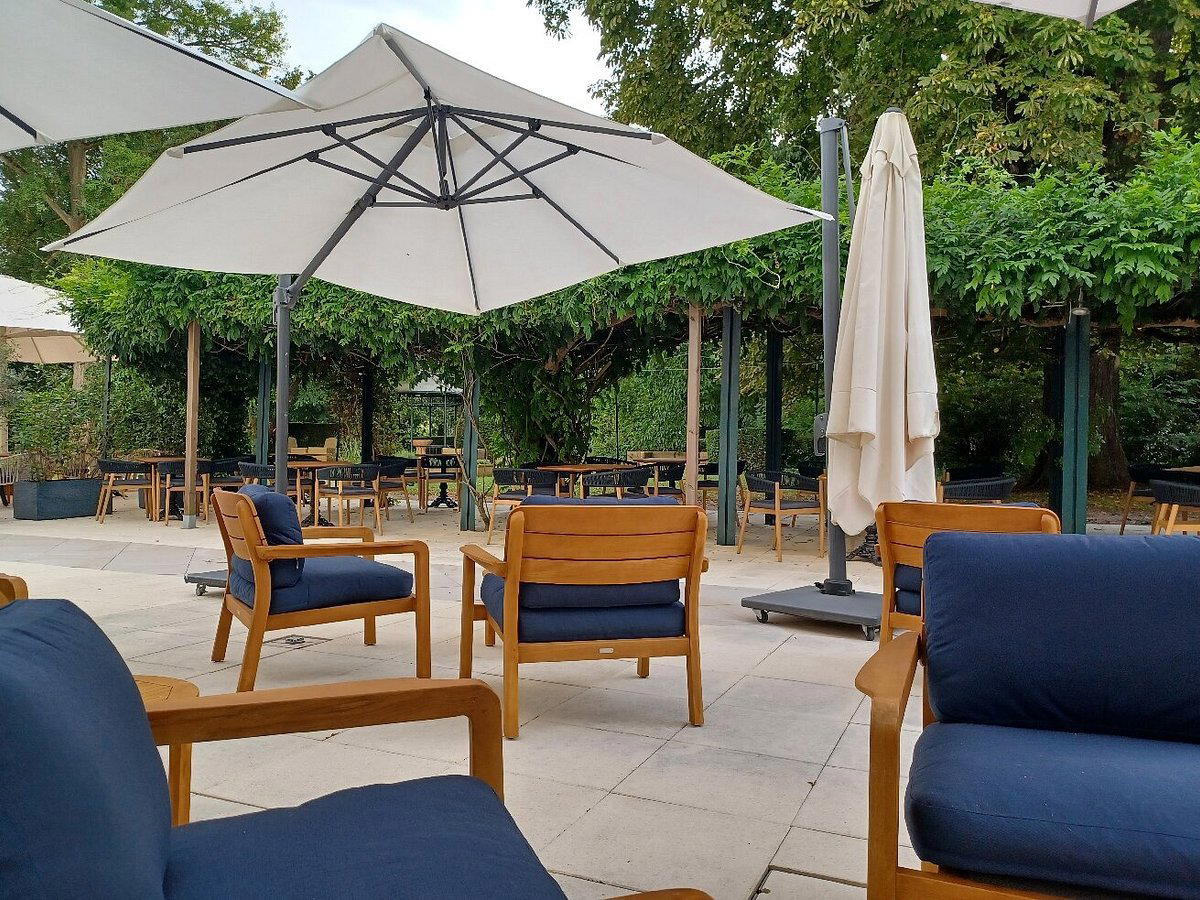
Details
- Modern
- Cozy
- Trendy
- Date Night
- Casual Hangout
- Open Kitchen
- Local Sourcing
- Small Plates
- A La Carte
Current opening hours
- Monday
- Closed
- Tuesday
- 12–2 PM, 7–10 PM
- Wednesday
- 12–2 PM, 7–10 PM
- Thursday
- 12–2 PM, 7–10 PM
- Friday
- 12–2 PM, 7–10 PM
- Saturday
- 12–2 PM, 7–10 PM
- Sunday
- Closed
Hours can change for holidays and private events. Last verified .
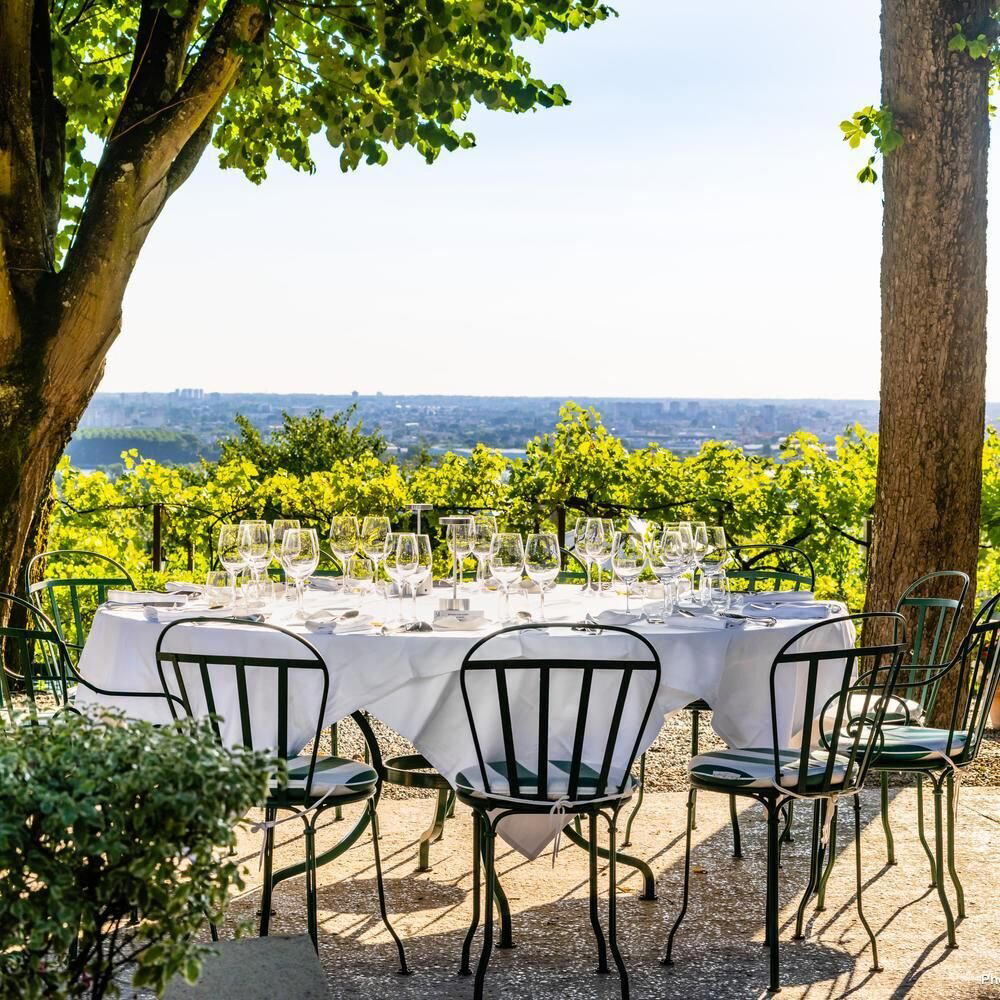
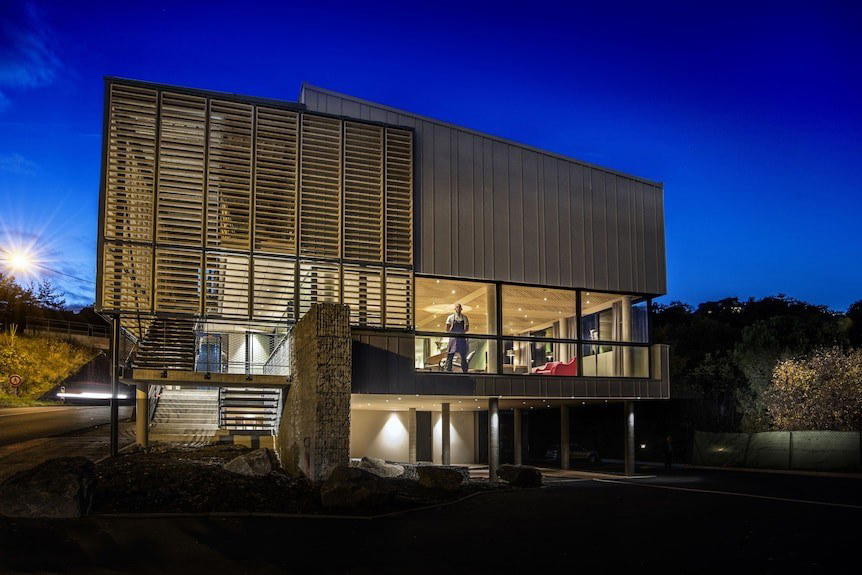
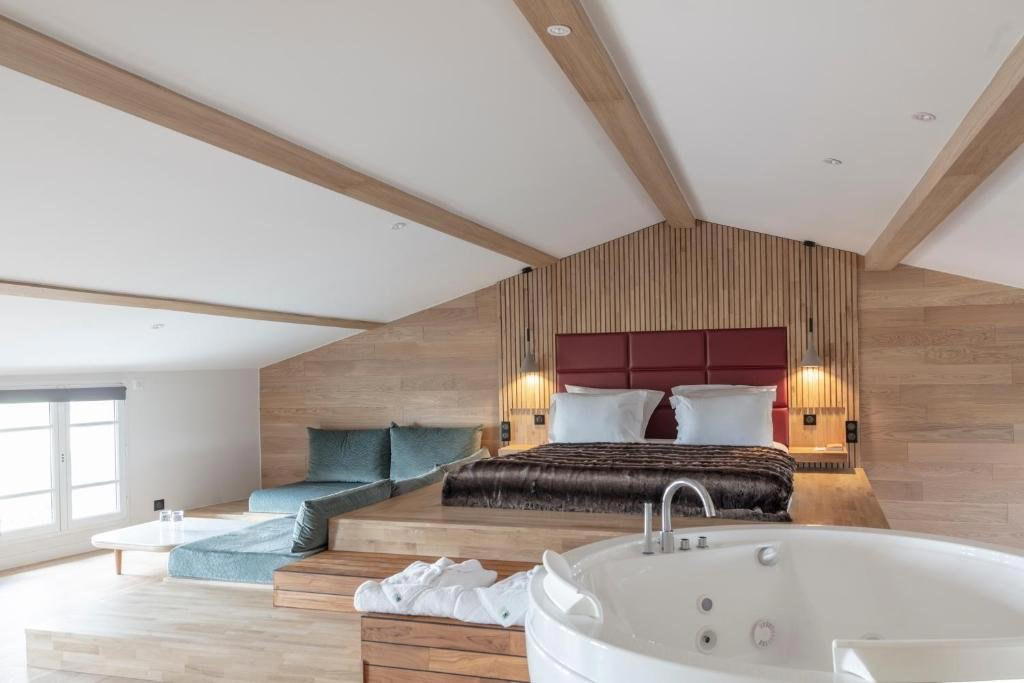
Contemporary uncluttered setting in natural tones of wood and stone.