Le Grand Écart
Le Grand Écart occupies a considered address on Rue Ballainvilliers in central Clermont-Ferrand, a city whose dining scene has grown quietly serious without attracting the international visibility its regional cooking warrants. Positioned within a comparable set that includes several ambitious modern French tables, it offers a point of entry into what Clermont's restaurants do when they stop apologising for not being Paris.
Pearl is the En Primeur Club membership app — saves, bookings, and concierge access live there. Same editors, same standards.
- Address
- 25 Rue Ballainvilliers, 63000 Clermont-Ferrand, France
- Phone
- +33981460948
- Directions
- Get directions
 Saves & bookings on Pearl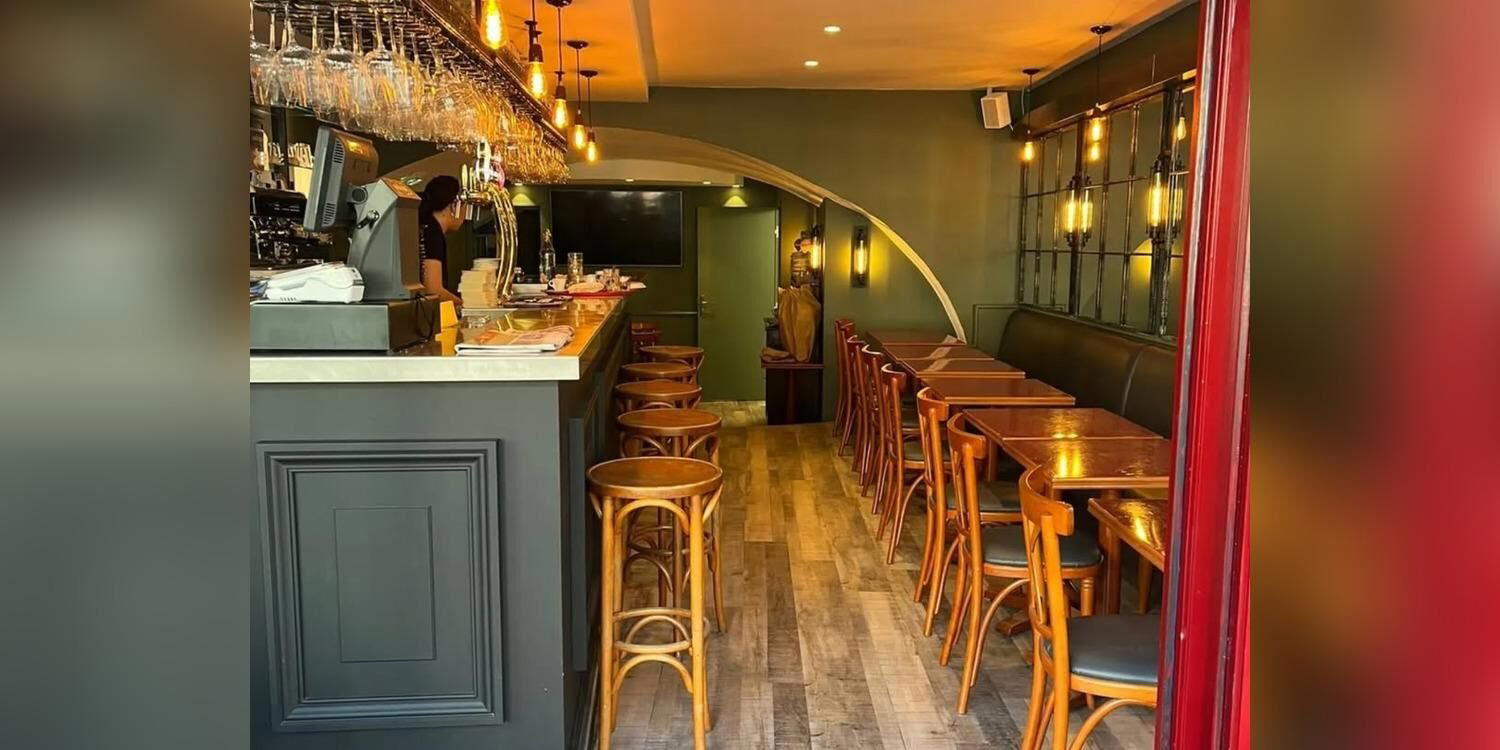
A Street That Earns Its Reputation Quietly
Rue Ballainvilliers sits in the older residential core of Clermont-Ferrand, a short walk from the volcanic-stone facade of the cathedral and the daily theatre of Place de Jaude. The street itself is the kind of address that rewards pedestrians over drivers: narrow, shaded in parts, with the particular texture of a French provincial city that built its character from basalt rather than limestone. Arriving at number 25, you are in a part of town where serious dining and neighbourhood life share the same pavement without either side making a great show of it. That is, in itself, a reasonable summary of what Clermont-Ferrand does with its restaurant scene.
The city occupies an unusual position in the French culinary hierarchy. It is not Lyon, which has turned its gastronomic identity into a marketing operation of considerable scale. It is not Bordeaux or Strasbourg, cities whose restaurant cultures are amplified by wine tourism and cross-border foot traffic. Clermont sits in the Auvergne, a region associated more with lentils, aged cheeses, and charcuterie than with the kind of refined modern cooking that attracts critical attention from Paris or abroad. That gap between what the region produces and how it has historically been perceived is precisely the space in which a restaurant like Le Grand Écart operates.
Clermont's Dining Tier and Where This Address Fits
The Clermont-Ferrand restaurant scene has matured enough to produce a clear internal hierarchy. At the leading sits Le Pré - Xavier Beaudiment, a creative tasting-menu house operating at the €€€€ tier with a reputation that reaches beyond Auvergne. Alongside it, Apicius and Jean-Claude Leclerc both run modern cuisine programs at the same price level, forming a small but coherent upper bracket. Below that tier, L'Ostal and Amphitryon Capucine represent the more accessible end of serious cooking in the city.
Le Grand Écart on Rue Ballainvilliers enters this conversation at an address with genuine neighbourhood credentials. The positioning here matters: a central Clermont address is not the same as a destination dining room accessed by car from a business hotel. It is a place you walk to, or arrive at from the cathedral district, with the city's basalt geometry as your approach rather than a car park. That changes the register of the meal before you have sat down.
The Massif Central and its surrounding regions have produced tables with sustained international recognition: Bras in Laguiole is the obvious point of reference for a deeply rooted, terroir-led approach; Troisgros - Le Bois sans Feuilles in Ouches represents a different lineage of French classical cooking pushed into the contemporary. Further afield, Flocons de Sel in Megève and Auberge de l'Ill in Illhaeusern show how deeply provincial France can anchor world-level ambition without relocating to a capital. In that company, Clermont's dining ambition reads as undervalued rather than absent.
The Neighbourhood as Context for the Meal
The Ballainvilliers address places Le Grand Écart in a specific urban zone that is neither tourist corridor nor remote local secret. The cathedral quarter draws visitors to Clermont, and the volcanic-stone architecture gives the city a visual identity unlike anywhere else in France. Black basalt used for facades and paving creates a streetscape that is sober, slightly austere, and entirely its own. Dining within walking distance of that environment carries a particular weight: the city is not performing its heritage for outsiders, and neither, in this part of town, are its restaurants.
Auvergne's culinary identity, when treated seriously rather than folklorically, has more to offer than its reputation suggests. The region's cheeses, particularly Salers and Cantal, are aged products with genuine complexity. Its pork preparations, its lentils from Le Puy, and its volcanic-soil produce form a larder that can support ambitious cooking without reaching for imported luxury ingredients. The restaurants that have done most with this tradition, from Bras's gargouillou to the produce-led programs at the city's modern tables, tend to work with the landscape rather than against it. That approach is the regional norm that any serious address on Rue Ballainvilliers would be expected to reflect.
For visitors arriving in Clermont specifically to eat, the city is compact enough that the cathedral, the market at Place Saint-Pierre, and the main restaurant addresses are all within a short walk of each other. The practical logic of dining on Rue Ballainvilliers is that it fits naturally into a day spent in the central city rather than requiring a dedicated expedition. That is a logistical advantage that larger or more dispersed French dining cities cannot always offer.
France's wider fine dining geography, from Mirazur in Menton to Alléno Paris au Pavillon Ledoyen and AM par Alexandre Mazzia in Marseille, continues to disperse away from Paris as regional cooking accumulates critical mass. Clermont's trajectory fits that pattern. Internationally, the contrast is visible too: Le Bernardin in New York City and Atomix in New York City represent a different mode of urban fine dining entirely, one built around destination visibility and international clientele. Clermont operates on the opposite premise: its restaurants serve a city that eats well without needing external validation to do so.
Planning Your Visit
Clermont-Ferrand is served by a regional airport with connections to Paris Orly and a small number of European cities, though most visitors arrive by TGV from Paris Gare de Lyon, a journey of approximately three hours. The address at 25 Rue Ballainvilliers is in the central city and walkable from the main train station in around fifteen minutes. Le Grand Écart is open Monday to Wednesday from 7 AM to 1 AM, Thursday to Saturday from 7 AM to 2 AM, and is closed on Sunday. Reservations are recommended. The city's dining room sizes at the serious end of the market tend to be modest, so advance planning is sensible regardless of the season. For comparable addresses with fuller booking data in the French provinces, Assiette Champenoise in Reims and Au Crocodile in Strasbourg offer useful reference points for how regional French tables at this level manage reservations and format.
The Quick Read
Comparable venues nearby, for context on price, style, and recognition.
| Venue | Cuisine | Price | Notes |
|---|---|---|---|
| Le Grand ÉcartThis venue — the venue you are viewing | Not listed | $$ | Not listed |
| En/Vie | Not listed | $$ | old center, Bistronomic French with Local Seasonal Produce |
| Mouffu | Mouffu, Traditional French Bistro | $$ | Not listed |
| Dadino Pizze | Historic Center, Neapolitan Pizzeria | $$ | Not listed |
| L'Instantané | Not listed | $$ | quartier des galeristes (art gallery district), Contemporary French Bistro |
| Amphitryon Capucine | city center, Gastronomic French Regional | $$$ | Not listed |
Continue exploring
More in Clermont-Ferrand
Restaurants in Clermont-Ferrand
Browse all →
At a Glance
- Lively
- Casual
- Bohemian
- After Work
- Group Dining
- Celebration
- Casual Hangout
- Live Music
- Terrace
Current opening hours
- Monday
- 7 AM–1 AM
- Tuesday
- 7 AM–1 AM
- Wednesday
- 7 AM–1 AM
- Thursday
- 7 AM–2 AM
- Friday
- 7 AM–2 AM
- Saturday
- 7 AM–2 AM
- Sunday
- Closed
Hours can change for holidays and private events. Last verified .