

Macarfi 7.4 Food Rating · We're Smart World 2 Radishes
Our verdict
Inside Valencia's Mercado de Colón, Ma Khin Café draws a direct line between Levantine cooking and Burmese heritage, producing a fusion kitchen where vegetables carry the same weight as any protein. The menu reads as a family story as much as a restaurant concept, with the Anderson family's Burmese roots shaping every plate. It is one of the more distinct premises in the Ensanche dining circuit.

Pearl is the En Primeur Club membership app — saves, bookings, and concierge access live there. Same editors, same standards.
- Address
- Mercado de Colón, Carrer de Jorge Juan, 19, Ensanche, 46004 València, Valencia, Spain
- Phone
- +34 963 52 81 32
- Hours
- Mon–Thu 1–4 PM, 7–10 PMFri–Sat 1–4 PM, 7–10:30 PMSun 1–4 PM
- Website
- makhin.es
- Directions
- Get directions
- Booking
- Book on CoverManager
The menu
What to order
- Ma Khin cheesecake
- Burmese ginger salad
- Green curry mussels
Where a Market Address Meets a Burmese Kitchen
The Mercado de Colón is one of Valencia's most recognisable market buildings, a late 19th-century modernist structure on Carrer de Jorge Juan in the Ensanche district that has cycled through various food and leisure configurations without ever losing its architectural pull. The market format, at its finest, provides a kind of borrowed legitimacy for the restaurants inside it: foot traffic from a civic institution, a sense of permanence. Ma Khin Café occupies that address and does something almost counterintuitive with it. Where the building is quintessentially Valencian, the kitchen looks east, to Burma, filtering Southeast Asian flavour logic through a Mediterranean pantry in ways that are not obvious from the outside.
Across Valencia's Ensanche, the dominant restaurant formats run toward considered Spanish cooking, wine-driven neighbourhood spots like Entrevins, or address-led modern propositions such as Anyora and Bouet.
The Menu as a Family Archive
The editorial angle that leading explains Ma Khin Café is not geographic fusion in the abstract, but something more specific: a menu built from inheritance. Owner Steve Anderson's Burmese family heritage is the structural logic behind every section of the card. That is a different kind of menu architecture from the chef-as-auteur model that drives much of Spain's premium restaurant conversation, from El Celler de Can Roca in Girona to DiverXO in Madrid. Here, the organising principle is genealogical rather than technical. The dishes exist to transmit a story, not to demonstrate a repertoire of techniques.
That distinction changes how you read the menu. Dishes are not arranged to showcase classical progression or signal a price tier. They are arranged around a set of flavour traditions that carry cultural weight before they carry gastronomic ambition. Burmese cooking relies on fermented pastes, aromatic layering, and a treatment of vegetables that gives plant matter equal standing with protein, and that logic runs through the kitchen here. The vegetable-forward approach is not a menu trend applied from outside; it is an inherited position.
The book reference in the venue's own framing is worth taking seriously. Anderson's Burmese family heritage has been documented in published form, which means the story behind the menu is verifiable and textured in ways that most restaurants with a heritage angle are not. Reading that context before arriving does change the register in which the food lands, as the venue itself suggests. It is the difference between eating a dish and understanding the household it came from.
Fusion That Has a Specific Address
Fusion cooking in Spain has often meant a vague international gesture rather than a precise cultural claim. The restaurants that have made cross-cultural work cohere at a high level, from Arzak in San Sebastián to Azurmendi in Larrabetzu, do so by anchoring the foreign reference inside a very particular local identity. Ma Khin Café applies a version of that logic on a smaller, more personal scale. The fusion here is Valencia-to-Burma, not Mediterranean-to-Asia in the general sense. The Valencian pantry, its produce, its citrus, its rice culture, provides the local anchor; the Burmese framework provides the aromatic and structural logic.
That specificity matters. Valencia already has a serious produce-driven restaurant culture, with coastal kitchens like Barraca Toni Montoliu and Ca' Pepico that take the Mediterranean larder as a starting point. Ma Khin Café operates from a different premise but shares the underlying respect for ingredient quality that defines the better end of Valencian dining. The difference is in what happens to those ingredients once the kitchen takes over: the aromatic profiles shift, the spicing moves away from olive oil and saffron toward fermented and fragrant Southeast Asian registers.
For context outside Spain, the combination of rigorous sourcing and a specific cultural inheritance recalls what the better end of New Orleans cooking has always done, connecting a local larder to a layered cultural past, as restaurants like Emeril's in New Orleans demonstrate in their own register. The parallel is loose but the structural logic is similar: provenance as the frame, not just the pantry.
Vegetables With a Structural Role
The vegetable programme at Ma Khin Café reflects something important about Burmese culinary logic that distinguishes it from most European kitchen hierarchies. In the Burmese tradition, vegetables are not the default choice for those avoiding meat; they are an independent category with their own techniques, their own dressings, and their own claim on the diner's attention. A salad in the Burmese sense, dressed with fermented ingredients, fried shallots, and roasted seeds, carries more flavour architecture than the term suggests in a European context.
This is not simply a restaurant that accommodates vegetarians. It is a kitchen where the vegetable-forward menu is structurally coherent in its own right, drawing on a tradition that treats plant matter with the same granular attention that French-trained kitchens give to protein. The distinction is meaningful for a city like Valencia, which has a strong horticultural identity but where restaurant menus still tend to treat vegetables as supporting cast.
Planning a Visit
Ma Khin Café operates from its address inside the Mercado de Colón, on Carrer de Jorge Juan 19 in the Ensanche, a neighbourhood that is walkable from the city centre and well-connected across Valencia's broader dining circuit. The Mercado de Colón is a destination in its own right, so arriving with time to take in the building before sitting down is worthwhile. Booking policy and current hours are best confirmed directly, as market-based restaurants sometimes operate on tighter or more variable schedules than standalone addresses. For readers building a broader Valencia itinerary, our full Valencia restaurants guide covers the range from neighbourhood staples to the city's more formal options, and the associated guides for bars, hotels, wineries, and experiences fill out the city picture further. If the broader Spanish dining context is relevant, the EP Club editorial covers everything from Aponiente in El Puerto de Santa María to Cocina Hermanos Torres in Barcelona, along with international reference points such as Le Bernardin in New York City.
Frequently asked questions
Does Ma Khin Café have a Michelin star or similar recognition?
Ma Khin Café has received recognition including: Ma Khin Café is all about heritage, this one from owner Steve Anderson's family and Burma. This fusion kitchen more than lives up to its name, Valencia x Burma with some Asian perfumes making sure you never leave the table disappointed. And….
Where is Ma Khin Café located?
Ma Khin Café is located at Mercado de Colón, Carrer de Jorge Juan, 19, Ensanche, 46004 València, Valencia, Spain, Valencia.
What do people recommend at Ma Khin Café?
The vegetable dishes are the clearest expression of what Ma Khin Café does differently — they draw on Burmese culinary logic where vegetables hold a structural rather than supporting role, and the kitchen gives them equal weight alongside any protein on the menu. Owner Steve Anderson's family story underpins the menu, and the café even has a companion book that adds context to the dishes. Reading it before you visit sharpens the experience considerably.
Is Ma Khin Café reservation-only?
Ma Khin Café operates from inside the Mercado de Colón on Carrer de Jorge Juan 19 in Valencia's Ensanche district — a working civic building with its own foot traffic, which means walk-ins are a practical possibility. That said, the kitchen's reputation for Burmese-heritage cooking means demand can be consistent, so checking ahead before a specific visit is a sensible precaution.
Recognition, Side-by-Side
Comparable venues nearby, for context on price, style, and recognition.
| Venue | Cuisine | Price | Awards | Notes |
|---|---|---|---|---|
| Ma Khin CaféThis venue — the venue you are viewing | Asian Fusion with Burmese Influences | $30–50 | Macarfi 7.4 Food Rating · We're Smart World 2 Radishes | Not listed |
| Haku | Italian-Japanese Fusion Omakase | $50–100 | Michelin Plate · Macarfi 8 Food Rating | La Gran Via |
| Bouet | Mediterranean-Asian Fusion | $30–50 | Macarfi 7.5 Food Rating · We're Smart World 3 Radishes | Russafa |
| Barraca Toni Montoliu | Traditional Valencian Paella | $30–50 | Macarfi 7 Food Rating · We're Smart World 3 Radishes | Meliana |
| Kathmandu Cánovas Indian Nepali Cuisine | Indian Nepali Cuisine | $20–30 | Not listed | La Gran Via |
| Vertical | Modern European | Not listed | Wine Spectator Best of Award of Excellence | València |
Recognition history
Dated appearances from independent guides and award organizations, with the underlying list record or original source where available.
Macarfi 7.4 Food Rating
Macarfi
We're Smart World 2 Radishes
We're Smart World
Continue exploring
More in València
Restaurants in València
Browse all →
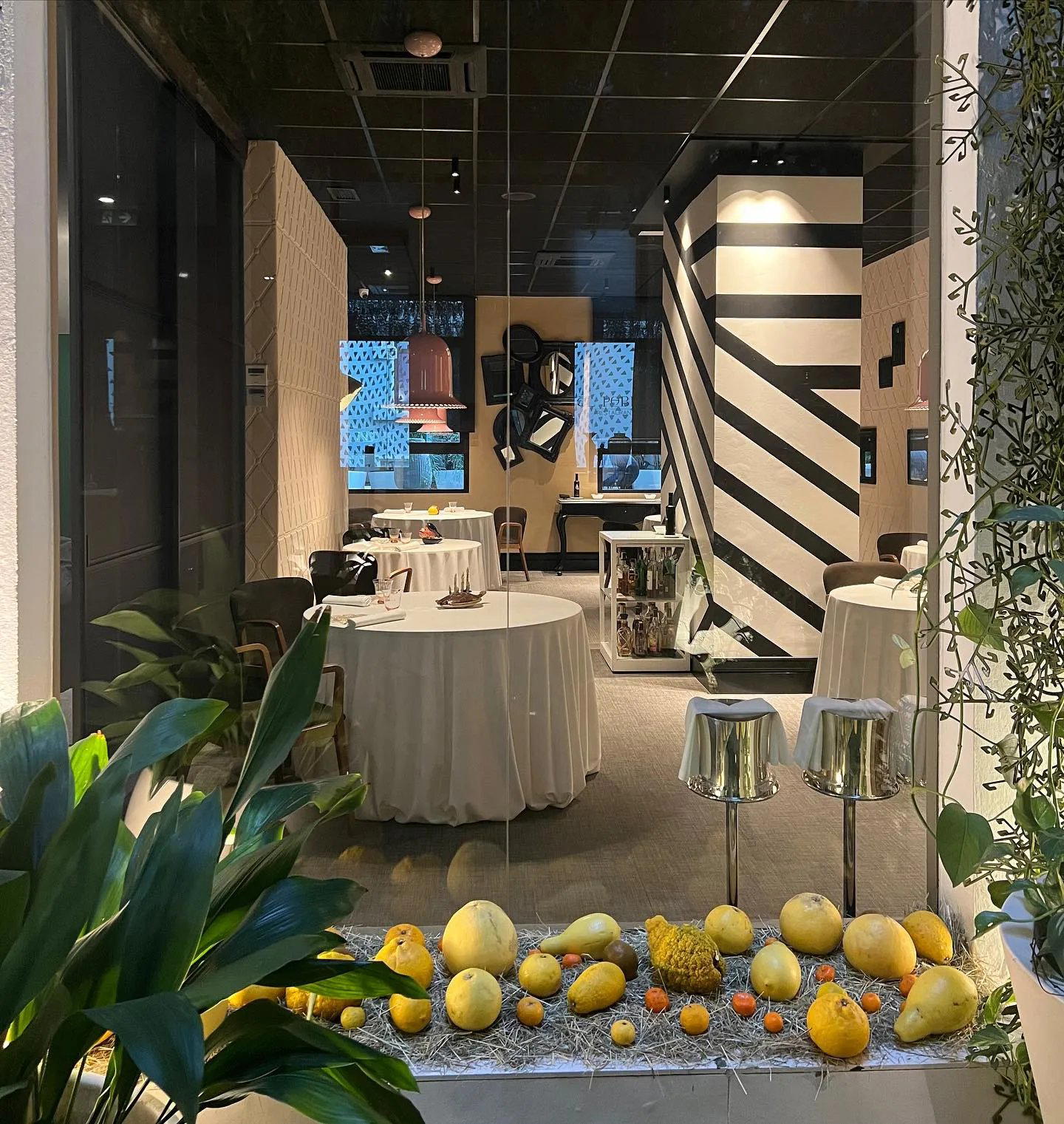
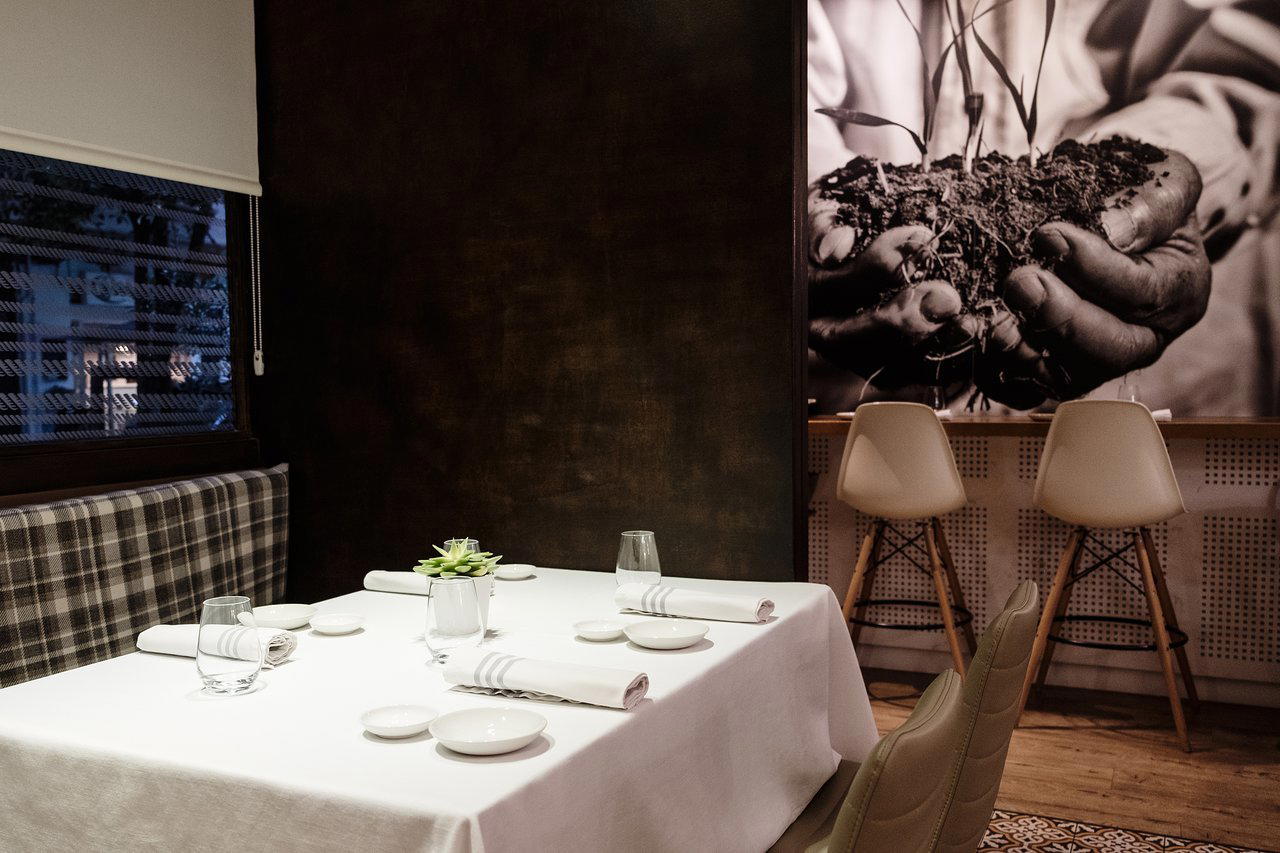
Bars in València
Browse all →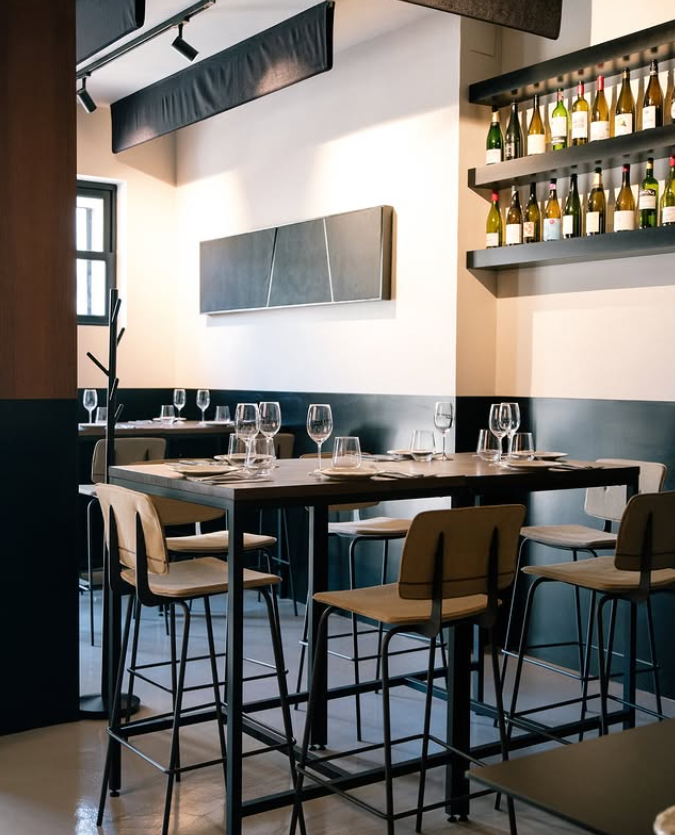
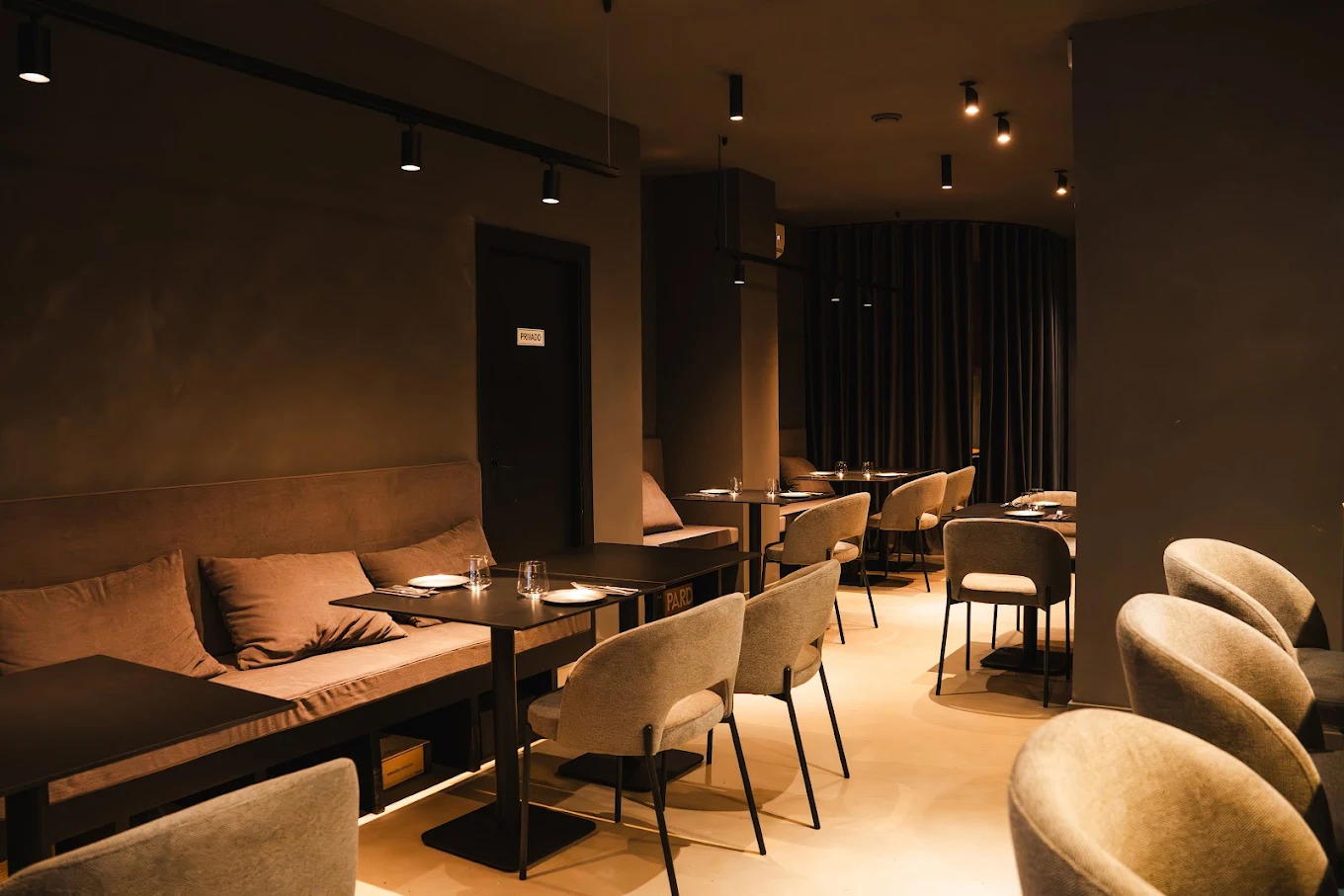
Hotels in València
Browse all →
Wineries in València
Browse all →
Details
- Cozy
- Modern
- Elegant
- Date Night
- Casual Hangout
- Open Kitchen
- Local Sourcing
- A La Carte
- Set Menu
- Small Plates
- Vegetarian Friendly
- Vegan Options
- Gluten Free Options
Current opening hours
- Monday
- 1–4 PM, 7–10 PM
- Tuesday
- 1–4 PM, 7–10 PM
- Wednesday
- 1–4 PM, 7–10 PM
- Thursday
- 1–4 PM, 7–10 PM
- Friday
- 1–4 PM, 7–10:30 PM
- Saturday
- 1–4 PM, 7–10:30 PM
- Sunday
- 1–4 PM
Hours can change for holidays and private events. Last verified .
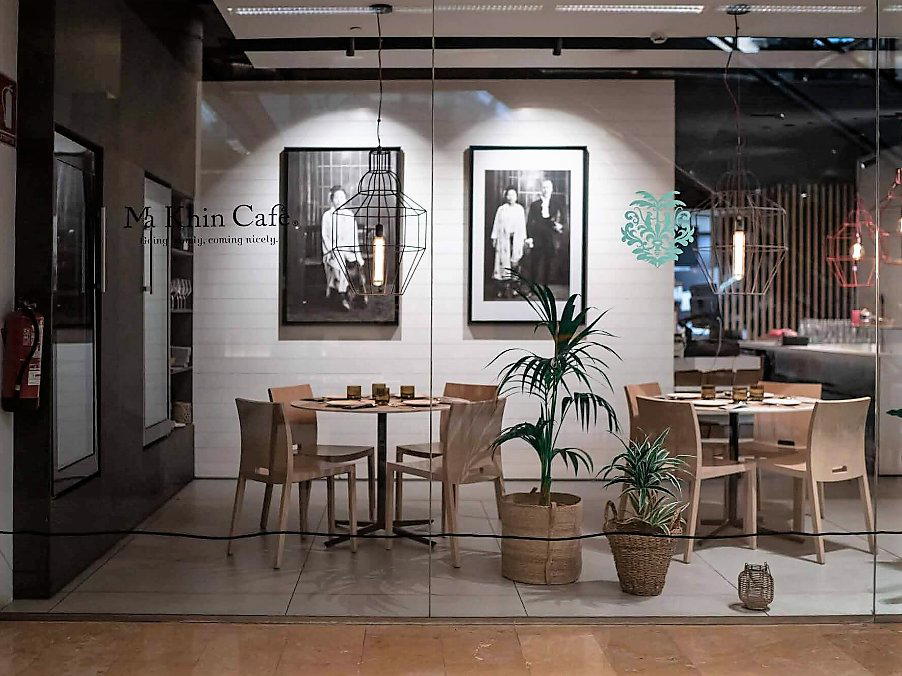
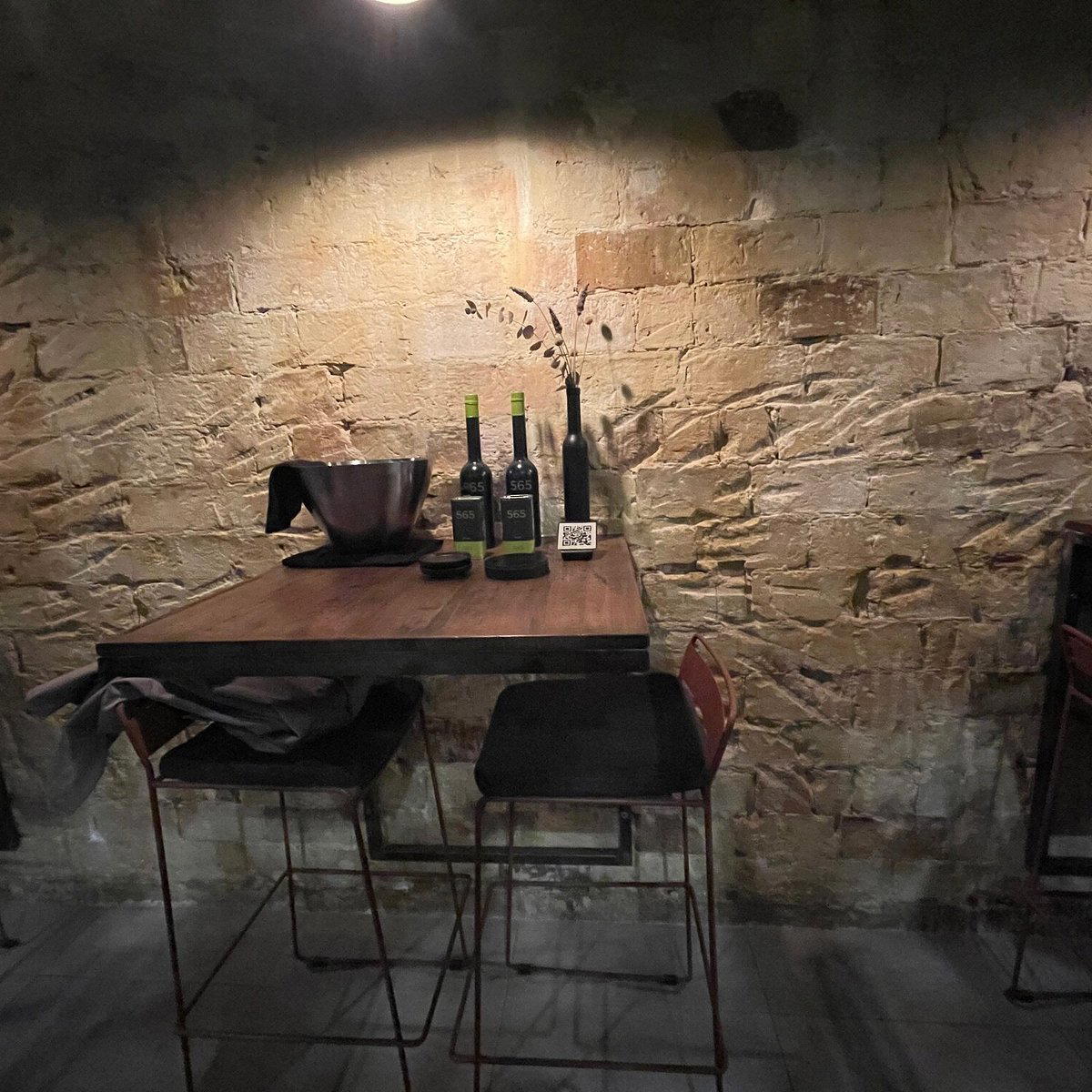
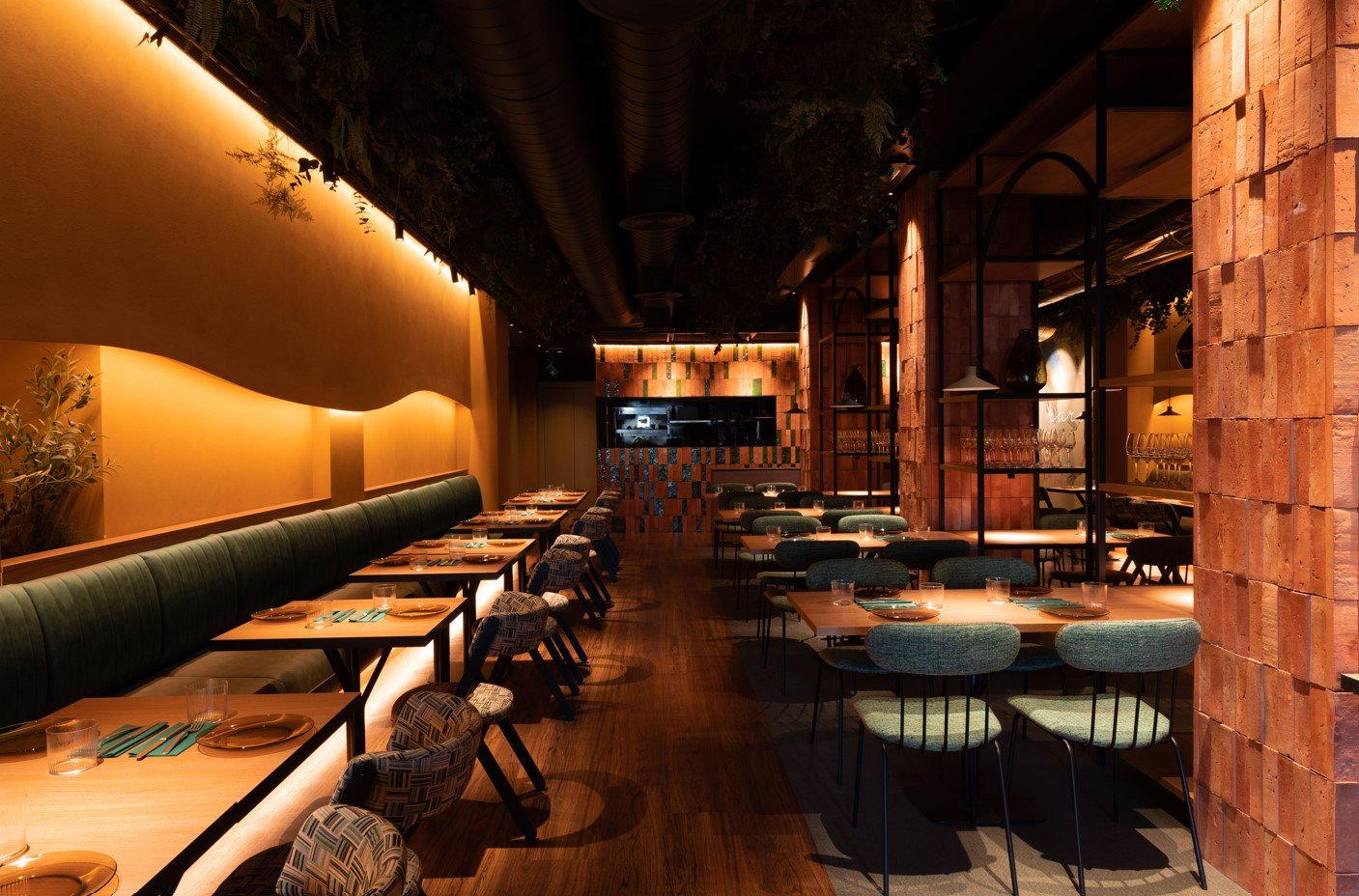
Sober, classy Asian decor with open kitchen, cozy and relaxing atmosphere under professional lighting.