

Macarfi 7.5 Food Rating · We're Smart World 3 Radishes
Our verdict
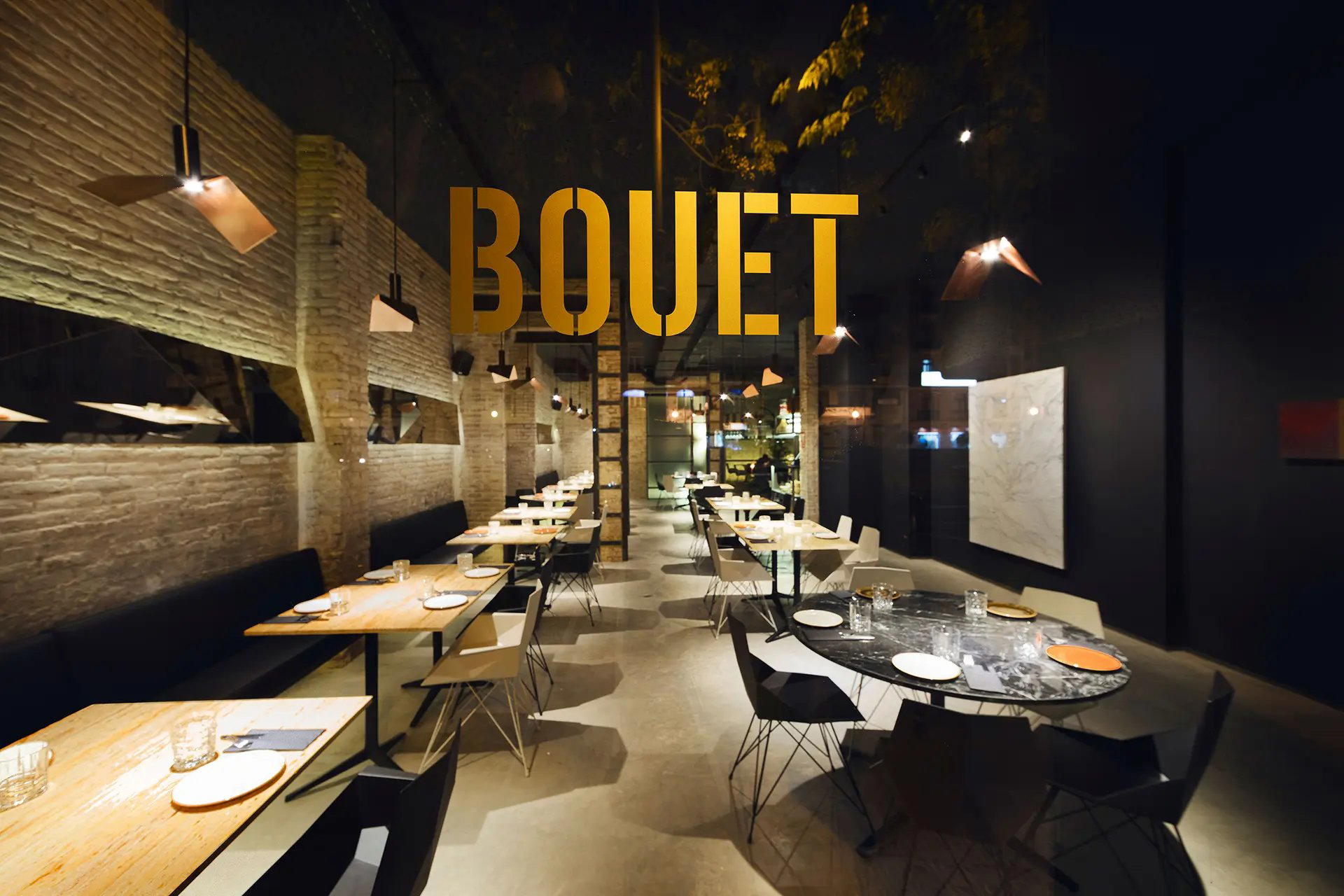
A working restaurant in Valencia's L'Eixample district that operates with the confidence of a place that doesn't need to perform for the room. Bouet reads as contemporary without the self-consciousness, with a menu that gives vegetables serious billing while remaining firmly in the territory of food meant to be eaten, not studied. The address on Gran Via de les Germanies puts it inside a neighbourhood with strong local trade rather than tourist flow.

Pearl is the En Primeur Club membership app, where members save venues, book tables and use the concierge.
The menu
What to order
- Cheesecake
- Pad Thai with shiitake and prawns
- Satay chicken
- Beef with ginger and spicy peppers
The Feel of a Restaurant That Has Something to Prove to Nobody
Gran Via de les Germanies runs through Valencia's L'Eixample with the low-key confidence of a district that outgrew its need for novelty some years ago. The streets here are wide, the buildings early twentieth century, and the restaurants serve people who live nearby rather than people consulting a list. Bouet, at number 34, sits inside that logic. Walk past and it reads as a place in motion: not staged for the passerby, but operating at the pace of a kitchen that has bookings to fill and a service to run. That distinction matters in a city that has increasingly learned to perform for outside attention.
The description that has attached itself to Bouet speaks to something specific: the dynamics of a real catering business. In Spanish food culture, that phrase carries weight. It implies a kitchen working at volume with intent, where produce moves fast, menus respond to what arrived that morning, and the energy in the room comes from actual trade rather than atmosphere engineering. Valencia's leading neighbourhood restaurants have always operated this way, and Bouet fits that pattern.
Where the Produce Comes From and Why That Shapes the Menu
Valencia is one of the most agriculturally significant regions in Spain. The huerta valenciana, the flat market-garden land surrounding the city, has supplied urban kitchens for centuries with produce grown at a density and freshness that few European cities can claim. Artichokes, broad beans, peppers, tomatoes, and the rice varieties that underpin Valencian cooking all move from field to market to kitchen with a speed that reshapes what a menu can do. Restaurants that position themselves within that supply chain rather than around imported prestige ingredients tend to price more honestly and cook more seasonally, because the ingredients themselves set the terms.
Bouet's vegetable programme signals that this is a kitchen paying attention to that supply. A wide-ranging selection of vegetable dishes, described as dishes meant to be enjoyed rather than merely sampled, suggests produce treated as a main event rather than a supporting category. In the current context of Spanish cooking, that is worth noting carefully: many restaurants have added vegetable courses as a gesture toward contemporary taste, but left the underlying logic of the menu untouched. A kitchen where vegetables sit inside a genuinely wide range, alongside the rest of a contemporary offer, implies a different kind of sourcing commitment. The chef is buying from suppliers who make that range possible, and building dishes from what arrives rather than from a fixed repertoire.
Valencia's proximity to both coastal supply and inland agricultural zones gives any attentive kitchen a broader palette than most cities can access. Restaurants like Anyora and Flores Raras each work within this supply geography in different registers. Ca' Pepico approaches the coastal side of Valencian produce with its own logic, while Barraca Toni Montoliu operates in the paella tradition tied directly to the lagoon and rice-growing territory south of the city. Entrevins approaches Valencian wine and food pairings from a different angle.
Contemporary Without the Self-Consciousness
The word contemporary in Spanish restaurant contexts has been stretched in several directions simultaneously over the past decade. At one end, it signals the kind of technique-forward cooking associated with the generation of Spanish kitchens that followed the molecular era, restaurants like DiverXO in Madrid or El Celler de Can Roca in Girona, where contemporary implies transformation and invention. At another end, it has become a catch-all for any restaurant that has updated its interior and reduced the font size on its menu. The middle ground, where contemporary means attentive and unshowy rather than either retro or theatrical, is where the most reliable daily cooking tends to happen in cities like Valencia.
Bouet appears to occupy that middle ground. The description of wide range and right vibes points to a kitchen and room that function together without friction: a menu broad enough to satisfy a varied table, an atmosphere that supports rather than dominates the meal. This is not an easy register to sustain. It requires consistent sourcing, a team comfortable running at volume, and a menu calibrated for repeat visitors as much as first-timers. Spain's most durable neighbourhood restaurants, from the side-street bodegas of Barcelona's Gràcia to the worker-lunch institutions of Madrid's Lavapiés, have always depended on exactly this combination.
For context on how contemporary Spanish cooking has developed at higher price points and starred levels, the kitchens of Arzak in San Sebastián, Azurmendi in Larrabetzu, Aponiente in El Puerto de Santa María, and Cocina Hermanos Torres in Barcelona each represent distinct trajectories. Bouet operates at none of those registers. Its reference points are closer, more local, and more concerned with the everyday rhythms of a city neighbourhood than with the choreography of a destination meal.
Planning a Visit
Bouet sits at Gran Via de les Germanies, 34, in Valencia's L'Eixample, a district well-served by public transport and walkable from the city centre. The neighbourhood draws a local clientele and operates at a working pace, which means tables turn and the room functions as a restaurant rather than an event space. Given the all-day momentum implied by the venue's description, arriving without a reservation on a busy evening carries risk; confirming ahead is advisable. For a broader view of where Bouet sits within Valencia's restaurant scene, our full Valencia restaurants guide maps the city's dining options across price points and neighbourhoods. The Valencia bars guide, hotels guide, wineries guide, and experiences guide round out the picture for visitors planning more than a single meal.
Frequently asked questions
What kind of recognition has Bouet received?
Bouet has received recognition including: Here you can feel the dynamics of a real catering business. Contemporary, wide range and the right vibes. A nice selection of vegetable dishes, but always meant to be enjoyed.
What's Bouet's location?
Bouet is located at Gran Via de les Germanies, 34, L'Eixample, 46006 València, Valencia, Spain, Valencia.
What should I eat at Bouet?
The vegetable dishes are the clearest expression of what Bouet is doing. The kitchen draws on Valencia's huerta valenciana, so the produce-led plates reflect what's in season rather than a fixed identity. That said, the menu is broad enough that non-vegetable options sit alongside without feeling like afterthoughts.
Is Bouet reservation-only?
Given the restaurant's described dynamics as a working catering operation with genuine local footfall, contacting the venue directly before visiting is advisable, particularly for evening sittings.
What's Bouet best at?
Observers of the Valencia dining scene point to Bouet's ability to feel like a functioning restaurant rather than a concept project, contemporary in approach without the self-consciousness that often accompanies that label. The vegetable selection is specifically noted as a strength, and the overall range keeps the menu from feeling narrow.
Can Bouet handle vegetarian requests?
Yes. The vegetable dishes at Bouet are described as a deliberate and considered part of the menu, not a token concession. Valencia's agricultural output, the huerta surrounding the city, gives the kitchen access to produce that makes plant-focused cooking a genuine option rather than an accommodation.
How does Bouet fit into Valencia's contemporary restaurant scene?
Bouet operates in L'Eixample, a district that has developed a coherent dining identity without relying on tourist-facing novelty. The restaurant's described atmosphere, real catering dynamics, a wide-ranging menu, and a vegetable focus intended for enjoyment rather than statement, places it closer to the working end of Valencia's contemporary dining conversation than the performative end. For a city with one of Spain's most significant agricultural hinterlands, that positioning makes practical sense.
Side-by-Side Snapshot
Comparable venues nearby, for context on price, style, and recognition.
| Venue | Cuisine | Price | Awards | Notes |
|---|---|---|---|---|
| BouetThis venue (the venue you are viewing) | Mediterranean-Asian Fusion | $30–50 | Macarfi 7.5 Food Rating · We're Smart World 3 Radishes | Not listed |
| F’lix Chaqu’s | Creative Seasonal Mediterranean Tasting | $50–100 | We're Smart World 2 Radishes | El Carme |
| Canalla Bistro by Ricard Camarena | Modern Fusion Bistro | $30–50 | Macarfi 7.2 Food Rating · We're Smart World 2 Radishes | Russafa |
| Anyora | Traditional Spanish Tapas Bodega | $20–30 | Star Wine List · Macarfi 7 Food Rating | Cabanyal-Canyamelar |
| La Pepica | Traditional Valencian Paella | $20–30 | Macarfi 7.2 Food Rating | Cabanyal-Canyamelar |
| Somos Raro | Modern Mediterranean Fusion | $30–50 | Star Wine List · Macarfi 7.2 Food Rating | Exposicio |
Recognition history
Dated appearances from independent guides and award organizations, with the underlying list record or original source where available.
Macarfi 7.5 Food Rating
Macarfi
We're Smart World 3 Radishes
We're Smart World
Continue exploring
More in València
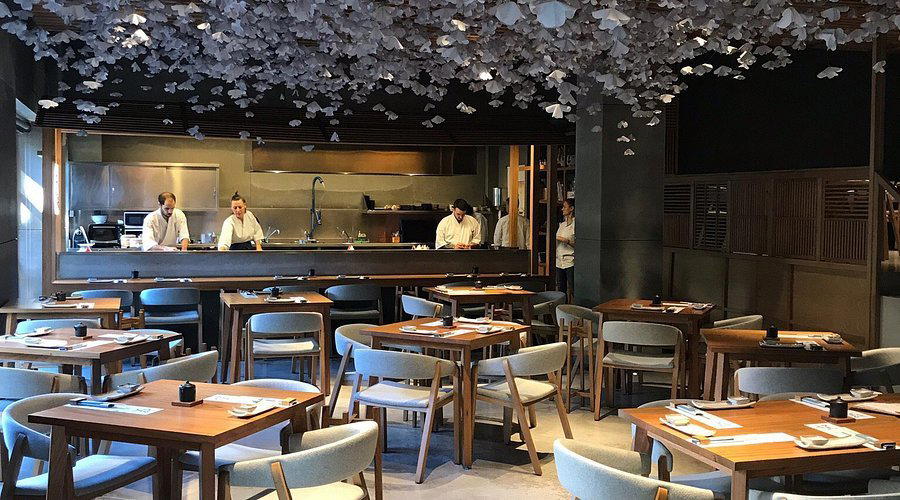
Restaurants in València
All restaurants in València →
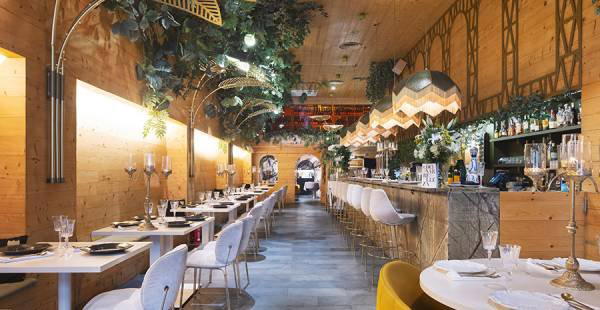
Bars in València
All bars in València →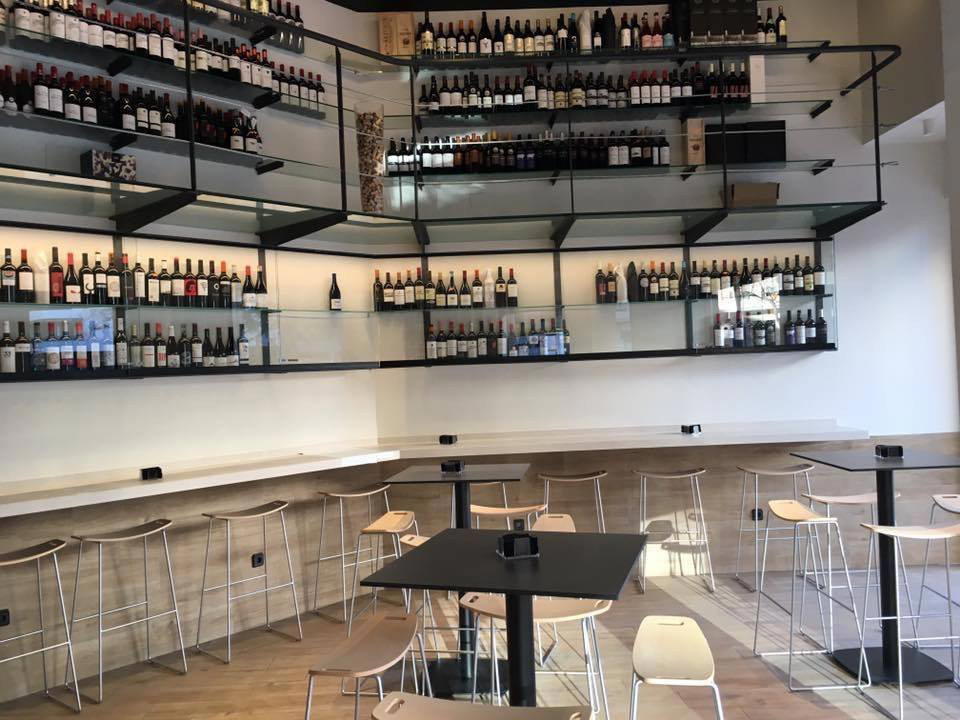
Hotels in València
All hotels in València →
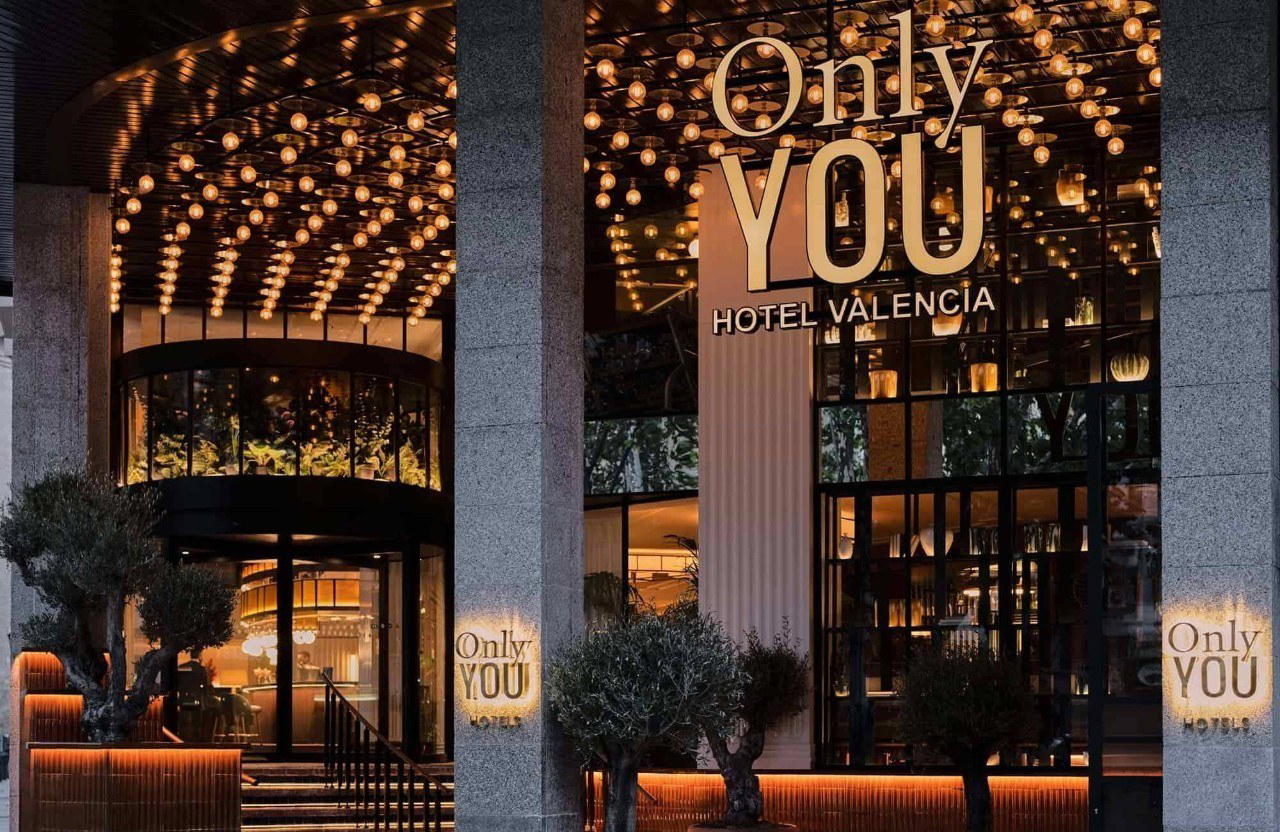
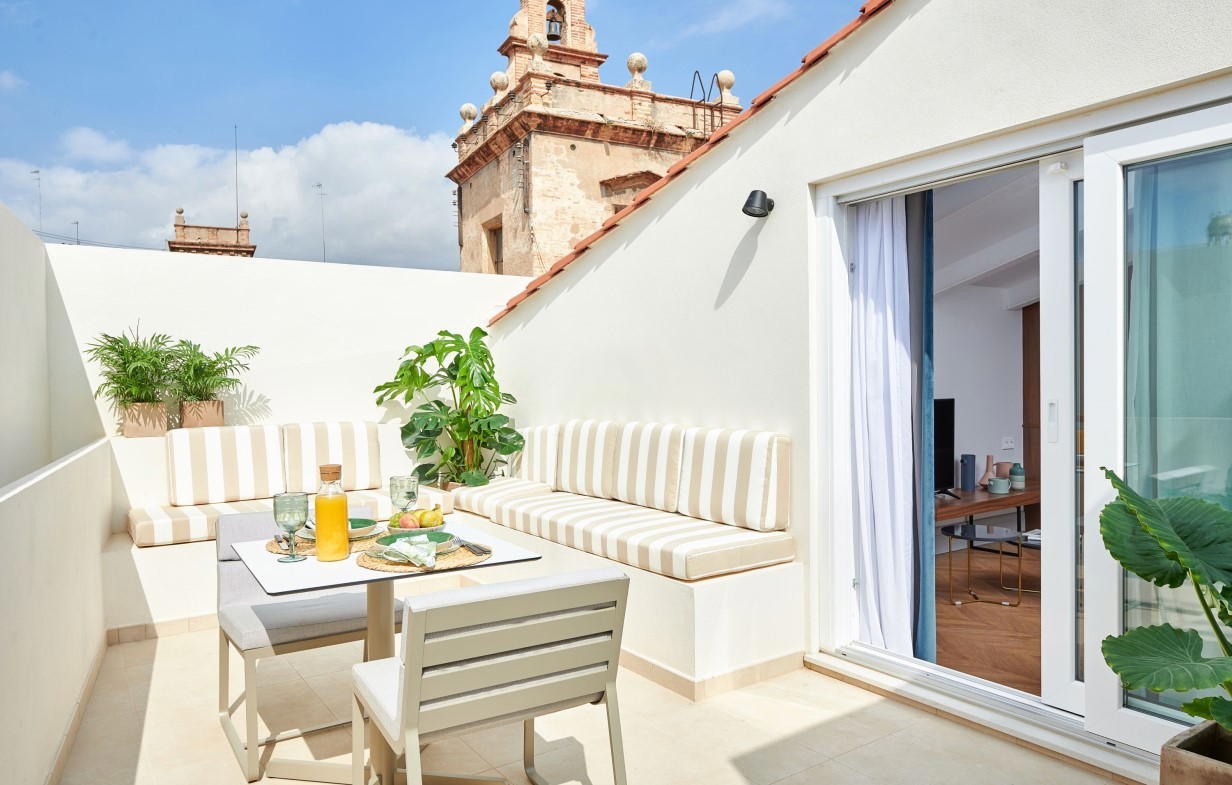

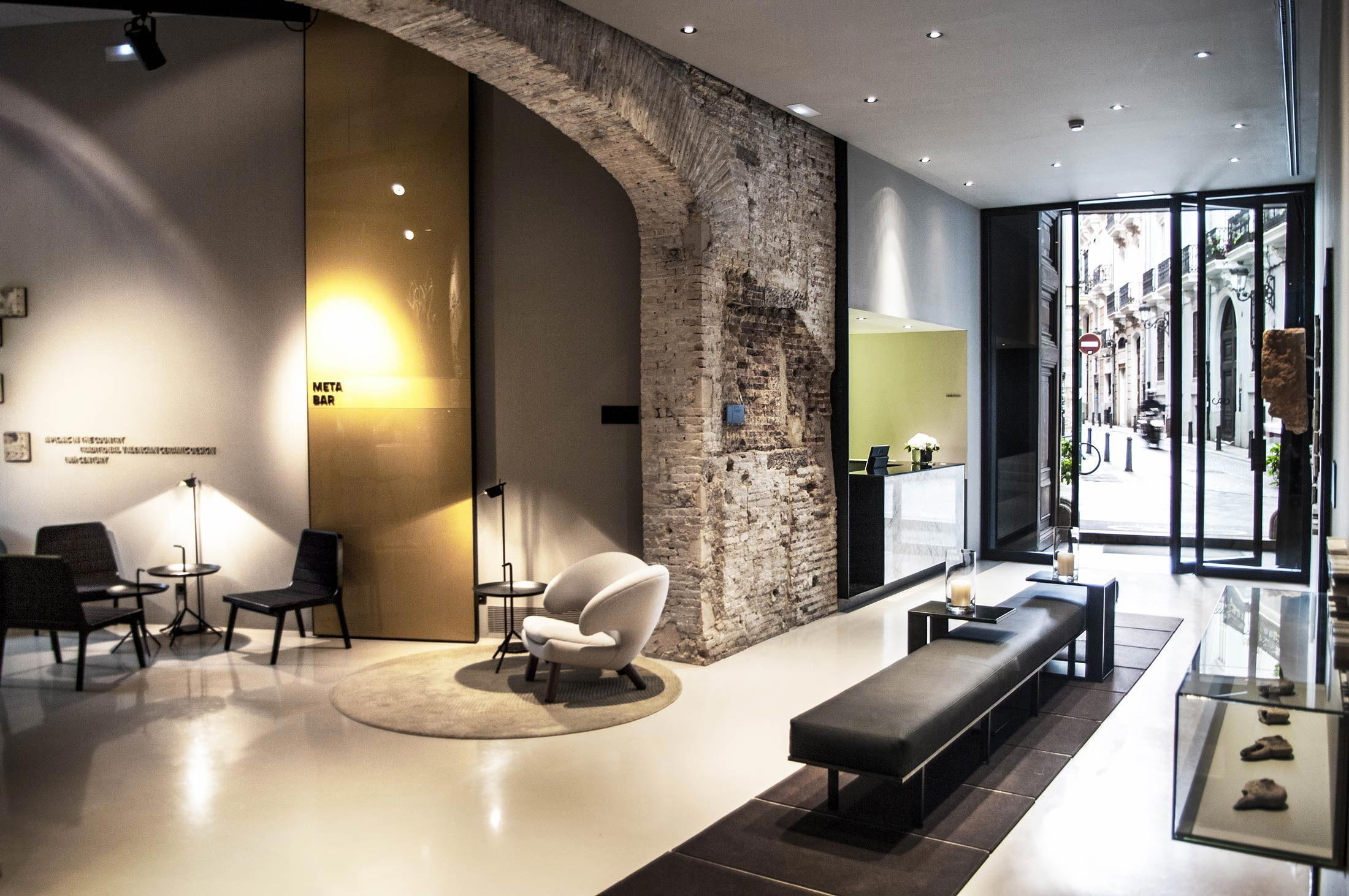
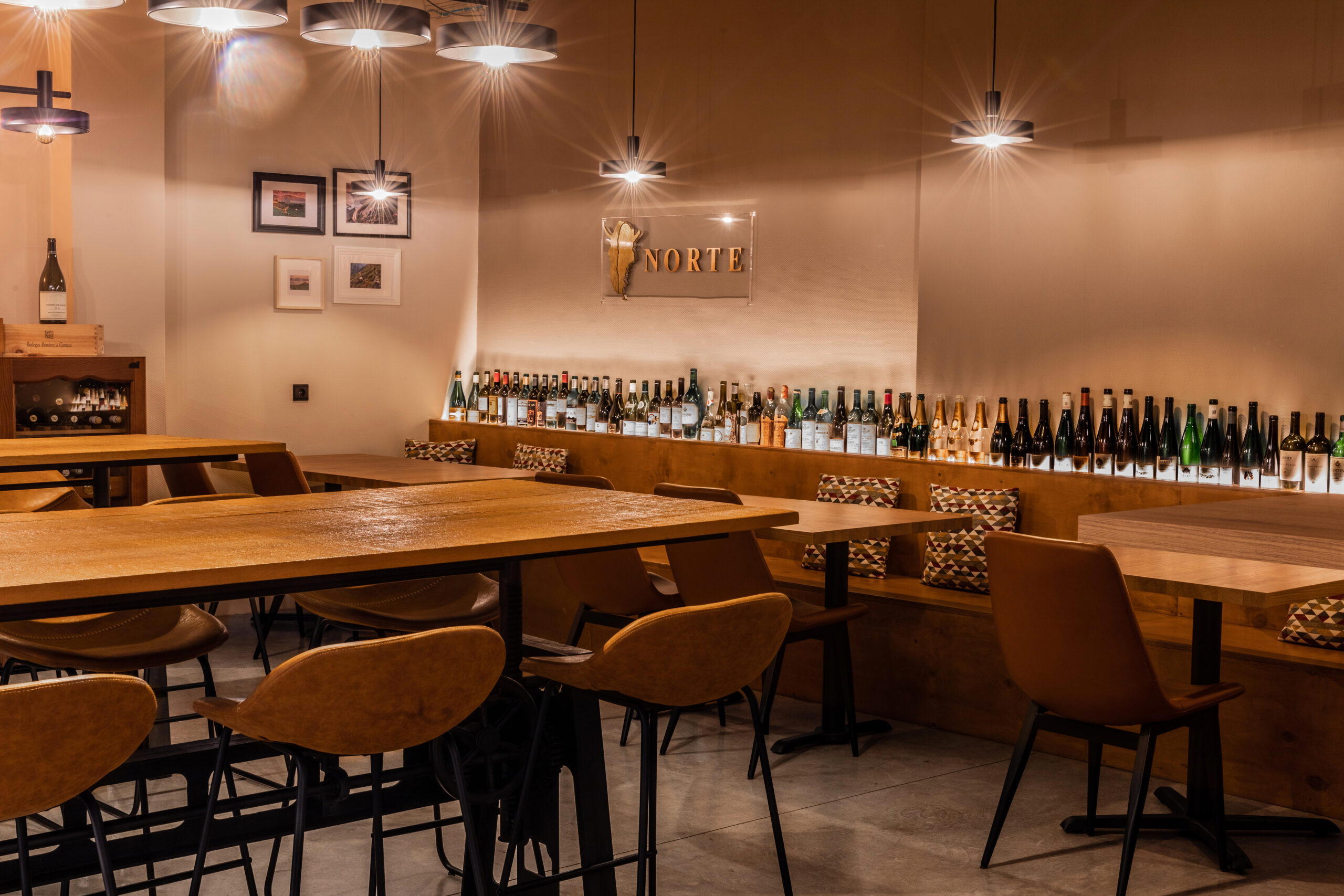
Wineries in València
All wineries in València →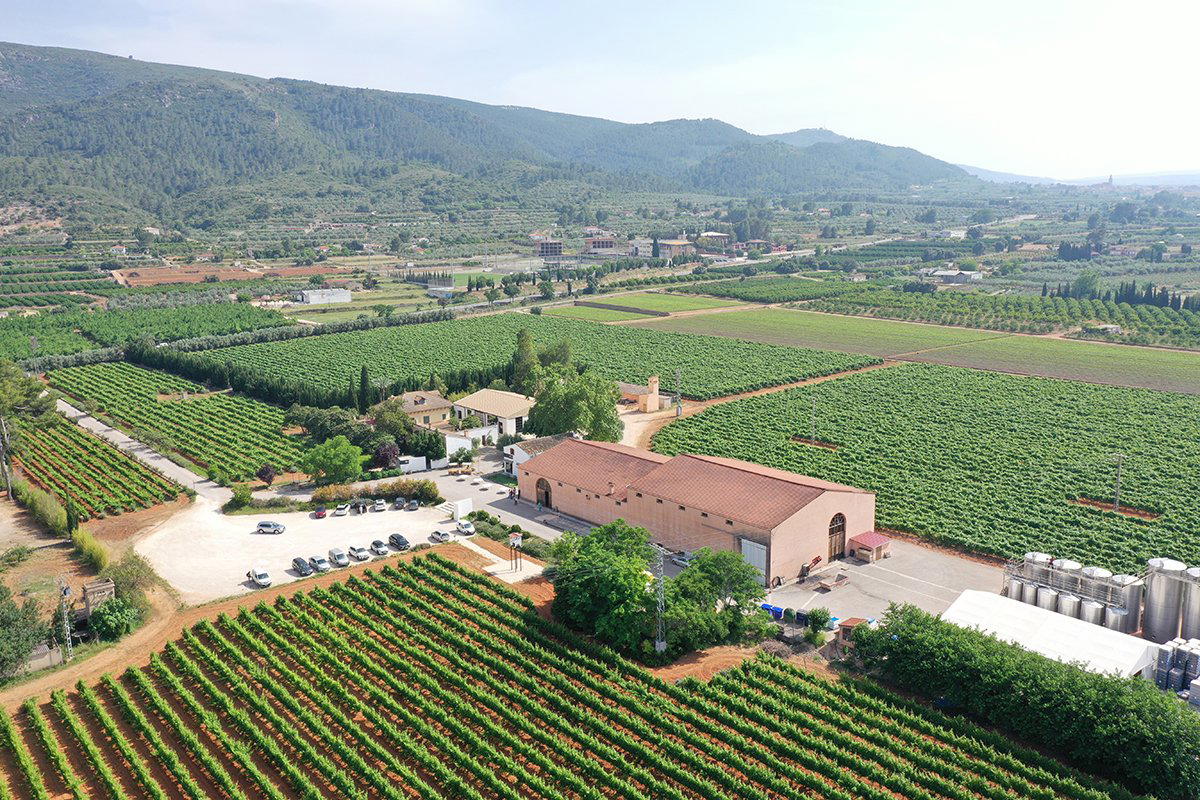
Details
- Elegant
- Modern
- Sophisticated
- Trendy
- Date Night
- Celebration
- Special Occasion
- Open Kitchen
- Courtyard
- Design Destination
- Extensive Wine List
- Craft Cocktails
- Sommelier Led
- Small Plates
- Tasting Menu
- Wine
- Cocktails
- Vegetarian Friendly
- Vegan Options
- Gluten Free Options
Current opening hours
- Monday
- Closed
- Tuesday
- Closed
- Wednesday
- 1:30–5 PM, 8:30 PM–12 AM
- Thursday
- 1:30–5 PM, 8:30 PM–12 AM
- Friday
- 1:30–5 PM, 8:30 PM–1 AM
- Saturday
- 1:30–5 PM, 8:30 PM–1 AM
- Sunday
- 1:30–5 PM
Hours can change for holidays and private events. Hours as of .
Sophisticated and comfortable with warm low lighting, excellent music, elegant materials, and an open kitchen visible to diners; the space is divided into three distinct areas including a bar, main dining room, and outdoor courtyard.