Lumen Detroit
Lumen Detroit occupies a Grand River Ave address that places it inside Detroit's ongoing dining recalibration, where neighborhood-rooted ambition meets deliberate team-driven hospitality. The room, the kitchen, and the floor operate as a coordinated unit rather than separate departments, a format that positions Lumen within the smaller tier of Detroit restaurants where the service experience carries as much editorial weight as the plate.
 Discover on Pearl
Pearl is the En Primeur Club membership app — saves, bookings, and concierge access live there. Same editors, same standards.
- Address
- 1903 Grand River Ave, Detroit, MI 48226
- Phone
- +13136265005
- Website
- url
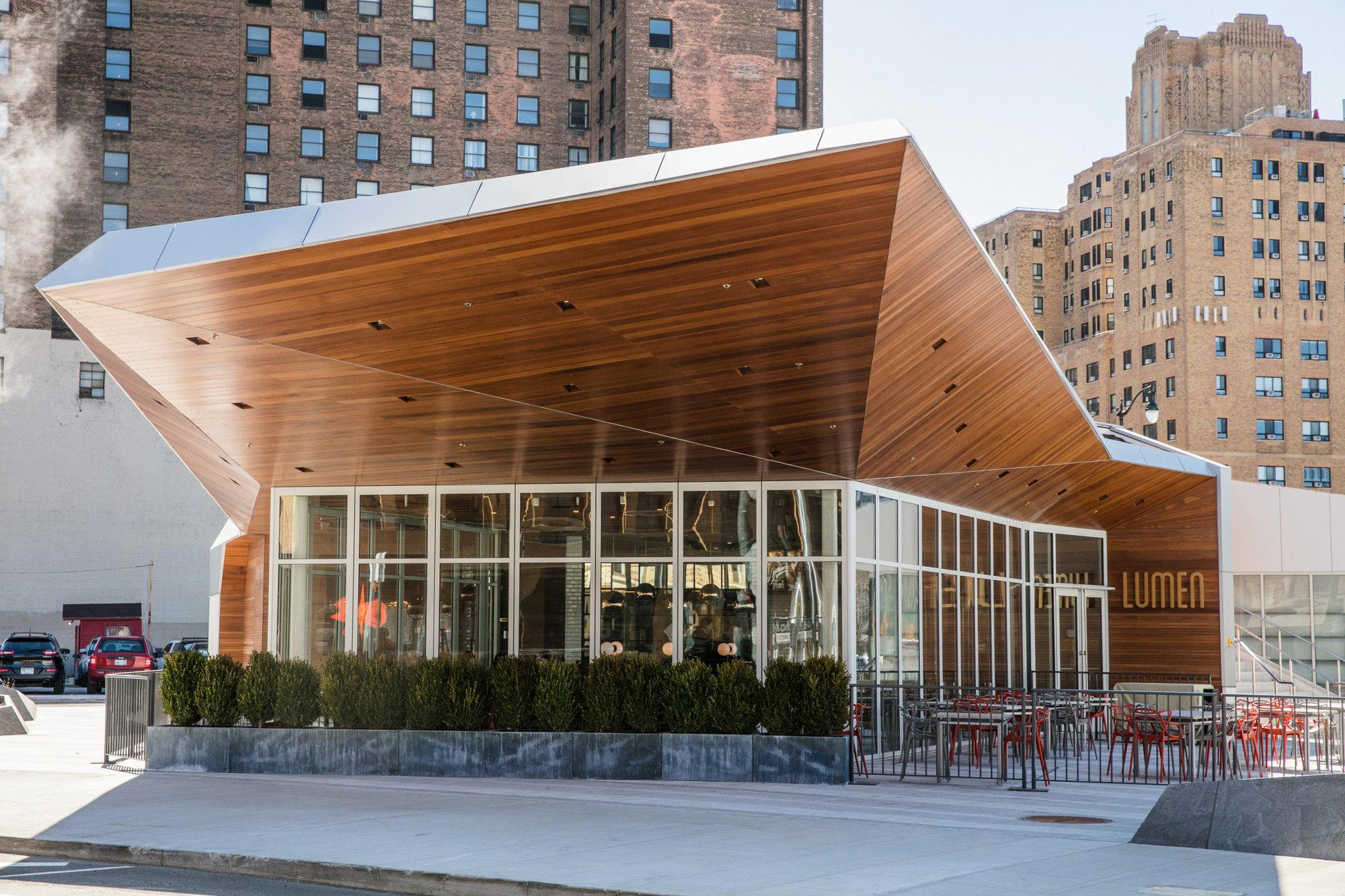
Grand River Ave and the New Shape of Detroit Dining
Lumen Detroit is a restaurant at 1903 Grand River Ave in Detroit, Michigan, with a Google rating of 4.4 and an average price of about $40 per person. The first is high-visibility, anchored around downtown and Midtown institutions that draw regional press and out-of-state visitors. The second is quieter, neighborhood-scaled, and increasingly serious: spots along corridors like Grand River Ave where the room size, the pacing, and the relationship between kitchen and floor define the experience as much as any single dish. Lumen Detroit, at 1903 Grand River Ave, sits in that second tier, a location that signals intent. Grand River is not a destination street in the way that Woodward or East Jefferson are; choosing it places a restaurant in conversation with the city's working fabric rather than its showcase blocks.
That geography matters because it shapes what kind of regulars a room attracts, how a team builds its identity, and what the dining experience is calibrated to deliver. Across American cities where serious independent dining has migrated away from prime real estate, think of the way Lazy Bear in San Francisco repositioned the communal-format fine dining idea, or how Blue Hill at Stone Barns in Tarrytown built an entire agricultural argument into its location, the address becomes an editorial statement. Lumen's Grand River positioning belongs to that tradition, even if its scale is different.
The Room as a Coordinating Instrument
The structure of a well-run dining room is rarely visible when it works. Guests register the effect, a pace that doesn't drag, a wine suggestion that arrives before they've finished the question, a transition between courses that feels considered rather than mechanical, without seeing the coordination behind it. This is the central argument for team-dynamic dining at the level Lumen is positioned to occupy: the kitchen, the floor, and whoever manages the beverage program have to function as a single organism rather than three parallel operations.
Detroit has developed a small cohort of restaurants where this integration is the primary editorial story. ADELINA and Alpino both represent the city's appetite for dining where front-of-house credibility matches kitchen ambition. Nationally, the restaurants most associated with seamless team operation, Atomix in New York City, Alinea in Chicago, Le Bernardin in New York City, have made the floor as legible a craft statement as the kitchen. The question for any Detroit restaurant at Lumen's address and apparent ambition is whether the coordination holds consistently, not just on a good night.
What the Detroit Scene Requires Right Now
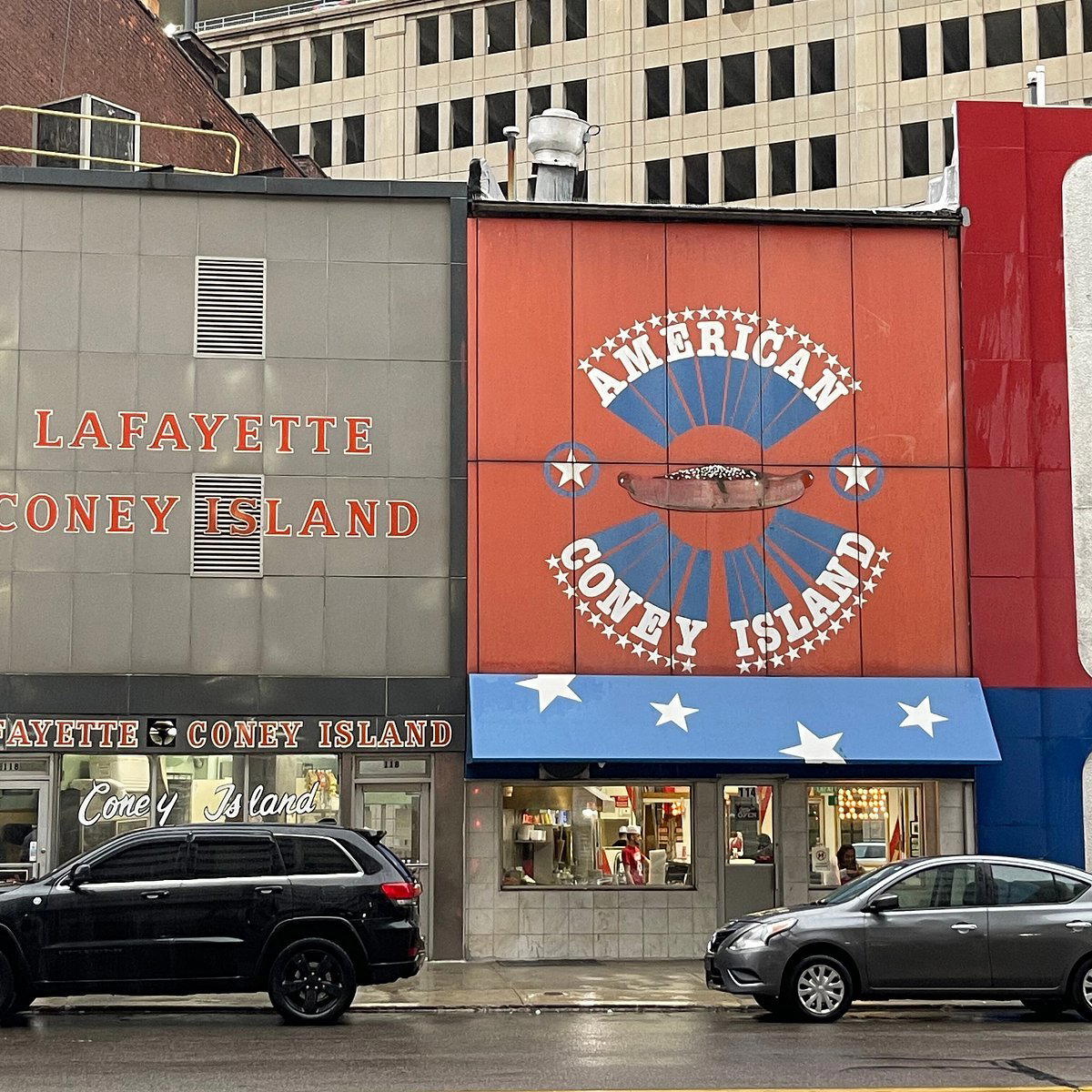
Detroit's dining moment is specific. The city has produced a genuine independent restaurant culture, Baobab Fare with its East African format, American Coney Island as a civic institution, Amore da Roma and Vecino representing newer arrivals with distinct culinary identities, without yet consolidating a restaurant or two into the national conversation the way Chicago or New Orleans have. Emeril's in New Orleans or Providence in Los Angeles occupy defined positions in their cities' restaurant hierarchies partly because the critical infrastructure around them developed over decades. Detroit is earlier in that process.
That gap creates an opportunity for restaurants like Lumen. When a city's fine dining tier is still forming its identity, individual rooms have more space to define terms. The risk is that without the scaffolding of established critical consensus, the burden of proof falls harder on each individual service, there is no accumulated reputation to lean on when a night doesn't go perfectly. The reward, for a team that can sustain quality, is a faster path to becoming part of the city's dining shorthand.
For context on what sustained team-level excellence looks like at the highest national tier, The French Laundry in Napa, Single Thread Farm in Healdsburg, and Addison in San Diego all represent models where kitchen and service operate at equivalent discipline levels. Internationally, 8 1/2 Otto e Mezzo Bombana in Hong Kong demonstrates how a European fine dining grammar can be executed with local specificity. These comparisons are not claims about Lumen's current standing, they are markers of what team-driven ambition looks like when it fully matures.
Broader Detroit Context and Where Lumen Sits
Detroit's independent dining culture has broadened its register considerably. Alongside ambitious tasting-format restaurants, the city supports serious casual venues, Selden Standard as a long-running New American anchor, Slow Bar's Bar-BQ in the barbecue register, and sweet spots like 313 Cinnamon Rolls that have developed their own followings. Lumen on Grand River enters a scene that is neither uniform nor lacking in competition, which means its team-coordination argument has to hold up against a range of alternatives rather than simply filling a gap.
For a fuller map of how these restaurants relate to each other and to the city's neighborhoods, the EP Club Detroit restaurants guide provides the category-by-category breakdown. Lumen's Grand River address places it in the western residential districts rather than the dense downtown core, which affects both the clientele mix and the operational rhythm, neighborhood-facing rooms tend to run slightly differently from destination dining rooms, with regulars shaping the pace more than one-time visitors do.
Also worth noting in the national comparable set: The Inn at Little Washington represents the hotel-integrated fine dining model where the team operates across multiple service contexts, which produces a different kind of coordination discipline. Lumen's standalone Grand River format is a more direct test of whether a kitchen-and-floor unit can sustain its standards without the structural support of a hotel operation behind it.
Planning a Visit
1903 Grand River Ave is accessible from downtown Detroit, though it sits at enough remove from the core that visitors arriving by car will find the experience more direct than those relying on transit. Reservations are recommended. What is clear from the address and positioning is that Lumen occupies a deliberate neighborhood placement, and that the coordination between its kitchen and floor team is the experience the room is built around.
Pricing, Compared
Comparable venues nearby, for context on price, style, and recognition.
| Venue | Cuisine | Price | Awards | Notes |
|---|---|---|---|---|
| Lumen DetroitThis venue — the venue you are viewing | $$$ | , | ||
| Slows To Go | Midtown, Detroit-Style Barbecue | $$ | , | |
| Wright & Company | $$$ | , | East Necklace, Contemporary American Small Plates | |
| Roses | Marina District, Classic American Diner | $$ | , | |
| Downtown Louie's Grill | $$ | , | East Necklace, Modern American with European influence | |
| Ostrea | $$$ | , | Financial District, Modern American Seafood |
Continue exploring
More in Detroit
Restaurants in Detroit
Browse all →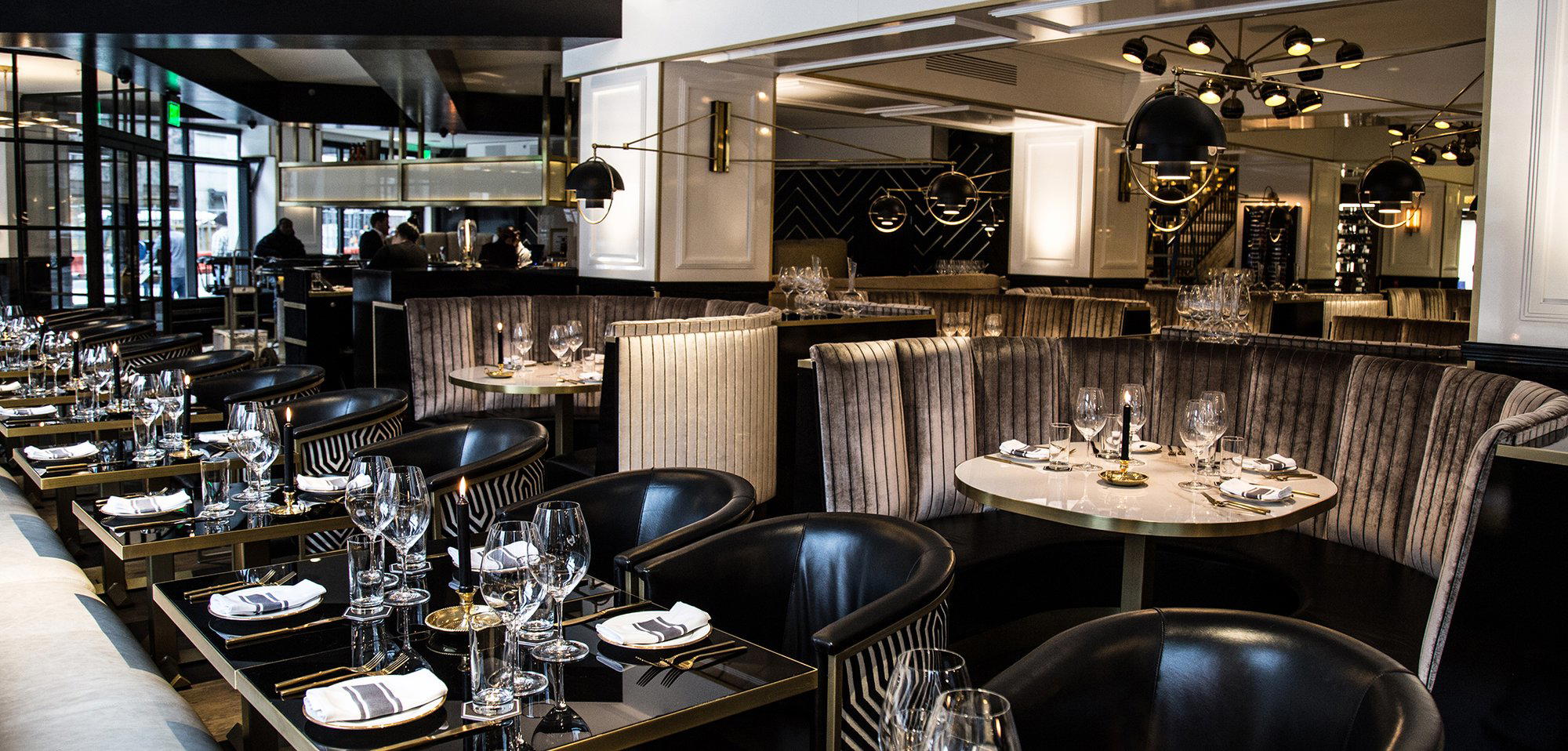
Bars in Detroit
Browse all →
Hotels in Detroit
Browse all →
Wineries in Detroit
Browse all →
At a Glance
- Modern
- Lively
- Scenic
- Trendy
- Casual Hangout
- Group Dining
- Date Night
- After Work
- Private Event
- Rooftop
- Terrace
- Panoramic View
- Design Destination
- Private Dining
- Craft Cocktails
- Beer Program
- Corkage Allowed
- Skyline
Bright, contemporary space with industrial-modern architecture, seamless indoor-outdoor flow via retractable windows, cozy outdoor firepits, and rooftop seating overlooking the city.