Ostrea
Ostrea occupies a Shelby Street address in downtown Detroit, operating within a city dining scene that has shifted markedly over the past decade. For visitors tracking Detroit's contemporary restaurant evolution, Ostrea represents a particular kind of pivot worth understanding.
Pearl is the En Primeur Club membership app — saves, bookings, and concierge access live there. Same editors, same standards.
- Address
- 536 Shelby St, Detroit, MI 48226
- Phone
- +13134032111
- Website
- ostreadetroit.com
- Directions
- Get directions
 Saves & bookings on Pearl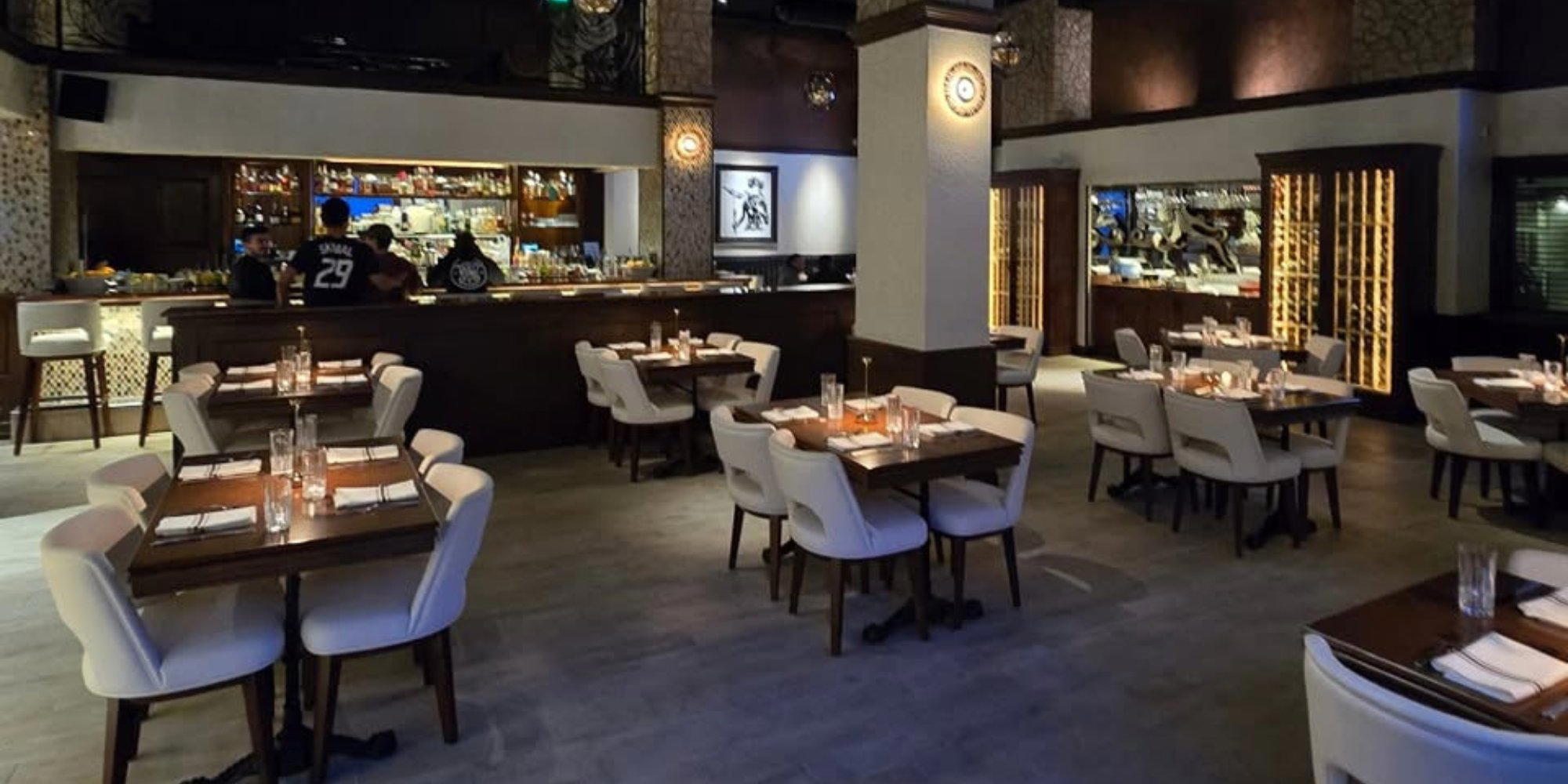
A Seafood Counter in a Steakhouse City
Detroit's restaurant identity was built, for most of the twentieth century, on two pillars: the coney island — that distinctly local short-order tradition, exemplified by institutions like American Coney Island — and the old-school steakhouse, a format that still commands serious money downtown. Against that backdrop, a restaurant with an oyster-centered identity requires a specific kind of confidence. Ostrea, at 536 Shelby Street in the city's Financial District, sits in that smaller, more deliberately curated tier of Detroit dining that has emerged as the city's post-2010 recovery gathered momentum.
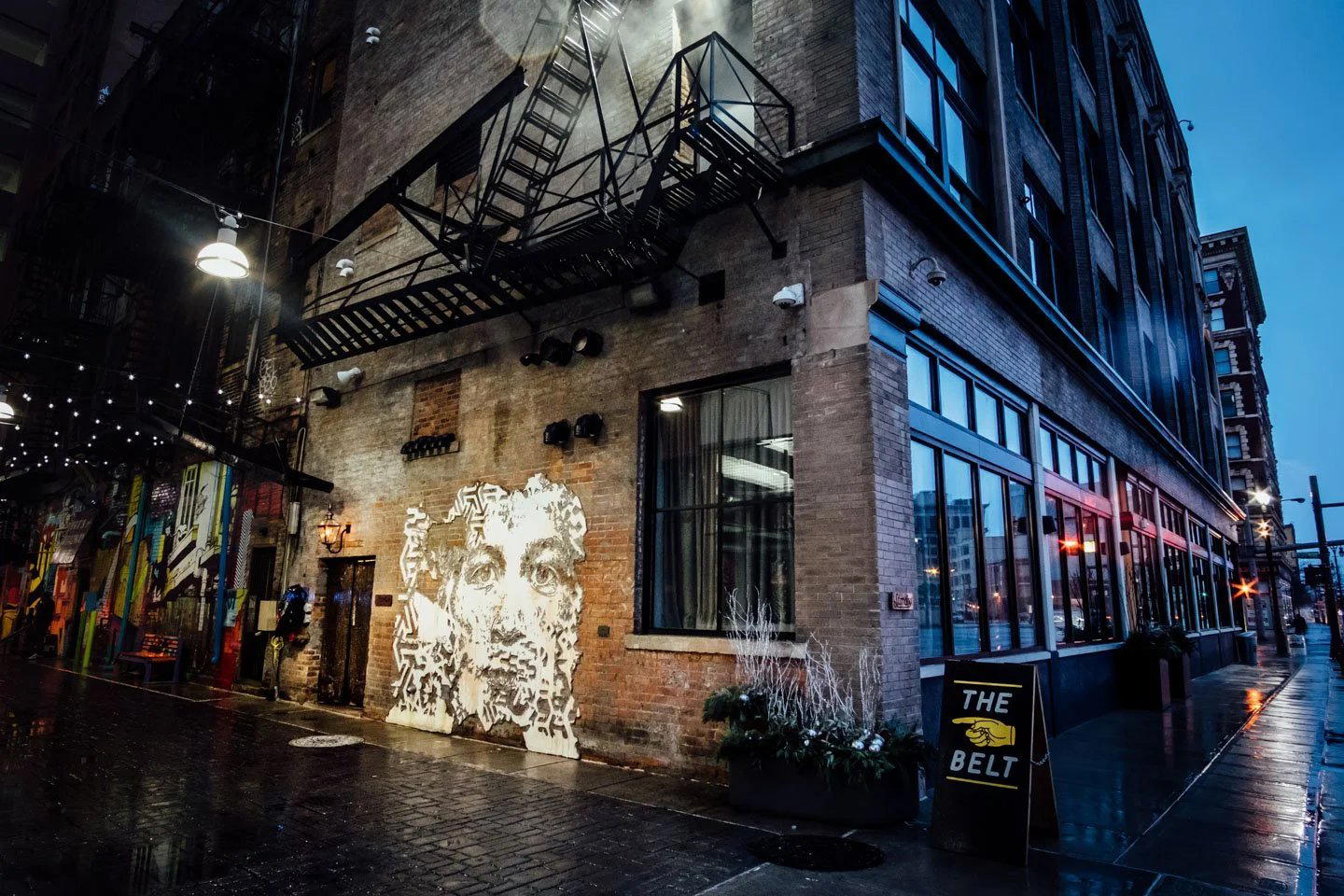
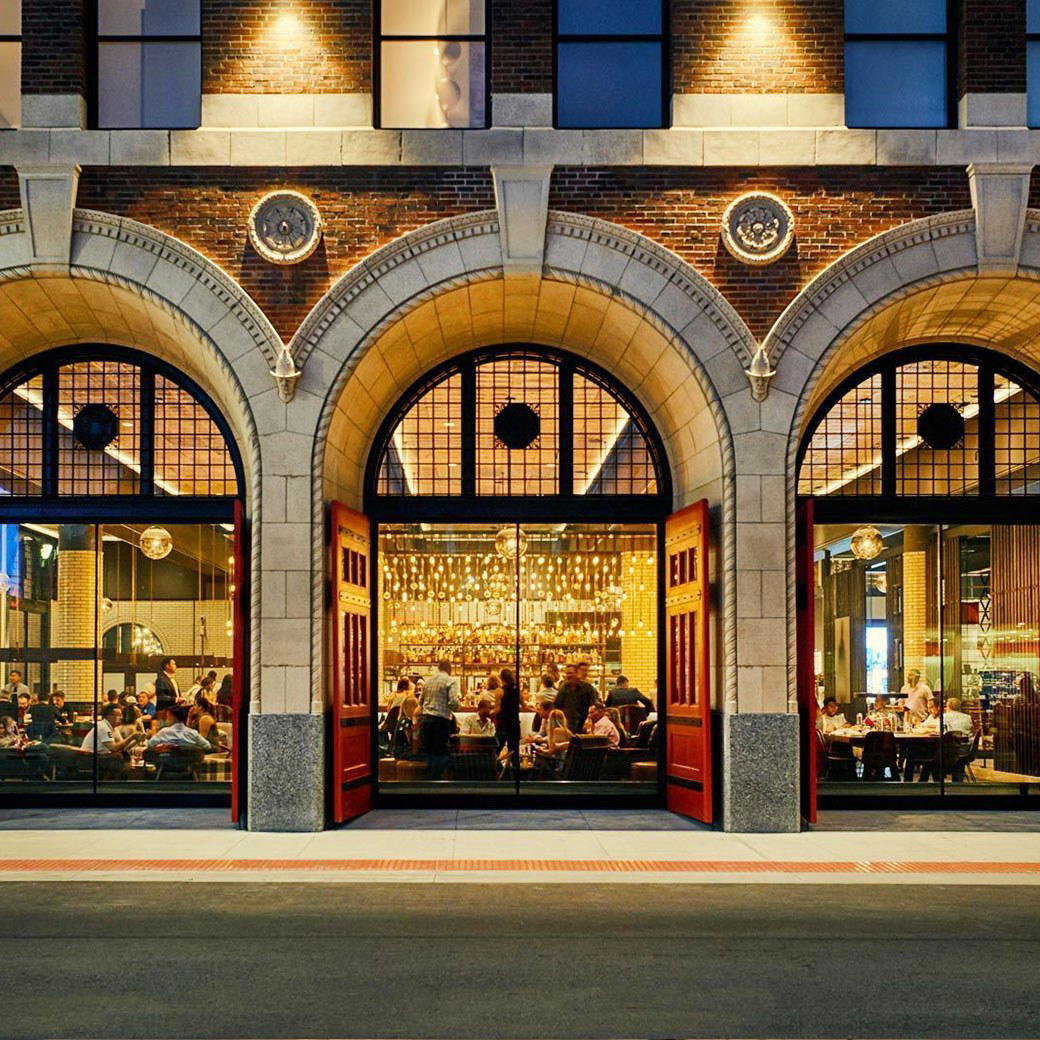
The address matters. Shelby Street runs through a corridor that has absorbed much of downtown Detroit's restaurant investment over the past fifteen years, and the buildings along it carry the grain of an industrial past, high ceilings, wide facades, masonry that absorbs ambient sound rather than bouncing it. Walking toward a room like Ostrea in this part of the city, the neighborhood itself does some of the setting up: the scale is human, the streets are quiet relative to Woodward, and the evening light on old brick has a quality that newer construction districts rarely replicate.
How Detroit Dining Learned to Eat Oysters
The broader context for understanding Ostrea is a generational shift in what Detroiters consider a credible night out. For much of the city's restaurant history, fine dining defaulted to protein-and-sides formats, and seafood occupied a secondary, often uninspired position on menus built around beef. The pivot toward oyster bars and seafood-forward rooms is part of a national pattern, the same shift that repositioned comparable venues in cities like New Orleans, where operations like Emeril's helped reframe what Gulf-coast seafood could mean at a fine dining level, but in Detroit it arrived later and with its own particular character.
Midwest has never been the natural home of the raw bar. Freshwater fish, yes; lake perch and walleye have long histories in regional cooking. But cold-water bivalves, flown in and priced to reflect logistics, represent a different kind of dining proposition: one that signals cosmopolitan aspiration as much as culinary tradition. That context makes venues like Ostrea readable as acts of evolution rather than mere addition to the dining map. They are, in a specific sense, an argument about what Detroit has become.
For comparison, the coasts have long taken this format for granted. Le Bernardin in New York City has anchored the case for serious seafood fine dining in America for decades. On the West Coast, Providence in Los Angeles occupies a similar position in its market. Detroit's version of this ambition, still developing, is more modestly scaled, which is not a criticism. Intimate rooms with focused menus often do more interesting work than large operations chasing comprehensive coverage.
The Reinvention Frame: What Ostrea Represents
Detroit's dining scene has been through several identifiable phases since 2012: the initial wave of chef-driven openings in Midtown, the expansion into Corktown and Eastern Market, and more recently a consolidation in downtown proper, where rents and foot traffic have created a different kind of restaurant economics. The shared characteristic across this cohort is a move away from casual accessibility toward something more considered in format and execution.
Nationally, the restaurants that have pushed this kind of culinary evolution furthest are places like Lazy Bear in San Francisco, Alinea in Chicago, and Atomix in New York City, venues that treat the tasting format as both medium and message. Ostrea operates at a different register than those rooms, but the underlying principle, that a city's dining culture is advanced by venues willing to commit to a specific identity rather than hedge toward broad appeal, holds across the tier.
Within Detroit itself, the venues that have done comparable work in their respective formats include Baobab Fare, which built a serious case for East African cooking in a market with little prior exposure to the category, and Amore da Roma, operating in a city that had plenty of Italian-American precedent but less experience with something more regionally specific. These are restaurants that earn their position by narrowing focus, not by covering every base.
Seafood at This Level in the American Midwest
To understand where Ostrea sits in the national conversation, it helps to look at what the premium seafood format requires operationally. The supply chain for oysters at a restaurant serious enough to differentiate by origin demands relationships with specific growers, typically across the East Coast, Gulf, and Pacific Northwest, and a kitchen team disciplined enough to present cold shellfish at its proper temperature and condition. This is less forgiving than most other formats: there is no cooking to correct for, no sauce to compensate. The product either arrived correctly and was handled correctly, or it didn't.
That operational rigor is what separates venues like Single Thread Farm in Healdsburg, The French Laundry in Napa, Blue Hill at Stone Barns in Tarrytown, Addison in San Diego, and The Inn at Little Washington from restaurants that merely use premium ingredients as a price signal. At every level, the commitment to sourcing discipline is legible in the finished plate, or glass. Internationally, venues like 8½ Otto e Mezzo Bombana in Hong Kong demonstrate that this kind of sourcing intelligence travels across markets when the kitchen team understands the material.
Planning a Visit
Ostrea is located at 536 Shelby Street in downtown Detroit, accessible from the Financial District's walkable core. As with any downtown Detroit restaurant in this tier, reservations are the sensible approach, particularly on Thursday through Saturday evenings when the restaurant corridor along Shelby sees its highest traffic. Downtown parking structures along Griswold and Washington are within reasonable walking distance, and the QLine streetcar on Woodward provides a connection to Midtown if you are combining dinner with activity in that corridor. For visitors building a broader Detroit dining itinerary, our full Detroit restaurants guide covers the city's key neighborhoods and formats in detail, including stops like 313 Cinnamon Rolls for a more casual daytime counterpoint.

At a Glance
- Modern
- Cozy
- Casual
- Casual Hangout
- Date Night
- After Work
- Standalone
- Open Kitchen
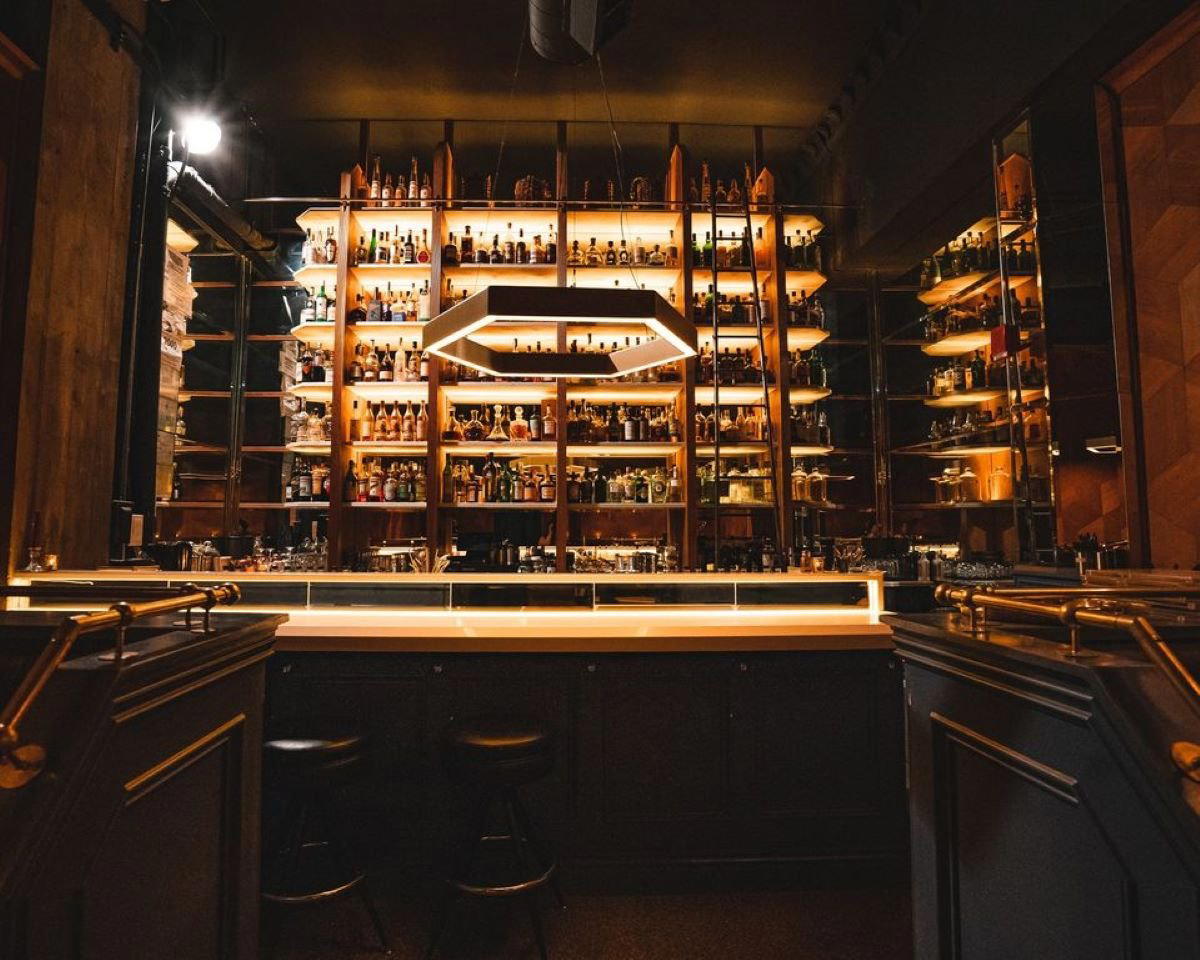
- Craft Cocktails
- Sustainable Seafood
- Local Sourcing
Current opening hours
- Monday
- 3–11 PM
- Tuesday
- 3–11 PM
- Wednesday
- 3–11 PM
- Thursday
- 3–11 PM
- Friday
- 3–11 PM
- Saturday
- 3–11 PM
- Sunday
- Closed
Hours can change for holidays and private events. Last verified .
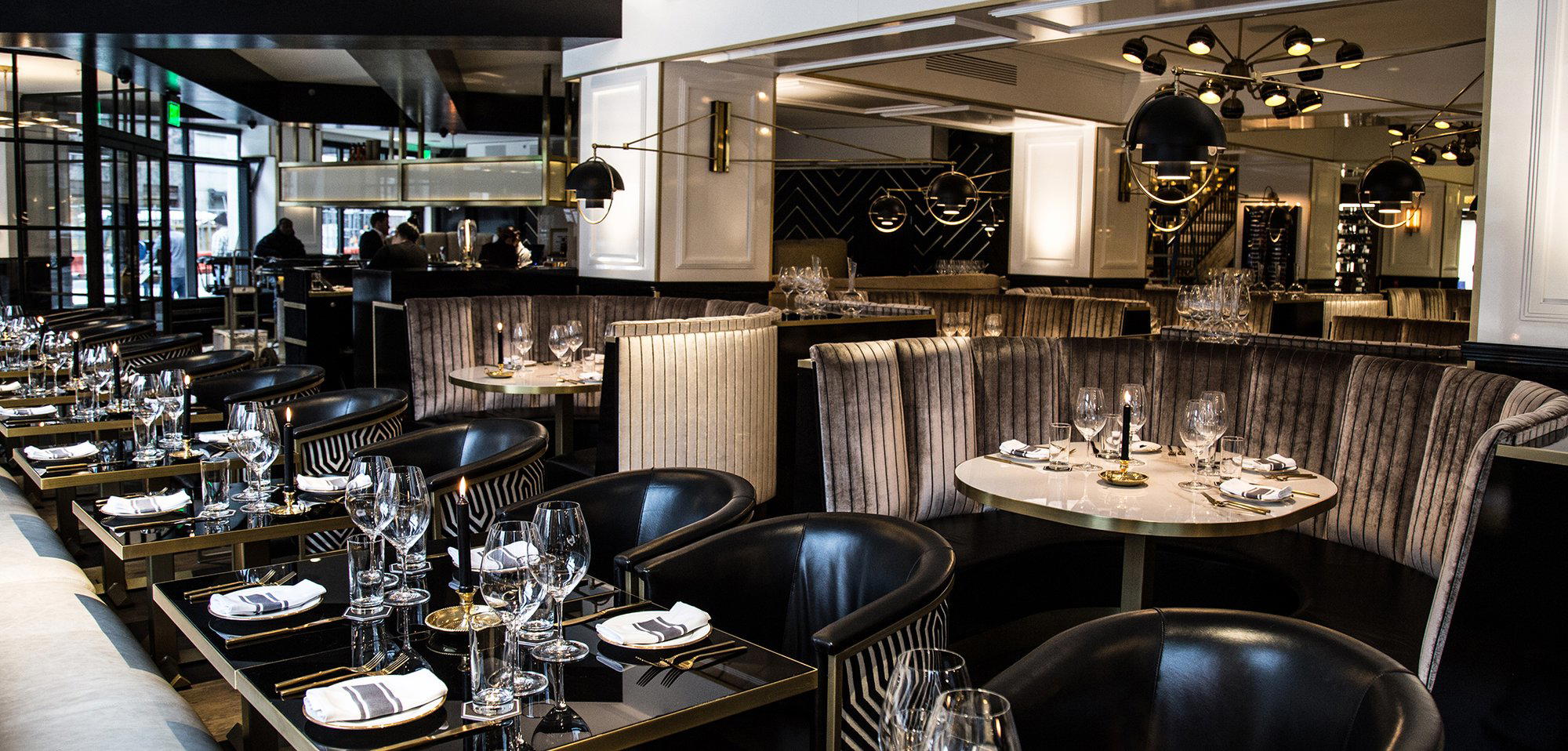
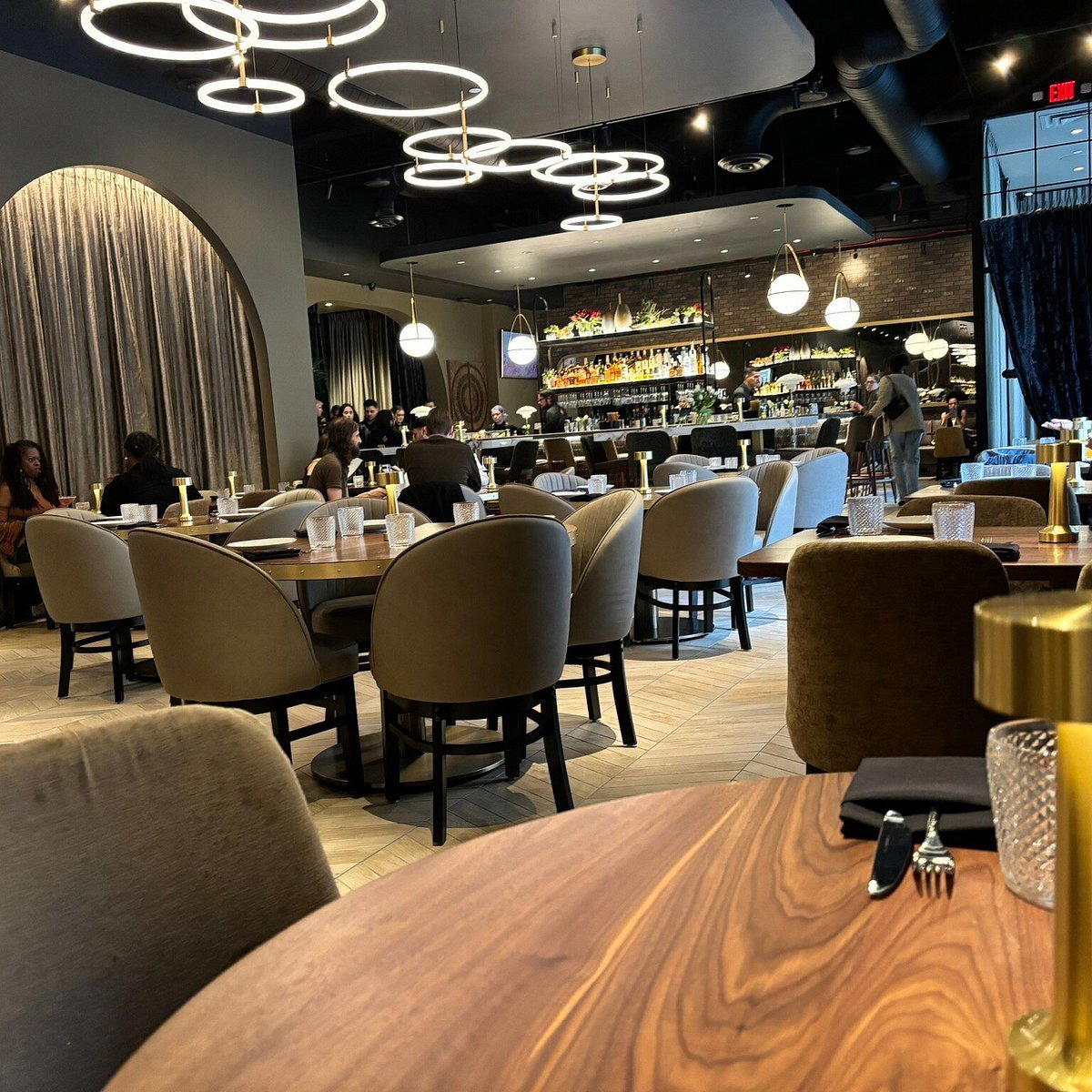
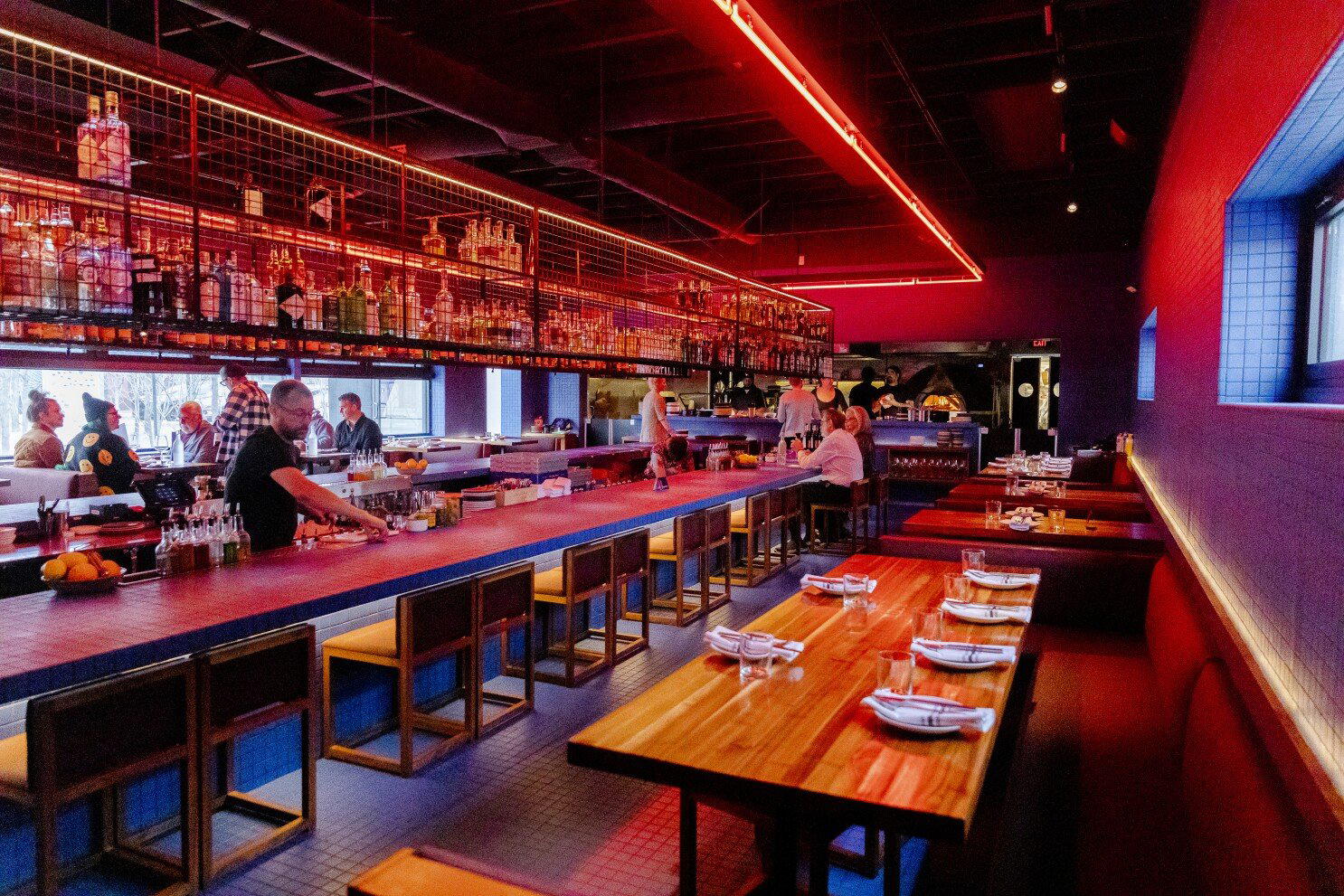
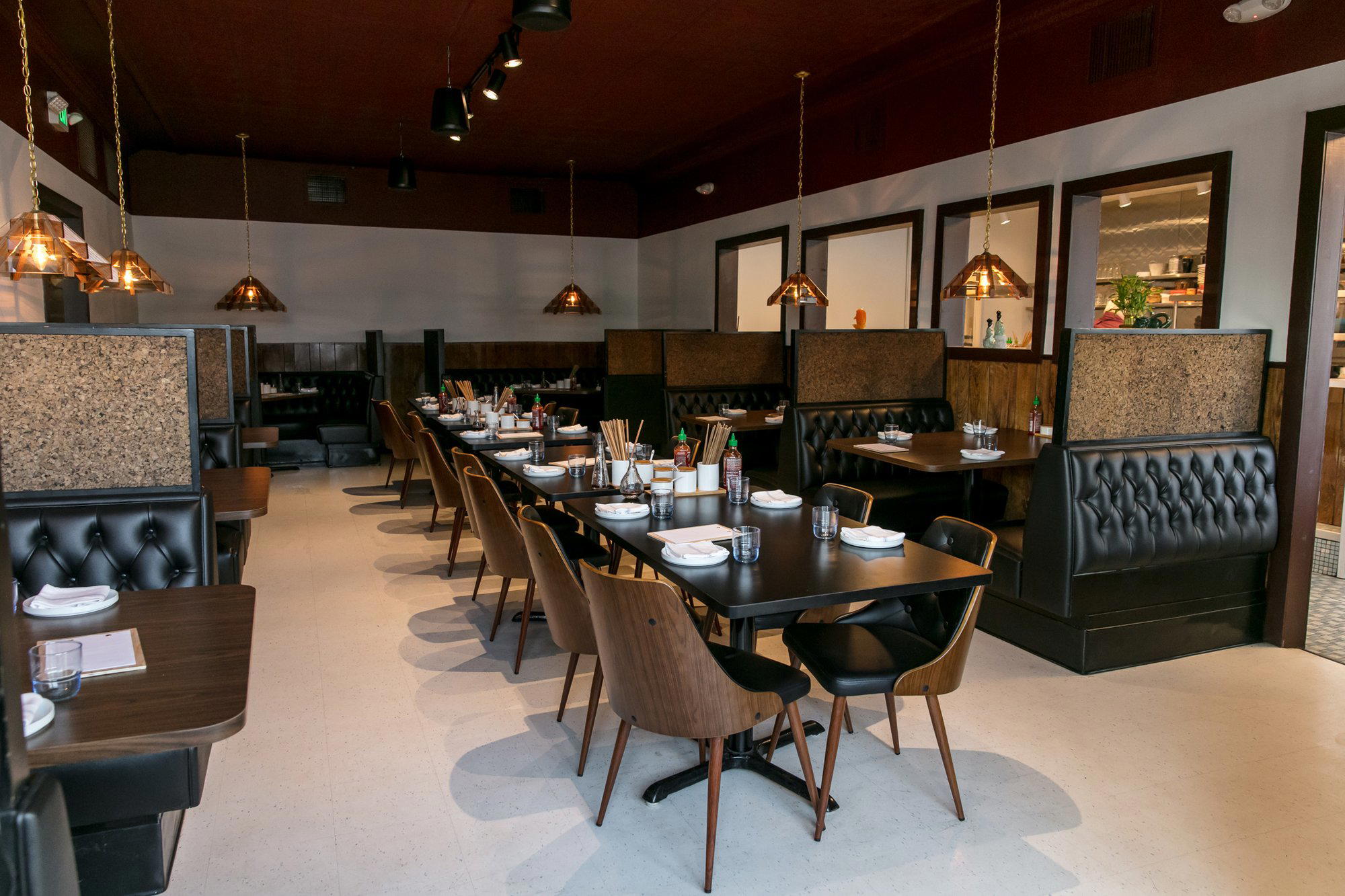
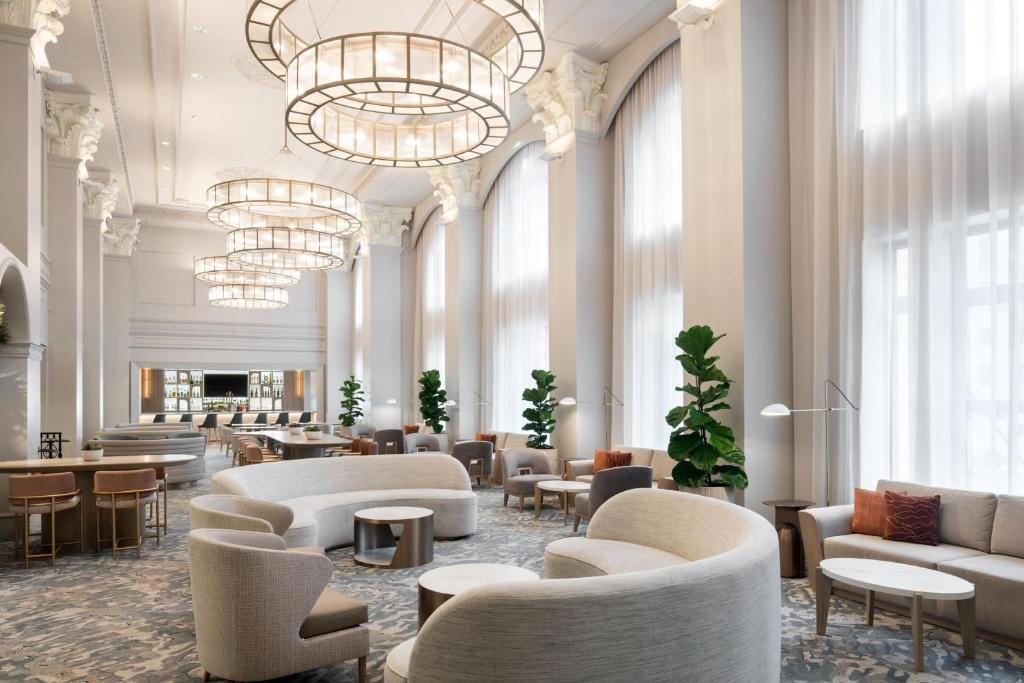
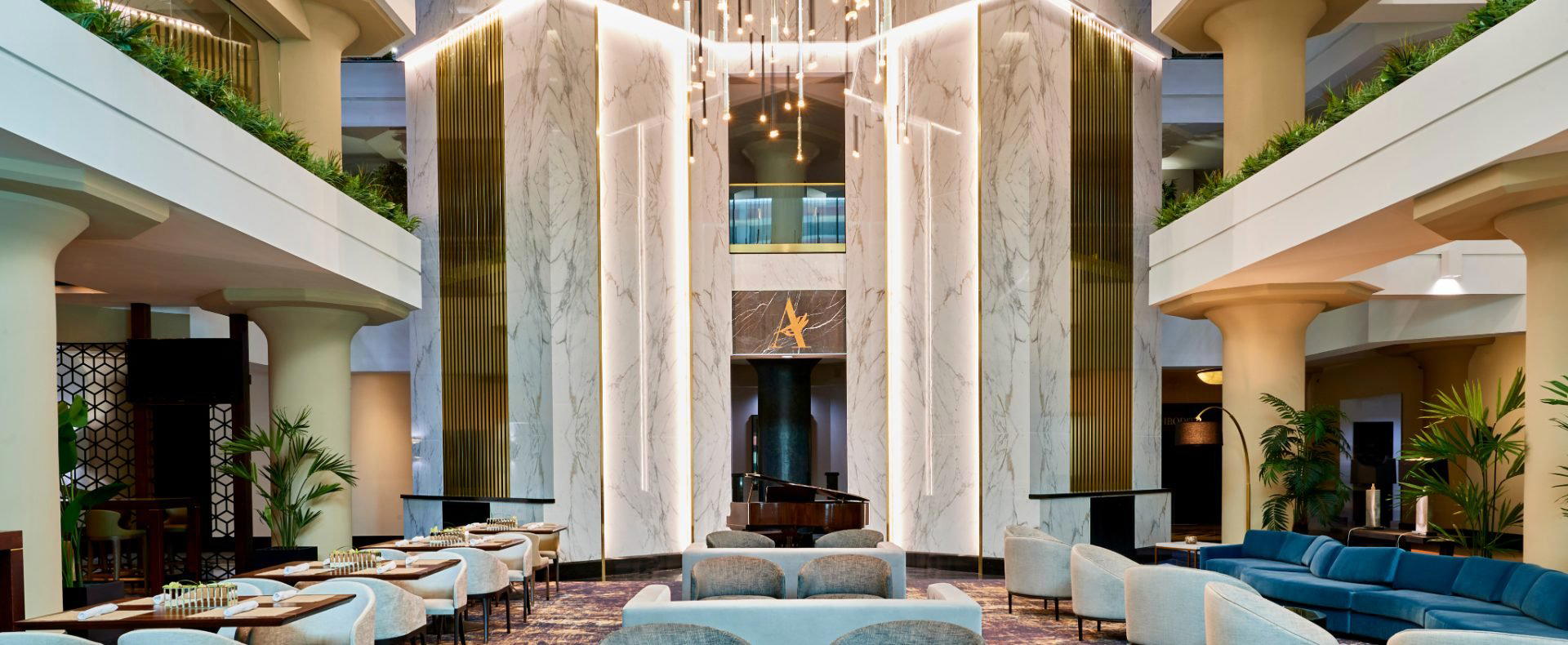
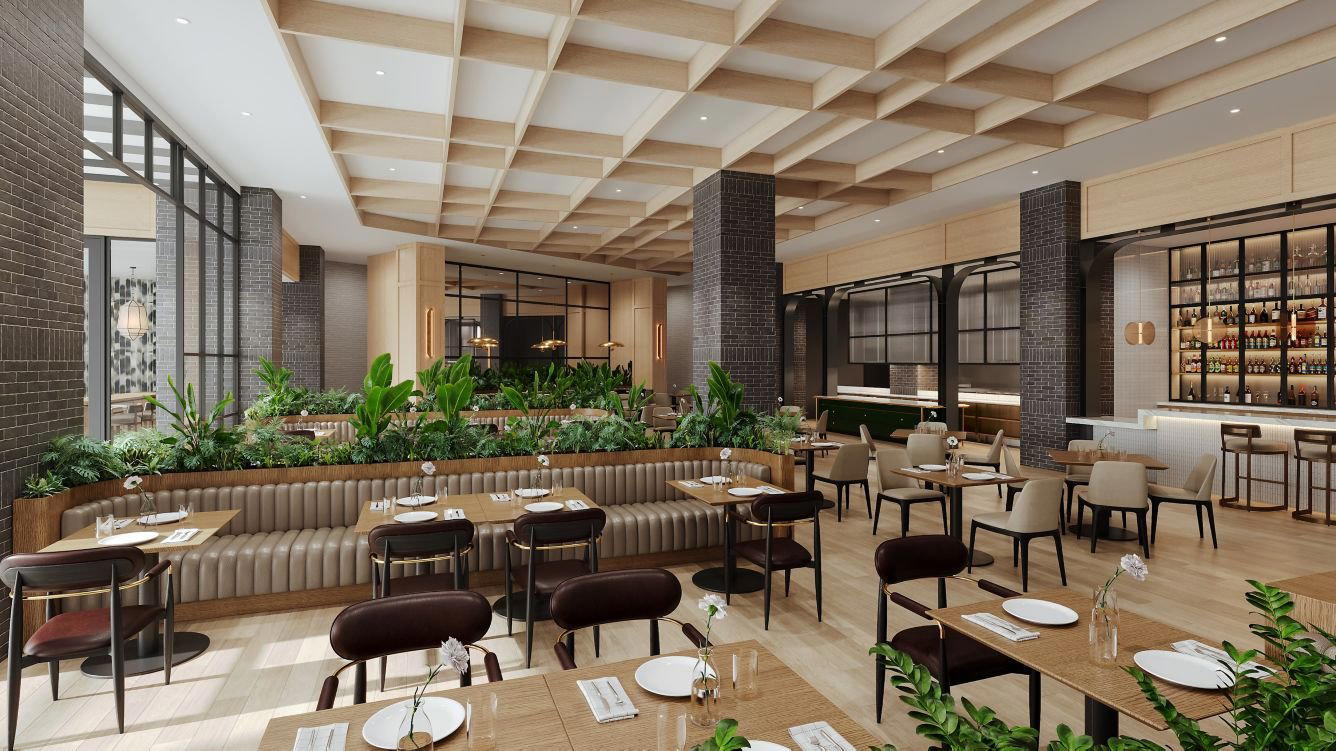
Street-level, bright, and welcoming with a refined but relaxed atmosphere; designed for ease and fluidity rather than formal dining, featuring a cozy neighborhood gem aesthetic.
Know Before You Go
- Getting there
- 536 Shelby St, Detroit, MI 48226