Lucky Tiger
Our verdict
Lucky Tiger serves Asian-inspired fusion small plates and craft cocktails at 66 Pearl St, with dinner and late-night service in New York City.

Pearl is the En Primeur Club membership app, where members save venues, book tables and use the concierge.
The menu
What to order
- Honey_Orange_Duck
- Korean_Short_Rib_Tacos
- Garlic_Gochujang_Karaage
Pearl Street and the Lower Manhattan Bar Scene
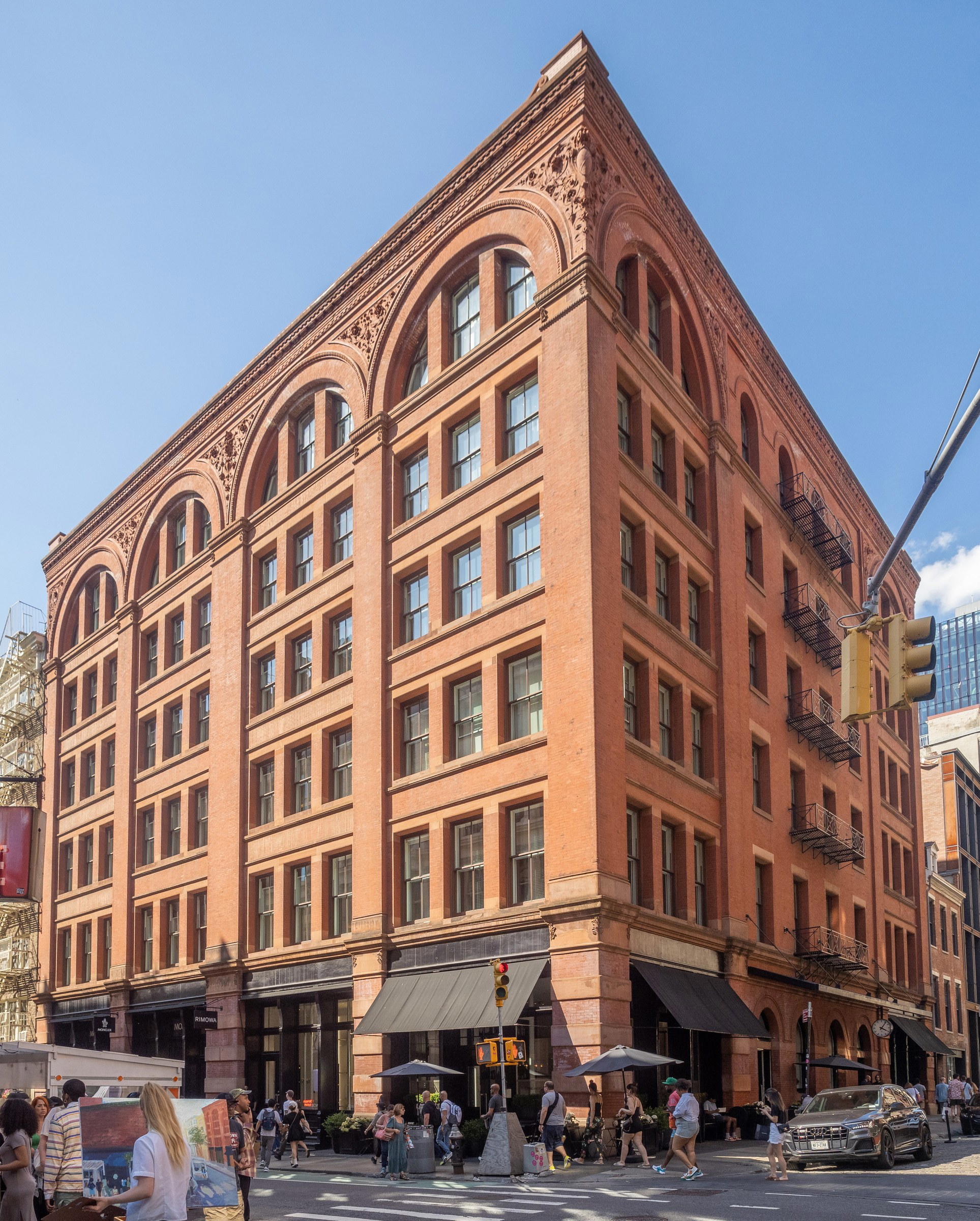
The Financial District's drinking culture has shifted considerably over the past two decades. What was once a district defined by post-trading-floor dive bars and expense-account steakhouses has grown into a more considered hospitality neighborhood, with operators recognizing that a captive weekday audience of finance professionals and a growing residential population support year-round programming. Pearl Street sits at the geographic and social center of that evolution, a corridor where the built environment, ranging from pre-Civil War counting houses to mid-century office towers, creates a physical container that shapes how venues inside it feel and function. Lucky Tiger, at 66 Pearl St, occupies that address and operates within that context.
The Physical Container: Reading a FiDi Space
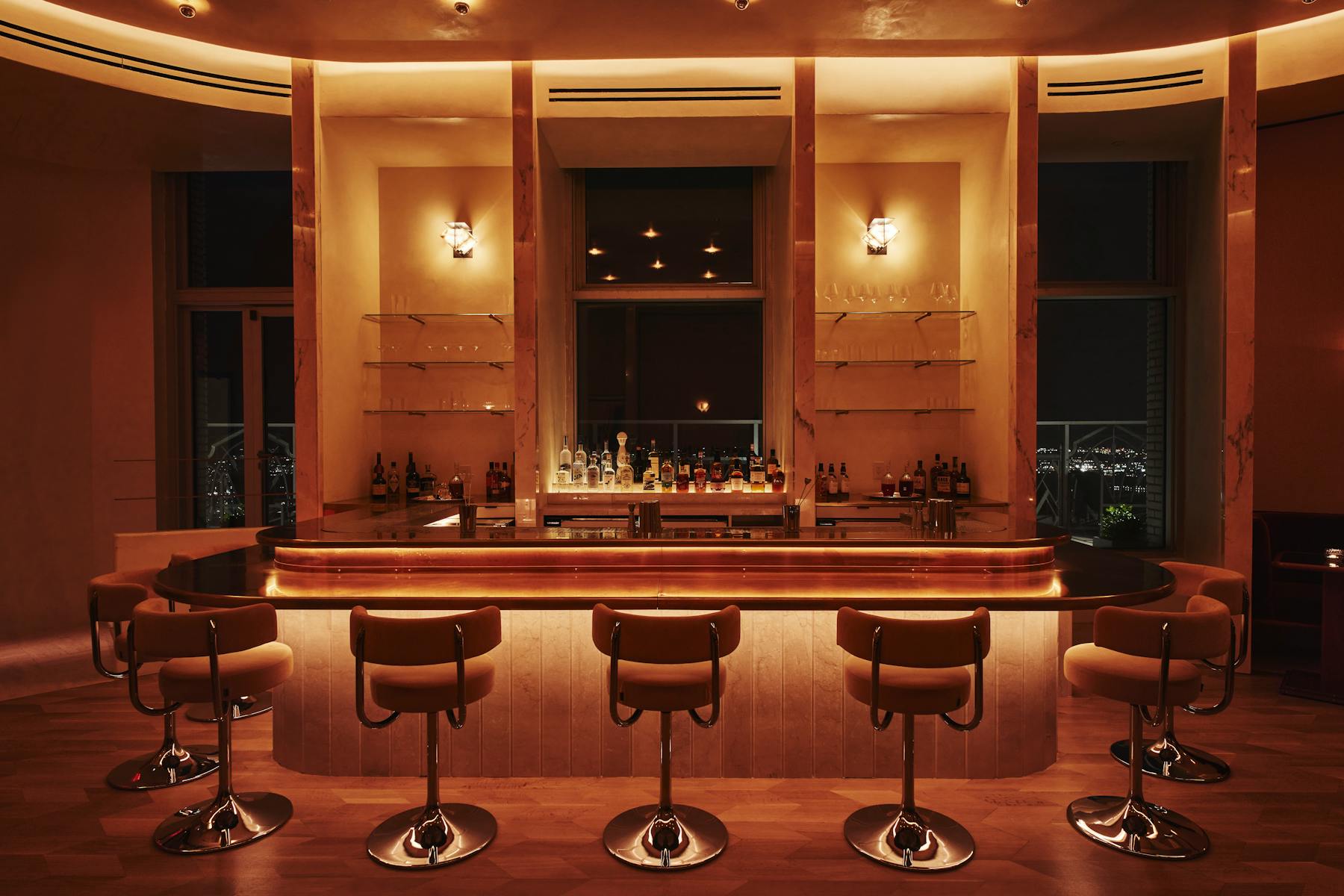
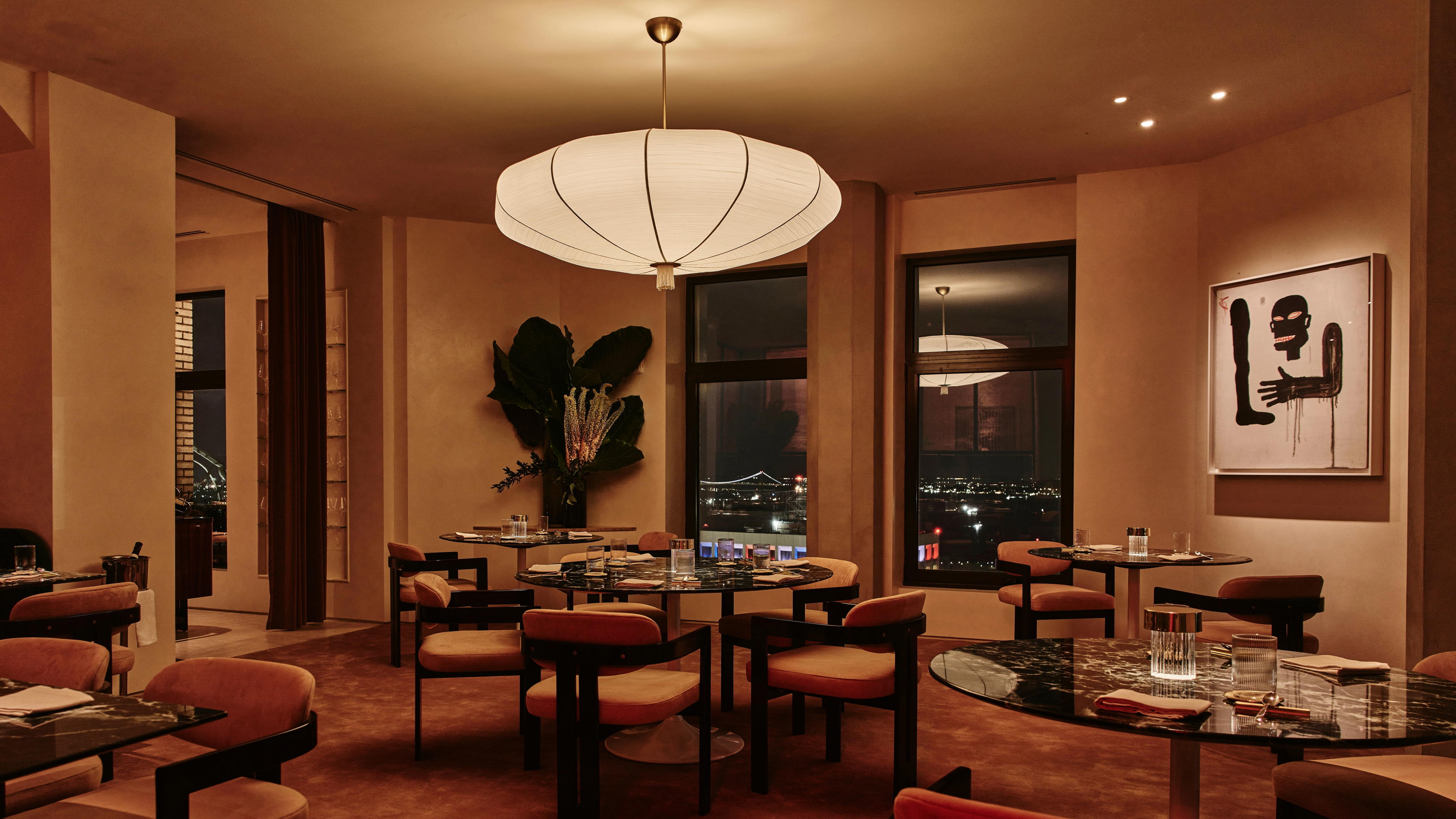
In Lower Manhattan, the architecture does much of the editorial work before a single drink is poured. Buildings on Pearl Street carry the structural logic of an earlier commercial city: higher ceilings than their Midtown equivalents, thicker masonry walls, floor plates shaped by 19th-century lot lines rather than post-war efficiency. Venues that work with those proportions rather than against them tend to produce a denser, more grounded atmosphere than their glass-and-steel counterparts uptown. The spatial quality of a room in this neighborhood, its ceiling height, the ratio of exposed material to finish, the quality of light at street level, constitutes a category of asset that operators elsewhere pay heavily to simulate.
That physical inheritance matters for how a bar or restaurant in this corridor positions itself. The Financial District does not produce the kind of foot-traffic spontaneity that drives discovery in the West Village or Lower East Side. Guests arrive with more deliberate intent, often coming from nearby offices or specifically traveling to the neighborhood. The design of a space here needs to reward that intentionality, offering an interior that reads as a destination rather than a waypoint. Seating arrangements, material choices, and the acoustic character of a room carry outsized weight in a district where the competitive set includes venues that have occupied similar spaces for decades.
Where Lucky Tiger Sits in the Downtown Tier
Downtown Manhattan's bar and casual dining operators now compete across a wider spectrum than the old FiDi binary of corporate canteen versus occasion restaurant. The neighborhood supports everything from counter-service lunch operations to cocktail programs with genuine technical ambition. Lucky Tiger at 66 Pearl St operates in a corridor where the physical address alone signals something about the intended experience: Pearl Street's blocks between Hanover Square and Broad Street have historically supported hospitality with a certain commercial seriousness, venues built for regularity and repeat visits rather than single-occasion spectacle.
Compared to the $$$$ tier destinations that define New York's upper dining register, including Le Bernardin, Masa, Per Se, Atomix, and Jungsik New York, a Pearl Street address positions a venue as everyday-accessible rather than occasion-driven, a different but entirely viable competitive slot in a city where the middle tier of hospitality does substantial volume. The Financial District's lunch and post-work windows are among the most commercially dense in any American city, and venues that read the rhythm of that clientele correctly tend to build durable regularity.
For a broader map of what New York's dining scene looks like across neighborhoods and price tiers, the EP Club New York City restaurants guide provides the fullest editorial overview.
The Name and Its Signals
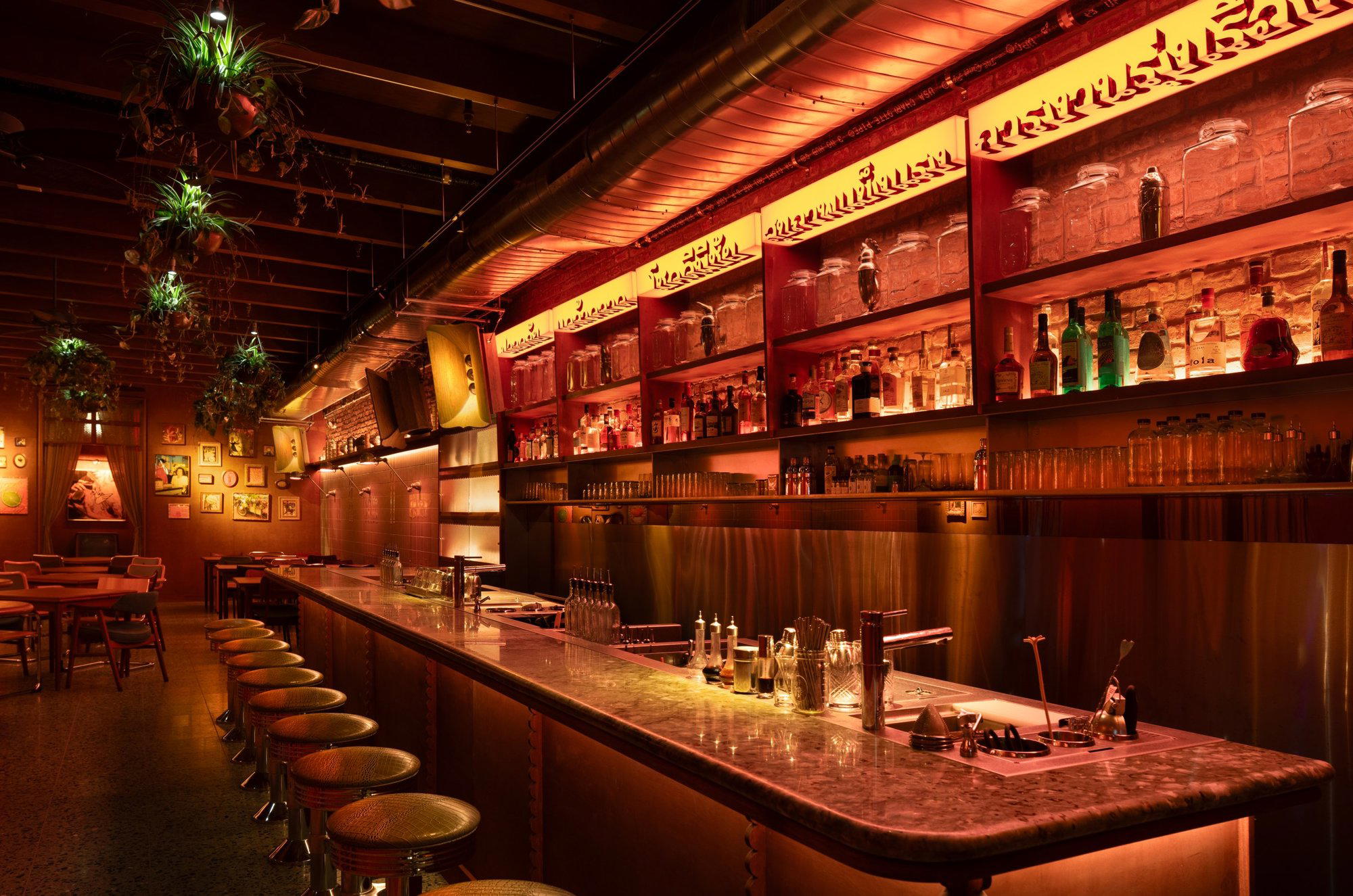
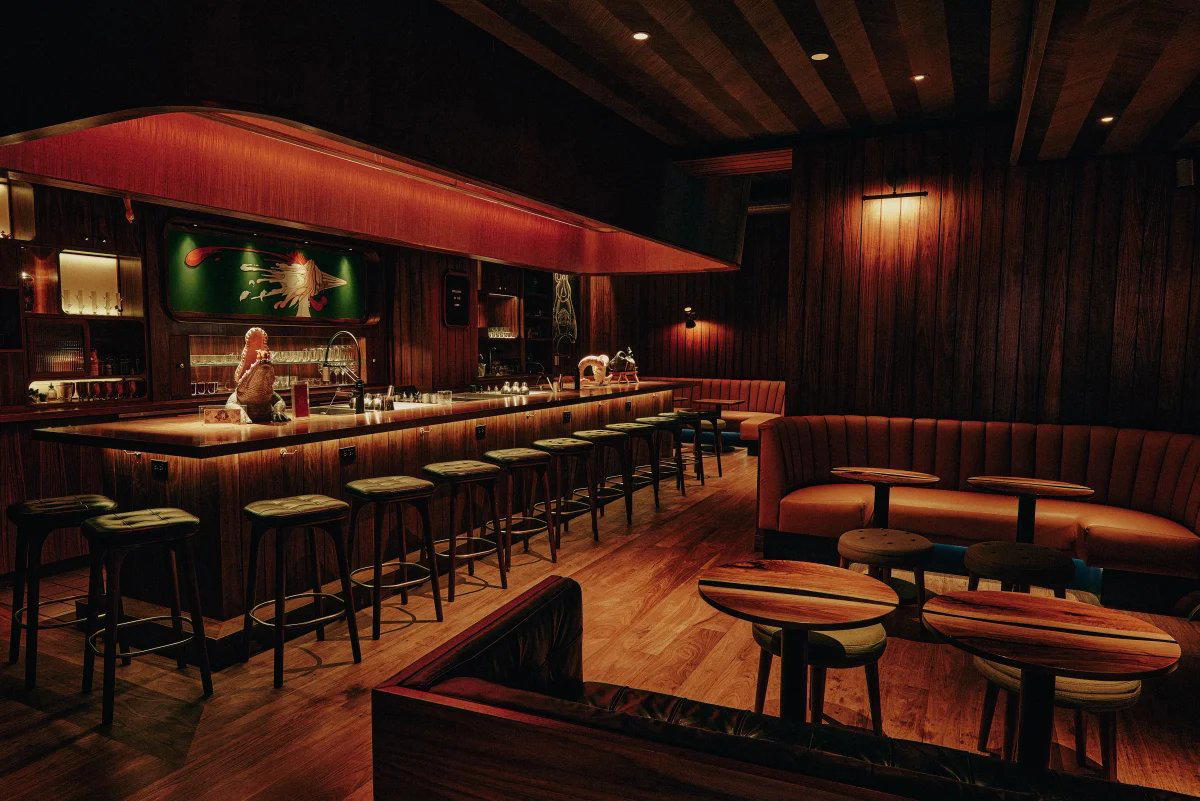
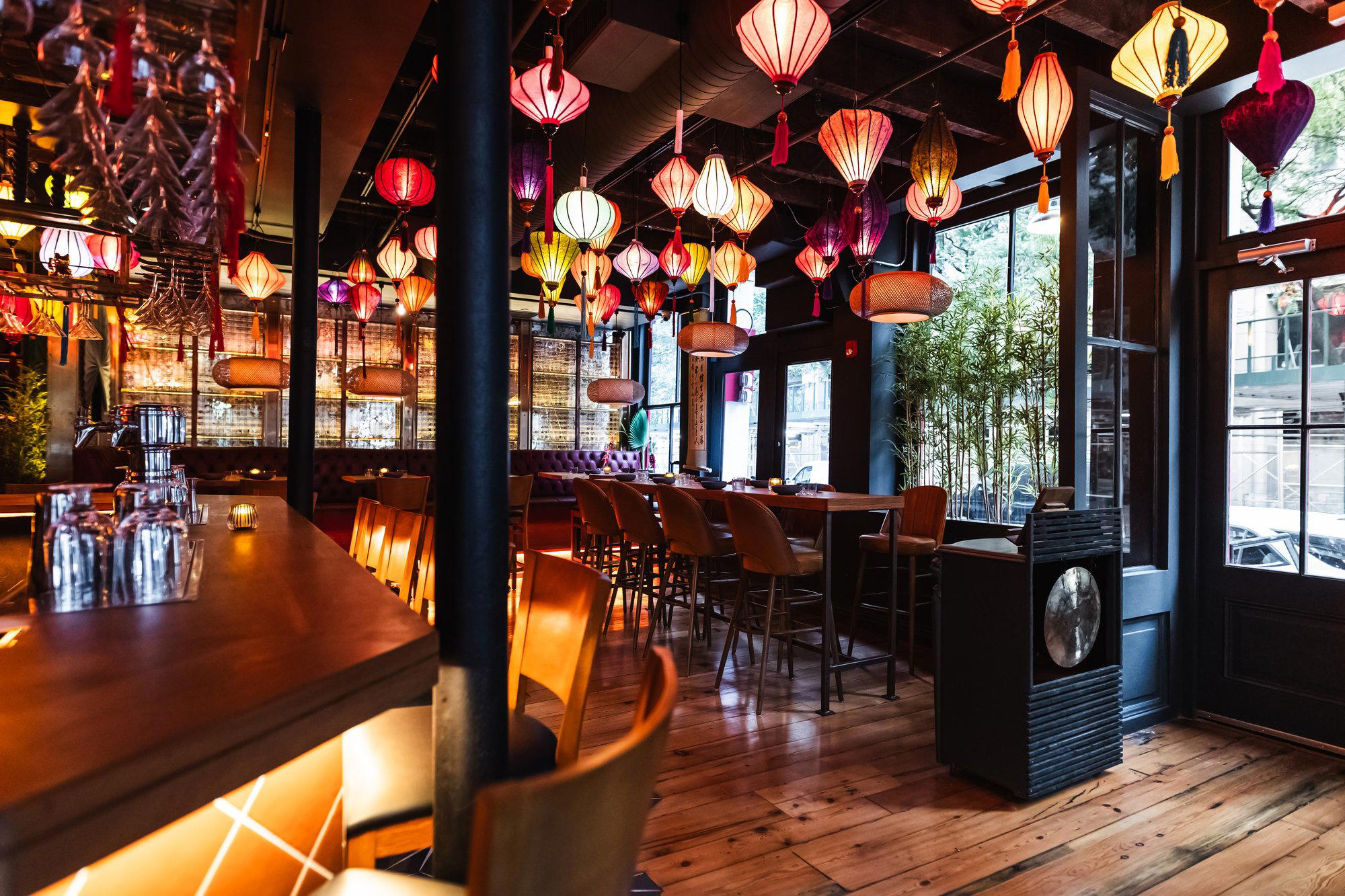
In bar and restaurant naming conventions, “Lucky Tiger” sits in a recognizable tradition: two-word names that pair an adjective of fortune with an animal carry associations of mid-century American bar culture, with some cross-referencing of Southeast Asian visual vocabulary. The name reads as casual, slightly nostalgic, and deliberately non-corporate, which is a considered counter-positioning in a district where the default aesthetic register has historically been formal and finance-adjacent. Whether the interior design commits to that implied direction, or uses the name as a light signal while pursuing a different visual logic, is the kind of question that a visit resolves.
Planning a Visit to 66 Pearl St
The Financial District operates on a weekday-heavy rhythm that differs from most other Manhattan neighborhoods. Lunch service, happy hour, and early evening windows draw the largest crowds from Monday through Friday, with weekend volume substantially lower except during events at nearby venues like Pier 17 or the Seaport District programming. Visitors arriving specifically for Lucky Tiger rather than passing through should factor that temporal pattern into timing decisions: the energy of a Tuesday evening at 6pm in this corridor is categorically different from a Saturday afternoon.
Getting to 66 Pearl St is direct from most of Manhattan. The 2, 3, 4, and 5 trains stop at Wall Street; the J and Z stop at Broad Street; the R and W serve Whitehall Street. The address sits within a short walk of all three stations. For visitors arriving from further afield, the neighborhood context connects to a broader downtown itinerary that includes the Seaport, the Battery, and the Brooklyn Bridge approaches.
Logistics at a Glance
| Venue | Neighborhood | Price Tier | Booking |
|---|---|---|---|
| Lucky Tiger | Financial District | Not confirmed | Not confirmed |
| Le Bernardin | Midtown West | $$$$ | Advance reservation required |
| Atomix | Midtown | $$$$ | Advance reservation required |
| Per Se | Columbus Circle | $$$$ | Advance reservation required |
Beyond New York: American Fine Dining Context
For readers using Lucky Tiger as part of a broader American travel itinerary, the EP Club covers the full tier of destination restaurants across the country. In Chicago, Alinea represents the high-concept end of modernist American cooking. In the San Francisco Bay Area, Lazy Bear and Single Thread Farm in Healdsburg occupy the tasting-menu tier with distinct approaches to California produce. Wine country extends to The French Laundry in Napa. On the West Coast, Providence in Los Angeles and Addison in San Diego anchor Southern California's upper tier. The mid-Atlantic has The Inn at Little Washington, the South has Emeril's in New Orleans and Bacchanalia in Atlanta, and the farm-to-table tradition has a reference point in Blue Hill at Stone Barns in Tarrytown. Internationally, the EP Club covers 8 1/2 Otto e Mezzo Bombana in Hong Kong and Alain Ducasse at Louis XV in Monte Carlo for readers mapping a global fine dining circuit.
Frequently asked questions
Where is Lucky Tiger located?
Lucky Tiger is located at 66 Pearl St, New York, NY 10004, New York City.
How does Lucky Tiger fit into the broader Financial District drinking scene on Pearl Street?
Pearl Street runs through one of Lower Manhattan's most architecturally layered corridors, where converted counting houses and 19th-century commercial buildings shape the atmosphere before a single drink is poured. Lucky Tiger at 66 Pearl St sits within a stretch of FiDi that has moved well beyond its post-trading-floor reputation, now drawing a mix of downtown residents, office workers, and visitors. Its New York City address places it in a neighbourhood where the bar tier has expanded considerably over the past decade.
What do regulars order at Lucky Tiger?
What is clear from the Pearl Street address is that the surrounding Financial District crowd skews toward after-work and early-evening service, which typically shapes a bar's strongest sellers.
Is Lucky Tiger reservation-only?
Financial District venues at this address tier generally operate on a walk-in basis for bar seating, with reservations more common for dining rooms. Confirming current policy directly with the venue before visiting is the most reliable approach.
What do critics highlight about Lucky Tiger?
The venue holds no listed awards at this time. Its position on Pearl Street in Lower Manhattan places it within a bar scene that has drawn increasing editorial attention as the Financial District's after-hours culture has broadened beyond the old post-trading-floor model.
What if I have allergies at Lucky Tiger?
The venue is located at 66 Pearl St, New York, NY 10004, and contacting them directly before your visit is the only way to get accurate, current allergen information. Do not rely on third-party assumptions about ingredients for any allergy-related decision.
Is Lucky Tiger good value for money?
Pearl Street's Financial District positioning typically places venues in a range that reflects Lower Manhattan's real estate and after-work demand. For accurate pricing, the venue at 66 Pearl St, New York, NY 10004 is the authoritative source.
Comparable Spots
Comparable venues nearby, for context on price, style, and recognition.
| Venue | Cuisine | Price | Notes |
|---|---|---|---|
| Lucky TigerThis venue (the venue you are viewing) | Asian-Inspired Fusion Small Plates & Cocktails | $30–50 | Not listed |
| Kelley & Ping | Pan-Asian Noodle Shop | Not listed | Greenwich Village |
| Spring Cafe | Vegan Asian-American Comfort | $20–30 | Tribeca-Civic Center |
| Sachi | Modern Asian Fusion Bistro | $30–50 | Murray Hill-Kips Bay |
| Siggy's Good Food | Organic Mediterranean Comfort Food | Not listed | Brooklyn Heights |
| Curry Heights | Authentic Indian Cuisine | $20–30 | Brooklyn Heights |