Lucknam Park
Our verdict
A Georgian country house hotel set within a 500-acre Wiltshire estate, Lucknam Park occupies a distinct tier among Britain's rural fine dining destinations — one where the land itself shapes what arrives on the plate. The kitchen draws on estate and regional produce in a tradition shared by a small handful of UK country house restaurants operating at this level.

Pearl is the En Primeur Club membership app — saves, bookings, and concierge access live there. Same editors, same standards.
The menu
What to order
- Pot roast of Roundway Hill pork belly with foie gras
- Pan-seared scallops with girolles
- Grilled lamb
- Chocolate Fondant
- Lemon Tart
Where the Estate Defines the Plate
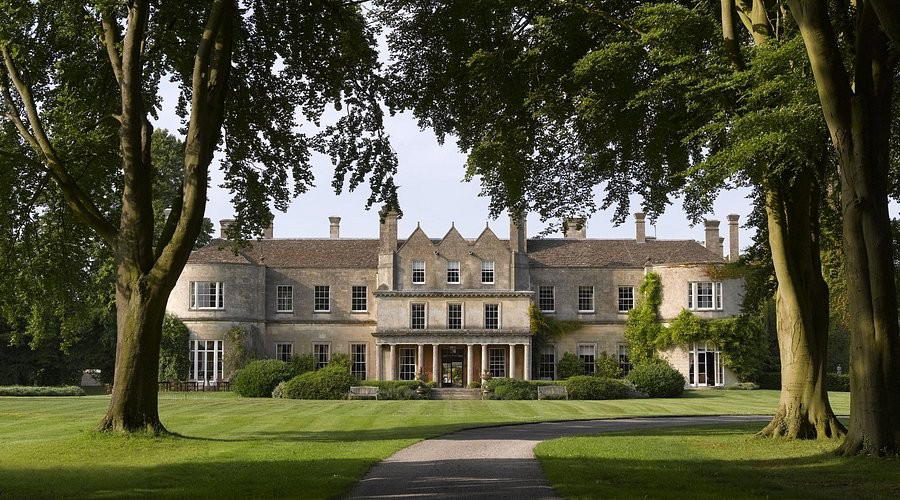
The approach to Lucknam Park sets the terms of the visit before you reach the front door. A mile-long avenue of beech trees leads through a 500-acre Wiltshire estate, and that physical threshold matters because it signals what kind of restaurant this is: one where the land surrounding the building is not decorative backdrop but working context. Le Manoir aux Quat'Saisons in Oxford operates with similar garden-led sourcing principles across its two Michelin-starred kitchen. Moor Hall in Aughton draws heavily on its surrounding Lancashire landscape. Lucknam Park sits in this category: properties where sourcing geography and dining address are effectively the same postcode.
The Country House Kitchen and Its Sourcing Logic
British country house fine dining has developed a recognisable sourcing grammar over the past two decades. The leading examples in this category — properties like Gidleigh Park in Chagford or L'Enclume in Cartmel, where the kitchen either farms directly or maintains tight supplier relationships within a defined radius, use provenance not as a marketing convenience but as a structural constraint on the menu. Seasonal availability is not aspirational language; it is the actual limit of what the kitchen can produce at any given time of year.
Wiltshire sits in strong agricultural country. The county's chalk downland produces well-regarded lamb, its river systems support trout and watercress, and the broader South West region is among the UK's most productive for dairy and artisan producers. A kitchen working within this geography has genuine raw material to engage with, and the discipline of that engagement separates estate restaurants that take provenance seriously from those that use it as ambient branding. The question a visit to Lucknam Park poses, the same question any serious country house restaurant must answer, is how deeply the sourcing logic runs through the menu's actual construction.
This matters more in the current British dining climate than it did a decade ago. London's leading tables, including CORE by Clare Smyth with its celebrated vegetable-forward approach, have made explicit provenance a central critical criterion. Reviewers and guests now arrive with more precise questions about where specific ingredients originate. Country house restaurants with working kitchen gardens or documented regional supplier networks are better positioned against that scrutiny than those relying on generic fine dining sourcing.
Position in the UK Country House Dining Tier
The UK's country house fine dining category has contracted and stratified. At the upper end sit properties with active Michelin recognition, Restaurant Andrew Fairlie at Gleneagles in Auchterarder and The Glenturret Lalique in Crieff in Scotland, Ynyshir Hall in Machynlleth in Wales. In England's West Country and Cotswold corridor, where Lucknam Park operates, the competitive set includes hotels and restaurants drawing from similar agricultural terroir but with different format choices: some run full hotel dining rooms, others operate more intimate tasting-menu counters.
Lucknam Park's positioning in this field reflects the logic of country house hotels that compete on completeness, spa, equestrian facilities, accommodation, and restaurant as integrated offer, rather than on restaurant as standalone destination. This is a different pitch from, say, Restaurant Sat Bains in Nottingham or Midsummer House in Cambridge, where the restaurant is the primary reason to be there and accommodation is secondary. Knowing which model you are visiting matters for how you plan the trip and what you are paying for.
For comparison, properties operating in the full-service country house hotel format at similar market positioning, such as Hide and Fox in Saltwood or Hand and Flowers in Marlow, the latter a two-Michelin-star pub-with-rooms, demonstrate how the format shapes the dining character. Lucknam Park operates in Georgian house scale, which typically means a formal dining room setting rather than the more experimental formats found in purpose-built restaurant spaces like Opheem in Birmingham.
The Wiltshire Context
Chippenham as a base for dining at this level requires a car or pre-arranged transfer. The town itself sits approximately 12 miles from Bath and is accessible from the M4. For guests arriving without their own transport, Bath or Bristol offer the closest rail connections with onward options. This is not city dining where proximity is a given; the estate's remove is part of what it is selling, and logistical planning is part of the visit's discipline.
Wiltshire's broader dining picture has developed quietly. 33 The Homend in Ledbury illustrates how smaller market towns near agricultural heartlands can support serious cooking when supplier relationships are tight. The same logic applies to the Wiltshire corridor: proximity to good producers does not automatically produce good restaurants, but it creates the conditions for them. For the broader regional picture, our full Chippenham restaurants guide maps the local scene.
Internationally, the country house hotel dining format has equivalents, properties like Le Bernardin in New York City or Atomix in New York City represent a completely different urban tasting-menu tradition, where the dining room is purpose-built around a single culinary argument. The country house model is structurally opposed to that: it disperses the guest experience across a larger estate and asks the restaurant to function as one of several anchors rather than the only one.
Planning a Visit
Lucknam Park is a property leading visited as an overnight or multi-night stay rather than a drive-in dinner reservation, given its estate scale and distance from city centres. Guests travelling from London should factor Bath Spa as the nearest major rail hub, from which the estate is a short taxi ride. Advance booking is advisable for the dining room, particularly at weekends and across the summer months when the spa and equestrian facilities increase overall demand on room and table availability. The property operates at a price point consistent with five-star country house hotels in the South West of England, where accommodation and dining are priced together as an integrated experience.
Frequently asked questions
Is Lucknam Park good for families?
Lucknam Park's 500-acre estate in Chippenham gives families genuine space, with equestrian facilities that set it apart from most country house properties. The scale of the grounds suits multi-generational visits better than a city hotel or a dining-only destination. An overnight or multi-night stay makes the most sense given the estate's distance from major urban centres.
How would you describe the vibe at Lucknam Park?
The tone is set before you enter the building: a mile-long beech-lined avenue across 500 acres in Wiltshire establishes a pace that the rest of the property follows. This is country house formality at the quieter end of the register, closer to a private estate than a conference hotel. The proximity to Bath, roughly 12 miles, draws guests who want that cultural access without the city noise.
Is Lucknam Park worth visiting just for dinner, or does it require an overnight stay?
Chippenham's location — approximately 12 miles from Bath and without a direct rail connection to the estate — makes a drive-in dinner reservation a logistical commitment. The 500-acre scale of Lucknam Park is genuinely better absorbed over one or two nights, when the equestrian facilities, spa, and grounds become part of the experience rather than backdrop. For a standalone meal, the Bath dining scene offers more accessible alternatives; Lucknam Park rewards those who treat the estate, not just the dining room, as the destination.
What do people recommend at Lucknam Park?
The estate itself is consistently what guests single out — specifically the approach drive and the equestrian facilities, which are not standard features in this category of UK country house property. The restaurant sourcing draws from the estate's own grounds, which positions it within the farm-to-table grammar that the stronger properties in the British country house dining tier have developed over the past two decades. An overnight stay is the format most visitors recommend over a standalone dinner reservation.
What part of town is Lucknam Park in?
Lucknam Park is located at Lucknam Park, Chippenham SN14 8AZ, United Kingdom, Chippenham.
Quick Comparison
Comparable venues nearby, for context on price, style, and recognition.
| Venue | Cuisine | Price | Awards | Notes |
|---|---|---|---|---|
| Lucknam ParkThis venue — the venue you are viewing | Modern British Fine Dining | $150–200 | Not listed | Not listed |
| Tamburrini & Wishart, Cameron House Loch Lomond | Modern Scottish Fine Dining | Not listed | World's Best Wine Lists Awards WBWL 2-Star | Loch Lomond |
| The Cottage in the Wood | Modern British Fine Dining | $100–150 | Michelin Plate · AA Rosettes 3 Rosettes | Malvern Wells |
| The Yellow Bittern | Irish-influenced British set-menu lunch | $100–150 | Not listed | King's Cross |
| Butlers Restaurant | Classic British Fine Dining | $50–100 | Not listed | Mayfair |
| Alyn Williams at the Westbury | Modern British Fine Dining | $150–200 | Not listed | Mayfair |
Continue exploring
More in Chippenham
Restaurants in Chippenham
All restaurants in Chippenham →
Bars in Chippenham
Browse all →

Lucknam Park
The wine
- Wine program
- Curated wine list
- Extensive wine list
- Sommelier-led
Details
- Elegant
- Romantic
- Sophisticated
- Classic
- Date Night
- Special Occasion
- Celebration
- Private Dining
- Historic Building
- Garden
- Extensive Wine List
- Sommelier Led
- Farm To Table
- Local Sourcing
- Organic
- Garden
- Tasting Menu
- A La Carte
- Wine Pairings
- Craft Cocktails
- Local Ales
- Vegetarian Friendly
- Vegan Options
- Gluten Free Options
- Allergy Accommodating
Current opening hours
- Monday
- Closed
- Tuesday
- Closed
- Wednesday
- 6–9 PM
- Thursday
- 6–9 PM
- Friday
- 6–9 PM
- Saturday
- 6–9 PM
- Sunday
- Closed
Hours can change for holidays and private events. Last verified .
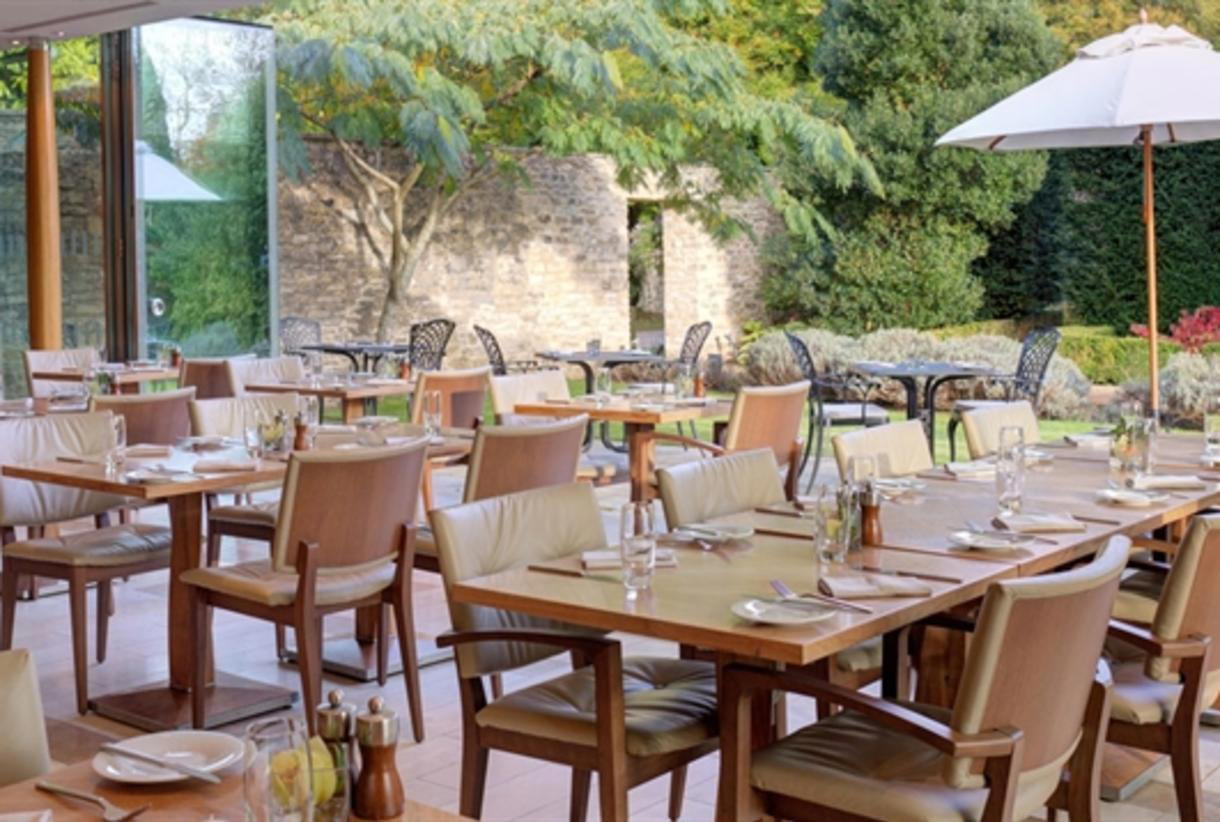
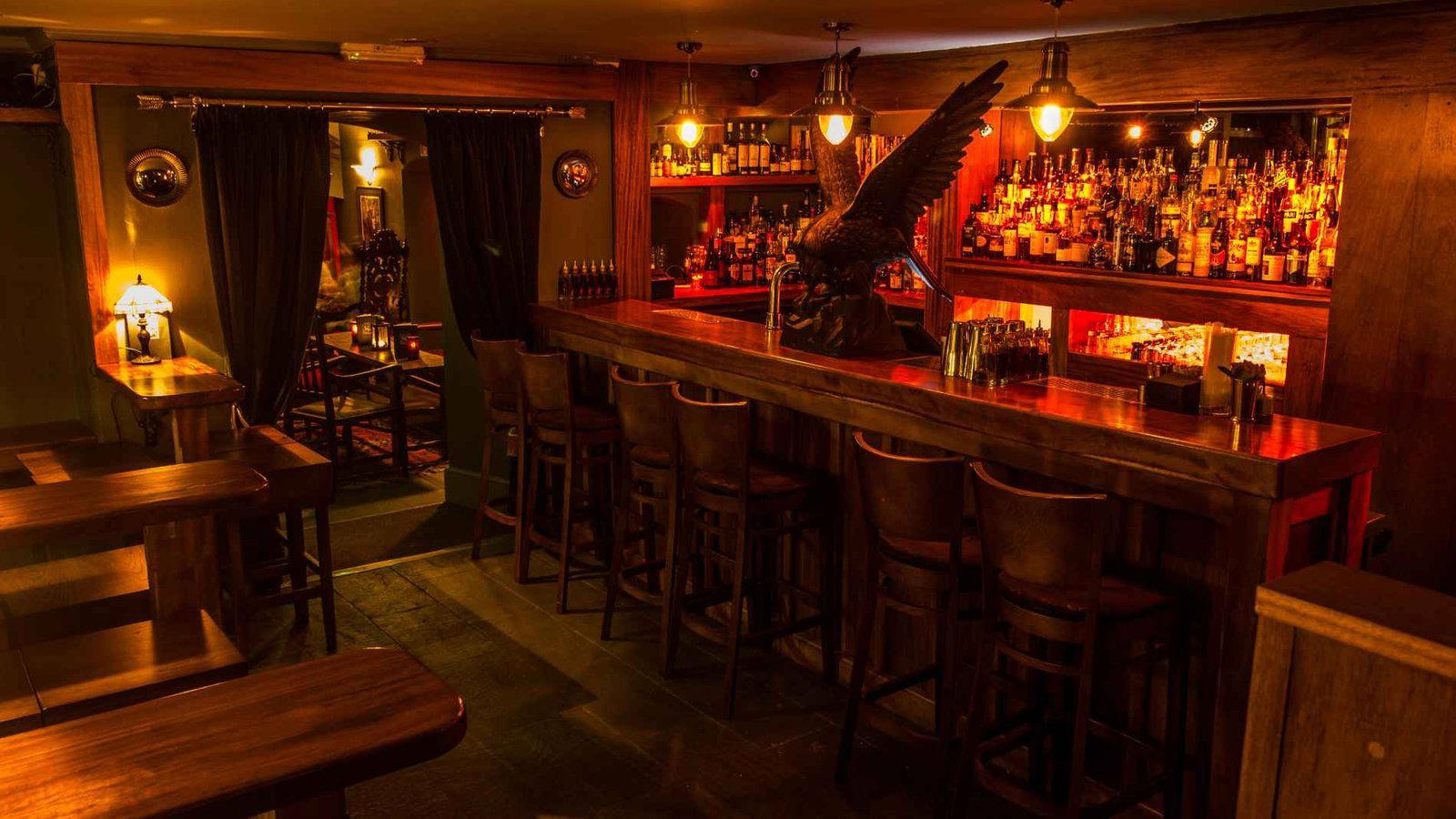
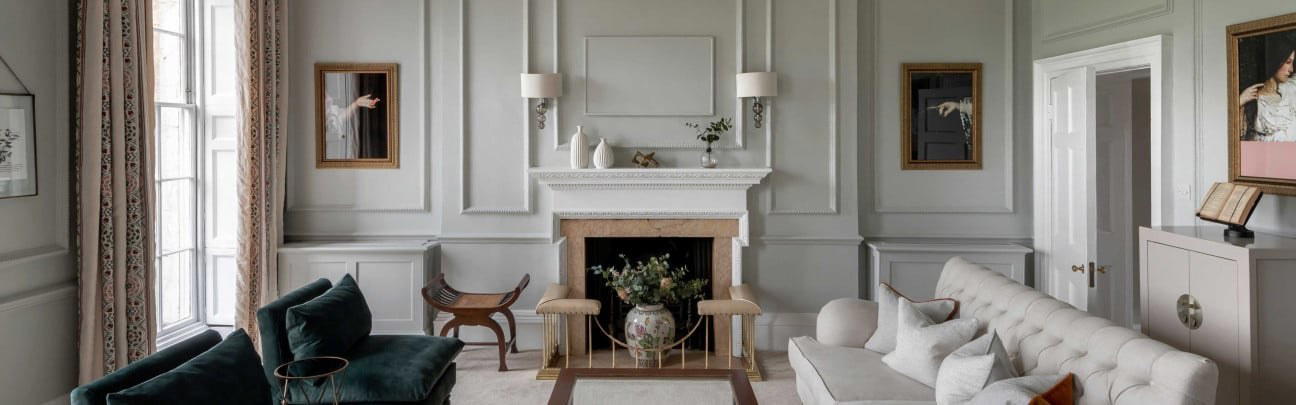
Ornate and formal with timeless elegance, featuring real log fires and refined surroundings that evoke a bygone era of country house grandeur.