Lu Restaurant
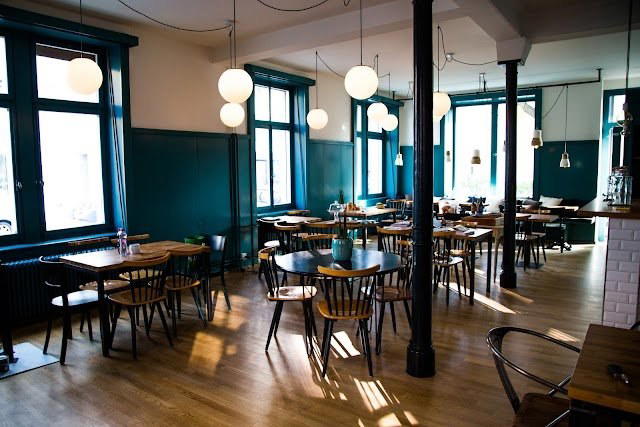
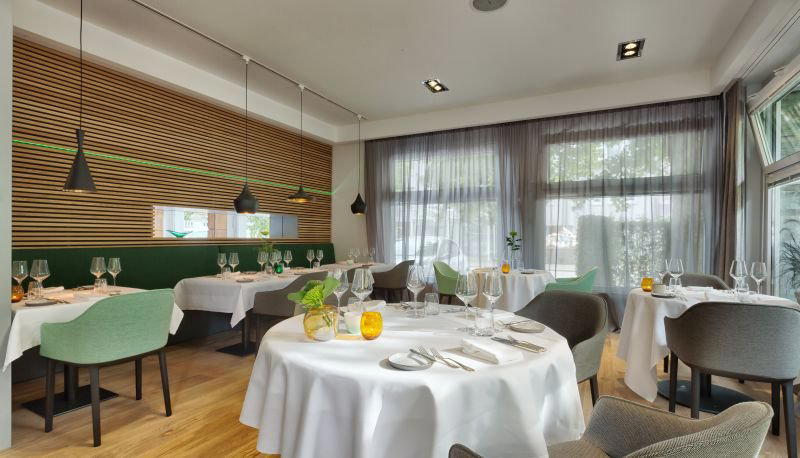
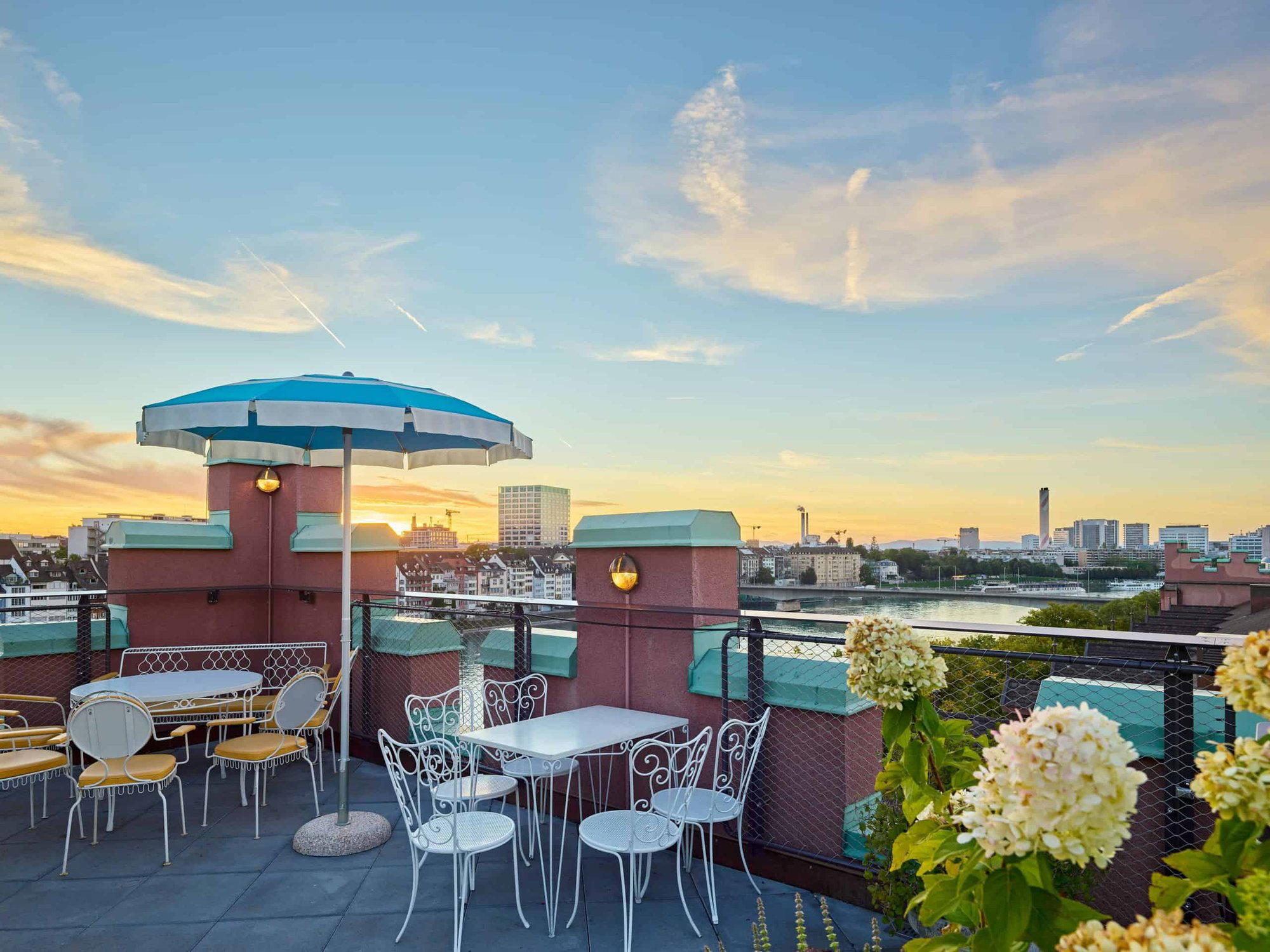
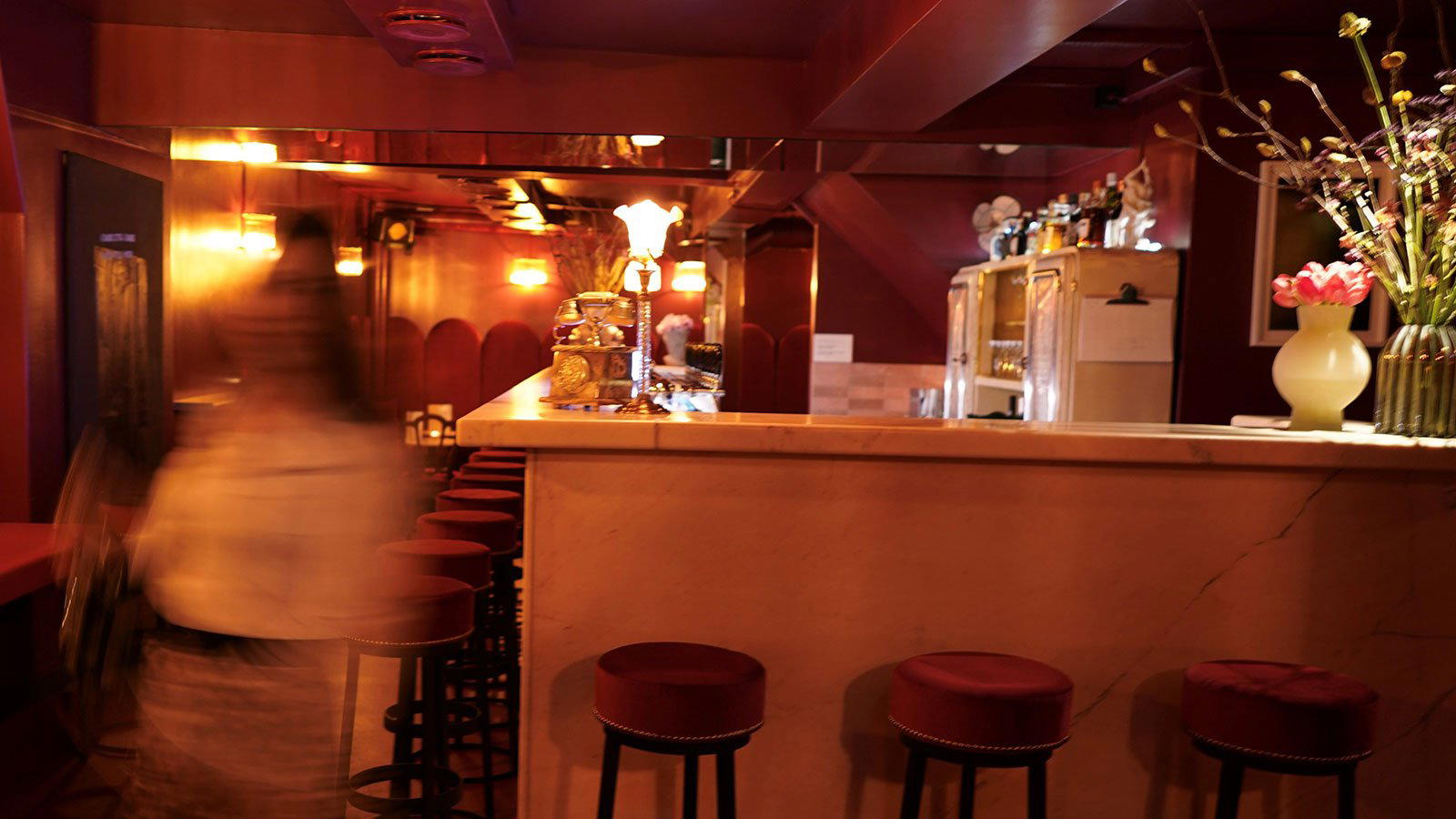
Lu Restaurant on Feldbergstrasse sits in Basel's Kleinbasel district, where the city's dining scene runs quieter and more local than the museum quarter across the Rhine. With limited publicly available data, the restaurant has built its following through word of mouth rather than press exposure — a pattern that, in Basel's compact dining culture, often signals a kitchen serious about its regulars rather than its profile.
Pearl is the En Primeur Club membership app — saves, bookings, and concierge access live there. Same editors, same standards.
- Address
- Feldbergstrasse 70, 4057 Basel, Switzerland
- Phone
- +41615369768
- Website
- restaurantlu.com
- Directions
- Get directions
 Saves & bookings on Pearl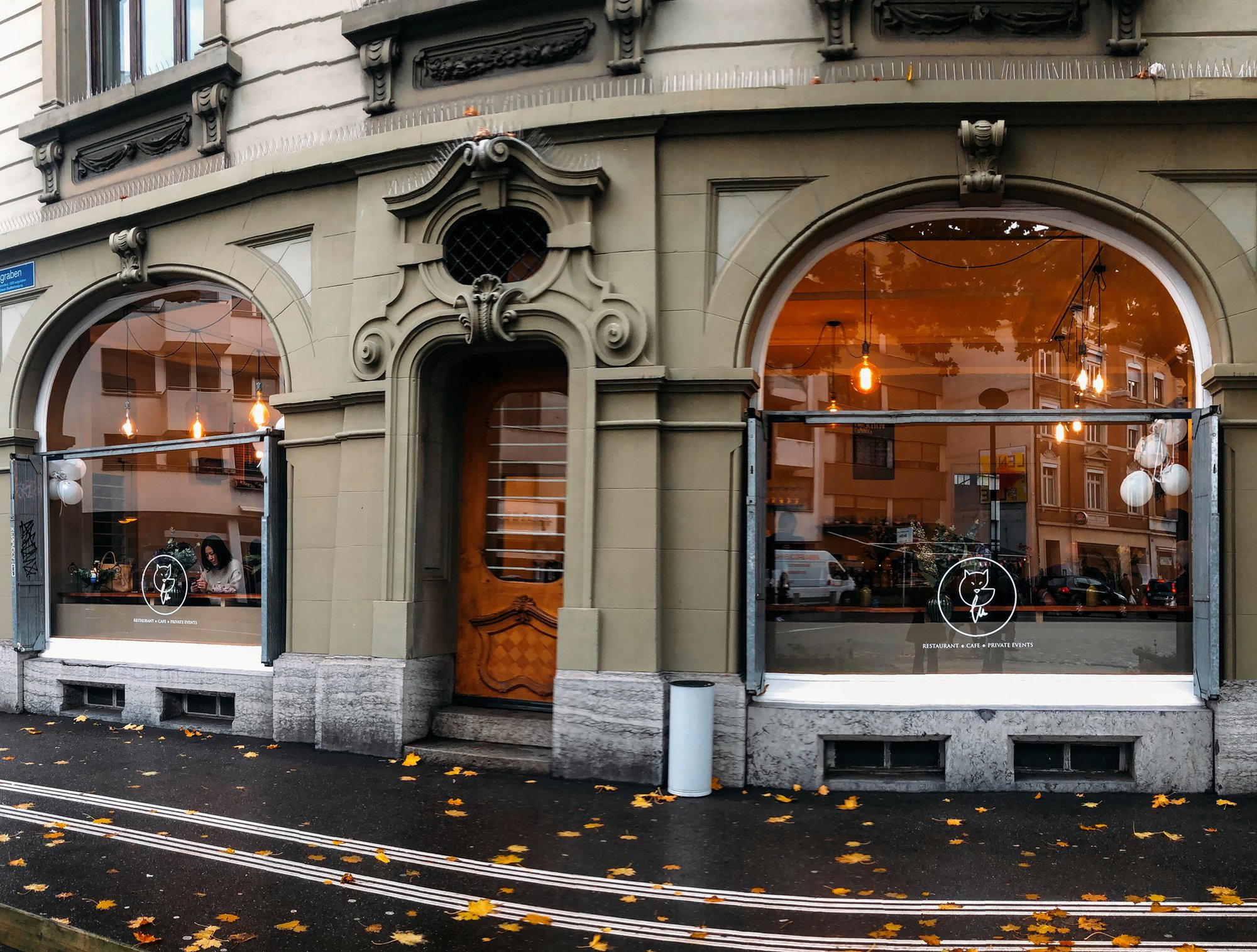
The Kleinbasel Rhythm: Where Basel Eats Without Performing
Cross the Mittlere Brücke from Basel's museum-dense right bank and the city's dining register shifts. Kleinbasel — the working neighbourhood anchored by Feldbergstrasse — has long housed the restaurants that Basel's own residents return to without needing a special occasion as justification. These are not the addresses that appear on international itineraries alongside Cheval Blanc by Peter Knogl or Stucki - Tanja Grandits, both of which operate at the award-bearing, destination-diner end of the city's spectrum. Feldbergstrasse 70, where Lu Restaurant is located, sits in a different register entirely: neighbourhood-facing, built on repeat custom, and understood by its clientele without needing a press release to explain it.
That distinction matters in a city like Basel. The town is small enough, roughly 180,000 residents in the city proper, that a restaurant either earns a local following or fades quickly. The award circuit that draws visitors to roots and the formal rooms of the grand hotels represents one legitimate path. The other, less documented path is the one that produces the kind of place where a table is held not because the booking system demands a credit card but because the staff knows which seats their regulars prefer.
What Draws People Back: The Logic of the Regular
In Basel's dining culture, loyalty to a neighbourhood restaurant is rarely accidental. It develops around specific, repeatable things: a dish that hasn't changed in years because changing it would be a betrayal, a room temperature that feels calibrated to conversation rather than spectacle, a pace of service that reads the table rather than the clock. The restaurants on Feldbergstrasse and the streets around it tend to operate this way, less concerned with the first impression and more invested in the twentieth visit.
Lu Restaurant, at this address, draws from that same tradition. Without a publicly documented award record or a press-facing profile, what the restaurant communicates is primarily communicated through its presence in the neighbourhood itself. In Basel, that carries weight. The city's dining culture has a strong institutional memory: addresses become known by accumulation, by the recommendation passed between colleagues during Art Basel week in June, by the table that a local architect books when out-of-town clients want something that feels genuinely Basler rather than internationally calibrated.
The Feldbergstrasse corridor, running through the heart of Kleinbasel, has enough density of independent operators that a restaurant which survives on this street over time is doing something right by its immediate community. The filter is unsentimental.
Basel's Dining Tiers: Where Lu Sits in the City's Structure
Understanding Lu Restaurant requires understanding how Basel's dining scene is structured across price points and ambition levels. At the formal leading, the city competes with Switzerland's broader fine dining circuit, a circuit that includes Hotel de Ville Crissier in Crissier, Schloss Schauenstein in Fürstenau, and Memories in Bad Ragaz, each operating with Michelin recognition and a clientele that travels specifically to dine. Within Basel itself, 1777 and Ackermannshof represent the mid-to-upper tier of the local scene without reaching the full destination-dining threshold.
Below that formal layer, Basel sustains a network of neighbourhood restaurants that serve a different purpose: they are where the city actually eats, repeatedly, without ceremony. Lu Restaurant occupies a position in this tier. Its Feldbergstrasse address places it physically and culturally within the Kleinbasel community rather than the tourist or gallery circuit. In a Swiss city where even mid-range dining tends to be expensive by European standards, a restaurant that builds loyalty in this bracket has usually found a price-to-return ratio that regulars find worth defending.
For visitors seeking the full range of what Basel's dining culture produces, the contrast between the destination tier (Cheval Blanc, roots, Stucki) and the neighbourhood tier (of which Lu is one example) is itself instructive. Switzerland's other serious dining cities produce similar splits: IGNIV Zürich by Andreas Caminada in Zurich and L'Atelier Robuchon in Geneva anchor their respective cities' upper registers, while the neighbourhood layers operate with far less international visibility and far more local importance.
Timing, Access, and What to Expect
Lu Restaurant's public profile is limited: no website, no listed phone number in available records, and no documented booking policy. In practical terms, this places it in a category that Basel locals navigate by direct contact or by walking in and reading the room. That approach, arriving without a reservation, particularly outside peak hours, or making contact through the address itself on Feldbergstrasse, is more viable for neighbourhood restaurants of this type than for the city's formal dining tier, where tables at 7132 Silver in Vals or comparable Swiss destination venues require advance planning measured in weeks.
The June Art Basel period, when the city's hotel capacity and restaurant demand compress simultaneously, is the one window where even neighbourhood restaurants on Feldbergstrasse can fill unexpectedly. Outside that window, Kleinbasel dining tends to operate at a rhythm that rewards the visitor willing to arrive without a fixed agenda. The neighbourhood is accessible on foot from Basel SBB station in under twenty minutes, and the Feldbergstrasse itself runs as a navigable commercial street with enough surrounding options to make an exploratory evening viable regardless of which door opens first.
For those building a broader Swiss dining itinerary around a Basel visit, the surrounding region offers considerable range: focus ATELIER in Vitznau, Colonnade in Lucerne, Einstein Gourmet in Sankt Gallen, and Da Vittorio - St. Moritz in St. Moritz each represent distinct Swiss dining traditions within a half-day's reach. Internationally, the precision-oriented kitchens of Le Bernardin in New York City and the tasting-menu rigour of Atomix in New York City offer a useful reference point for the formal end of the spectrum that Basel's top tier approaches but that Lu, by its neighbourhood positioning, does not attempt to replicate.
See our full Basel restaurants guide for a complete map of where the city eats across price points and dining registers.

At a Glance
- Cozy
- Casual Hangout
Current opening hours
- Monday
- Closed
- Tuesday
- 10 AM–10 PM
- Wednesday
- 10 AM–10 PM
- Thursday
- 10 AM–10 PM
- Friday
- 10 AM–10 PM
- Saturday
- 10 AM–10 PM
- Sunday
- 10 AM–10 PM
Hours can change for holidays and private events. Last verified .
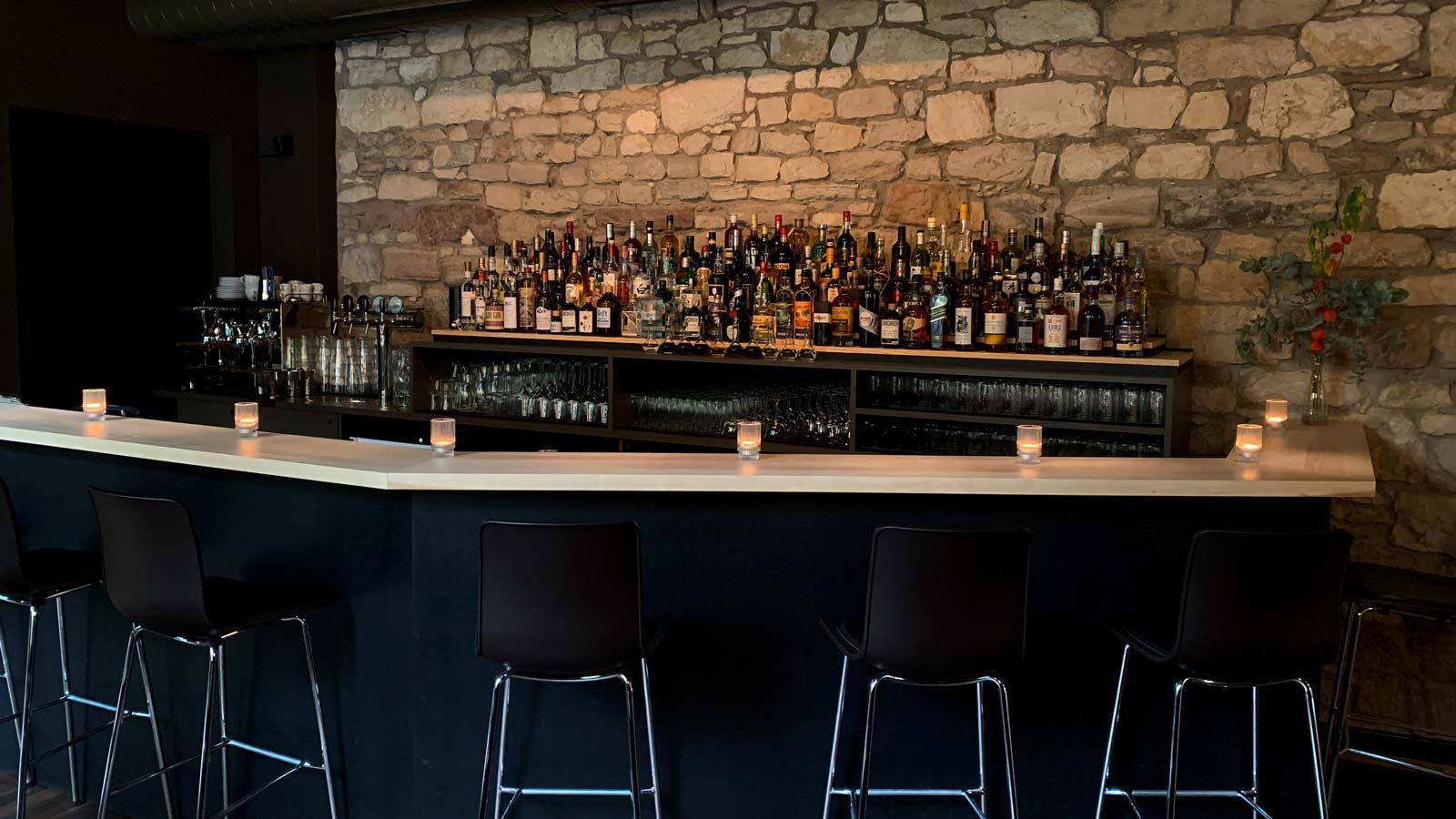
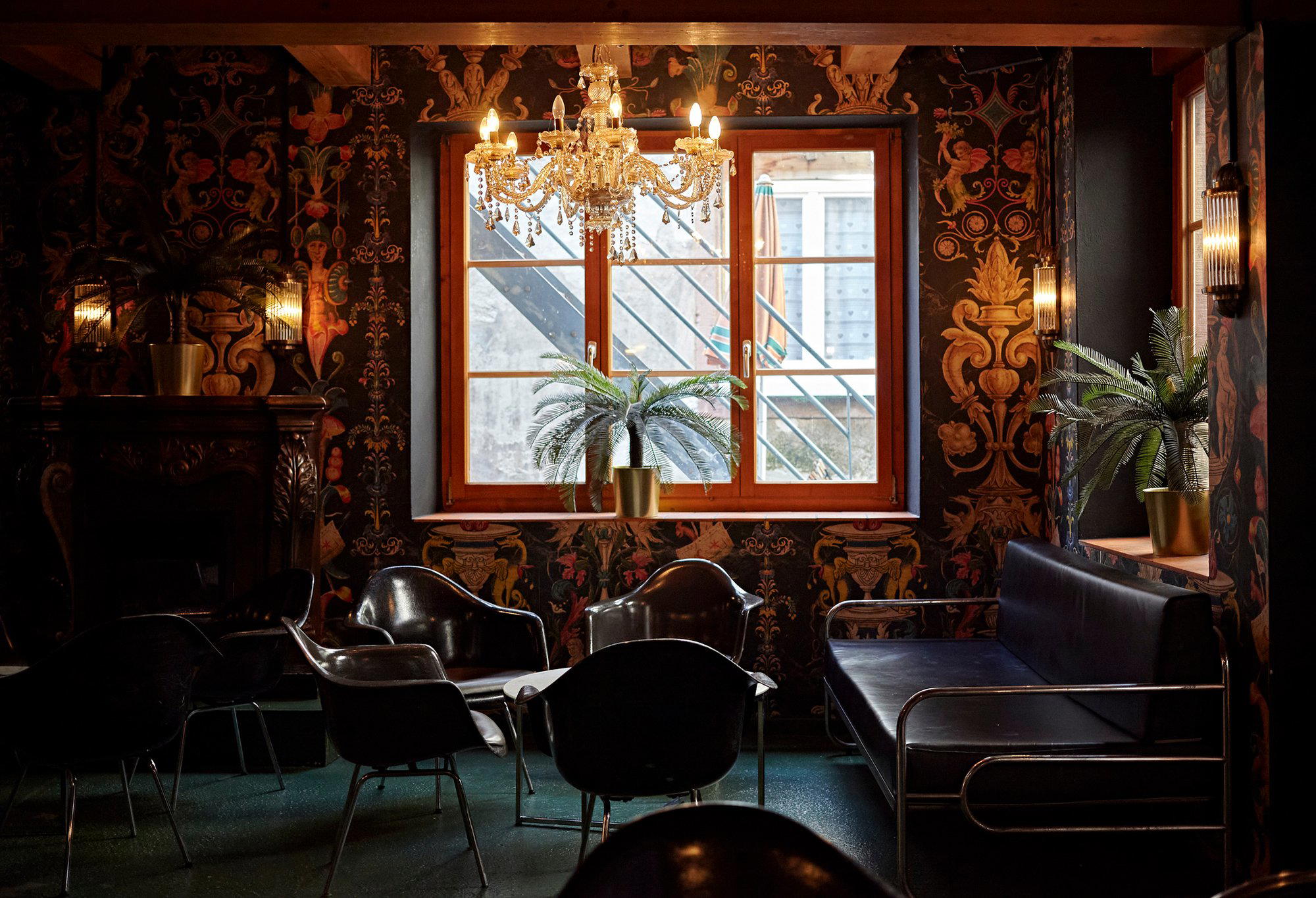
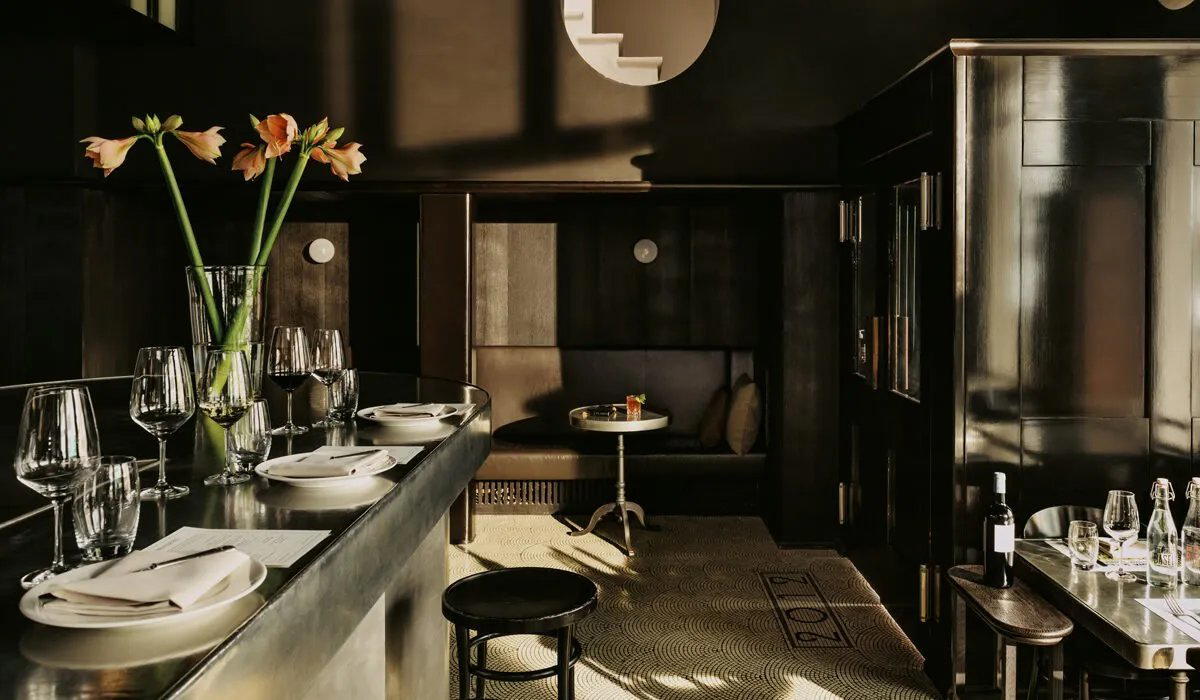
Casual neighborhood spot in Kleinbasel.
Know Before You Go
- Getting there
- Feldbergstrasse 70, 4057 Basel, Switzerland