Schnabel
Our verdict
Schnabel occupies a narrow alley address at Trillengässlein 2 in Basel's Old Town, placing it inside a city that runs some of Switzerland's most competitive fine dining. With little publicly available detail on format or kitchen direction, it sits in the mid-tier of Basel's dining conversation — worth approaching with an open itinerary and a willingness to discover what the room offers on its own terms.

Pearl is the En Primeur Club membership app — saves, bookings, and concierge access live there. Same editors, same standards.
- Address
- Trillengässlein 2, 4051 Basel, Switzerland
- Phone
- +41612612121
- Hours
- Mon 10 AM–2 PM, 5–10 PMTue 10 AM–11 PMWed 10 AM–2 PM, 5–11 PMThu–Fri 10 AM–2 PM, 5 PM–12 AMSat 10 AM–12 AMSun Closed
- Website
- restaurant-schnabel.ch
- Directions
- Get directions
- Booking
- Book on the venue's website
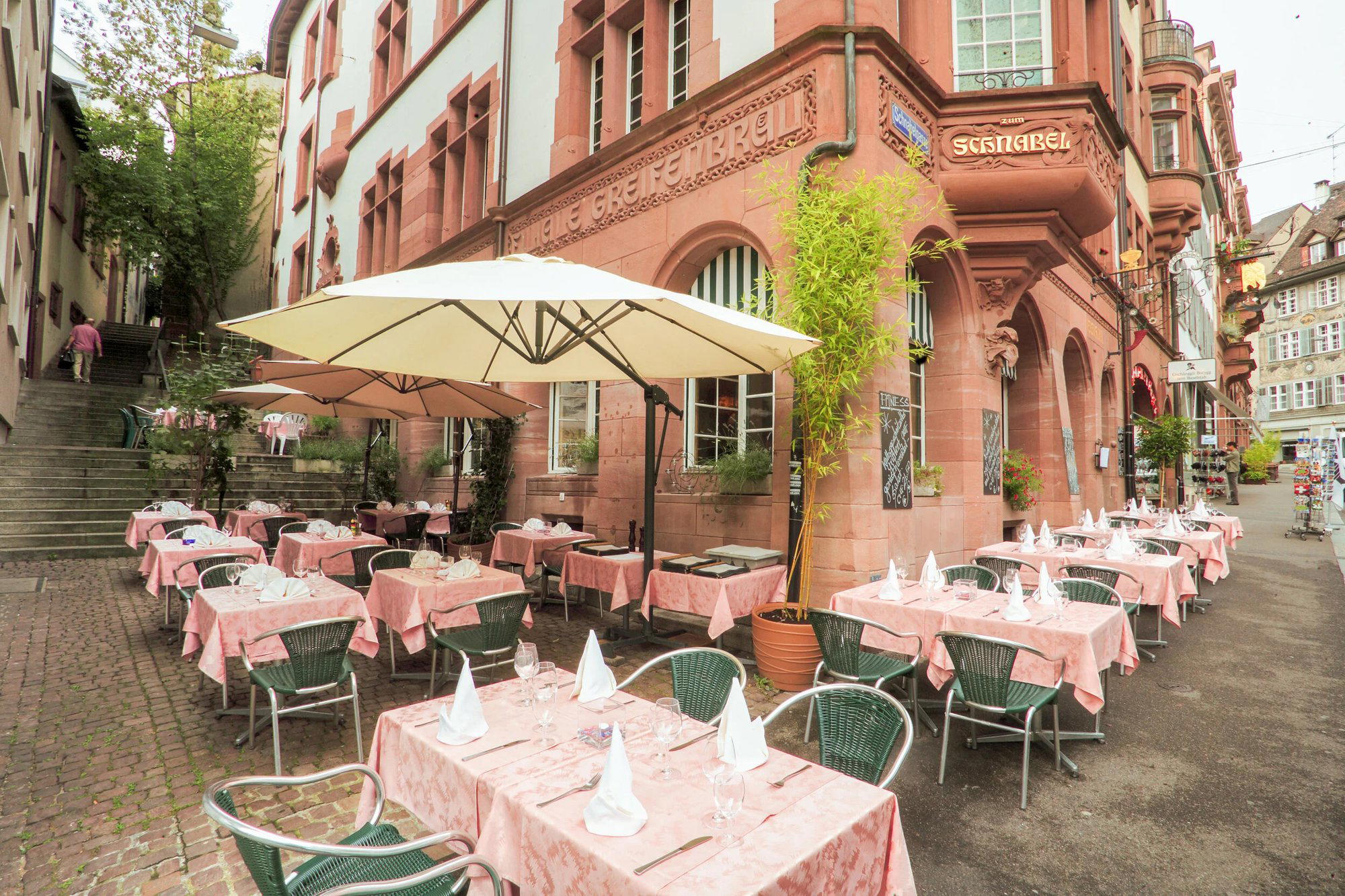
A Street That Sets Expectations
Trillengässlein is the kind of Basel address that rewards walkers who resist the main thoroughfares. The lane cuts through the heart of the Old Town at 4051, close enough to the Rhine that the air carries a faint coolness in the evenings, far enough from the tourist circuits that the foot traffic belongs almost entirely to people who already know where they are going. In a city where some of the most serious kitchens operate behind unmarked doors or in converted historic buildings, an address like this one signals intention before a menu is ever seen.
Basel's dining identity has been shaped by its geography as much as its ambition. The city sits at a three-country border — Switzerland, Germany, France — and that triangulation shows up in the kitchens. The most decorated addresses here, including Cheval Blanc by Peter Knogl at the Grand Hotel Les Trois Rois and Stucki - Tanja Grandits, operate with a French-rooted technical vocabulary filtered through Swiss precision. Against that backdrop, smaller rooms in the Old Town tend to play a different role: they absorb what the flagship kitchens establish and deliver it at closer range, with less formality and sometimes more personality.
How the Menu Speaks
The editorial angle that applies most usefully to a room like Schnabel is not awards or tasting notes but menu architecture, the logic of how a kitchen chooses to organise what it offers and what that organisation reveals about the restaurant's position in its city. In Basel's upper-middle tier, that question has a fairly consistent answer: menus either lean into the French classical inheritance of the region, move toward creative contemporary formats that have gained ground since roots established vegetable-forward fine dining as a credible local model, or stay in a more accessible register where seasonal Swiss produce drives short, rotating selections.
In Swiss restaurant culture, that middle tier carries specific meaning. It is where regional wine lists get serious, where the kitchen's relationship with local suppliers becomes visible in the sourcing language on the menu, and where the dining rhythm slows to match the room rather than a timed service format. Whether Schnabel fits that profile precisely requires a visit, but the address alone places it inside that conversation.
Basel's Competitive Set
Understanding where any single room sits in Basel requires a working map of the city's overall dining range. At the upper end, the concentration of technical ambition is high relative to city size. Cheval Blanc by Peter Knogl represents the city's most decorated classical French address. Stucki - Tanja Grandits runs a creative contemporary kitchen that has built consistent recognition over years. roots has redefined what a vegetable-led tasting menu can do in a Swiss context, pulling from Flemish and modern European influences.
Below that tier, the city's mid-range is competitive precisely because the baseline expectation of Swiss diners is high. Ingredients cost more, wine lists skew serious, and service standards that would count as exceptional in other European cities are simply the norm here. A room operating at Schnabel's apparent positioning has to earn its place against that standard consistently, without the scaffolding of a major award or a celebrated name to carry the initial booking decision.
For diners whose primary frame of reference is the international end of the restaurant spectrum, say, Le Bernardin in New York City or Atomix, Basel's mid-tier will feel more intimate and less production-heavy, closer in spirit to a neighbourhood address that happens to take its cooking seriously than to a destination restaurant with a performance dimension built into the room design.
Switzerland Beyond Basel
If Schnabel forms part of a wider Swiss trip, the country's dining range extends well beyond what any single city contains. Hotel de Ville Crissier in Crissier carries one of the country's longest-standing reputations for classical French precision. Schloss Schauenstein in Fürstenau operates from a castle setting in Graubünden with a kitchen that has drawn sustained international attention. Memories in Bad Ragaz and 7132 Silver in Vals anchor two of the country's more architecturally considered dining destinations. In Zurich, IGNIV Zürich by Andreas Caminada represents the sharing-format end of Swiss fine dining. Further afield, Colonnade in Lucerne, Einstein Gourmet in Sankt Gallen, focus ATELIER in Vitznau, and Da Vittorio - St. Moritz in St. Moritz and L'Atelier Robuchon in Geneva round out a national dining circuit that is small in geography and dense in serious kitchens.
Basel's own guide, see our full Basel restaurants guide, maps the city's range from its flagship addresses down to the rooms that operate without fanfare in the older quarters. Schnabel sits somewhere in that lower-visibility tier, which in Basel is not a criticism: it is simply where much of the city's actual daily dining life happens.
Know Before You Go
- Address: Trillengässlein 2, 4051 Basel, Switzerland
- Phone: Not publicly listed, check local directories or walk in to confirm reservations
- Website: Not publicly listed
- Price range: Not confirmed, budget for mid-range Basel pricing as a working assumption
- Hours: Not confirmed, verify directly before visiting
- Reservations: Booking method not documented; walk-in or phone inquiry likely the most direct approach
- Getting there: The Old Town is walkable from Basel's main tram network; Marktplatz and Barfüsserplatz are the closest major stops
Frequently asked questions
Where is Schnabel located?
Schnabel is located at Trillengässlein 2, 4051 Basel, Switzerland, Basel.
Is Schnabel a good choice for a first visit to Basel's Old Town dining scene?
Trillengässlein 2 puts Schnabel inside the historic core of Basel, which is where the city's neighbourhood restaurant culture is most concentrated. For a first visit to Basel's dining scene, an Old Town address offers proximity to the Rhine, the Kunstmuseum, and a walkable cluster of independent restaurants. Basel as a whole supports a range from casual neighbourhood rooms to multi-Michelin operations, and Schnabel sits within that geography.
What should I eat at Schnabel?
Schnabel's menu details are not formally documented in the public record. Its position in Basel's Old Town on Trillengässlein 2 places it within a city that favours French-Swiss technique as a baseline, so expect a kitchen shaped by that regional tradition. Contacting the restaurant directly will give you the clearest picture of current dishes.
How far ahead should I plan for Schnabel?
Basel's Old Town restaurants with strong local followings tend to fill quickly, particularly on Thursday through Saturday evenings, so reaching out well in advance is a reasonable precaution. Check directly with Schnabel at Trillengässlein 2 for current availability.
What is Schnabel known for?
Schnabel occupies a lane in Basel's Old Town that already signals a certain deliberateness — Trillengässlein is not a street you stumble onto. In a city that supports multiple Michelin-starred addresses, a room at this address tends to attract guests who prioritise neighbourhood character over hotel-dining formality. Specific documented credentials for Schnabel are limited in the public record.
Can Schnabel handle vegetarian requests?
No menu documentation exists to confirm Schnabel's dietary accommodation policy. Basel's dining culture does include kitchens that treat vegetable courses as a structural part of the menu rather than an afterthought, particularly those drawing on French-Swiss practice. Contact Schnabel directly at Trillengässlein 2, Basel, to confirm current options before your visit.
Price and Recognition
Comparable venues nearby, for context on price, style, and recognition.
| Venue | Cuisine | Price | Notes |
|---|---|---|---|
| SchnabelThis venue — the venue you are viewing | Traditional Swiss Basel Specialties | Not listed | Not listed |
| Ufer7 | Modern Swiss Small Plates | $30–50 | Messe, Modern Swiss Small Plates |
| Mister Momo Dumplings | Tibetan & Bhutanese Momos | $20–30 | Aeschen, Tibetan & Bhutanese Momos |
| Küchlin | French Brasserie | $30–50 | Aeschen, French Brasserie |
| Restaurant Marmaris | Turkish | Not listed | Aeschen, Turkish |
Continue exploring
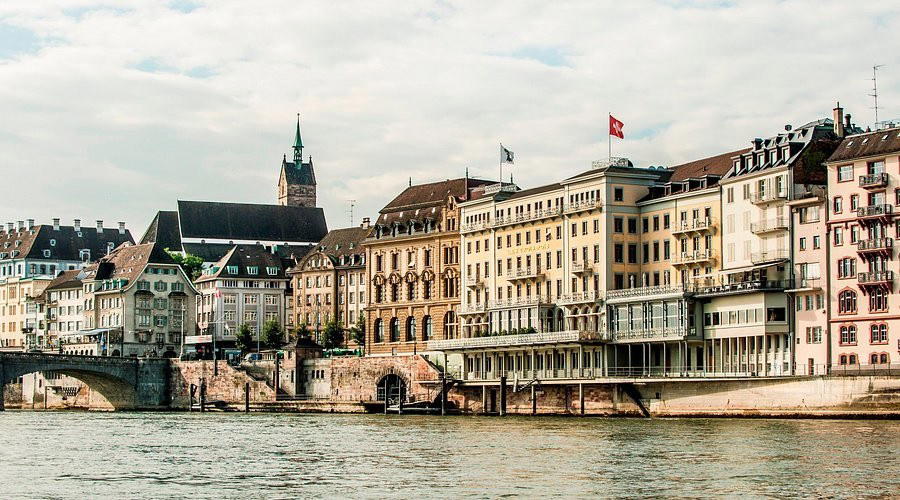
More in Basel
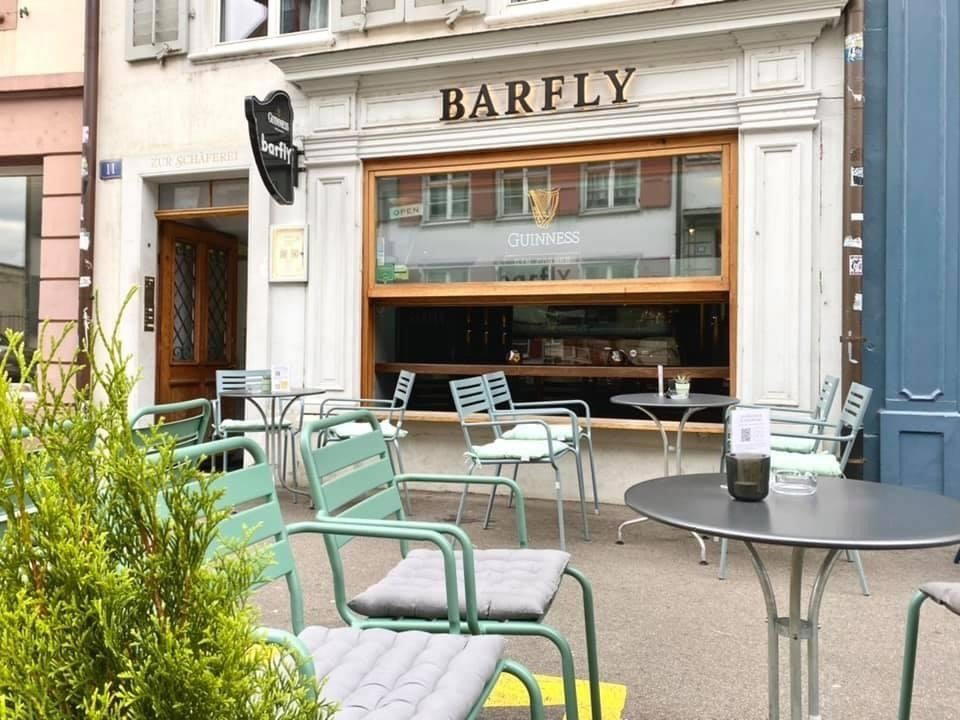
Restaurants in Basel
Browse all →
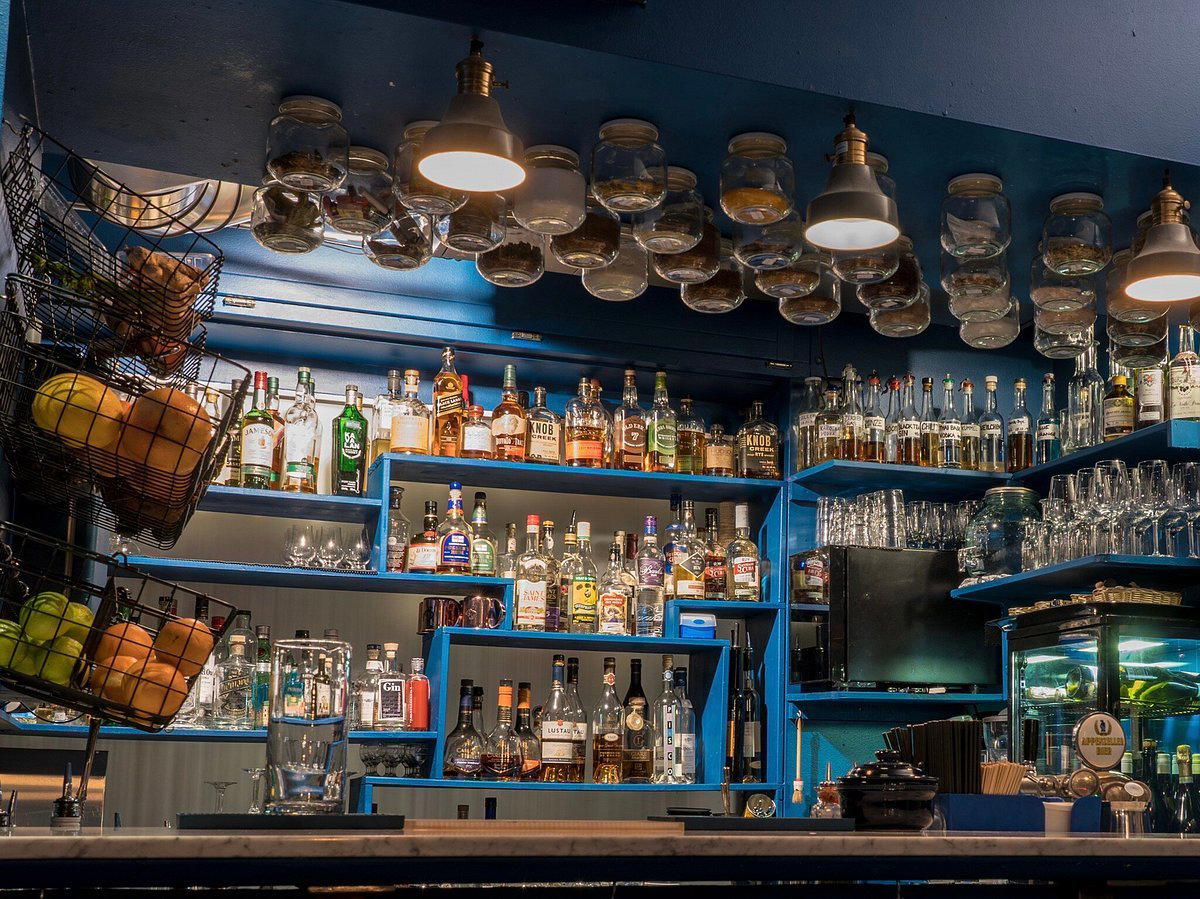
Bars in Basel
Browse all →

Hotels in Basel
Browse all →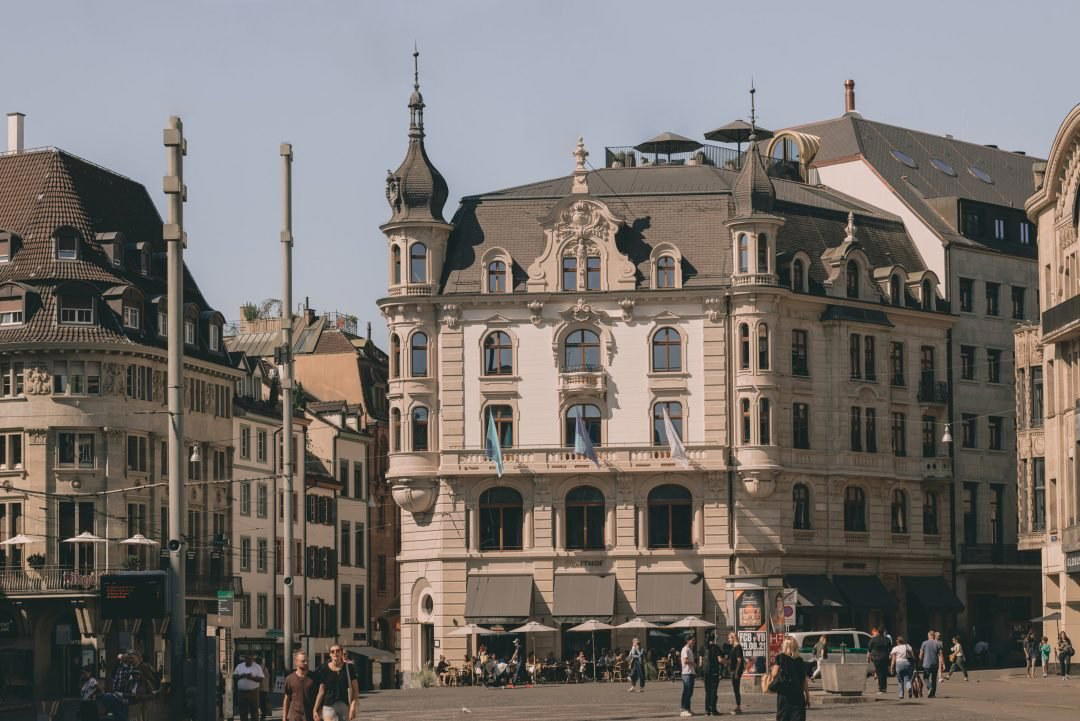

Details
- Cozy
- Classic
- Intimate
- Casual Hangout
- Group Dining
- Terrace
- Historic Building
- Local Sourcing
- Street Scene
- A La Carte
- Vegetarian Friendly
- Gluten Free Options
Current opening hours
- Monday
- 10 AM–2 PM, 5–10 PM
- Tuesday
- 10 AM–11 PM
- Wednesday
- 10 AM–2 PM, 5–11 PM
- Thursday
- 10 AM–2 PM, 5 PM–12 AM
- Friday
- 10 AM–2 PM, 5 PM–12 AM
- Saturday
- 10 AM–12 AM
- Sunday
- Closed
Hours can change for holidays and private events. Last verified .