
Michelin Plate · Gault & Millau UAE Selected Restaurant
Our verdict
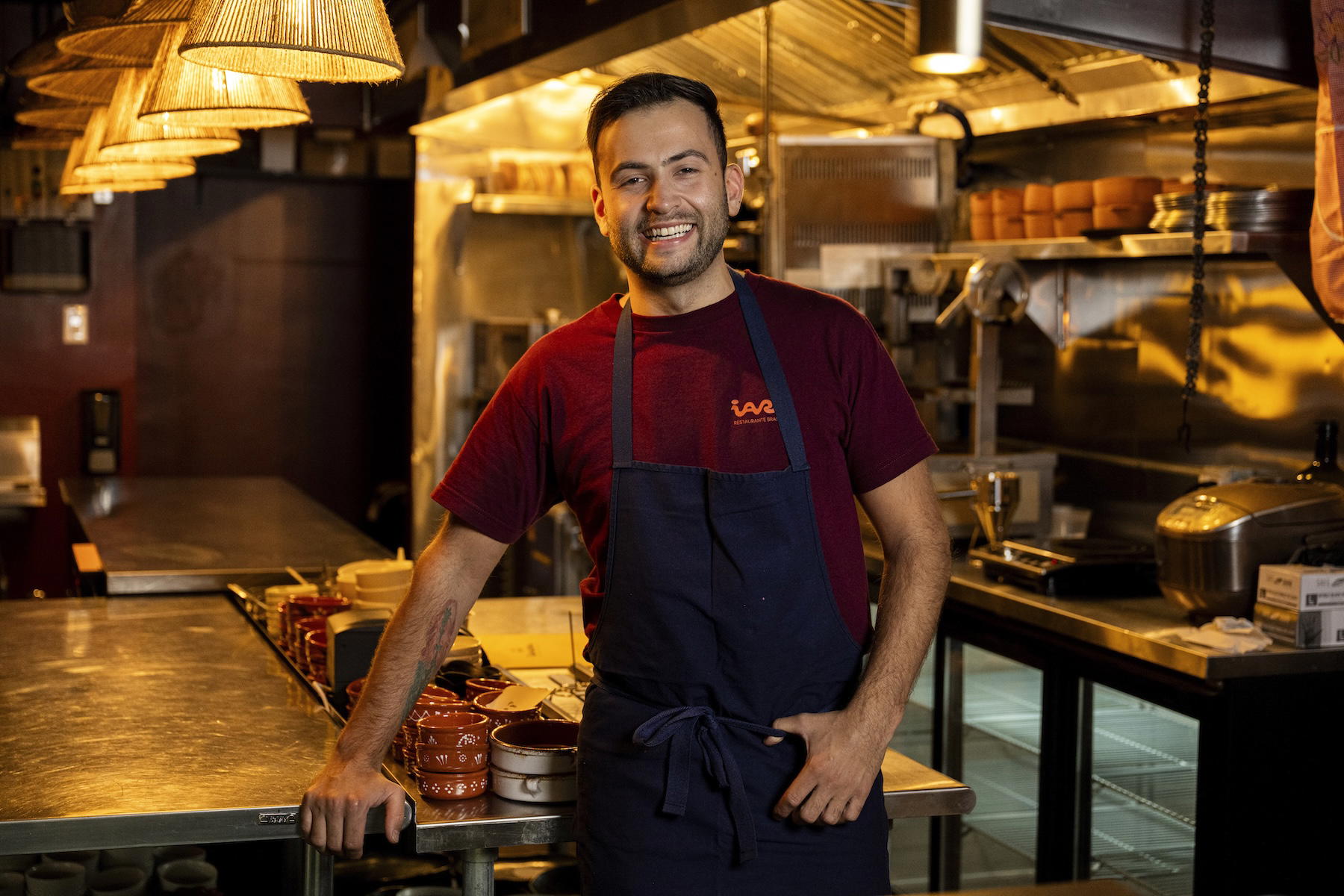
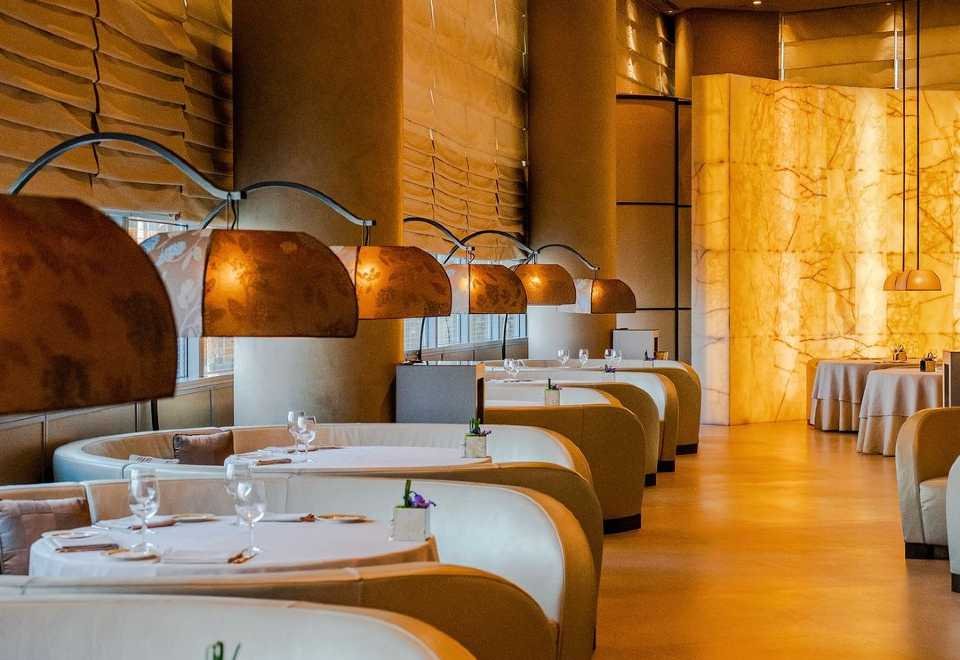
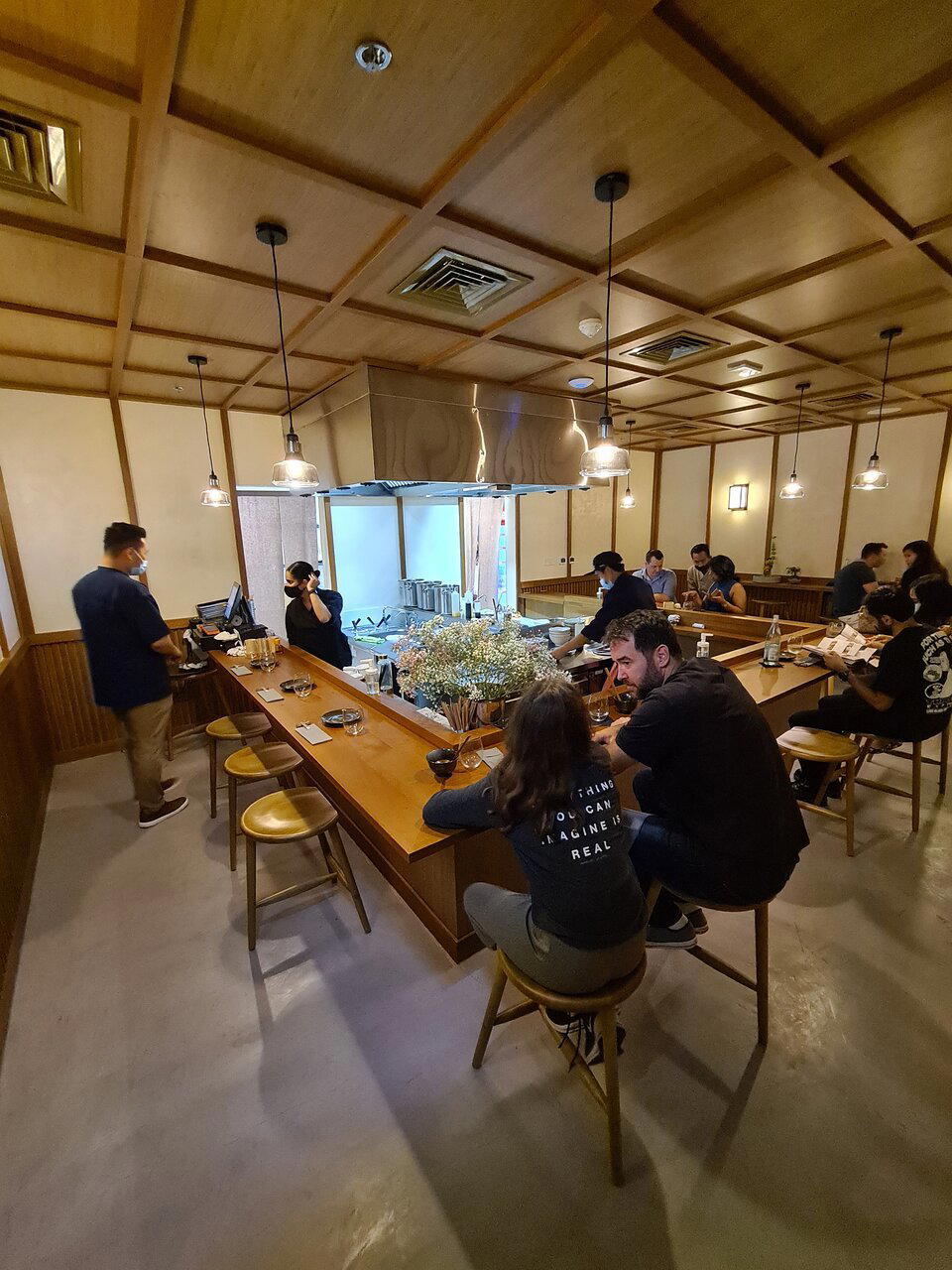
Tucked within Al Barari’s lush enclave, LOWE brings an urbane restraint to wood-fired cooking, where smoke, flame, and finesse shape every plate. The pared-back space hums with the energy of an open kitchen—its grill, rotisserie, and wood oven orchestrating a global repertoire that feels both cosmopolitan and grounded. Expect refined, shareable dishes that champion seasonal, ethical sourcing, from flame-kissed vegetables to the showstopping whole roasted local sole with curry leaf and caper butter vinaigrette. It’s a modern, sustainable dining experience that balances casual elegance with rare culinary confidence, inviting discerning diners to linger, graze, and savor.

Pearl is the En Primeur Club membership app, where members save venues, book tables and use the concierge.
The menu
What to order
- Parmesan truffle eggs
- Whipped aubergine
- Omani prawns
Out in the Canvas
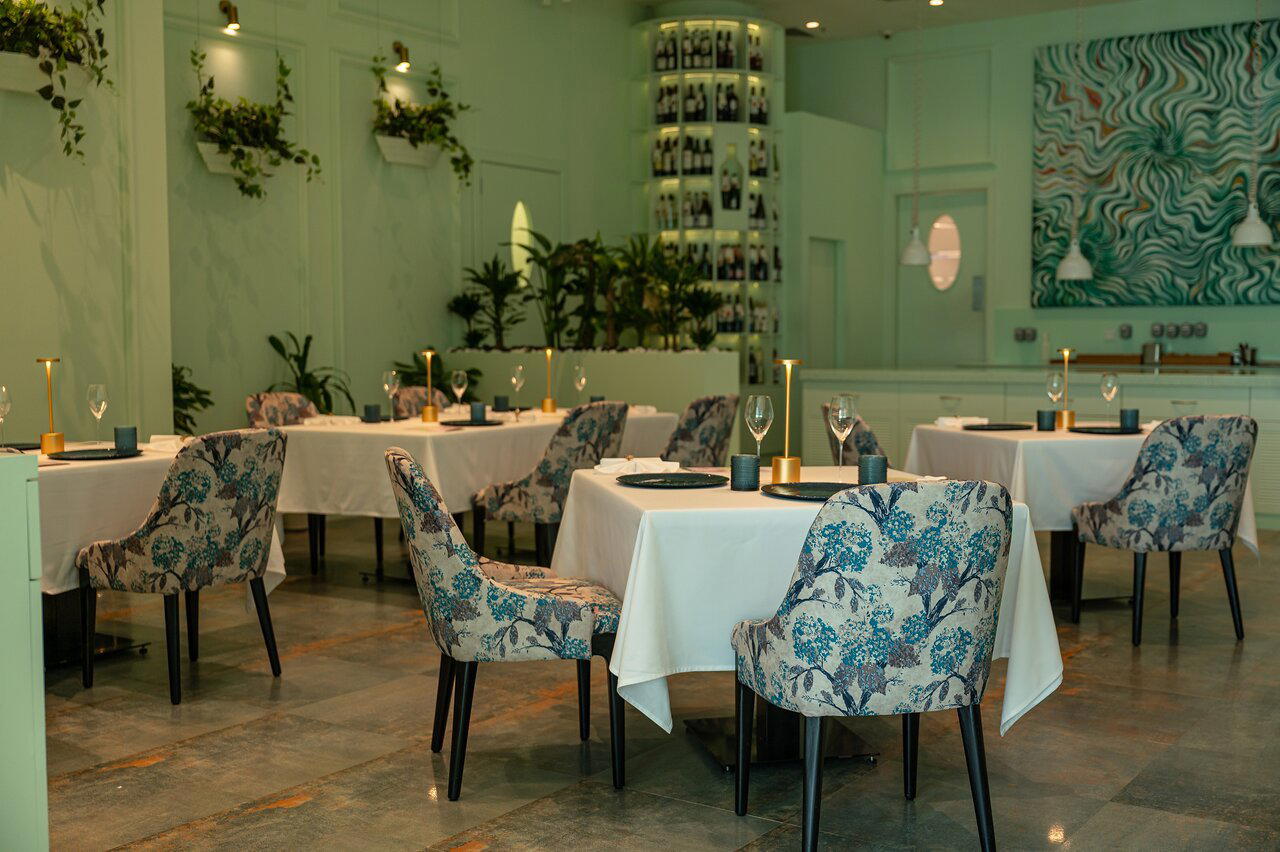
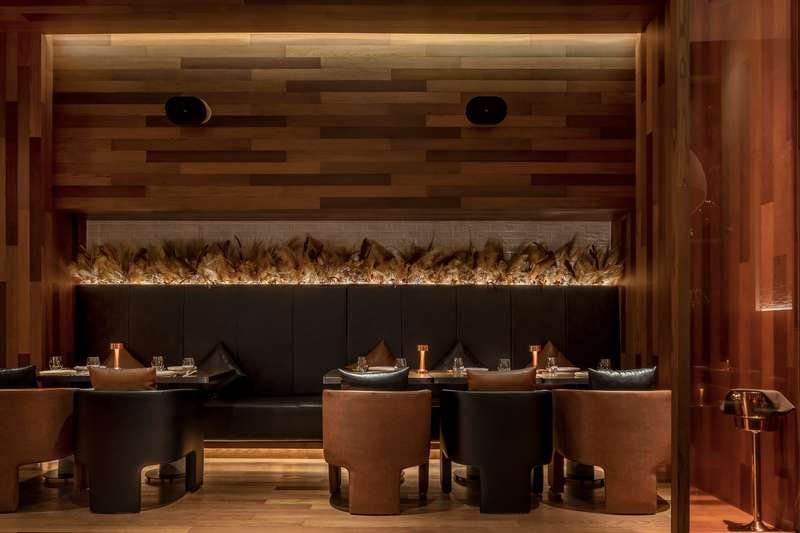
The drive to Wadi Al Safa 3 already signals something different. Dubai's established fine-dining circuit clusters along the waterfront or inside five-star hotel lobbies; LOWE sits in Canvas, a creative-complex development in Legends that keeps a deliberate distance from that axis. Arriving here involves a quieter approach, less valet theatre, less lobby grandeur. What replaces those familiar signals is a stripped-back environment that lets the food take the interpretive weight.
Contemporary restaurants across the Gulf have, in the last several years, divided into two broad camps: those that use regional settings as backdrop for imported European technique, and those that treat the sourcing question as the actual creative problem. LOWE belongs to the second camp, and that positioning is what earns it two consecutive Michelin Plate recognitions, in 2024 and again in 2025. The Plate designation, often misread as a consolation prize, functions in the Michelin lexicon as a quality mark for cooking that meets the guide's standard without yet reaching the star threshold. In Dubai's increasingly contested contemporary scene, holding it across back-to-back editions carries more weight than a one-off mention.
What the Sourcing Frame Tells You About the Menu
In contemporary cooking globally, ingredient provenance has shifted from a marketing detail on a menu card to an actual structural decision that shapes what a kitchen can and cannot do. This is particularly pointed in the UAE, where virtually no temperate agriculture exists locally, and where chefs must choose between importing premium product from established European or East Asian supply chains or working creatively with what the region does produce: salt-water fish from Arabian Gulf fisheries, arid-climate herbs and desert plants, and produce grown under controlled conditions by a small but growing number of UAE-based farms.
The most interesting contemporary kitchens in the Gulf right now are the ones taking the second path seriously. Erth in Abu Dhabi has built its identity almost entirely around Emirati and regional ingredients used in modern format. Orfali Bros, operating at a higher price tier with two Michelin stars, draws on Levantine sourcing heritage to anchor a tasting menu format. LOWE's Michelin recognition places it inside this conversation, at a more accessible price point, where the sourcing philosophy operates as a constraint that generates creativity rather than a constraint that limits it.
That distinction matters practically. A kitchen committed to working with what grows or swims nearby cannot default to the same luxury imports that underpin many high-end Dubai menus. The result, when executed with discipline, is a menu that reads differently from what you would find at Smoked Room or StreetXO, both of which operate in a more globally-inflected register. The cooking at LOWE is contemporary in technique but regionally anchored in its raw material logic.
Where It Sits in the Dubai Contemporary Scene
Dubai's contemporary restaurant category is broader than it looks from the outside. At the top of the price scale, kitchens like Trèsind Studio operate at the four-dollar-sign tier with tasting menus that run to multiple courses and require advance booking weeks or months out. LOWE operates at two dollar signs, which places it in a different competitive set entirely: restaurants where the cooking ambition exceeds what the price point suggests, where the Michelin recognition functions as a signal that something more disciplined is happening than the category price would ordinarily promise.
A useful global reference point: the pattern of serious contemporary cooking at accessible price tiers is well-established in cities like Seoul, where restaurants such as Solbam and Eatanic Garden demonstrate that modern technique and ingredient rigour do not require luxury-tier pricing to sustain. In North America, Brutø in Denver and Alo in Toronto show similar patterns in different culinary contexts. LOWE occupies a comparable position in Dubai: the restaurant where the cost-to-ambition ratio rewards the reader who does the research rather than defaulting to the better-known names along the waterfront.
Volume at that scale reduces the noise of outlier reviews and tends to reflect a genuine service and food consistency. For a contemporary restaurant operating outside the high-traffic hotel corridor, sustaining that number across a meaningful review base is not accidental.
The Neighbourhood and What It Changes
Location in Dubai shapes dining experience in ways that differ from most major cities. The urban fabric here is not walkable in the traditional sense; arriving by car is the norm rather than the exception, and restaurants that sit outside the established hotel and marina clusters carry a different social energy. Canvas, the development that houses LOWE, operates as a creative precinct rather than a hospitality complex, which means the crowd it draws tends toward a food-first audience rather than a hotel-guest or tourist-circuit audience.
That self-selection matters. Restaurants operating in culturally mixed, creatively oriented precincts in cities like New York or at mixed-use destinations like rural estate complexes in Montalcino often develop a regulars culture that larger-format venues in tourist corridors do not. The physical remove becomes part of the identity. You go because you went looking, not because you stumbled in from a nearby lobby bar.
For visitors working through Dubai's wider food programme, LOWE functions as the kind of meal you plan between higher-spend evenings at CÉ LA VI or a multi-course tasting format at a comparable contemporary counter elsewhere. It also rewards a return visit, since menus in ingredient-driven contemporary kitchens rotate more frequently than their fixed-format counterparts at the luxury tier.
Planning Your Visit
Know Before You Go
- Address: Canvas, Wadi Al Safa 3, Legends, Dubai, UAE
- Price tier: $$, mid-range contemporary
- Recognition: Michelin Plate 2024 and 2025
- Getting there: Car or ride-hail recommended; Canvas is not within walking distance of public transit nodes
For the fuller picture on dining in the city. If you are building a longer itinerary, bars guide, wineries guide, and experiences guide cover the full city programme.
What Should I Eat at LOWE?
In ingredient-driven contemporary formats, Michelin-recognised kitchens at this tier build their strongest dishes around what is freshest and locally available rather than fixed signatures. The menu will reflect the Gulf's fishing season and whatever controlled-environment or arid-adapted produce the kitchen is working with at the time of your visit. Ask the service team what has arrived most recently. In kitchens of this type, that question produces better results than pointing at a dish by name. The 2024 and 2025 Michelin Plate designations confirm the kitchen's technical consistency, so the format rewards trust in the kitchen's judgement rather than ordering to a pre-researched shortlist.
Frequently asked questions
Where is LOWE located?
LOWE is located at Canvas - Wadi Al Safa 3 - Legends - Dubai - United Arab Emirates, Dubai.
Is LOWE Michelin-listed?
LOWE has received recognition including: Michelin Plate (2025); Michelin Plate (2024).
What should I eat at LOWE?
LOWE holds a Michelin Plate for both 2024 and 2025, a signal that the kitchen is cooking with genuine intent rather than spectacle. The contemporary format at Canvas in Wadi Al Safa 3 points toward an ingredient-led menu that shifts with what the kitchen is sourcing regionally. Order around the produce rather than a fixed signature dish: in this category of cooking, the day's sourcing decision is the menu logic. Ask the floor team what has arrived most recently.
What style of cooking does LOWE do?
Reputation Context
| Venue | Cuisine | Price | Awards | Notes |
|---|---|---|---|---|
| LOWEThis venue (the venue you are viewing) | Modern Fire-Cooked Contemporary | $50–100 | Michelin Plate · Gault & Millau UAE Selected Restaurant | Not listed |
| 11 Woodfire | Modern Woodfire Grill | $150–200 | 1 Michelin Star · World's 50 Best #14 | Modern Cuisine |
| Avatara Restaurant | Modern Vegetarian Indian Fine Dining | Not listed | 1 Michelin Star · Gault & Millau UAE Selected Restaurant | Indian |
| Al Mahara | Modern Italian Seafood | $300–500 | Michelin Plate · World's 50 Best #31 | Seafood |
| Zuma | Modern Japanese Izakaya | $150–200 | Michelin Plate · World's 50 Best #34 | Japanese - Asian, Japanese, Japanese Contemporary |
| City Social | Modern European with Japanese influences | $150–200 | Michelin Plate · Star Wine List | Not listed |
Recognition history
Dated appearances from independent guides and award organizations, with the underlying list record or original source where available.
Michelin Plate
Michelin
Gault & Millau UAE Selected Restaurant
Gault & Millau · Gault & Millau UAE 2026 - Selected Restaurant
Full recognition history (3 entries)
Michelin Plate
Michelin