The Chedi Andermatt





2 Michelin Keys · La Liste Top Hotels · Forbes 5-Star
Jean-Michel Gathy's design for The Chedi Andermatt fuses Swiss chalet architecture with Asian-inflected interiors across 119 rooms in the Urseren Valley. The property holds two Michelin Stars for its Japanese Restaurant, a 2,400-square-metre spa, and a 97.5-point score on La Liste's 2026 Top Hotels ranking. Rates from approximately $911 per night position it at the upper tier of Swiss alpine hospitality.

Pearl is the En Primeur Club membership app — saves, bookings, and concierge access live there. Same editors, same standards.
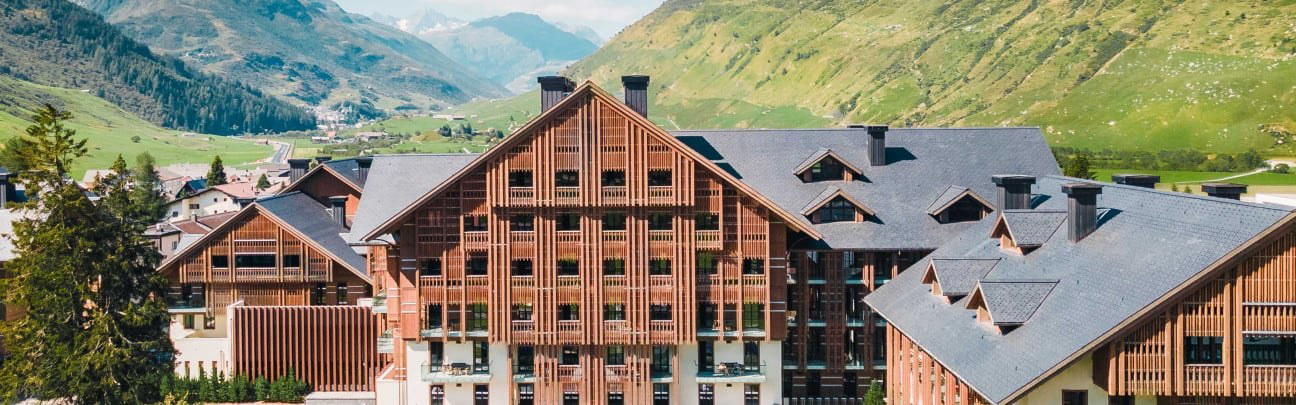
A Chalet at Altitude, Designed from the Inside Out
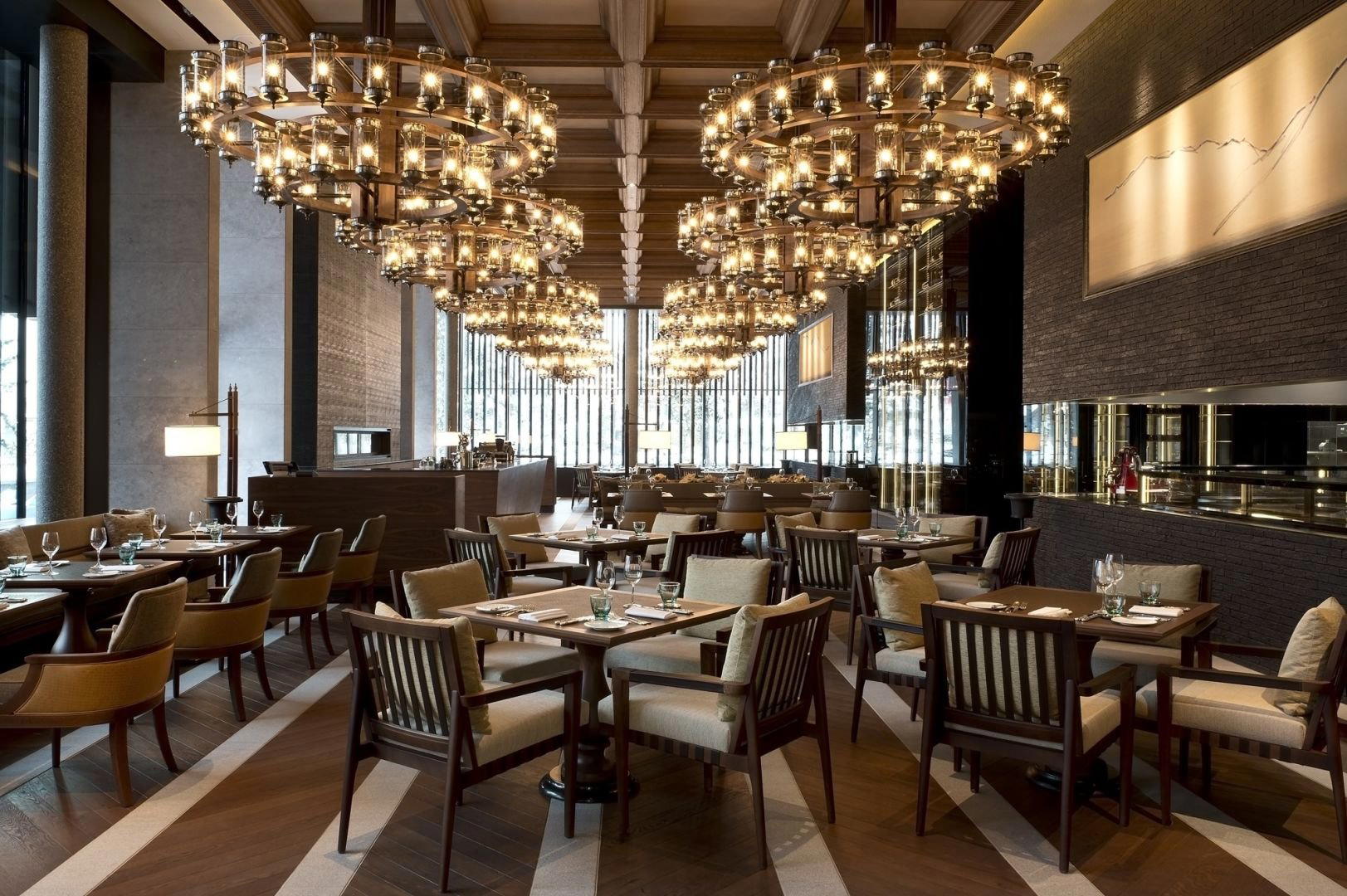
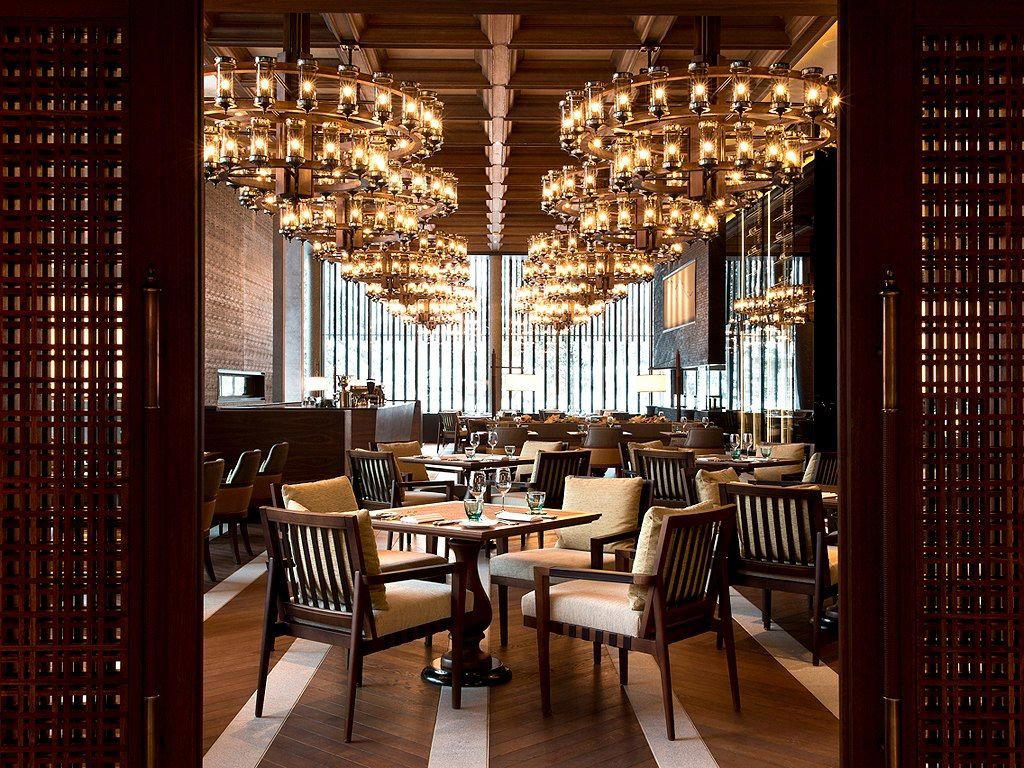
The alpine hotel typology has two dominant modes: the historic grand hotel that trades on a century of accumulated patina, and the contemporary resort that arrives fully formed, carrying its design ambitions in plain sight. The Chedi Andermatt belongs to the second category, and it makes no attempt to disguise that fact. Jean-Michel Gathy, the architect responsible for the property, is known for a vocabulary that treats darkness as atmosphere rather than deficiency: low ceilings in some corridors give way to double-height public rooms, and the material palette runs to dark pine, natural stone, and smooth leather throughout. From the outside, the building reads as a supersized Swiss chalet, its pitched rooflines scaled up to resort proportions. Inside, the reference shifts east. The result is a building that holds two aesthetic traditions simultaneously without resolving the tension between them — which is, presumably, the point.
That design tension maps onto the broader story of Andermatt itself. The Urseren Valley had spent much of the twentieth century as a military zone, the village surrounded by barracks and a firing range rather than resort infrastructure. The Chedi opened in 2013 as the first European property in a brand more established across Asia, arriving in a village that was simultaneously being reimagined at scale. The resort development roughly doubled the physical footprint of Andermatt. That context matters for understanding what the property is trying to do architecturally: it is not slotting into an existing luxury ecosystem, as Badrutt's Palace Hotel in St. Moritz does, but rather anchoring one from scratch.
The Courtyard, the Lobby, and the Logic of Seasonal Space
The hotel's courtyard functions as its most legible indicator of seasonal character. In winter, the space converts into a contained village arrangement, with the cold and the firelight doing most of the atmospheric work. In summer, it opens as an outdoor terrace, with cocktails served against an alpine sunset. This is the kind of programmable public space that resort designers have increasingly prioritised: a single zone that earns its square footage twice over by shifting its identity with the calendar rather than remaining fixed in one format.
The lobby holds twin fireplaces that counterbalance the volume of the space. Grand lobbies in luxury hotels face a consistent problem: scale reads as imposing rather than welcoming unless it is interrupted at human level. Here the fireplaces do that work. The Asian-inflected decor in the lobby — low furniture, restrained material choices, an absence of visual clutter, contrasts with the mountainscape visible through the windows in a way that feels deliberate rather than accidental.
119 Rooms Built Around a Specific Aesthetic Position
119 guest accommodations run from approximately 559 square feet in the Deluxe Room category to 1,184 square feet in the Deluxe Suites, with the five-bedroom, five-bathroom Gotthard Suite reaching 3,767 square feet. The room design anchors itself in pine-wood walls and mosaic stone chabudai tables sitting low to the floor, the Japanese influence made material rather than gestural. Gas fireplaces, recessed lighting, and Hästens beds appear across categories. Bathrooms feature free-standing ceramic tubs, heated stone floors, and black marble double sinks, with sliding screen doors offering the option of integrating the bathroom into the room's main volume.
In the upper suite tier, the Furka Suite comes with a private kitchen and its own spa. Many Deluxe Suites include private balconies with outdoor fireplaces, which in an alpine context represents a significant differentiator from the standard room-with-a-view format.
Dining as Architecture: The Cheese Library, the Japanese Counter, and the Seasonal Chalet
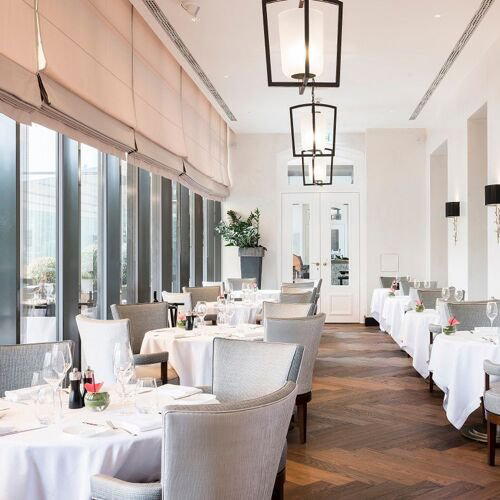
The Restaurant's five-metre-high cheese library functions partly as furniture and partly as spectacle: more than 40 regional Swiss cheeses, with representation from each canton, are displayed within it. Pairing is handled by the sommelier team. The space was designed by SPIN Studio, as was The Japanese Restaurant. Both rooms represent a consistent approach: let the design do interpretive work that the food does not have to carry alone.
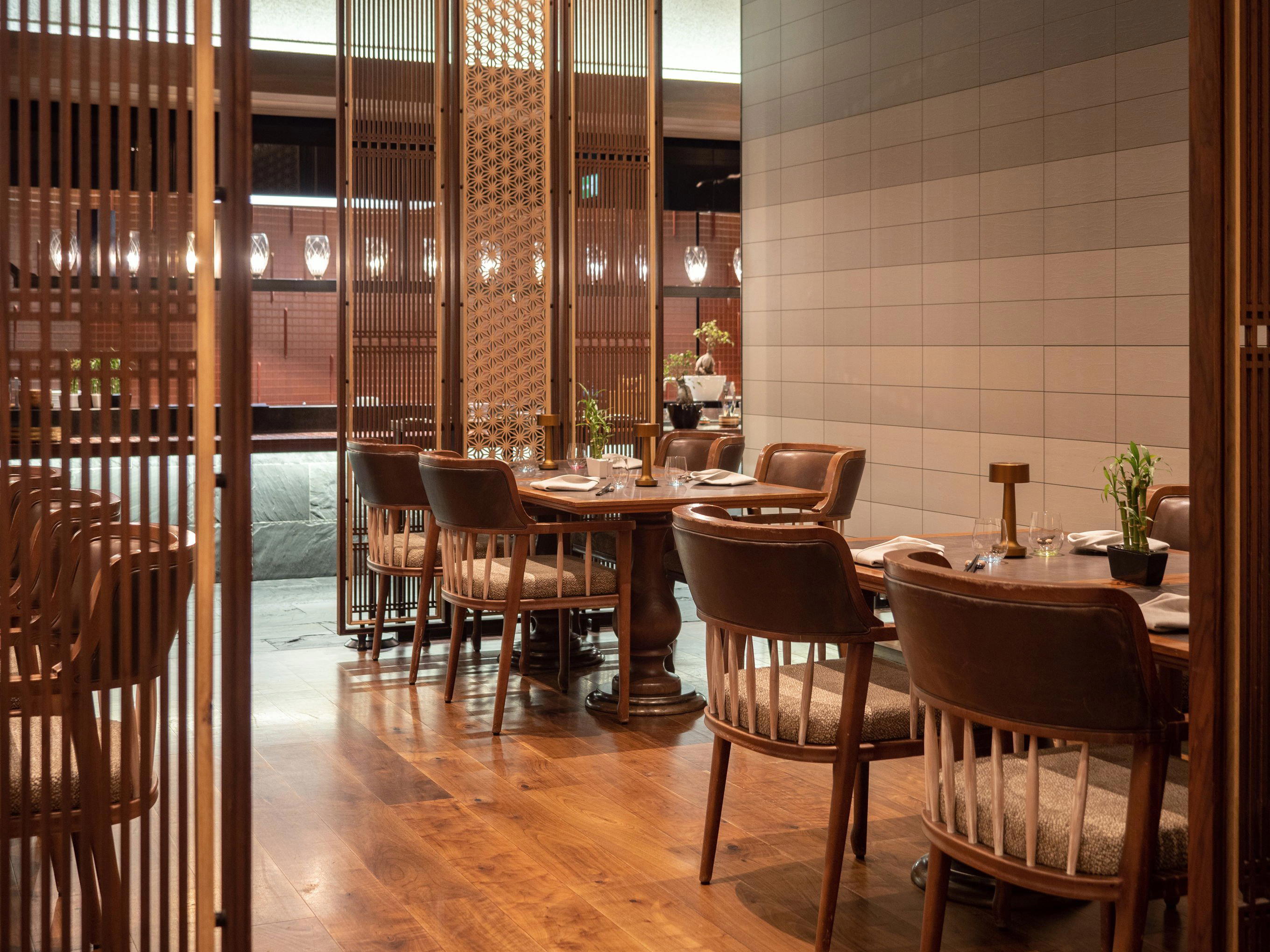
The Japanese Restaurant holds two Michelin Stars, earned as part of the 2024 guide. In the context of alpine dining, a two-star Japanese restaurant operating at a ski resort is a specific anomaly, one that speaks to the property's willingness to make category-defying bets. The restaurant serves sushi, sashimi, and tempura in the evenings, prepared by specialist chefs. It is among a small number of Michelin-starred Japanese venues in Switzerland, a country where the Michelin presence is significant but Japanese fine dining at this credential level remains rare outside Zurich and Geneva.
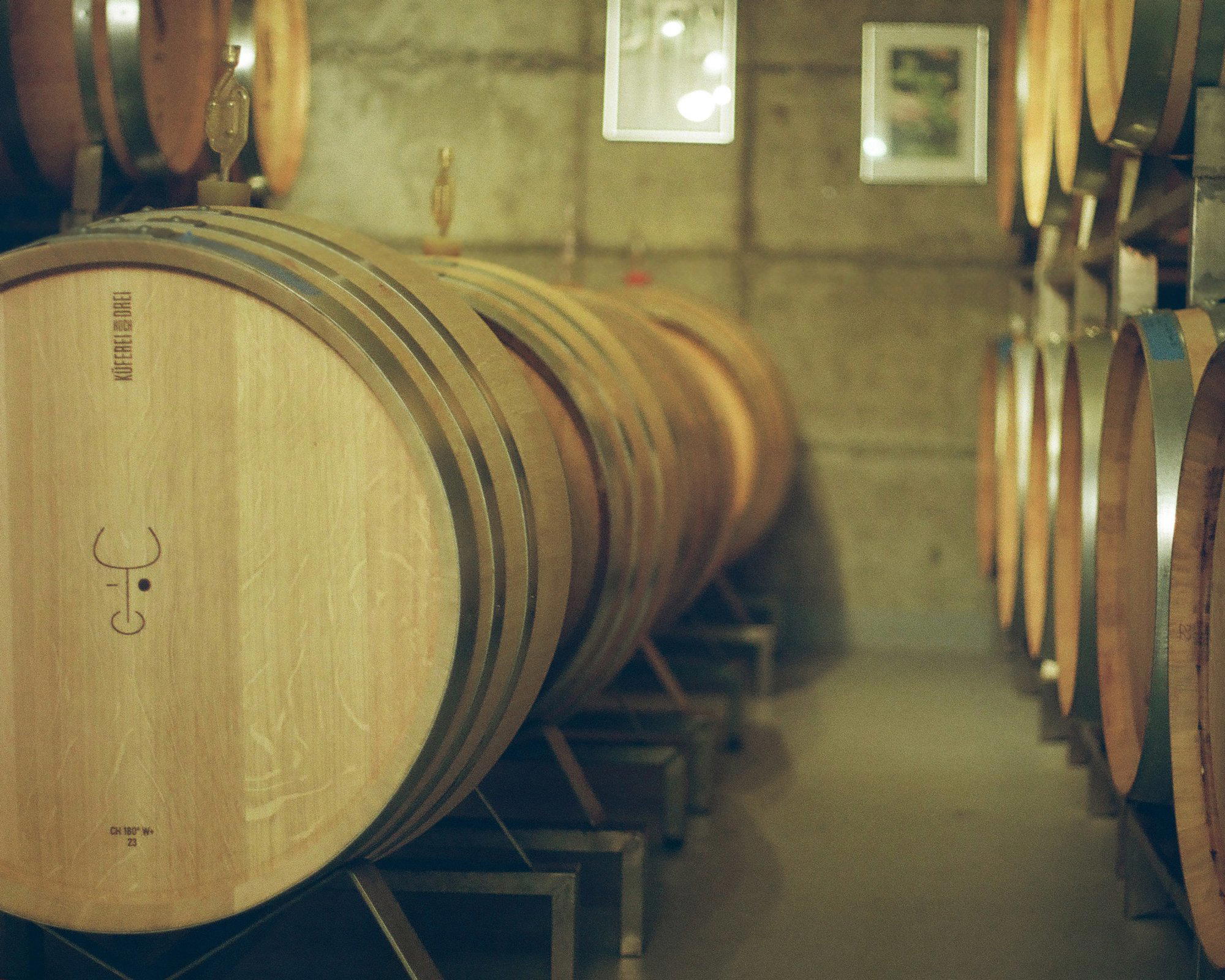
Chalet restaurant operates exclusively in winter and centres on truffled fondue, a seasonal format that gives the property a dining option calibrated specifically to the ski-season guest. This kind of intentional seasonality in the dining program, rather than running all venues year-round regardless of demand, aligns the food offering with the property's broader character. The wine cellar holds a private collection of Château Mouton-Rothschild labels, a collection that signals the property's interest in serious wine programming rather than a generalist cellar.
Spa, Skiing, and Summer Infrastructure
2,400-square-metre spa and wellness centre includes a 35-metre indoor pool positioned to face the Alps, a temperature-controlled outdoor lap pool, bio and Finnish saunas, an organic steam bath, and Technogym fitness equipment. Yoga classes and personal training are available with certified instructors. In Swiss alpine hospitality, spa scale is frequently used as a category marker: Bürgenstock Resort and Grand Resort Bad Ragaz both operate large wellness facilities, and The Chedi's 2,400-square-metre footprint sits within that tier.
Ski access to Gemsstock and Nätschen mountains is supported by a ski butler service: equipment is heated, prepared, and guests are transported to the slopes and back. This level of operational detail around skiing separates full-service alpine resorts from properties that merely exist near ski lifts. The Glacier Express stops in Andermatt, connecting the village to both Zermatt and St. Moritz, which means The Chedi sits on one of Switzerland's most significant rail corridors without requiring guests to plan around a remote transfer. Private transfers from Zurich, Milan, Lucerne, and Buochs airports are available, and luggage and greeting services are offered at Göschenen and Andermatt train stations. The property is a seasonal operation, closing from late April to mid-May.
Summer brings an 18-hole golf course on property, an addition that places The Chedi among a smaller group of Swiss mountain hotels that function as full-season resorts rather than winter-only destinations. Walking, hiking, and mountain biking infrastructure in the Urseren Valley rounds out the warmer-months offering.
Where The Chedi Sits in the Swiss Alpine Tier
La Liste's 2026 Leading Hotels ranking scored The Chedi Andermatt at 97.5 points, placing it in the upper bracket of Swiss properties. The hotel holds Michelin's two-key designation (2024) and is a member of Leading Hotels of the World. Rates from approximately $911 per night position it above mid-range alpine accommodation and in direct competition with properties like Grand Hotel Kronenhof in Pontresina and Guarda Golf Hôtel in Crans-Montana. What differentiates it within that bracket is the two-star Japanese restaurant, the design pedigree of a named international architect, and the property's role as the anchor of a purpose-built resort development rather than a hotel that grew incrementally within an existing village.
For broader Switzerland planning, Baur au Lac in Zurich, Beau-Rivage Geneva, Mandarin Oriental Palace, Luzern, and Beau-Rivage Palace in Lausanne represent the urban luxury tier. Mountain alternatives with different design orientations include 7132 Hotel in Vals and The Capra in Saas-Fee. See our full Andermatt restaurants guide for a wider view of dining in the valley.
Quick Comparison
Comparable venues nearby, for context on price, style, and recognition.
| Venue | Cuisine | Price | Awards | Notes |
|---|---|---|---|---|
| The Chedi AndermattThis venue (the venue you are viewing) | Asian-Alpine fusion luxury resort | Not listed | 2 Michelin Keys · La Liste Top Hotels | Not listed |
| 7132 Hotel | Architectural lifestyle retreat integrated with thermal baths | Not listed | 2 Michelin Keys · Forbes Recommended | Vals |
| Kulm Hotel St. Moritz | Historic grand hotel blending tradition and luxury | Not listed | 3 Michelin Keys · La Liste Top Hotels | St. Moritz |
| Tschuggen Grand Hotel | Five-star mountain resort with colorful, surprising interiors by Carlo Rampazzi and Mario Botta spa architecture. | Not listed | 2 Michelin Keys · La Liste Top Hotels | Arosa |
| Lausanne Palace and Spa | Historic luxury palace hotel blending classic charm with modern sophistication | $300–500 | 2 Michelin Keys · La Liste Top Hotels | Lausanne Center |
| Gstaad Palace | Castle-like luxury palace with alpine elegance | Not listed | 2 Michelin Keys · La Liste Top Hotels | Gstaad |
Recognition history
Dated appearances from independent guides and award organizations, with the underlying list record or original source where available.
Michelin 2 Keys
Michelin
La Liste Top Hotels
La Liste
Forbes 5-Star
Forbes
Mr & Mrs Smith Seal of Approval
Mr & Mrs Smith
Virtuoso Luxury Hotel Partner
Virtuoso
Full recognition history (9 entries)
Forbes 5-Star
Forbes
Leading Hotels of World Member
Leading Hotels of World
Michelin 2 Keys
Michelin
Michelin 2 Keys
Michelin
Continue exploring
More in Andermatt
Hotels in Andermatt
All hotels in Andermatt →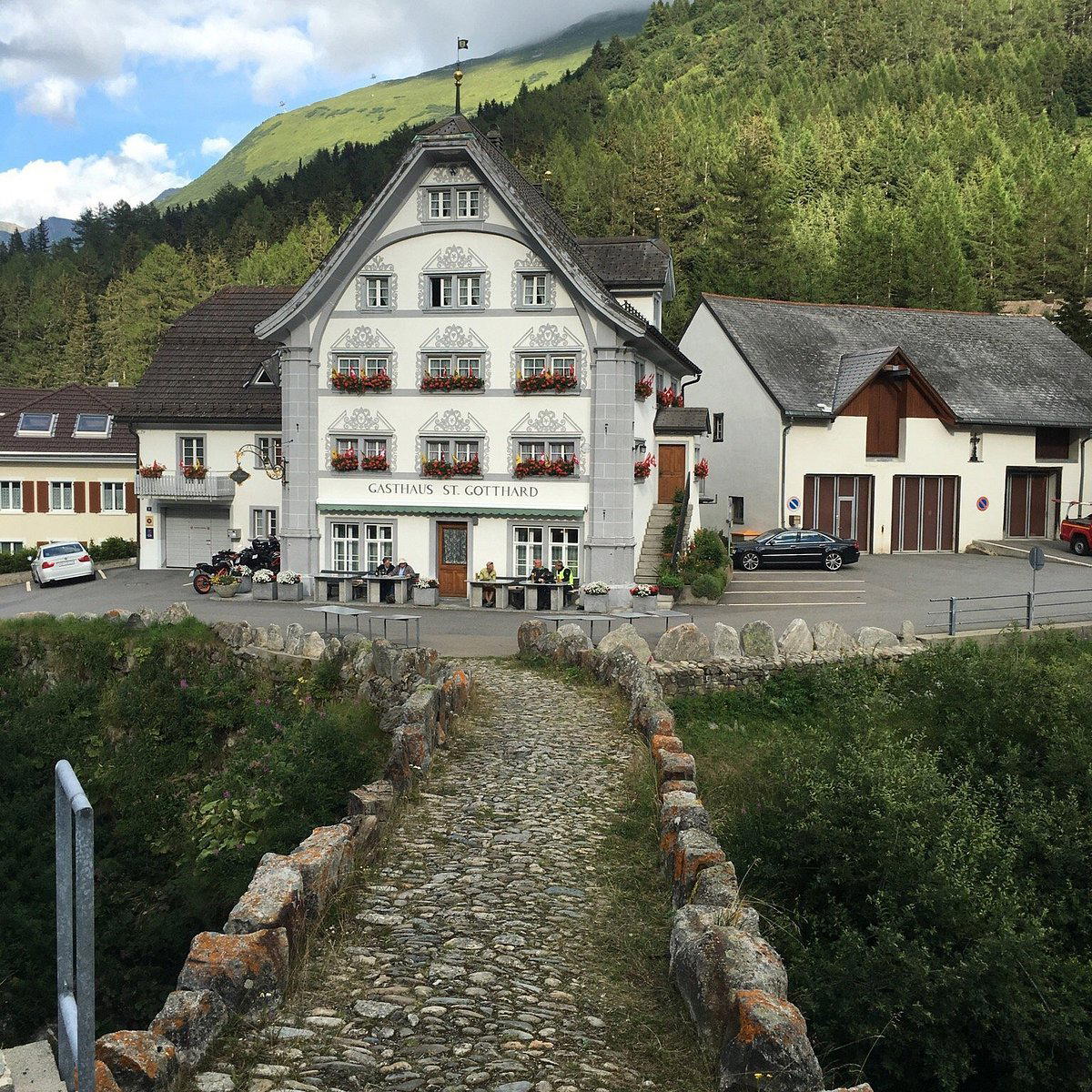
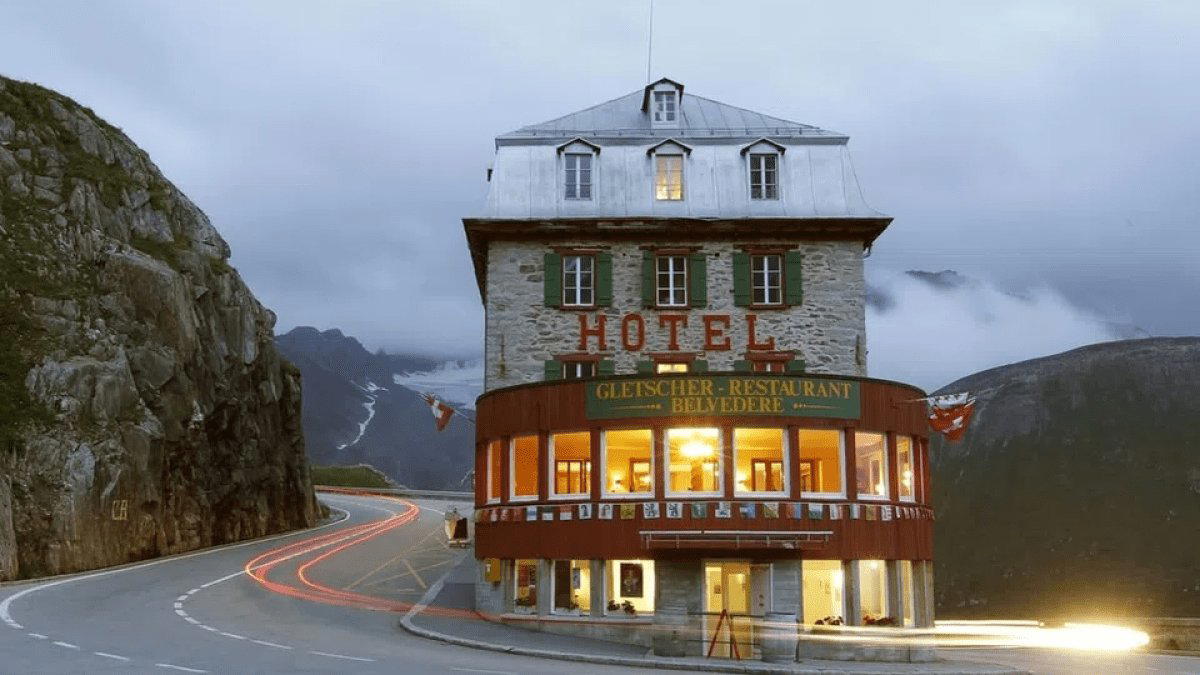
Bars in Andermatt
All bars in Andermatt →

Details
- Elegant
- Quiet
- Sophisticated
- Ornate
- Honeymoon
- Romantic Getaway
- Wellness Retreat
- Ski In Ski Out
- Panoramic View
- Destination Spa
- Pool
- Spa
- Fitness Center
- Room Service
- Concierge
- Wi Fi
- Sauna
- Hot Tub
- Valet Parking
- Mountain
- Wheelchair Accessible
- Elevator
- Step Free Entrance
- Accessible Parking
Elegant and peaceful with sophisticated lighting from recessed bronze lamps, wood paneling, and a calm oasis atmosphere praised in guest reviews.