LeMontBlanc

1 Michelin Star
Our verdict
Crans-Montana's only Michelin-starred address, LeMontBlanc holds a single star (2024) and serves Modern French cuisine inflected with international technique — Simmental veal, miso, ponzu, kumquat alongside classic Gallic foundations. The semi-circular dining room frames panoramic Alpine views, and the wine list runs deep across formats. Open daily from noon, it anchors the resort's fine dining tier at the €€€€ price point.

Pearl is the En Primeur Club membership app — saves, bookings, and concierge access live there. Same editors, same standards.
- Address
- Chem. du Mont-Blanc 1, 3963 Crans-Montana, Switzerland
- Phone
- +41 27 486 60 88
- Hours
- Daily 12–9:30 PM
- Website
- lecrans.com
- Directions
- Get directions
- Booking
- Book on TheFork
Where Alpine Resort Dining Meets the Grand Table Tradition
Crans-Montana operates on a different register from most Swiss ski resorts. The plateau sits high above the Rhône Valley, and the resort draws a clientele that expects both the mountain and the table to perform at the same level. Against that backdrop, the Michelin-starred addresses that anchor Alpine resort towns carry particular weight: they are the yardstick against which the rest of the dining scene is measured. In Crans-Montana, that yardstick is LeMontBlanc.
The restaurant holds a single Michelin star, awarded in the 2024 guide — a signal that places it in the company of Switzerland's more carefully considered kitchens. For context, Switzerland's Michelin-starred tier runs from single-star addresses with serious regional followings all the way to multi-starred institutions such as Hotel de Ville Crissier in Crissier and Schloss Schauenstein in Fürstenau. LeMontBlanc competes in that national conversation while remaining rooted in the specific demands and pleasures of resort dining — a combination that requires discipline in the kitchen and clarity in the dining room.
The Room, the View, and the Seasonal Rhythms
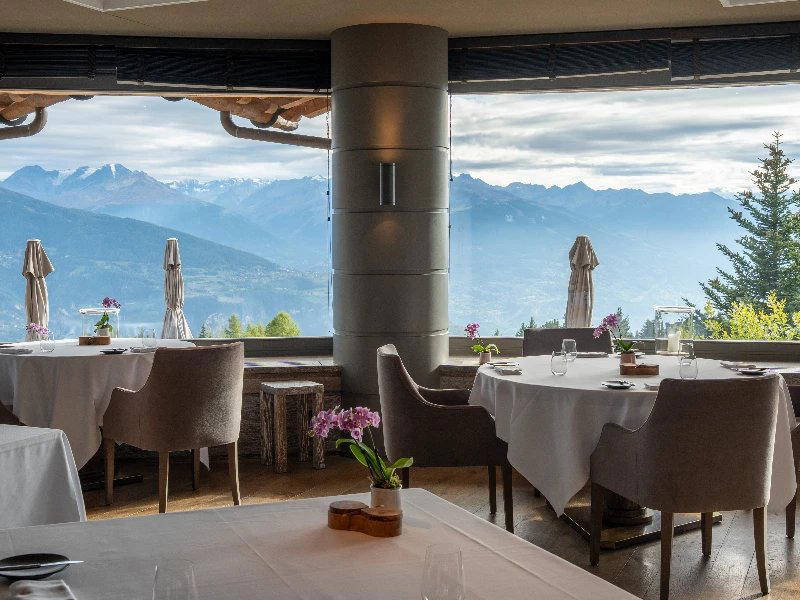
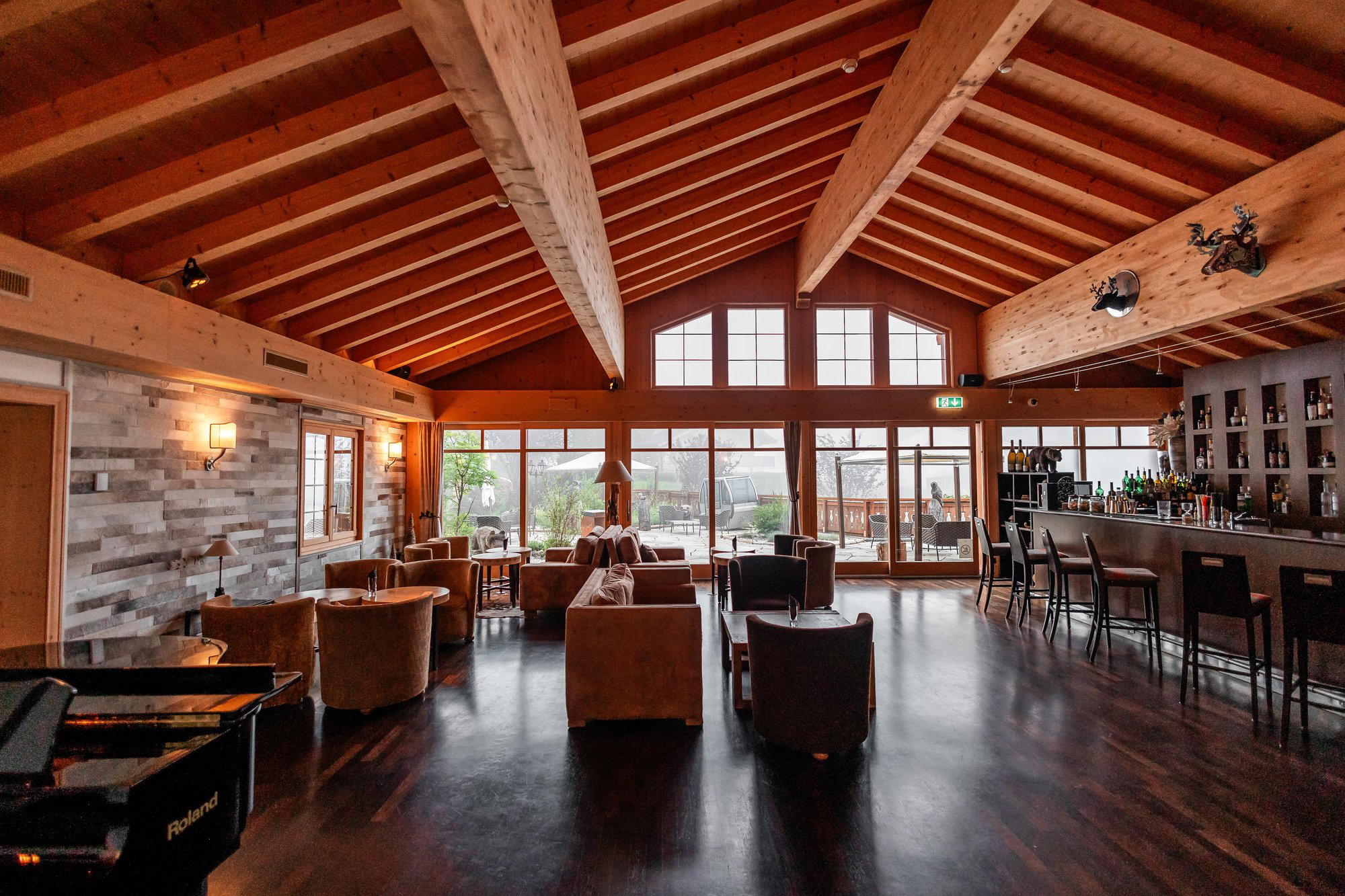
Alpine fine dining has long wrestled with a specific tension: the view outside is so commanding that the room risks becoming secondary. The better addresses resolve this by making the architecture work with the landscape rather than against it. LeMontBlanc's semi-circular windows span a significant portion of the dining room's exterior wall, framing the Swiss Alps as a continuous panorama rather than a series of framed pictures. In winter, when the peaks carry snow and the light drops early, the contrast between the warmth inside, an open fire in the lounge-bar takes the edge off cold evenings, and the blue-white mountains outside becomes the defining sensory fact of the meal. In summer and the shoulder seasons, the terrace opens and the boundary between interior and exterior dissolves further, drawing diners into the mountain air.
That seasonal shift in atmosphere is not merely atmospheric. It reflects a wider pattern in Alpine resort dining, where the calendar governs everything from kitchen sourcing to how guests use the space. The terrace, when conditions allow, becomes the social and visual centre of the room. The fire-lit lounge-bar, when the temperature drops, takes on the character of a classic Alpine brasserie: a place where the meal extends naturally into the evening without the formality of a strict two-hour dining slot.
Modern French with a Swiss and International Foundation
The kitchen at LeMontBlanc works from a Modern French framework, but the sourcing and technique draw from a wider geography. Swiss produce anchors the menu, Simmental veal is the kind of ingredient that signals a kitchen serious about provenance, given the breed's reputation for quality within the country's agricultural identity, while the treatment incorporates international references: miso, ponzu, and kumquat appear alongside Belgian endive and classic Gallic preparations. This is not fusion for its own sake. It reflects a broader shift in how French-trained kitchens in cosmopolitan resort settings think about their menus, balancing the expectation of classical technique with the appetite of an international clientele that has eaten well across multiple continents.
The chef trained under Guy Martin and Christian Constant, two names that locate him within a specific tradition of French gastronomy: rigorous classical foundations, an emphasis on produce quality, and a tendency toward precision over spectacle. That lineage matters less as biography and more as a signal of the kitchen's operating priorities.
For readers tracking Modern French as a genre across European tables, the reference set extends beyond Switzerland. Addresses such as Sketch, The Lecture Room and Library in London and Schanz in Piesport occupy different corners of the same tradition, each adapting classical French frameworks to a specific local and cultural context. LeMontBlanc's version is shaped by its Alpine address and Swiss sourcing in ways that those addresses are not.
The Grand Brasserie Ethos in a Mountain Setting
One of the defining qualities of the grand brasserie tradition, the French model that runs from Paris to Lyon and through the provincial cities of Switzerland, is its ability to hold two things simultaneously: serious cooking and accessible pleasure. It is not a temple where the cuisine demands reverence, nor a casual canteen where the food is incidental. The tone is professional, the service confident, and the assumption is that guests are there to eat well and enjoy the room rather than to have an experience narrated at them.
LeMontBlanc carries that ethos into an Alpine resort context. The service is described as slick and professional, a combination that in fine dining shorthand means attentive without being intrusive, knowledgeable without being performative. The wine program reinforces this: a wide selection of fine wines by the glass signals a list built for flexibility rather than for upselling large-format bottles. Guests dining alone or in pairs can access the cellar at a serious level without committing to a full bottle, which is the practical expression of the brasserie's democratic instinct applied to a premium price point.
The hours support that all-day dining character too. LeMontBlanc opens at noon every day of the week and runs through to 9:30 PM, a schedule that accommodates both the long Alpine lunch and the post-slope dinner without forcing guests into a narrow reservation window. That continuity of service, no split between lunch and dinner sittings, no midday closure, is a marker of the grand brasserie model applied to resort life.
LeMontBlanc in Crans-Montana's Dining Ecosystem
Crans-Montana's restaurant scene spans a wider range than its size might suggest. At the fine dining tier, L'OURS operates at the same €€€€ price point with a Modern Cuisine approach. Below that, Le Partage and FIVE hold the €€€ tier with French Contemporary and Lebanese formats respectively, while Le Bistrot des Ours handles traditional cuisine at the same mid-premium price point. For something entirely different in register, Edo offers Japanese at the €€ level. The full picture of what the resort offers across dining, bars, hotels, and experiences is covered in our full Crans-Montana restaurants guide, alongside our full Crans-Montana hotels guide, bars guide, wineries guide, and experiences guide.
Within this ecosystem, LeMontBlanc's Michelin star positions it as the resort's reference point for formal occasion dining, the address to which the rest of the scene is calibrated. That is a different role from, say, 7132 Silver in Vals or Colonnade in Lucerne, which operate within urban or destination-hotel contexts where the dining competes with a different set of alternatives. In a mountain resort, the fine dining anchor has to work harder to justify its price tier against the strong gravitational pull of the fondue-and-raclette tradition. LeMontBlanc earns its position through the combination of external recognition, consistent service, and a kitchen philosophy that takes Swiss produce seriously without treating the Alpine setting as a gimmick.
Planning Your Visit
LeMontBlanc is located at Chemin du Mont-Blanc 1, 3963 Crans-Montana, and operates every day from noon to 9:30 PM, a schedule that makes it one of the more flexible addresses in the resort for both lunch and dinner bookings. The €€€€ price point places it at the top of the local market, in line with what a Michelin-starred kitchen in a Swiss Alpine resort requires. The terrace fills quickly on fine days, particularly in the warmer months and during peak ski season when the resort population is at its highest; securing a terrace table rewards advance planning. The open fire in the lounge-bar makes winter evenings a natural extension of the meal, and the wine-by-the-glass program provides genuine flexibility for those who want to drink at a serious level without the commitment of a full bottle.
Frequently asked questions
What does dinner at LeMontBlanc typically cost?
Pricing at LeMontBlanc is listed as €€€€.
What are the operating hours at LeMontBlanc?
Hours at LeMontBlanc: Monday 12 PM-9:30 PM Tuesday 12 PM-9:30 PM Wednesday 12 PM-9:30 PM Thursday 12 PM-9:30 PM Friday 12 PM-9:30 PM Saturday 12 PM-9:30 PM Sunday 12 PM-9:30 PM.
What distinctions does LeMontBlanc have?
LeMontBlanc has received recognition including: The restaurant’s extensive semi-circular windows command a panoramic view of the Swiss Alps that will take your breath away. The subtle, high-flying cuisine merges top-drawer Swiss produce, including treasures from the surrounding fertile c….
What should I order at LeMontBlanc?
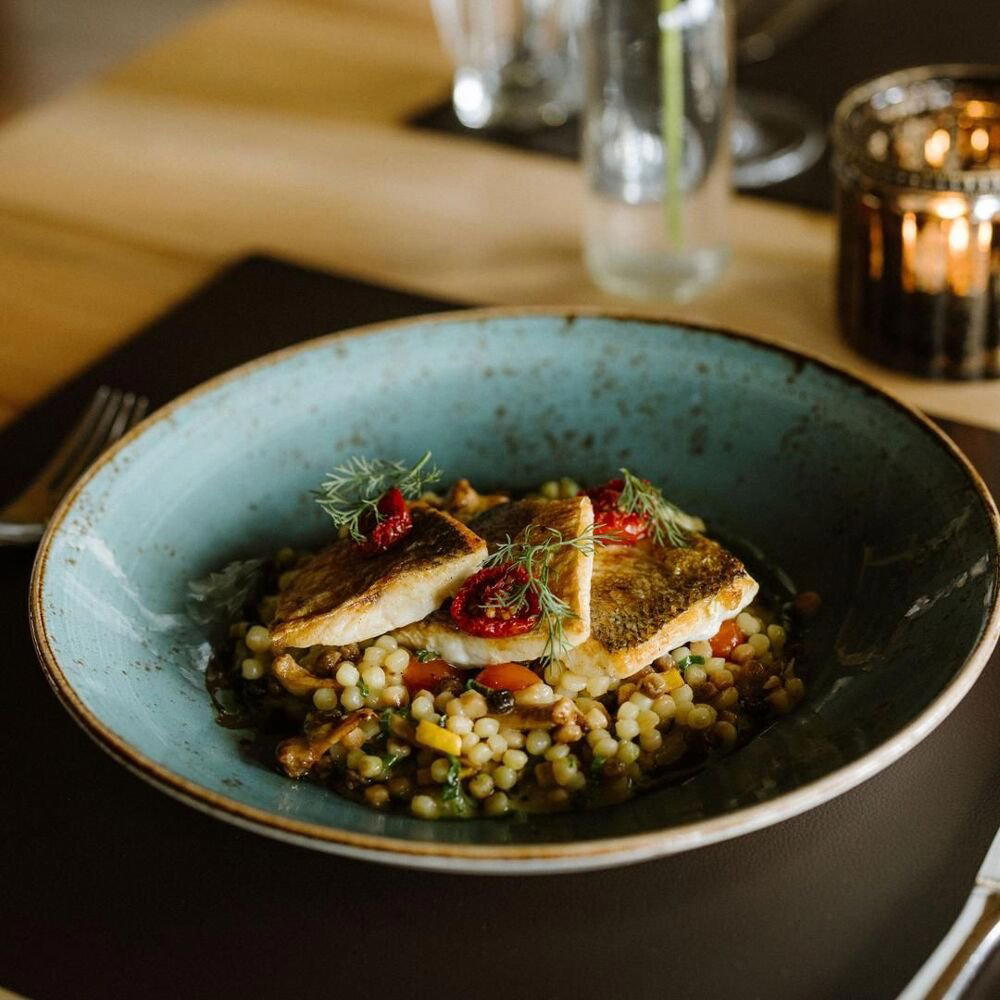
Simmental veal is the clearest signal of the kitchen's identity — Swiss-sourced, cooked within a Modern French framework, and finished with international accents such as miso, ponzu, or kumquat. The Michelin inspectors awarded a star in 2024, which reflects the consistency of the tasting-level dishes rather than any single plate. Belgian endive appears regularly as a companion ingredient, pointing to the kitchen's preference for classical French pairings reworked through a broader pantry.
Similar Picks
| Venue | Cuisine | Price | Awards | Notes |
|---|---|---|---|---|
| LeMontBlancThis venue — the venue you are viewing | Modern French Fine Dining with Swiss Influences | $150–200 | 1 Michelin Star | Not listed |
| L'OURS | Modern French Fine Dining | Not listed | 1 Michelin Star · Falstaff Restaurant - 94 Falstaff Points | Modern Cuisine |
| Edo | Authentic Japanese | $50–100 | Michelin Bib Gourmand | Japanese |
| Le Partage | Modern European Fine Dining | $200–300 | Michelin Plate · Relais Chateaux Award | French Contemporary |
| FIVE | Modern Levantine Mediterranean | Not listed | Michelin Plate | Lebanese |
| Le Bistrot des Ours | French-Swiss Alpine Bistro | $50–100 | Michelin Plate · Relais Chateaux Award | Traditional Cuisine |
Recognition history
Dated appearances from independent guides and award organizations, with the underlying list record or original source where available.
Michelin 1 Star
Michelin
Full recognition history (2 entries)
Michelin 1 Star
Michelin
Continue exploring
More in Crans-Montana
Restaurants in Crans-Montana
Browse all →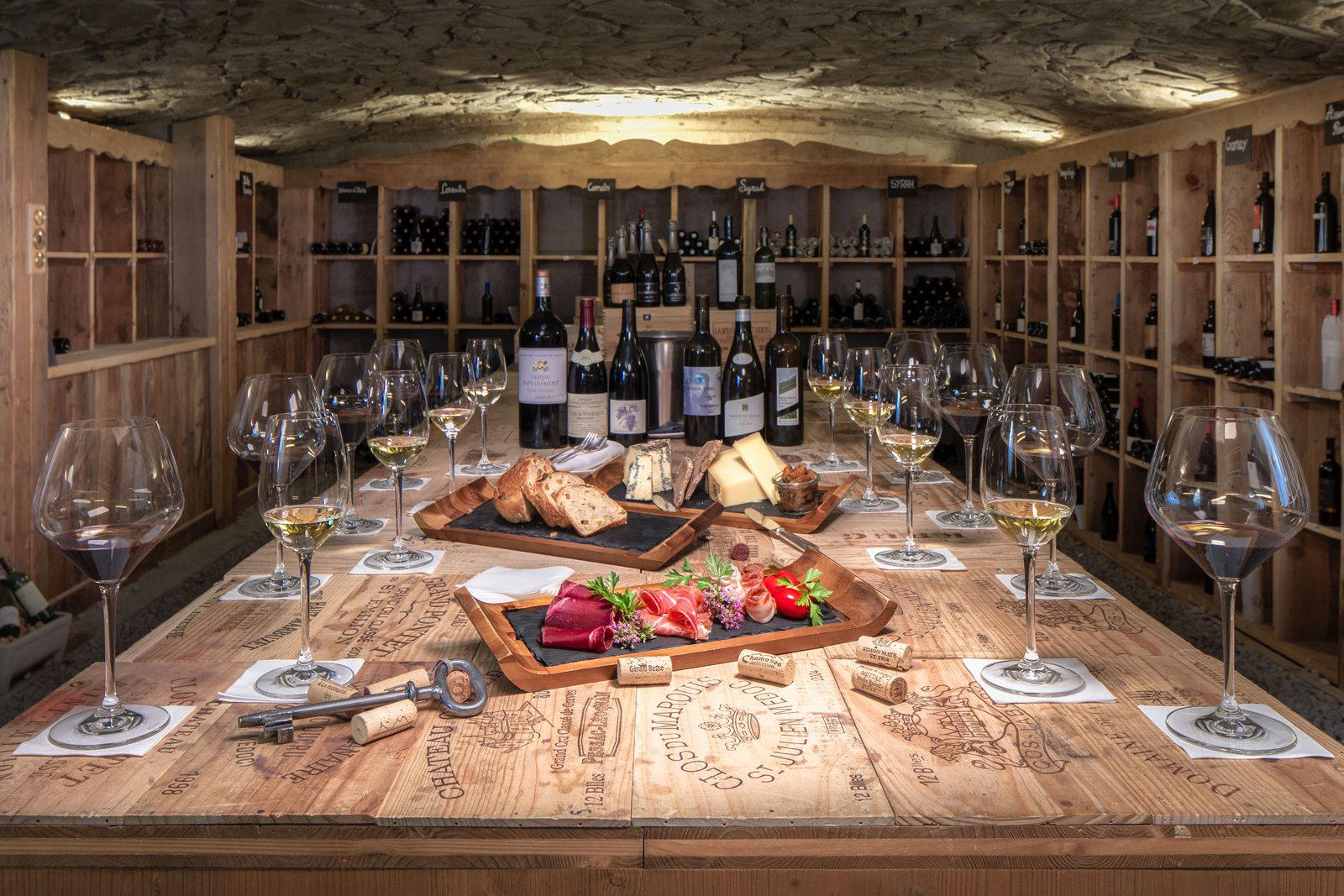
Bars in Crans-Montana
Browse all →
Hotels in Crans-Montana
Browse all →
Details
- Elegant
- Sophisticated
- Scenic
- Intimate
- Special Occasion
- Date Night
- Celebration
- Panoramic View
- Terrace
- Open Kitchen
- Private Dining
- Hotel Restaurant
- Extensive Wine List
- Sommelier Led
- Local Sourcing
- Mountain
- Tasting Menu
- A La Carte
- Vegetarian Friendly
- Vegan Options
- Gluten Free Options
Current opening hours
- Monday
- 12–9:30 PM
- Tuesday
- 12–9:30 PM
- Wednesday
- 12–9:30 PM
- Thursday
- 12–9:30 PM
- Friday
- 12–9:30 PM
- Saturday
- 12–9:30 PM
- Sunday
- 12–9:30 PM
Hours can change for holidays and private events. Last verified .
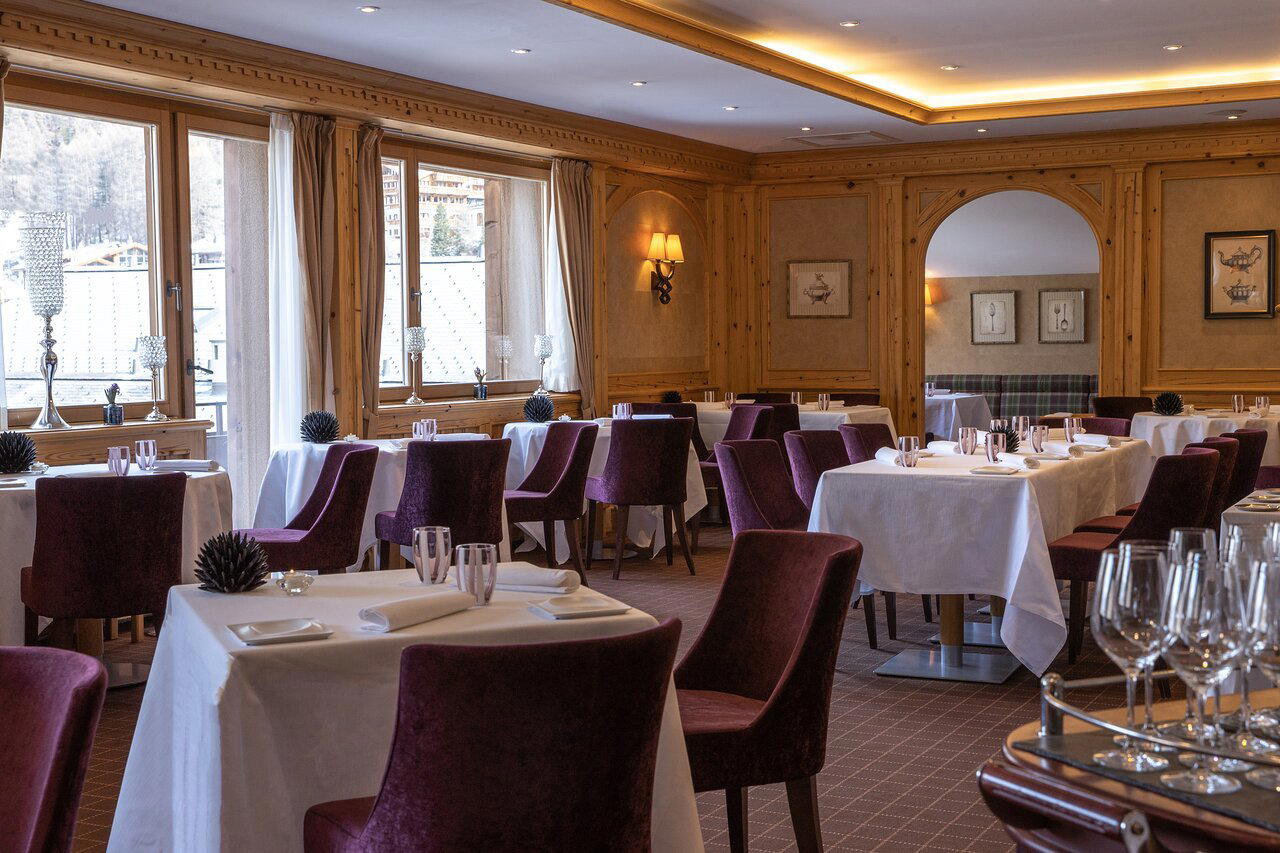
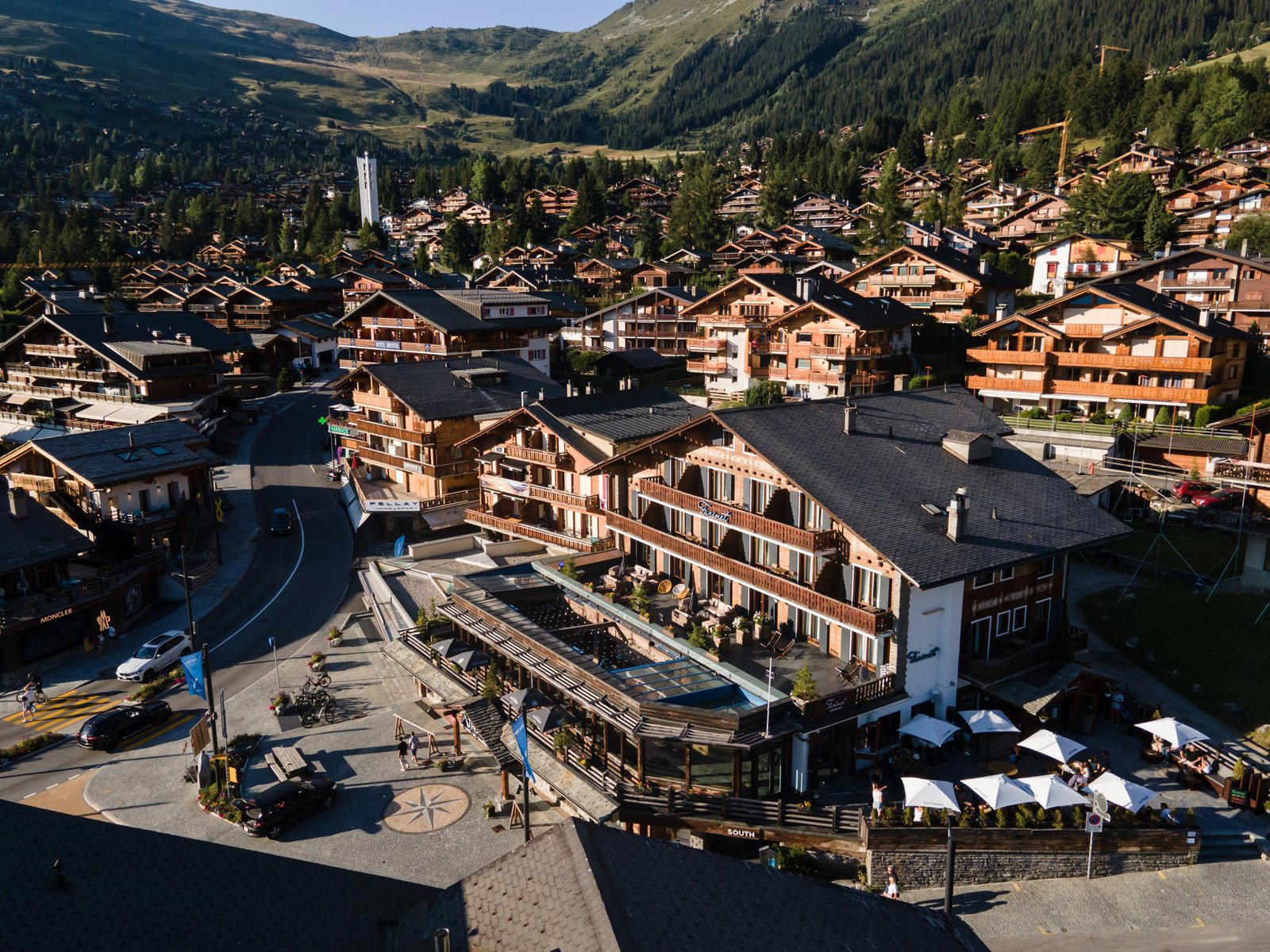
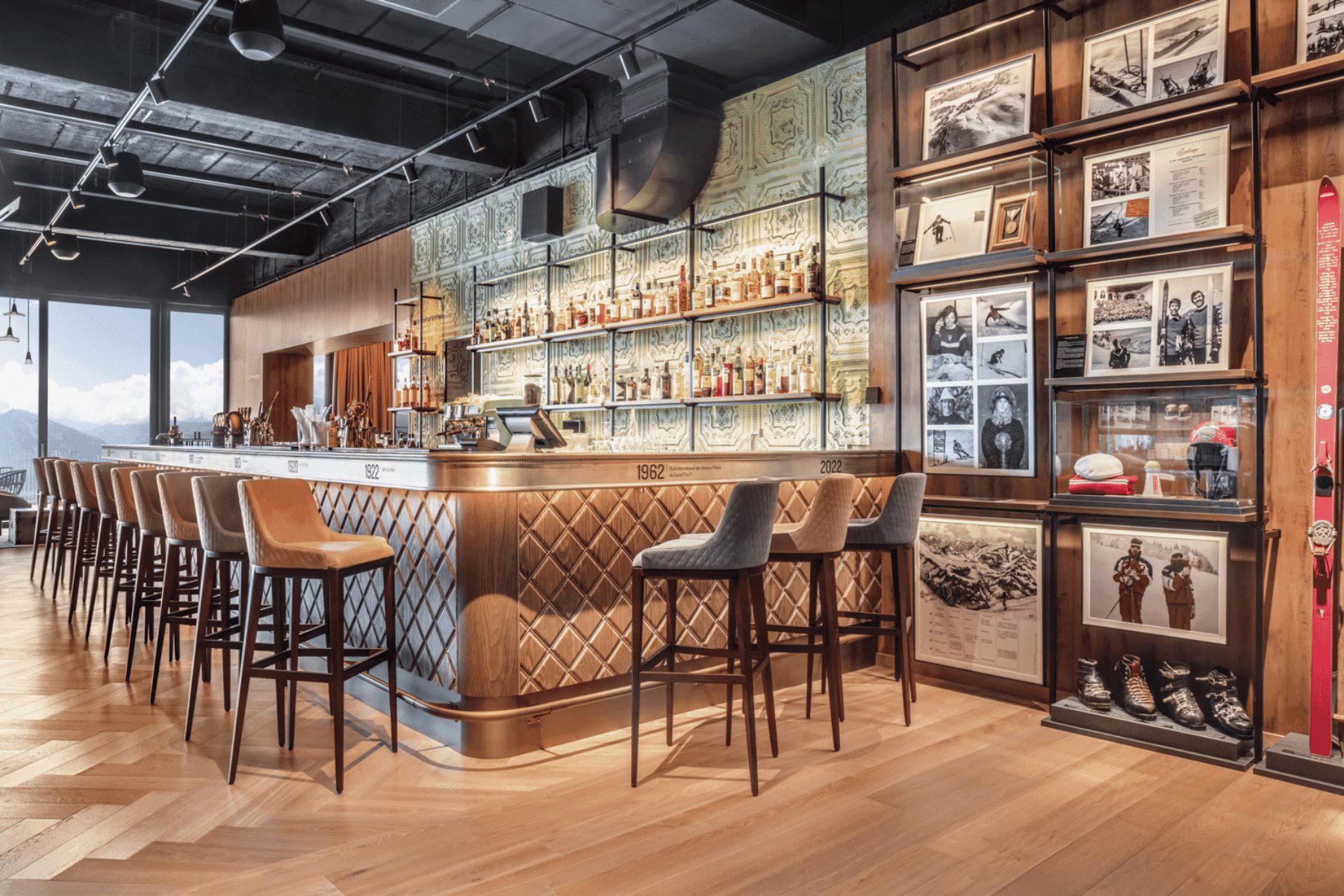
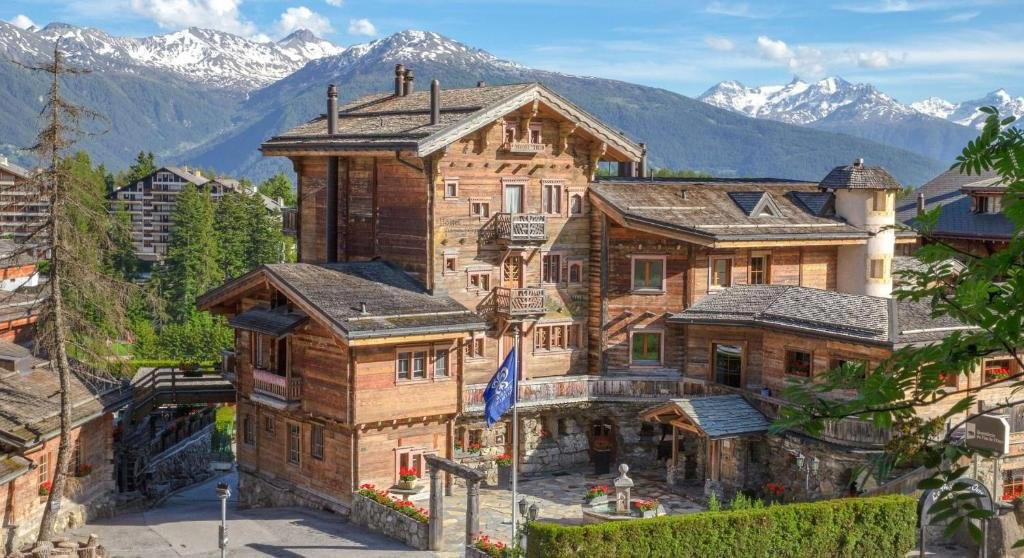
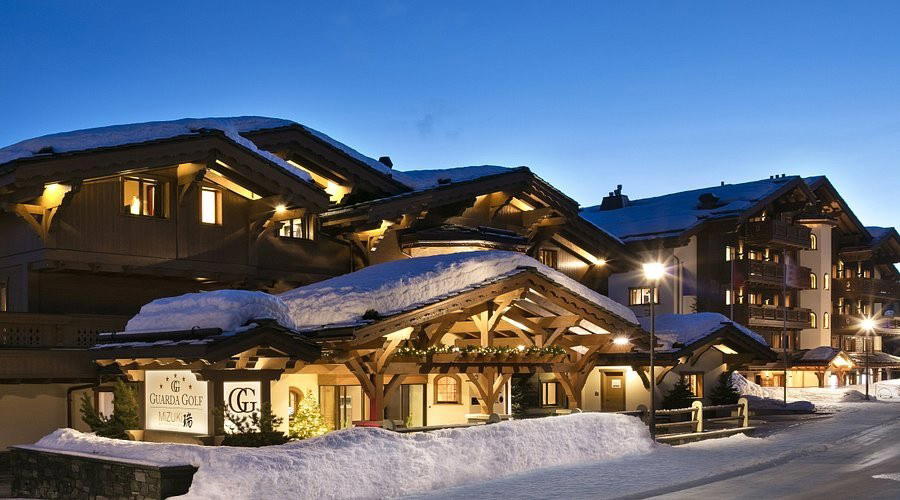
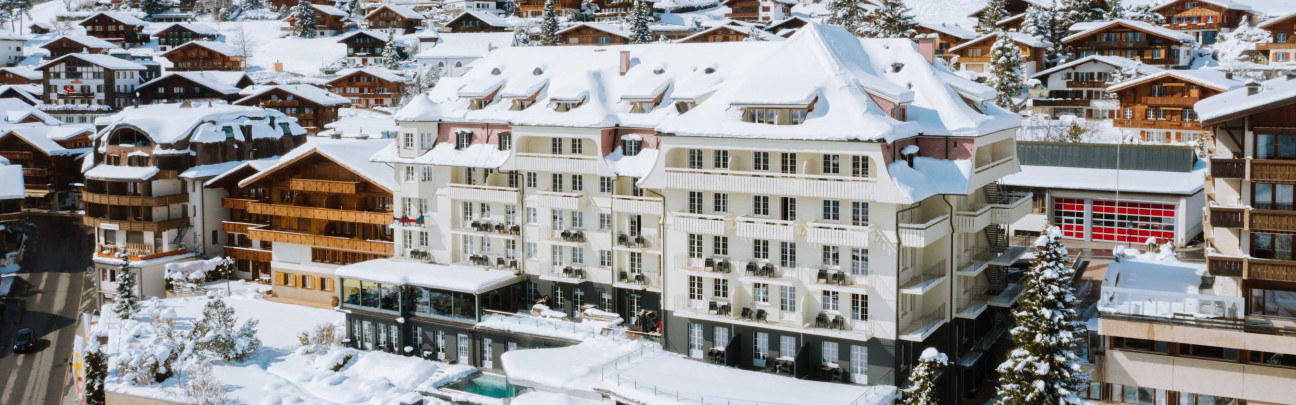
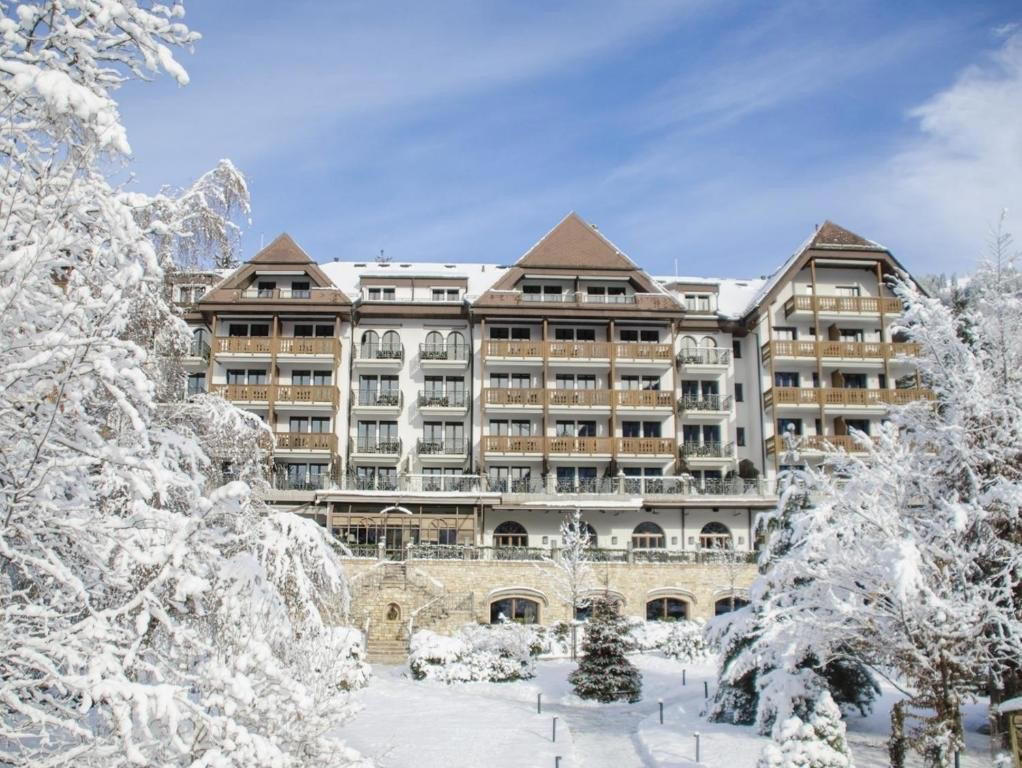
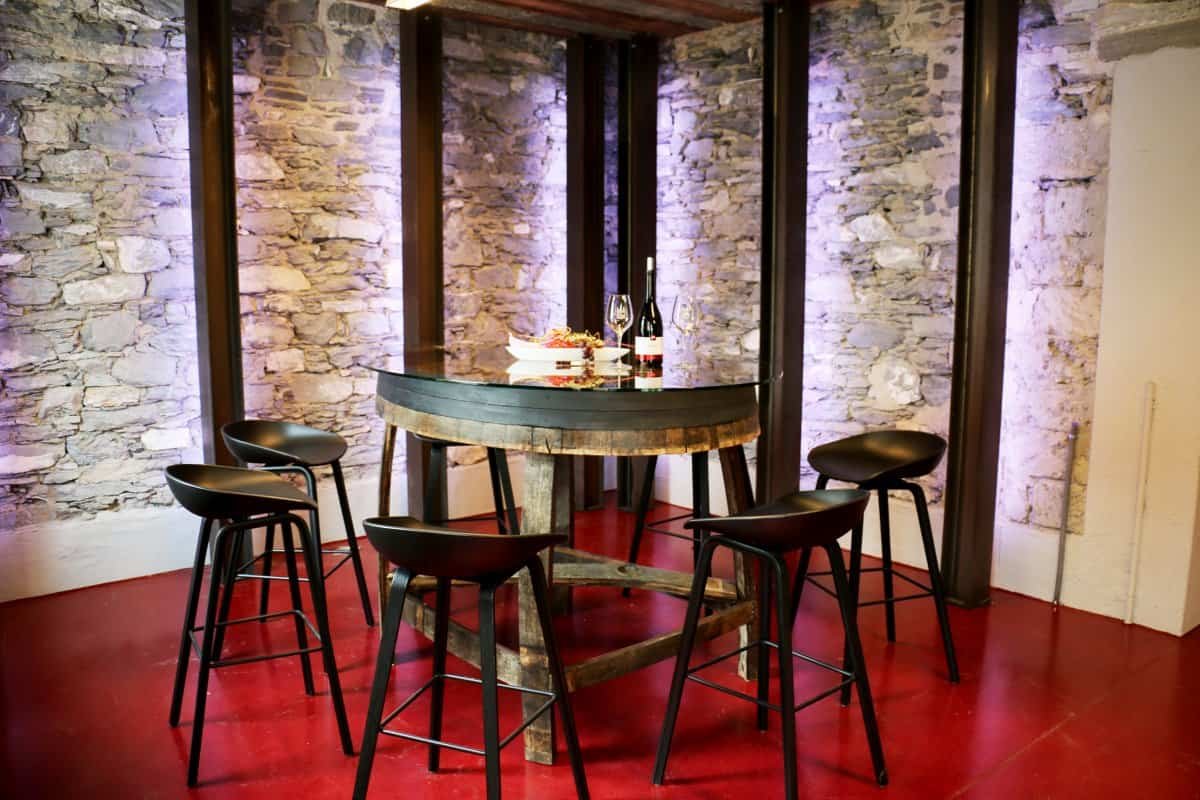
Elegant and cozy interior featuring panoramic windows, wood and stone elements, open fire in the lounge-bar, and a contemporary design that enhances the sophisticated mountain-top atmosphere.