Los Parados de Pepe
Los Parados de Pepe sits within Mexico City's mid-to-upper dining tier, where the wine list carries as much editorial weight as the kitchen. The room trades in the kind of convivial standing-and-staying energy that defines the city's more serious neighbourhood tables. For visitors mapping Mexico City's broader dining circuit, it belongs on the same itinerary as the capital's more talked-about addresses.
- Address
- Mexico City, Mexico
- Directions
- Get directions
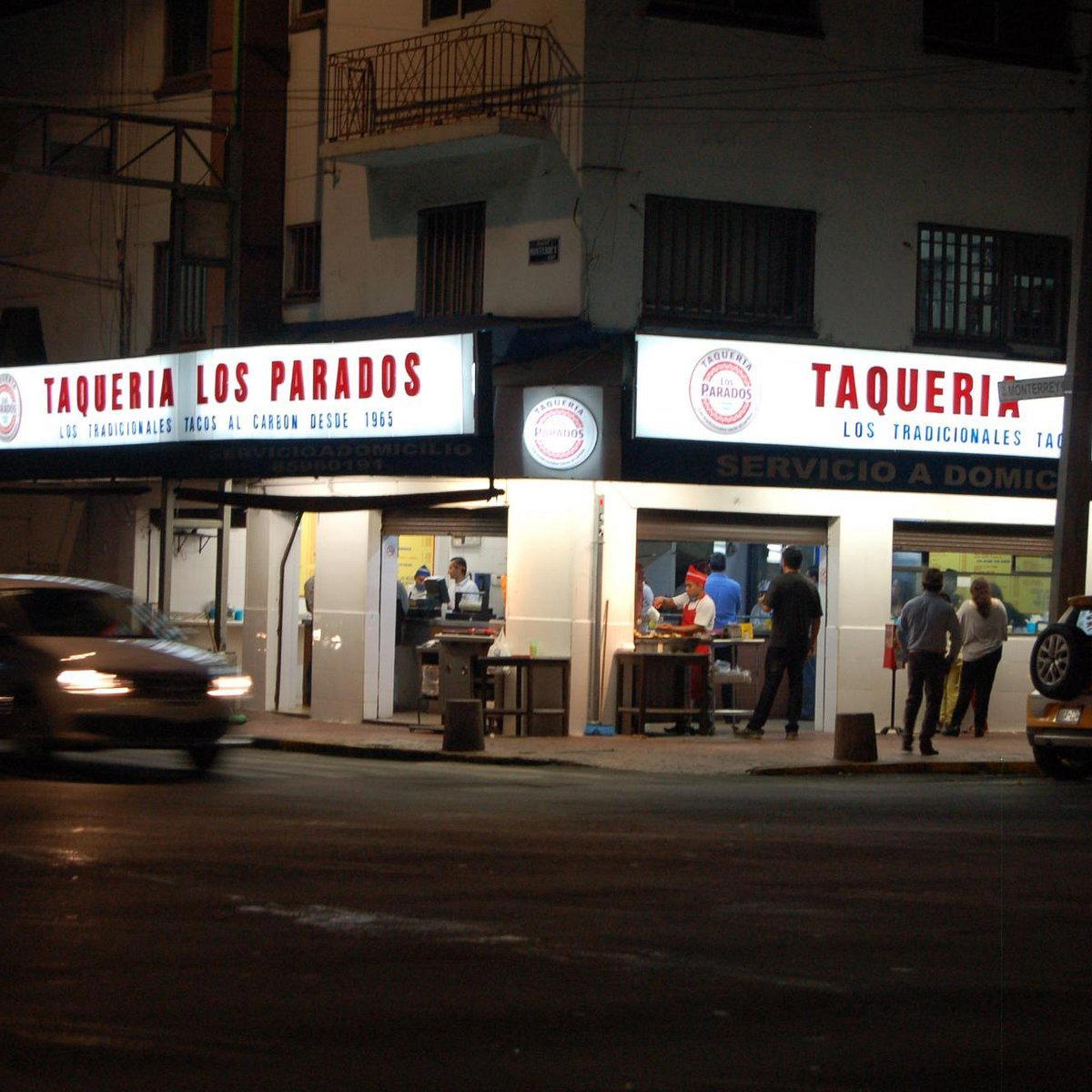
A Room That Asks You to Stay
Mexico City's dining culture has always rewarded those who linger. The capital's most animated tables are rarely the ones with the most formal choreography — they tend to be the rooms where the wine keeps arriving, the conversation runs past midnight, and the boundary between a second glass and a third course blurs pleasantly. Los Parados de Pepe occupies that register. The name itself carries a posture: parados, standing, suggests a place built around the social act of eating rather than the ceremonial one. You arrive, you find your footing, and the evening organises itself around you.
That dynamic places Los Parados de Pepe in a specific tier of Mexico City dining — not the tasting-menu-and-silence school represented by addresses like Pujol or Quintonil, but the more fluid, wine-forward category where the list does as much work as the kitchen, and where the room's energy is part of the offer.
Where the Wine List Does the Talking
Mexico City's most serious restaurant wine programs have shifted considerably over the past decade. The city's proximity to Baja California's Valle de Guadalupe, now home to producers like Animalón and the wider Valle bottlers gaining international attention, has given sommeliers at mid-to-upper Mexico City tables a credible domestic option that didn't exist with the same depth fifteen years ago. Alongside that, a generation of wine-focused restaurateurs has pushed lists beyond the standard Chilean and Argentine defaults, incorporating natural and low-intervention bottles from Europe and small-production Mexican labels.
At wine-led tables in this tier, curation philosophy matters more than list length. The question isn't how many labels appear on the card but whether the selection reflects a coherent point of view, whether it skews toward producers working with restraint, whether it holds bottles you'd find at a specialist importer rather than a hotel chain, whether the by-the-glass program offers genuine range or just three safe options. Mexico City's better wine rooms have learned from the same shift visible at Le Bernardin in New York and at technically ambitious operations like Atomix, that the sommelier's role is editorial, not merely logistical.
Los Parados de Pepe positions itself within that conversation. The name and format signal a list conceived for the table's rhythm rather than for a wine-pairing menu engineered by the kitchen. That's a meaningful distinction in a city where the dominant fine-dining model still tends to subordinate the cellar to the tasting menu's architecture.
Mexico City's Mid-Tier and What It Actually Means
Understanding where Los Parados de Pepe sits requires understanding how Mexico City's restaurant tiers actually function. At the leading sits the internationally recognised tier: the Michelin-adjacent addresses, the Latin America's 50 Best nominees, the reservation-three-months-in-advance rooms. Below that, but operating with serious culinary intent, is a cohort of restaurants where the price point is more accessible and the atmosphere more relaxed, but where the cooking draws on the same Mexican larder and the same generation of trained cooks.
Rosetta, which runs at the lower $$$ bracket while maintaining genuine creative ambition, demonstrates how the mid-tier in Mexico City isn't a compromise category. Em occupies a similar space, using Mexican ingredients through a lens that doesn't perform nationalism but simply cooks with what the country produces. Los Parados de Pepe operates within this register, a table where the ambition is real but the format is convivial rather than ceremonial.
That format has parallels across Mexico's serious regional dining scene. Levadura de Olla in Oaxaca, Alcalde in Guadalajara, and KOLI Cocina de Origen in Monterrey all represent the same national shift: Mexican cooking being treated as a serious subject worthy of wine-list depth and thoughtful sourcing, outside the capital's most expensive addresses.
The Kitchen in Context
Mexico City's dining conversation has long centred on the tension between Mexican culinary tradition and the influence of European technique. Tables like Sud 777 have navigated this by committing explicitly to Mexican products while absorbing international cooking method. Others, like the vegetable-forward approach visible at Quintonil, have made the provenance of ingredients the editorial spine of the menu.
At wine-led restaurants in this tier, the kitchen typically functions as a strong complement rather than the room's primary draw. The menu is designed to support extended table time: dishes that work across multiple glasses, that don't require the concentration demanded by a sequential tasting menu, that hold up to conversation. In Mexico City, that often means leaning into the capital's own culinary vocabulary, the acid, the smoke, the chilli heat that runs through everything from street food to fine dining, while framing it in a format that suits the wine program's ambitions.
Comparable approaches are visible elsewhere in Mexico's premium dining geography: Le Chique in Puerto Morelos works within a similarly wine-attentive framework, as does Olivea Farm to Table in Ensenada, where the Baja wine country context makes the list-and-kitchen relationship even more explicit. Huniik in Merida and HA' in Playa del Carmen represent further points on the same national map, where regional identity informs both the kitchen and the cellar. Lunario in El Porvenir and Pangea in San Pedro Garza García complete the picture of a country whose wine-forward dining culture has spread well beyond the capital.
Planning Your Visit
For visitors working through our full Mexico City restaurants guide, Los Parados de Pepe belongs on the list alongside rather than instead of the capital's more formally structured rooms. It suits an evening when the agenda is open-ended, when a long meal with multiple bottles is the point, rather than the sidebar. Mexico City's better wine-led tables tend to fill quickly on Thursday through Saturday evenings, and this tier of restaurant operates without the international booking platforms that make the city's most prominent tables accessible in advance. Arriving with flexibility on timing, or visiting on a weekday, typically improves your chances at these rooms. The address functions as a useful counterpoint to the tasting-menu circuit: less structured, potentially more revealing about how Mexico City actually eats when it isn't performing for a critic.
Credentials Lens
A small set of peers for context, based on recorded venue fields.
| Venue | Cuisine | Price | Awards |
|---|---|---|---|
| Los Parados de PepeThis venue — the venue you are viewing | Not listed | Not listed | Not listed |
| Pujol | Mexican | $$$$ | Michelin 2 Star |
| Quintonil | Modern Mexican, Contemporary | $$$$ | Michelin 2 Star |
| Rosetta | Italian, Creative | $$ | Michelin 1 Star |
| Em | Mexican | $$$ | Michelin 1 Star |
| Comedor Jacinta | Mexico, Mexican | $$ | Not listed |
Continue exploring
More in Mexico City
Restaurants in Mexico City
Browse all →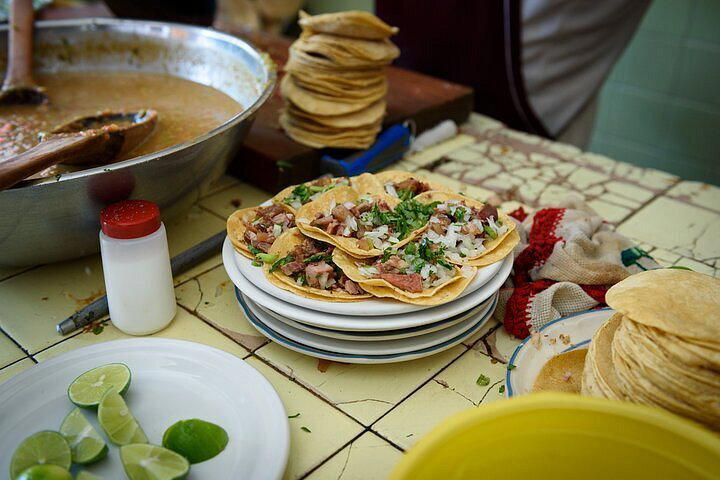
Bars in Mexico City
Browse all →
At a Glance
- Lively
- Energetic
- Casual Hangout
- Late Night
- Standalone
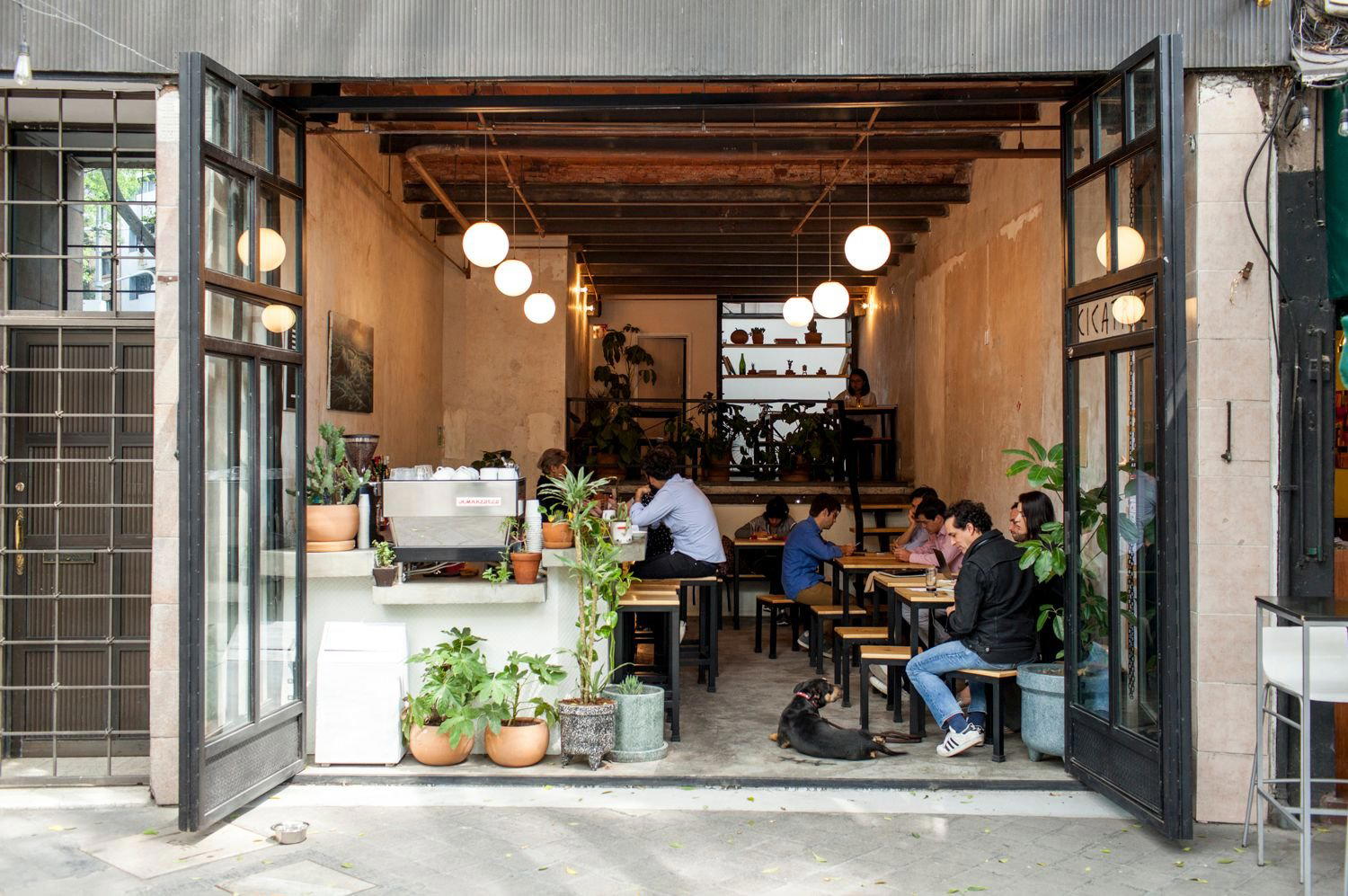
Casual lively taqueria atmosphere where diners often eat standing up.