A teglia-focused address on Viale S. Martino, L'Orso in Teglia sits within Messina's neighbourhood dining circuit, where the sourcing traditions of the Strait define what ends up on the table. The format reads as deliberately local, working within the ingredient geography of northeastern Sicily rather than reaching beyond it. For visitors tracking the city's less-publicised eating options, it belongs on the same itinerary as nearby addresses like M'inchìa and L'Orso.
Pearl is the En Primeur Club membership app — saves, bookings, and concierge access live there. Same editors, same standards.
- Address
- Viale S. Martino, 172, 98123 Messina ME, Italy
- Phone
- +393667235091
- Directions
- Get directions
 Saves & bookings on Pearl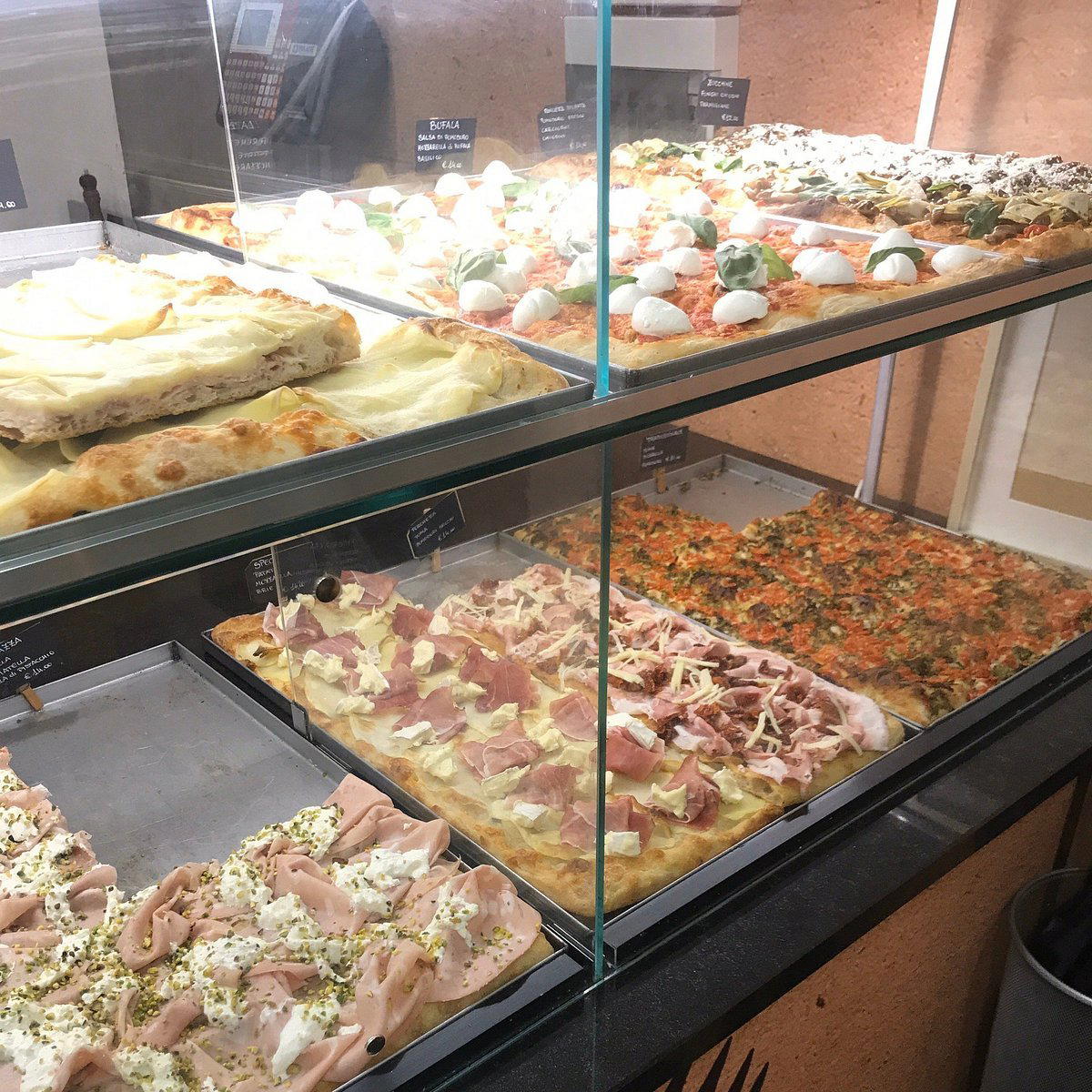
Viale S. Martino and the Neighbourhood Register
Messina's dining identity does not concentrate in a single quarter the way Palermo's does around the Vucciria or Catania's along the fish market perimeter. Instead, it distributes across residential avenues where the city actually eats: streets where the clientele is local, the format is direct, and the relationship between what's on the plate and what arrived from the Strait or the Peloritani hills that morning is shorter than almost anywhere else in Sicily. Viale S. Martino is one of those arteries. Long, commercial in the broad sense, unremarkable to the eye of a visitor looking for postcard material, it is precisely where a teglia-format address like L'Orso in Teglia makes sense. The neighbourhood does not require it to perform for tourists. It simply requires it to cook well for the people who live nearby.
That geographic reality matters more than it might seem. Teglia cooking, the oven-baked, tray-served tradition that gives the venue its name, is a format built on repetition and local knowledge. It rewards places that understand what their immediate supply chain offers rather than what a more cosmopolitan customer might expect. On Viale S. Martino, at number 172, that supply chain runs through one of Italy's most geographically specific larders.
The Ingredient Geography of the Strait
Northeastern Sicily operates inside a distinct food geography. The Strait of Messina, the narrow channel between Sicily and Calabria, produces fish and shellfish under current conditions found almost nowhere else on the Italian coastline. The fast-moving water, averaging around three kilometres wide at its narrowest, creates oxygenation and temperature patterns that affect the flavour and texture of what lives in it. Swordfish from the Strait, historically harpooned from traditional fishing craft called feluccas, carries regional appellation status in the minds of Sicilian cooks even if no formal protected designation covers it. Anchovies from the area around Milazzo, roughly forty kilometres west along the northern coast, are processed and sold under a provenance identity that professional kitchens elsewhere in Italy recognise.
Inland, the Peloritani mountains that frame Messina from the north and west supply a separate register: pork products from small farms, wild herbs, citrus, and the kind of seasonal produce that never travels far because the volumes are too small to make distribution viable. This is the ingredient territory that a neighbourhood address on Viale S. Martino can tap without elaborate logistics. For context on how Italian restaurants at the decorated end of the national hierarchy approach sourcing, addresses like Uliassi in Senigallia or Reale in Castel di Sangro have built identities precisely around the specificity of what their local geography offers. At a different scale and register, the same logic applies to a teglia house working within the Messina supply corridor.
Teglia as Format and Philosophy
The teglia, the baking tray, is one of Italian food culture's most democratic formats. It appears across the peninsula in different regional guises: the focaccia in teglia of Liguria, the pizza in teglia romana that became its own subgenre, the baked pasta and vegetable preparations that anchor southern domestic cooking. What these share is a commitment to feeding people generously rather than presenting individual portions as finished compositions. The format resists the kind of plating theatrics that have become standard in contemporary restaurant culture at the middle and upper tiers.
In Messina, that tradition intersects with a specific set of local ingredients and preparations. Baked fish, tray-roasted vegetables from the Peloritani foothills, preparations built around the kind of seafood the Strait provides. The teglia format suits this material because it allows the cooking to focus on the ingredient rather than the technique applied to it. Italy's most discussed fine dining addresses, from Osteria Francescana in Modena to Piazza Duomo in Alba, have built international reputations through the opposite approach: technique and concept leading, ingredient as material to transform. The teglia tradition inverts that hierarchy. The ingredient is the argument, and the tray is the delivery mechanism.
Messina's Broader Dining Circuit
L'Orso in Teglia sits within a local dining circuit that includes a range of formats and registers. L'Orso occupies one position in the city's mid-register, while M'inchìa represents another neighbourhood-anchored option. At the creative end of the city's offer, Marina del Nettuno operates at the €€€ tier with a more developed culinary programme. The gap between these addresses reflects a broader pattern in Sicilian city dining: the neighbourhood trattoria and the ambitious creative kitchen coexist with relatively little middle ground. Teglia-format addresses tend to occupy the neighbourhood end of that spectrum, where the proposition is consistency and sourcing honesty rather than innovation.
Visitors who have tracked Italy's decorated addresses, from Le Calandre in Rubano to Enrico Bartolini in Milan or Dal Pescatore in Runate, will find the register here entirely different. That difference is the point. A neighbourhood teglia address on Viale S. Martino is not attempting to compete with Enoteca Pinchiorri in Florence or Atelier Moessmer Norbert Niederkofler in Brunico. It is operating within a different contract with its customer, one based on local knowledge, local supply, and the kind of cooking that a neighbourhood of Messina residents recognises as honest.
Planning a Visit
Viale S. Martino runs through a residential and commercial stretch of Messina that is direct to reach from the city centre on foot or by local transport. Number 172 places L'Orso in Teglia toward the mid-section of the avenue, away from the waterfront and the ferry terminal area that anchors most visitor orientation. The teglia format typically operates on lunch-led rhythms in southern Italian neighbourhood settings, though evening service is common at addresses with a local dinner following.
How It Stacks Up
Comparable venues nearby, for context on price, style, and recognition.
| Venue | Cuisine | Price | Awards | Notes |
|---|---|---|---|---|
| L'ORSO IN TEGLIAThis venue — the venue you are viewing | Roman Pan Pizza (Pizza in Teglia) | $$ | Not listed | Not listed |
| M'inchìa | Sicilian Trattoria | $$ | Not listed | Cathedral square area |
| L'Orso | Modern Sicilian Pizza | $$$ | Not listed | Duomo |
| Marina del Nettuno | Modern Sicilian Seafood | $$$ | Michelin Plate | Yachting Club Messina |
| Arso Trattoria Moderna | Traditional Roman Trattoria | $$ | Not listed | .null |
| Gelateria La Romana | Artisanal Italian Gelato | $$ | Not listed | Sallustiano |
Continue exploring
More in Messina
Restaurants in Messina
Browse all →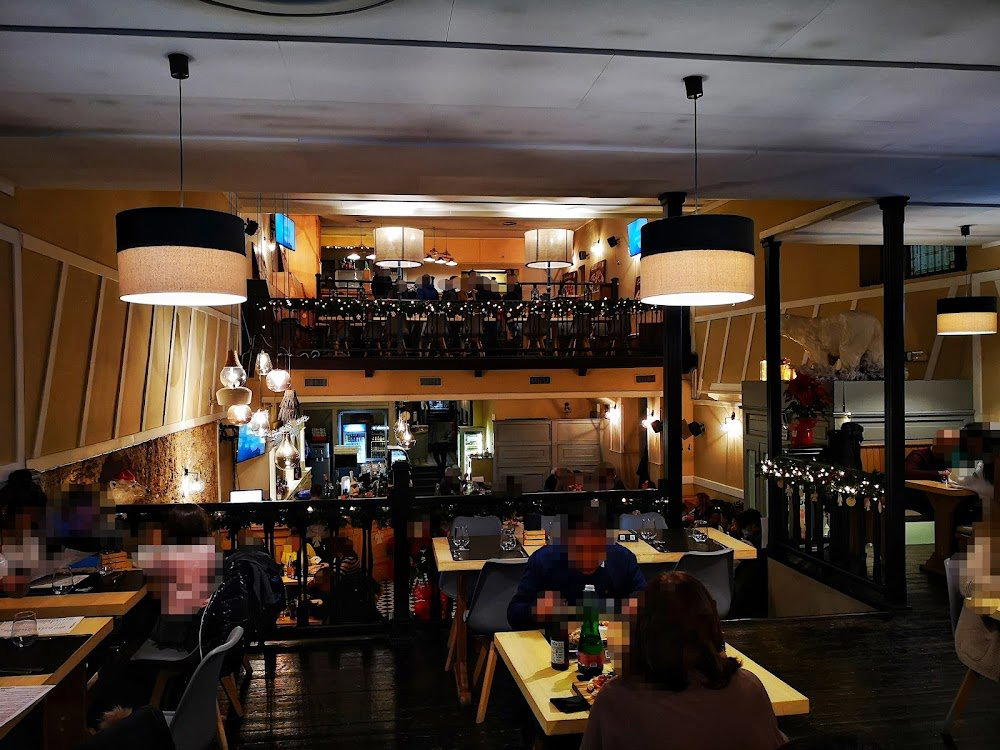
Bars in Messina
Browse all →
Hotels in Messina
Browse all →

At a Glance
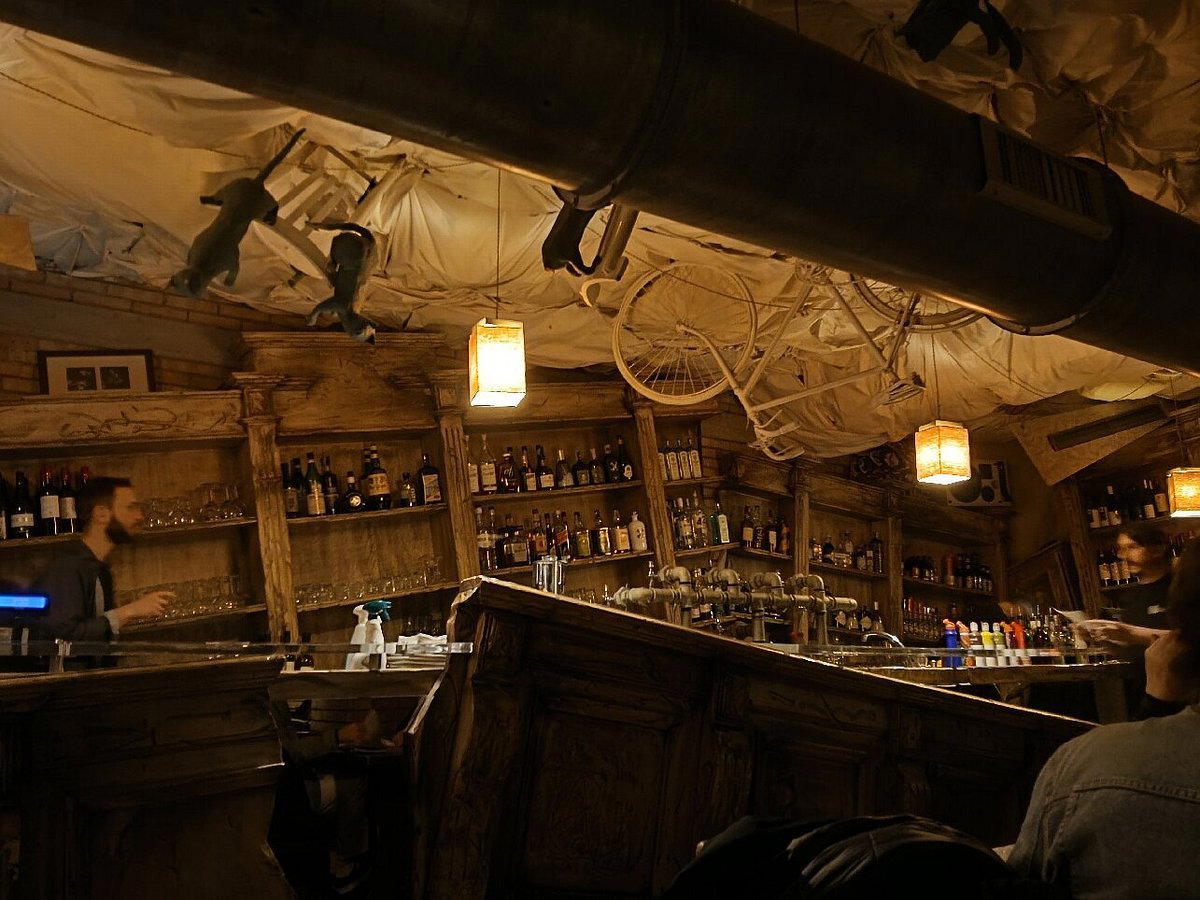
- Rustic
- Cozy
- Casual Hangout
- Open Kitchen
- Local Sourcing
- Organic
Current opening hours
- Monday
- 8 AM–10 PM
- Tuesday
- 8 AM–10 PM
- Wednesday
- 8 AM–10 PM
- Thursday
- 8 AM–10 PM
- Friday
- 8 AM–10 PM
- Saturday
- 8 AM–10 PM
- Sunday
- 5–10 PM
Hours can change for holidays and private events. Last verified .
Casual small shop atmosphere with a welcoming showcase of pizzas, two outdoor tables, and a focus on quick, tasty eats.