L'Orbecquoise sits on Orbec's main street in the heart of Normandy's Pays d'Auge, a region where the sourcing argument for French regional cooking practically writes itself. The surrounding countryside supplies some of France's most celebrated dairy, cider apples, and market-garden produce, placing any serious kitchen here at the intersection of terroir and table. For visitors tracing the region's food traditions, Orbec offers an quieter counterpoint to the better-known Normandy tourist circuit.
Pearl is the En Primeur Club membership app — saves, bookings, and concierge access live there. Same editors, same standards.
- Address
- 60 Rue Grande, 14290 Orbec, France
- Phone
- +33231624499
- Website
- facebook.com
- Directions
- Get directions
 Saves & bookings on Pearl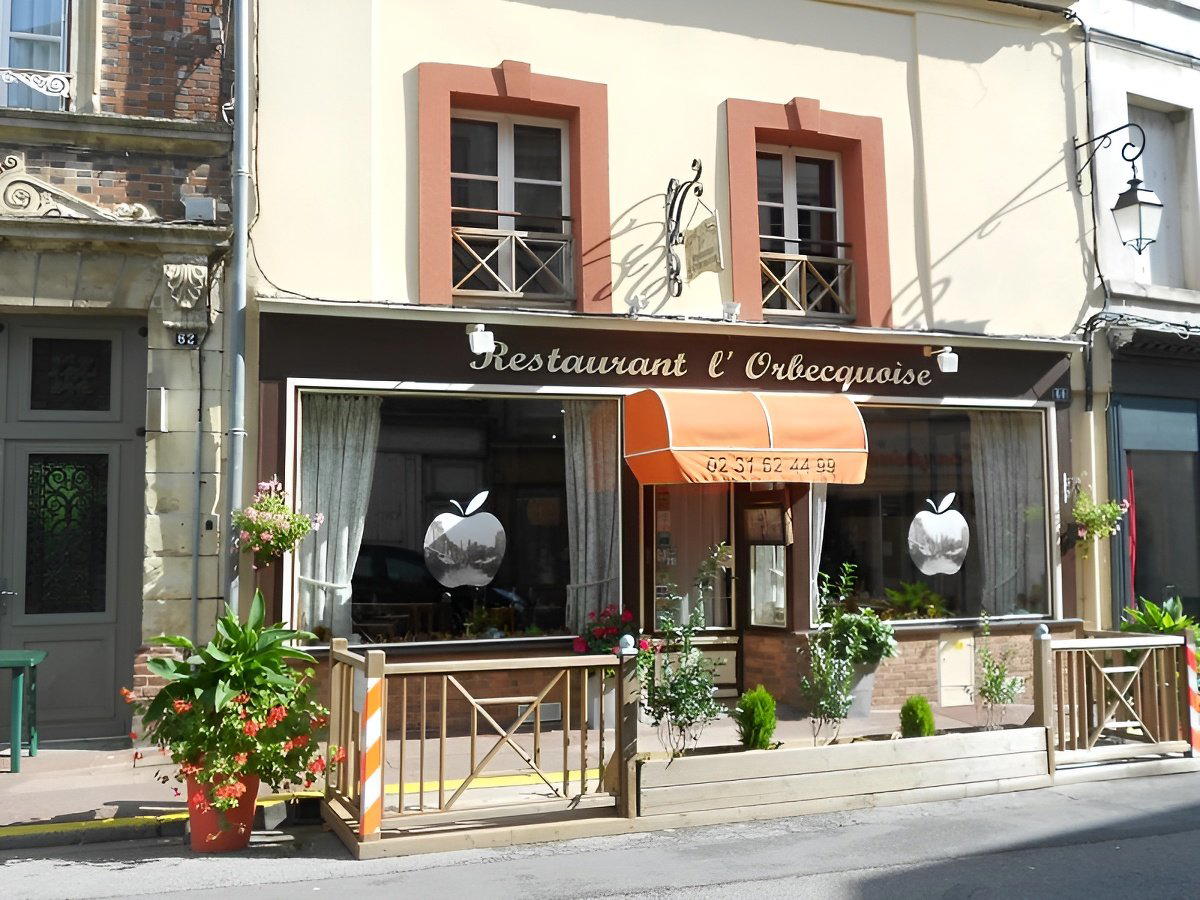
Orbec and the Pays d'Auge Sourcing Argument
There is a version of French regional cooking that exists precisely because of where it is made. Normandy's Pays d'Auge sits in that category without argument. The bocage landscape between Lisieux and L'Aigle produces Camembert, Livarot, and Pont-l'Évêque within a short radius of one another; Calvados and cidre bouché come from the same apple orchards that line the roads into Orbec; the rivers run clear enough for freshwater fish that rarely travel far before reaching a kitchen. Any restaurant that takes its address seriously here is, by default, making a sourcing argument every time it writes a menu.
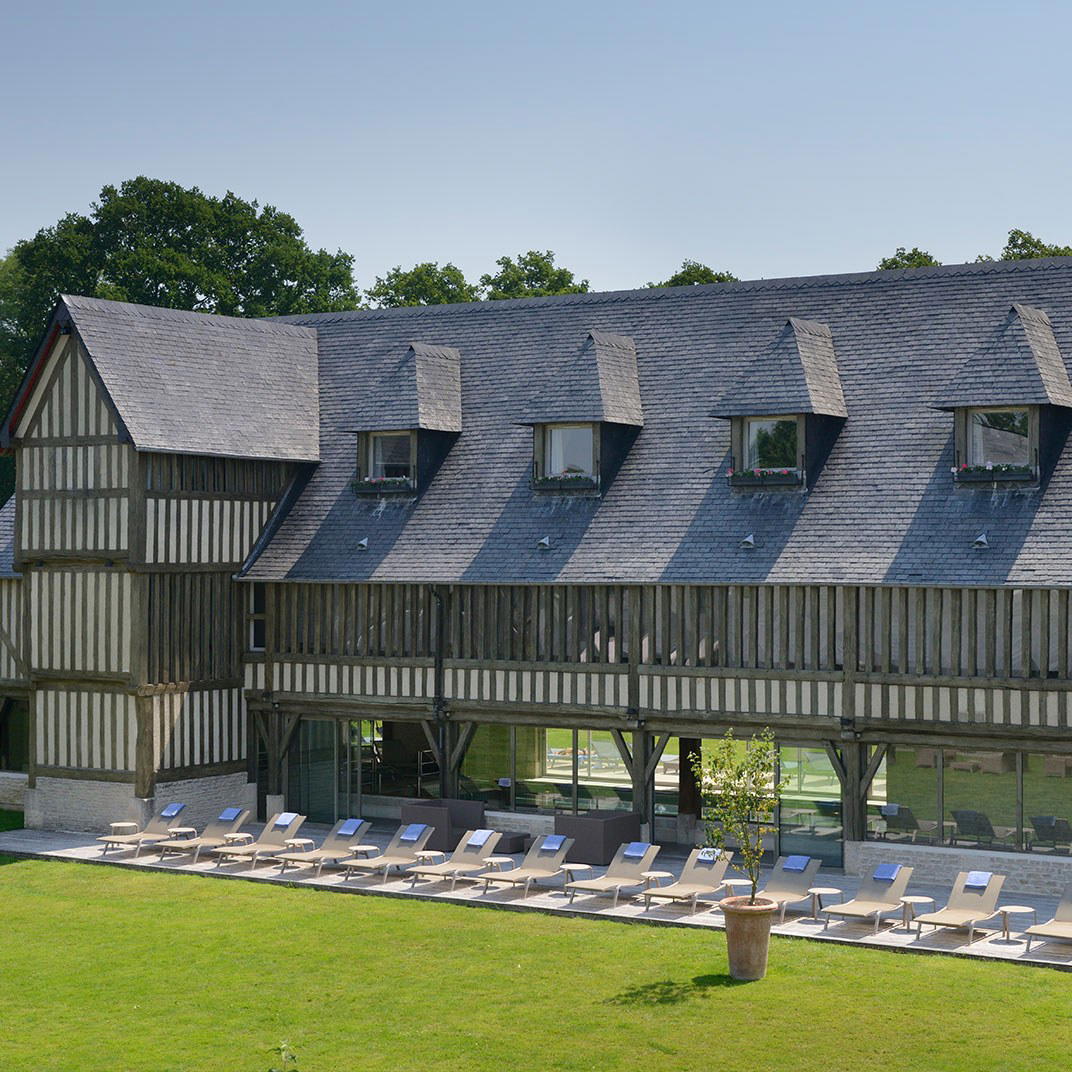
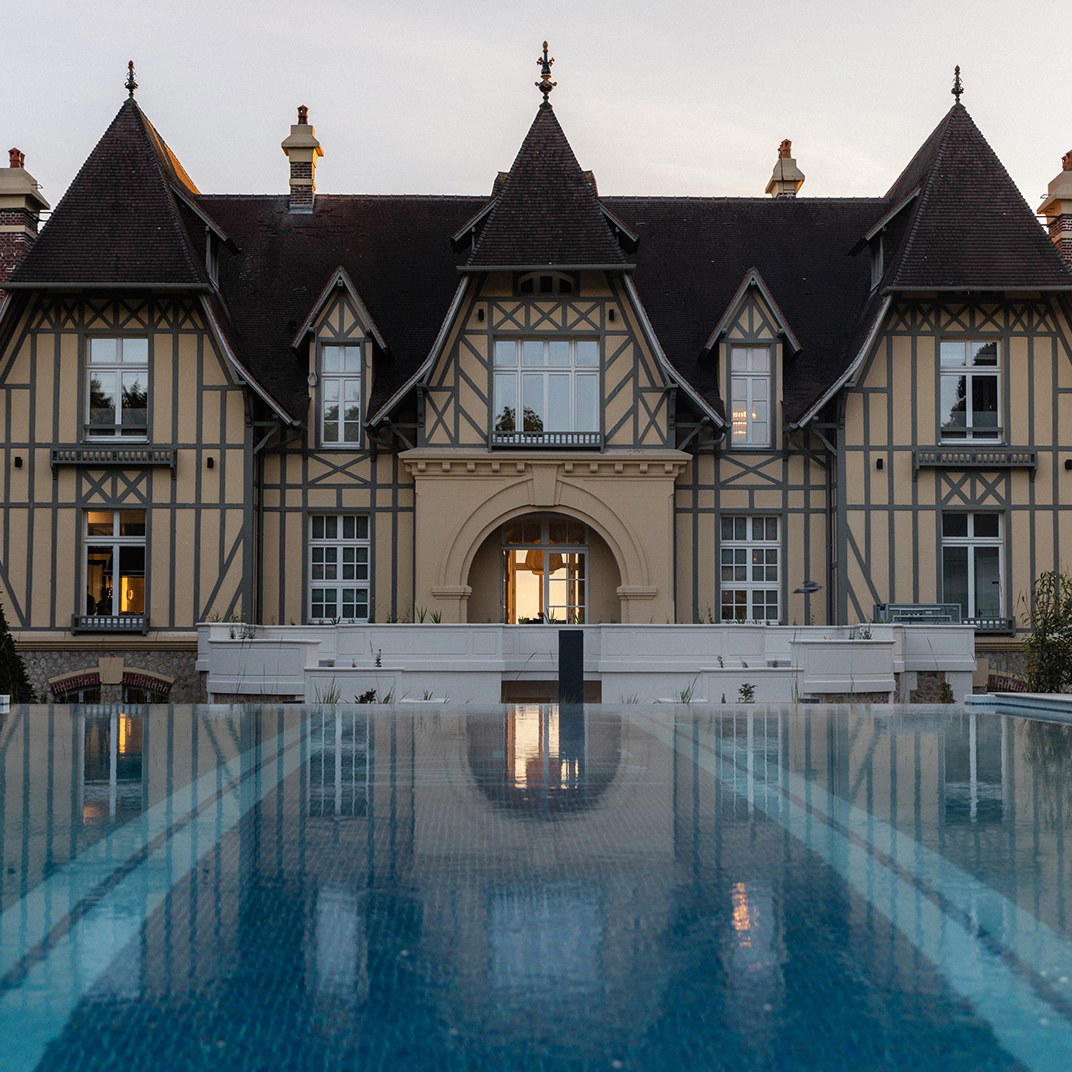
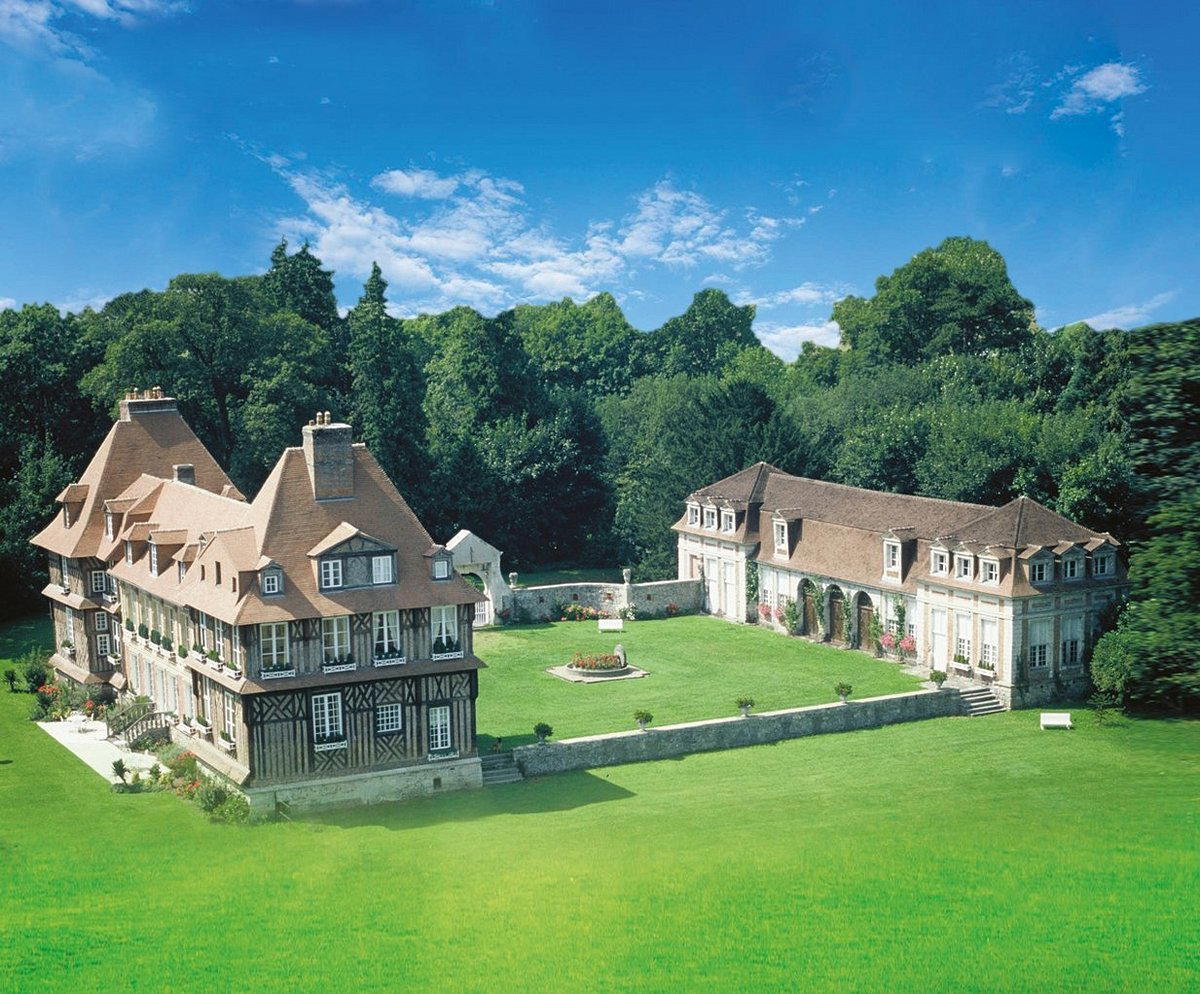
L'Orbecquoise, a Traditional French Normandy Bistro in Orbec, is located at 60 Rue Grande. The street is lined with half-timbered façades typical of the region, and the physical approach to the restaurant carries the kind of visual grammar that French provincial cooking has always leaned on: stone, timber, the faint smell of apple country in autumn. This is the end of Normandy that does not appear heavily on the international tourist itinerary, which makes it more useful as a destination for anyone whose interest is in how a region actually eats rather than how it is sold.
What Normandy's Ingredient Map Means for the Plate
Understanding what a Pays d'Auge kitchen has access to is the first step toward understanding what it should do with it. The AOP designations clustered in this part of Normandy are not decorative. Livarot and Pont-l'Évêque, both produced within a few kilometres of Orbec, carry production rules that fix the character of the milk and the method of affinage. Crème fraîche from the region has a fat content and lactic depth that changes what a sauce can do. These are not interchangeable with supermarket equivalents, and a kitchen that sources them correctly is working with fundamentally different raw material than one that does not.
The apple dimension adds another layer. Normandy produces over 800 named apple varieties, and the cidre and Calvados made from the Pays d'Auge sub-appellation represent particularly controlled expressions of that fruit. Used in cooking rather than just served alongside, they introduce an acid-tannin profile that is different from wine reductions and specific enough to identify the region in a blind tasting. France's most celebrated regional restaurants, from Bras in Laguiole to Auberge de l'Ill in Illhaeusern and L'Oustau de Baumanière in Les Baux, each make the case that the strongest cooking comes from knowing one territory with precision rather than shopping globally. Orbec sits on analogous terroir for its own region.
The Town, the Address, and the Context
Orbec is a town of roughly 2,500 people in the Calvados department, sitting about 35 kilometres southeast of Lisieux and approximately 180 kilometres west of Paris. It is not a destination that generates significant international press coverage, which positions it differently from the better-documented Norman towns further north toward the coast. That relative quietness is part of its character: the Rue Grande functions as a genuine working main street, with the restaurant trade existing alongside rather than displacing the everyday rhythm of a small Norman market town.
For context on how French regional cooking operates across a range of settings, the contrast is instructive. Venues like Mirazur in Menton, AM par Alexandre Mazzia in Marseille, and Assiette Champenoise in Reims operate in cities with strong international visitor flows and the marketing infrastructure that comes with them. Smaller-town addresses like Auberge du Vieux Puits in Fontjoncouse and Georges Blanc in Vonnas demonstrate that France has a long tradition of rewarding the journey to an address that does not come pre-packaged with urban convenience. Orbec belongs in that second category of place.
Planning a Visit
Reaching Orbec from Paris is most practical by car via the A13 motorway toward Caen and then southeast through Lisieux, a journey of roughly two hours depending on traffic. By train, Lisieux is the nearest mainline station, approximately 35 kilometres from Orbec, after which a car is effectively required. The town itself is compact enough that parking on or near Rue Grande presents no particular difficulty outside summer market days. The wider Pays d'Auge is worth building at least a half-day itinerary around: the Route du Cidre connects several producing villages in a loop that passes through the kind of Norman countryside that the sourcing argument above is actually about. For those tracing France's broader regional restaurant tradition, our full Orbec restaurants guide maps the dining options across the town.
For reference across France's premium dining tier, the editorial frame shifts considerably: operations like Alléno Paris au Pavillon Ledoyen in Paris, Flocons de Sel in Megève, Troisgros - Le Bois sans Feuilles in Ouches, Paul Bocuse - L'Auberge du Pont de Collonges in Collonges-au-Mont-d'Or, Au Crocodile in Strasbourg, Christopher Coutanceau in La Rochelle, La Marine in Noirmoutier-en-l'île, and internationally, Le Bernardin in New York City and Atomix in New York City, each illustrate what happens when sourcing discipline combines with sustained critical attention over years. The Pays d'Auge has the raw material; what a kitchen at L'Orbecquoise's address does with it is the question a visit answers.
Side-by-Side Snapshot
Comparable venues nearby, for context on price, style, and recognition.
| Venue | Cuisine | Price | Notes |
|---|---|---|---|
| L'OrbecquoiseThis venue — the venue you are viewing | Traditional French Normandy Bistro | $$ | Not listed |
| Le Bistrot des Halles | Traditional French Bistro | $$ | Place des Halles Centrales |
| L'Ascalier | Traditional French Regional Bistro | $$ | Brou |
| Le Grignot | Traditional French Brasserie & Seafood | $$ | Centre-ville Perret |
| La Singerie | French Brasserie with Seasonal and Vegetarian Options | $$ | Halles Centrales |
| Le Barbican | Traditional French Coastal Bistro with Fish & Chips | $$ | port |
Continue exploring
More in Orbec
Restaurants in Orbec
Browse all →

Bars in Orbec
Browse all →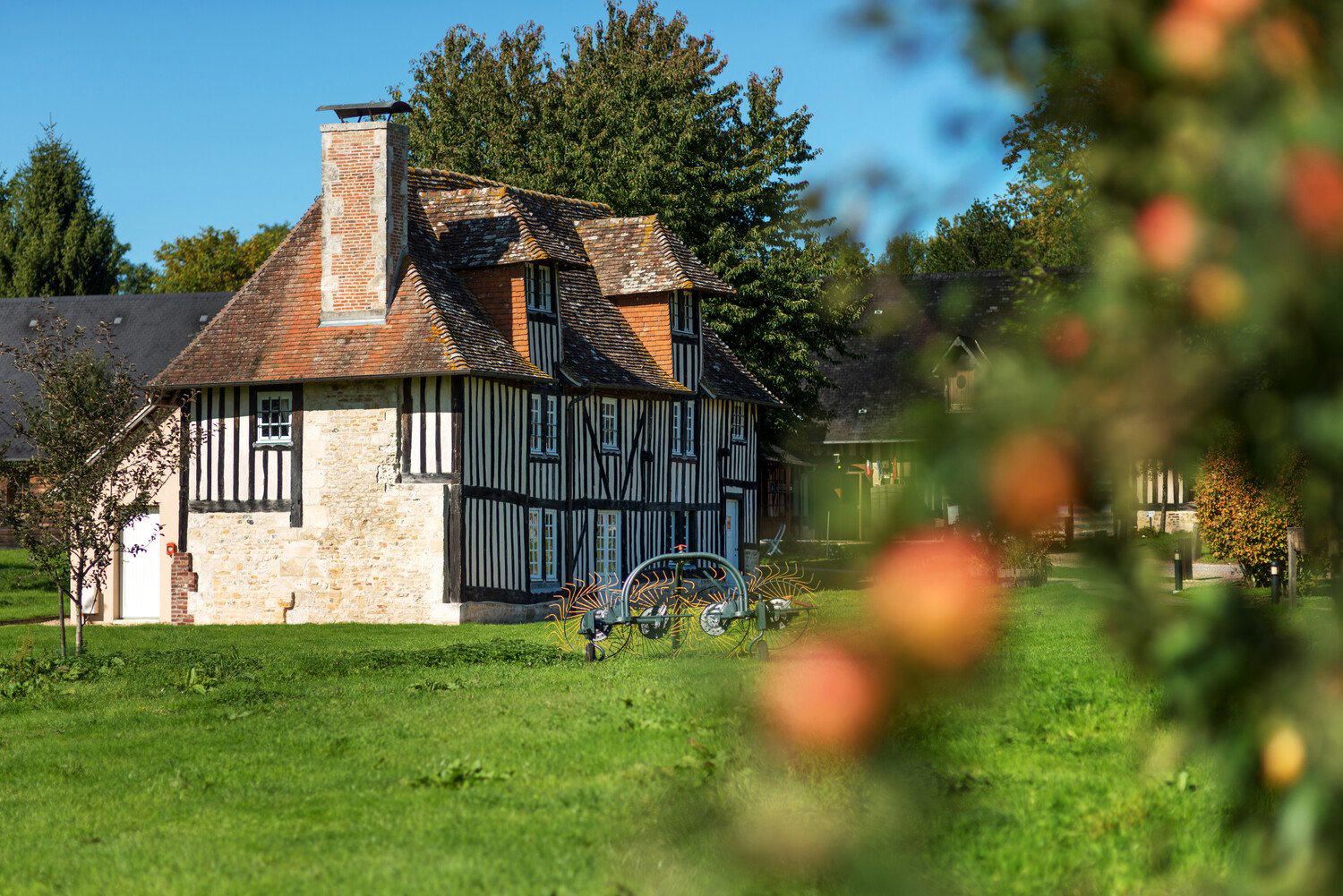
Hotels in Orbec
Browse all →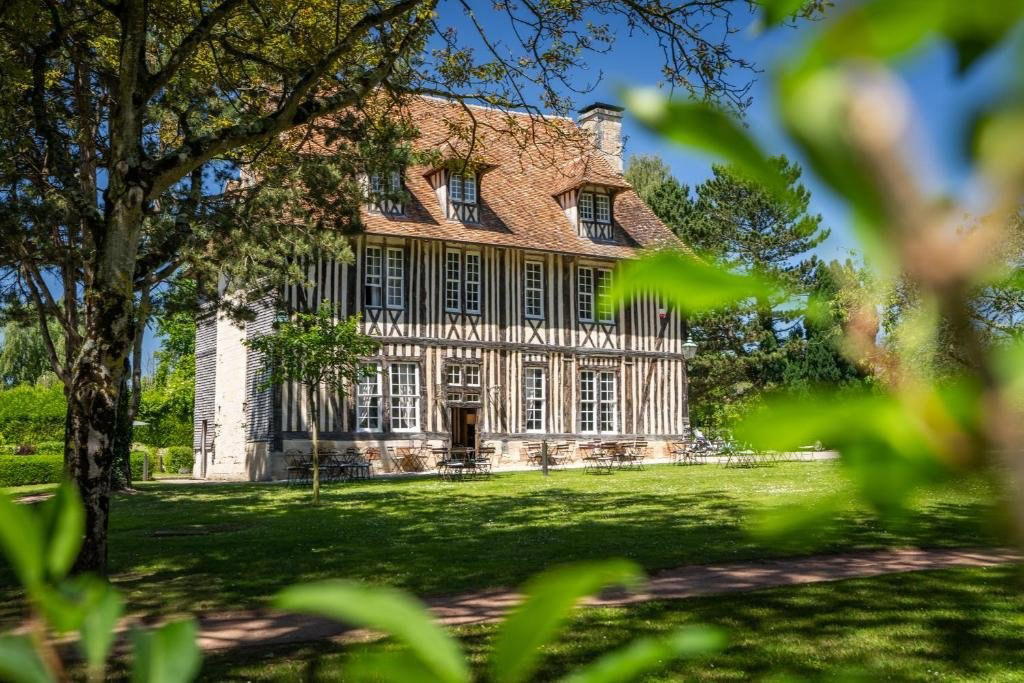
At a Glance
- Cozy
- Rustic
- Classic
- Family
- Casual Hangout
- Historic Building
- Local Sourcing
Current opening hours
- Monday
- 12–1:30 PM, 7–8:45 PM
- Tuesday
- Closed
- Wednesday
- Closed
- Thursday
- 12–1:30 PM, 7–8:45 PM
- Friday
- 12–1:30 PM, 7–8:45 PM
- Saturday
- 12–1:30 PM, 7–8:30 PM
- Sunday
- 12–1:30 PM, 7–8:45 PM
Hours can change for holidays and private events. Last verified .
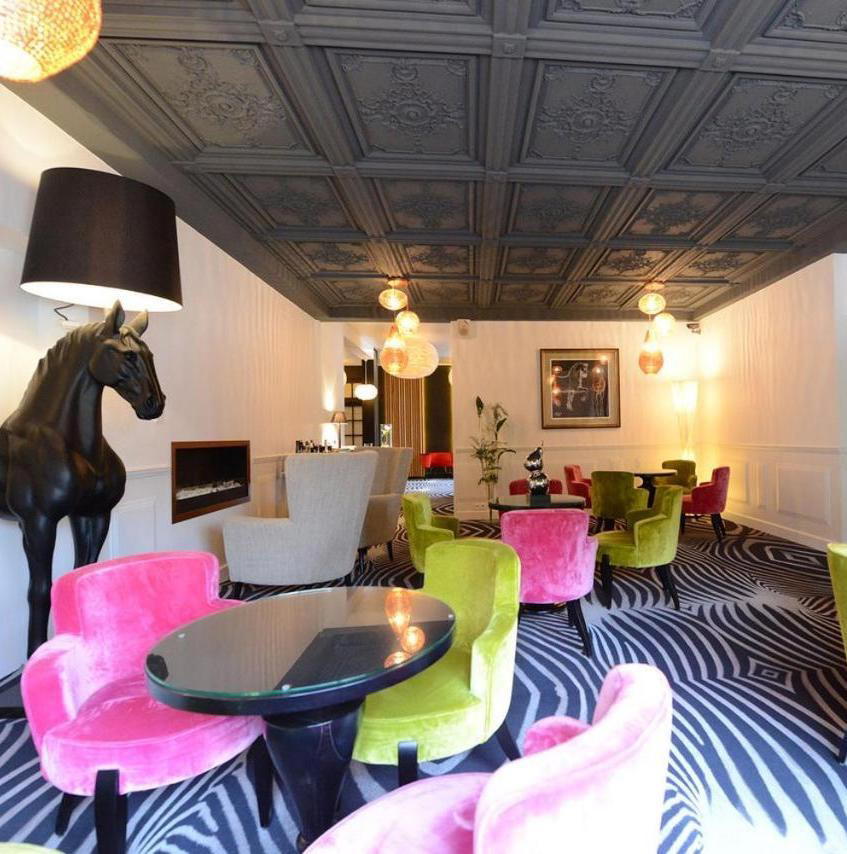
Cosy atmosphere with warm welcome and Norman decor.