Our verdict
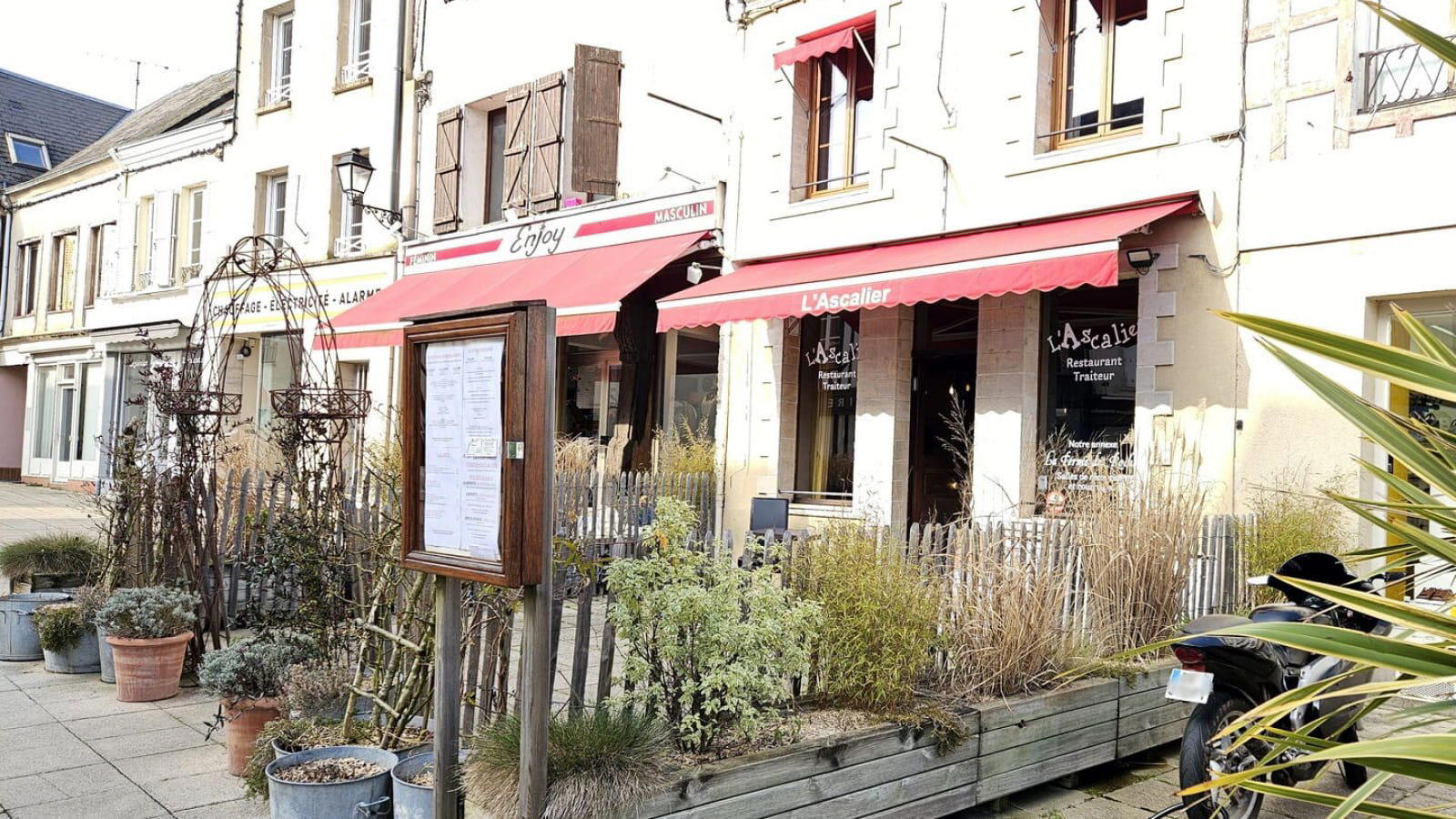
L'Ascalier occupies a quiet address on Place du Dauphin in Brou, a market town in the Eure-et-Loir department that sits at the agricultural edge of the Beauce grain plain and the Perche bocage. For travellers passing between Paris and the Loire, it represents the kind of mid-scale French provincial table where sourcing discipline and regional identity matter more than Michelin clamour. A reference point for understanding how rural Eure-et-Loir eats at its most considered.

Pearl is the En Primeur Club membership app — saves, bookings, and concierge access live there. Same editors, same standards.
- Address
- 9 Pl. du Dauphin, 28160 Brou, France
- Phone
- +33237960552
- Hours
- Mon ClosedTue 9 AM–1:30 PMWed–Sat 9 AM–1:30 PM, 7:30–8:45 PMSun 9 AM–1:45 PM
- Website
- lascalier.com
- Directions
- Get directions
The menu
What to order
- Scallops with pistou
- Guinea fowl with morels
- Cod steak tartare
A Place du Dauphin Address and What It Signals
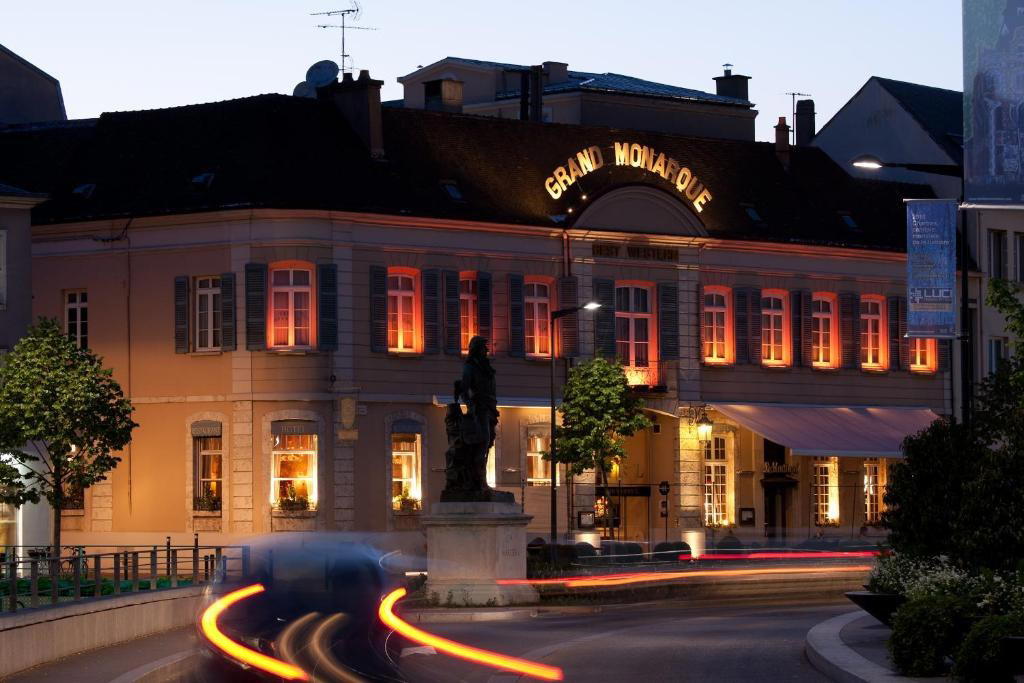
Provincial French squares have a particular grammar. The mairie anchors one end, a church closes another, and somewhere along the perimeter a restaurant has been feeding the same town for a generation. Place du Dauphin in Brou follows this pattern, and L'Ascalier occupies its corner with the low-key confidence of a room that knows its own neighbourhood. Brou itself sits in the Eure-et-Loir department, roughly midway between Chartres and Le Mans, in a zone where the flat Beauce grain plain gives way to the gentler, hedged terrain of the Perche. It is not a destination town in the conventional sense, which means the restaurants that survive here do so by feeding people who live within driving range, not by courting pilgrimage tourism.
That geographic reality shapes what a table like L'Ascalier is actually for. France's provincial dining ecosystem has always operated on two tracks: the haute cuisine circuit, where properties like Flocons de Sel in Megève, Mirazur in Menton, or Troisgros in Ouches function as destinations in themselves; and the quieter track of serious regional tables that anchor a town's culinary identity without seeking a national profile. L'Ascalier belongs to the second track. Understanding what that means requires thinking about Eure-et-Loir's agricultural character before thinking about the restaurant itself.
Why the Beauce-Perche Border Matters for the Plate
Eure-et-Loir is predominantly a farming department. The Beauce, often called the breadbasket of France, produces wheat at industrial scale across flat, open fields that stretch to the horizon. To the south and west, the Perche transitions into a different agricultural mode: smaller farms, mixed livestock, dense hedgerows, and a tradition of rearing Percheron horses alongside cattle and poultry. For any kitchen operating in this corridor, the supply chain is not a marketing concept. It is a practical reality defined by what farmers and small producers within a reasonable radius are actually raising and growing.
The ingredients that define this zone are specific. Perche poultry has a regional identity comparable to Bresse birds, though without the appellation recognition that has made Georges Blanc in Vonnas synonymous with the Bresse chicken. Freshwater fish from the Loir river system, game from the bocage forests, and the dairy produce of the Perche's smaller herds represent the raw material available to kitchens in Brou. A restaurant that takes its sourcing seriously in this part of France is working with ingredients that carry genuine regional character, not the generic supply-chain produce that fills uninspired provincial menus across the country.
This sourcing context distinguishes the better provincial French tables from their complacent counterparts. At the decorated end of the French spectrum, properties like Bras in Laguiole have built entire culinary identities around foraging and terroir-specific sourcing in their own remote regions. The principle scales down to smaller operations: when a restaurant in Brou commits to regional sourcing, it is making the same kind of geographic argument, at a different register and price point, that defines France's most-discussed tables.
Brou in the Context of Eure-et-Loir Dining
Chartres holds the department's most visited table in terms of tourist footfall, given its cathedral draw. But Brou, as a smaller market town, operates differently. Its weekly market tradition means the relationship between local producers and local restaurants is more compressed, more visible. Chefs here can, in principle, buy directly from producers they see weekly rather than relying on wholesale intermediaries. Whether any particular kitchen actually operates this way matters enormously for the quality of what arrives on the plate.
France's best-known provincial addresses, from Auberge de l'Ill in Illhaeusern to Auberge du Vieux Puits in Fontjoncouse, built their reputations in exactly these kinds of small towns, precisely because small-town France preserves the producer relationships that larger city restaurants must work harder to maintain. The logic applies equally in Eure-et-Loir, even if the recognition hasn't followed. For our full Brou restaurants guide, L'Ascalier appears as a reference point for this kind of rooted provincial cooking.
How L'Ascalier Sits Within French Regional Dining
It is worth being clear about what L'Ascalier is not. It is not competing with Paris's leading creative tables, where Alléno Paris au Pavillon Ledoyen sets the technical benchmark, or with the kind of internationally oriented precision cooking found at AM par Alexandre Mazzia in Marseille. It is not positioned alongside the seafood-focused excellence of Christopher Coutanceau in La Rochelle or La Marine in Noirmoutier. Nor does it occupy the same frame as Champagne-region fine dining at Assiette Champenoise in Reims or the Alsatian classical tradition carried by Au Crocodile in Strasbourg.
What it represents, instead, is the quieter, more numerous tier of French provincial cooking that outsiders rarely engage with but that remains the backbone of how France actually eats outside its major cities. This tier does not generate global coverage the way Le Bernardin in New York or Atomix in New York attract international attention. It generates loyalty among locals, repeat custom from regional travellers, and the kind of reputation that travels by word of mouth rather than press release. The most instructive comparison point within France may be Paul Bocuse's Auberge du Pont de Collonges, not because L'Ascalier operates at that scale or fame, but because Bocuse's career began at a similar kind of address: a modest regional table where the discipline of sourcing and classical technique were taken seriously before any national reputation arrived. The L'Oustau de Baumanière in Les Baux trajectory offers a parallel: decades of quiet regional conviction before the world caught up.
Planning a Visit
Brou sits approximately 45 minutes by road from Chartres and about 90 minutes southwest of Paris, making it a plausible stop for travellers routing between the capital and the Loire Valley rather than a standalone destination requiring a dedicated trip. The address at 9 Place du Dauphin places the restaurant on the central square, which is navigable without prior knowledge. Provincial French restaurants at this level frequently close on Sundays and Mondays, and lunchtime service often runs only on market days, a pattern worth investigating before arrival.
Frequently asked questions
Is L'Ascalier suitable for children?
L'Ascalier sits on Place du Dauphin in Brou, a provincial market-town square where the pace is unhurried and the room unlikely to feel pressured or adult-exclusive. Regional French restaurants at this scale generally accommodate families without issue. Contacting the venue directly before visiting is advisable to confirm seating arrangements, as no specific children's menu details are documented.
Is L'Ascalier better for a quiet night or a lively one?
Brou is a small Eure-et-Loir market town, not a destination with high tourist footfall, so the baseline mood at Place du Dauphin is measured rather than animated. L'Ascalier operates in that register: a setting suited to conversation across the table rather than a room you raise your voice over. Travellers looking for a charged atmosphere should adjust expectations accordingly.
Is L'Ascalier a good lunch stop on a drive between Paris and the Loire Valley?
Brou sits roughly 90 minutes southwest of Paris by road, placing L'Ascalier on a plausible route for travellers heading toward the Loire or Vendôme corridor. Provincial French restaurants on market-town squares like Place du Dauphin have historically anchored the midday meal for exactly this kind of regional transit. Confirming hours in advance is advisable, as lunch service patterns in smaller Eure-et-Loir towns can be tight.
What dish is L'Ascalier famous for?
No specific dish has been documented in available editorial or award records for L'Ascalier. What the restaurant's address does signal is proximity to the Beauce-Perche agricultural border, a zone that produces strong cereal crops, game, and poultry — ingredients that commonly anchor menus in this part of Eure-et-Loir. For current menu detail, reaching out to the restaurant ahead of a visit is the most reliable approach.
Fast Comparison
Comparable venues nearby, for context on price, style, and recognition.
| Venue | Cuisine | Price | Notes |
|---|---|---|---|
| L'AscalierThis venue — the venue you are viewing | Traditional French Regional Bistro | $30–50 | Not listed |
| Le Denis Papin | French Bistro | $20–30 | centre-ville |
| Le Jaja | Homemade French Bistro | $20–30 | Les Halles |
| Le Tournesol | Classic French Bistro | $30–50 | 16th arrondissement |
| Le Passy | French Gastropub | Not listed | Passy |
| Le Bistrot Du Parc | Traditional French Bistro | $30–50 | Neuilly-sur-Seine |
Continue exploring
More in Brou
Restaurants in Brou
Browse all →
Details
- Classic
- Rustic
- Elegant
- Date Night
- Family
- Terrace
- Historic Building
- Local Sourcing
- A La Carte
Current opening hours
- Monday
- Closed
- Tuesday
- 9 AM–1:30 PM
- Wednesday
- 9 AM–1:30 PM, 7:30–8:45 PM
- Thursday
- 9 AM–1:30 PM, 7:30–8:45 PM
- Friday
- 9 AM–1:30 PM, 7:30–8:45 PM
- Saturday
- 9 AM–1:30 PM, 7:30–8:45 PM
- Sunday
- 9 AM–1:45 PM
Hours can change for holidays and private events. Last verified .
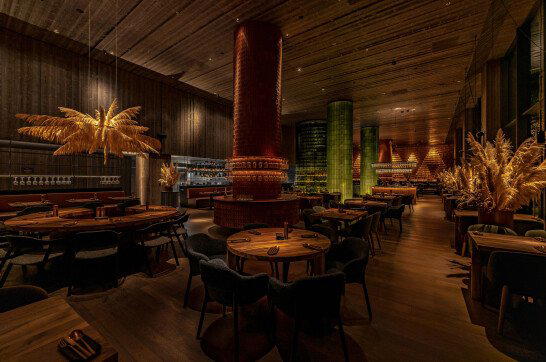
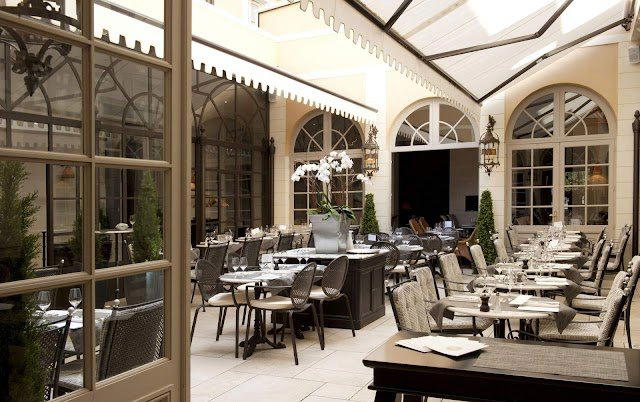
Chic and sober decor with rustic charm, pleasant terrace in good weather.