
Léontine brings Modern French cooking to Vienna's third district, holding a Michelin Plate in both 2024 and 2025. Set on Reisnerstraße in the residential quiet of Landstraße, it sits at a more accessible price point than the city's starred heavyweights while maintaining the kitchen discipline those awards recognise.7 across 262 reviews suggests the room has found a loyal following beyond the usual fine-dining circuit.
Pearl is the En Primeur Club membership app — saves, bookings, and concierge access live there. Same editors, same standards.
- Address
- Reisnerstraße 39, 1030 Wien, Austria
- Phone
- +43 650 8566999
- Website
- speisekartenweb.de
- Directions
- Get directions
 Saves & bookings on Pearl
Modern French in Vienna's Third District
Vienna's fine-dining conversation tends to anchor around the Innere Stadt and the grand addresses that line the Ring. The third district, Landstraße, operates differently: quieter streets, a more residential grain, and a handful of serious restaurants that attract regulars rather than tourists mapping Michelin routes. Léontine is a Modern French Bistro in Vienna, recognized with a Michelin Plate in 2024 and 2025, and it fits that pattern. The address is residential, the approach unhurried, and the cooking, Modern French at a €€€ price point, sits deliberately below the €€€€ tier occupied by most of Vienna's starred rooms.
That price positioning matters. Vienna's upper bracket currently includes rooms like Steirereck im Stadtpark, Amador, Konstantin Filippou, and Mraz & Sohn, all operating at €€€€ and all holding Michelin stars. Léontine's Michelin Plate recognition in 2024 and 2025 places it in a different but adjacent tier: acknowledged by the guide as a restaurant of serious quality, without the star premium attached. For diners who want the rigour of French classical technique without committing to a full tasting-menu price point, that distinction is worth understanding.
The French Register in an Austrian City
Modern French as a category carries specific expectations: sauce work rooted in classical method, precision in protein cookery, and a structural logic to menu progression that Central European cuisines don't always share. Vienna has its own strong culinary tradition, and the city's most celebrated kitchens tend to pull from Austrian regional produce through a contemporary lens, as at Doubek. A restaurant that holds to the French register in this context is making a deliberate choice, one that places it in a different conversation from the Alpine-modernist rooms that dominate the city's top tier.
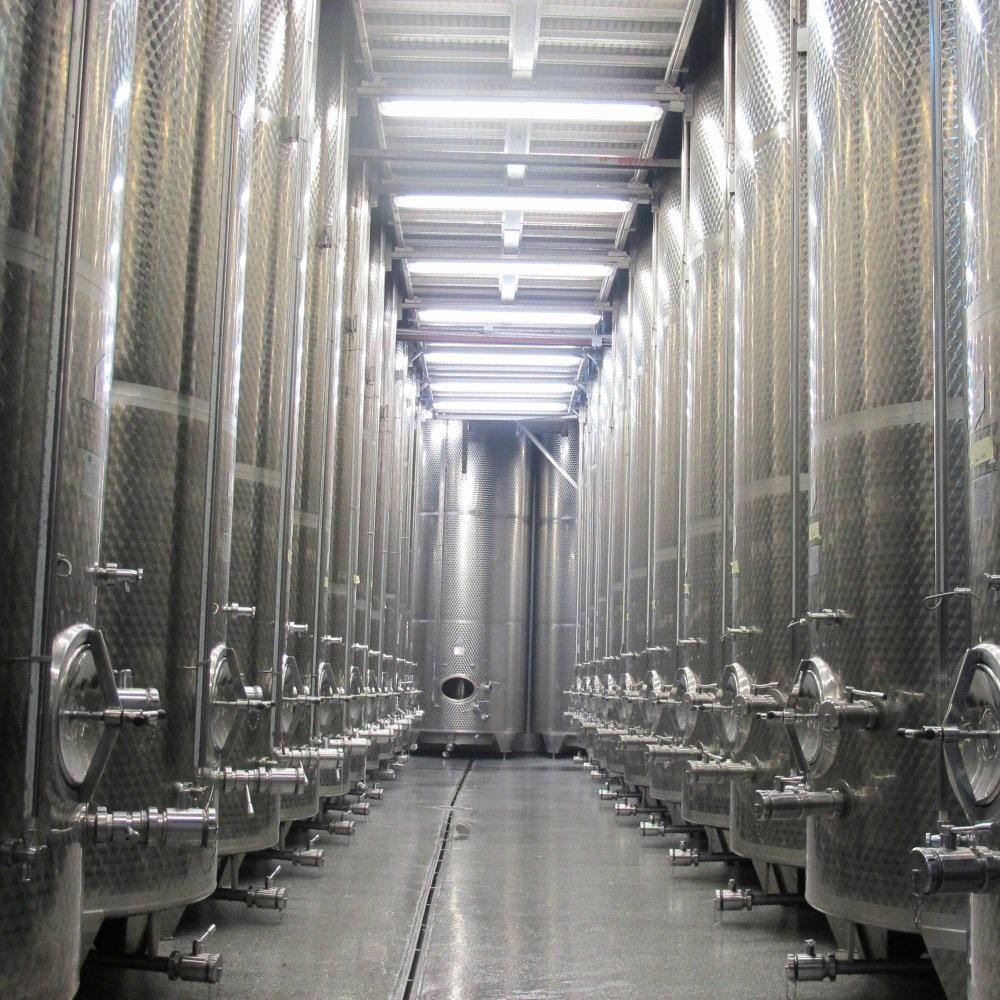
That choice also shapes what wine service looks like. French cooking and French cellar logic often travel together, and in rooms working in this register, the wine programme typically prioritises Burgundy and Bordeaux reference points, Loire precision, and Rhône depth, alongside whatever regional Austrian selections the sommelier sees as peers in seriousness. Vienna sits inside one of Austria's most important wine regions, with Grüner Veltliner and Riesling from the Wachau, Kamptal, and Kremstal all within reach, and a growing biodynamic movement producing bottles that hold their own against French benchmarks at comparable price. A kitchen working in the Modern French mode has good reason to build a list that bridges both traditions.
Reading the Wine Programme
The editorial angle most useful for understanding a room like Léontine is the cellar, because wine selection at the €€€ level reveals priorities that the menu alone doesn't always show. A list that reaches into Alsace for white Pinot, into Jura for oxidative styles, or into lesser-known Languedoc appellations signals a programme built by someone with genuine technical interest rather than one assembled from distributor defaults. Equally, the decision of how aggressively to incorporate Austrian wine into a French-framed programme says something about how confidently the kitchen bridges its influences.
For context on what serious French-influenced wine programming looks like at different price points and geographies, Sketch, The Lecture Room and Library in London and Schanz in Piesport both represent how Modern French kitchens can anchor a wine identity to regional specificity. Léontine operates in a different register of scale and price, but the structural question is the same: does the list teach you something, or does it simply confirm expectations?
7 from 280 reviews is a meaningful signal in this context. At the €€€ price point, where expectations are high but the margin for error is tighter than at starred rooms with larger kitchen brigades, consistent scores across a substantial review base suggest the kitchen is delivering reliably rather than occasionally. Michelin Plate recognition works the same way: the guide uses it to mark restaurants where the cooking is considered, even where a star hasn't been awarded.
Léontine in Vienna's Wider Restaurant Scene
Vienna's restaurant range is broader than it sometimes appears from the outside. The starred rooms get the international attention, but the city has a substantial mid-to-upper tier that rewards exploration. For Austrian-rooted cooking at the leading level, Steirereck im Stadtpark remains the reference point. For creative cooking at the starred level, Amador and Mraz & Sohn both represent the city's appetite for technical ambition. Léontine operates below those in price and recognition while maintaining enough critical standing to sit clearly above the general restaurant market.
Austria's broader fine-dining circuit extends well beyond the capital. If you're planning a longer trip that takes in the alpine and Salzburg regions, rooms like Döllerer in Golling an der Salzach, Ikarus in Salzburg, Obauer in Werfen, Gourmetrestaurant Tannenhof in Sankt Anton am Arlberg, Griggeler Stuba in Lech, and Kräuterreich by Vitus Winkler in Sankt Veit im Pongau all represent the standard that serious Austrian fine dining reaches outside the capital.
Planning a Visit
Reisnerstraße 39 is in the third district, a direct reach from the city centre by U-Bahn or on foot from the first. The neighbourhood's residential character means the area quiets down in the evening, which suits a dinner that doesn't rush. At the €€€ price point, Léontine sits below the commitment level of Vienna's starred rooms, making it a natural choice for a serious mid-week dinner or a first encounter with the city's French-influenced cooking before testing the upper tier.
Cuisine and Recognition
Comparable venues nearby, for context on price, style, and recognition.
| Venue | Cuisine | Price | Awards | Notes |
|---|---|---|---|---|
| LéontineThis venue — the venue you are viewing | Modern French Bistro | $$$ | Michelin Plate | Not listed |
| Le Salzgries Paris | Classic French Brasserie | $$$ | Michelin Plate | Stephansdom |
| Bouvier | Modern French-American Bistro | $$$ | Not listed | Staatsoper |
| HAUSBAR Wien | Modern Vegetarian Fine Dining | $$$ | Michelin Plate | Staatsoper |
| Specht | Traditional Viennese Fine Dining | $$$ | Michelin Plate | Innere Stadt |
| Palais Coburg Hotel Residenz | Creative Haute Cuisine | $$$$ | Not listed | Staatsoper |
Recognition history
Dated appearances from independent guides and award organizations, with the underlying list record or original source where available.
Michelin Plate
Michelin
Michelin Plate
Michelin
Michelin Plate
Michelin
At a Glance
- Cozy
- Elegant
- Intimate
- Charming
- Date Night
- Special Occasion
- Open Kitchen
- Extensive Wine List
- Local Sourcing
Current opening hours
- Monday
- Closed
- Tuesday
- 11:30 AM–2 PM
- Wednesday
- 11:30 AM–2 PM
- Thursday
- 11:30 AM–2 PM, 6:30–9 PM
- Friday
- 11:30 AM–2 PM, 6:30–9 PM
- Saturday
- 11:30 AM–2 PM, 6:30–9 PM
- Sunday
- Closed
Hours can change for holidays and private events. Last verified .
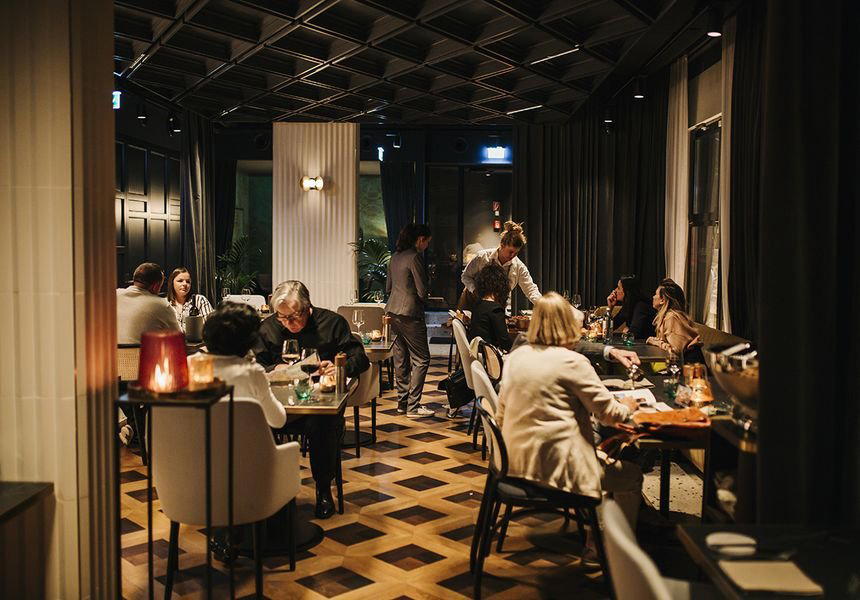
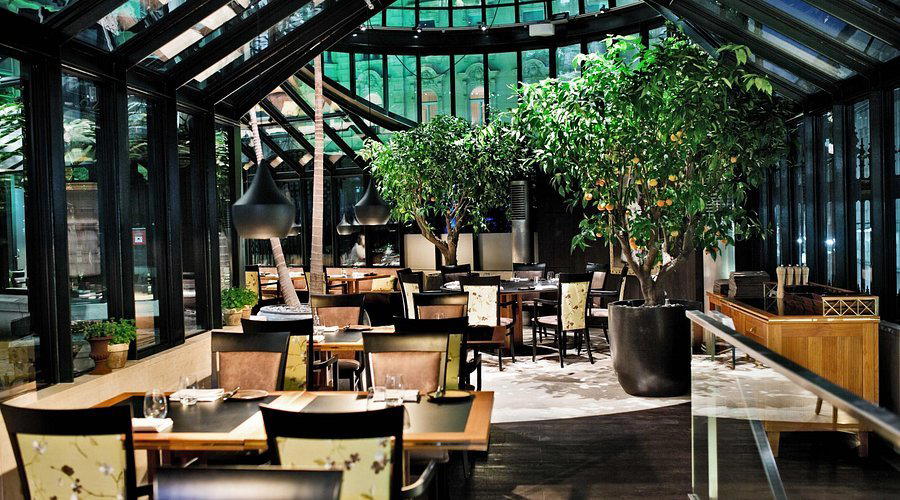
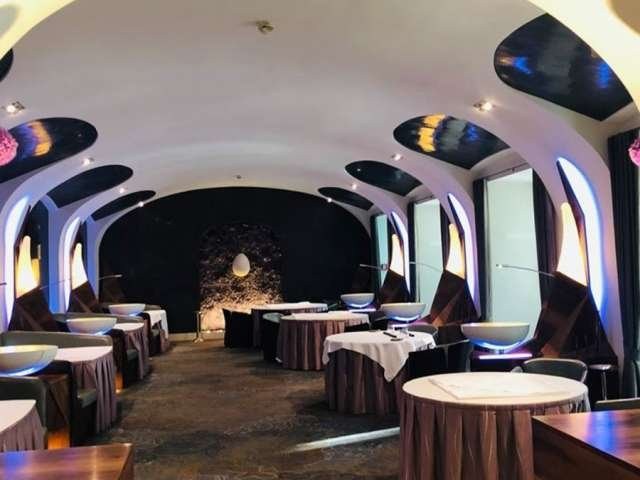
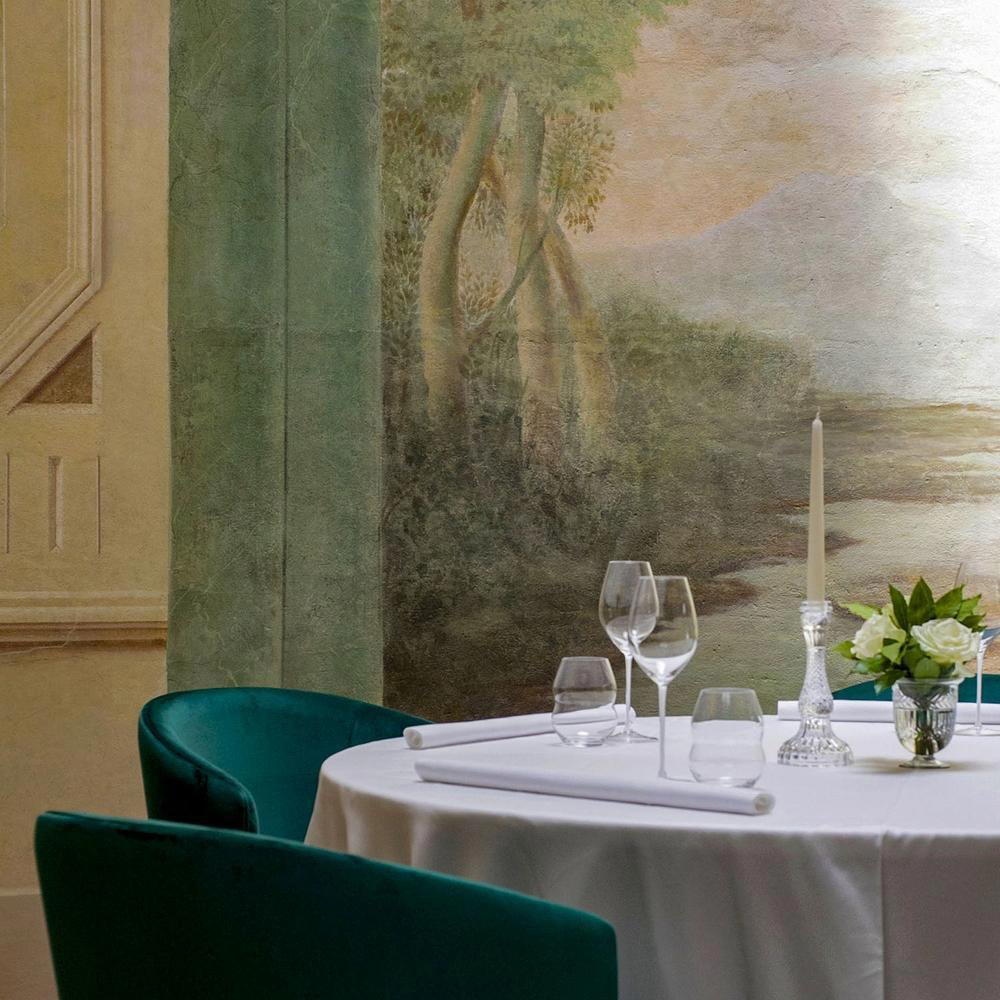
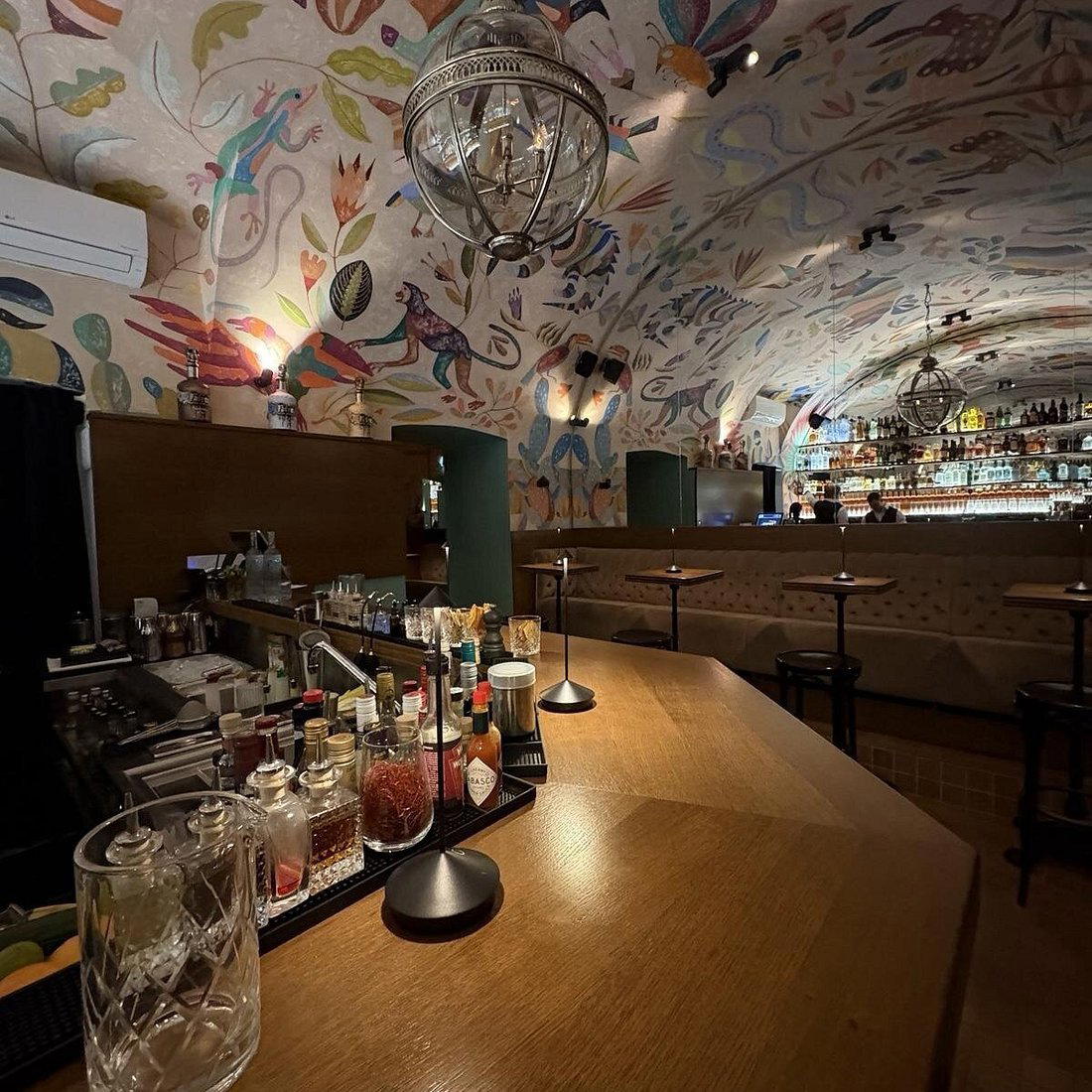
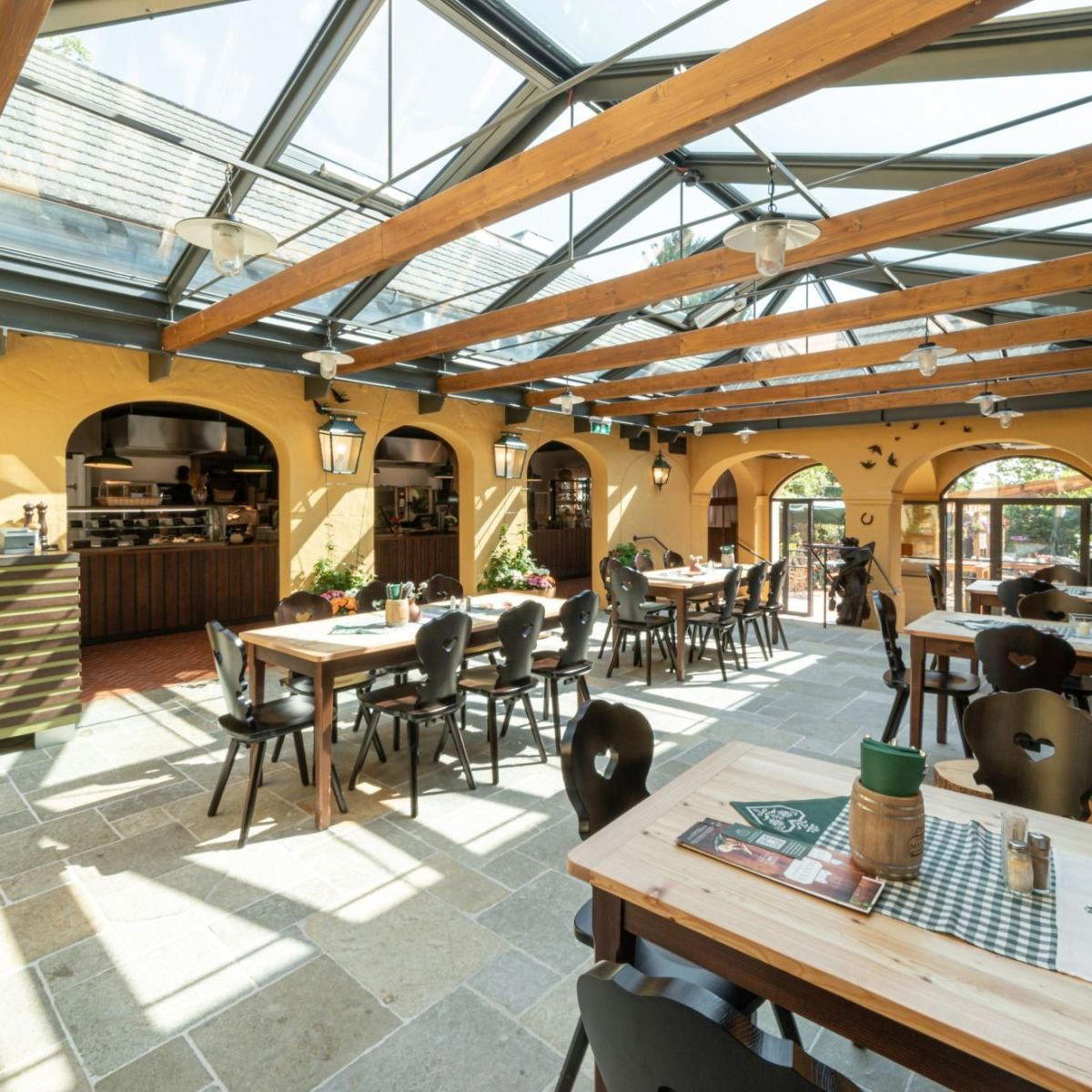
Charming bistro atmosphere that is warm, welcoming, cozy, and candlelit Parisian elegance with a relaxed yet refined feel.