Don Peppone Ristorante e Pizzeria occupies a central address on Rua 7 de Setembro in Blumenau's Centro district, where Italian-inflected dining has deep roots in Santa Catarina's immigrant culture. The restaurant sits within a city that has absorbed generations of Italian and German culinary traditions, making it a useful reference point for understanding how Southern Brazil's European heritage translates to the table.
Pearl is the En Primeur Club membership app — saves, bookings, and concierge access live there. Same editors, same standards.
- Address
- R. 7 de Setembro, 2013 - Centro, Blumenau - SC, 89012-401, Brazil
- Phone
- +554733229090
- Website
- deliverydireto.com.br
- Directions
- Get directions
 Saves & bookings on Pearl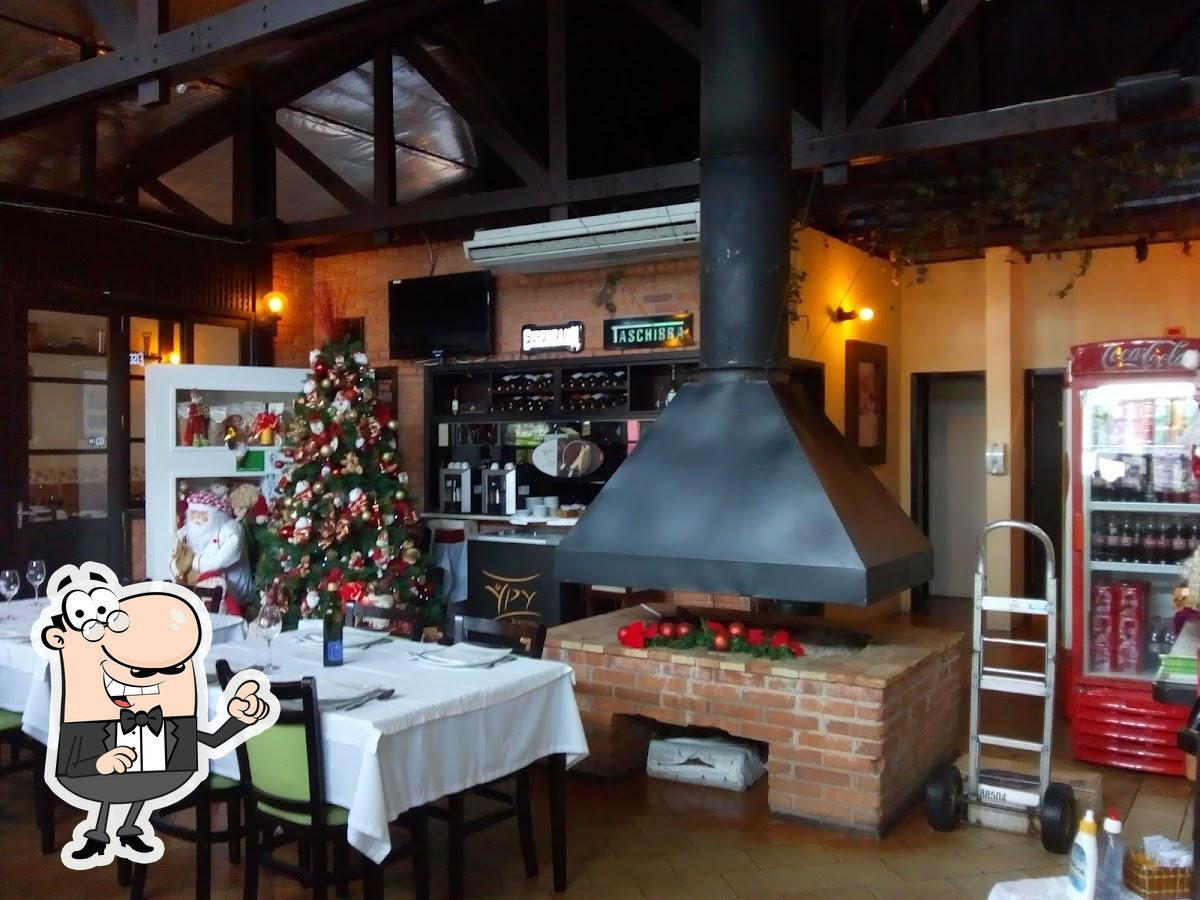
Where Italian Roots Meet Southern Brazilian Dining
Rua 7 de Setembro runs through the heart of Blumenau's Centro as one of the city's principal commercial arteries, and the address at number 2013 places Don Peppone Ristorante e Pizzeria squarely within the urban fabric that defines everyday dining in this part of Santa Catarina. The street is familiar to anyone who has spent time in Blumenau: broad, practical, and flanked by a mix of commerce and culture that reflects the city's character as a working inland centre rather than a coastal resort destination. Arriving here, you are entering a neighbourhood restaurant inside a city that takes its food traditions seriously.
The Italian Thread in Santa Catarina's Dining Culture
The ristorante e pizzeria format carries particular weight in Blumenau because of the region's demographic history. Santa Catarina received large waves of Italian immigrants from the Veneto, Trentino, and Lombardy regions during the late nineteenth and early twentieth centuries, settling in the Itajaí Valley and surrounding areas. Those communities did not simply adapt to Brazilian culinary norms; they built parallel food cultures that have persisted and evolved over several generations. The result is a regional dining scene where Italian-derived cooking, pizza traditions, and Brazilian ingredients exist in continuous negotiation rather than strict separation.
This is the context in which a restaurant bearing the name Don Peppone, a reference immediately legible to anyone with familiarity with the beloved Italian literary and cinematic tradition, operates. The choice of format, combining a ristorante with a pizzeria under one roof, reflects a Southern Brazilian pattern in which Italian-origin households have historically treated pizza and pasta as complementary rather than competitive categories. In the city's Centro district, this dual format is not unusual. What varies between establishments is execution and consistency, and how closely they follow the Italian-Brazilian culinary grammar of the region.
Brazil's Italian-inflected restaurants operate across a wide spectrum. At one end, you have the technically rigorous, sourcing-led dining represented by places like Olivetto Restaurante E Enoteca in Campinas, where the enoteca dimension implies serious wine programming alongside the food. At the other end are neighbourhood establishments where regularity and familiarity are the offer. Don Peppone sits within a city where the latter category has real cultural legitimacy, not as a compromise but as a reflection of how Italian-Brazilian communities have always eaten: together, often, and without ceremony.
Blumenau's Dining Scene: Context and comparable set
Blumenau's restaurant scene is shaped by its dual European inheritance, German and Italian, and by its position as a mid-sized inland city with a strong local professional class. The city does not attract the same international dining attention as Curitiba or Florianópolis, but it sustains a serious local dining culture that rewards visitors who move beyond the more obvious Oktoberfest-adjacent venues. Establishments like Norden Blumenau and Figueira Restaurante represent different registers of that local confidence, while Nagairô Sushi at Neumarkt Blumenau shows how the city's immigrant-derived openness to non-native cuisines extends well beyond Europe.
In that context, an Italian-Brazilian ristorante e pizzeria on Rua 7 de Setembro is a foundational category rather than a novelty. The competition for this kind of venue comes not from the fine dining tier, represented nationally by places like Oteque in Rio de Janeiro or D.O.M. in São Paulo, but from the dense cluster of family-run Italian-Brazilian establishments that serve the city's lunch and dinner circuits. Holding a position in that set over time requires consistency more than innovation.
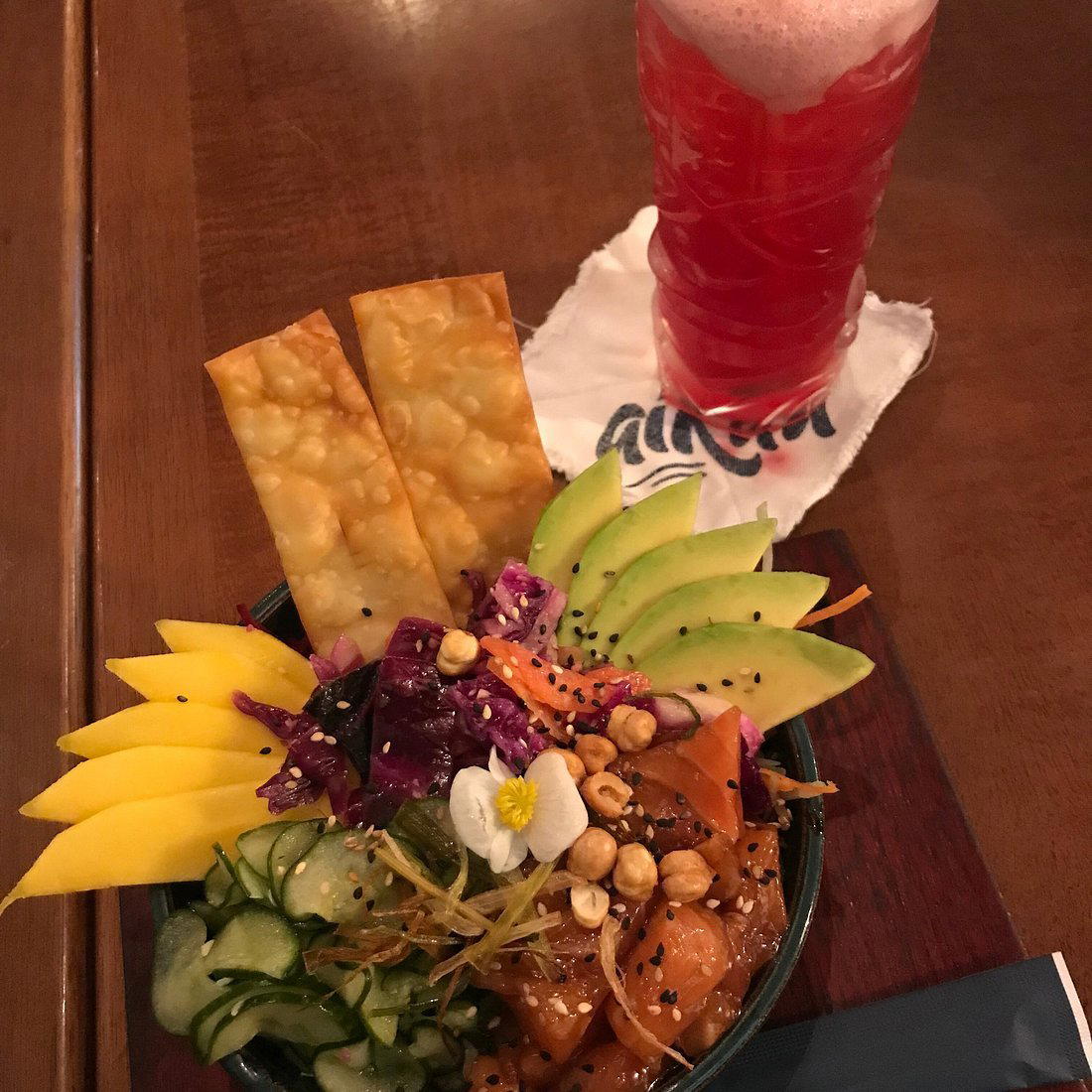
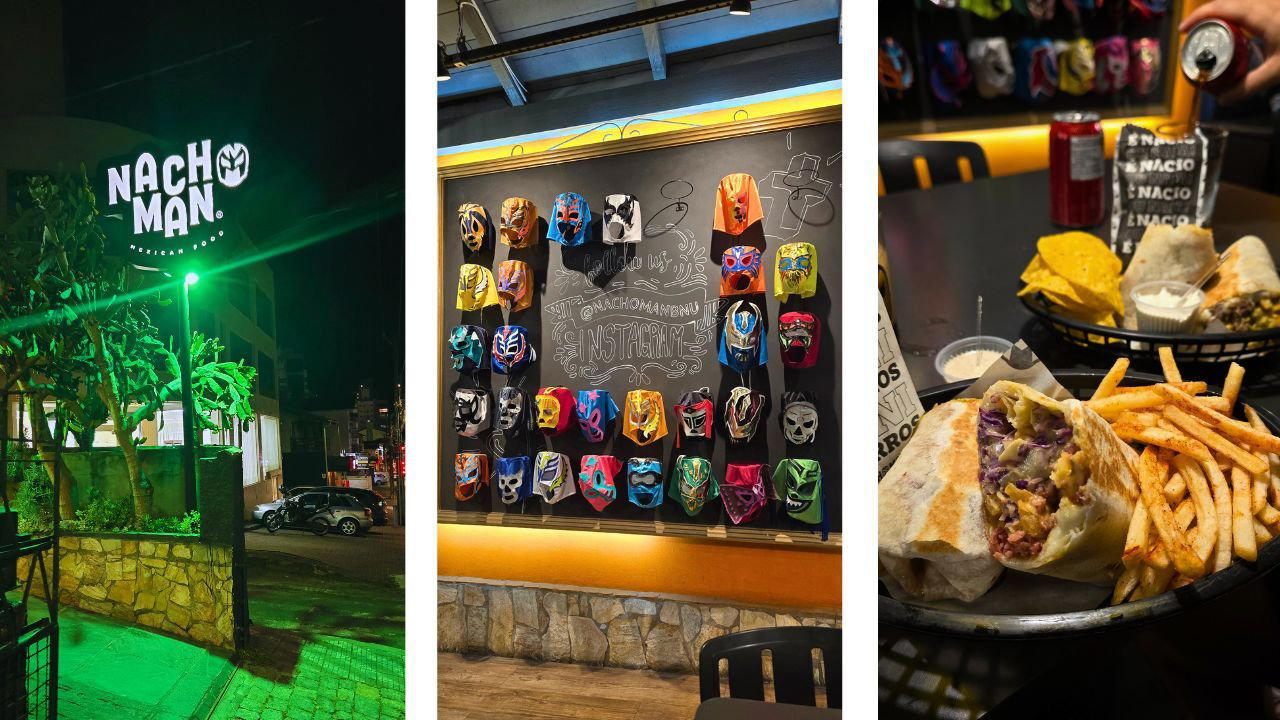
For visitors exploring Blumenau's broader dining options, the city also offers formats at some distance from Italian tradition. Aikau Poke represents the lighter, contemporary end of the market, while Nacho Man Blumenau addresses the Mexican-inflected casual segment. Don Peppone's format positions it differently from both, anchoring a more traditional European-derived dining occasion within the city centre.
Italian-Brazilian Pizza as a Regional Category
Pizza in Southern Brazil occupies a different cultural register from São Paulo's more debated pizza scene, and it differs again from Neapolitan orthodoxy. In communities with Italian immigrant heritage, pizza has historically been made with local wheat, local cheese, and local appetite in mind, producing a style that does not map neatly onto either Italian or American reference points. The result is a category with its own internal logic: thicker bases in some traditions, specific cheese blends, and a tendency toward generous topping ratios that reflect abundance rather than restraint. The regional context is the correct frame through which to approach any pizzeria in this part of Santa Catarina.
For readers interested in how Italian culinary heritage translates across Brazilian regions, comparable reference points include Mina in Campos do Jordão and the European-inflected dining found at Primrose in Gramado and Castelo Saint Andrews in Vale do Bosque, where German and Italianate traditions intersect in the Serra Gaúcha. Further afield, Manu in Curitiba and Birosca S2 in Belo Horizonte offer points of comparison for how regional Brazilian ingredients enter dialogue with European cooking traditions.
Planning Your Visit
Don Peppone Ristorante e Pizzeria is located at Rua 7 de Setembro, 2013, Centro, Blumenau, Santa Catarina, CEP 89012-401. The address is in Blumenau's central district, accessible from most points in the city without significant travel time. Current hours, pricing, and booking policies are best confirmed directly with the venue, particularly for larger groups or weekend evenings when central Blumenau restaurants typically see higher demand. For a broader view of dining options across the city, the full Blumenau restaurants guide covers the range of formats and price tiers currently operating in the city. Those whose interests extend toward seafood-led regional cooking in Brazil can also reference Orixás North Restaurant in Itacaré or the State of Espírito Santo in Rio Bananal for a broader picture of Brazilian culinary geography. For international benchmark comparisons in the fine dining tier, Le Bernardin in New York City and Lazy Bear in San Francisco represent how precision-led tasting formats operate in a different market context.
Cost and Credentials
Comparable venues nearby, for context on price, style, and recognition.
| Venue | Cuisine | Price | Notes |
|---|---|---|---|
| Don Peppone Ristorante e PizzeriaThis venue — the venue you are viewing | Centro, Italian Pizza and Pasta | $$$ | Not listed |
| Figueira Restaurante | Velha, Brazilian Steakhouse | $$ | Not listed |
| Nacho Man Blumenau | Vila Nova, Authentic Mexican Taqueria | $$ | Not listed |
| Norden Blumenau | Not listed | $$ | :null, German Biergarten |
| Aikau Poke | Centro, Hawaiian Poke | $$ | Not listed |
| Sushi Garden | City Center, Japanese Sushi | $$ | Not listed |
At a Glance
- Romantic
- Cozy
- Classic
- Date Night
- Family
Current opening hours
- Monday
- 11 AM–2 PM, 6 PM–12 AM
- Tuesday
- 11 AM–2 PM, 6 PM–12 AM
- Wednesday
- 11 AM–2 PM, 6 PM–12 AM
- Thursday
- 11 AM–2 PM, 6 PM–12 AM
- Friday
- 11 AM–2 PM, 6 PM–12 AM
- Saturday
- 11 AM–3 PM, 6 PM–12 AM
- Sunday
- 11 AM–3 PM, 6 PM–12 AM
Hours can change for holidays and private events. Last verified .
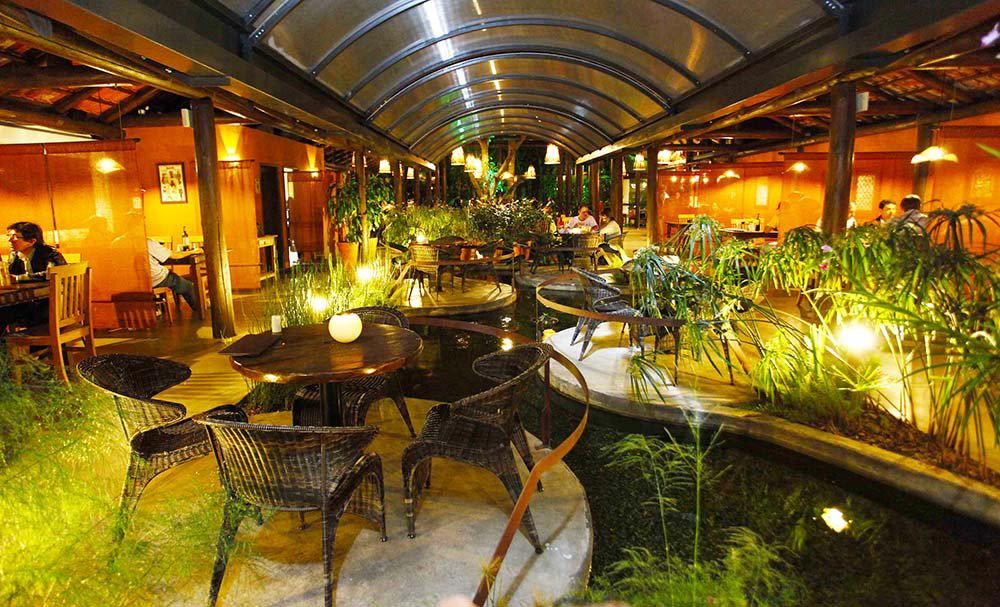
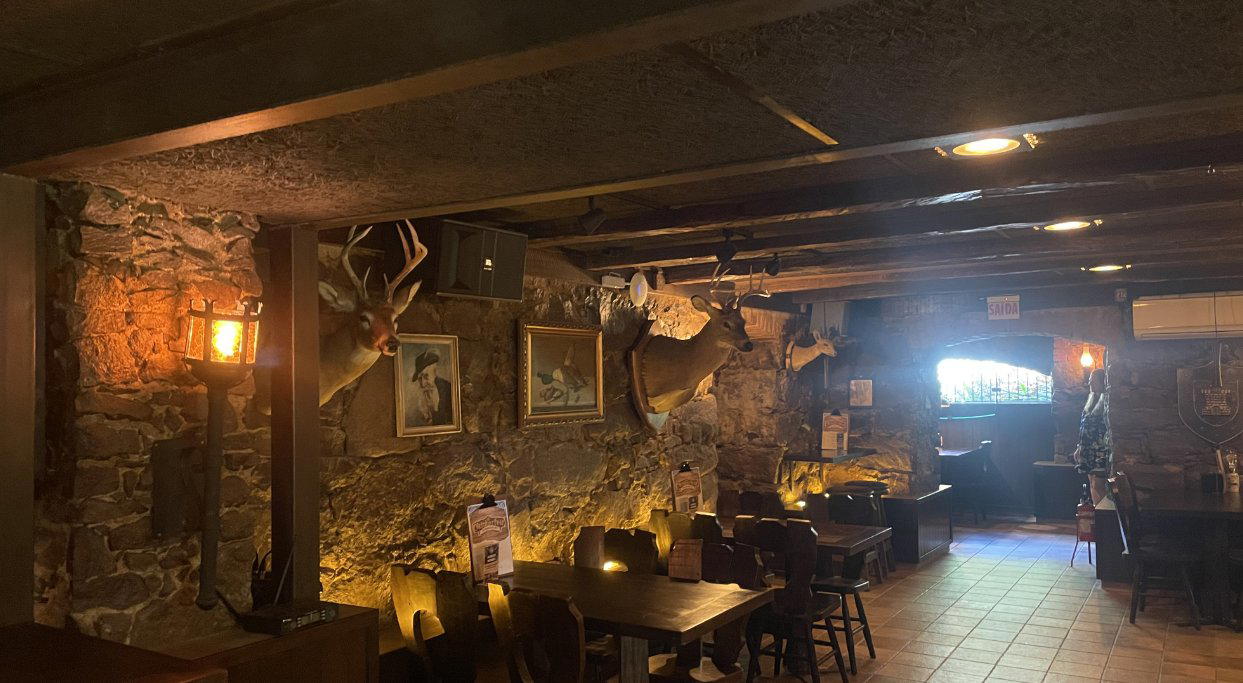
Sophisticated and cozy with romantic ambiance.