Locanda Sant'Agata

Set along the Via Aurelia corridor outside Pisa, Locanda Sant'Agata earns a Michelin Plate for a menu that keeps one foot in Tuscan tradition and extends the other toward considered modern technique. The garden terrace shifts the experience considerably in warmer months.
Pearl is the En Primeur Club membership app — saves, bookings, and concierge access live there. Same editors, same standards.
- Address
- SS12 Km5+812, 56017 San Giuliano Terme PI, Italy
- Phone
- +39 050 721 2532
- Website
- locandasantagata.it
- Directions
- Get directions
 Saves & bookings on Pearl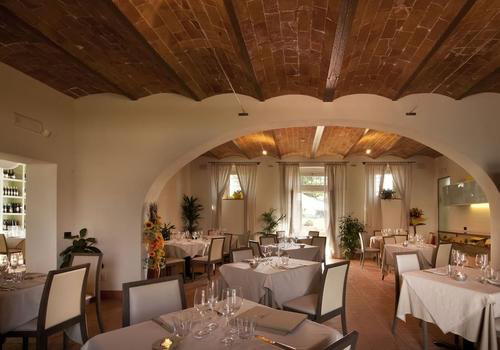
Where the Arno Plain Meets the Table
The road through San Giuliano Terme runs between Pisa and Lucca, connecting two cities whose culinary identities have been shaped more by civic pride than geographic accident. In this corridor, restaurants tend to serve one of two functions: they feed the tourist circuit spilling out from Pisa's Campo dei Miracoli, or they anchor themselves to a local clientele with longer memories and more exacting expectations. Locanda Sant'Agata is a restaurant in San Giuliano Terme, Italy, serving Contemporary Tuscan Fine Dining at about $80 per person. Positioned along SS12 on the edge of the village, it belongs to the second category. Its Michelin Plate recognition in 2025 places it within a tier of Italian restaurants that the Guide acknowledges as cooking seriously and consistently, without the tasting-menu architecture or media apparatus of starred peers like Osteria Francescana in Modena or Enoteca Pinchiorri in Florence.
The Setting: Garden, Stone, and Afternoon Light
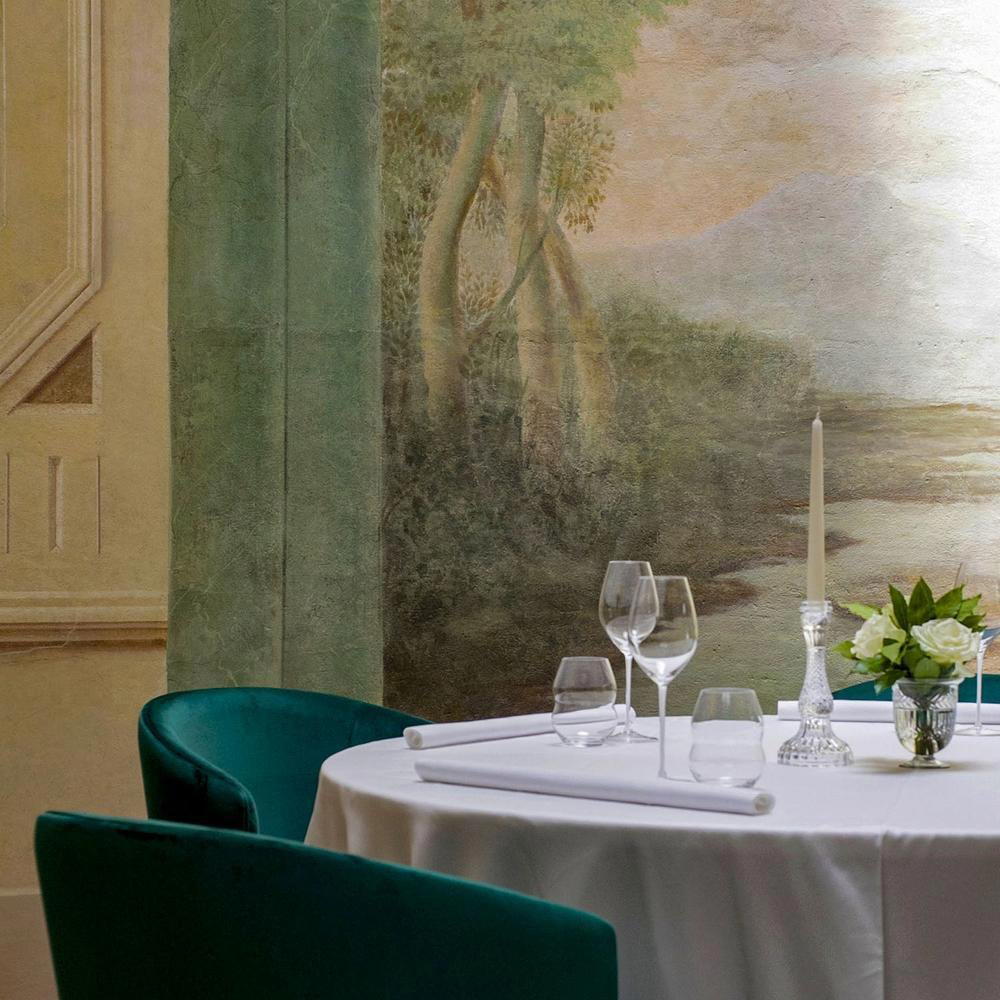
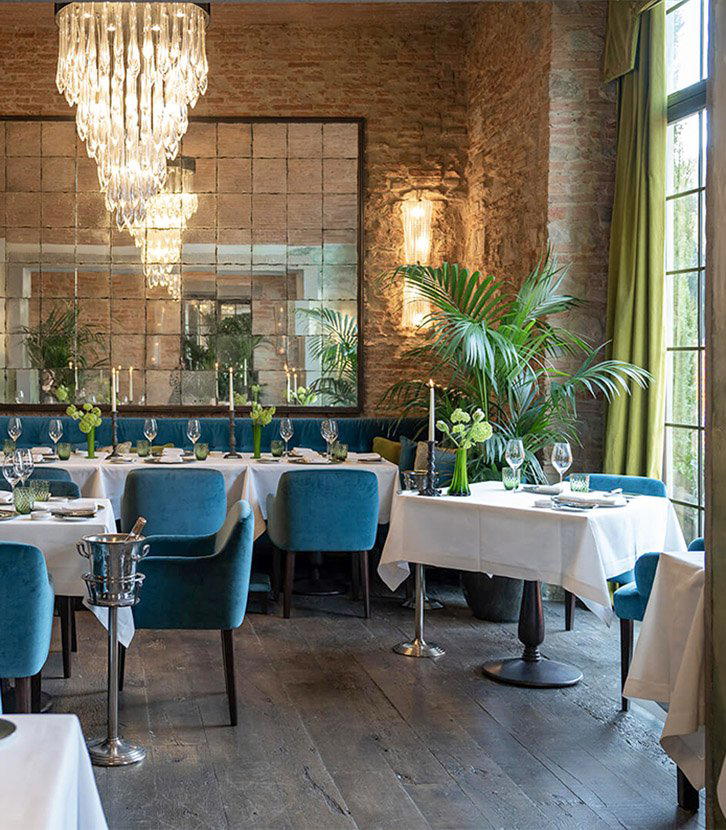
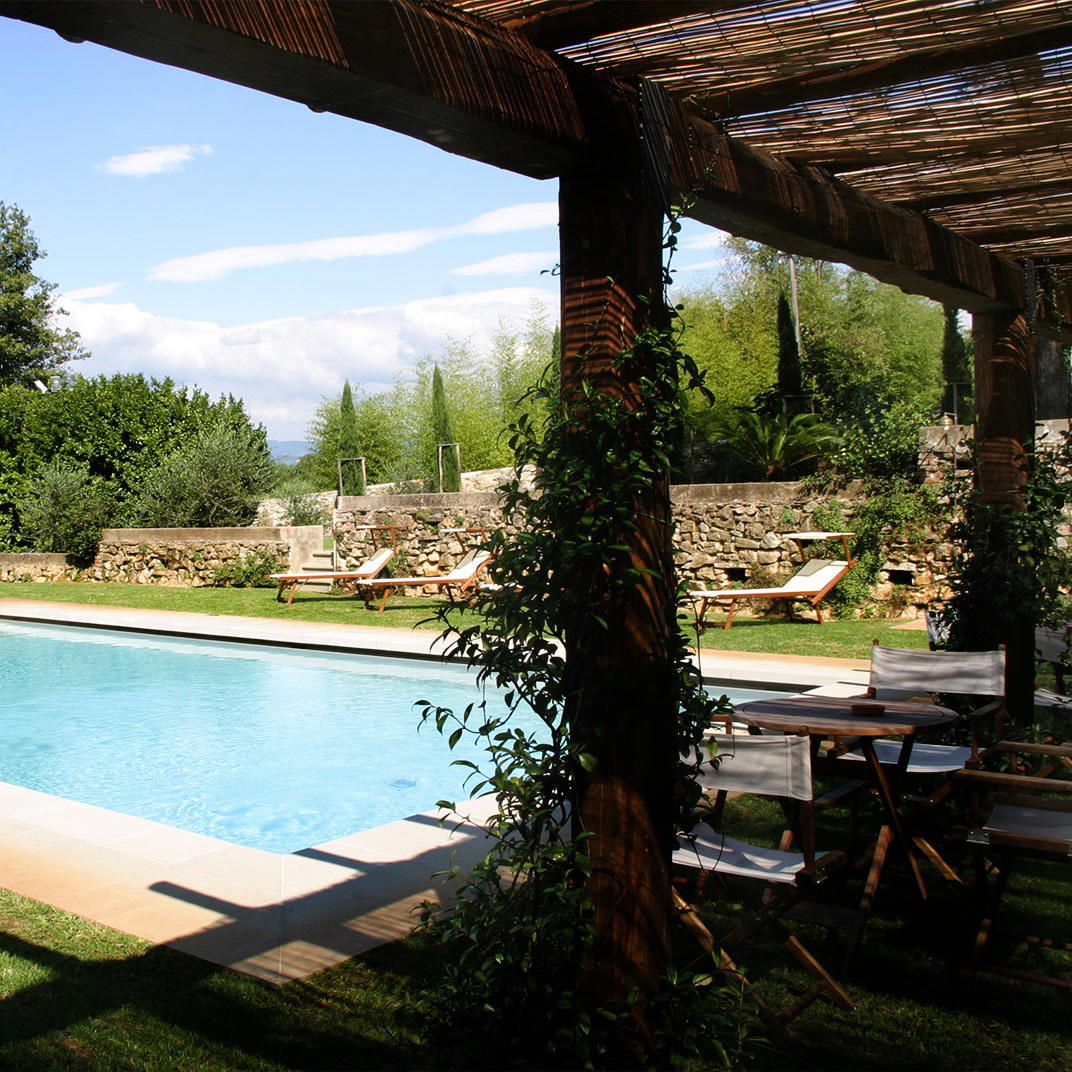
Boutique hotels that house serious restaurants occupy a particular niche in the Italian dining ecosystem. The arrangement typically works when the kitchen operates as its own entity rather than as an amenity for overnight guests, and when the garden, if there is one, earns its place through the food served within it rather than through landscaping alone. At Locanda Sant'Agata, the garden terrace functions as the primary dining room in summer. Alfresco dining in Tuscany in the warmer months is not a novelty, but a restaurant that earns Michelin recognition while offering that format demonstrates a certain discipline: the kitchen must perform consistently whether the guest is seated inside or beneath open sky. The setting is relaxed in register, not aspirational in the way that destination restaurants can become when the room design outpaces the plate.
The Ingredient Argument: Tuscan Land, Adriatic Coast, and What Connects Them
Tuscan cuisine is frequently discussed in terms of restraint and simplicity, but that reading flattens a more complex reality. The region sits at a crossroads of Italy's meat-forward interior traditions and the seafood networks of the Tyrrhenian and, further east, the Adriatic. Restaurants in the Pisa province have historically drawn from both, a function of geography rather than creative ambition. The proximity to Livorno, a port city with one of Italy's most direct relationships to working-class seafood cookery, means that fish sourcing in this corridor carries weight.
The menu at Locanda Sant'Agata reflects this dual inheritance. Traditional meat and fish dishes form the backbone, which in this context means cuts and preparations that have local precedent, not generic Italian templates. The contemporary interventions are selective rather than systematic: the kitchen applies modern technique to specific dishes rather than restructuring the entire menu around it. The documented example, a stuffed squid preparation involving seafood pancotto, vegetables finished in dry vermouth, and confit plum tomatoes, illustrates how this works in practice. Pancotto, a bread-based preparation with deep roots in southern and central Italian cucina povera, arrives here inside a cephalopod, alongside a drying agent like vermouth that concentrates rather than masks, and tomatoes treated to remove excess water and intensify sweetness. The sourcing logic is embedded in the technique: these are not arbitrary additions but ingredients selected for what they do to one another under heat and acid.
This approach to ingredient relationship, where provenance and process are both considered, places Locanda Sant'Agata in a broader pattern across Italy's mid-tier contemporary restaurants. It is a pattern distinct from the full creative departure of Reale in Castel di Sangro or the hyper-refined ingredient focus of Atelier Moessmer Norbert Niederkofler in Brunico, and closer in spirit to the coastal sourcing discipline seen at Uliassi in Senigallia, though operating at a different price point and scale.
Where It Sits in the Local and National Picture
San Giuliano Terme is not a dining destination in the way that Alba, Modena, or even Senigallia have become. The thermal town exists in the orbit of Pisa, which draws visitors primarily for architectural and historical reasons rather than gastronomic ones. That context matters for understanding what a Michelin Plate restaurant here represents. The recognition signals that the kitchen meets a standard of quality and consistency that the Guide finds worth noting, without the promotional machinery that typically surrounds starred properties. Among Italy's longer tables, the Plate is sometimes dismissed as a consolation, but in towns where the dining culture runs toward trattorias and hotel restaurants with no culinary pretension, it marks a genuine distinction.
Google's aggregate of 857 reviews at a 4.4 rating suggests a repeat-visitor dynamic rather than a tourist-spike pattern. High review volume at a local restaurant in a small Tuscan town points to a local clientele returning across seasons, which is a more durable signal of kitchen consistency than a burst of reviews following a travel feature. For comparison, the starred and internationally recognised restaurants on EP Club's Italian roster, including Dal Pescatore in Runate, Le Calandre in Rubano, and Piazza Duomo in Alba, operate at price points (€€€€) and with reservation lead times that place them in a different planning category entirely. The restaurant at €€€ occupies a more accessible tier without the informal shortcuts that often accompany lower price points.
Planning a Visit
The address along SS12 means the restaurant is accessible by car from Pisa city centre in under twenty minutes, and from Lucca in roughly the same time. For those exploring the region across multiple days, the boutique hotel format means overnight stays are an option, and the combination of thermal springs in San Giuliano Terme and a garden restaurant in summer has an internal logic that longer itineraries can take advantage of. The €€€ price range positions this as a deliberate dinner rather than a casual stop, which aligns with the Michelin Plate tier across Italy generally. Booking in advance is advisable, particularly for garden table requests in summer.
For broader contemporary reference points across Italian and international fine dining, EP Club profiles include Enrico Bartolini in Milan, Quattro Passi in Marina del Cantone, Casa Perbellini 12 Apostoli in Verona, César in New York City, and Jungsik in Seoul.
Comparison Snapshot
Comparable venues nearby, for context on price, style, and recognition.
| Venue | Cuisine | Price | Awards | Notes |
|---|---|---|---|---|
| Locanda Sant'AgataThis venue — the venue you are viewing | Contemporary Tuscan Fine Dining | $$$ | Michelin Plate | Not listed |
| Papaveri e Papere | Modern Tuscan with White Truffle Specialties | $$$ | Michelin Plate | San Miniato |
| All'Olivo | Traditional Tuscan Italian | $$$ | Michelin Plate | historic centre |
| Fuori Rotta | Modern Ligurian Trattoria | $$$ | Michelin Plate | Riomaggiore |
| Parizzi | Modern Emilian Fine Dining | $$$ | Michelin Plate | central Parma |
| Osteria L'Orciaia | Authentic Tuscan Osteria | $$$ | Michelin Plate | Montebenichi |
Recognition history
Dated appearances from independent guides and award organizations, with the underlying list record or original source where available.
Michelin Plate
Michelin
Michelin Plate
Michelin
Continue exploring
More in San Giuliano Terme
Restaurants in San Giuliano Terme
Browse all →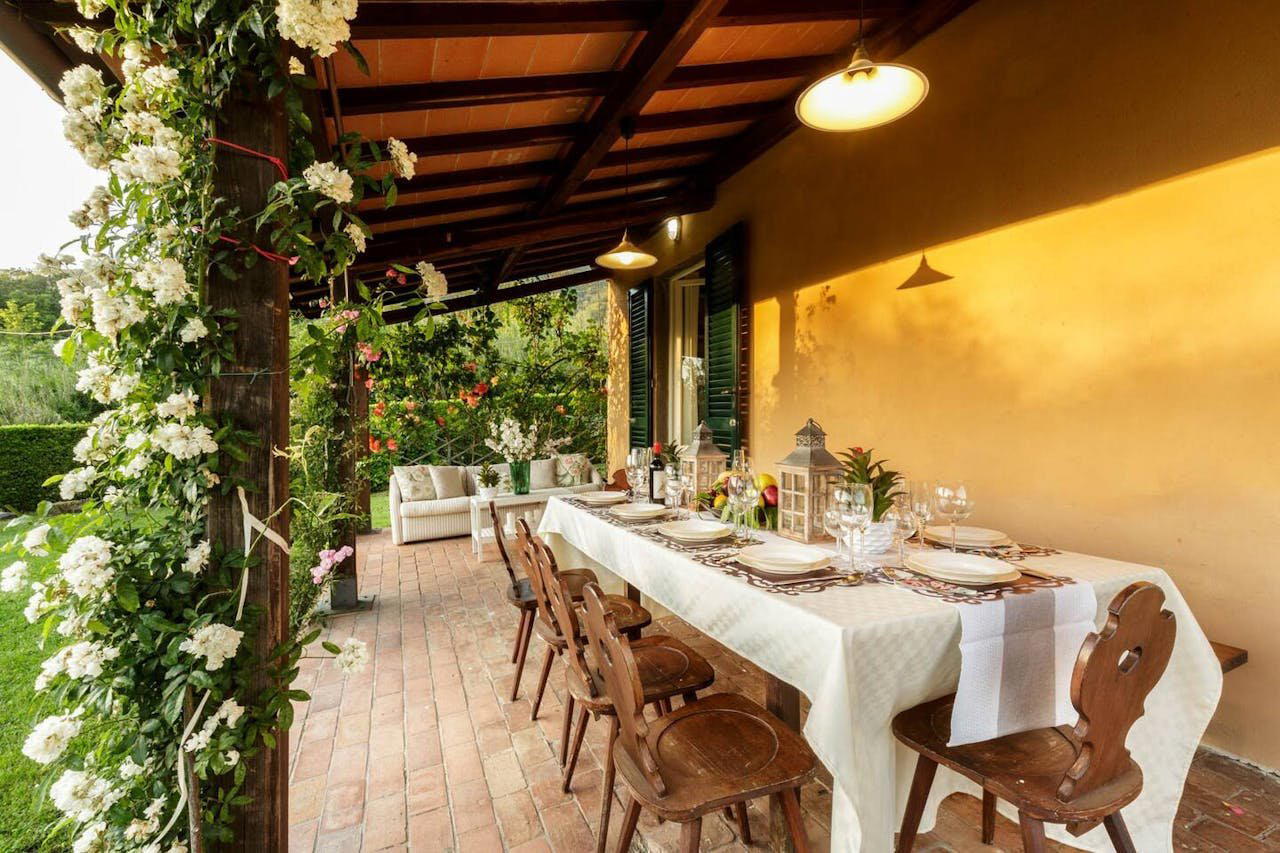
Bars in San Giuliano Terme
Browse all →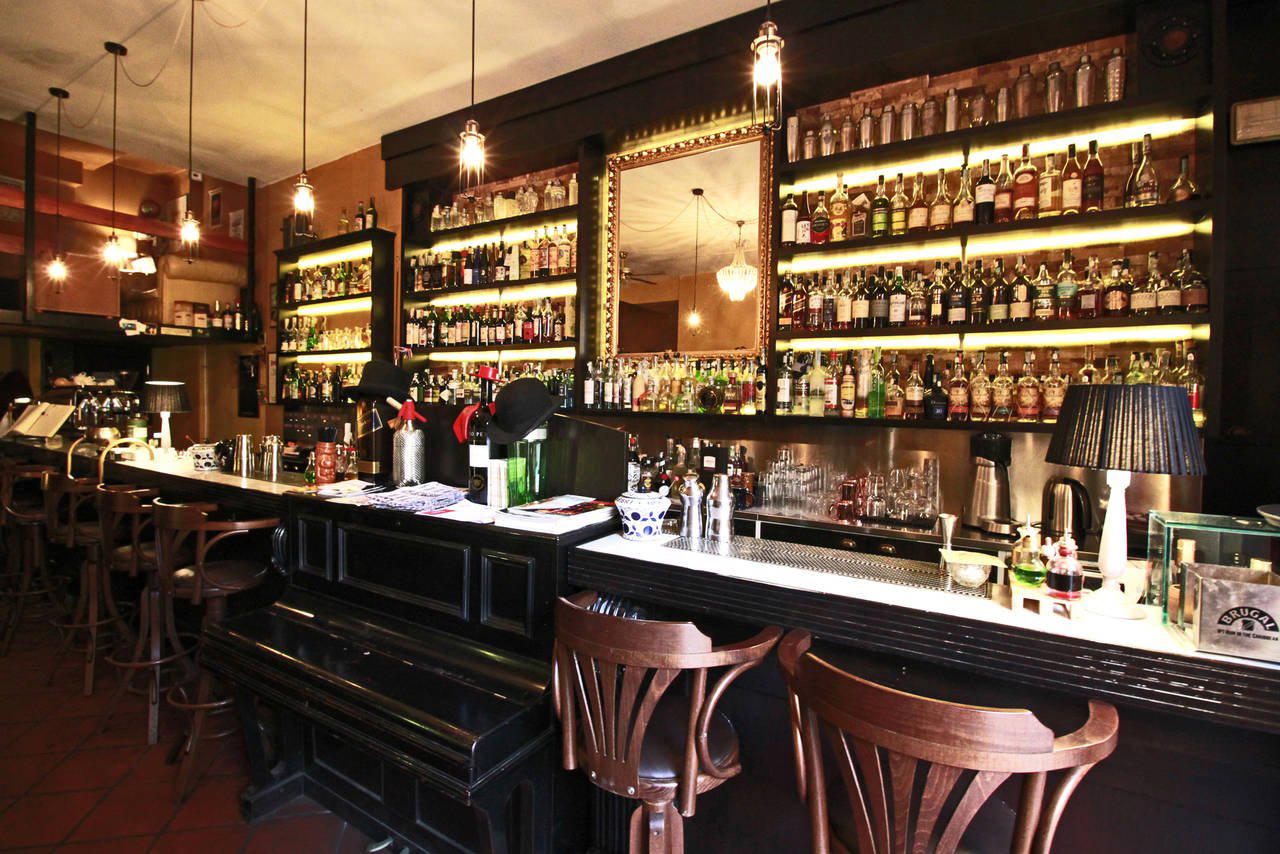
Hotels in San Giuliano Terme
Browse all →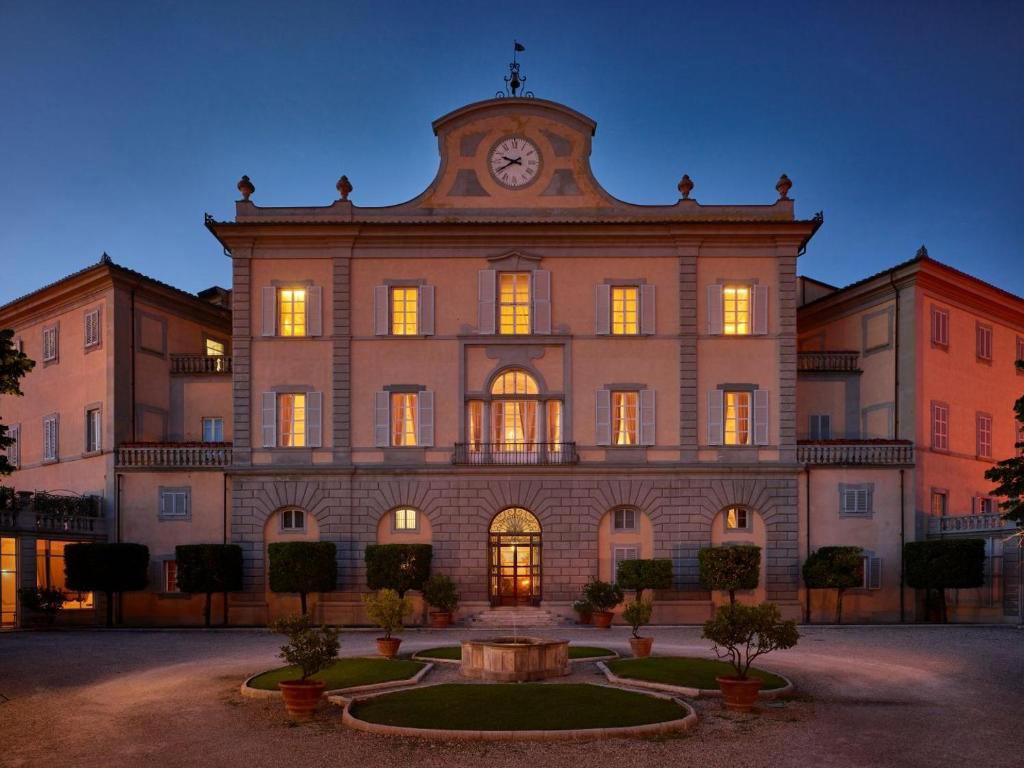
Wineries in San Giuliano Terme
Browse all →
At a Glance
- Romantic
- Elegant
- Scenic
- Sophisticated
- Quiet
- Date Night
- Special Occasion
- Celebration
- Group Dining
- Garden
- Private Dining
- Terrace
- Hotel Restaurant
- Standalone
- Extensive Wine List
- Natural Wine
- Sommelier Led
- Farm To Table
- Local Sourcing
- Organic
- Biodynamic
- Natural Wine
- Garden
Rustic yet refined atmosphere with elegant furnishings and warm hospitality; garden setting with pergola and plane tree creates a peaceful, romantic environment; soft lighting and careful attention to detail throughout.