
Locanda del Capitano & Tipico Osteria earns consecutive Michelin Bib Gourmand recognition (2024 and 2025) for cooking that keeps Umbrian tradition honest without calcifying it. Set on Via Roma in the medieval hilltop village of Montone, under chef Daniele Galliazzo, it represents the kind of regional kitchen that Michelin's value category was designed to reward: serious craft, honest pricing, and a sense of place.
Pearl is the En Primeur Club membership app — saves, bookings, and concierge access live there. Same editors, same standards.
- Address
- Via Roma, 7, 06014 Montone PG, Italy
- Phone
- +39 075 930 6521
- Website
- ilcapitano.com
- Directions
- Get directions
 Saves & bookings on Pearl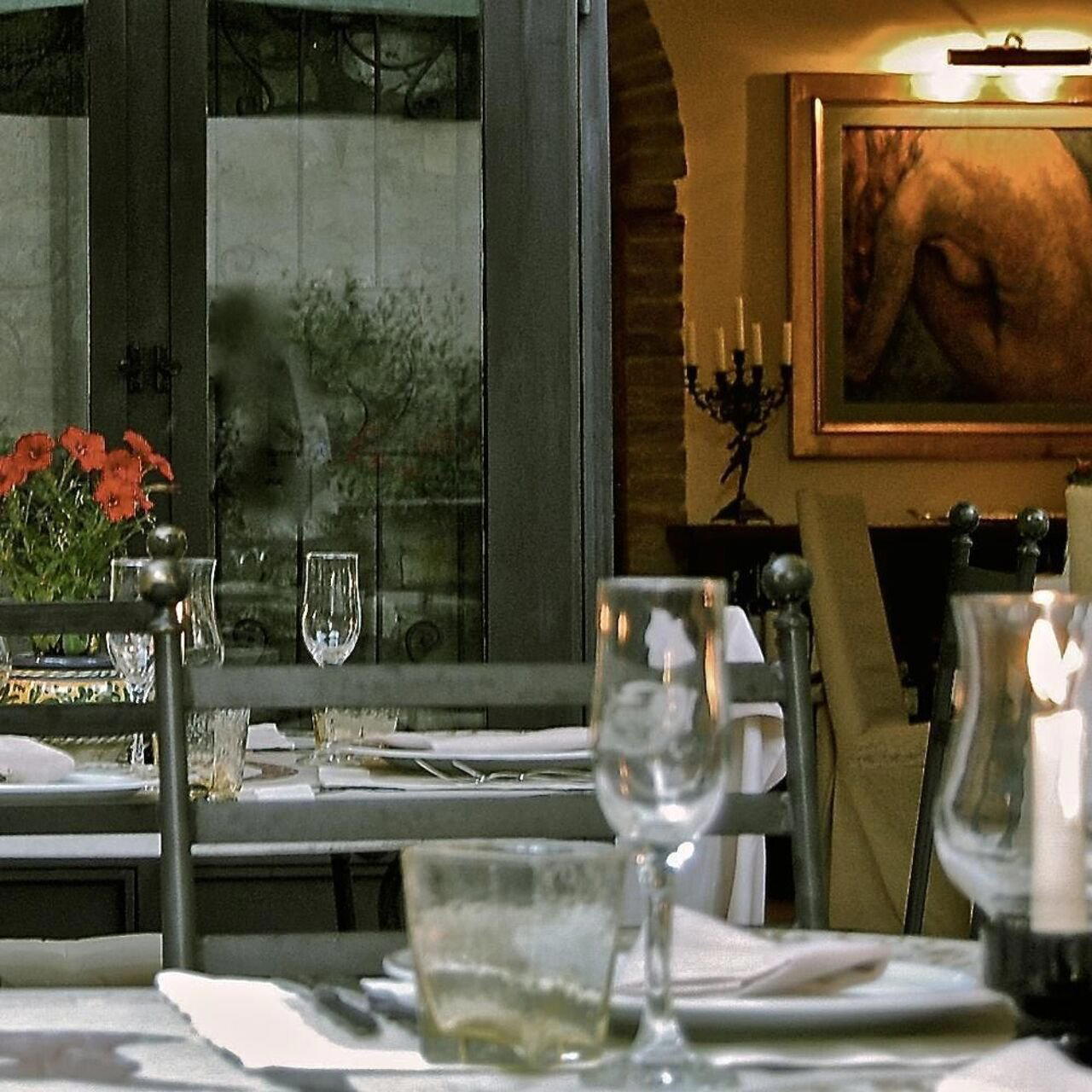
Where Medieval Stone Meets Umbrian Kitchen Logic
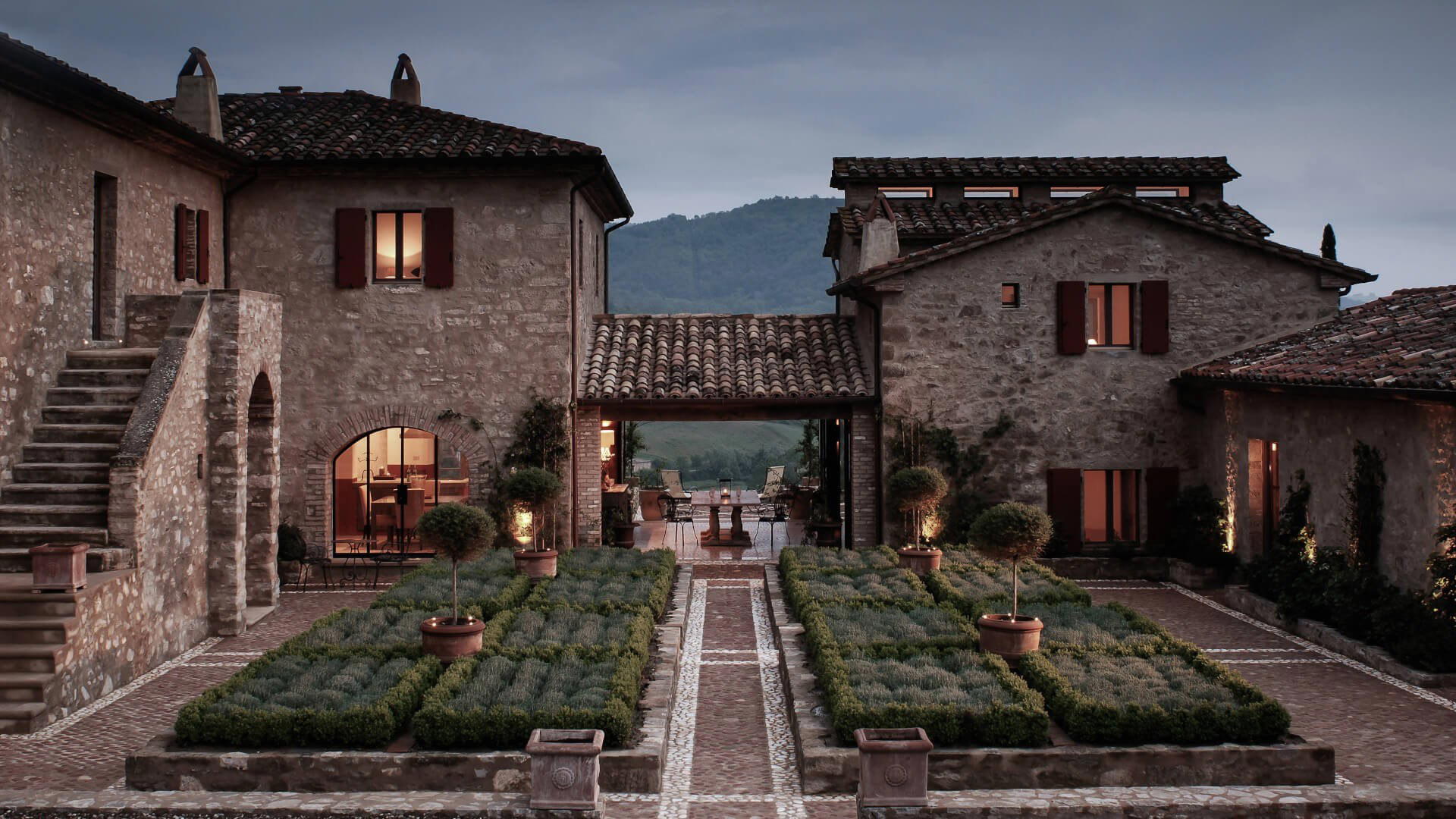
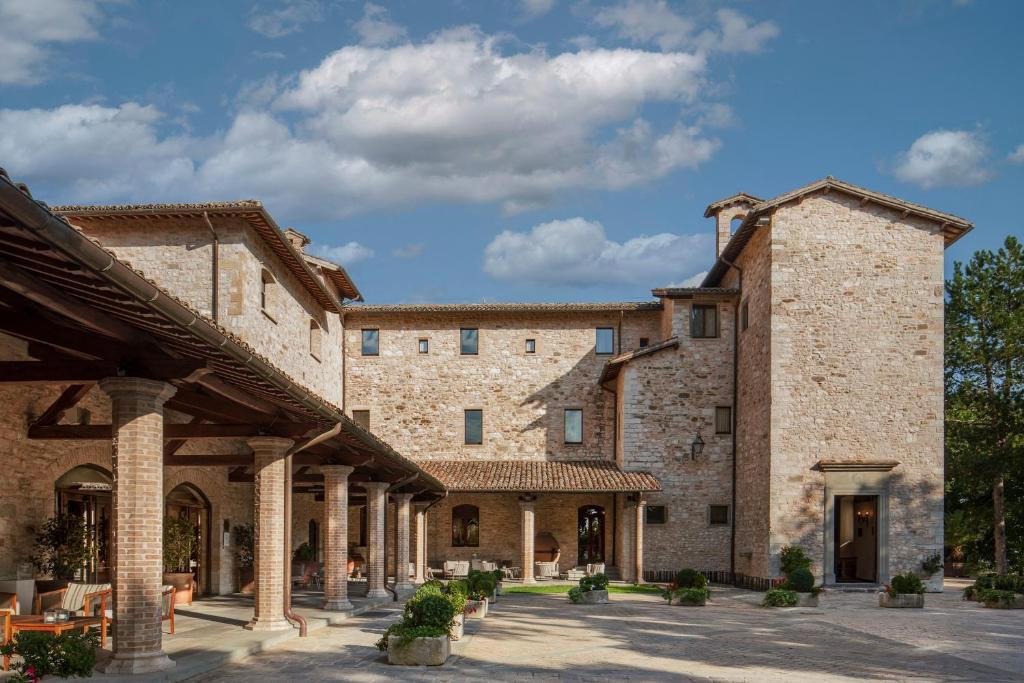
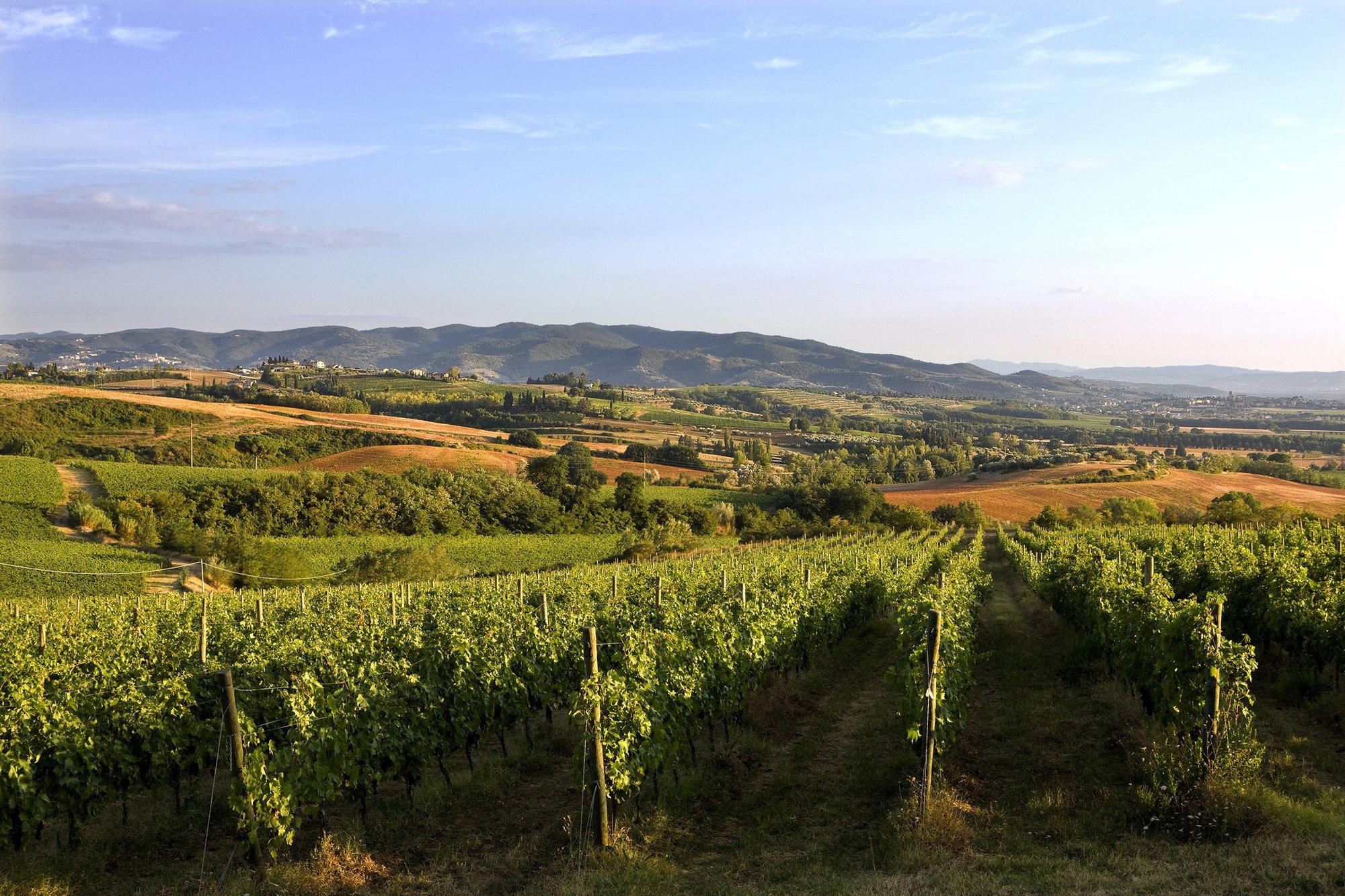
Approach Montone on the winding road from the Alta Valle del Tevere and the village presents itself exactly as hilltop Umbria has for centuries: pale stone, compressed alleys, and a skyline anchored by church towers. Via Roma, the spine of this borgo, is less a street than a corridor, and Locanda del Capitano occupies a position along it that feels continuous with the architecture rather than imposed upon it. Before a dish arrives, the room itself is making an argument: that place matters, that continuity has value, and that the right kind of restaurant for a village like Montone is one that doesn't try to transcend its surroundings.
That argument is confirmed in the kitchen. Locanda del Capitano & Tipico Osteria holds the Michelin Bib Gourmand for both 2024 and 2025, a consecutive recognition that signals consistency rather than novelty. The Bib Gourmand category, for those unfamiliar with Michelin's tiering, is awarded to restaurants offering quality cooking at a price point notably lower than the starred bracket. At the €€ level, this kitchen occupies a different competitive register than, say, Vespasia in Norcia or Camiano Piccolo in Montefalco, both of which sit at a higher price tier within the Umbrian dining orbit. What connects them is a shared regional commitment: the insistence that Umbria's larder, from black truffles and lentils to Chianina beef and Sagrantino, is sufficient raw material for serious cooking.
Chef Daniele Galliazzo and the Logic of Staying Regional
Italy's most-discussed restaurant kitchens tend to operate at the €€€€ end of the spectrum. Osteria Francescana in Modena, Enoteca Pinchiorri in Florence, Enrico Bartolini in Milan, Le Calandre in Rubano, and Piazza Duomo in Alba all occupy a tier where tasting menus run to dozens of courses and the wine program can match the kitchen bill. That tier is worth understanding, but it is not the only place where serious cooking happens in Italy. The more durable tradition, is the regional trattoria or osteria that absorbs the discipline of fine dining while refusing its register entirely.
Chef Daniele Galliazzo works within that second tradition. His presence in a village of fewer than 1,500 people, rather than in a city where profile accrues faster, is itself an editorial statement. Michelin's decision to award consecutive Bib Gourmand recognition confirms that the calibre of cooking here exceeds what the price range might suggest. In regions like Umbria, where agricultural identity is both ancient and specific, the chef who commits to the locality rather than abstracting it tends to produce cooking with more coherence over time. The kitchen here is understood as part of a regional continuum, not a departure from it.
Galliazzo's name also appears across the two dining formats that share this address. The pairing of a locanda (inn) and a tipico osteria within a single operation reflects a structural logic common in central Italian borghi: the accommodation and the table are understood as a single hospitality act. Guests staying at the locanda eat at the osteria; walk-in diners from outside Montone arrive at a kitchen already calibrated for the village's pace and material. That integration tends to produce a more grounded menu than restaurants that exist purely for destination dining.
Umbrian Cooking as a Critical Category
Umbria sits in an interesting position within Italian regional cooking. Less internationally profiled than Tuscany to its north and lacking the coastal identity of the Adriatic kitchens, Uliassi in Senigallia being one decorated example on that arc, the region has historically been defined by its landlocked austerity. Truffles from Norcia and Spoleto, lentils from Castelluccio, Colfiorito potatoes, Chianina and Maremmana cattle, and the wines of the Sagrantino di Montefalco appellation constitute a larder that is genuinely distinctive without being fashionable in the way that, say, Piedmontese or Campanian cooking currently is.
That absence of fashion is, in certain respects, an advantage. The kitchen at Locanda del Capitano is not competing with trend cycles. Its reference points are the seasonal rhythms of the Alta Valle del Tevere and the accumulated techniques of Umbrian cucina povera, which was always more technically sophisticated than the term implies. Dishes built around preserved meats, hand-rolled pasta, and foraged herbs require a different kind of precision than the creative tasting-menu format, less visual, more dependent on sourcing judgement and timing. The Bib Gourmand recognises both dimensions.
Montone itself earned the designation of one of I Borghi più Belli d'Italia (Particularly Beautiful Villages of Italy), and the dining scene here reflects that selectivity.
Planning a Visit
Montone is in the Province of Perugia, in the upper Tiber Valley. The village is most accessibly reached by car from Perugia (approximately 40 kilometres north) or from Città di Castello (roughly 15 kilometres south). Public transport connections to the village are limited, so private or hired transport is the practical choice for most visitors arriving from outside the region.
The €€ price positioning means this kitchen competes on value in a way that few Michelin-recognised addresses in central Italy manage. The combination of accommodation and dining under one roof makes it a logical base for a two- or three-night stay oriented around the Alta Valle del Tevere, with day trips to Gubbio, Città di Castello, and the Tiber Valley's smaller communes. Those looking to extend into the broader Italian fine dining circuit can cross-reference venues such as Reale in Castel di Sangro, Quattro Passi in Marina del Cantone, Atelier Moessmer Norbert Niederkofler in Brunico, and Dal Pescatore in Runate for a sense of the range across Italian regional kitchens.
Comparable Spots, Quickly
Comparable venues nearby, for context on price, style, and recognition.
| Venue | Cuisine | Price | Awards | Notes |
|---|---|---|---|---|
| Locanda del Capitano & Tipico OsteriaThis venue — the venue you are viewing | Umbrian Fine Dining | $$$ | Bib Gourmand | Not listed |
| Tipico Osteria dei Sensi | Modern Umbrian Osteria | $$ | Bib Gourmand | Montone |
| Il Tufo Allegro | Tuscan Trattoria | $$$ | Michelin Plate | historic centre |
| Ora d'Aria | Modern Tuscan Fine Dining | $$$ | Michelin Plate | San Niccolo |
| Walter Redaelli | Refined Tuscan | $$$ | Michelin Plate | Bettolle |
| Tavola di Guido | Seasonal Tuscan Farm-to-Table | $$$ | Michelin Plate | Castellina in Chianti |
Recognition history
Dated appearances from independent guides and award organizations, with the underlying list record or original source where available.
Michelin Bib Gourmand
Michelin
Michelin Bib Gourmand
Michelin
Continue exploring
More in Montone
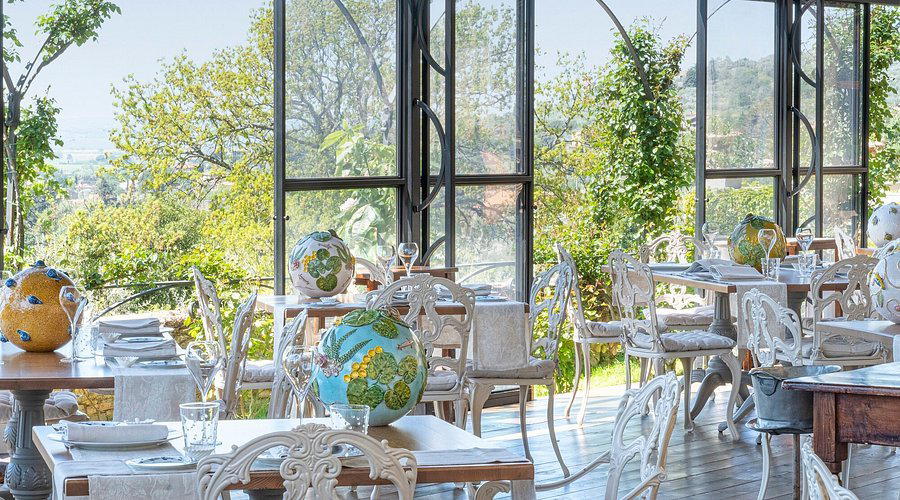
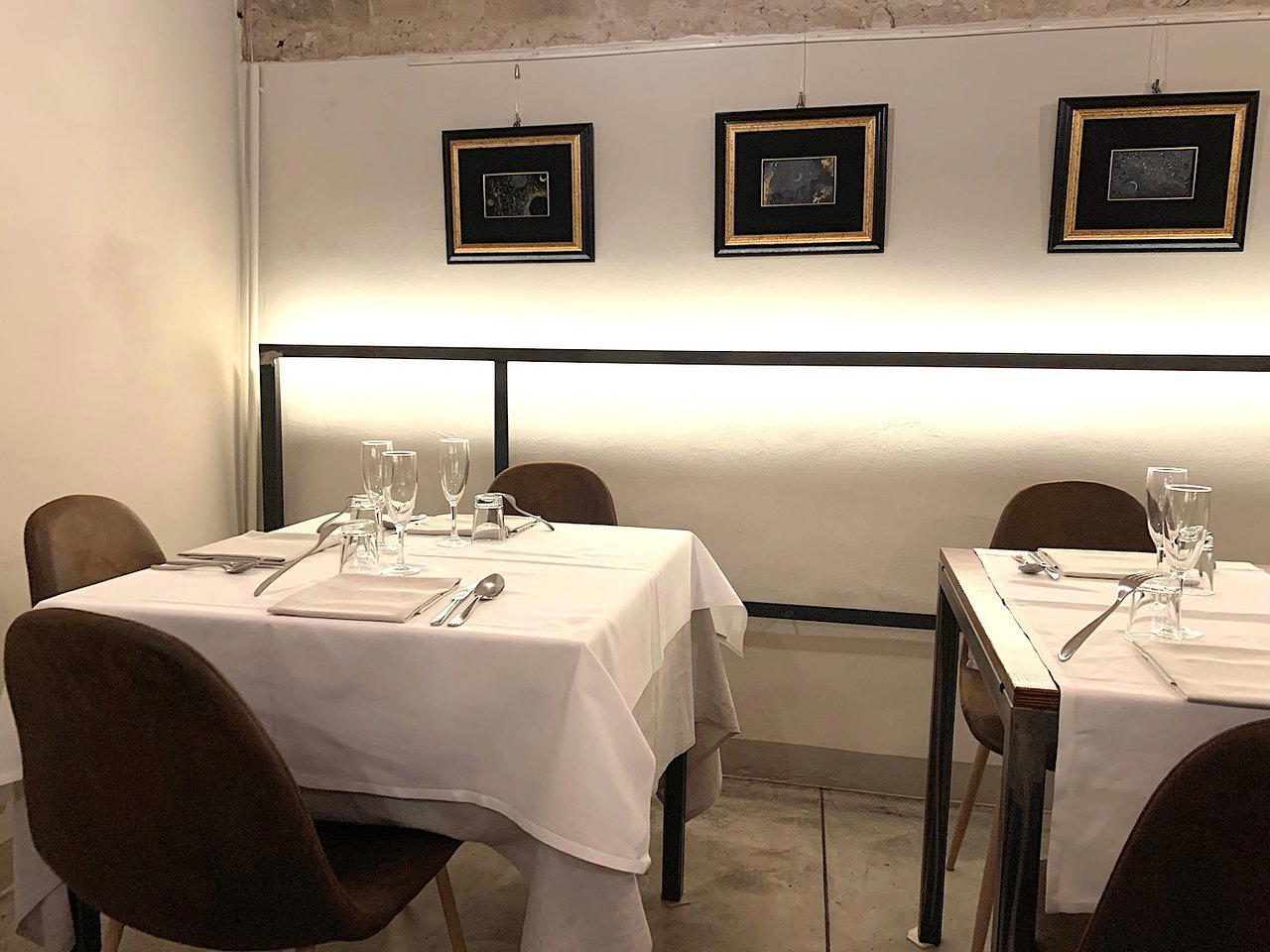
Restaurants in Montone
Browse all →
Bars in Montone
Browse all →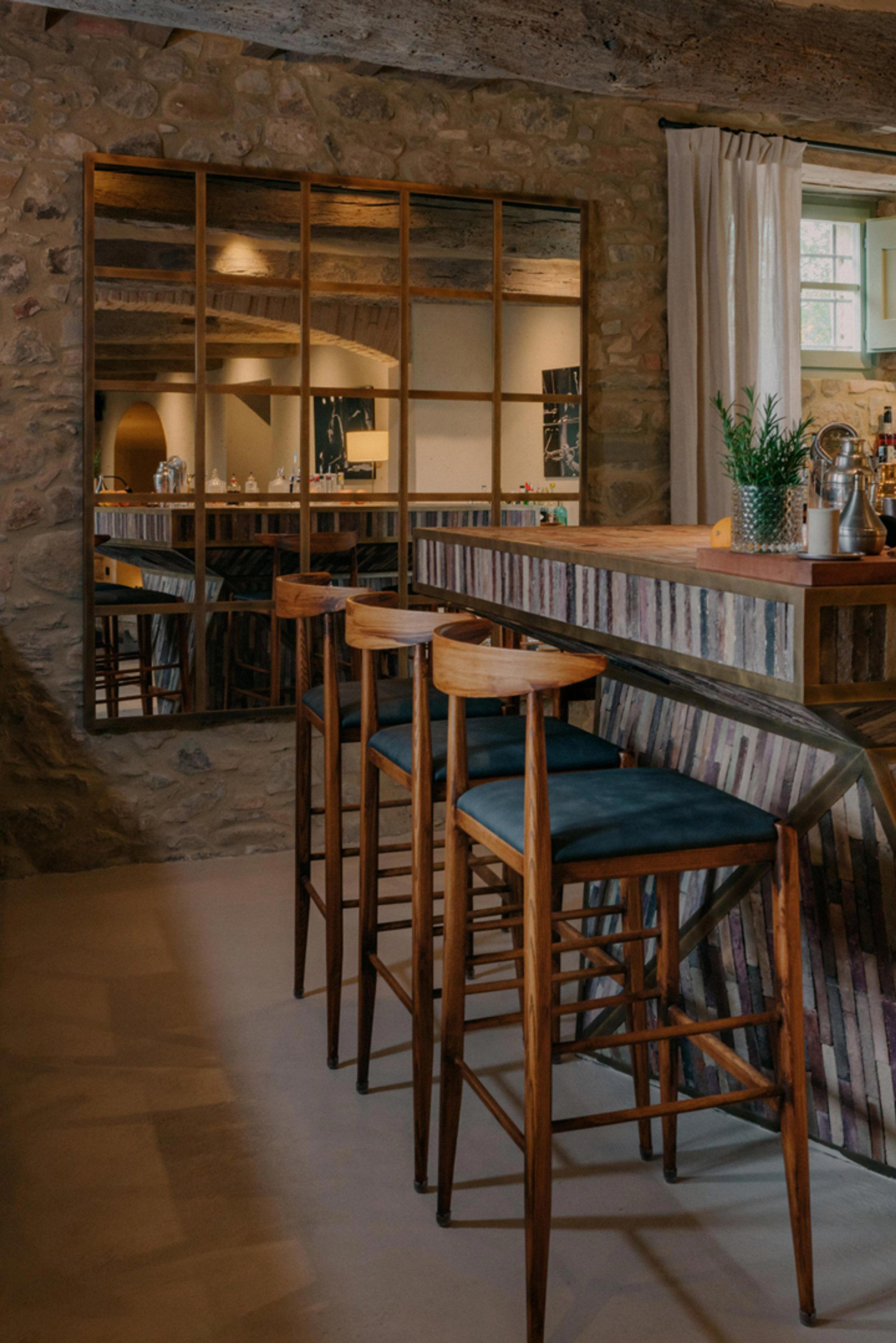
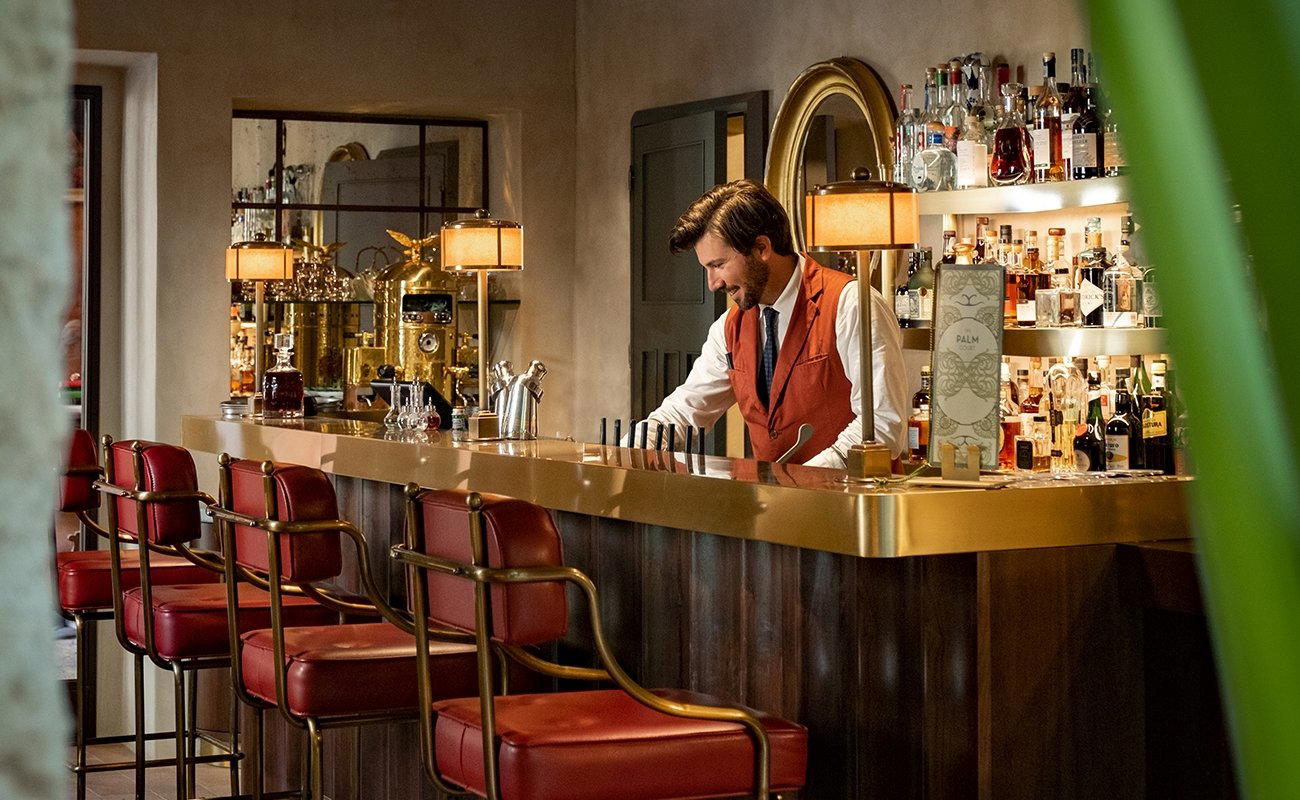
Hotels in Montone
Browse all →

At a Glance
- Cozy
- Romantic
- Rustic
- Intimate
- Elegant
- Date Night
- Special Occasion
- Historic Building
- Terrace
- Extensive Wine List
- Local Sourcing
Current opening hours
- Monday
- Closed
- Tuesday
- 7–11:30 PM
- Wednesday
- 7–11:30 PM
- Thursday
- 7–11:30 PM
- Friday
- 7–11:30 PM
- Saturday
- 7–11:30 PM
- Sunday
- 12–3:30 PM
Hours can change for holidays and private events. Last verified .
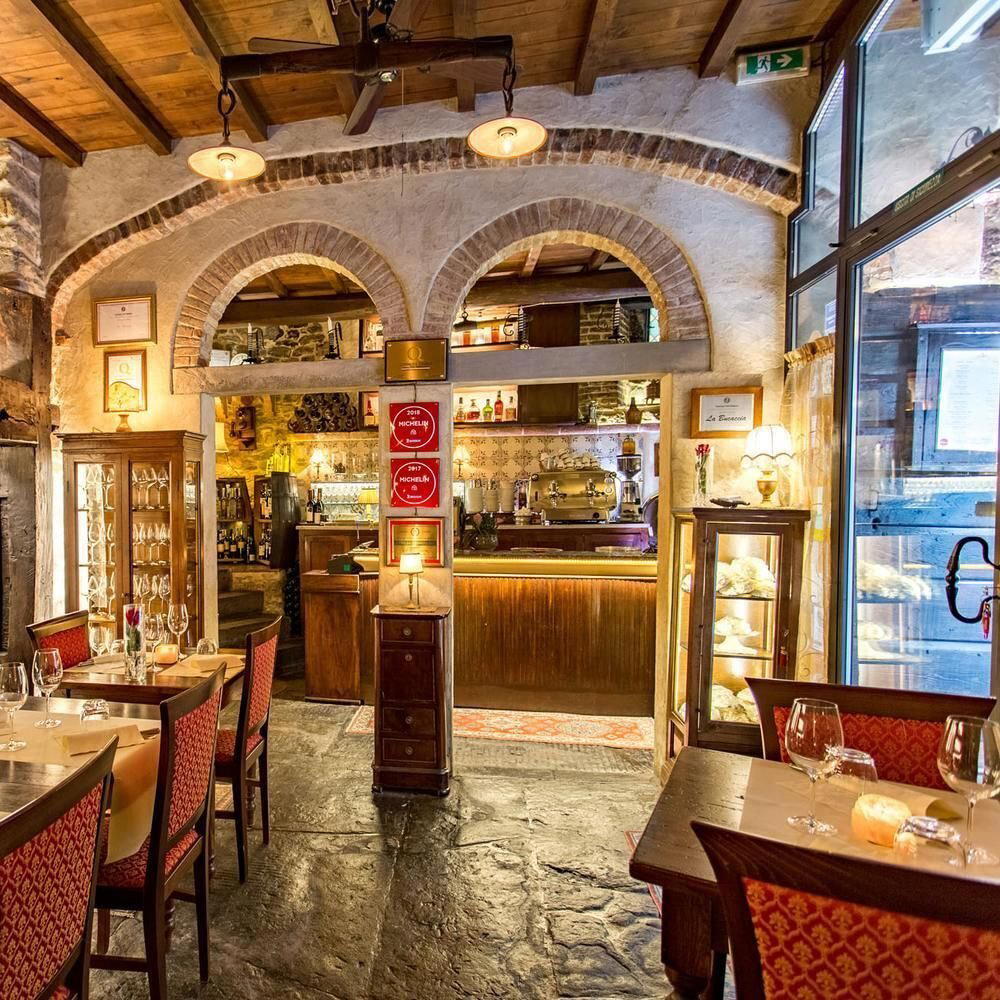
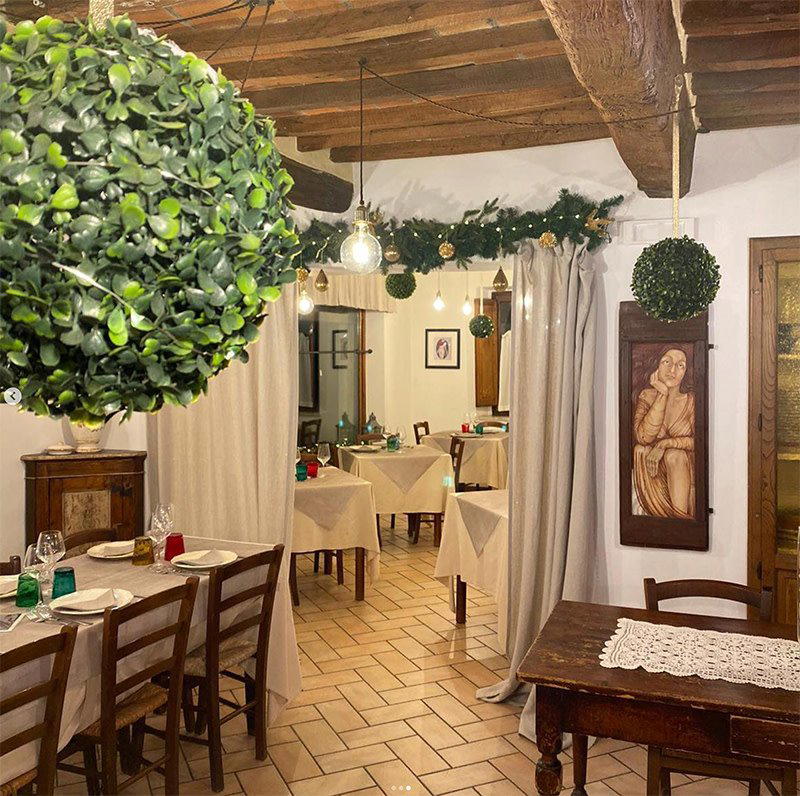
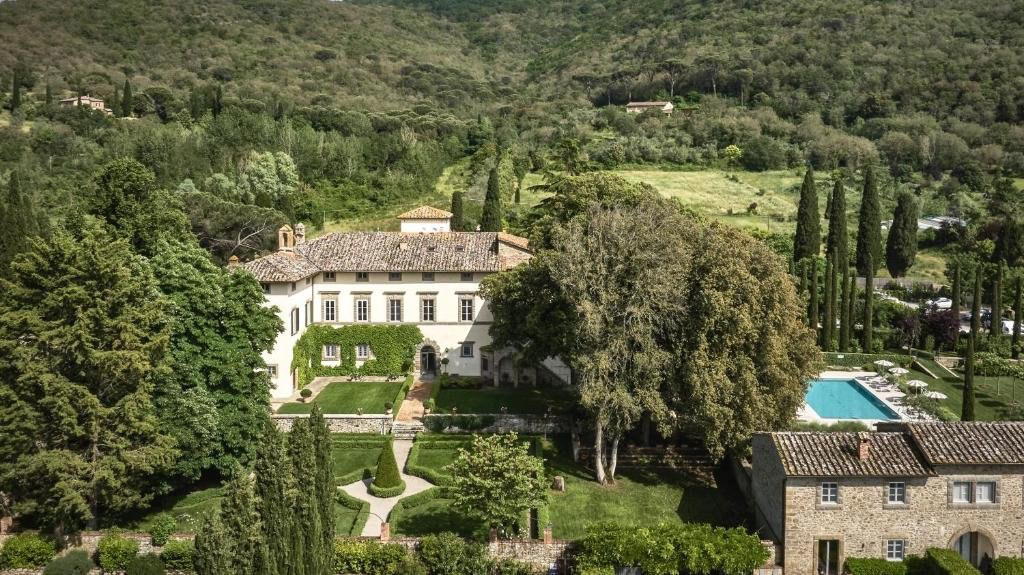
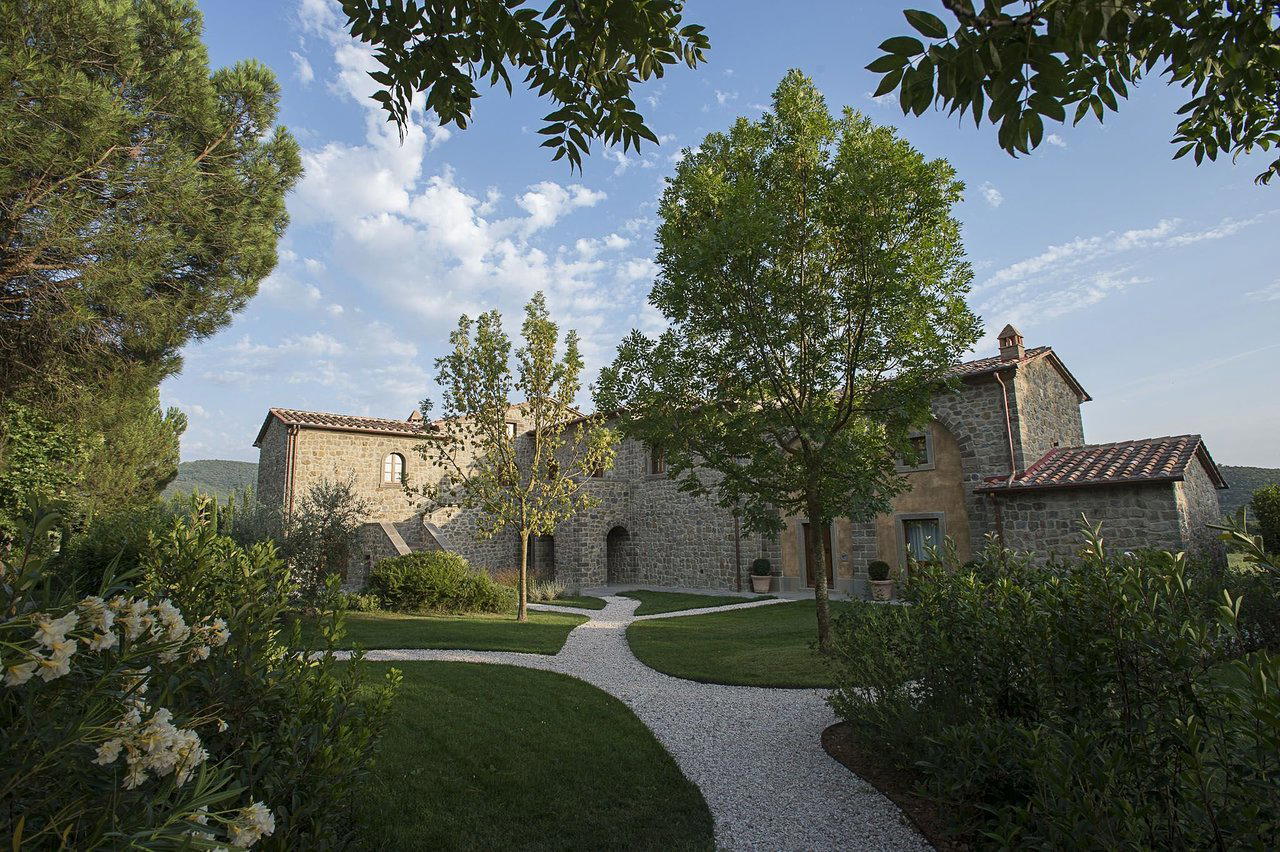
Cozy and romantic atmosphere in a historic boutique hotel setting, with warm lighting and a welcoming, home-like feel praised by guests.