


Michelin Plate · Macarfi 7.5 Food Rating · Wine Spectator Award of Excellence
Our verdict
A Madrid outpost of Brooklyn's Llama Inn, this Michelin Plate–recognised Peruvian restaurant on Calle del Conde de Xiquena brings sharing-format coastal dishes, scallop ceviche, grouper tiradito, prawn yakimeshi, to the Chueca neighbourhood at a mid-range price point. The informal register and 'Trust The Chef' tasting option make it one of Madrid's more accessible entry points into contemporary Peruvian cooking.

Pearl is the En Primeur Club membership app, where members save venues, book tables and use the concierge.
The menu
What to order
- Ceviche de Vieira
- Lomo Saltado
- Arroz con Pato
Lima Technique, Madrid Address
The ceviche counter has become one of the defining formats through which Latin American cuisine has entered European cities over the past decade. Where earlier waves brought pan-Latin menus heavy on grilled meat, the current generation of Peruvian restaurants leads with acid, citrus, and the cold-kitchen discipline of the cebichería, leche de tigre, tiradito dressed with ají amarillo oil, the clean, marine brevity of fish cured in lime. Madrid has absorbed this shift across several price tiers, from neighbourhood spots to the more composed end of the market, and Llama Inn sits in the mid-range of that spectrum, holding a Michelin Plate for 2025 and 2024 at a €€ price point that keeps the format genuinely accessible.
The original Llama Inn opened in Brooklyn, New York, as part of a generation of New York restaurants that reframed Peruvian cooking not as a niche ethnic category but as a serious culinary tradition with its own technical rigour. The Madrid location operates as a direct extension of that model, carrying the same informal register and the same commitment to sharing-format plates. The name itself nods to the Andean animal and to the hostería tradition, places of warm, unpretentious hospitality, which sets the social contract with diners before anyone sits down.
The Seafood Logic of the Menu
Peru's coastline runs for nearly 2,500 kilometres along the Pacific, and the country's relationship with raw and lightly cured fish predates the Spanish colonial period by centuries. The ceviche as it is understood globally, fish cut to order, macerated briefly in citrus, finished with chilli and onion, is a Lima product, but its roots are in the fishing communities of the Peruvian and northern Chilean coasts. The tiradito, which belongs to a slightly different tradition, shows Japanese influence absorbed through the large Nikkei community in Lima: the fish is sliced thin rather than diced, dressed with a sauce rather than tossed, and the texture is closer to sashimi than to a traditional ceviche.
At Llama Inn Madrid, the grouper tiradito sits alongside a scallop ceviche as representative examples of this coastal tradition. Both formats require precise sourcing, the cold-water fish that work well in a Peruvian context are not always the same species found in Iberian fish markets, and part of what distinguishes serious Peruvian restaurants in Europe from casual interpretations is the willingness to source appropriately rather than substitute freely. The Michelin recognition across two consecutive years suggests that the kitchen is executing these standards with enough consistency to merit editorial notice, even without a star designation.
The yakimeshi of king prawns, a fried rice preparation that reflects the Chifa tradition, Peru's Chinese-Peruvian culinary fusion, adds another layer of the hybrid identity that makes Lima's food culture one of the most technically varied in Latin America. The Chifa tradition, like Nikkei cuisine, developed through immigration patterns specific to Peru, and its presence on a menu alongside ceviche and tiradito is not a contradiction but a historically accurate representation of how Peruvian cuisine actually evolved. For diners more familiar with Mexican or Caribbean seafood traditions, Llama Inn's menu offers a useful reorientation: the flavour profiles are distinct, the acid is sharper, and the heat more controlled.
Format and Room
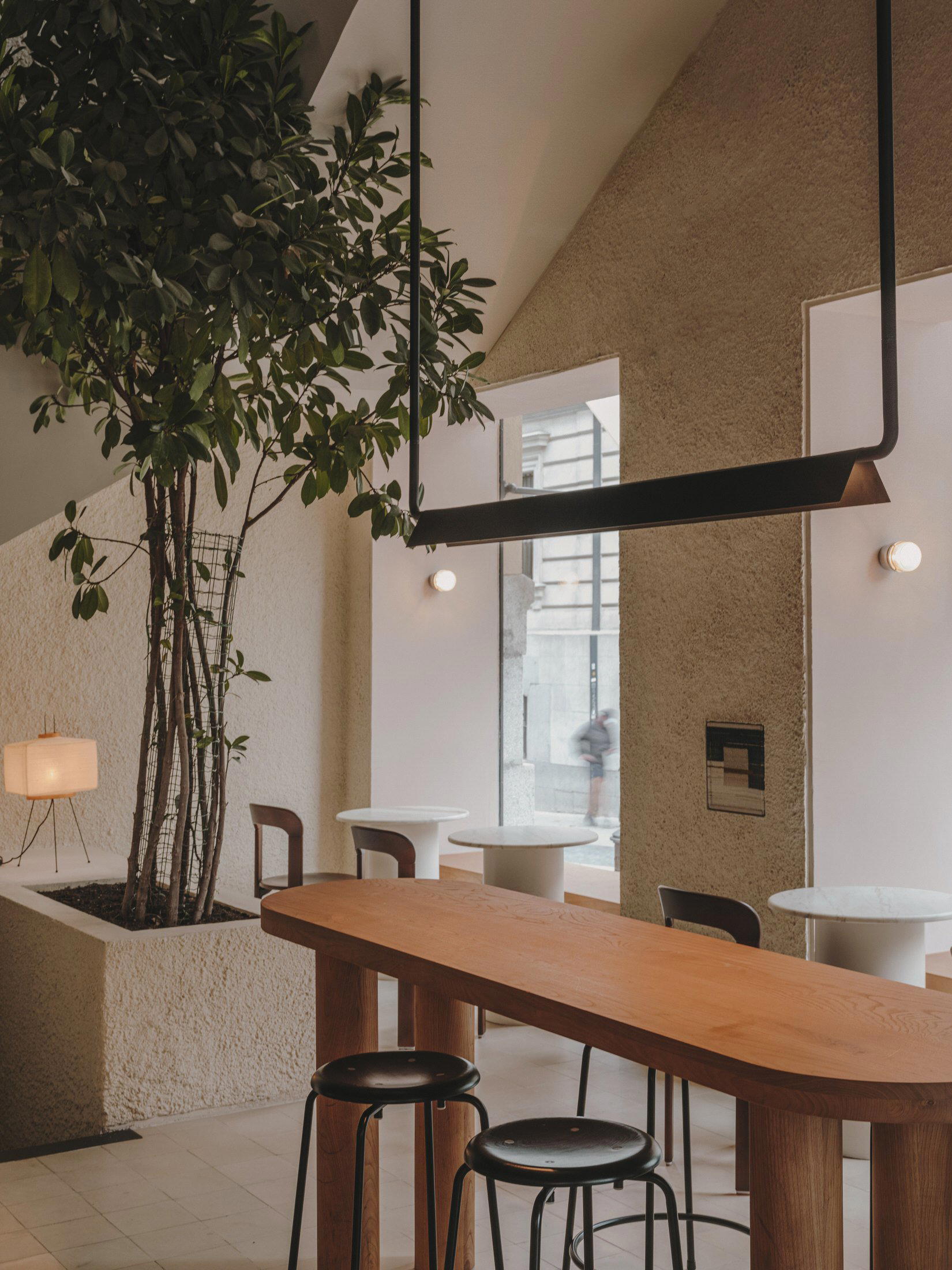
The restaurant occupies an address on Calle del Conde de Xiquena, 2, in the Centro district near Chueca, a neighbourhood that has developed a density of independent restaurants and bars over the past two decades and now functions as one of Madrid's more consistent areas for mid-range dining. The informal atmosphere that the restaurant describes as core to its identity fits naturally into Chueca's general register, which tends to favour animated, social dining rooms over formal service environments.
Sharing-plate format is structurally well suited to a menu built around Peruvian coastal dishes, where individual portions are often small and the logic of the meal depends on lateral tasting across several preparations rather than a sequential progression. For those who prefer a fixed structure, the 'Trust The Chef' tasting menu, served to the whole table, removes the selection burden and allows the kitchen to set the pace and sequence. This format has become common among Peruvian restaurants in major European cities as a way of communicating the breadth of the tradition to diners who may be encountering it for the first time.
Madrid's fine-dining end is occupied by a different cohort entirely: DiverXO (Progressive - Asian, Creative), Coque (Spanish, Creative), Deessa (Modern Spanish, Creative), and DSTAgE (Modern Spanish, Creative) all operate at the €€€€ tier with tasting menus and formal service structures. Llama Inn's €€ positioning places it in an entirely different decision set, it competes with other mid-range Latin American and contemporary restaurants in the city rather than with the city's starred dining rooms. The Michelin Plate signals kitchen competence without the tasting-menu formality or pricing of starred venues.
For context within Madrid's Peruvian dining scene specifically, TAMPU represents another point of reference in the capital. Further afield in Spain, the country's coastal fine-dining tradition runs through venues like Aponiente in El Puerto de Santa María, Quique Dacosta in Dénia, and Arzak in San Sebastián, though these operate in a distinct culinary idiom from Peruvian coastal cooking. Internationally, those tracking the Peruvian diaspora dining scene in other cities might compare notes with Causa in Washington, D.C. and ITAMAE in Miami, both of which work similar Nikkei-inflected territory. See our El Celler de Can Roca in Girona, Azurmendi in Larrabetzu, and Disfrutar in Barcelona for Spain's broader starred dining context.
Know Before You Go
- Address: C. del Conde de Xiquena, 2, Centro, 28004 Madrid, Spain
- Cuisine: Peruvian, sharing format
- Price range: €€ (mid-range)
- Awards: Michelin Plate 2024 and 2025
- Format: À la carte sharing plates; 'Trust The Chef' tasting menu available (whole table)
- Neighbourhood: Chueca / Centro
- More Madrid dining: Our full Madrid restaurants guide
- Hotels: Our full Madrid hotels guide
- Bars: Our full Madrid bars guide
- Wineries: Our full Madrid wineries guide
- Experiences: Our full Madrid experiences guide
Frequently asked questions
Is Llama Inn Madrid okay with children?
At €€ pricing in an informal Chueca dining room, it's a reasonable choice for families with older children who eat adventurously.
Is Llama Inn Madrid formal or casual?
If you're coming from Madrid's €€€€ tasting-menu circuit, recalibrate: Llama Inn operates at the informal end of the Michelin Plate tier, with a relaxed room and sharing plates designed for convivial rather than ceremonial dining. The Michelin recognition reflects kitchen execution, not service formality.
at Llama Inn Madrid?
Go directly to the ceviche and tiradito. The scallop ceviche and grouper tiradito represent the Peruvian coastal tradition most directly and are the preparations where the kitchen's technical alignment with Lima-style acid-forward cooking is most evident. The Michelin Plate across consecutive years validates that these are being executed to a consistent standard.
Budget Reality Check
Comparable options at a glance, pulled from our tracked venues.
| Venue | Cuisine | Price | Awards | Notes |
|---|---|---|---|---|
| Llama Inn - MadridThis venue (the venue you are viewing) | Modern Peruvian Fusion | $50–100 | Michelin Plate · Macarfi 7.5 Food Rating | Not listed |
| DiverXO | Avant-Garde Spanish Tasting Menu | $300–500 | 3 Michelin Stars · World's 50 Best #4 | Progressive - Asian, Creative |
| Deessa | Modern Valencian Fine Dining | $150–200 | 2 Michelin Stars · La Liste Top Restaurants | Modern Spanish, Creative |
| Smoked Room | Modern Japanese Fire Omakase | $200–300 | 2 Michelin Stars · La Liste Top Restaurants | Progressive Asador, Contemporary |
| Coque | Modern Spanish Fine Dining | $300–500 | 2 Michelin Stars · La Liste Top Restaurants | Spanish, Creative |
| Paco Roncero | Avant-Garde Spanish Fine Dining | $150–200 | 2 Michelin Stars · La Liste Top Restaurants | Creative |
Recognition history
Dated appearances from independent guides and award organizations, with the underlying list record or original source where available.
Michelin Plate
Michelin
Macarfi 7.5 Food Rating
Macarfi
Wine Spectator Award of Excellence
Wine Spectator
Full recognition history (5 entries)
Michelin Plate
Michelin
Michelin Plate
Michelin
Continue exploring
More in Madrid
Restaurants in Madrid
All restaurants in Madrid →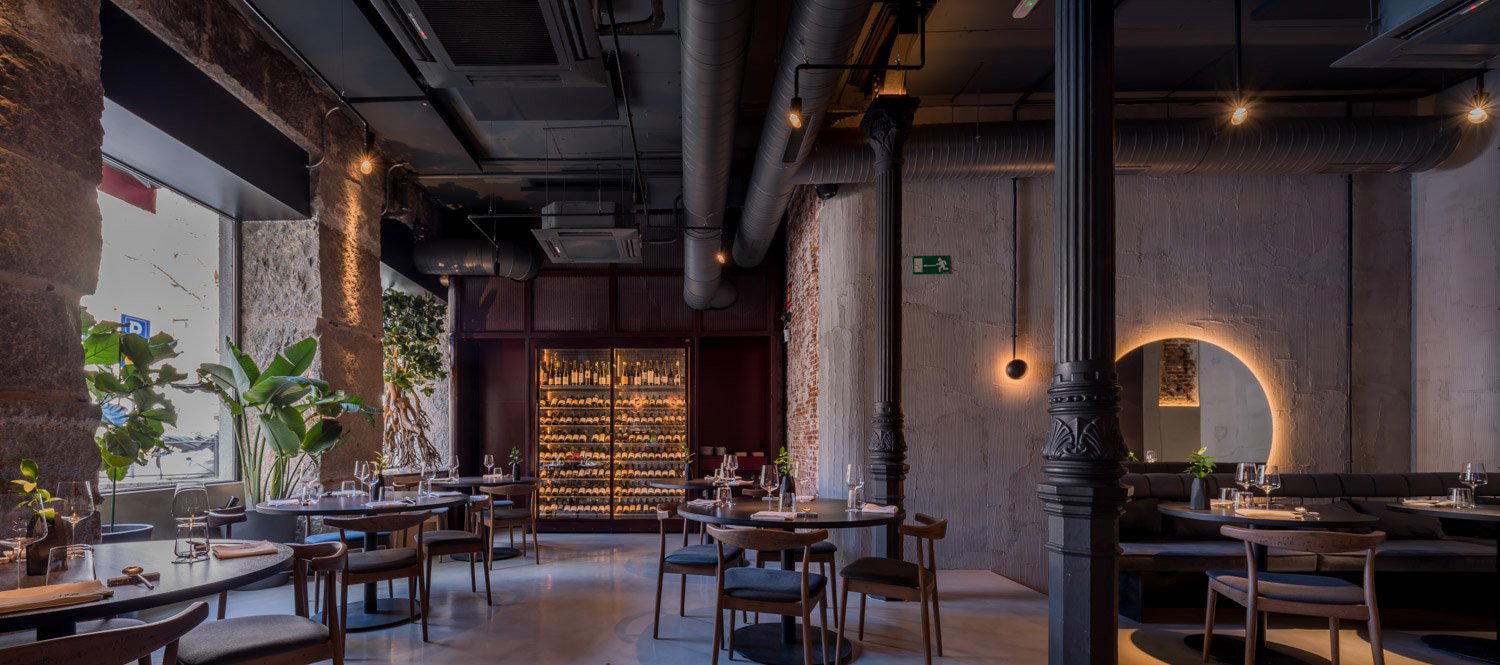
Bars in Madrid
All bars in Madrid →

Llama Inn - Madrid
The wine
Llama Inn - Madrid holds the Wine Spectator Award of Excellence, which Wine Spectator gives to lists of usually 90 or more selections.
- Wine Spectator
- Wine Spectator Award of Excellence
- Selections
- 160
- Bottles in cellar
- 1,000
- List strengths
- California, France
- Wine director
- Bryan Rosenblithe
- Craft cocktails
Details
- Modern
- Trendy
- Cozy
- Minimalist
- Date Night
- Group Dining
- Special Occasion
- Open Kitchen
- Craft Cocktails
- Small Plates
- A La Carte
- Tasting Menu
- Craft Cocktails
- Vegetarian Friendly
- Vegan Options
Current opening hours
- Monday
- 7 PM–1 AM
- Tuesday
- 7 PM–1 AM
- Wednesday
- 7 PM–1 AM
- Thursday
- 7 PM–1 AM
- Friday
- 1:30 PM–1 AM
- Saturday
- 1:30 PM–1 AM
- Sunday
- 1:30 PM–1 AM
Hours can change for holidays and private events. Hours as of .
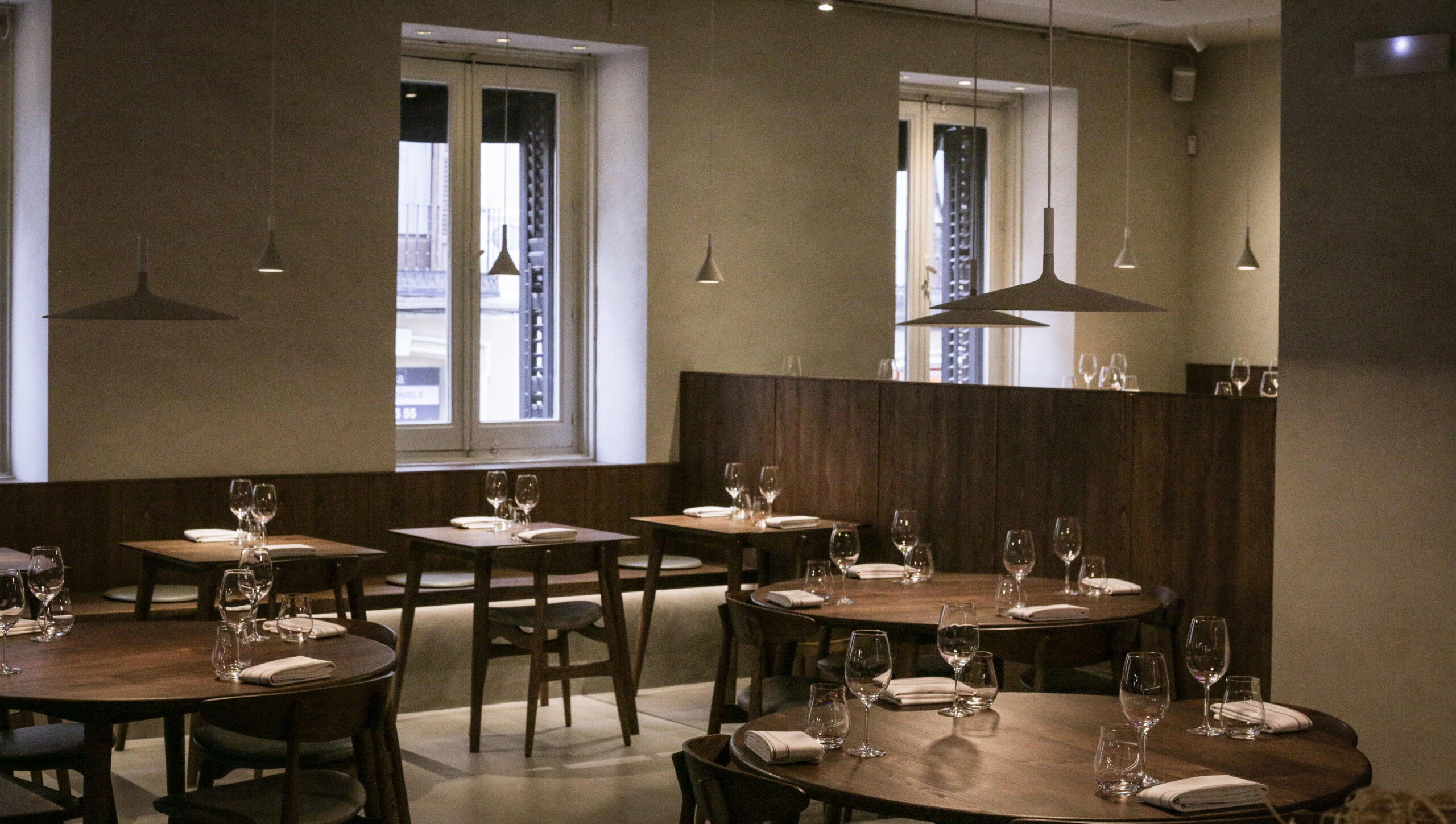
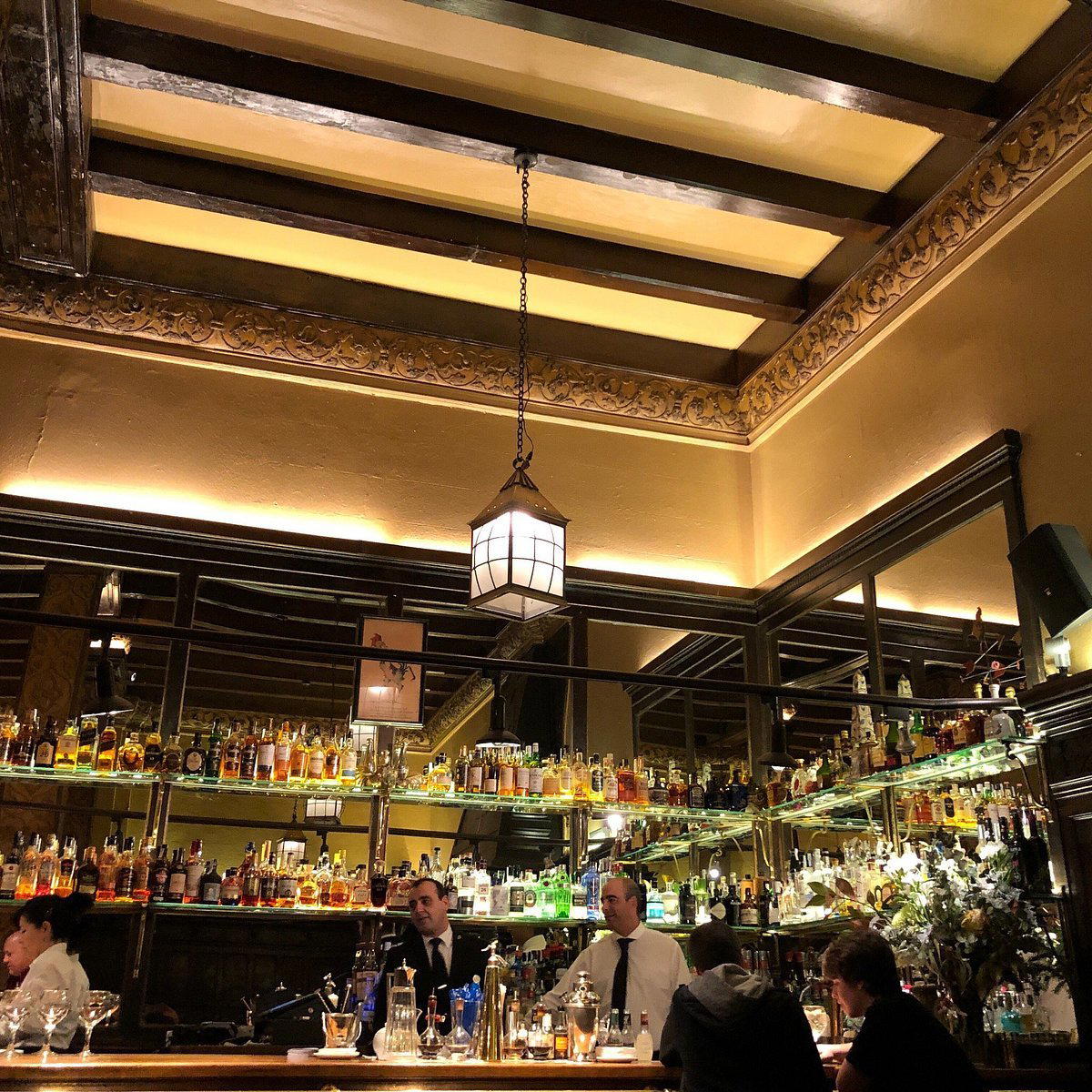
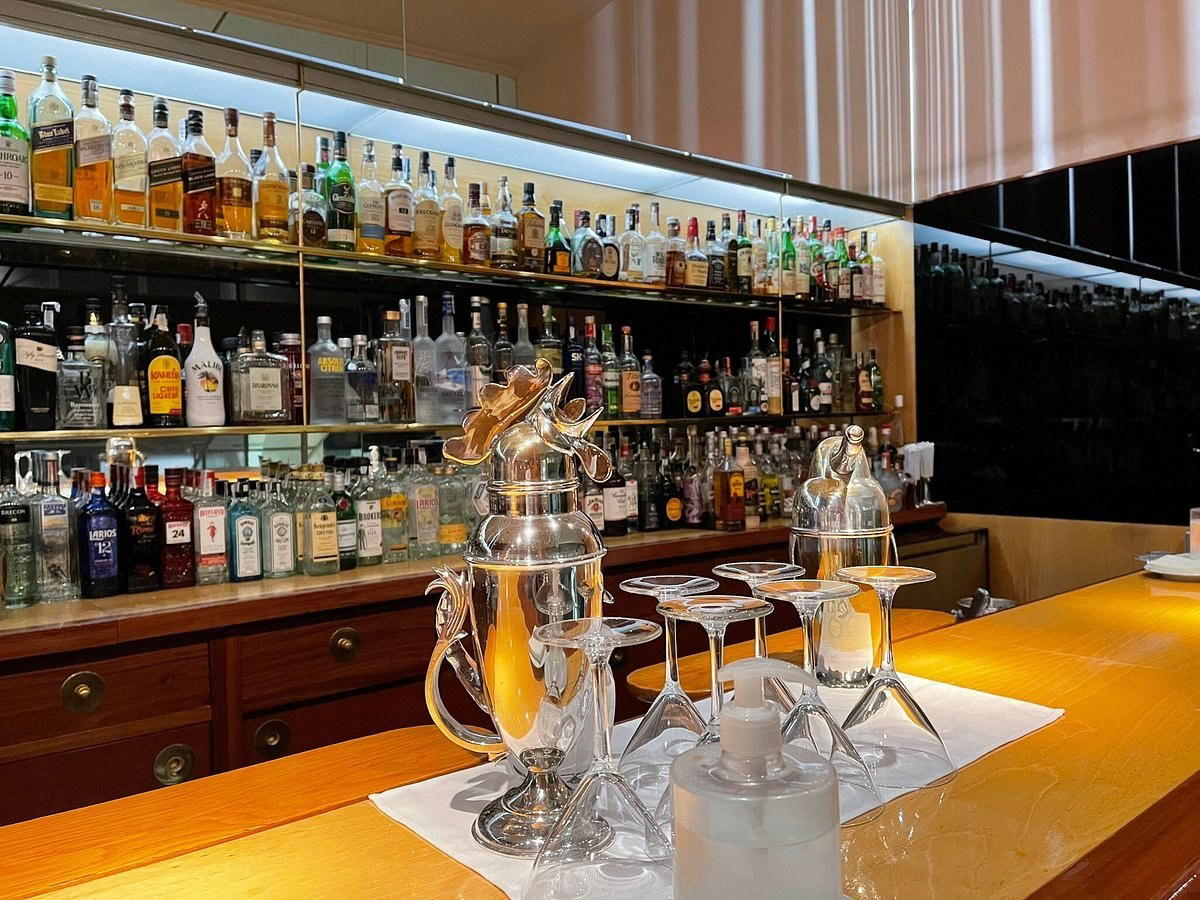
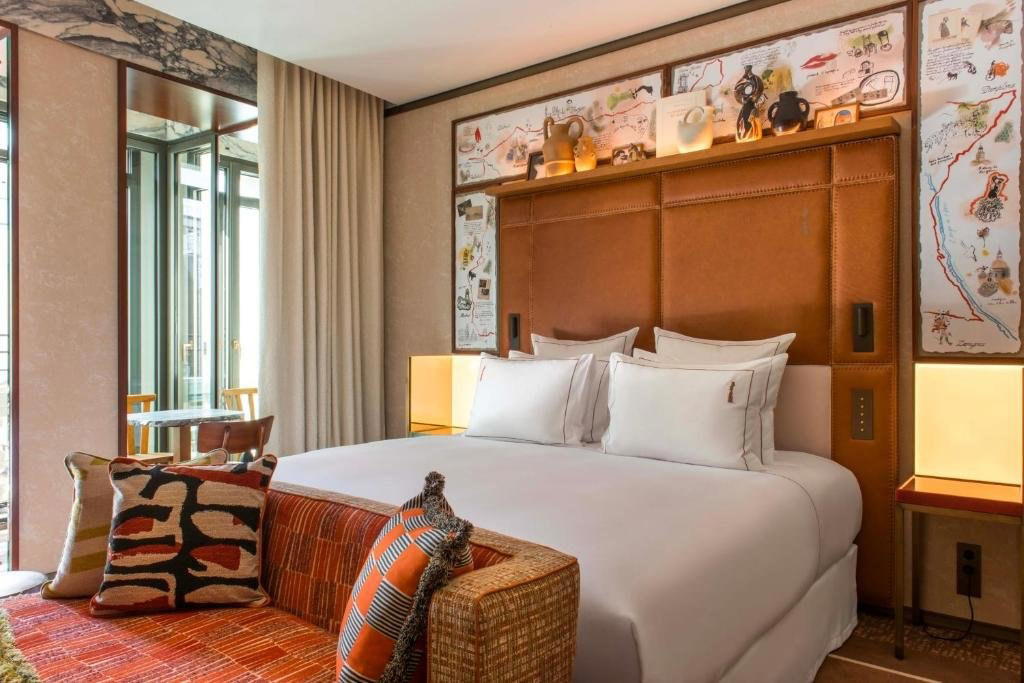
Low-lit, minimalist modern decor with dim lighting creating an intimate, cozy yet trendy atmosphere.