Little Ruby's West Village
Little Ruby's West Village occupies a corner of one of Manhattan's most closely contested dining neighborhoods, where the gap between a competent neighborhood room and a genuinely considered one is narrow but felt immediately. The address on West 4th Street places it squarely in the Village's quieter residential grid, a part of the city where dining rooms tend to earn loyalty through consistency rather than spectacle.
Pearl is the En Primeur Club membership app — saves, bookings, and concierge access live there. Same editors, same standards.
- Address
- 225 W 4th St, New York, NY 10014
- Phone
- +12122422486
- Website
- rubyscafe.com
- Directions
- Get directions
 Saves & bookings on Pearl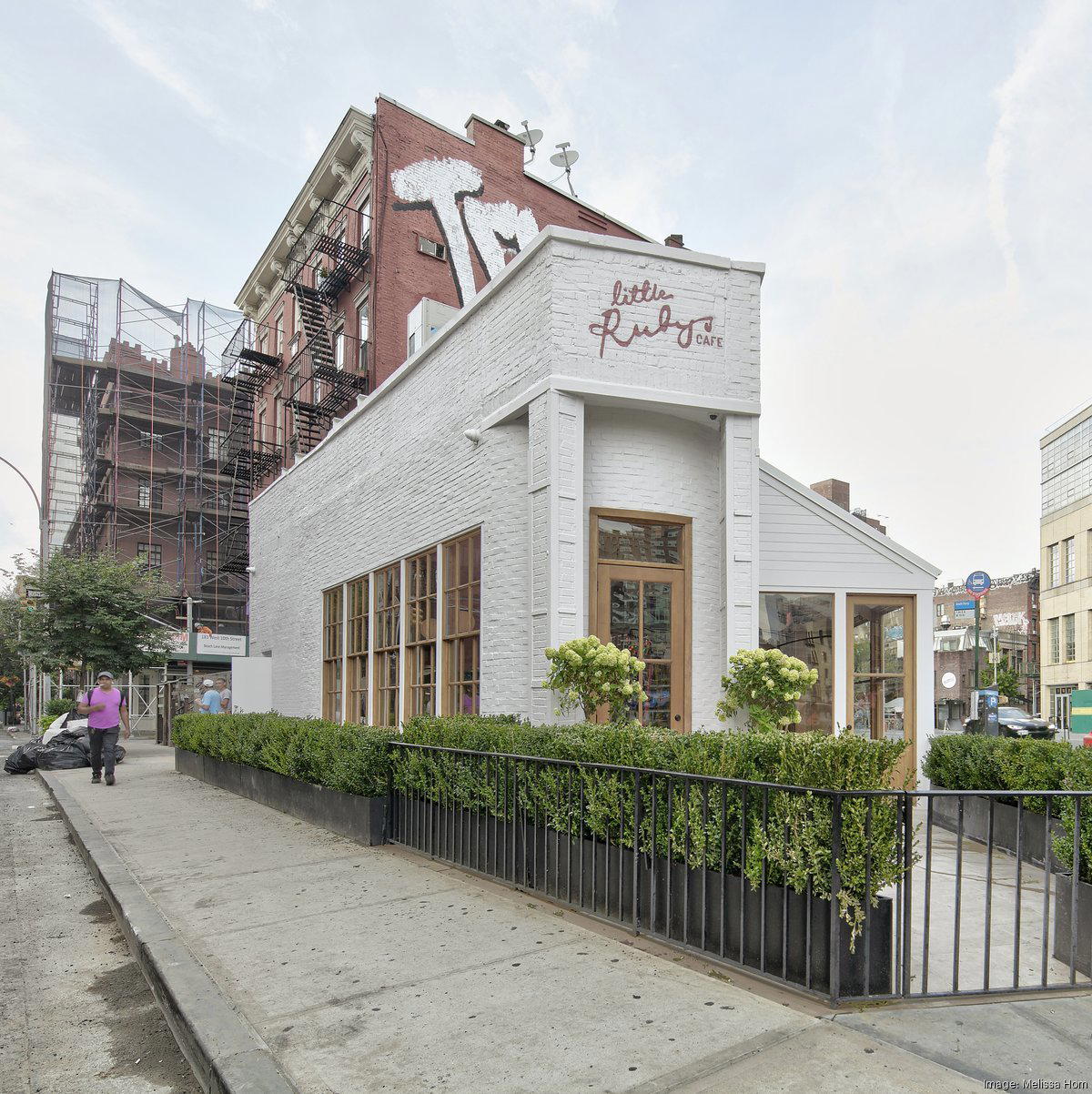
West Village, Where the Room Does the Work First
West 4th Street in the Village operates on a different register from Midtown's grand-occasion dining. The blocks between Seventh Avenue South and Bleecker are dense with small rooms that have survived multiple dining cycles, post-recession casualization, the farm-to-table wave, the natural wine pivot, and the ones that remain tend to have earned their footing through something specific rather than broad appeal. It sits inside that residential grid at 225 W 4th St, in a part of the neighborhood where foot traffic is genuinely local and the room has to carry weight before the menu even arrives.
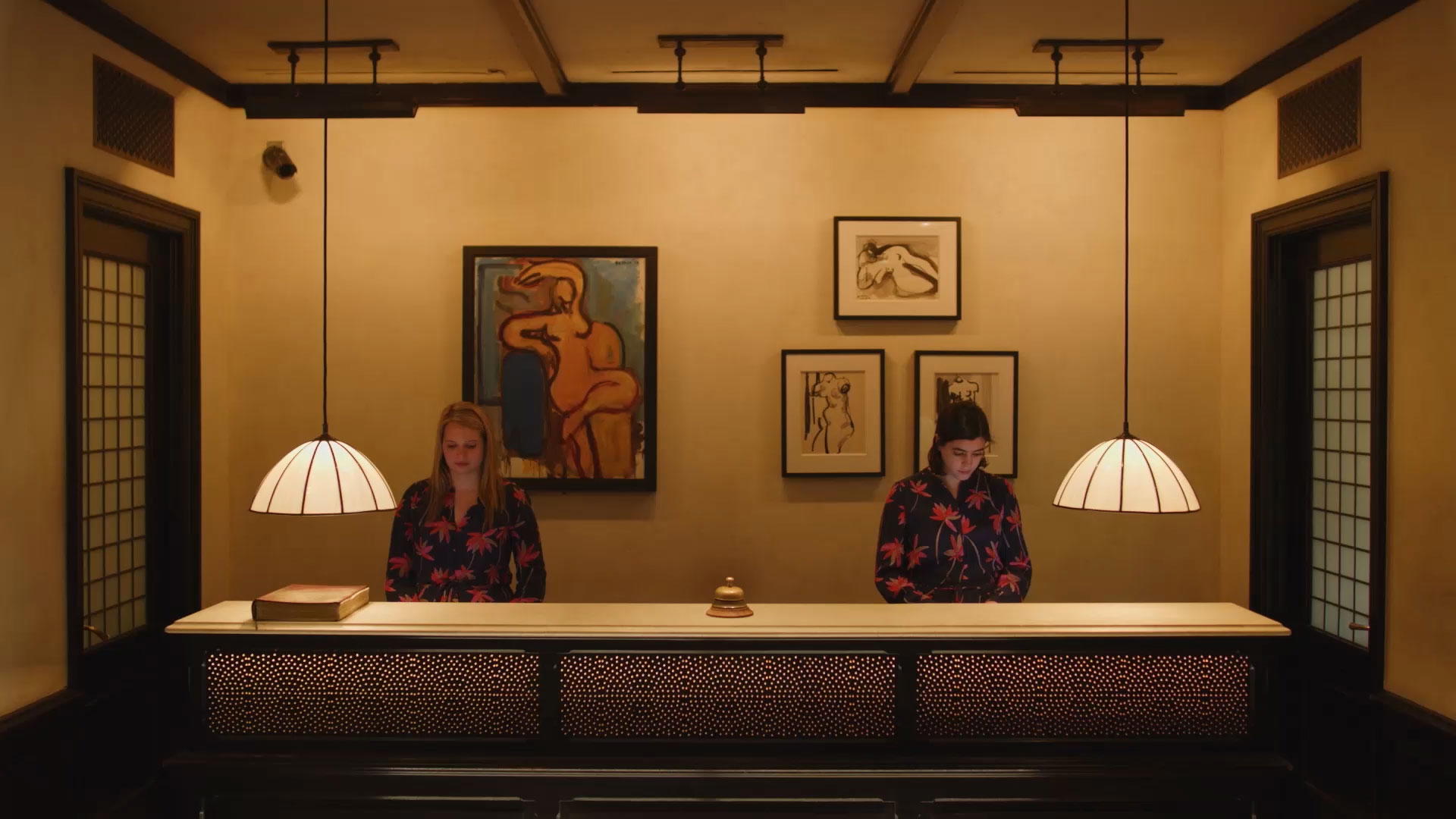
The physical environment here matters in the way it matters in all good Village dining rooms: the scale is human, the street outside is quiet enough to register, and the feeling on arrival is closer to a well-run neighborhood spot than to the theater of the Midtown dining rooms. That distinction shapes expectations usefully. This is not the context for the kind of formal ceremony that defines a meal at Per Se or the calibrated progression of Atomix. The Village has always offered something else: the sense that the cooking is the point, and the room is arranged in service of it rather than the other way around.
The Broader Frame: Local Product, Imported Method
New York's most interesting mid-tier dining has, over the past decade, settled into a productive tension between technique acquired abroad or in high-end kitchens and produce sourced as close to the city as the supply chain allows. The Greenmarket at Union Square, the Hudson Valley farms that supply places like Blue Hill at Stone Barns in Tarrytown, and the expanding network of Northeast producers have made seasonality available to kitchens that wouldn't have had reliable access fifteen years ago. The result is a category of New York restaurant where the menu changes in response to what's actually available rather than what fits a fixed culinary identity.
This approach, local ingredients as the constraint that shapes what technique gets applied, is now common enough in the Village that it functions as a baseline expectation in the better rooms rather than a distinguishing claim. The kitchens that do it well don't announce it; they simply let the supply chain show in the plate. The ones that do it less well lean on the language of provenance as a substitute for execution. The distinction between those two positions is exactly what the West Village dining public has become adept at reading, which is why the neighborhood rewards consistency over time more than any single seasonal statement.
Comparable approaches to this intersection of sourcing discipline and applied technique can be found across American fine dining, from the farm-integration model at Single Thread Farm in Healdsburg to the produce-led menus at Providence in Los Angeles and the ingredient-first philosophy underlying kitchens like Bacchanalia in Atlanta. What differs city to city is the specific seasonal calendar and the producer relationships that underpin it. In New York, the winter-to-spring transition, roughly February through April, is when this model gets tested hardest, as root-vegetable fatigue sets in and the first fragile spring produce arrives unevenly.
Where Little Ruby's Sits in the New York Spectrum
New York's dining spectrum runs from the $$$$ tier of Masa, Le Bernardin, and Jungsik New York down through a wide band of serious neighborhood rooms that operate without the infrastructure of a Michelin three-star but with kitchens that are clearly doing considered work. The West Village sits disproportionately in that middle-to-upper band, partly because of real estate pressures that force operators to price above casual and partly because the neighborhood clientele has a high threshold for mediocrity. Little Ruby's operates in this context: a room that prices against neighborhood competition rather than Midtown grand-occasion dining, in a part of the city where that positioning is genuinely competitive.
For context on how this compares to the national scene, the same guest profile that gravitates toward Little Ruby's in New York might, in other cities, choose Lazy Bear in San Francisco, Emeril's in New Orleans, or Addison in San Diego, rooms that operate below the absolute formal ceiling of their cities but above the noise of the casual tier. The comparison also holds internationally: the ethos of local-product discipline expressed through trained technique appears at venues like Alain Ducasse at Louis XV in Monte Carlo and 8½ Otto e Mezzo Bombana in Hong Kong, though the scale and formality are substantially different.
Seasonal Timing and When to Go
The West Village dining calendar has two distinct peaks. The first runs from late September through November, when the neighborhood fills with a mix of local regulars and visitors who have timed trips around the autumn season. Tables at the better rooms in this window book two to three weeks ahead. The second peak is the spring stretch from April through early June, when lighter menus return and the outdoor-adjacent rooms come back into use. Midwinter (January through mid-February) is one accessible window across the neighborhood, with shorter waits and, at kitchens that work with seasonal supply, some of the more interesting root-vegetable and preserved-goods cooking of the year.
Planning Your Visit
Little Ruby's West Village is located at 225 W 4th St, New York, NY 10014, in the West Village's quieter residential grid between Seventh Avenue South and the neighborhood's central commercial stretch. The nearest subway access is the 1 train at Christopher Street-Sheridan Square, roughly a four-minute walk. The A, C, E trains at 14th Street and the 2, 3 trains at 14th Street-7th Avenue provide alternative access within a ten-minute walk. Street parking in the immediate blocks is limited on weekday evenings; the neighborhood is leading approached on foot or by transit.
Same-City Peers
Comparable venues nearby, for context on price, style, and recognition.
| Venue | Cuisine | Price | Notes |
|---|---|---|---|
| Little Ruby's West VillageThis venue — the venue you are viewing | Australian Cafe | $$$ | Not listed |
| Allegretto al Forno | Southern Italian Neapolitan Pizza & Small Plates | $$$ | Williamsburg |
| Bar Hugo - Rooftop | Cocktail-focused American rooftop bar with upscale bar bites | $$$ | SoHo |
| Palma | Organic Italian with Housemade Pasta | $$$ | West Village |
| Amo | Neapolitan Seafood | $$$ | Greenwich Village |
| Bowery Bungalow NYC | Modern Middle Eastern & Mediterranean | $$$ | SoHo-Little Italy-Hudson Square |
Continue exploring
More in New York City
Restaurants in New York City
Browse all →
Bars in New York City
Browse all →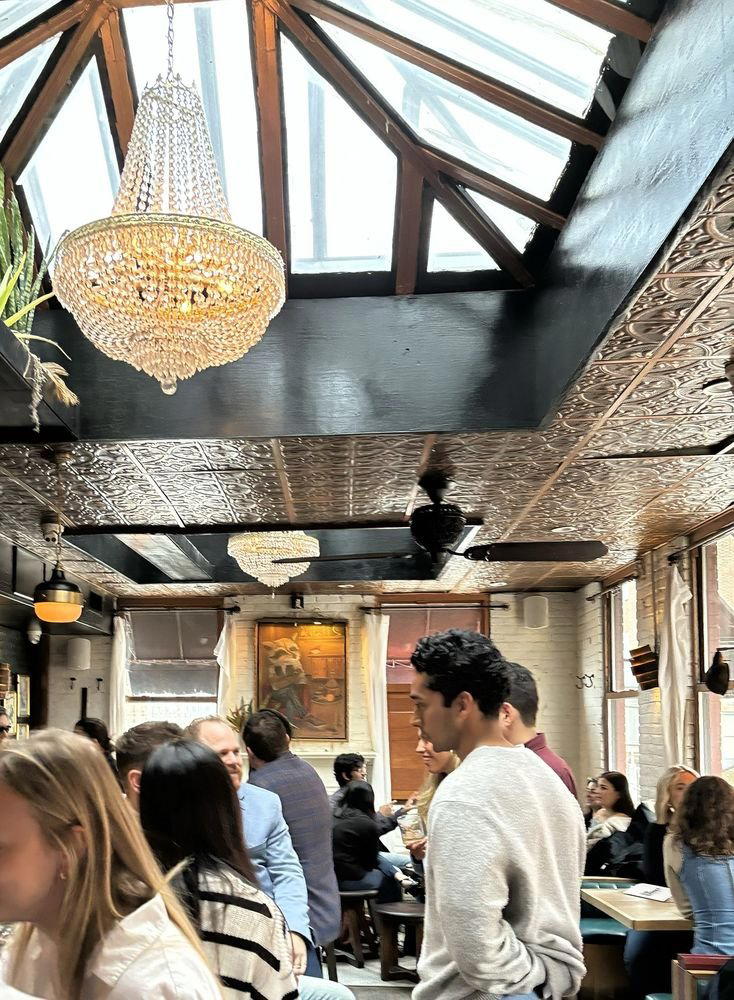
Hotels in New York City
Browse all →







At a Glance
- Trendy
- Cozy
- Modern
- Brunch
- Casual Hangout
- Terrace
- Craft Cocktails
- Local Sourcing
- Street Scene
Current opening hours
- Monday
- 9 AM–12 AM
- Tuesday
- 9 AM–12 AM
- Wednesday
- 9 AM–12 AM
- Thursday
- 9 AM–12 AM
- Friday
- 9 AM–2 AM
- Saturday
- 9 AM–2 AM
- Sunday
- 9 AM–12 AM
Hours can change for holidays and private events. Last verified .
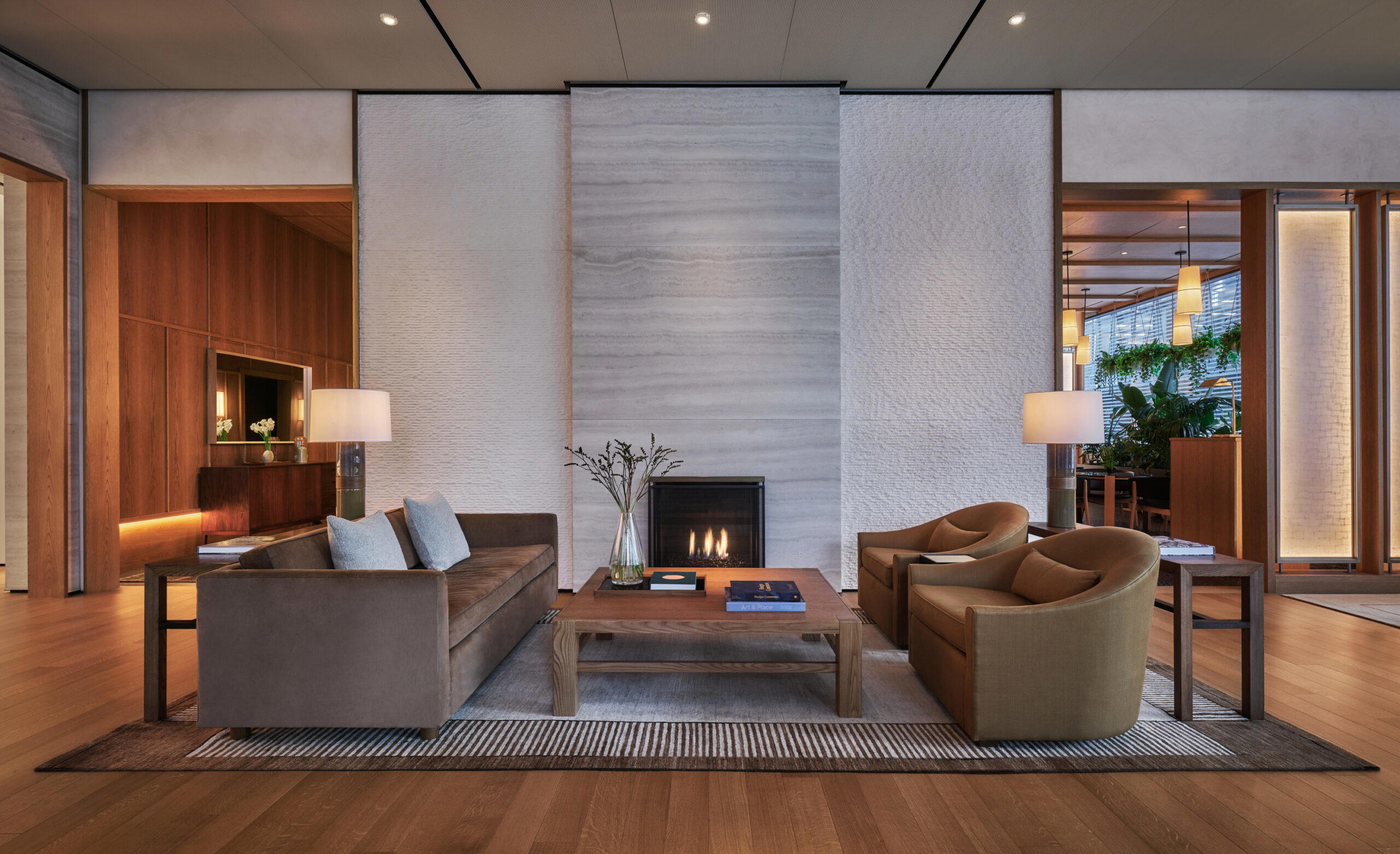
Airy multi-level space with sweeping windows and an expansive terrace absorbing neighborhood energy, described as charming with moderate noise.