Little Hanoï on Rue Pastorelli brings Vietnamese cooking into Nice's competitive mid-city dining scene, occupying a neighbourhood where French brasserie culture and Mediterranean instincts define most menus. The address sits a short walk from the old town's tourist circuit, drawing a local crowd with a focused, pared-back approach that reads as a deliberate counter-position to the Riviera's grander dining registers.
Pearl is the En Primeur Club membership app — saves, bookings, and concierge access live there. Same editors, same standards.
- Address
- 26 Rue Pastorelli, 06000 Nice, France
- Phone
- +33 4 23 35 86 53
- Website
- instagram.com
- Directions
- Get directions
 Saves & bookings on Pearl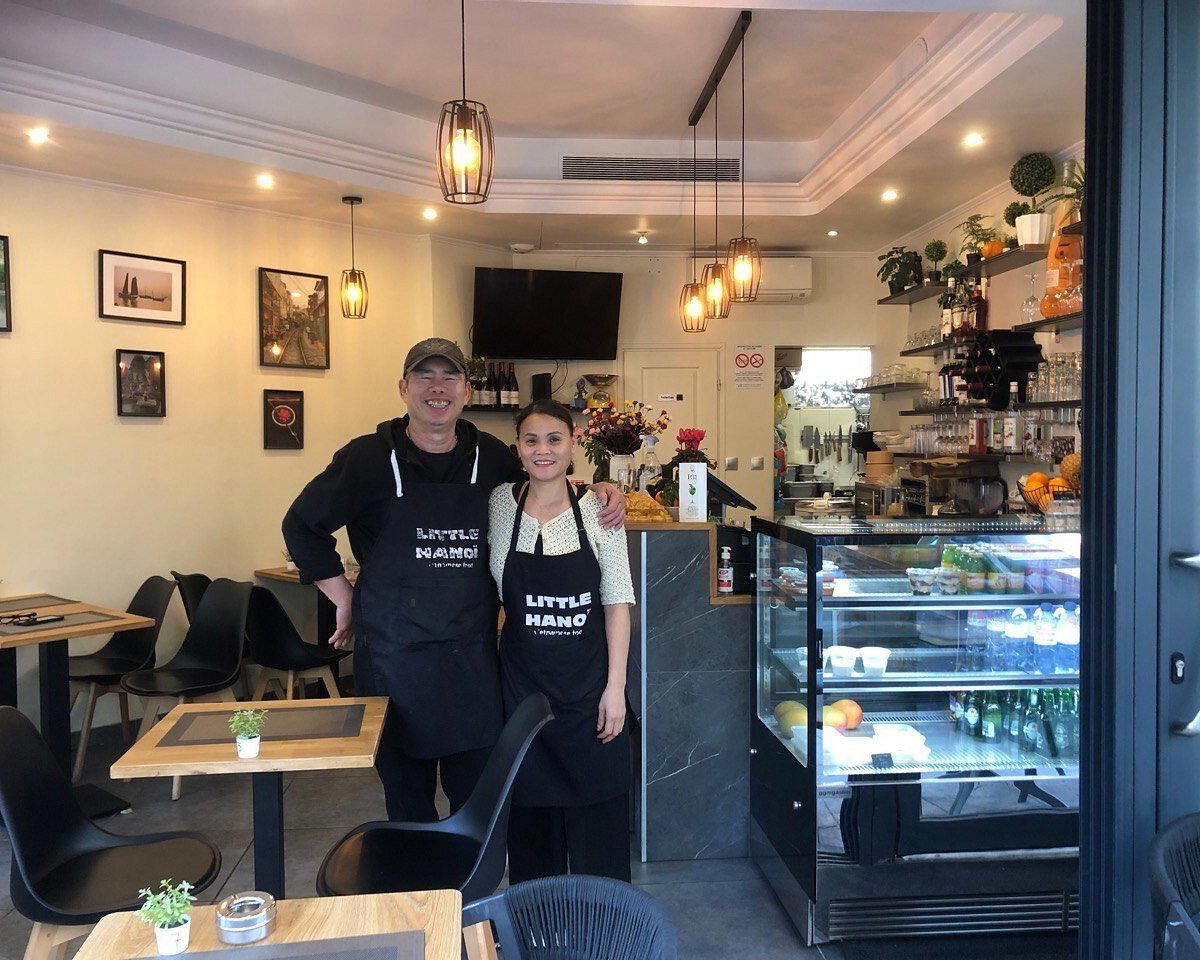
A Vietnamese Address in a Provençal City
Nice's restaurant scene has long sorted itself into recognisable tiers: the Michelin-tracked creative tables like Flaveur and L'Aromate, the neighbourhood bistrots anchored in Niçoise tradition, and a quieter middle ground where independent operators from outside the French canon have found room to work. It occupies that third tier. The street runs through a residential stretch of central Nice, away from the old town's tourist pressure and the waterfront's seasonal surges. In a city where the dominant dining identity is built on socca, daube, and olive oil, a kitchen oriented around Vietnamese technique reads as a considered departure rather than a novelty import.
Vietnamese cooking in France carries a different cultural weight than it does in most other European countries. The colonial-era connection between France and Indochina produced one of the earliest and most deeply embedded Asian restaurant cultures in Western Europe, concentrated historically in Paris but distributed now across provincial cities as well. Nice's version of that story has played out quietly, with a handful of Vietnamese addresses serving communities that arrived in successive waves from the 1950s onward. Little Hanoï situates itself in that lineage while drawing on a customer base that has broadened considerably in the past decade as interest in Southeast Asian cooking has moved from its niche position into the wider dining mainstream.
The Room and What Surrounds It
Approaching Rue Pastorelli from the direction of the train station, the street feels more workaday than scenic. There is no elaborate shopfront competing for attention. The interior logic of a room like this one, working without the scaffold of a hotel group or a celebrated chef biography, tends to rest on coherence between the service dynamic, the cooking, and the physical atmosphere. In the Vietnamese restaurant category across French cities, the rooms that sustain genuine local loyalty are rarely the decorated. They are the ones where the front-of-house rhythm signals that the kitchen and the floor are coordinated rather than merely coexisting.
The team dynamic at a restaurant of this type typically divides between those who manage the dining room's pace and those who hold the kitchen's production steady. At addresses working without the institutional support of a group, that collaboration becomes the operational core. When it works, the experience communicates as settled rather than effortful. When it doesn't, inconsistency surfaces quickly in both pacing and plate quality. Little Hanoï's position on Rue Pastorelli, in a district where repeat local custom matters more than tourist footfall, suggests a model built around exactly that settled rhythm.
How Little Hanoï Sits in Nice's Broader Dining Spread
Nice supports a range of dining registers that bear little resemblance to each other beyond geography. At the formal end, Le Chantecler represents the grand hotel dining tradition, while Les Agitateurs and ONICE signal the city's appetite for younger, less ceremony-bound cooking. Further afield along the Côte d'Azur, Mirazur in Menton sets a benchmark for the region's creative ambition that few addresses at any price point choose to compete against directly. In Paris, the institutions that define French high cooking, from Alléno Paris au Pavillon Ledoyen to Paul Bocuse, exist in a different economic and cultural register entirely.
The restaurant does not position against any of those references. Its competitive set is local and specific: other independent operations in central Nice working at a price point accessible to regulars rather than occasion diners. The Vietnamese kitchen sits alongside the Niçoise and Provençal traditions without attempting to merge with them. That separation is itself a form of editorial clarity. Addresses that try to hybridise Southeast Asian cooking with Mediterranean technique often produce menus that serve neither reference well. Staying distinct from the surrounding culinary context is the more disciplined choice, and the one that tends to build the durable neighbourhood reputation.
Across France, the restaurants that have sustained long-term standing without awards infrastructure tend to share a set of characteristics: a focused menu with limited daily movement, a room that communicates a defined identity, and a service dynamic where the front-of-house team has genuine knowledge of the kitchen's output. The grandes maisons of the French provinces, from Auberge de l'Ill to Bras or Flocons de Sel, achieved their standing through exactly that kind of operational coherence sustained over decades. The scale and context differ entirely, but the underlying discipline is the same.
Planning a Visit
The restaurant is located at 26 Rue Pastorelli, central Nice, within walking distance of the main train station and the old town. The address draws from a local rather than tourist base, which typically means the room is busiest mid-week and on weekend evenings.
Cost and Credentials
Comparable venues nearby, for context on price, style, and recognition.
| Venue | Cuisine | Price | Notes |
|---|---|---|---|
| Little HanoïThis venue — the venue you are viewing | Cœur de Nice, Authentic Vietnamese | $$ | Not listed |
| Les folies d'Edmonde | Nice Historique, Cocktail Bar | $$ | Not listed |
| Delhi Belhi | Nice Historique, Traditional Indian | $$ | Not listed |
| Lou Balico | Cœur de Nice, Authentic Niçoise | $$ | Not listed |
| Movida | Not listed | $$ | Nice Historique, Spanish Tapas and Cocktails |
| Poco Loco | Cœur de Nice, Mexican | $$ | Not listed |
Continue exploring
More in Nice
Restaurants in Nice
Browse all →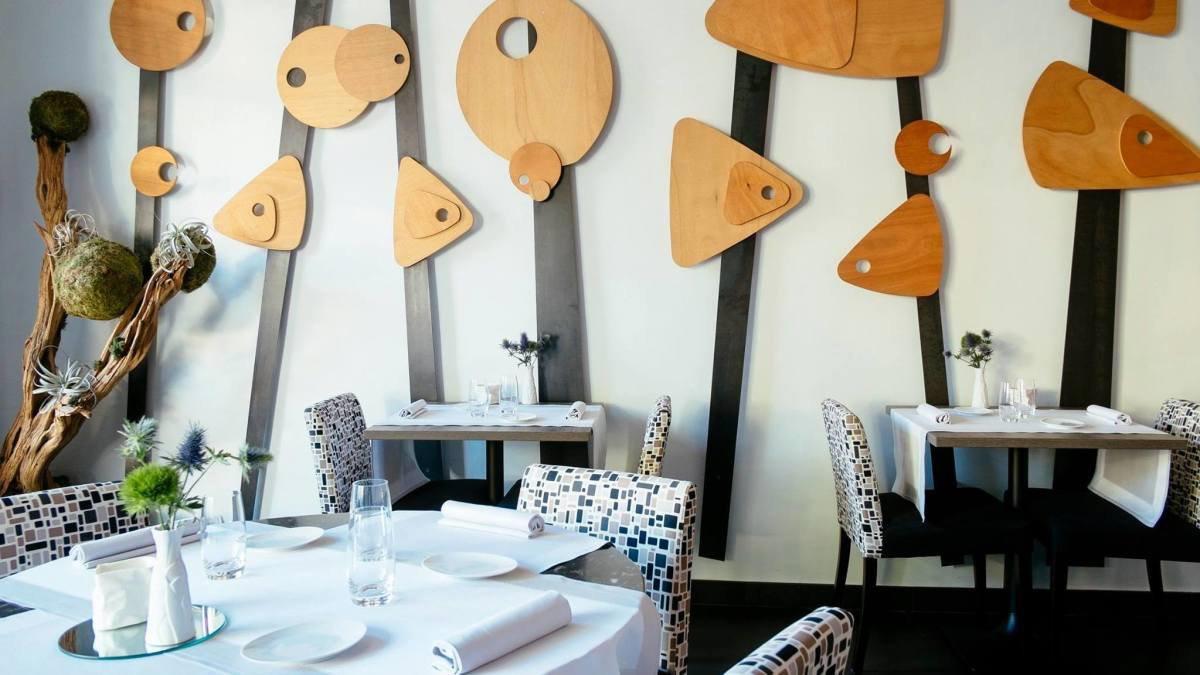
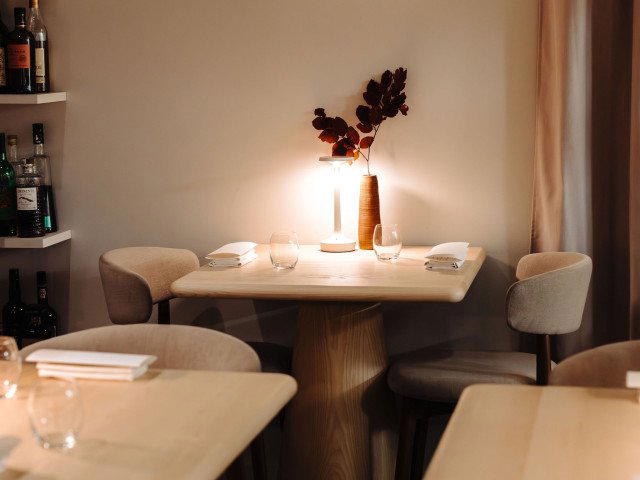
Bars in Nice
Browse all →
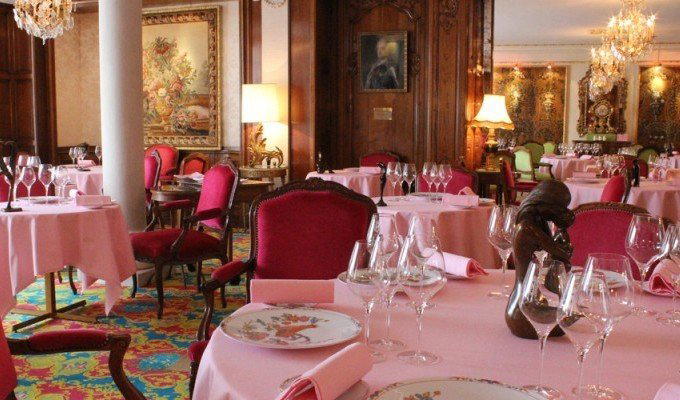
Hotels in Nice
Browse all →

At a Glance
- Cozy
- Casual Hangout
Current opening hours
- Monday
- 11 AM–3 PM, 6–9 PM
- Tuesday
- 11 AM–3 PM, 6–9 PM
- Wednesday
- 11 AM–3 PM, 6–9 PM
- Thursday
- 11 AM–3 PM, 6–9 PM
- Friday
- 11 AM–3 PM, 6–9 PM
- Saturday
- 11 AM–3 PM, 6–9 PM
- Sunday
- 11 AM–3 PM, 6–8 PM
Hours can change for holidays and private events. Last verified .
Cozy atmosphere with a welcoming vibe.