A Street in the Old Town That Sets the Pace Rue Benoît Bunico runs through the Vieux-Nice quarter, a part of the city where the grid tightens, the buildings rise in washed ochres and terracottas, and the rhythm of a meal feels determined by the...
Pearl is the En Primeur Club membership app — saves, bookings, and concierge access live there. Same editors, same standards.
- Address
- 16 Rue Benoît Bunico, 06300 Nice, France
- Website
- lesfoliesdedmonde.com
- Directions
- Get directions
 Saves & bookings on Pearl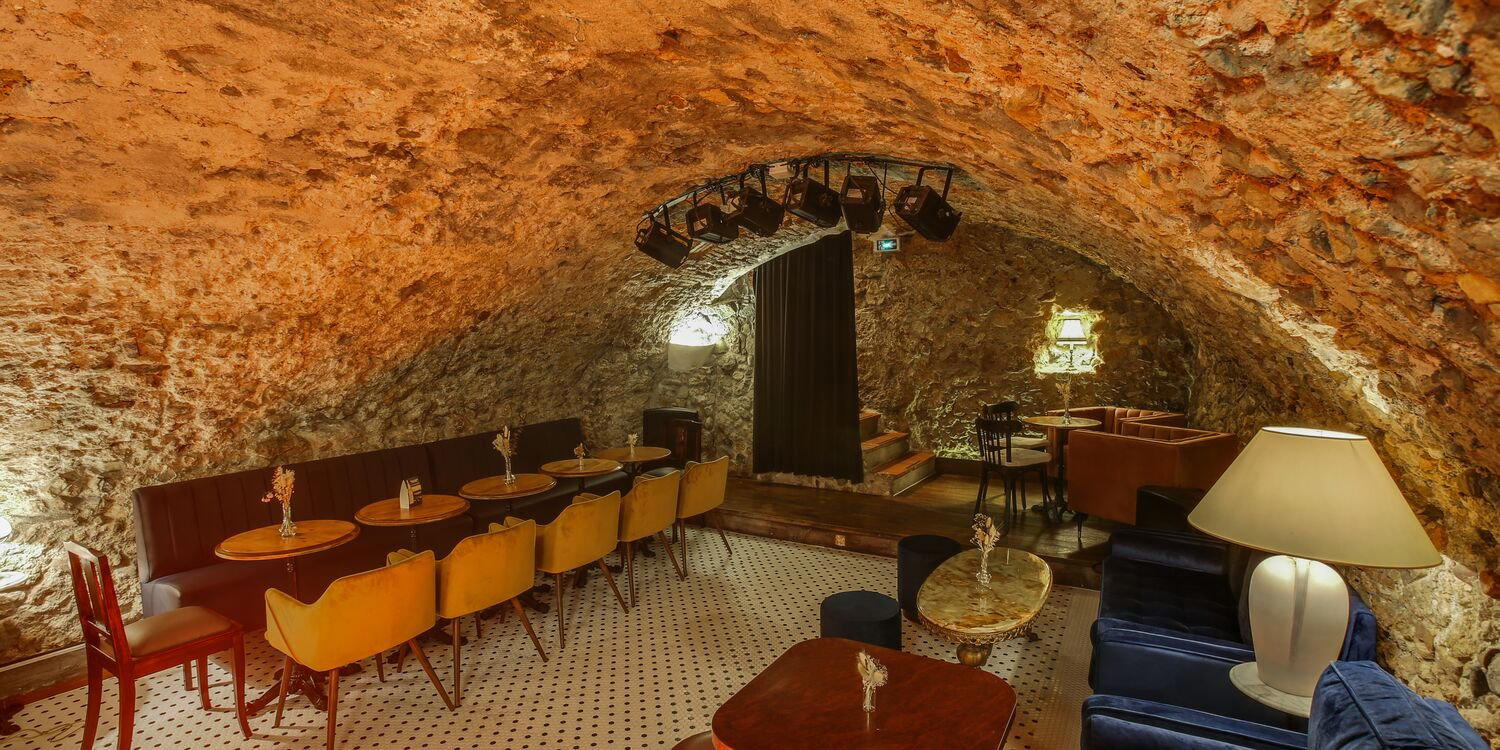
A Street in the Old Town That Sets the Pace
Rue Benoît Bunico runs through the Vieux-Nice quarter, a part of the city where the grid tightens, the buildings rise in washed ochres and terracottas, and the rhythm of a meal feels determined by the street rather than the clock. This is the address of Les Folies d'Edmonde, a restaurant that sits within one of Nice's most characterful dining corridors, a neighbourhood where the local tradition of sitting long over food is not an affectation but an architectural fact. The lanes here discourage rushing. That context matters before you even step inside.
Nice occupies a specific position in the French dining conversation. It is neither Paris nor Provence, and its cooking has always asserted that distinction: the socca, the pissaladière, the stockfish preparations, the olive oil that arrives before the butter. The city's restaurants divide broadly between those that serve Niçoise tradition with confidence and those that look outward toward the modern French registers practised at places like Flaveur and L'Aromate, both firmly in the contemporary creative tier. Les Folies d'Edmonde occupies the older quarter, which tends to anchor a restaurant, whether it chooses to or not, in a more rooted culinary conversation.
The Ritual of the Meal in Vieux-Nice
In restaurants of this neighbourhood type, the dining ritual is shaped less by a tasting menu's internal logic and more by the customs of the table: an unhurried sequence of courses, bread replenished without being asked, a wine poured at conversation pace rather than service pace. The format across comparable addresses in the old town prioritises the comfort of duration. A lunch that extends across two hours is not unusual; it is the expected mode. For visitors arriving from faster-format dining cultures, this pacing requires a recalibration that most find, by the second course, entirely welcome.
The neighbourhood's dining culture is a useful lens for understanding where Les Folies d'Edmonde sits relative to Nice's broader scene. The creative fine-dining tier, represented by Les Agitateurs and ONICE, operates on tighter, more structured service rhythms and more explicit tasting formats. The old-town addresses tend toward a different contract with the diner: less theatrical presentation, more direct relationship between kitchen and table, and a menu language that leans on the region's larder without needing to announce it as a concept.
Nice in the Larger French Context
It is worth placing Nice's dining scene against the French provinces more broadly. The Côte d'Azur carries prestige by geography, but its Michelin density has historically concentrated just east of the city, most conspicuously at Mirazur in Menton, which sits in a different category entirely. Further along the coast and inland, the standard of serious cooking in smaller formats has risen steadily. Within Nice itself, restaurants that have built reputations without heavy institutional recognition often do so by serving a local clientele that cares less about rankings and more about consistency across seasons.
The contrast with France's most decorated tables is instructive. Houses like Troisgros in Ouches, Auberge de l'Ill in Illhaeusern, and Bras in Laguiole built their identities around deep regional rootedness and decades of family continuity. That same logic, staying close to a place, expressing it clearly, is what tends to animate the better small restaurants of the old town. In Nice's Vieux quarter, particularly durable addresses are not those chasing lateral movement across styles, but those that understand what their street and their market actually are.
The Southern French Table: What the Region Asks of a Kitchen
The cuisine of the Alpes-Maritimes département makes specific demands. The market at the Cours Saleya, a short walk through the old town, sets what is available and what is expected: courgette flowers, anchovies from the coast, black olives from the hinterland, herbs that arrive with more intensity than their northern counterparts. A kitchen working in this postcode that does not respond to those inputs tends to feel misplaced. The restaurants that have lasted in Vieux-Nice generally do respond, not because it is a concept but because the supply chain makes it the practical choice.
This positions Nice's old-town dining in an interesting comparison with the Mediterranean-inflected fine dining emerging further along the coast. AM par Alexandre Mazzia in Marseille represents one direction that southern French cooking has moved, technically dense, internationally referential, operating in a three-star register. The old-town addresses in Nice are, by and large, doing something different: asserting the sufficiency of the local rather than its transformation. Neither approach is inherently superior; they are answering different questions about what cooking in the south of France can mean.
Planning a Visit: What to Know Before You Go
The restaurant is located at 16 Rue Benoît Bunico in the Vieux-Nice quarter, reachable on foot from the Cours Saleya market in a few minutes and accessible by tram from the city centre. The old town's streets are pedestrianised across much of the core, which means arrival is leading planned without a car.
Flocons de Sel in Megève is a logical alpine extension for those with time. Those arriving or departing via Paris might consider Alléno Paris au Pavillon Ledoyen or, for a contrasting institutional reference, Paul Bocuse in Collonges-au-Mont-d'Or. And for a further institutional French reference outside the main luxury axes, Assiette Champenoise in Reims and Au Crocodile in Strasbourg each illustrate how French regional cooking carries weight outside the Parisian or Riviera centres. Le Chantecler remains Nice's most formally recognised address and sits in a different tier from the old-town neighbourhood restaurants.
Cuisine and Awards Snapshot
Comparable venues nearby, for context on price, style, and recognition.
| Venue | Cuisine | Price | Notes |
|---|---|---|---|
| Les folies d'EdmondeThis venue — the venue you are viewing | Cocktail Bar | $$ | Not listed |
| l'Antidote | Modern French with International Influences | $$ | Cœur de Nice |
| L'Escalinada | Traditional Niçoise Cuisine | $$ | Nice Historique |
| Le clin d'œil | Niçois Bistronomie | $$ | Cœur de Nice |
| Chez Palmyre | Authentic Niçoise Bistro | $$ | Nice Historique |
| Trafalbar Nice | Caribbean Rhumerie & Cocktail Bar | $$ | Nice Historique |
Continue exploring
More in Nice
Restaurants in Nice
Browse all →
Bars in Nice
Browse all →
Hotels in Nice
Browse all →

At a Glance
- Lively
- Cozy
- Historic
- After Work
- Group Dining
- Celebration
- Casual Hangout
- Private Event
- Live Music
- Historic Building
- Standalone
- Craft Cocktails
- Zero Proof
- Beer Program
Current opening hours
- Monday
- 6 PM–12:30 AM
- Tuesday
- 6 PM–12:30 AM
- Wednesday
- 6 PM–12:30 AM
- Thursday
- 6 PM–12:30 AM
- Friday
- 6 PM–12:30 AM
- Saturday
- 6 PM–12:30 AM
- Sunday
- 6 PM–12:30 AM
Hours can change for holidays and private events. Last verified .
Welcoming and festive, with medieval stone walls and a vaulted cellar setting that creates a cozy historic backdrop for lively evening entertainment.