
Li.nu holds a 2025 Michelin Plate recognition and sits among Kaohsiung's small tier of creative fine dining addresses in Cianjhen District. The kitchen operates in a city where ambitious contemporary cuisine has steadily built a comparable set against Taipei. For visitors planning around Taiwan's southern dining circuit, it belongs in the same conversation as the city's other four-symbol addresses.
Pearl is the En Primeur Club membership app — saves, bookings, and concierge access live there. Same editors, same standards.
- Address
- No. 802號, Zhonghua 5th Rd, Cianjhen District, Kaohsiung City, Taiwan 806
- Phone
- +886 7 334 7810
- Website
- linu.tw
- Directions
- Get directions
 Saves & bookings on Pearl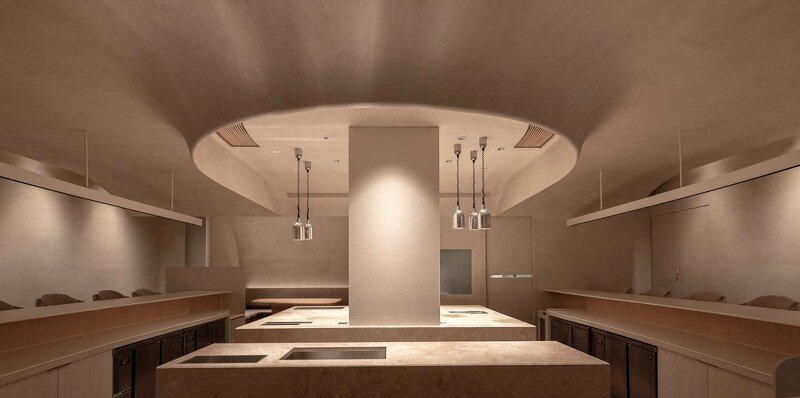
Where Kaohsiung's Creative Fine Dining Scene Has Arrived
Cianjhen District is not the neighbourhood most visitors picture when they think of Kaohsiung dining. The central waterfront and Xinxing's older restaurant corridors tend to draw the first pass of attention. Yet the city's creative fine dining tier has never followed the obvious geography, and Li.nu, sitting along Zhonghua 5th Road, is part of that dispersal pattern: a Michelin Plate-recognised kitchen in a district that reads more industrial than gastronomic. That tension between setting and ambition is, in many ways, characteristic of how Kaohsiung has built its fine dining credentials over the past decade, quietly and without the infrastructure narrative that Taipei has always enjoyed.
The Michelin Plate designation, awarded in the 2025 guide, marks Li.nu as a kitchen that cooks with intention. Across Taiwan's southern circuit, the Plate is a meaningful signal: it places a restaurant inside the formal Michelin conversation without the reservation scarcity and pricing pressure that comes with star status. For travellers calibrating a multi-night itinerary, that positioning matters. Li.nu is not the hardest table in the city to book, but it is the kind of address that rewards planning.
The Lunch and Dinner Split at This Price Point
At the $$$$ price level in Kaohsiung, the gap between lunch and dinner service often defines a restaurant's practical value more than its menu does. Taiwan's creative fine dining kitchens, following patterns set earlier in Taipei by places like logy and, further afield in Taichung, by JL Studio, have broadly adopted a tiered-format approach where the lunch sitting offers a compressed version of the kitchen's vocabulary at a lower spend. Dinner, by contrast, is where the full sequence runs: more courses, longer pacing, a more deliberate beverage arc.
At Li.nu specifically, the creative cuisine classification suggests a kitchen that uses lunch as a focused edit rather than a budget alternative. The distinction is less about what gets cut and more about what gets concentrated. A two-hour midday sitting can deliver the kitchen's clearest statement precisely because the constraints force economy of expression. Evening service, with its longer timeline and presumably fuller room, allows the kitchen to build narrative across more stages, which is why, at the four-symbol price point, dinner here is likely the more complete experience but lunch remains the more accessible entry point for those working through several Kaohsiung addresses in a short stay.
That calculus matters particularly for visitors doing a southern Taiwan circuit. Tainan, an hour north by HSR, runs a different dining culture, one built more around precision Taiwanese craft, as at A Cun Beef Soup on Baoan Road, than around European-influenced creativity. Kaohsiung holds the creative fine dining anchor for the south, and Li.nu occupies part of that structural role.
Li.nu in Kaohsiung's Four-Symbol comparable set
The city's leading price tier is small enough that each address within it occupies a distinct lane. Sho operates on Japanese precision; GEN runs Cantonese at the high end; J Parc holds the French contemporary position. Li.nu's creative classification puts it in the category that is least defined by a single culinary tradition, and that flexibility is both an opportunity and a test. Creative cuisine at this price tier works when the kitchen has a point of view that carries across a full menu sequence. When it doesn't, the lack of a national cuisine framework can leave the food feeling unmoored. Li.nu's 4.8 rating across 67 Google reviews, alongside its 2025 Michelin Plate, suggests the kitchen has resolved that question with consistency.
For comparison within the city's slightly lower price tier, Haili handles modern cuisine at the $$$ level, a useful reference point if budget flexibility is part of the planning equation. And for a contrast in both cuisine type and price register, A Fung's Harmony Cuisine represents the Taiwanese end of the city's dining range.
What the Creative Classification Means in Practice
Internationally, creative fine dining has been shaped by a range of approaches: the product-driven restraint of Scandinavian-influenced kitchens, the technique-forward model seen at Alléno Paris au Pavillon Ledoyen, the regional-ingredient precision of Enrico Bartolini in Milan, and the ingredient-narrative approach at JAN in Munich. In Taiwan's southern context, creative cuisine tends to draw on the island's agricultural depth, tropical produce, indigenous ingredients from the mountain interior, while engaging with European technique at the structural level.
That positioning is distinct from what kitchens in the mountains pursue. Akame in Wutai Township and approaches like those seen at Volando Urai Spring Spa and Resort in Wulai are rooted in indigenous ingredient access that a city kitchen cannot replicate. Li.nu's position in Kaohsiung means the creative work happens through sourcing relationships and technique rather than proximity to origin, a different kind of craft, but one that has its own rigour at the Michelin Plate level.
Planning Your Visit
Li.nu is located at No. 802號, Zhonghua 5th Rd, Cianjhen District, Kaohsiung City, Taiwan 806. At the $$$$ price level, the address sits in the bracket where advance reservation is advisable regardless of season; however, the window around Lunar New Year and the October Golden Week period tightens availability across all of Kaohsiung's leading tables simultaneously, so those planning visits in either window should factor in earlier booking lead times. The Cianjhen location is accessible by Kaohsiung's MRT network, which makes transport logistics direct from the central districts or from the HSR's Zuoying station.
For those building a broader Kaohsiung itinerary, EP Club's full guides cover the city's restaurants, hotels, bars, wineries, and experiences across the city's varied districts.
City Peers
Comparable venues nearby, for context on price, style, and recognition.
| Venue | Cuisine | Price | Notes |
|---|---|---|---|
| Li.nuThis venue — the venue you are viewing | Modern Creative Cuisine | $$$$ | Not listed |
| Nibbon | Japanese-inspired Fine Dining with French-Italian Techniques | $$$$ | Gushan District |
| Papillon | Modern French Neo Bistro | $$$$ | Qianzhen Dist. |
| Capstone Steakhouse | Premium Dry-Aged Steakhouse | $$$$ | Gushan |
| Marc L³ | Modern French with Taiwanese Influences | $$$$ | Qianjin District |
| Majesty | Modern French Molecular Fine Dining | $$$$ | Gushan District |
Recognition history
Dated appearances from independent guides and award organizations, with the underlying list record or original source where available.
Michelin Plate
Michelin
Michelin Plate
Michelin
Continue exploring
More in Kaohsiung
Restaurants in Kaohsiung
Browse all →
Bars in Kaohsiung
Browse all →
At a Glance
- Elegant
- Quiet
- Modern
- Intimate
- Minimalist
- Sophisticated
- Date Night
- Special Occasion
- Open Kitchen
- Sake Program
- Local Sourcing
Current opening hours
- Monday
- Closed
- Tuesday
- 12–3:30 PM, 6–10 PM
- Wednesday
- 12–3:30 PM, 6–10 PM
- Thursday
- 12–3:30 PM, 6–10 PM
- Friday
- 12–3:30 PM, 6–10 PM
- Saturday
- 12–3:30 PM, 6–10 PM
- Sunday
- Closed
Hours can change for holidays and private events. Last verified .
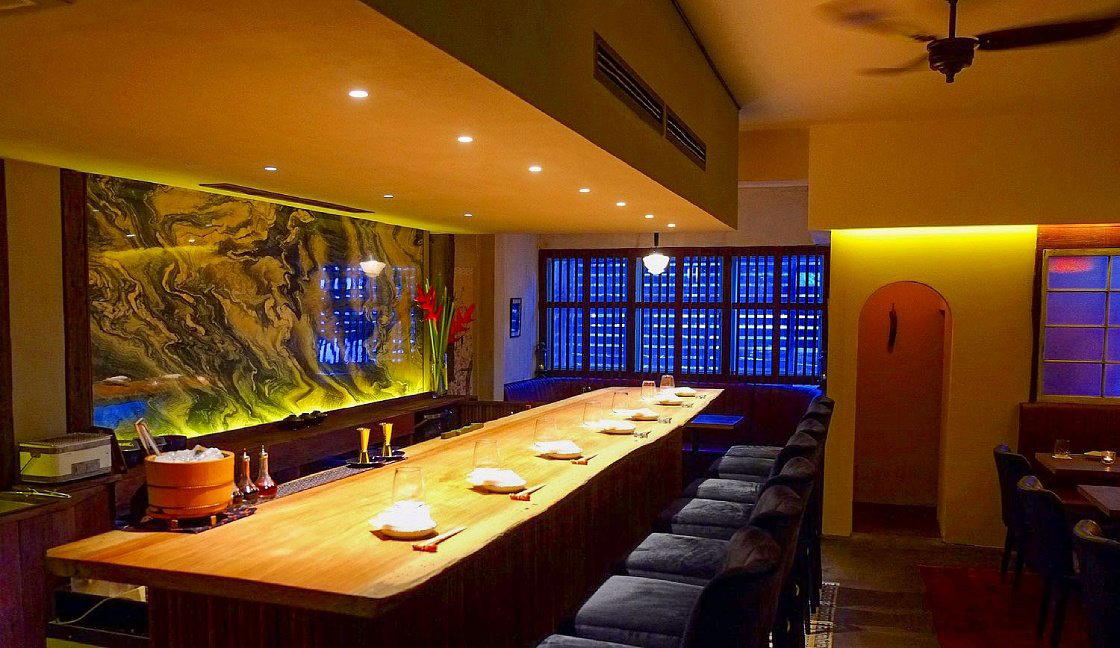
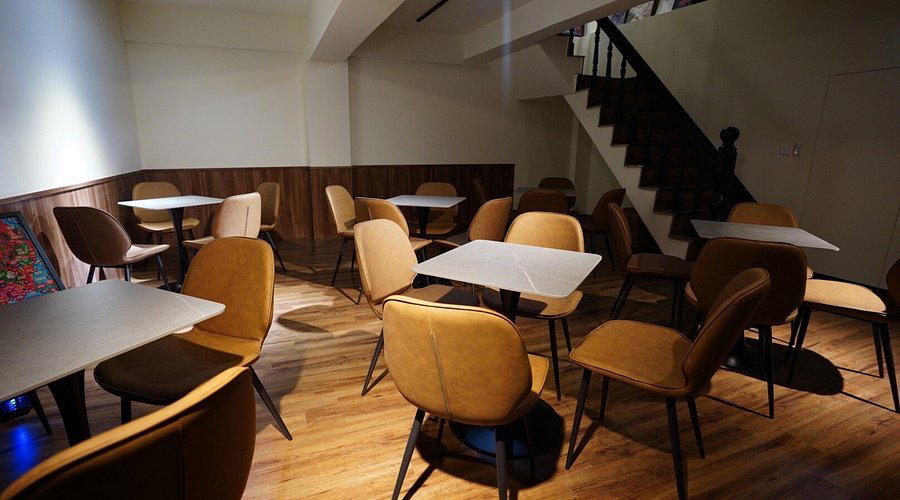
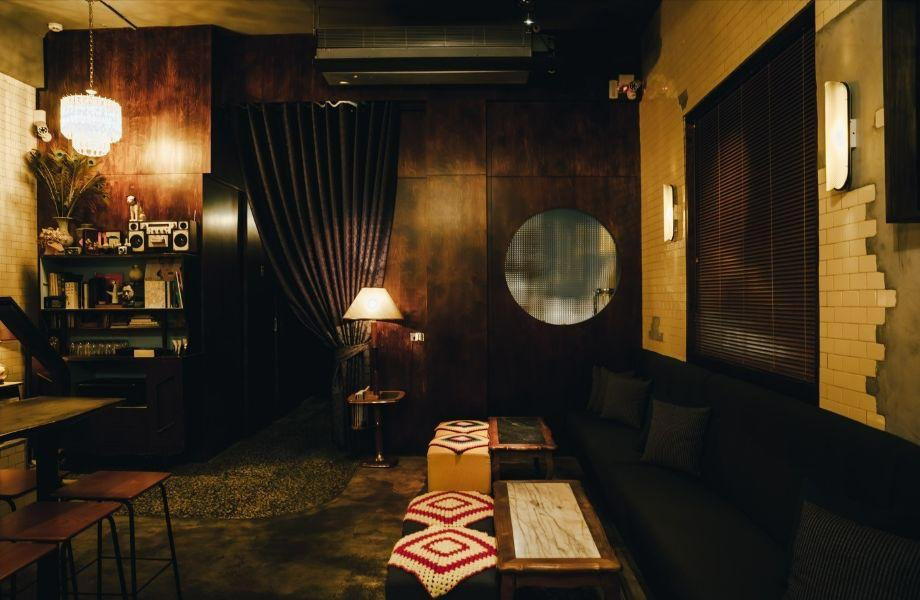
Clean lines, softened light, and tactile natural materials create an atmosphere of contemplative calm—a sanctuary where conversation drops to a murmur and every detail feels intentional.