On Rue Beaubourg in the 3rd arrondissement, L'Inaperçu occupies a stretch of Paris where the Marais transitions from contemporary art institutions to quieter residential blocks. The address places it at a remove from the grand-boulevard dining circuit, the kind of positioning that, in Paris, often signals intention rather than oversight. Expect a room that reads as considered rather than conspicuous.
Pearl is the En Primeur Club membership app — saves, bookings, and concierge access live there. Same editors, same standards.
- Address
- 65 Rue Beaubourg, 75003 Paris, France
- Phone
- +33142726981
- Website
- linapercu.com
- Directions
- Get directions
 Saves & bookings on Pearl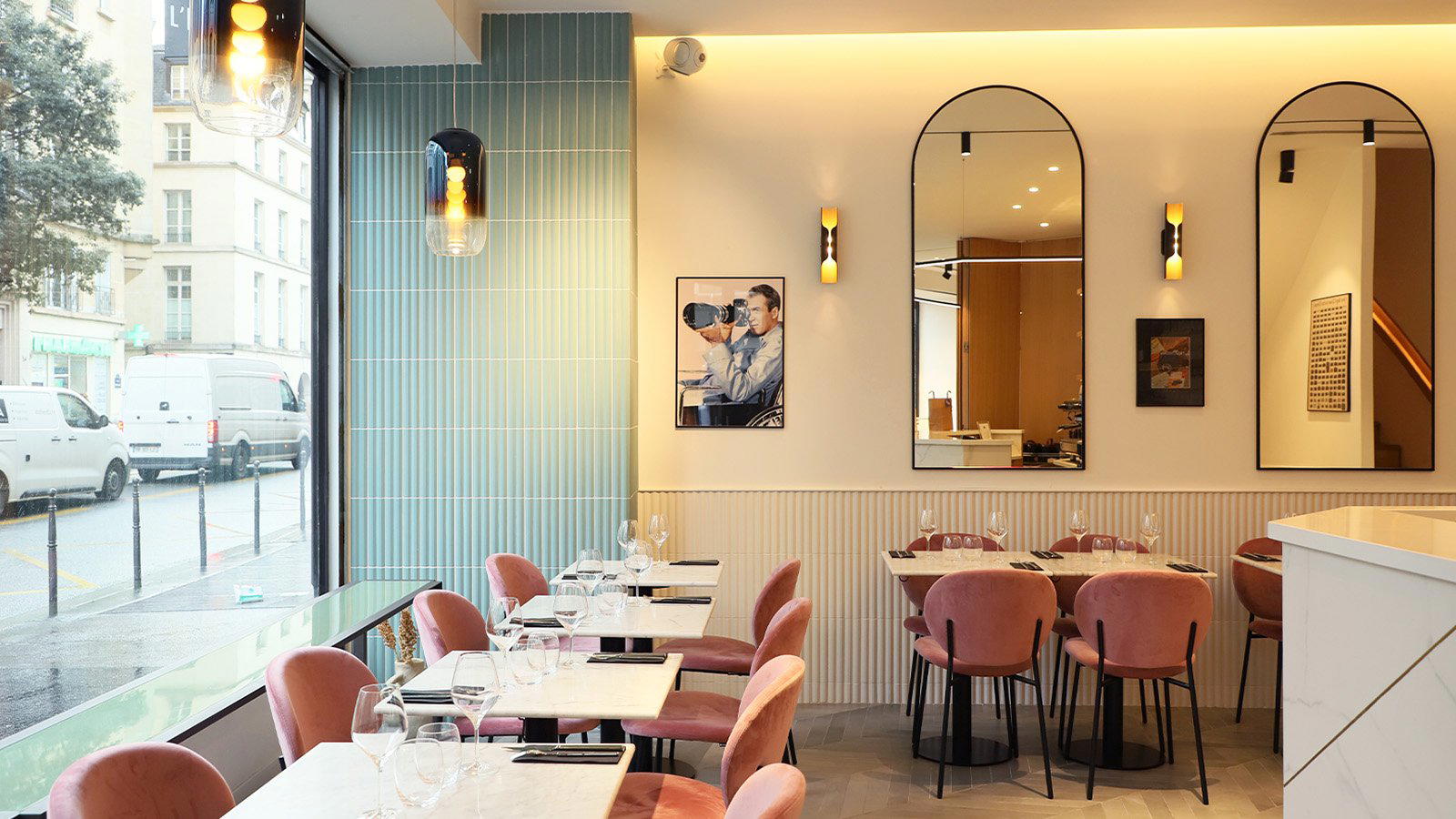
A Corner of the Marais That Doesn't Announce Itself
Rue Beaubourg runs roughly parallel to the Centre Pompidou, among the more-visited cultural sites in Europe, yet the street itself carries a different register: narrower, less trafficked, given over to the kind of addresses that reward people who already know where they're going. In the 3rd arrondissement, this is less accident than grammar. The neighbourhood has long operated as a counterpoint to the more performative parts of central Paris, the Marais proper to the south, the grands boulevards to the north, and the dining that has taken root here tends to reflect that positioning. Smaller rooms, less signage, a presumption that the guest has done the work of finding the place.
L'Inaperçu, at number 65, fits that pattern. The name translates approximately to 'unnoticed' or 'overlooked,' which in the context of a city where restaurant positioning is rarely accidental reads as a deliberate statement about register. Paris has produced a generation of addresses that operate beneath the Michelin-starred, grand-salle tier without being casual, places that occupy a middle ground where seriousness of purpose is expressed through restraint rather than ceremony. L'Inaperçu appears to belong to that cohort.
The Cultural Weight of French Dining in the Marais
To understand what an address on this stretch of the 3rd arrondissement means, it helps to situate it within French dining culture more broadly. The prestige end of Parisian gastronomy, places like L'Ambroisie in the Place des Vosges or Le Cinq at the Four Seasons George V, operates at a scale and price point defined by rooms that function as destinations in themselves. The contemporary creative tier, represented by addresses like Alléno Paris au Pavillon Ledoyen and Arpège, carries significant critical infrastructure: multiple Michelin stars, international press, extended booking windows. Below and beside both of those tiers sits something harder to categorise: restaurants that take French culinary tradition seriously but whose context is a neighbourhood rather than a circuit.
The Marais is not historically a fine-dining quarter in the way the 8th arrondissement is. Its culinary reputation has built more organically, through the density of the Jewish quarter's historic delicatessens and bakeries on Rue des Rosiers, through the waves of independent restaurants that followed the neighbourhood's gentrification from the 1980s onward, and more recently through a range of chef-driven addresses that use the 3rd and 4th as a base precisely because the rent structure and the clientele differ from more tourist-dense zones. An address on Rue Beaubourg, steps from the Pompidou, exists in interesting tension with all of that history.
Across France, the tradition of the understated address that outperforms its visibility is well-established. Auberge du Vieux Puits in Fontjoncouse built a three-Michelin-star reputation in a village that requires active effort to locate. Bras in Laguiole operates on the Aubrac plateau, far from any metropolitan dining circuit. The logic in those cases is that the food has to be the reason to come, since almost nothing else about the location provides easy justification. In a dense urban context, the same principle applies differently: the restaurant that sits on a quieter stretch rather than a destination street is making a comparable argument, just at city scale.
Where L'Inaperçu Sits in the Paris Picture
Paris rewards the effort of distinguishing between types of seriousness in dining. The €€€ tier, occupied by addresses like Kei on Rue Coq Héron, carries a set of expectations around ceremony, service ratio, and course length that not every address on Rue Beaubourg is trying to meet. The restaurant's positioning, by address and by name, suggests it is operating in a register that values precision and specificity without requiring the full apparatus of grand Parisian dining.
That is a coherent and increasingly common position in the city. The generation of Parisian restaurants that emerged post-2010, often in the 10th, 11th, and now the 3rd, built followings on the premise that serious cooking does not require chandeliers or extensive sommelier teams. The comparison set for the restaurant is therefore not the starred palaces of the 8th or the Place des Vosges, but the neighbourhood-anchored addresses that have redefined what attentive dining looks like in Paris at a more human scale.
For readers who use the wider French dining circuit as a reference, the tradition the restaurant seems to be drawing on is closer to the provincial restaurant sérieux model, the kind of cooking culture that produced Assiette Champenoise in Reims or Au Crocodile in Strasbourg, than to the capital's grand-table tradition. That is not a diminishment; it is a different and, in the current moment, more interesting conversation about what French cooking is doing.
Internationally, the comparison is instructive too. Technically precise, culturally grounded addresses like Le Bernardin in New York or the creative rigour of Atomix demonstrate that serious cooking at a considered scale operates as its own category, distinct from volume and spectacle. The restaurant's Marais address puts it in a similar conversation, localised to the 3rd arrondissement's particular version of that argument.
For anyone building a Paris itinerary around the full range of what the city's dining offers, from the grand tables covered in our full Paris restaurants guide to the neighbourhood-anchored addresses that form the less-documented layer beneath, Rue Beaubourg is worth the detour. The address is specific. The positioning is deliberate. The name tells you what the room is not trying to be.
Just the Basics
Comparable venues nearby, for context on price, style, and recognition.
| Venue | Cuisine | Price | Notes |
|---|---|---|---|
| L'INAPERÇUThis venue — the venue you are viewing | Le Marais, Modern French Bistronomy | $$$ | Not listed |
| Le Petit Canard | Not listed | $$$ | 9th arrondissement, Traditional French Duck Bistro |
| Brasserie de l'Isle Saint-Louis | Not listed | $$$ | Ile Saint-Louis, Classic French Brasserie with Alsatian Specialties |
| Le Grand Cafe | Not listed | $$$ | 8th Arrondissement, Modern French Brasserie |
| A La Frégate | Not listed | $$$ | Bercy/Nation, Classic French Seafood Bistro |
| Café Pierre Hermé | Not listed | $$$ | 7th arrondissement, French Patisserie Café |
Continue exploring
More in Paris
Restaurants in Paris
Browse all →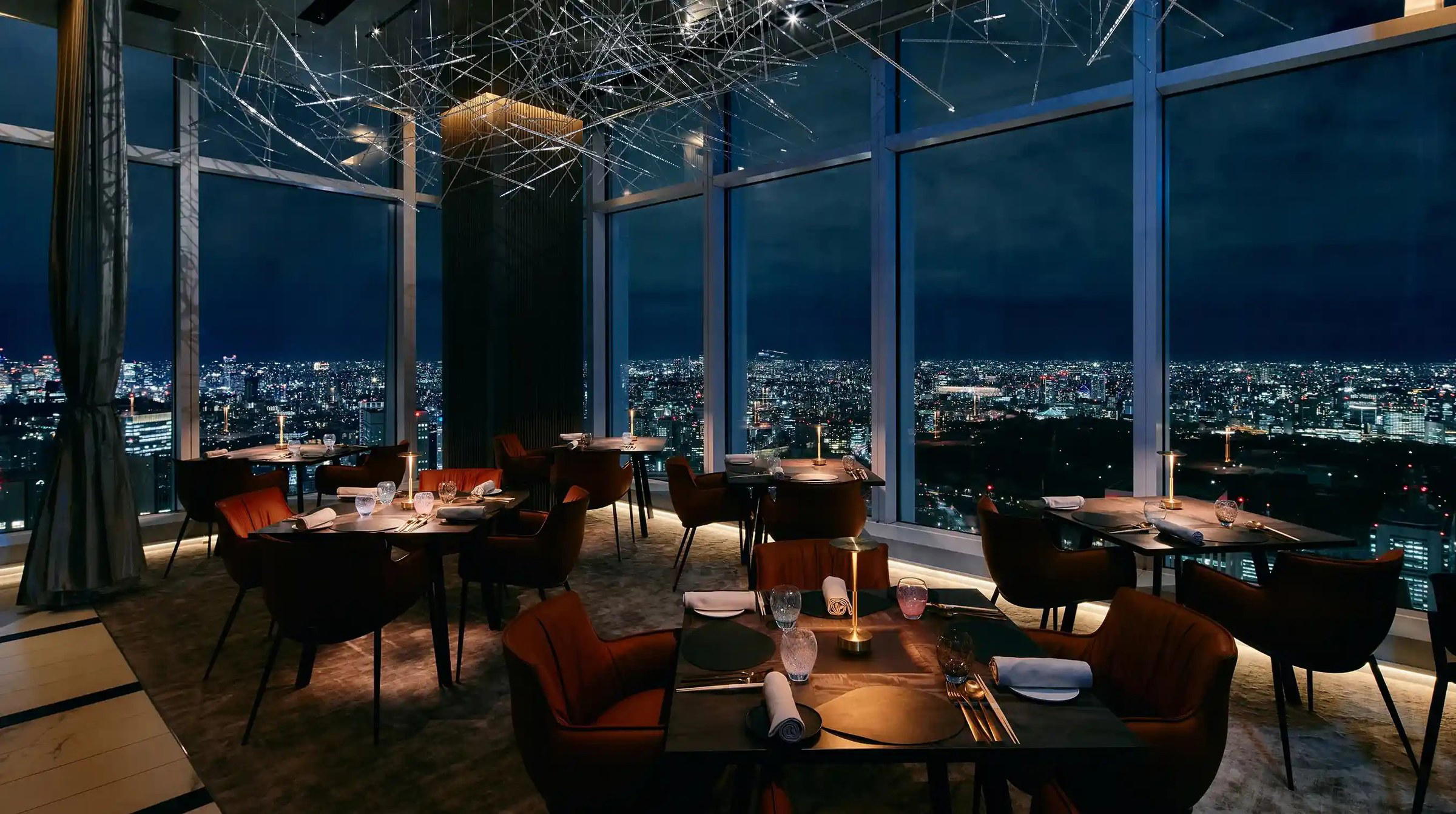
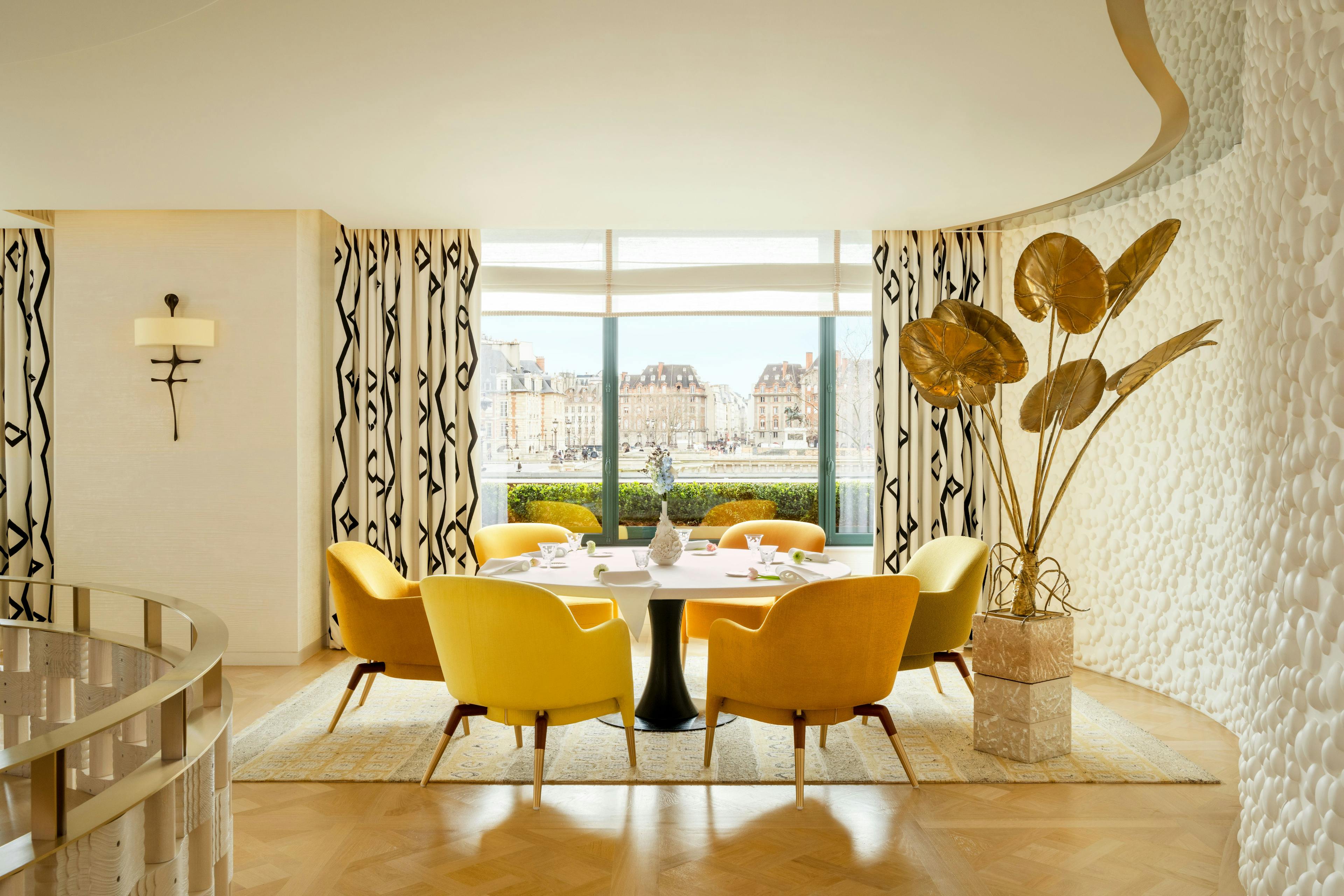
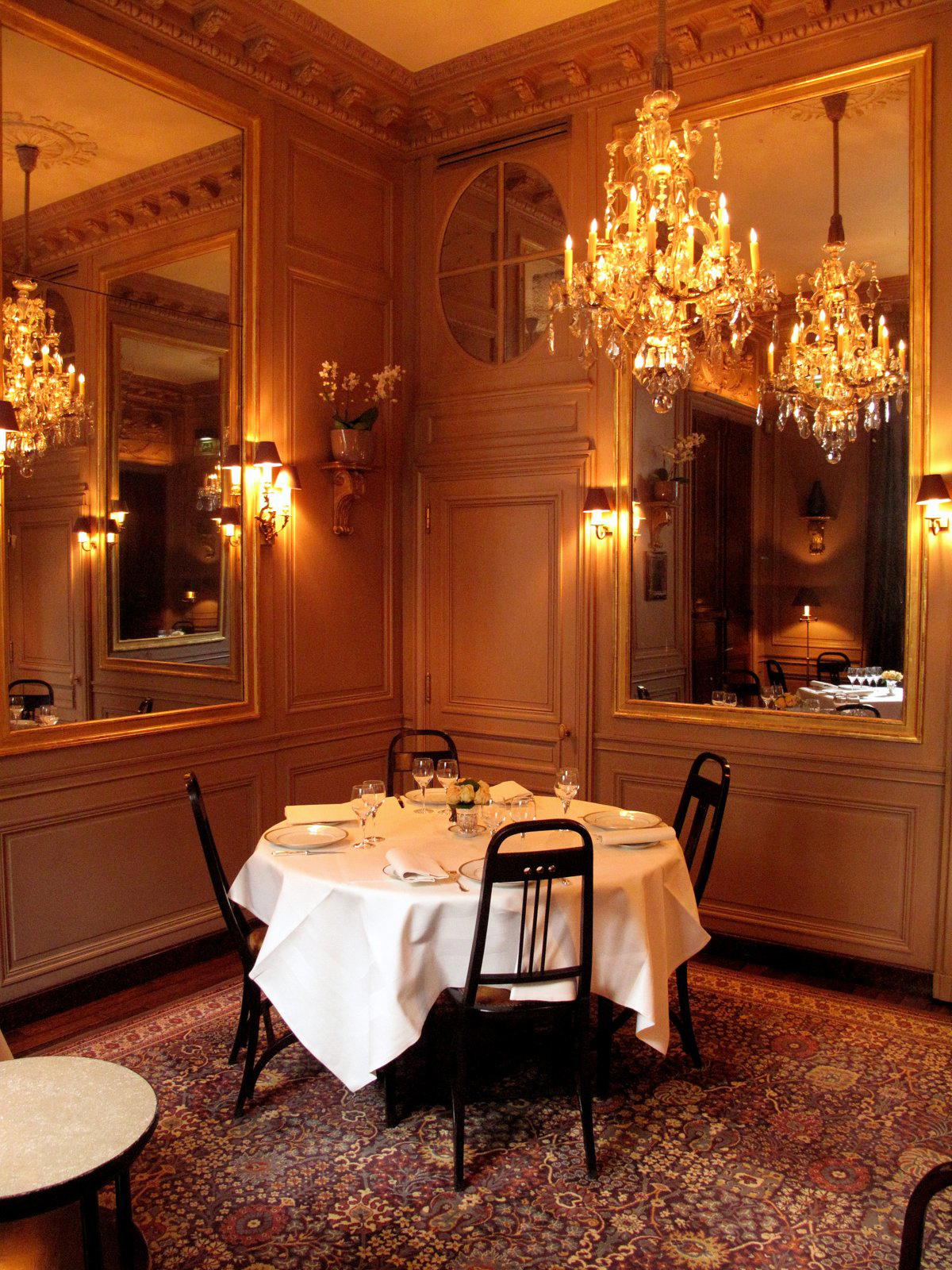
Bars in Paris
Browse all →
Hotels in Paris
Browse all →

At a Glance
- Elegant
- Modern
- Trendy
- Intimate
- Sophisticated
- Date Night
- Special Occasion
- Business Dinner
- Open Kitchen
- Terrace
- Design Destination
- Local Sourcing
Current opening hours
- Monday
- Closed
- Tuesday
- 12–2 PM, 7–10:30 PM
- Wednesday
- 12–2 PM, 7–10:30 PM
- Thursday
- 12–2 PM, 7–10:30 PM
- Friday
- 12–2 PM, 7–10:30 PM
- Saturday
- 12–2 PM, 7–10:30 PM
- Sunday
- Closed
Hours can change for holidays and private events. Last verified .
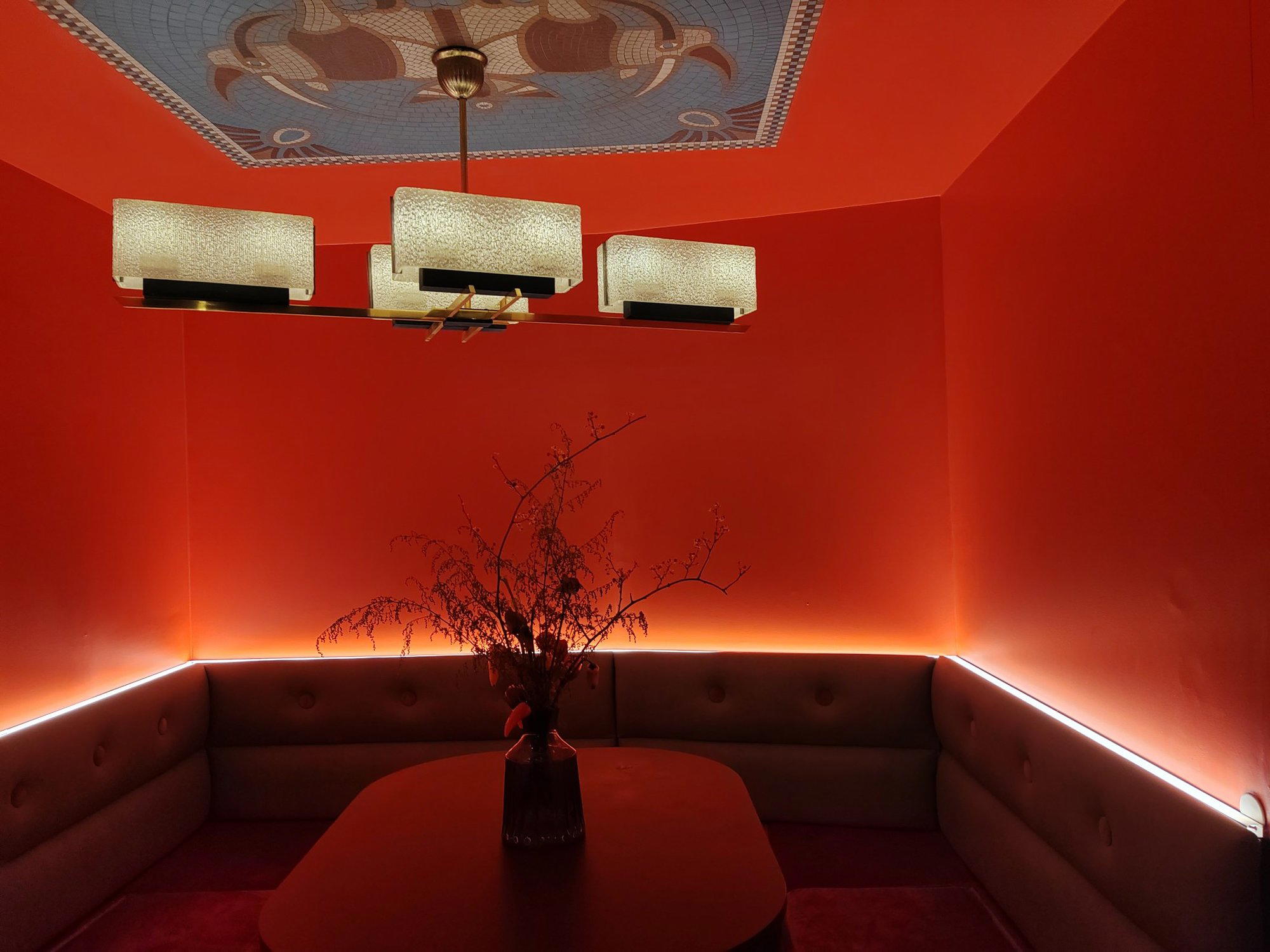
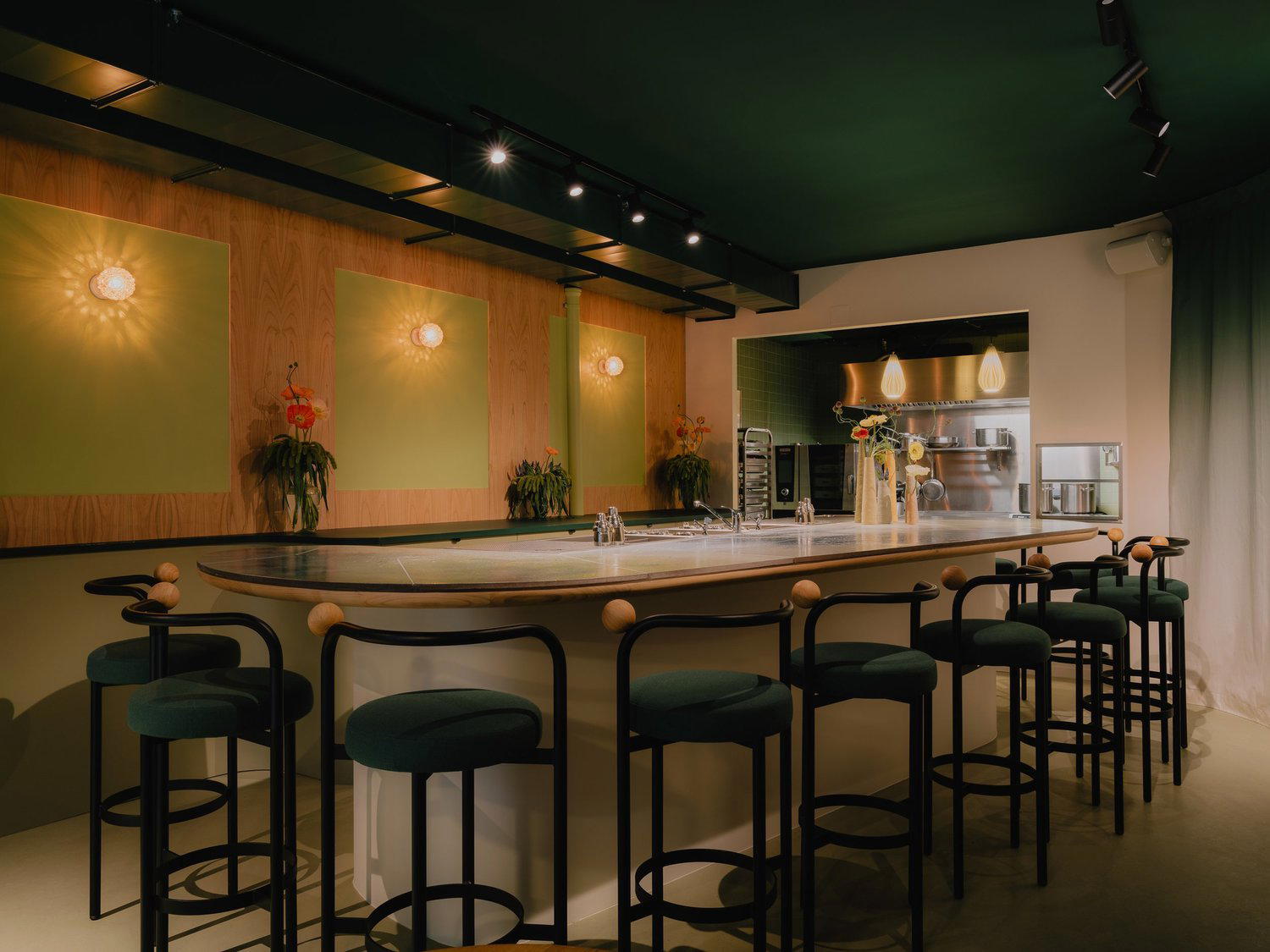
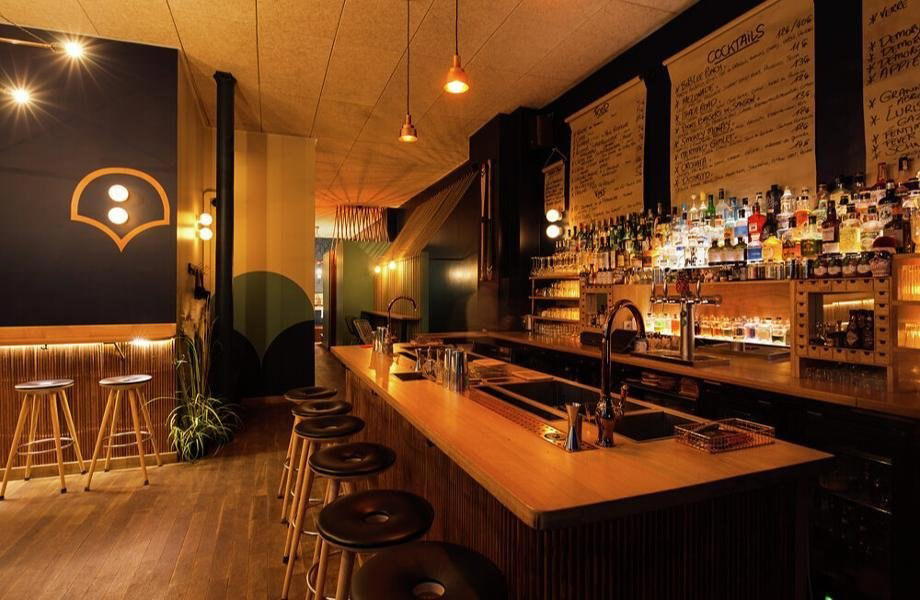
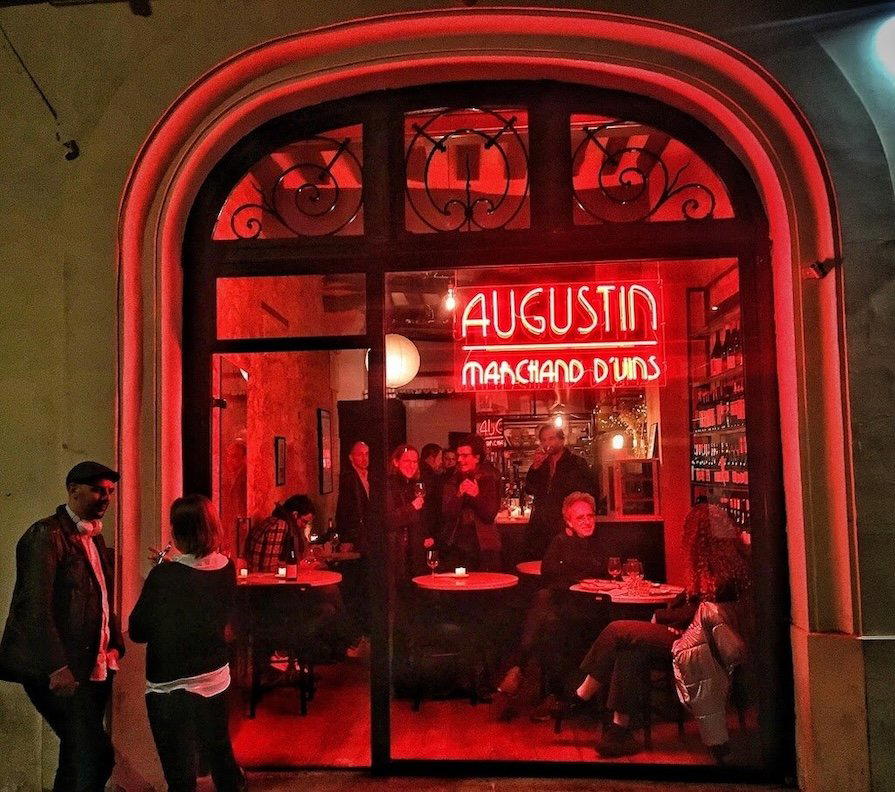
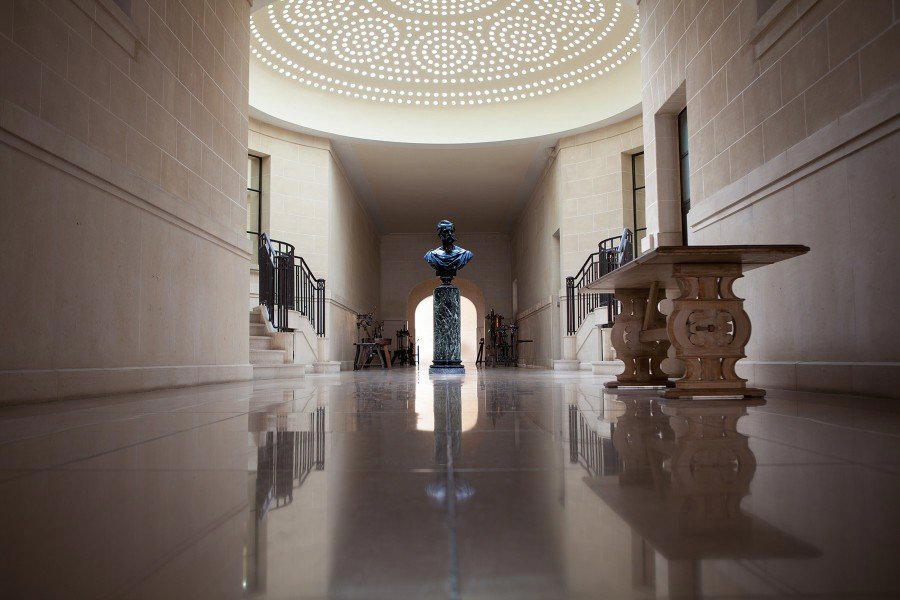
Elegant and trendy setting with photographic theme, refined atmosphere, and convivial terrace.