Le Grand Cafe occupies among the more storied addresses on the Boulevard des Capucines, where the grand brasserie tradition of Paris has played out since the nineteenth century. The room delivers the full register of Belle Époque theatre, and the kitchen anchors its menu in the classic French repertoire that defines this stretch of the 9th arrondissement. A reliable address for anyone mapping the city's brasserie heritage.
Pearl is the En Primeur Club membership app — saves, bookings, and concierge access live there. Same editors, same standards.
- Address
- 4 Bd des Capucines, 75009 Paris, France
- Phone
- +33143121900
- Website
- legrandcafe.com
- Directions
- Get directions
 Saves & bookings on Pearl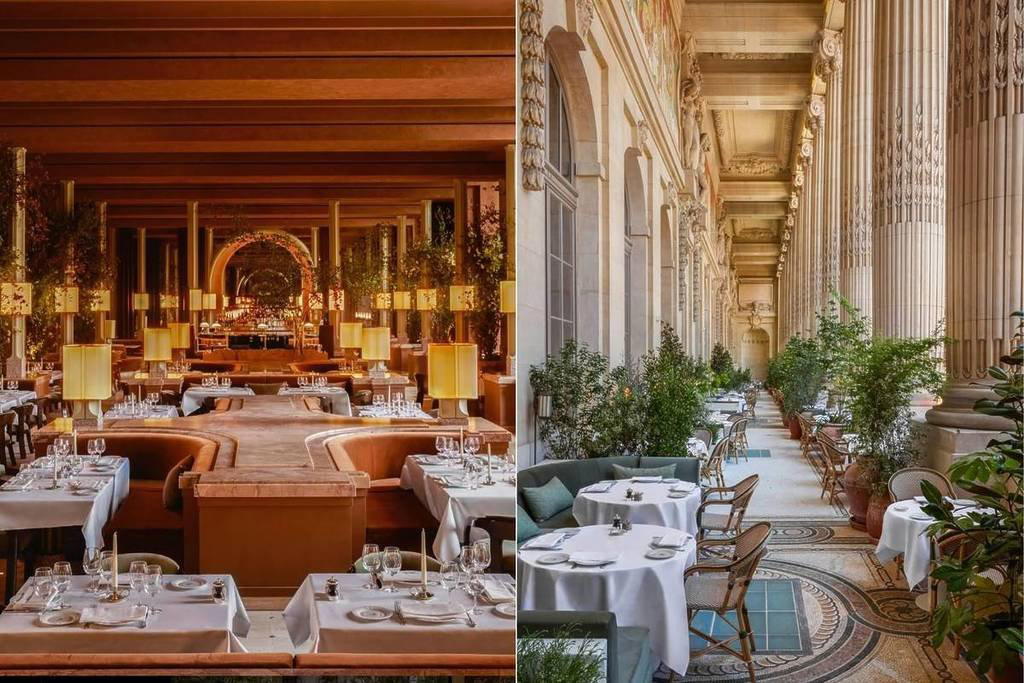
Boulevard des Capucines and the Brasserie That Anchors It
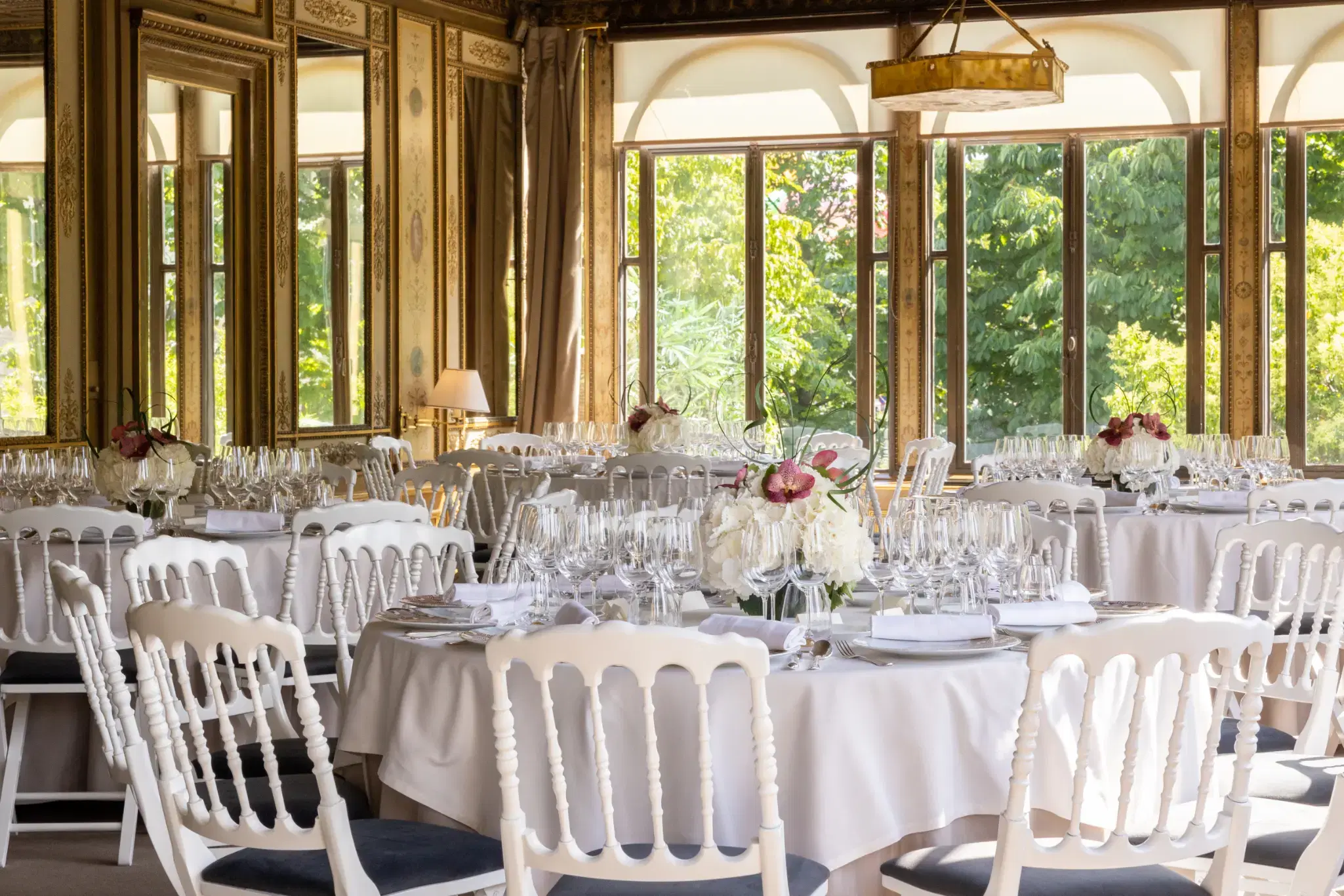
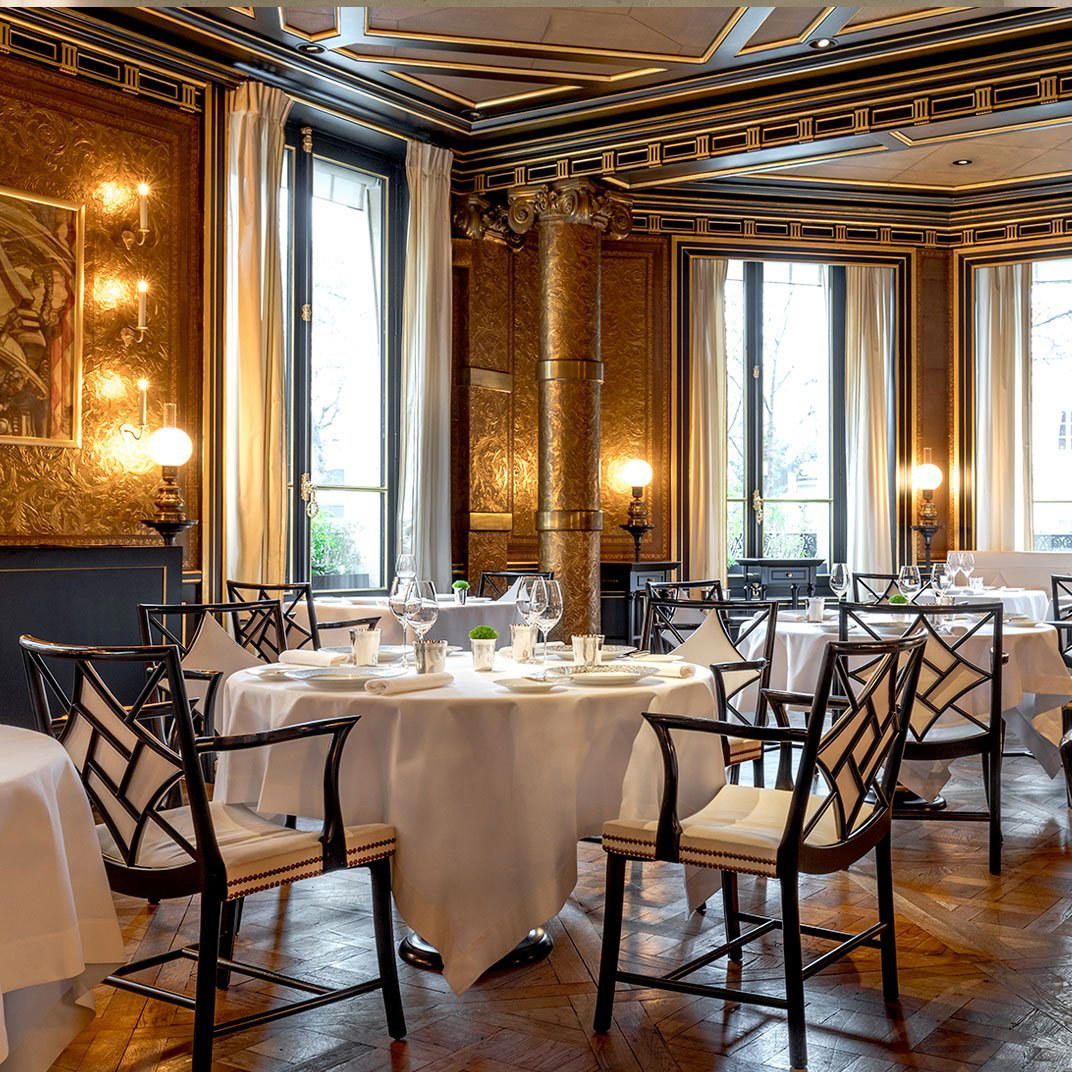
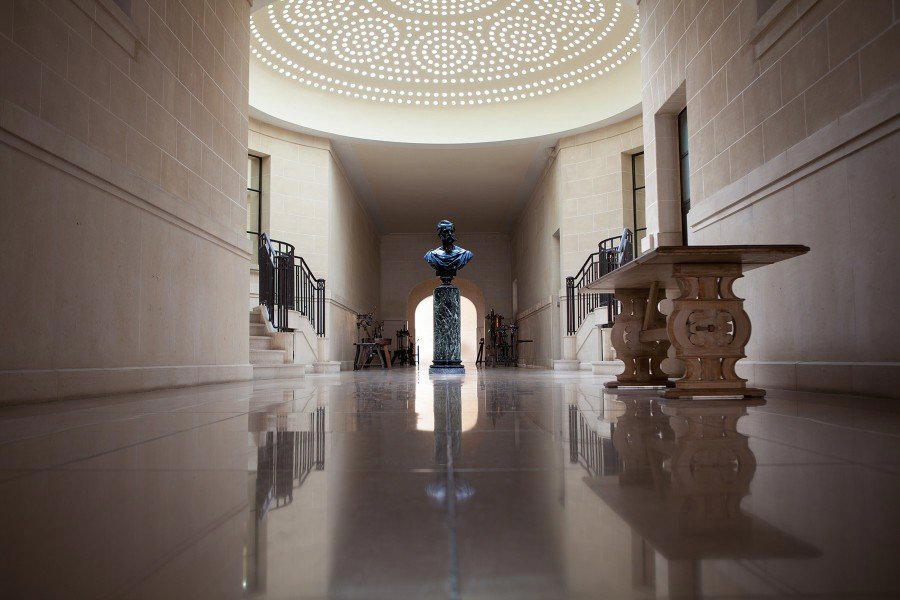
The Boulevard des Capucines does not announce itself quietly. Running from the Opéra Garnier toward the Place de la Madeleine, it sits at the intersection of Second Empire ambition and modern Parisian commerce, a stretch where the architecture still argues for a grander century. Le Grand Cafe at number 4 occupies a position inside that argument, one of the addresses on this boulevard where the brasserie format has survived not as nostalgia but as a working proposition. The room, with its high ceilings, engraved glass, and the particular noise floor that only an old Parisian dining hall generates, places you inside a tradition rather than a reproduction of one.
Paris has always run two parallel restaurant economies: the fine-dining bracket, where houses like L'Ambroisie and Alléno Paris au Pavillon Ledoyen operate at the outer edge of ambition and price, and the brasserie tier, where longevity and reliability count for as much as technical innovation. Le Grand Cafe belongs to the second economy. The competitive set here is not the tasting-menu counter but the classic all-day brasserie, open through hours when most Paris kitchens are dark, serving the menu that the city built its reputation on.
The Source Logic Behind Classic French Brasserie Cooking
The brasserie tradition in France was never incidental about ingredients. Its menu architecture, plateaux de fruits de mer, sole meunière, steak frites, blanquette de veau, was built around consistent supply chains that connected specific regions to specific preparations. Brittany sent its oysters and langoustines. Normandy supplied the cream and the butter. The Charolais breed defined the beef expectation. These sourcing relationships, repeated over generations, gave the format its stability. A brasserie is in many ways a live index of French agricultural geography: you can trace the country's producing regions through a single menu.
This sourcing logic matters most when the format is tested by shortcuts. The brasseries that have held their ground in Paris are the ones where the plateau still arrives with correctly handled shellfish, where the béarnaise is made to order rather than held, and where the provenance of the primary proteins has not been anonymised in the name of margin. France's broader restaurant culture outside Paris keeps this standard visible: houses like Flocons de Sel in Megève and Bras in Laguiole anchor their menus to the specific territories they sit inside, and that regionalism functions as a quality signal that has long influenced expectations in the capital too.
The French kitchen's relationship to primary ingredients also explains why the brasserie plateau de fruits de mer remains one of the more demanding tests a Paris kitchen faces. Getting shellfish to the table at the correct temperature, in the correct condition, with the correct accompaniments, requires a level of operational discipline that separates the serious addresses from the tourist-facing approximations. On a boulevard like the Capucines, where footfall is high and expectations among international visitors are often lower than they should be, the distinction matters.
Where Le Grand Cafe Sits in the Paris Dining Picture
The 9th arrondissement's restaurant character has shifted in the past decade. The area south of Pigalle and north of the Opéra has absorbed a new generation of bistrot and natural wine bars, while the older addresses on the grands boulevards have maintained their position largely through format loyalty rather than reinvention. The restaurant's address on the Capucines puts it closer to the Opéra anchor than to the newer dining clusters around the Rue des Martyrs, which means its customer mix skews toward theatre-goers, hotel guests from the adjacent arrondissements, and visitors working from a cultural itinerary built around the 9th's institutional draws.
For the Paris reader already familiar with the higher-end houses, Le Cinq at the Four Seasons George V, Kei, or the Franco-Japanese precision of Arpège, the restaurant occupies a different register entirely. It is not competing with the Michelin tier; it is holding a position in the format that fed Paris before Michelin existed. The all-day brasserie, open when the tasting-menu houses are closed, is a category that the city has struggled to maintain at quality, and the addresses that do it without collapsing the format into a tourist operation carry a specific value.
Beyond Paris, France's regional dining offers useful comparison points for understanding what serious sourcing looks like in practice. Auberge de l'Ill in Illhaeusern, Troisgros in Ouches, and Paul Bocuse at Collonges-au-Mont-d'Or all built their identities on the particularity of their regional supply. The Paris brasserie draws from that same national network but presents it within a format built for volume and accessibility. The tension between those two demands, sourcing quality and operational scale, defines the category's difficulty.
Other strong regional addresses worth knowing include Assiette Champenoise in Reims, Au Crocodile in Strasbourg, Auberge du Vieux Puits in Fontjoncouse, and AM par Alexandre Mazzia in Marseille, each of which contextualises what French cooking looks like when it is rooted in a specific place. For a different frame of reference entirely, Mirazur in Menton shows how Mediterranean sourcing can drive an entirely distinct menu logic. Internationally, the rigour of ingredient focus at houses like Le Bernardin in New York and the precision sourcing behind Atomix offer a useful counterpoint to the French brasserie's more open-handed approach to the same question.
Planning Your Visit
The restaurant sits at 4 Boulevard des Capucines in the 9th arrondissement, within walking distance of the Opéra Garnier and the Madeleine, making it a logical pre- or post-theatre address. The brasserie format traditionally operates extended hours, which gives it relevance at times when the tasting-menu tier is unavailable.
Address: 4 Bd des Capucines, 75009 Paris, France.
Comparison Snapshot
Comparable venues nearby, for context on price, style, and recognition.
| Venue | Cuisine | Price | Notes |
|---|---|---|---|
| Le Grand CafeThis venue — the venue you are viewing | Modern French Brasserie | $$$ | Not listed |
| CoCo | Modern French Seasonal Cuisine | $$$ | Opéra |
| Ardent | Modern French Flame-Grill | $$$ | 9th arrondissement |
| 99 Haussmann | Modern French Bistronomic | $$$ | 8th arrondissement |
| Chez Julien | Classic French Brasserie with Modern Twists | $$$ | Le Marais |
| Pasco | Mediterranean-Influenced French Bistronomic | $$$ | Gros-Caillou |
Continue exploring
More in Paris
Restaurants in Paris
Browse all →
Bars in Paris
Browse all →
Hotels in Paris
Browse all →



At a Glance
- Elegant
- Classic
- Sophisticated
- Lively
- Date Night
- Special Occasion
- Brunch
- Terrace
- Historic Building
- Extensive Wine List
- Street Scene
Current opening hours
- Monday
- 7 AM–1 AM
- Tuesday
- 7 AM–1 AM
- Wednesday
- 7 AM–1 AM
- Thursday
- 7 AM–1 AM
- Friday
- 7 AM–1 AM
- Saturday
- 7 AM–1 AM
- Sunday
- 7 AM–1 AM
Hours can change for holidays and private events. Last verified .
Sophisticated and welcoming brasserie atmosphere with lush terrace, refined decor, and lively yet intimate vibe.