On Place aux Foires in the medieval heart of Durbuy, Limoni e Tartufi brings the Italian kitchen's two most expressive ingredients, citrus and truffle, to Belgium's smallest city. The name alone signals a particular editorial stance: restraint through contrast, brightness against earthiness. In a town where the dining scene runs from market-priced traditional bistros to destination-level modern French, this address occupies its own register.
Pearl is the En Primeur Club membership app — saves, bookings, and concierge access live there. Same editors, same standards.
- Address
- Pl. aux Foires 18, 6940 Durbuy, Belgium
- Phone
- +3286212592
- Website
- limoni-e-tartufi.be
- Directions
- Get directions
 Saves & bookings on Pearl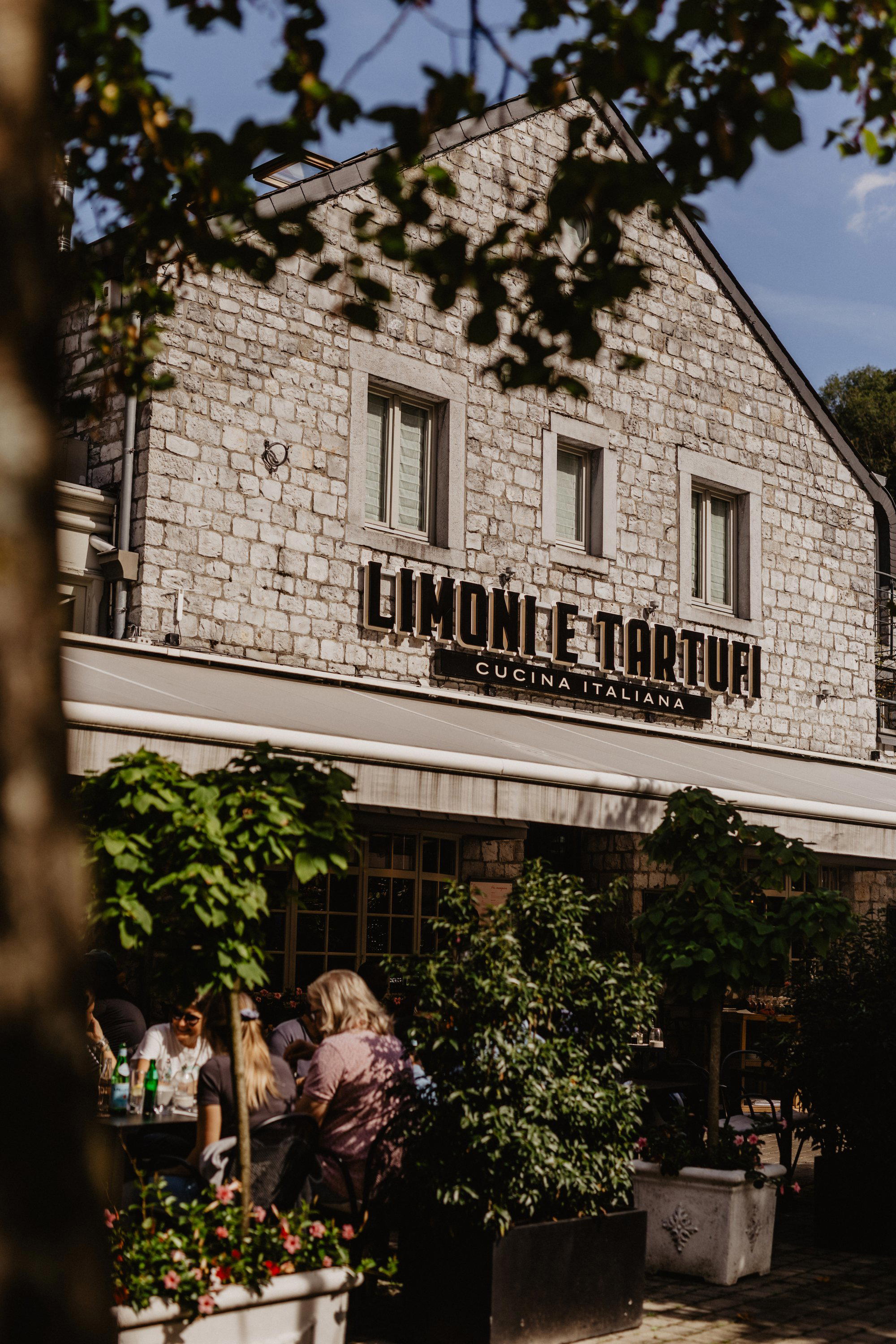
A Square, a Name, and What It Promises
Place aux Foires is the gravitational centre of Durbuy, the cobbled square where the market has gathered for centuries and where visitors arriving from Liège or Namur tend to orient themselves before doing anything else. The buildings around it are the compressed, stone-faced vernacular of the Ardennes, and restaurants here compete not just on food but on the logic of their location: why this square, why this room, why this menu in a town of fewer than 500 residents inside its medieval walls.
Limoni e Tartufi answers that question through its name. Lemons and truffles: two ingredients that sit at opposite ends of the flavour spectrum but share a certain insistence. Citrus cuts through fat, lifts reduction, and tells the palate where it is. Truffle does the opposite, it deepens, obscures, and asks for time. A kitchen that commits to both is signalling a particular kind of intentionality, one that places this address closer to the Italian regional tradition than to the Franco-Belgian bistro format that defines most of what surrounds it on and around the square.
Durbuy's Dining Range and Where This Fits
The town's restaurant scene covers a wider range than its size suggests. At the more affordable end, Durbuy Ô operates in traditional cuisine at the €€ tier, and the same price bracket applies to several other addresses. Moving up, La Bru'sserie brings a world cuisine approach at the €€€ level, and at the summit of the local range sits Le Grand Verre, the modern French option that occupies the €€€€ tier. Gaspard and La Canette, Gaspard and La Canette, fill in the mid-range with their own angles.
Limoni e Tartufi, with its Italian-accented identity and a focus on premium ingredients in a town where the default frame of reference is Belgian or broadly French, occupies a conceptual niche that has less to do with price tier and more to do with culinary grammar. Citrus-forward Italian cooking in the Ardennes is not a category you encounter on every street; it is precisely that specificity that earns the address a second look from anyone who has already worked through the square's more conventional options.
The Ritual of the Italian Table in a Belgian Setting
The Italian dining ritual has a particular internal logic that distinguishes it from the Belgian or northern French models. Courses are not merely sequential, they are paced to create a specific arc. Antipasto establishes tone. Primo (typically pasta or risotto) is the structural centre, where technique is most exposed. Secondo arrives as the substantive, protein-led moment. Contorni are not afterthoughts. The meal does not accelerate toward dessert; it maintains a steady, deliberate cadence throughout.
Truffle, in the Italian context, appears most characteristically at the primo stage: shaved over tajarin in Piedmont, stirred into risotto in Lombardy, folded into scrambled eggs in Umbria. It is an ingredient that demands a certain restraint from everything around it, less seasoning, fewer competing aromatics, shorter cooking times so volatile compounds are not lost. Citrus, meanwhile, is the corrective element across the southern Italian table: the squeeze of lemon over a Milanese, the lemon cream inside a Sicilian cannolo, the preserved citrus rind that lifts an agrodolce. A menu that foregrounds both ingredients is, in structural terms, a menu that commits to contrast as its organizing principle.
That is the kind of table Limoni e Tartufi proposes to set. In a town where most kitchens default to the game-and-cream-sauce idiom of the Ardennes, this is a meaningful departure. The pacing of the meal, the order in which flavours arrive, and the way the room asks the diner to engage with what is on the plate all operate on a different register than the surrounding options. For readers already familiar with what high-end Italian kitchens look like elsewhere in Belgium, Bozar Restaurant in Brussels represents the metropolitan end of that ambition, the Durbuy iteration is worth understanding as a regional expression of the same tradition, scaled to a different context.
Belgium's Fine Dining Frame of Reference
To calibrate expectations for what serious cooking in Belgium can look like at the upper end, the national reference points are instructive. Hof van Cleve in Kruishoutem and Boury in Roeselare define the Flemish apex. Zilte in Antwerp and Willem Hiele in Oudenburg represent a coastal and more ingredient-driven strand. Further afield, Bartholomeus in Heist, Castor in Beveren, De Jonkman in Sint-Kruis, and L'air du temps in Liernu each occupy distinct positions in the Walloon and Flemish dining ecosystems. d'Eugénie à Emilie in Baudour rounds out the Walloon end of that national picture.
None of these are direct competitors to what Durbuy offers. They are, instead, the calibration points that help a reader understand what a dedicated kitchen in Belgium is capable of, and what it means for a smaller town like Durbuy to host a restaurant that operates with a defined ingredient philosophy rather than a generalist approach. For readers accustomed to the precision expected at places like Le Bernardin in New York or the structured progression of Atomix, the question the restaurant poses is a different but equally valid one: what does a committed ingredient focus look like when the address is a medieval square in the Ardennes rather than a metropolitan dining room?
Planning a Visit
Durbuy draws visitors primarily on weekends, particularly between May and October when the Ardennes weather is cooperative and the town's outdoor spaces are in use. Place aux Foires, where the restaurant sits at number 18, is walkable from most accommodation in the medieval centre and reachable by car from Liège in under an hour. Booking ahead is advisable for any Saturday evening in the warmer months; the town's scale means that the better-regarded addresses fill quickly when visitor numbers are high.
Category Peers
Comparable venues nearby, for context on price, style, and recognition.
| Venue | Cuisine | Price | Awards | Notes |
|---|---|---|---|---|
| Limoni e TartufiThis venue — the venue you are viewing | Italian Trattoria | $$ | Not listed | Not listed |
| Le Fou du Roy | Traditional French with Italian Influences | $$ | Not listed | Durbuy village center |
| La Canette | Traditional French-Belgian Bistro | $$ | Not listed | Durbuy Centrum |
| Le Clos des Récollets | Dining | Not listed | Bib Gourmand | Durbuy |
| Durbuy Ô | French-Belgian Bistro | $$$ | Bib Gourmand | Durbuy |
| Gaspard | Belgian-French Gastropub | $$$ | Not listed | Barvaux |
At a Glance
- Cozy
- Warm
- Date Night
- Family
- Terrace
Current opening hours
- Monday
- 12–3 PM, 6–10 PM
- Tuesday
- 12–3 PM, 6–10 PM
- Wednesday
- Closed
- Thursday
- Closed
- Friday
- 12–3 PM, 6–10 PM
- Saturday
- 12–3 PM, 6–10 PM
- Sunday
- 12–3 PM, 6–10 PM
Hours can change for holidays and private events. Last verified .
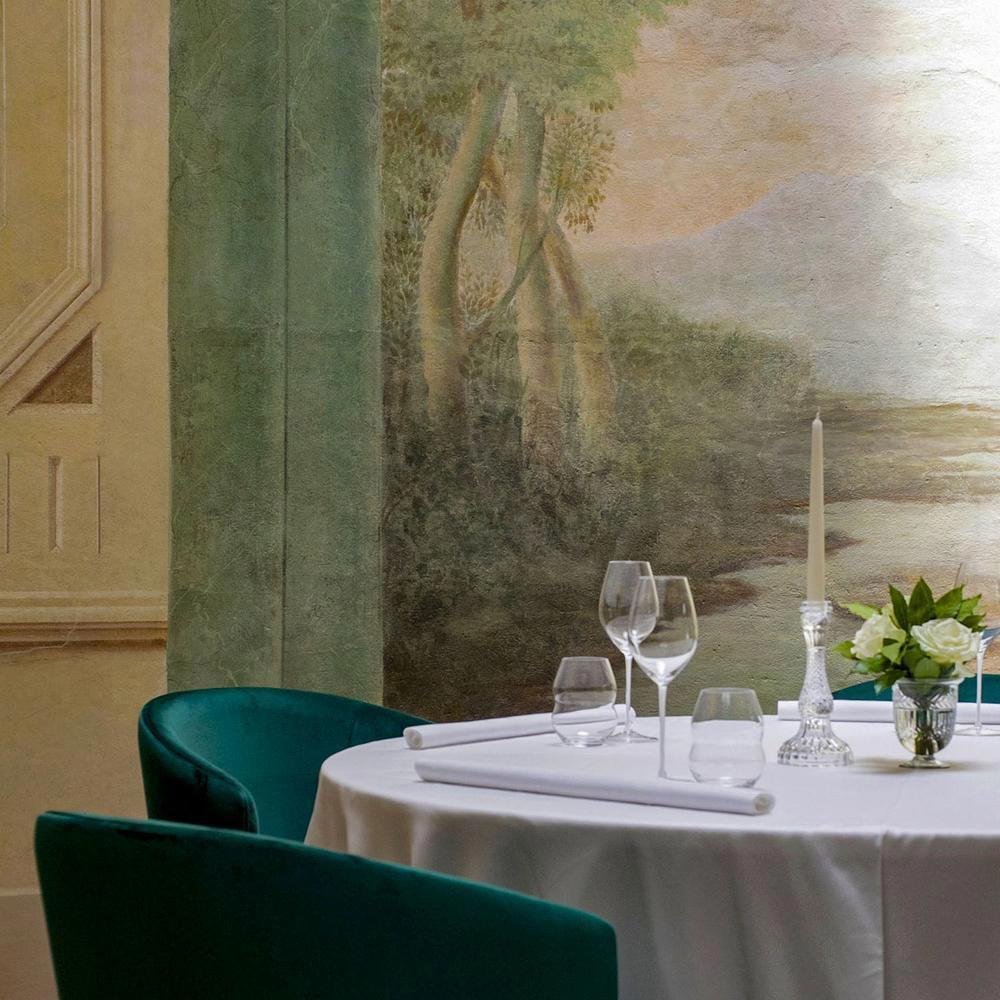
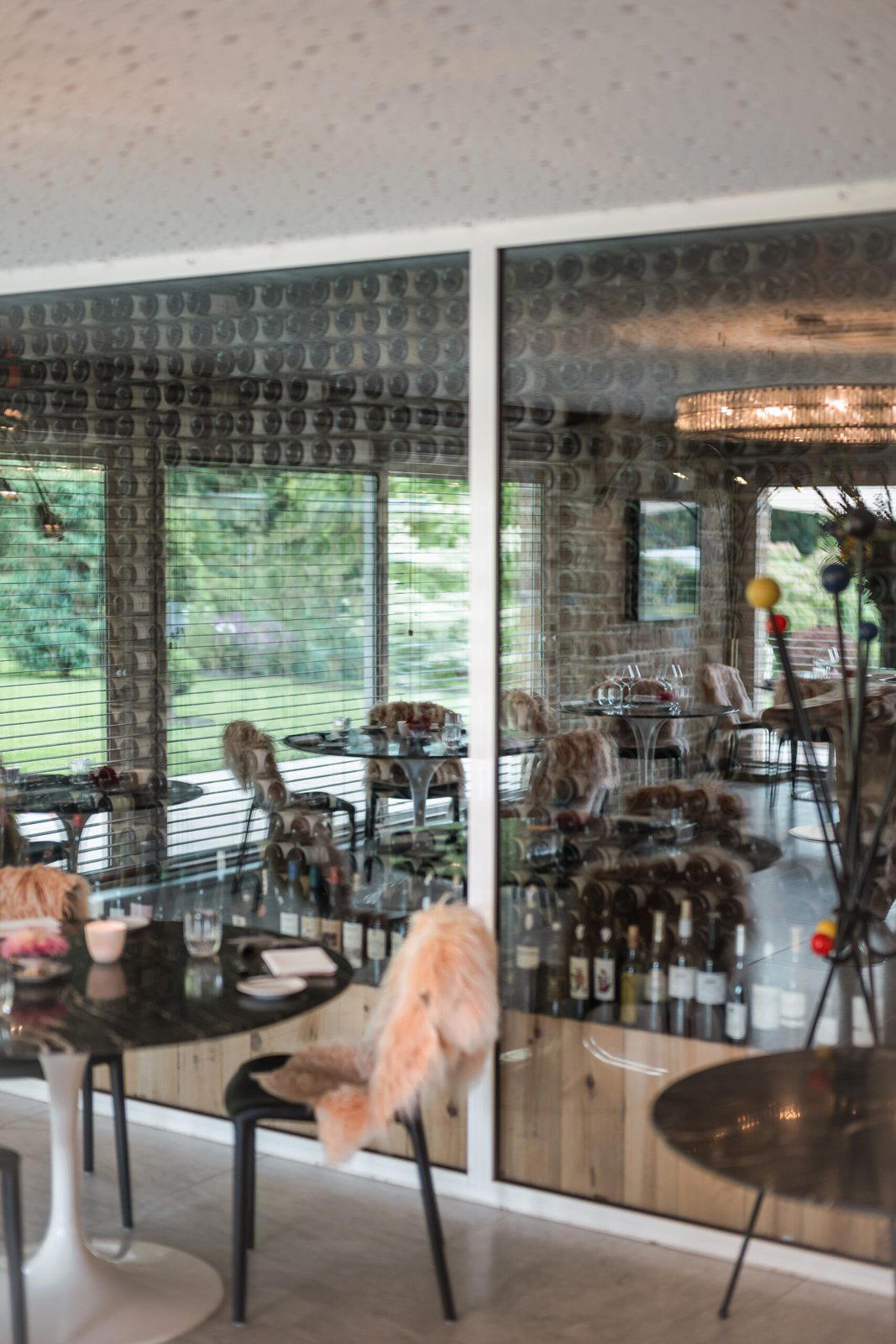
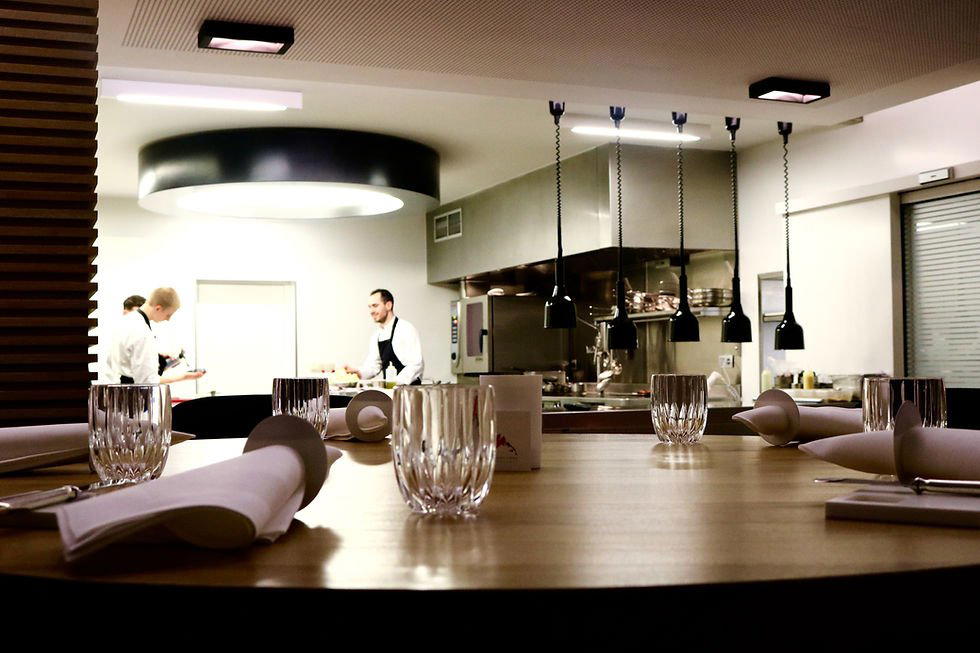
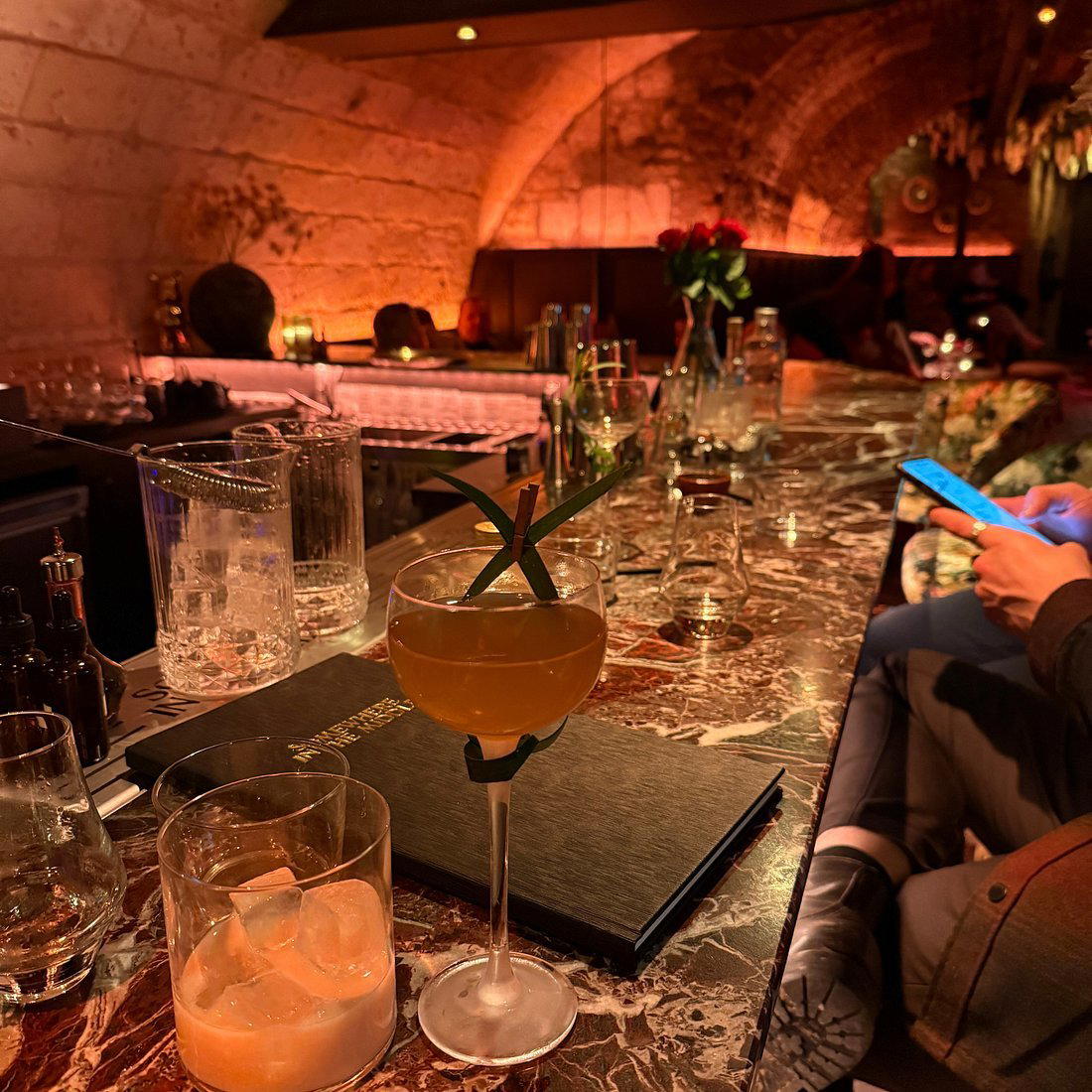
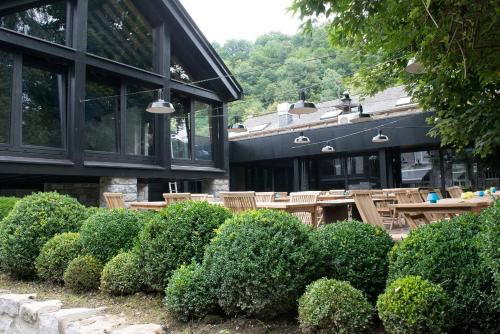
Gezellig and warm ambiance with a cozy terrace atmosphere.