Our verdict
Le Fou du Roy sits on Rue du Comte Théodule d'Ursel in the medieval core of Durbuy, Belgium's self-styled smallest town. The address places it squarely within a dining scene that ranges from casual bistros to the ambitious Modern French cooking at Le Grand Verre, making it a reference point for understanding how Durbuy's restaurant culture has developed around its tourism-driven old quarter.

Pearl is the En Primeur Club membership app, where members save venues, book tables and use the concierge.
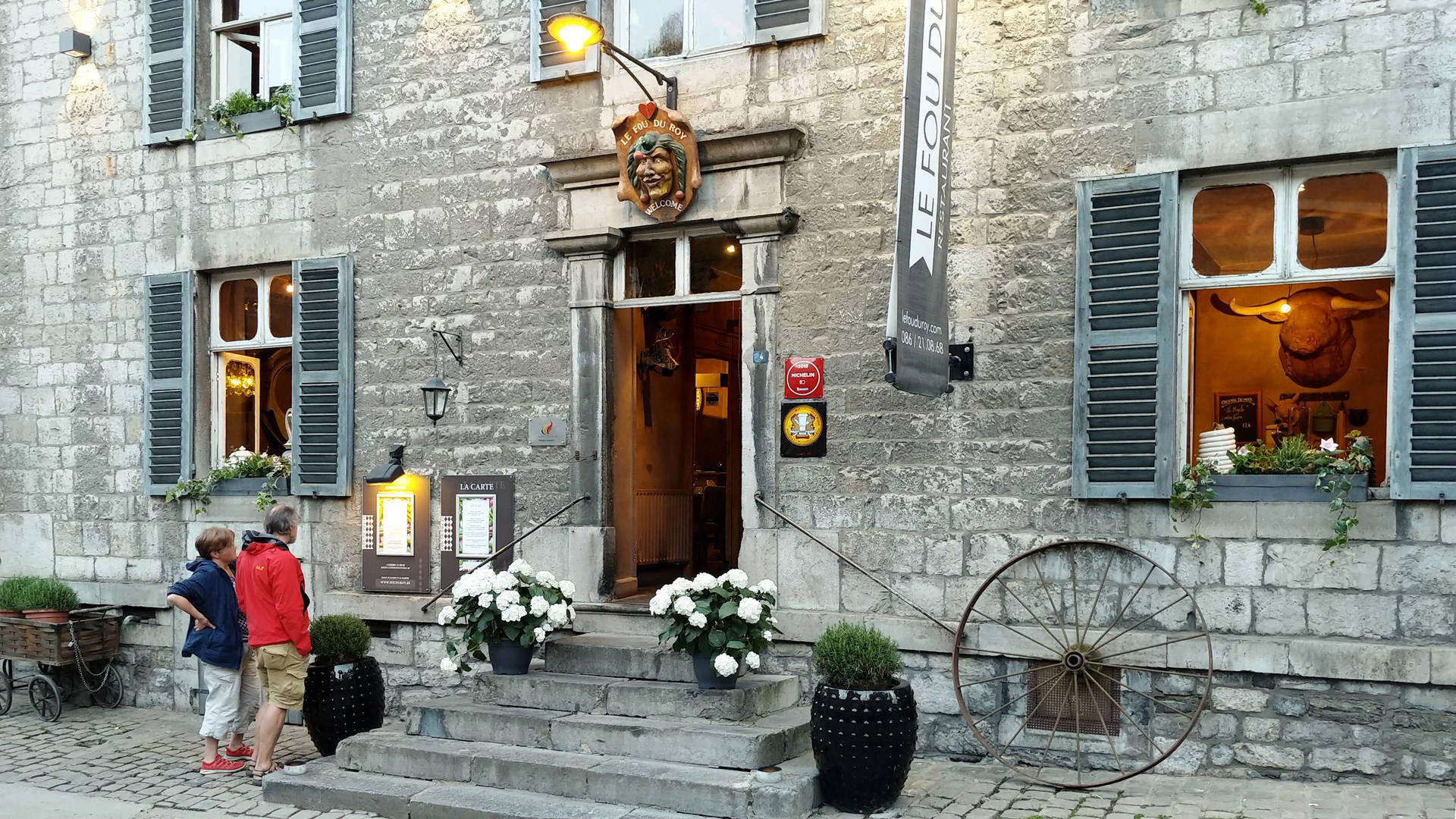
A Medieval Stage for Walloon Hospitality
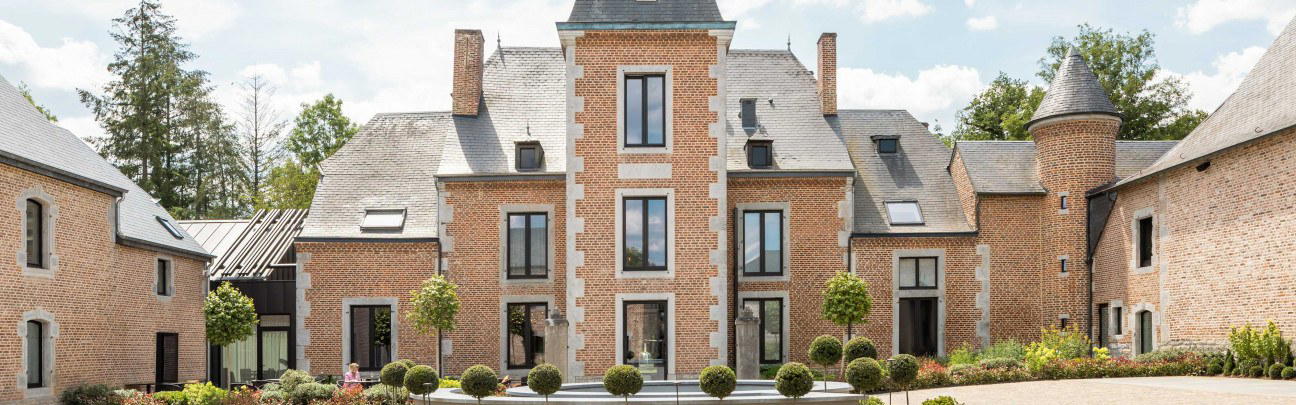
Durbuy presents a particular kind of pressure for any restaurant operating within its cobblestoned centre. The town, which markets itself as Belgium's smallest city, draws a volume of weekend visitors that a place of its physical scale should not logically sustain. Stones date back centuries, the Ourthe river curves quietly at the town's edge, and the main streets concentrate an unusually dense cluster of eating and drinking options for a settlement of fewer than 500 residents. In this context, a restaurant's address is not incidental, it signals the tier of visitor it expects and the kind of dining tradition it has chosen to represent. Le Fou du Roy, at Rue du Comte Théodule d'Ursel 4, occupies precisely this charged environment.
The name itself, The King's Fool, gestures at medieval court culture, a register that sits in easy dialogue with the stone architecture surrounding the address. That kind of cultural framing is common in Durbuy's hospitality positioning, where the built environment does much of the atmospheric work before a visitor even crosses a threshold. For a restaurant operating here, the question is how seriously the kitchen engages with the culinary tradition that the setting implies, and how it positions against peers ranging from the direct comfort of Durbuy Ô at the accessible end to the more technically demanding Le Grand Verre at the premium tier.
The Ardennes Dining Tradition This Address Inhabits
Belgian Ardennes cooking has a defined set of reference points: game from the surrounding forests, freshwater fish from the Ourthe and Amblève rivers, local charcuterie traditions, and a preference for preparations that acknowledge the landscape without becoming museum pieces. The region's better restaurants have, for at least two decades, been pulling these ingredients into more considered modern frameworks, the same general direction that has shaped ambitious Belgian cooking across the country, from Boury in Roeselare to Zilte in Antwerp.
What distinguishes the Durbuy version of this conversation from those larger-city expressions is scale and audience. Restaurants here serve a public that has often driven an hour or more specifically to experience the town, which introduces a different social contract than an urban neighbourhood restaurant. The expectation is frequently convivial and occasion-driven rather than purely gastronomic. That shapes menu architecture, service pace, and the degree to which a kitchen will take risk. Against that backdrop, the restaurants that sustain reputations across multiple seasons tend to be those that read the room without capitulating entirely to it.
Across Durbuy's current dining circuit, there is a clear stratification. La Bru'sserie occupies a world cuisine positioning at the €€€ tier. La Canette and Gaspard serve different segments of the casual-to-mid market.
Belgian Fine Dining at the Wider Scale
Understanding any restaurant in Durbuy requires some fluency with the broader Belgian dining system. Belgium punches well above its size in formal recognition: the country holds a concentration of Michelin stars relative to its geography that places it among Europe's most credentialed dining nations. Institutions such as Hof van Cleve in Kruishoutem and L'air du temps in Liernu, the latter also in Wallonia, anchor the national conversation at its most serious level. Bozar Restaurant in Brussels represents a different model, pairing cultural institution context with food ambition. Further afield, Willem Hiele in Oudenburg, Bartholomeus in Heist, Castor in Beveren, De Jonkman in Sint-Kruis, and d'Eugénie à Emilie in Baudour trace the geographic spread of Belgium's serious cooking well beyond Brussels and the major Flemish cities.
Durbuy does not position itself as a destination dining town in the same way that Liernu or Kruishoutem does, but that does not mean its kitchens are indifferent to what is happening nationally. Walloon cooking has been working through the same ingredient-led, technique-refined evolution visible in Flemish restaurants, and the Ardennes specifically offers raw material, seasonal game, foraged herbs, artisan producers, that kitchens elsewhere in Europe would compete for. A restaurant in Durbuy's centre that takes those ingredients seriously is operating at the intersection of strong local supply and genuine tourist demand, which, managed well, is a sustainable commercial position.
Planning a Visit to Le Fou du Roy
Durbuy's visitor pattern is heavily weighted toward weekends between spring and autumn, with the town seeing its highest footfall during Belgian and Dutch public holidays. A restaurant in the historic centre during these periods operates under real capacity pressure. Visitors intending to dine at Le Fou du Roy, and particularly those arriving on a Saturday evening or during peak holiday weekends, should treat advance contact as standard practice rather than optional. The town's parking is concentrated outside the medieval core, so arriving on foot from designated car parks is the expected approach; allow time for that walk when planning a meal.
For those building a wider Durbuy itinerary, the full Durbuy restaurants guide maps the town's dining options across price tiers and cuisine types, providing useful context for sequencing meals across a multi-day visit. Those travelling to Belgium more broadly who want reference points for the national dining conversation at its most ambitious level might look at Le Bernardin in New York City and Atomix in New York City as external calibration points, both operating in a different register but illustrating the technical and cultural ambitions that influence European fine dining's current direction.
Frequently asked questions
Where is Le Fou du Roy in Durbuy?
Le Fou du Roy is located at Rue du Comte Théodule d'Ursel 4, 6940 Durbuy, Belgium, Durbuy.
Is Le Fou du Roy a good choice for a meal during a weekend trip to Durbuy?
Le Fou du Roy sits on Rue du Comte Théodule d'Ursel in Durbuy's medieval centre, placing it at the heart of the town Belgium markets as its smallest city. For visitors already in Durbuy on a weekend itinerary, it represents a logical address to explore Walloon and Ardennes table cooking without travelling outside the town. Given Durbuy's compressed geography and concentrated dining options, securing a table in advance is the practical approach.
What's the best thing to order at Le Fou du Roy?
The kitchen at Le Fou du Roy sits within the Ardennes cooking tradition, where game from the surrounding forests and freshwater fish from nearby rivers like the Ourthe and Amblève set the reference points. Dishes rooted in those regional ingredients represent the most coherent choice for first-time visitors. Specific current menu details are best confirmed directly with the restaurant ahead of your visit.
Do I need a reservation for Le Fou du Roy?
Durbuy draws heavy weekend traffic between spring and autumn, peaking during Belgian and Dutch public holidays, which places real pressure on every table in the cobblestoned centre where Le Fou du Roy operates. Booking ahead is advisable for any Friday through Sunday visit during those months. Walk-in availability during quieter weekday periods in winter is more plausible, though the restaurant's own policy should be confirmed directly.
What do critics highlight about Le Fou du Roy?
Critical attention in the Durbuy area tends to focus on how well a kitchen holds to Ardennes cooking principles given the town's heavy tourist footfall, and how consistently local sourcing, game, river fish, regional produce, is maintained across seasons. A direct enquiry to the restaurant or current Belgian food press would give the most current critical picture.
Budget Reality Check
Comparable venues nearby, for context on price, style, and recognition.
| Venue | Cuisine | Price | Awards | Notes |
|---|---|---|---|---|
| Le Fou du RoyThis venue (the venue you are viewing) | Traditional French with Italian Influences | $30–50 | Not listed | Not listed |
| La Canette | Traditional French-Belgian Bistro | $30–50 | Not listed | Durbuy Centrum, Traditional French-Belgian Bistro |
| Limoni e Tartufi | Italian Trattoria | $20–30 | Not listed | Centrum Durbuy, Italian Trattoria |
| Gaspard | Belgian-French Gastropub | $50–100 | Not listed | Barvaux, Belgian-French Gastropub |
| Durbuy Ô | French-Belgian Bistro | $50–100 | Michelin Bib Gourmand | Durbuy, French-Belgian Bistro |
| La Bru'sserie | Modern Fusion Brasserie | $50–100 | Michelin Plate | Durbuy, Modern Fusion Brasserie |
Continue exploring
More in Durbuy
Restaurants in Durbuy
All restaurants in Durbuy →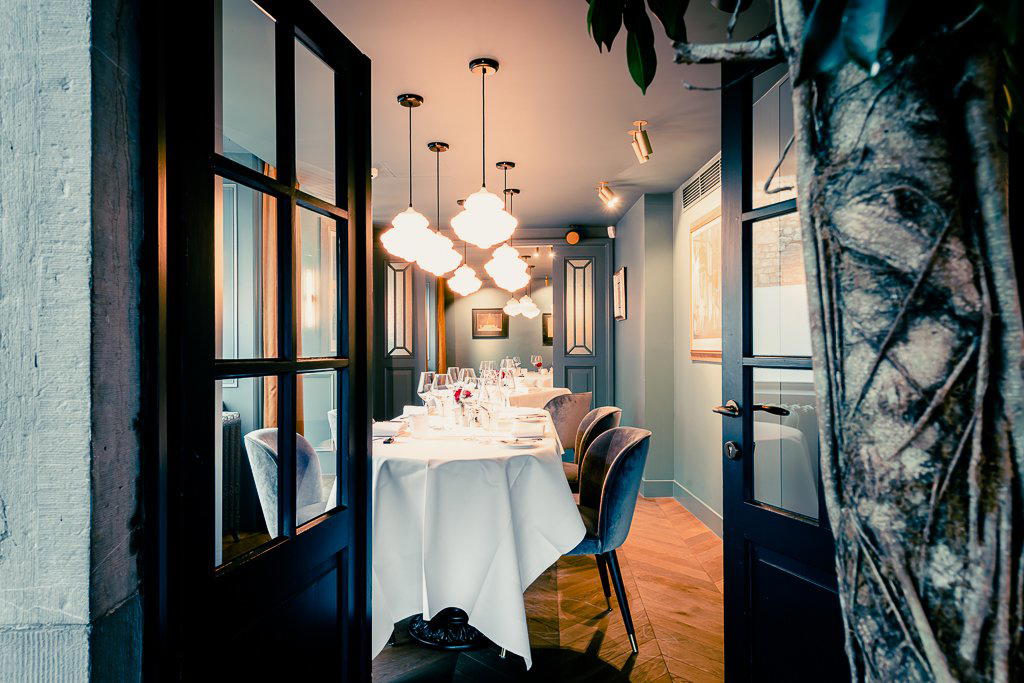
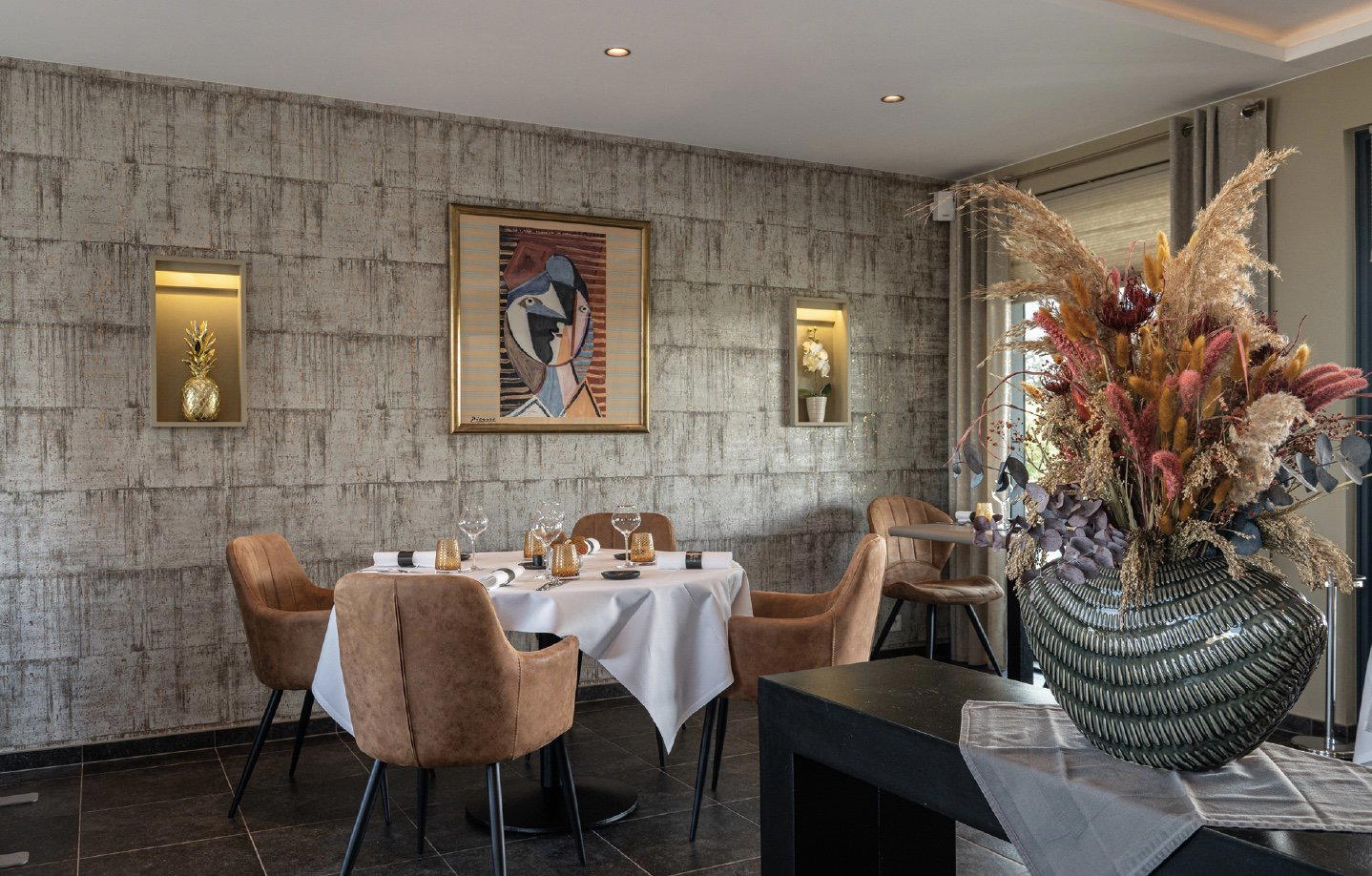

Details
- Romantic
- Cozy
- Elegant
- Date Night
- Special Occasion
- Historic Building
- Hotel Restaurant
- A La Carte
- Vegetarian Friendly
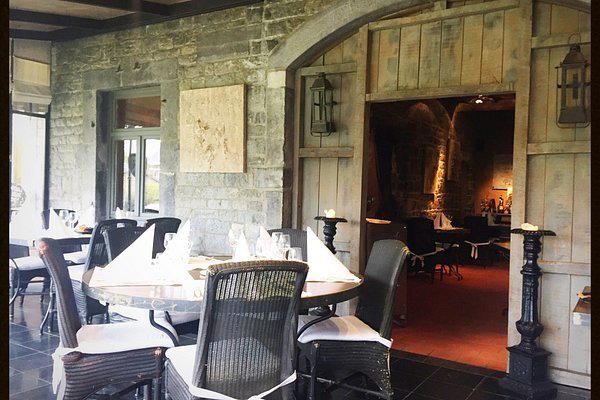
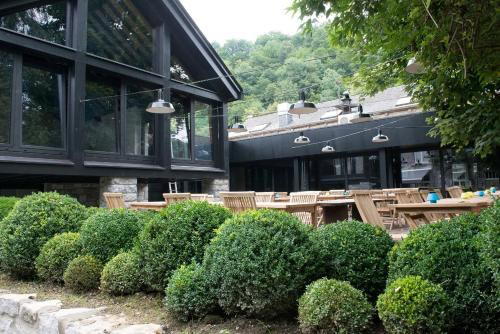
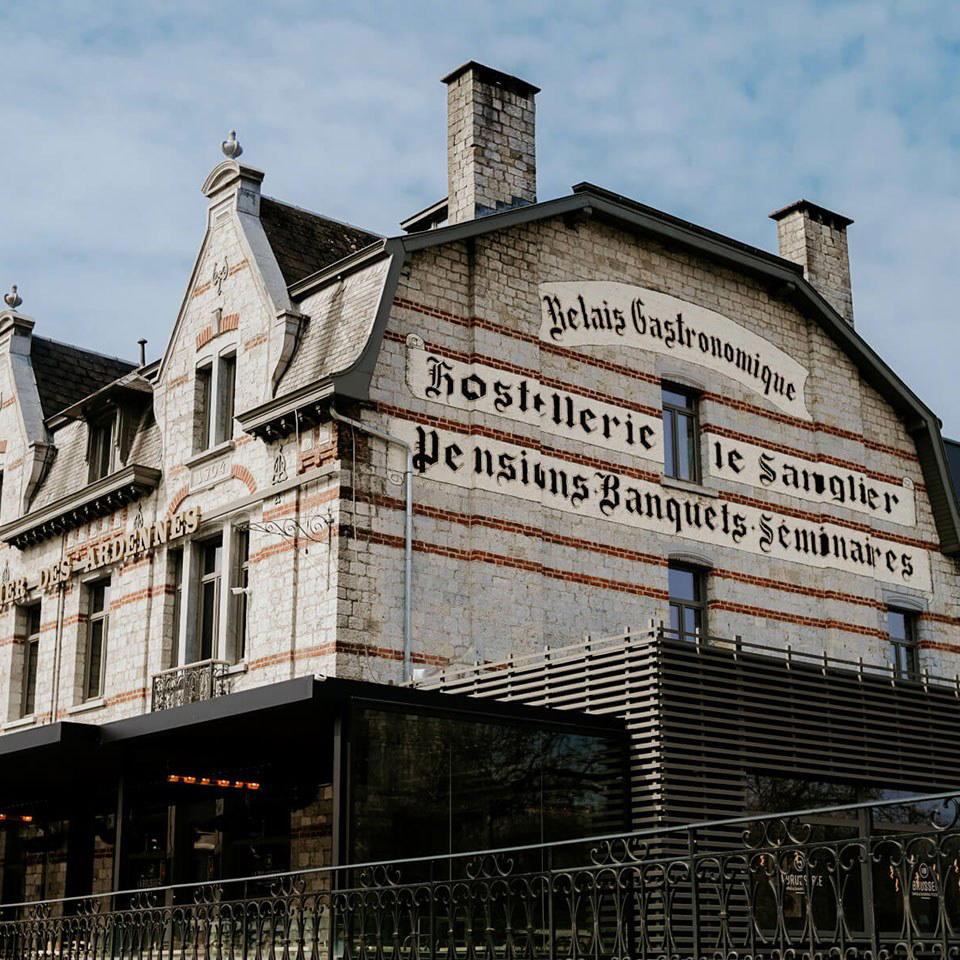
Soft and romantic atmosphere with charming decor in the heart of the village.