
Gambero Rosso 2 Forchette
Our verdict
Il Vicolo pairs modern Italian trattoria cooking with handmade ravioli, an extensive wine list, and a leisurely pace for lunch, dinner, or late-night plans.

Pearl is the En Primeur Club membership app, where members save venues, book tables and use the concierge.
The menu
What to order
- Handmade Ravioli
- Vitello Tonnato
- Spaghetti alle Vongole
Rue Mazarine and the Grammar of the Saint-Germain Table
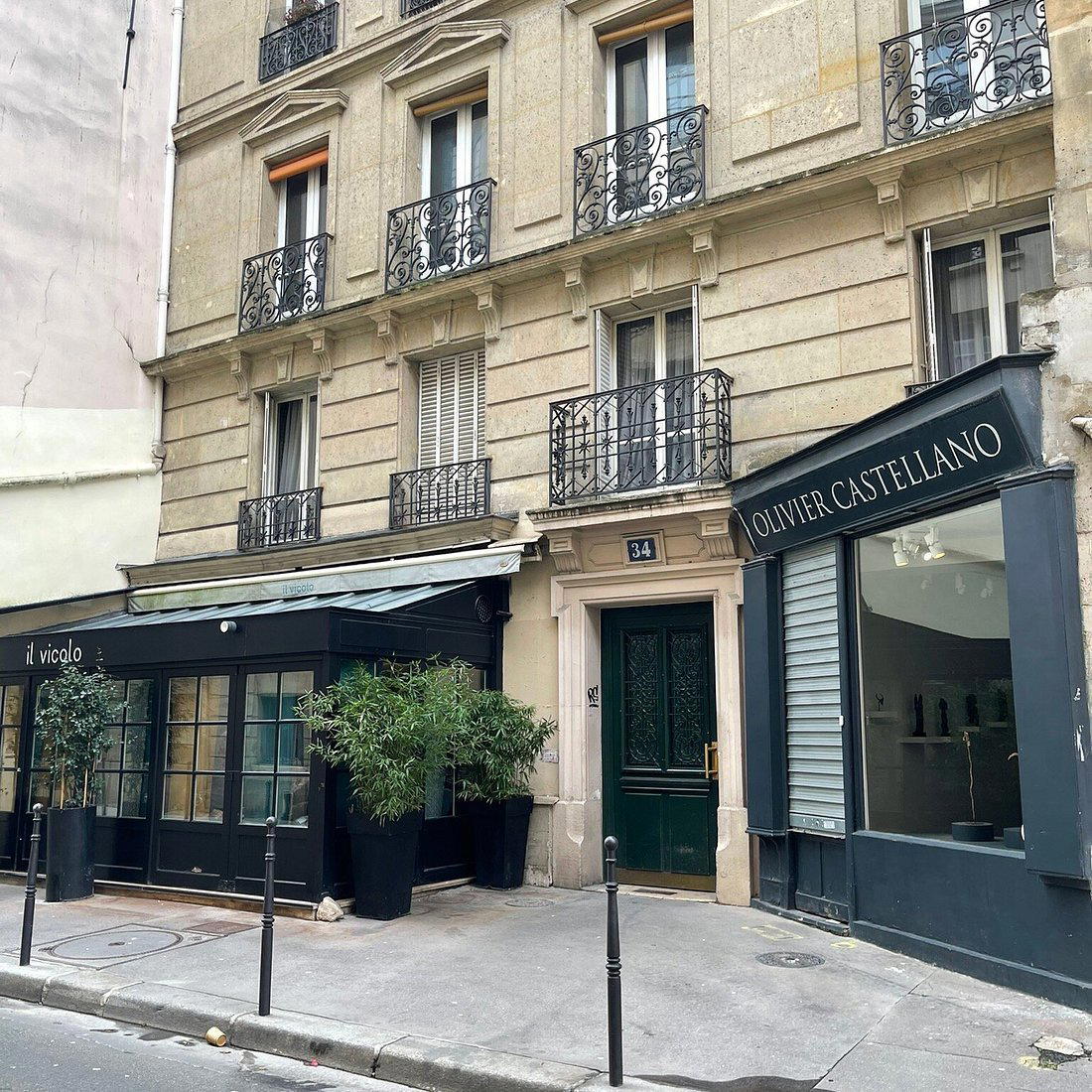
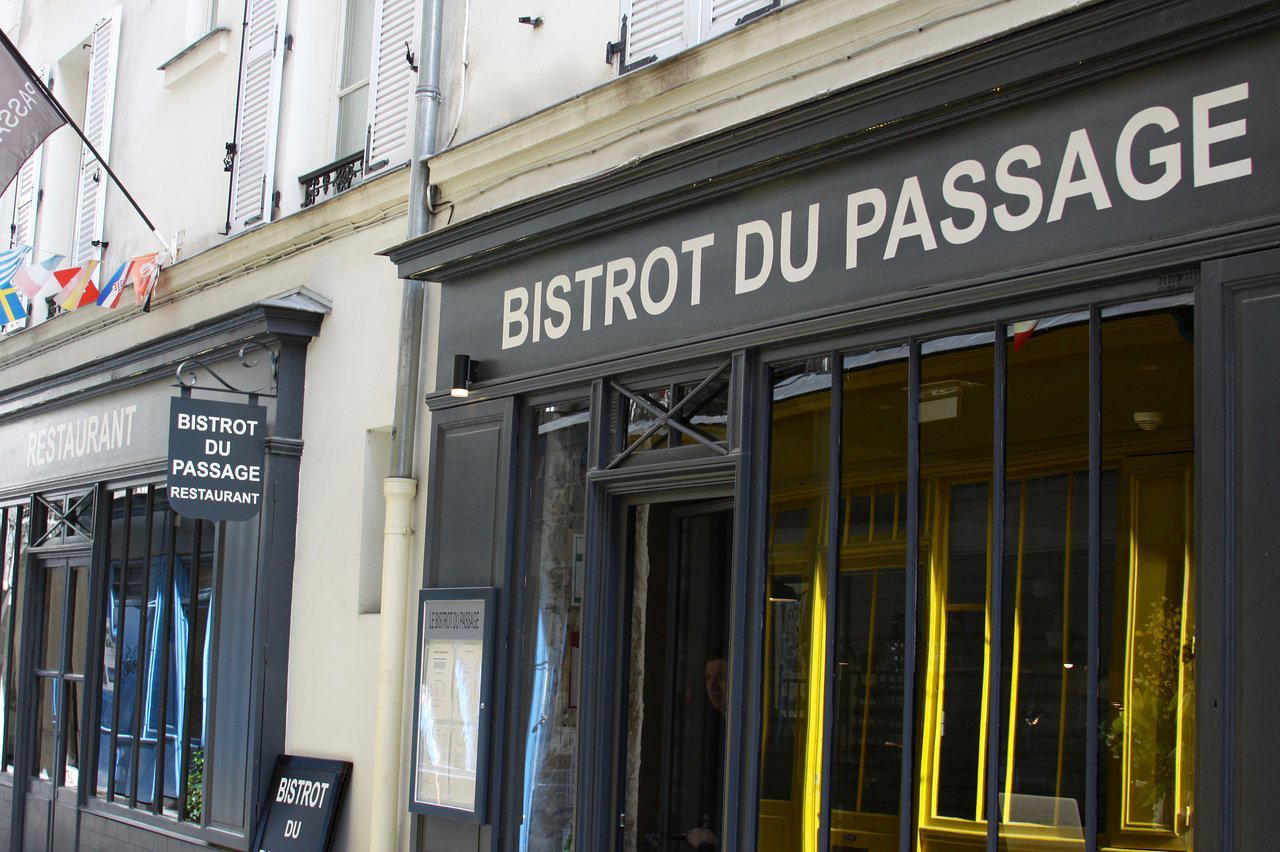
The 6th arrondissement has long maintained a different relationship with Italian cooking than the rest of Paris. Where the Right Bank tends toward large-format trattorias pitched at tourists circling the Marais, Saint-Germain-des-Prés sustains a quieter register: smaller rooms, tighter menus, addresses that accumulate regulars rather than foot traffic. Il Vicolo, at 34 Rue Mazarine, sits inside that tradition. The street itself runs between the Carrefour de l'Odéon and the Seine, a corridor that has housed printers, gallerists, and restaurateurs for the better part of three centuries. That continuity shapes what diners expect when they push open a door here.
The Physical Container: Space as Editorial Statement
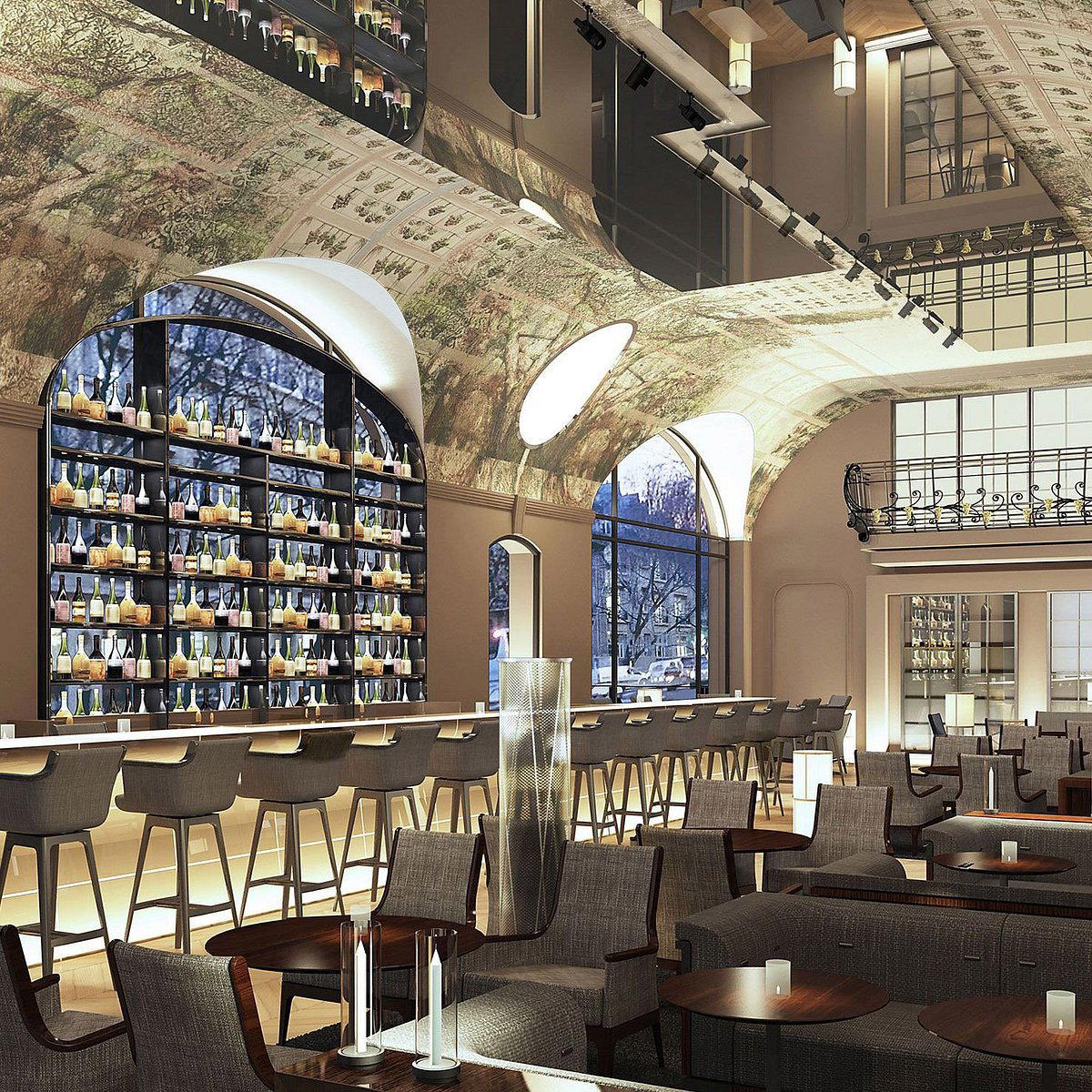
In Paris, the room is always part of the argument. The city's most durable dining addresses tend to earn loyalty not just through what arrives at the table but through how the space is organized around the act of eating. Saint-Germain addresses in particular carry an architectural intelligence that comes from necessity: narrow footprints, low ceilings, walls that have absorbed decades of conversation. These constraints produce an intimacy that larger, purpose-built dining rooms in newer districts rarely achieve.
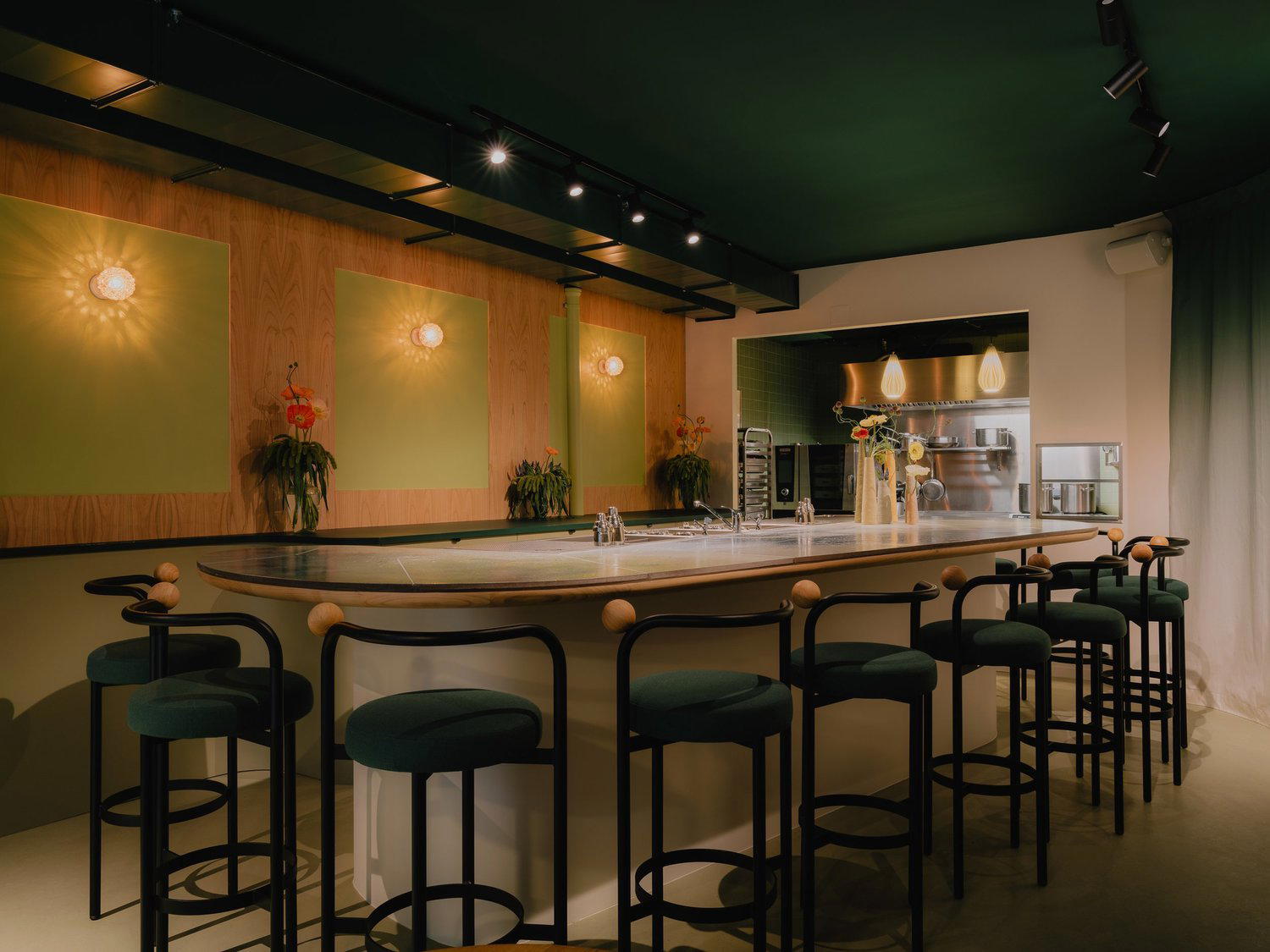
Il Vicolo on Rue Mazarine operates within this framework. The address belongs to a cluster of streets in the 6th where the built fabric imposes discipline on any operator: you cannot overwhelm a small room with a large brigade or a sprawling menu. The result, historically across this neighbourhood, is that kitchens focus, rooms feel considered, and the guest experience contracts to something more deliberate than a broad restaurant floor allows. Dining rooms of this scale in Saint-Germain function less like restaurants in the conventional sense and more like the dining room of a household that has decided to become semi-public.
That spatial logic has a direct bearing on how Italian cooking reads in this context. Italian restaurants in Paris occupy a wide spectrum, from the casual neighbourhood pizzeria to the rare address attempting serious regional Italian with French-sourced produce and a cellar that takes Barolo and Brunello as seriously as Burgundy. The interior architecture of a Rue Mazarine address signals, before a menu is even opened, that the intent is closer to the latter than the former.
Italian Cooking in Paris: Where Il Vicolo Sits in the Scene
Paris has never been an especially easy city for serious Italian restaurants to operate in. French diners hold their own culinary traditions with enough confidence that Italian cooking has historically been received either as comfort food or as a curiosity, rarely as a peer tradition with equivalent technical depth. That dynamic has shifted over the past decade. A cohort of Paris addresses now approaches Italian regional cooking with the same sourcing rigour and seasonal discipline that the city's French kitchens apply as standard. This is the competitive context into which Il Vicolo enters.
The broader Paris fine dining scene against which any ambitious restaurant is measured includes addresses such as Alléno Paris au Pavillon Ledoyen, Arpège, and L'Ambroisie, all operating at the top of the French classical and creative spectrum. At that level, the technical and sourcing bar is explicit. An Italian address in Saint-Germain is not competing directly with those rooms, but it is read against them by the same diner who moves between addresses in the 6th and 8th. Kei offers a useful parallel: a non-French kitchen that has earned serious recognition in Paris by applying French-level discipline to a different culinary tradition. The pathway exists; it requires consistency.
Beyond Paris, French dining culture at the highest register is well documented. Mirazur in Menton, Troisgros in Ouches, Bras in Laguiole, and Auberge de l'Ill in Illhaeusern represent the depth of the French regional tradition that any serious restaurant in France is implicitly measured against. In that context, an Italian address in Paris earns its credibility through specificity: clarity about region, about produce sourcing, about whether the pasta is made in-house and whether the wine list reflects the kitchen's geography.
Rue Mazarine in the 6th: Neighbourhood Intelligence
The immediate vicinity of 34 Rue Mazarine rewards a certain kind of visitor. The street connects to the Place de l'Odéon on one axis and runs toward the Pont Neuf on another. The École des Beaux-Arts is a short walk north. The neighbourhood's gallery density, particularly along Rue de Seine and Rue Mazarine itself, shapes the rhythm of who eats here and when: openings on Thursday evenings, weekend afternoons after auction previews, weekday lunches that run longer than they should. This is not a tourist corridor in the way that streets closer to Notre-Dame function. The addresses along Rue Mazarine are found rather than stumbled upon.
For diners used to the scale and formality of the 8th arrondissement's French rooms, such as Le Cinq at the Four Seasons Hôtel George V, the Saint-Germain register is a deliberate step toward the informal. Tables are closer, noise levels are warmer, and the service model tends toward knowledgeable rather than ceremonial. That is not a downgrade. It is a different mode, one that the 6th has refined over generations. For broader orientation, our full Paris restaurants guide maps the city's dining geography across arrondissements and price tiers.
Further afield, those travelling across France who treat restaurants as a primary reason for moving between cities will find reference points at Flocons de Sel in Megève, Assiette Champenoise in Reims, Au Crocodile in Strasbourg, Auberge du Vieux Puits in Fontjoncouse, AM par Alexandre Mazzia in Marseille, and Paul Bocuse in Collonges-au-Mont-d'Or. For readers whose frames of reference extend to New York, Le Bernardin and Atomix represent two poles of the serious dining argument in that city.
Budget and Context
Comparable venues nearby, for context on price, style, and recognition.
| Venue | Cuisine | Price | Awards | Notes |
|---|---|---|---|---|
| Il VicoloThis venue (the venue you are viewing) | Modern Italian Trattoria | $50–100 | Gambero Rosso 2 Forchette | Not listed |
| Vecchio au Perchoir | Italo-American | $30–50 | Not listed | 11th Arrondissement, Italo-American |
| Neonato | Modern Neapolitan Italian | $30–50 | Not listed | Marais, Modern Neapolitan Italian |
| Assaporare 10 sur 10 | Authentic Italian Trattoria | $30–50 | Not listed | Bastille, Authentic Italian Trattoria |
| Casa Luca | Authentic Italian Trattoria | $30–50 | Not listed | Champs-Élysées, Authentic Italian Trattoria |
| Sorella | Authentic Italian Trattoria | $30–50 | Not listed | 16th Arrondissement - Passy, Authentic Italian Trattoria |
Recognition history
Dated appearances from independent guides and award organizations, with the underlying list record or original source where available.
Gambero Rosso 2 Forchette
Gambero Rosso
Continue exploring
More in Paris
Restaurants in Paris
All restaurants in Paris →
Bars in Paris
All bars in Paris →
Details
- Elegant
- Cozy
- Sophisticated
- Date Night
- Special Occasion
- Open Kitchen
- Extensive Wine List
- Local Sourcing
- Street Scene
- A La Carte
- Wine
- Vegetarian Friendly
- Vegan Options
- Gluten Free Options
Current opening hours
- Monday
- Closed
- Tuesday
- 12:30–2:15 PM, 7:30–10:15 PM
- Wednesday
- 12:30–2:15 PM, 7:30–10:15 PM
- Thursday
- 12:30–2:15 PM, 7:30–10:15 PM
- Friday
- 12:30–2:15 PM, 7:30–10:15 PM
- Saturday
- 12:30–2:15 PM, 7:30–10:15 PM
- Sunday
- Closed
Hours can change for holidays and private events. Hours as of .
Chic and elegant atmosphere with warm, inviting ambiance praised for intimate dinners.