Fulvio occupies a quietly noted address at 4 Rue de Poitou in Paris's 3rd arrondissement, a neighbourhood where the boundary between the Marais's historic fabric and its current restaurant density runs close. The address places it within walking distance of the Place de la République axis and the covered-market belt that once defined this quarter's food culture.
Pearl is the En Primeur Club membership app — saves, bookings, and concierge access live there. Same editors, same standards.
- Address
- 4 Rue de Poitou, 75003 Paris, France
- Phone
- +33142716280
- Website
- restaurant-fulvio.fr
- Directions
- Get directions
 Saves & bookings on Pearl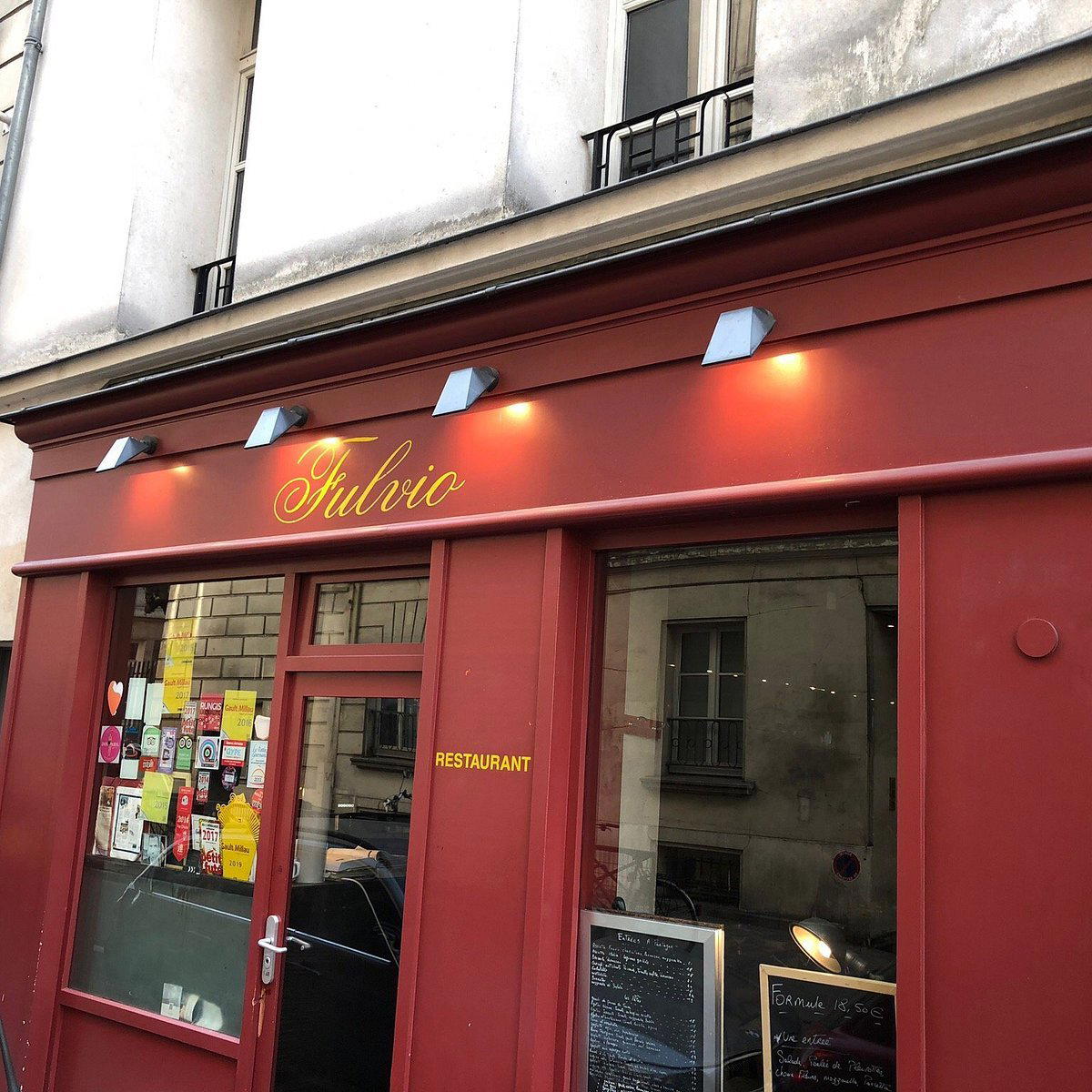
A Street, a Quarter, and What the Address Signals
Rue de Poitou sits in the upper Marais, a few blocks north of the Place des Vosges and south of the Canal Saint-Martin corridor, in a stretch of the 3rd arrondissement that has absorbed successive waves of restaurant openings without losing the residential grain that makes it legible as a neighbourhood rather than a dining district. The street itself is narrow and relatively quiet by Marais standards, which in Paris tends to function as a pricing signal: the restaurants that hold addresses here are not paying the premium of the Rue de Bretagne or the Rue Charlot frontages, and that cost structure can translate into a different kind of kitchen focus. Fulvio is at number 4, at the northern end of the street where it meets the Rue Saintonge junction.
Paris's most formally recognised rooms, including L'Ambroisie on the Place des Vosges and the grand hotel dining of Le Cinq at the Four Seasons George V, operate under a different set of expectations: elaborate service ratios, prix-fixe structures at three-figure price points, and rooms designed to signal occasion. The Marais, by contrast, has cultivated a parallel track of smaller, more format-flexible rooms where the proposition is built on kitchen craft and neighbourhood fit rather than ceremonial dining codes. Kei, a few kilometres west in the 1st, shows how a tightly focused creative approach can earn Michelin recognition from a compact, chef-driven room.
The Sensory Register of the Upper Marais at Table
Dining in this part of the 3rd arrondissement has a specific atmospheric texture. The buildings are Haussmann-era and older, with thick walls and stone facades that absorb street noise in a way that the newer constructions further east do not. Restaurants on these streets typically work with the existing architecture rather than against it: low ceilings, exposed stonework or plaster, lighting designed for intimacy rather than visibility. Sound stays contained. The ambient register tends toward conversation rather than performance, which suits a certain kind of dining that prioritises focus over spectacle.
This is the atmospheric category that particularly attentive operators in the French regional tradition have always understood. Auberge de l'Ill in Illhaeusern built its multi-decade reputation partly on the coherence between its physical setting and what arrived at the table. Bras in Laguiole extended the same principle to a purpose-built structure designed to make the Aubrac plateau visible from every seat. In a dense urban context like the upper Marais, the relationship between room and plate is more compressed, but the principle holds: the atmosphere is part of the argument the kitchen is making.
Paris has a long tradition of rooms where the visual and olfactory cues do significant work before anything is ordered. The smell of a serious stock, the sound of a pass operating at controlled pace, the way bread arrives, the temperature management of a room that is neither overheated nor cool enough to signal indifference, these are the signals that experienced diners in this city read fluently. They are also the signals that distinguish a kitchen operating with intent from one coasting on location.
Where Fulvio Sits in the Paris Dining Conversation
Paris dining in 2024 and 2025 has continued to stratify. At the leading, the three-star rooms, including Alléno Paris au Pavillon Ledoyen and Arpège, operate at price points and booking lead times that place them in a separate planning category for most visitors. Below that, the city has seen sustained growth in a middle tier of chef-driven rooms that price in a range accessible to regulars rather than only occasion diners, and that often operate with shorter menus and higher table-turn focus. The Marais has been a consistent address for this tier, with Italian and southern European kitchens appearing with particular frequency alongside the French-inflected rooms that dominated the area a decade ago.
The name Fulvio, with its Italian register, places it in a dining conversation that Paris has been conducting with increasing seriousness: the question of what Italian cooking looks like when it is interpreted through French technique and product access, or alternatively, when it holds to Italian logic in a city that provides notable raw materials but imposes its own culinary expectations. This is not a trivial question. Le Bernardin in New York demonstrated decades ago how a French kitchen sensibility transplanted into a different city context can redefine what is expected of a particular cuisine category. The same dynamic plays out, at different scales, whenever a kitchen operates under a name that signals a specific culinary origin.
For comparison within the French fine dining tradition more broadly, the regional anchor houses, from Troisgros in Ouches to Flocons de Sel in Megève and Mirazur in Menton, show how a strong sense of place and product can sustain a room at the highest level of recognition over time. The Paris equivalents of this logic tend to be smaller in footprint and more reliant on the city's supply chain rather than a specific terroir, but the underlying proposition is similar: a kitchen that knows what it is and repeats it with precision.
Planning a Visit: What the Address Tells You
Rue de Poitou is accessible on foot from the Arts et Métiers metro station (lines 3 and 11) in under five minutes, and from the Temple station (line 3) in a similar walk. The street is not on the main tourist circuit through the Marais, which means arrival and departure are unlikely to involve the pedestrian congestion that affects the Rue des Rosiers or the Rue de Bretagne market stretch. For visitors combining a meal with the wider Marais, the Jewish quarter and the Picasso Museum are both within a ten-minute walk south. The covered Marché des Enfants Rouges, one of the oldest covered markets in Paris, is a short walk north on the Rue de Bretagne and worth timing into an afternoon before an evening reservation.
The address at 4 Rue de Poitou is confirmed.
- Pasta Bottarga
- Orecchiette with Lamb
- Truffle Ravioli
- Tiramisu
- Mortadella with Pistachios
- Rigatoni alla Norma
A Quick Peer Check
Comparable venues nearby, for context on price, style, and recognition.
| Venue | Cuisine | Price | Notes |
|---|---|---|---|
| FulvioThis venue — the venue you are viewing | Authentic Sardinian & Southern Italian Pasta | $$$ | Not listed |
| Cafe San Francisco | Modern Italian Bistro | $$$ | Passy |
| Anna | Italian Wine Bar | $$$ | Haut Marais (Paris 3) |
| Mamma Primi | Authentic Italian Trattoria with Fresh Pasta & Pizza | $$ | Batignolles |
| Vecchio au Perchoir | Italo-American | $$$ | 11th Arrondissement |
| Latte Cisternino | Italian Deli Cooperative | $$ | 10th arrondissement |
Continue exploring
More in Paris
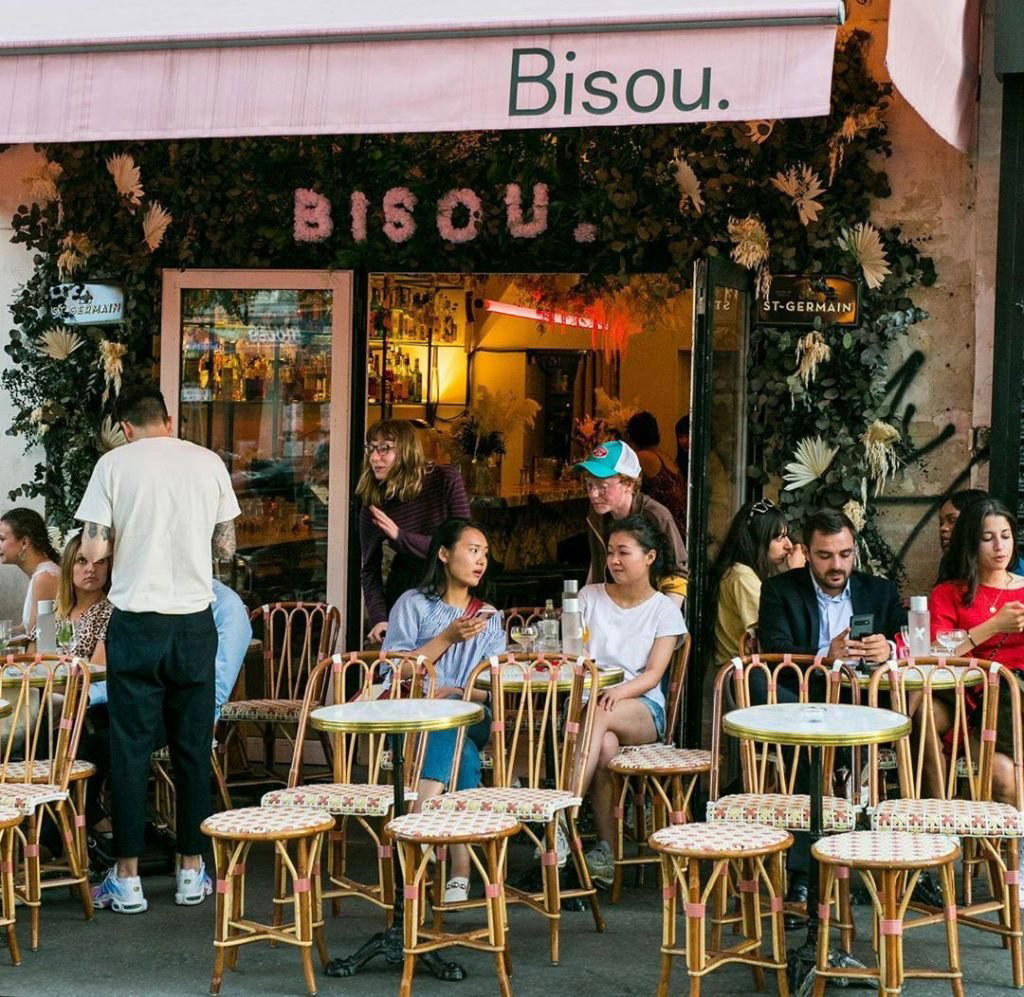
Restaurants in Paris
Browse all →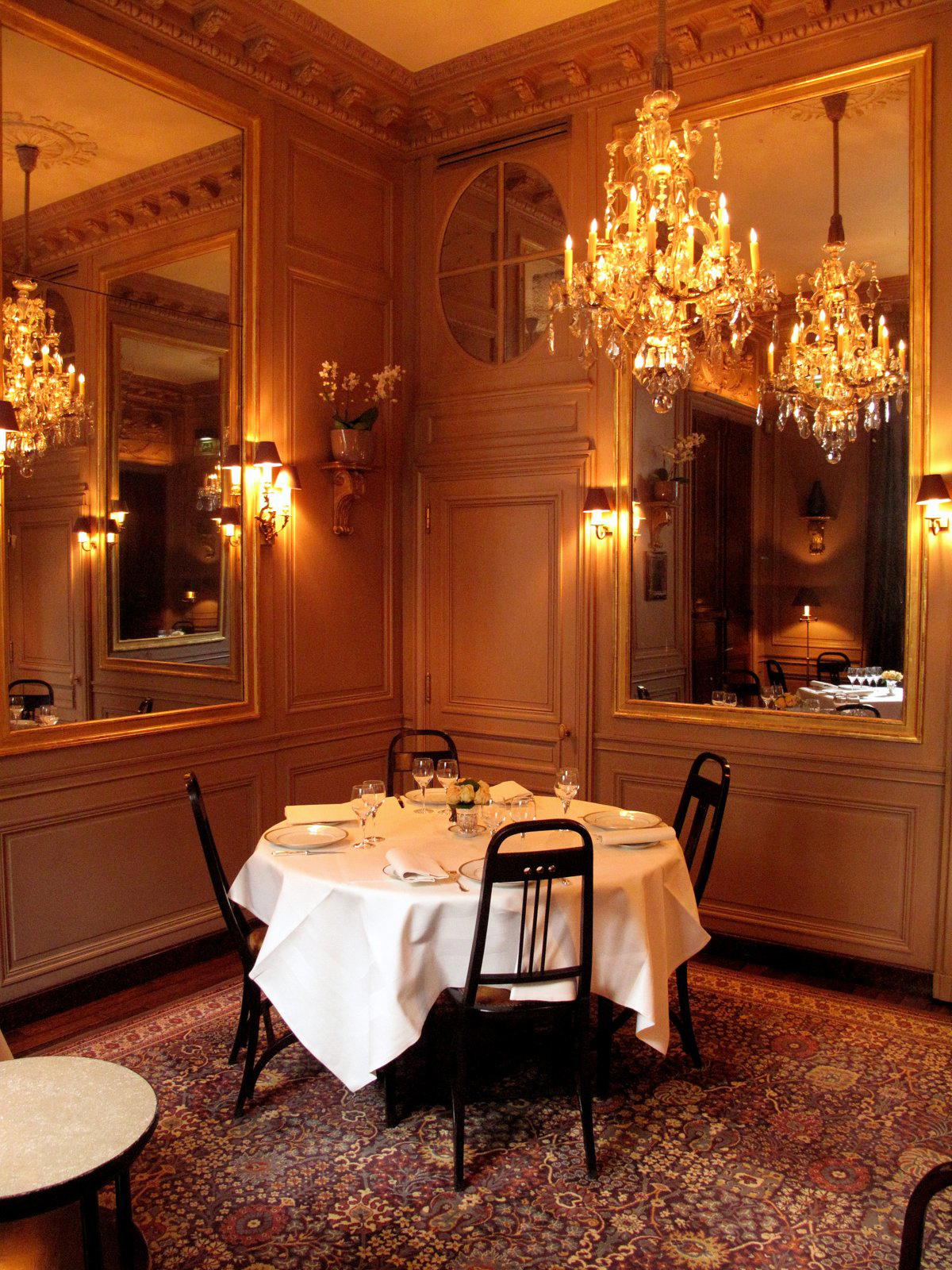
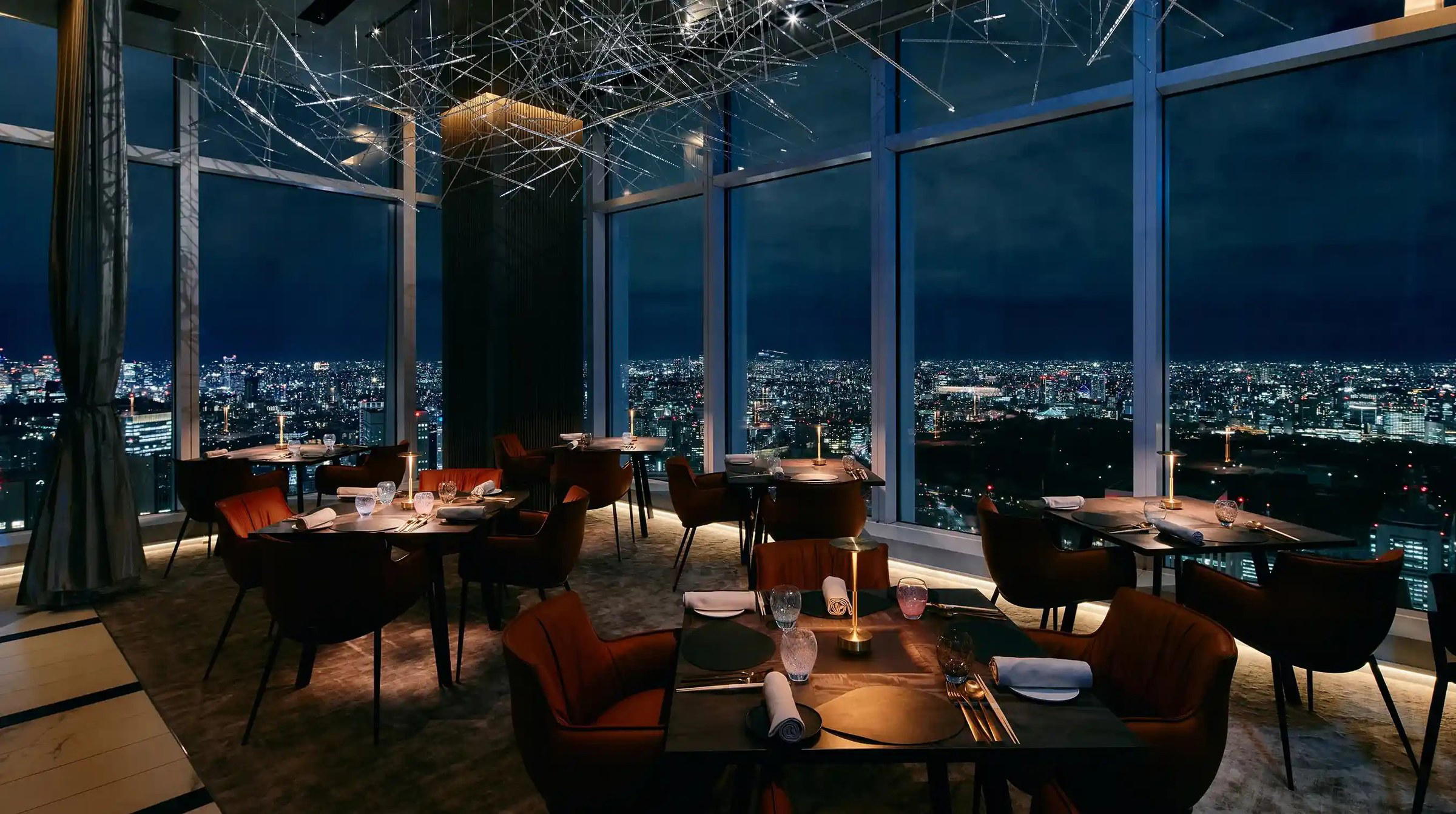
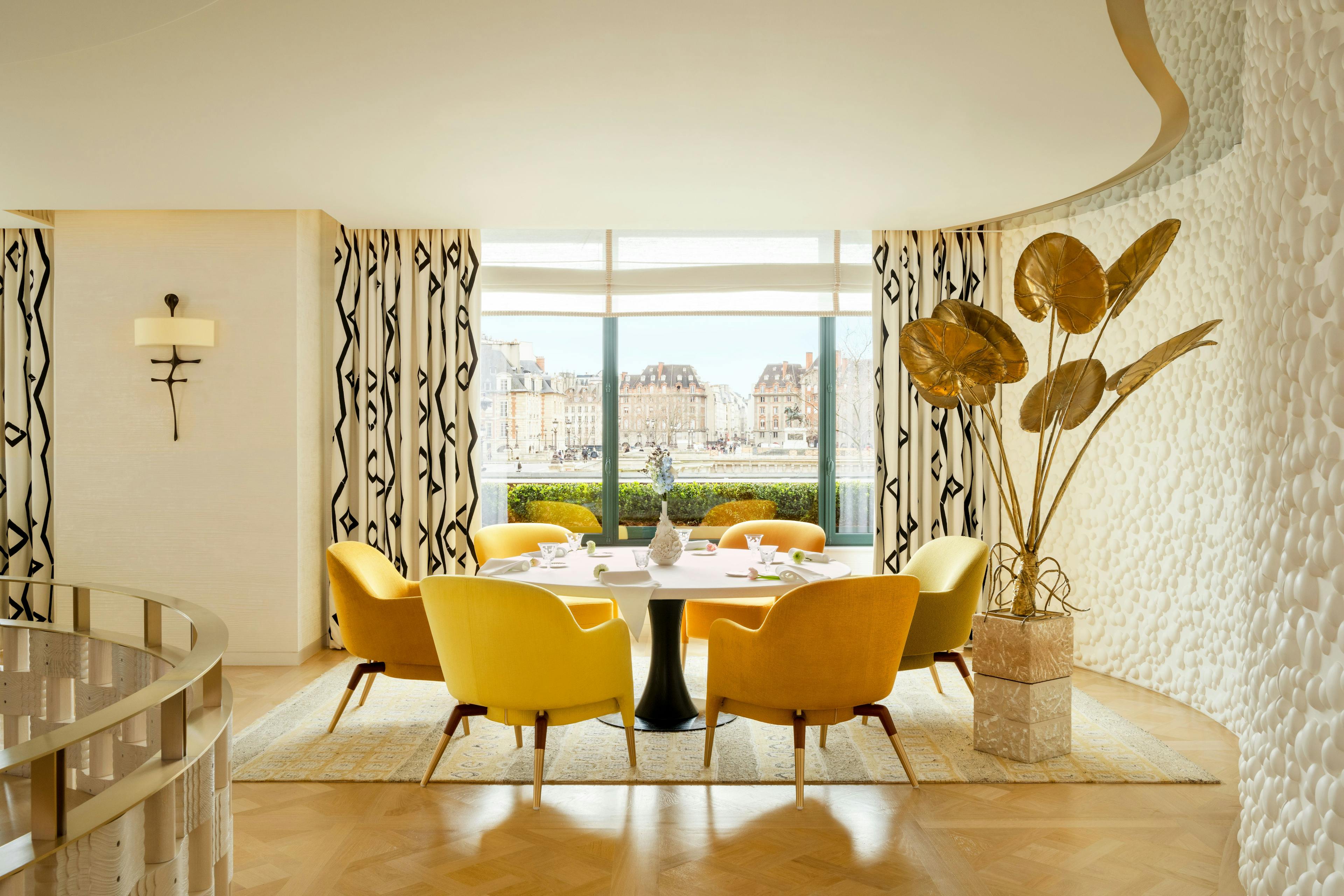
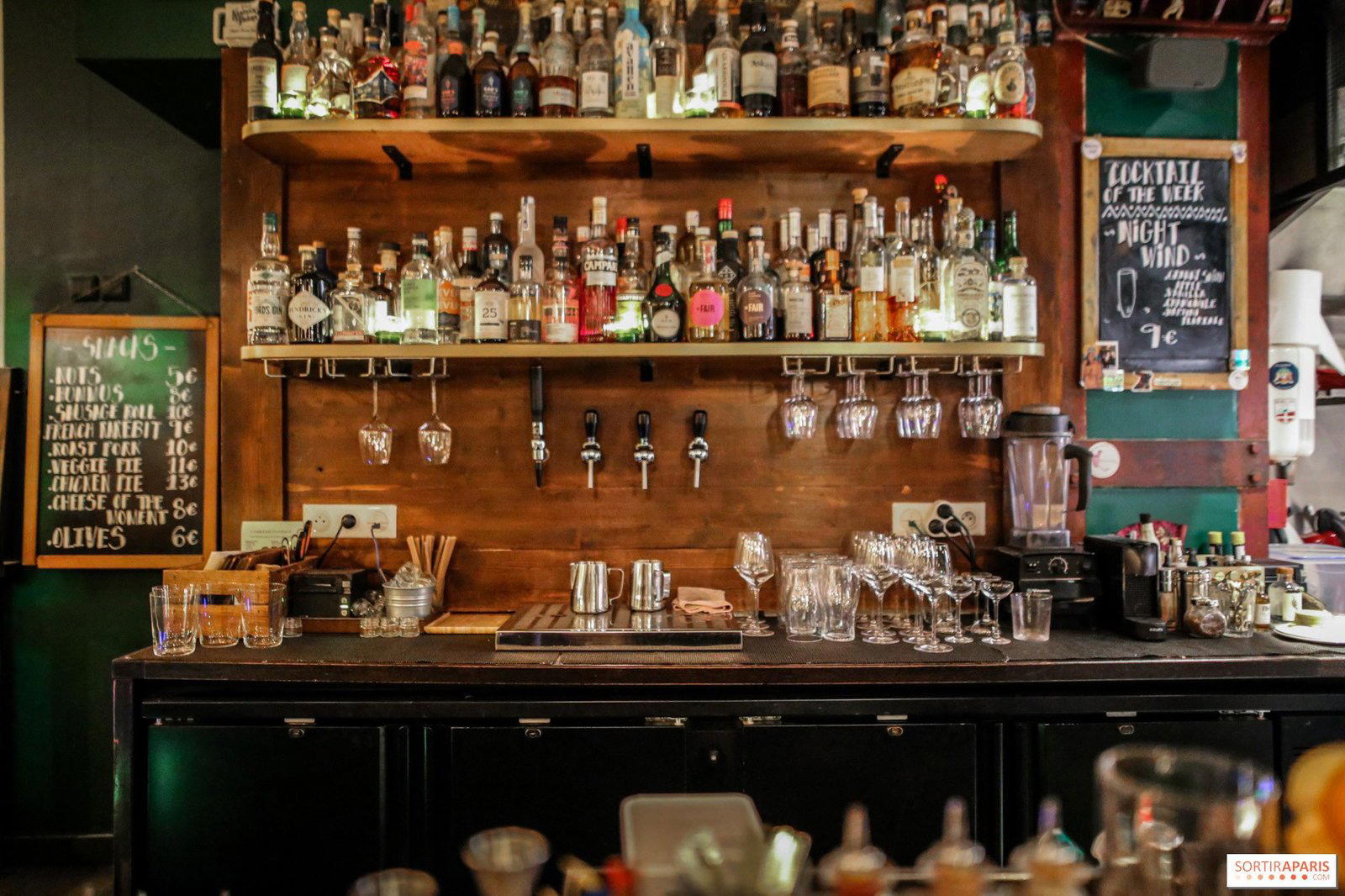
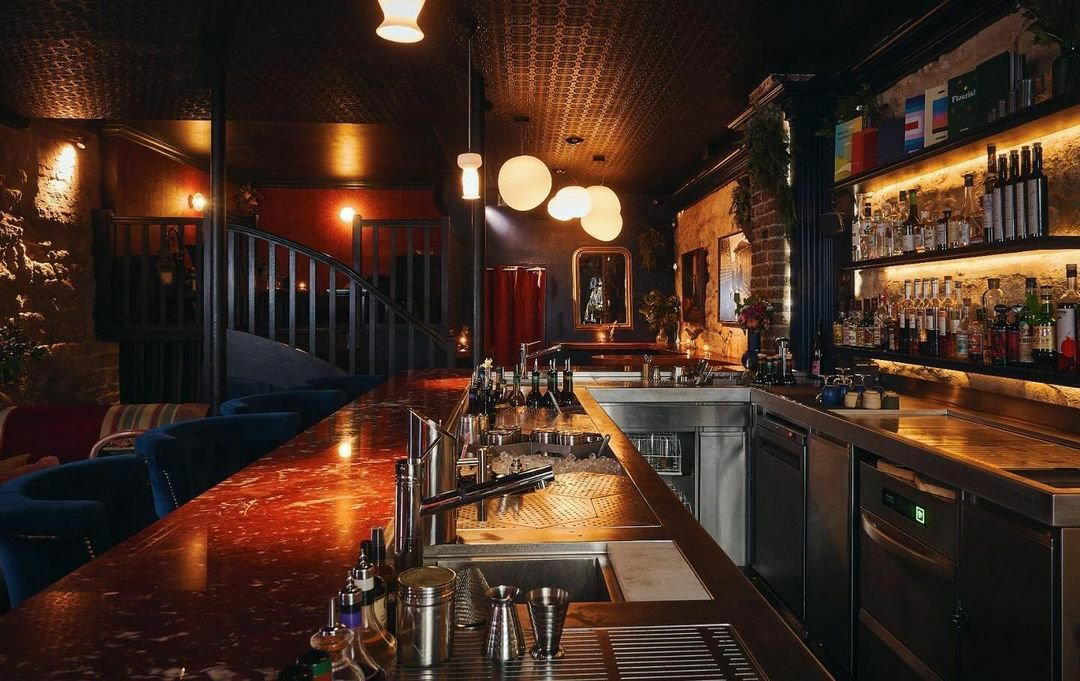
Bars in Paris
Browse all →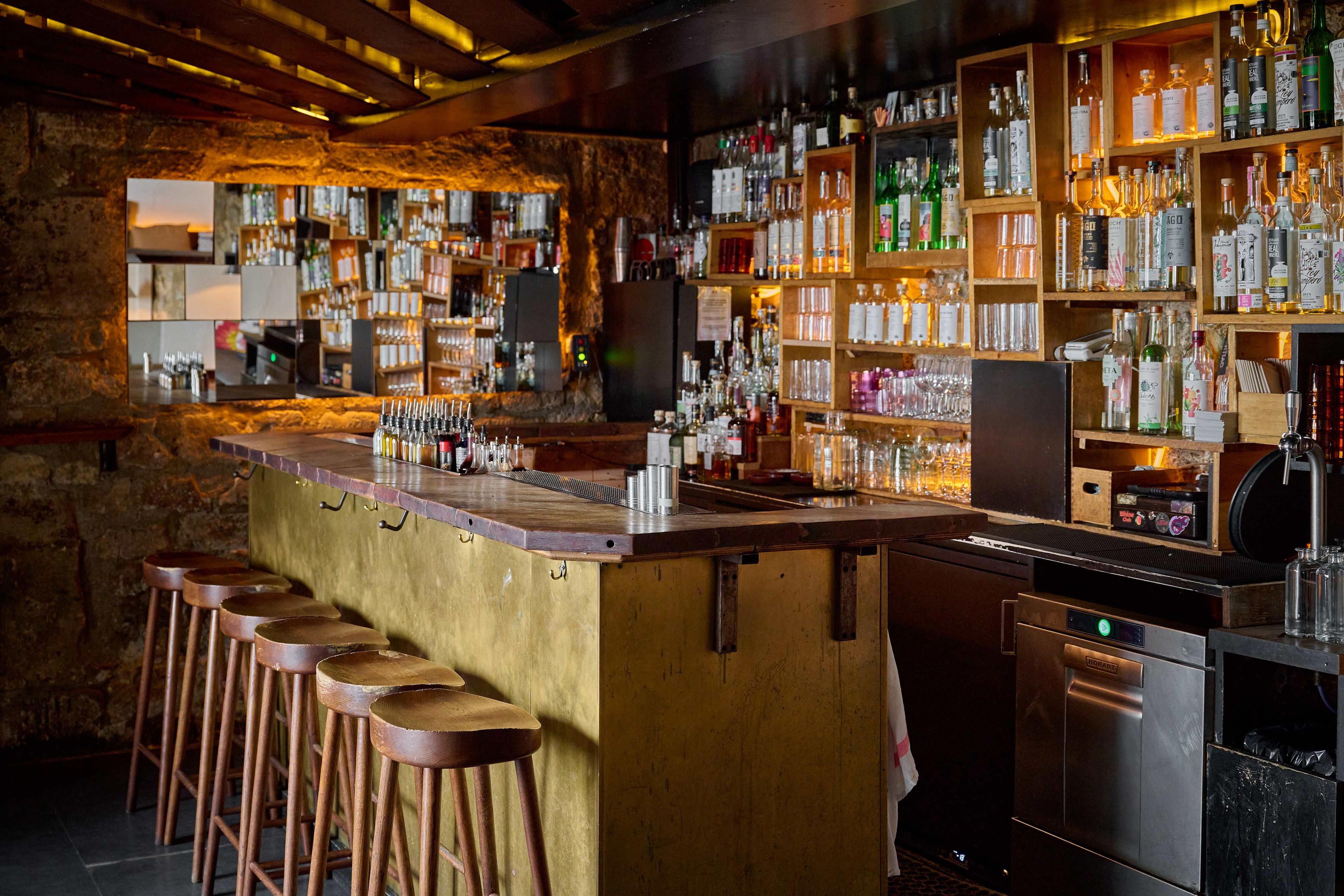
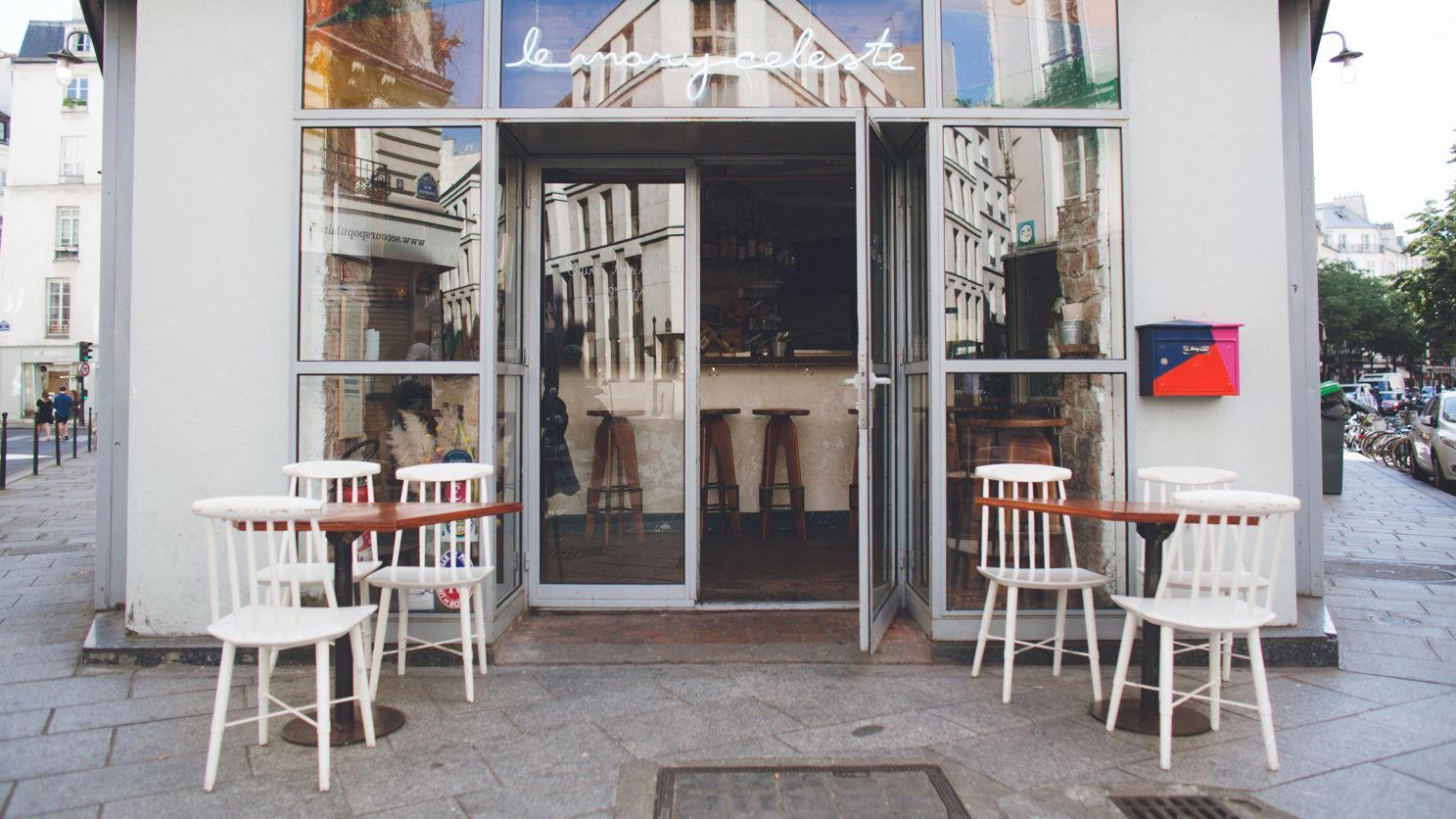
Hotels in Paris
Browse all →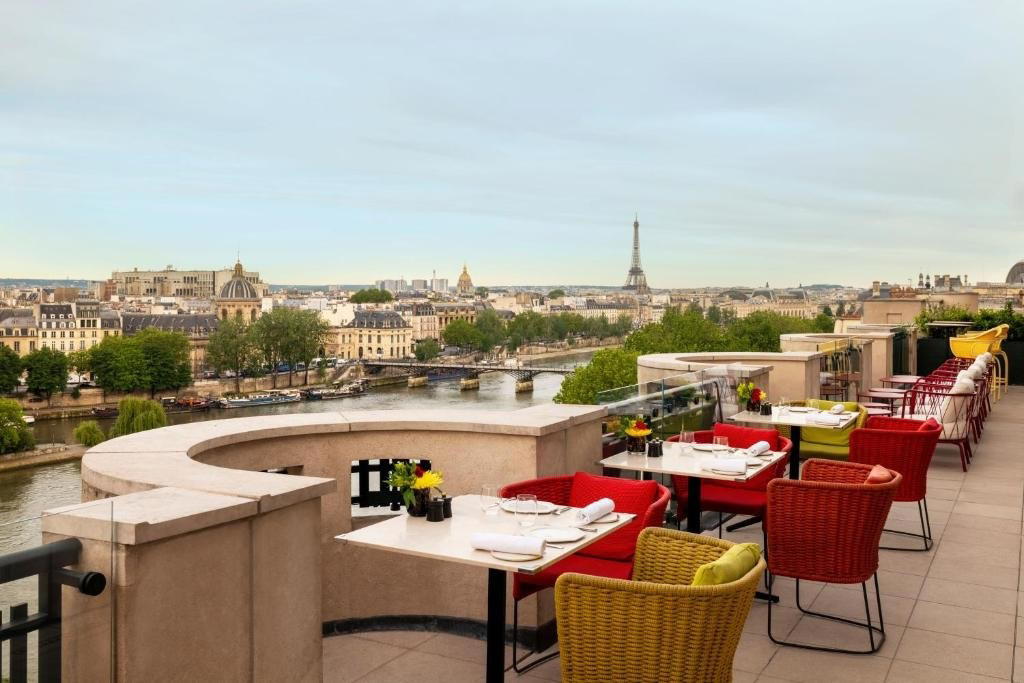



At a Glance
- Cozy
- Intimate
- Classic
- Rustic
- Date Night
- Group Dining
- Special Occasion
- Casual Hangout
- Standalone
- Local Sourcing
Current opening hours
- Monday
- 7:30–11 PM
- Tuesday
- 12–2:30 PM, 7:30–11 PM
- Wednesday
- 12–2:30 PM, 7:30–11 PM
- Thursday
- 12–2:30 PM, 7:30–11 PM
- Friday
- 12–2:30 PM, 7:30–11 PM
- Saturday
- 7:30–11 PM
- Sunday
- Closed
Hours can change for holidays and private events. Last verified .
Charming, intimate space with tightly arranged tables and warm, personal service; cozy and clean with a casual, unpretentious atmosphere despite upscale food quality.