LIFTONIC West Village
Our verdict
LIFTONIC West Village occupies a Gansevoort Street address in one of Manhattan's most closely watched dining and wellness corridors. The West Village has become a proving ground for food-and-fitness concepts that take both sides of the equation seriously, and LIFTONIC positions itself within that tier. Visitors should confirm current hours, pricing, and format directly before booking.

Pearl is the En Primeur Club membership app — saves, bookings, and concierge access live there. Same editors, same standards.
Gansevoort Street and the New Shape of the West Village
The stretch of Gansevoort Street between the High Line's southern terminus and the Meatpacking District's cobblestoned grid has, over the past decade, become one of the more closely observed blocks in Manhattan. What was once a wholesale meat corridor has evolved into a corridor of considered consumption: slower retail, design-led food concepts, and wellness-inflected hospitality that takes sourcing as seriously as atmosphere. LIFTONIC West Village sits at 13 Gansevoort St, placing it at the intersection of those currents in a neighbourhood where the audience tends to ask harder questions about what they're putting in their bodies than diners in most other parts of the city.
That neighbourhood context matters because it shapes what LIFTONIC is competing against. The West Village and Meatpacking District draw a clientele that circulates between Le Bernardin-tier occasion dining and daily-routine wellness spending. Concepts that sit between those poles — offering something with nutritional intentionality but also an experience worth showing up for — occupy a specific and genuinely contested market position in New York. For a broader map of where this fits within the city's overall dining and wellness ecosystem, see our full New York City restaurants guide.
The Sustainability Frame: How Ethical Sourcing Defines the Category
Across American food culture, the most durable shift of the past fifteen years has not been in cuisine type but in supply-chain transparency. The question of where ingredients come from, how they were grown or raised, and what their extraction cost the land has moved from fringe certification territory into mainstream dining conversation. Venues that have built their identity around ethical sourcing now operate in a different competitive set than those that added sustainability language to an existing format. The former tend to be more consistent because the sourcing commitment shapes the menu rather than the other way around.
Nationally, this approach has produced some of the most discussed restaurants of the past decade. Blue Hill at Stone Barns in Tarrytown built an entire culinary model around its working farm. Single Thread Farm in Healdsburg integrates farming, hospitality, and dining under one roof. Smyth in Chicago runs a sourcing program that drives its tasting menu's seasonal rhythm. Lazy Bear in San Francisco has made producer relationships central to its identity. These are not decorative commitments; they are operational decisions that constrain menus, increase costs, and signal to a specific audience. When a concept in the West Village takes a comparable posture, it is entering a conversation that those venues have already established standards for.
The broader wellness-dining category has its own sustainability pressures. Plant-forward and functional-ingredient concepts face scrutiny over the sourcing of superfoods, the carbon cost of global ingredient supply chains, and whether waste reduction is built into the kitchen or bolted on for marketing purposes. Eleven Madison Park, which pivoted to a fully plant-based menu in 2021, illustrated how dramatic and genuinely costly a serious sourcing pivot can be at the fine dining level. LIFTONIC operates in a different price tier than that room, but the category logic is similar: the credibility of a sustainability claim depends on whether it shapes the operation or describes it after the fact.
The West Village as a Testing Ground
New York's wellness-food sector has matured considerably since the mid-2010s proliferation of cold-press juice bars and açaí bowl counters. The formats that have endured tend to share a few characteristics: ingredient specificity rather than vague health language, some form of kitchen discipline around waste and seasonality, and a physical environment that supports a slower, more considered visit. The West Village provides an audience for all three. The neighbourhood draws residents and visitors who are already oriented toward premium wellness spending and who are, as a result, harder to impress with surface-level claims.
That audience tends to compare across categories rather than just within them. A LIFTONIC visitor in the West Village may also have reservations at Atomix for later in the week and be tracking Per Se for a quarterly occasion dinner. The point is not that LIFTONIC competes directly with those rooms, but that it shares a discerning audience that calibrates expectations across the full spectrum of New York dining. Concepts that hold up in that environment tend to have something concrete to offer beyond their address.
Benchmarks Beyond New York
It is worth placing the sustainability-led wellness dining format in its national context. Providence in Los Angeles has built a seafood program around sustainability certification and responsible sourcing. Addison in San Diego sources from regional California producers with a specificity that shows up in seasonal menu variation. The French Laundry in Napa maintains kitchen gardens on-site. At the destination-inn level, The Inn at Little Washington in Virginia and Frasca Food and Wine in Boulder demonstrate how sourcing philosophy can anchor a restaurant's identity across decades. Internationally, Atelier Moessmer Norbert Niederkofler in Brunico has made Alpine ecosystem sourcing its entire conceptual foundation, and Dal Pescatore in Runate has sustained a multi-generational kitchen identity through regional ingredient fidelity. Emeril's in New Orleans built its reputation partly on championing Gulf Coast producers before that framing had a name. These are the reference points against which any serious sustainability claim in the American dining market is implicitly measured.
Masa, at the very leading of Manhattan's fine dining price bracket, demonstrates how ingredient sourcing can become the entire premise of a restaurant's value proposition. The lesson generalises: when an operation's sourcing commitment is real, it tends to be legible in the product, not just in the marketing language around it.
Planning Your Visit
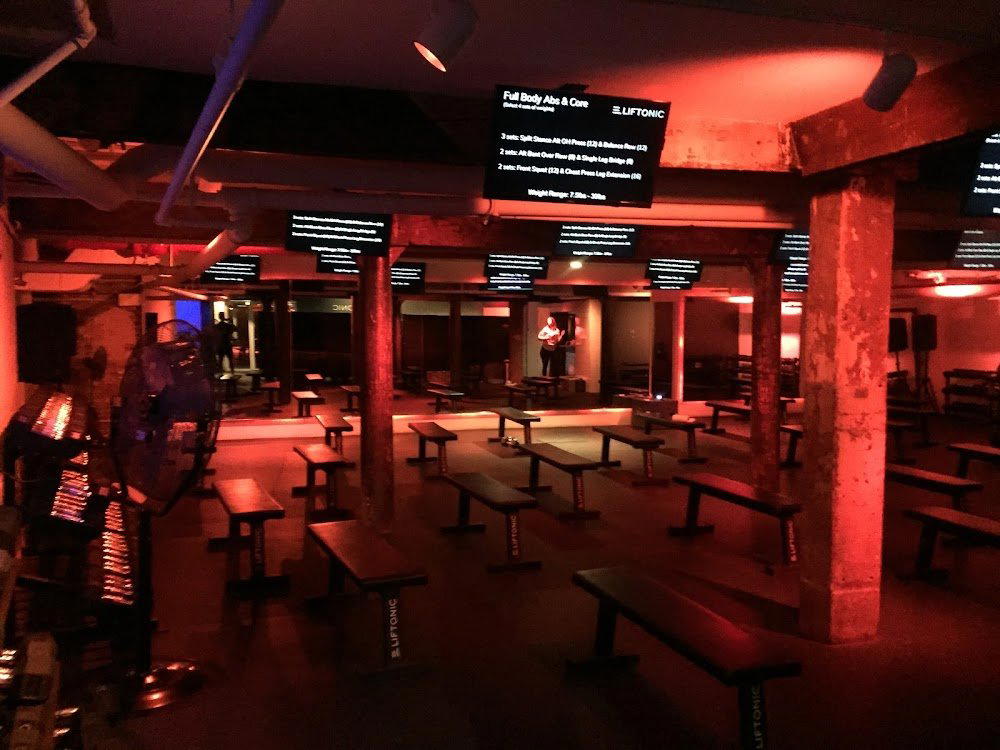
LIFTONIC West Village is located at Address: 13 Gansevoort St, New York, NY 10014, in the Meatpacking District adjacent to the West Village. Reservations: Confirm current booking method directly with the venue, as availability and format details are subject to change. Timing: The Gansevoort Street corridor is most manageable on weekday mornings and early afternoons; weekend foot traffic from the High Line increases significantly by midday. Dress: The neighbourhood skews toward athleisure and casual-smart; no formal dress expectations apply to wellness-format concepts in this area. Budget:
Frequently asked questions
Where do I go for LIFTONIC West Village?
LIFTONIC West Village is located at 13 Gansevoort St, New York, NY 10014, New York City.
How does LIFTONIC West Village's Meatpacking District location compare to other wellness dining options in Lower Manhattan?
The address at 13 Gansevoort St places LIFTONIC West Village at the southern foot of the High Line, a stretch that has attracted a denser concentration of food concepts oriented toward transparency and ingredient provenance than most of Lower Manhattan. While the Financial District and SoHo have seen wellness-adjacent openings, the West Village and Meatpacking corridor remain the primary testing ground for sustainability-led formats in New York City.
What do people recommend at LIFTONIC West Village?
LIFTONIC West Village sits within the sustainability-led wellness dining category that has replaced the cold-press juice bar format across New York City. Given its position at 13 Gansevoort St in the Meatpacking District, regulars tend to gravitate toward the menu items that reflect the venue's ethical sourcing framework rather than standard comfort-food fare. Specific dish recommendations are best confirmed directly with the venue, as the menu shifts with sourcing availability.
Do I need a reservation for LIFTONIC West Village?
Reservation requirements at 13 Gansevoort St vary by day and time, particularly given the foot traffic generated by the adjacent High Line terminus and Meatpacking District. Walk-in availability tends to be tighter on weekends. Contacting the venue directly or checking their current booking platform before arrival is the reliable approach.
What's LIFTONIC West Village best at?
LIFTONIC West Village operates within the mature wellness-food sector that has replaced the mid-2010s juice bar wave in New York City, with supply-chain transparency as its defining commitment. The Gansevoort Street location places it at the intersection of the High Line's cultural corridor and the Meatpacking District, giving it a positioning that few wellness concepts in Manhattan share. That combination of ethical sourcing and neighbourhood context is the venue's clearest point of distinction.
Do they accommodate allergies at LIFTONIC West Village?
Venues operating within the sustainability and wellness dining category in New York City routinely maintain detailed ingredient sourcing records, which typically supports allergy accommodation. For LIFTONIC West Village specifically, allergy requirements should be communicated at the time of booking or directly with staff at 13 Gansevoort St, as protocols vary by venue and menu.
Similar Picks
Comparable venues nearby, for context on price, style, and recognition.
| Venue | Cuisine | Price | Notes |
|---|---|---|---|
| LIFTONIC West VillageThis venue — the venue you are viewing | Dining | Not listed | Not listed |
| Umi | Sushi & Seafood Buffet | $30–50 | Fresh Meadows |
| Organika Bar & Kitchen | Organic Italian | Not listed | West Village |
| Market Table | Dining | Not listed | West Village |
| Beecher's Handmade Cheese - New York | American Cheese Cafe | Not listed | Midtown South-Flatiron-Union Square |
| La Rotisserie | French Rotisserie Bistro | Not listed | Midtown South-Flatiron-Union Square |